Tag: inflation

  • Gold price in Pakistan increases to Rs209,500 per tola on weak rupee and global trends

    Gold price in Pakistan increases to Rs209,500 per tola on weak rupee and global trends

    Gold prices in Pakistan increased on Monday, following global trends and a potential boost from a weakening rupee. As a result, yellow metal became more expensive, prompting traders to be cautious on the eve of a monetary policy meeting. According to data released by the All-Pakistan Sarafa Gems and Jewellers Association (APSGJA), the price of 24-carat gold increased by Rs1,200 per tola and Rs1,028 per 10 grams, settling at Rs209,500 and Rs164,645 respectively.

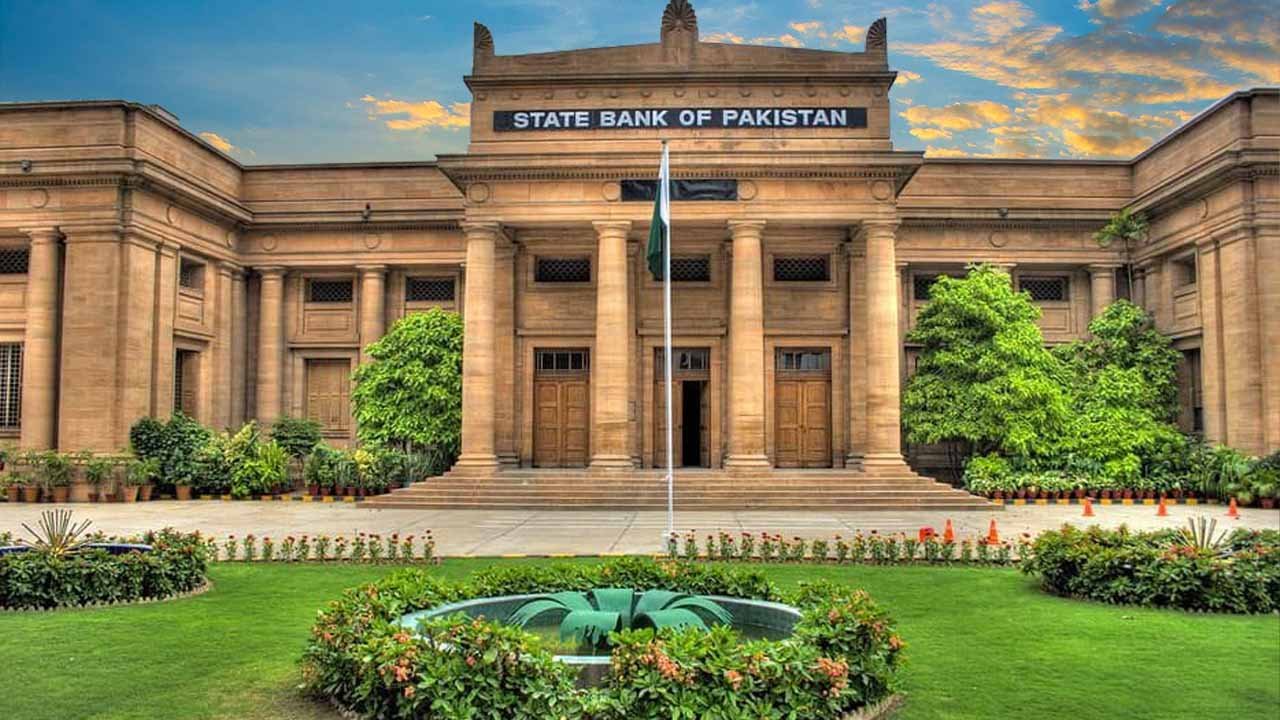
    In the inter-bank market, the rupee depreciated 0.44 per cent against the dollar on Monday, settling at 285.04, a loss of Rs1.25 according to the State Bank of Pakistan (SBP). As inflation in Pakistan spirals out of control, the SBP is expected to raise the policy rate by 100-200 basis points. In March, consumer price inflation in Pakistan rose to a record 35.37 per cent from the previous year.

    Gold is commonly viewed as a hedge against inflation, increasing in value as the purchasing power of the dollar decreases. In Pakistan, March’s monthly inflation surpassed predictions, reaching almost an all-time high of 35.4 per cent compared to the previous year. This has resulted in many individuals experiencing financial difficulty as the cost of living continues to outstrip average incomes. Last month, the central bank raised the policy rate by 300 basis points to 20 per cent.

    On Monday, world gold prices rebounded as the dollar trimmed its initial gains, which were driven by bets that OPEC’s surprise output cuts could raise global energy prices and cause central banks to increase interest rates. Spot gold increased by 0.5 per cent to $1,977.43 per ounce by 1206 GMT, with US gold futures gaining 0.4 per cent to $1,994.50. Earlier in the session, gold hit a one-week low of $1,949.54.

    However, when interest rates are raised to curb rising price pressures, the appeal of gold as an asset diminishes as it does not pay interest. In the domestic market, silver prices increased by Rs80 per tola and Rs68.59 per 10 grams, settling at their all-time highs of Rs2,350 and Rs2,014.47 respectively. While the international prices of silver fell 0.3 per cent to $24.01 per ounce, platinum was also down 0.3 per cent to $988.60, and palladium rose 0.7 per cent to $1,470.72.
  • Pakistan’s inflation rate surges to an all-time high, reaching 38.9% in rural areas

    Pakistan’s inflation rate surges to an all-time high, reaching 38.9% in rural areas

    According to recent reports, the finance ministry’s expectations of high inflation were met due to market frictions caused by the relative demand and supply gap of essential items, exchange rate depreciation, and recent upward adjustment of administered prices of petrol and diesel. However, there was a monthly decline in the inflation rate, which dropped to 3.7 per cent in March compared to February.

    Despite this, the inflation situation has worsened significantly over the months, causing mass distress due to the high prices of almost every edible item. The core inflation rate, which excludes volatile energy and food prices, increased in March to 18.6 per cent in urban areas and 23.1 per cent in rural areas. Experts believe that Pakistan is now heading towards hyperinflation, where prices are out of control and expected to surge by 50 per cent.

    The Pakistan Bureau of Statistics (PBS) reported that the inflation rate in rural areas reached 38.9 per cent, while it surged to 33 per cent in the cities. Food inflation rose sharply to 50.2 per cent in rural areas and increased to 47.1 per cent in urban areas last month. Supply chain disruptions and weak checks have led to a substantial rise in the food inflation rate.

    Unfortunately, both the federal and provincial governments are unable to provide steady essential food supplies, and the prices of most consumer goods remain out of reach for the people. This surge in prices coincides with a significant economic slowdown, and poverty and unemployment levels are rising.

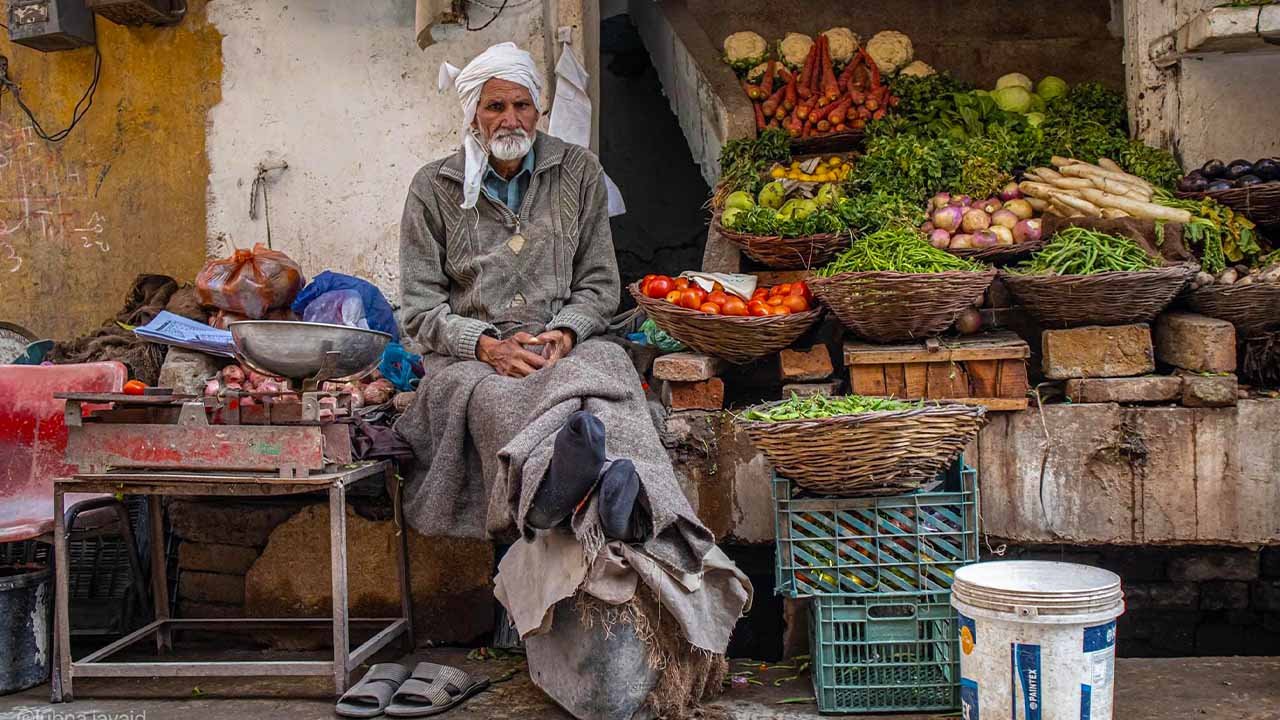
    A majority of the surge in prices was seen in rural areas where income levels were already low. The food group prices rose by 47.15 per cent in March compared to the same month last year. Both perishable and non-perishable food items witnessed unprecedented increases in prices.

    The Wholesale Price Index (WPI), which monitors prices in the wholesale market, also rose sharply to 37.5 per cent in March compared to 23.8 per cent in the same month last year. The inflation rate has remained above 20 per cent since June after the coalition government curtailed imports.

    The overall inflation rate recorded an increase in both urban and rural areas, with urban areas surging to 33 per cent in March, while rural areas soared to 38.9 per cent over the same month last year. In March last year, the inflation rate in urban areas was 11.9 per cent, while in rural areas, it stood at 13.9 per cent.

    The non-food inflation rate increased to 24.1 per cent in urban areas and 28.5 per cent in rural areas compared to 10.4 per cent and 12.5 per cent in the same month last year. Prices of non-perishable food items surged by 46.44 per cent on an annualized basis, and the prices of perishable goods surged by 51.81 per cent year-on-year.

  • Pakistan’s inflation expected to rise due to policy decisions and economic uncertainty, warns Finance Ministry

    Pakistan’s inflation expected to rise due to policy decisions and economic uncertainty, warns Finance Ministry

    Finance Ministry has warned that inflation in Pakistan is set to rise further due to a second-round effect of policy decisions made earlier this year to raise energy and fuel prices, the central bank’s policy rate, and the depreciation of the rupee to secure IMF funding.

    The recent political and economic uncertainties in the country are causing inflationary expectations to rise. The short-term rate of inflation measured by the Sensitive Price Indicator (SPI) hit a record 46.65 per cent last week, while monthly inflation recorded by the Consumer Price Index (CPI) reached 31.6 per cent in February – the highest in six decades.

    The ministry expects inflation to stay at an elevated level due to market frictions caused by the relative demand and supply gap of essential items, exchange rate depreciation, and recent upward adjustments of administered prices of petrol and diesel. Production losses due to floods have not yet been fully recovered, especially those of major agricultural crops. The shortage of essential items has persisted due to these factors.

    Moreover, the delay of stabilisation program has exacerbated economic uncertainty, due to which inflationary expectations have remained strong. The Economic Adviser’s Wing of the finance ministry has also conceded ineffective policy measures and the haplessness of the authorities in containing the inflationary spiral.

    A report from ministry warns that bulk buying during Ramzan might cause the demand-supply gap and result in escalation of essential items prices, although the government is taking steps to ensure a smooth supply of essential items. The report also warned that being largely dependent on prevailing climatic conditions, as witnessed last year, the delay in rains and early heatwave forecast by the Pakistan Met Office in April and May could adversely impact wheat production.

    On a positive note, the report said that despite challenges and uncertainties, the economy was showing continuous signs of resilience as depicted through contained fiscal and current account deficits during the current fiscal year.

  • ‘More mouths to feed than we can cope with’: Street Kitchen ‘Khana Ghar’ feeds millions of Pakistanis amid inflation

    Due the ongoing inflation crisis in Pakistan, food and petrol prices have risen astronomically, leading to many families finding it difficult to afford basic necessities like rice or flour. Writing for The Guardian, Zofeen T Ebrahim has covered the story of the street kitchen ‘Khana Ghar’ set up in Karachi’s poorest district by Parveen Saeed, who has been serving food to families for the past 22 years.

    Opening up to The Guardian, Saeed said that the kitchen has become even more busy since Ramzan began, as more families have arrived to receive one-month food rations:

    “But we can only give one bag to one family, and we need their ID cards to check that,” she said. “There are more and more mouths to feed than we can cope with.”

    Saeed, who had received the Pride of Performance award in 2021, sells salan and roti to families for only Rs 3. Before the Covid-19 lockdown, the kitchen provided meals for 6,000 people, but afterwards it rose to 7000, and now currently stands at 8,200.

    Saeed revealed that people stand in line for long hours in order to eat, because the ongoing political and economic instability has made it difficult for people to make a living:

    “These people are not beggars, they have become destitute..where are the jobs?”

    “Food prices have hit the sky. It is heartbreaking as they have waited for a couple of hours, only to leave empty-handed.”

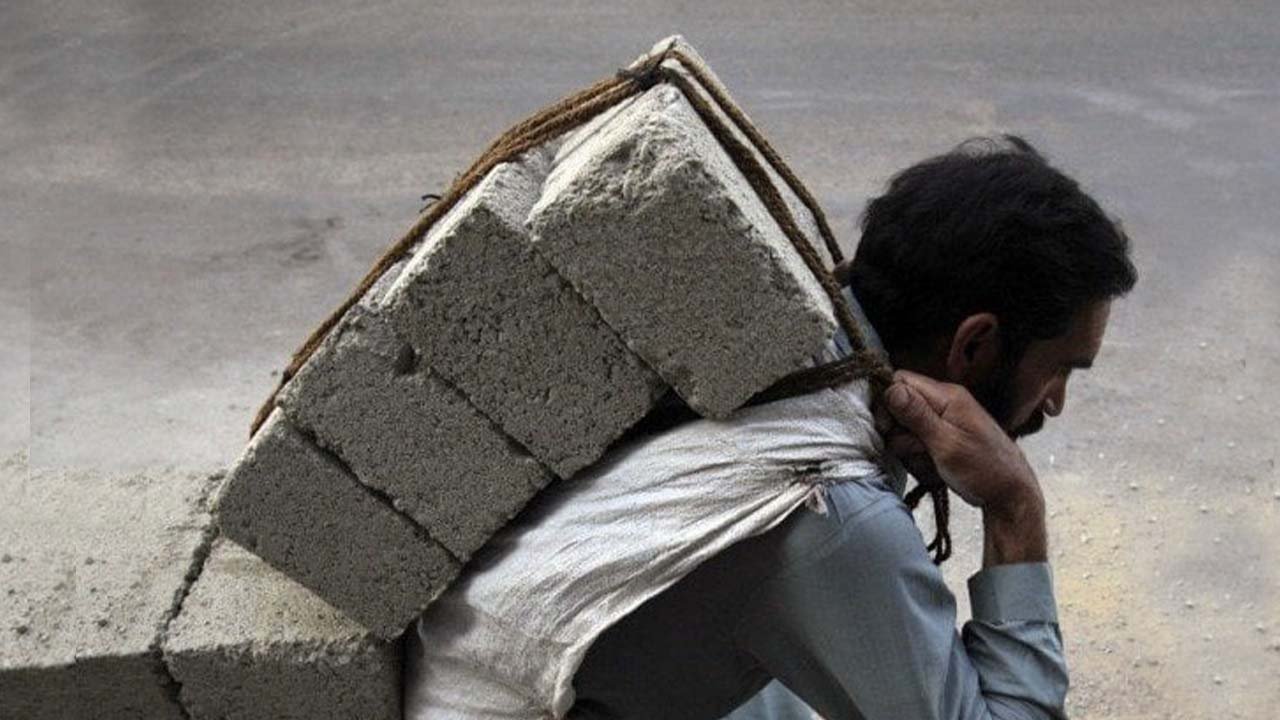
    The newspaper also spoke to some of the regulars who visit Khana Ghar. Former construction worker Mohammad Shakeel, a father of six, suffered a head injury and broken wrists after which finding work became incredibly hard. He said the food was a ‘Godsend’ because “with a kilo of flour costing 150 rupees, we would not be able to survive the jump in food prices.”

    A widow who has been relying on Khana Ghar to feed her polio ridden daughter and toddler grandson said, “Had it not been for Parveen, we would have died from hunger.”

  • Relief for workers as Punjab govt raises minimum wage to Rs32,000 per month

    Relief for workers as Punjab govt raises minimum wage to Rs32,000 per month

    The Punjab government has announced an increase in the minimum wage for unskilled workers from Rs25,000 to Rs32,000 per month, providing some relief to workers during a period of skyrocketing inflation.

    This increase of Rs7,000 was made official through a notification issued by the interim government on Thursday. It is worth noting that in April of last year, Prime Minister (PM) Shehbaz Sharif announced a minimum wage increase for government employees to Rs25,000 and a 10 per cent increase in civil and military pensions for retired employees.

    Following this announcement, the Punjab government set the minimum wage at Rs25,000. On January 31, 2023, Asif Ali Zardari, the former president and Pakistan Peoples Party (PPP) Co-chairperson, proposed to the coalition government that the minimum wage should be raised to Rs35,000.

    Zardari emphasised that the government should take responsibility for providing relief to workers and take far-reaching measures to address the problems faced by the masses.

  • Suzuki Swift experiences price increase of over Rs1.8 million since March 2022

    Suzuki Swift experiences price increase of over Rs1.8 million since March 2022

    In a little under a year, the price of cars in Pakistan has risen dramatically. Car companies across the country have announced successive price hikes since last year. Even the most affordable models, such as the Suzuki Alto, have become prohibitively expensive, with prices that the average salaried worker can scarcely afford.

    These price hikes can be attributed to a number of factors, including the depreciation of the Pakistani rupee against the US dollar and an increase in the cost of production. Unfortunately, this has resulted in even basic car models becoming unaffordable luxuries for many people in Pakistan.

    For instance, consider the Suzuki Swift – one of the country’s most popular cars. In March 2022, the base model of the Swift, known as the Suzuki Swift GL with manual transmission, was priced at Rs2,499,000. By March 2023, the same car jumped to Rs4,052,000 – an increase of Rs1,553,000.

    Those looking for a more advanced version of the Swift are in for an even bigger shock. The mid-variant, the Suzuki Swift GL CVT with automatic transmission, was priced at Rs2,699,000 just a year ago. Today, that same model will set you back an astounding Rs4,355,000 – an increase of Rs1,656,000.

    Furthermore, the top-of-the-line model, the Suzuki Swift GLX, has seen a significant price increase. One year ago, the GLX variant was priced at Rs2,899,000. Today, it costs an incredible Rs4,725,000 – a difference of Rs1,826,000.

    Overall, the sharp rise in car prices in Pakistan has made car ownership an unattainable dream for many people. It remains to be seen whether anything will be done to alleviate the financial burden of car ownership in the country.

    To provide a clear comparison, here is a table showcasing the prices of the three variants of the Suzuki Swift from March 2022 to March 2023:

    Model March 2022 Price March 2023 Price Difference
    Swift GL Manual Rs2,499,000 Rs4,052,000 Rs1,553,000
    Swift GL CVT Rs2,699,000 Rs4,355,000 Rs1,656,000
    Swift GLX Rs2,899,000 Rs4,725,000 Rs1,826,000
  • Citizens launch fruit boycott campaign to protest against skyrocketing prices

    Citizens launch fruit boycott campaign to protest against skyrocketing prices

    Residents of Rawalpindi and Islamabad have launched the “Fruit Boycott Campaign” due to the increasing prices of fruits throughout the country. The campaign, initiated through social media by concerned citizens, appealed to the public to protest against the inflated prices of fruits.

    Citizens alleged that the inflation of fruits was due to the government officials’ failure to control profiteers and hoarders, and accused officials of having an underhand deal with them to loot the public.

    The campaign aimed at boycotting the purchase of fruits for two days initially, but citizens from all cities participated actively in making the campaign successful.

    According to The News, the campaign was successful, with a significant number of people participating and refusing to buy fruits for four days.

    However, the district administrations of Islamabad and Rawalpindi did not intervene in the situation, despite citizens submitting several complaints about the price hike.

    Sources claimed that profiteers and hoarders had hoarded all kinds of fruits to reap extra profits.

  • Unchecked overcharging: Shopkeepers set their own rates for essential items during Ramzan

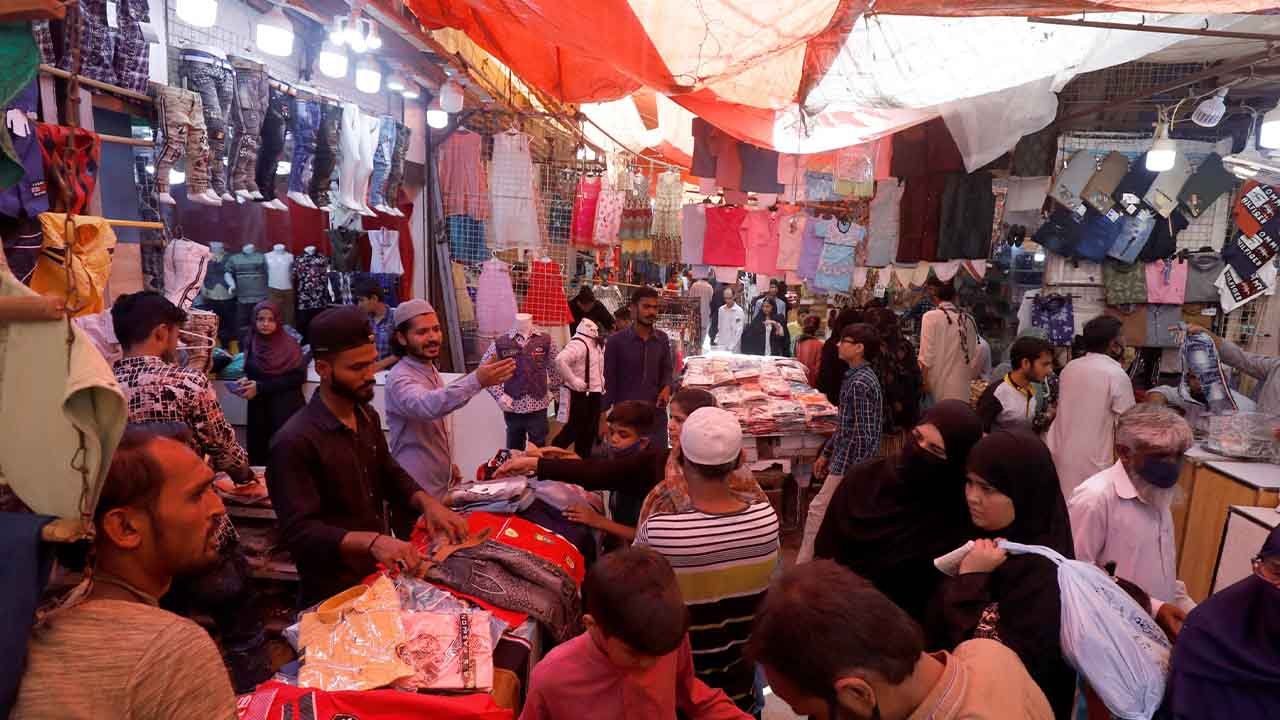
    At the start of Ramzan, prices of essential food items have witnessed an uncontrolled surge, with little intervention from the authorities concerned. Shopkeepers are selling essential food items at their desired rates instead of selling at government-announced rates.

    A recent survey of markets in Peshawar reveals an alarming increase in prices of food items, which have continued to soar with each passing day in this holy month.

    A vendor reported that the price of live chicken has surged to Rs350 per kg, while rice prices have increased by Rs70 per kg, reaching Rs335 per kg. Split chickpeas (chana dal) are now selling at Rs220 to Rs260 per kg, and the cost of beans has gone up by Rs60 per kg, with rates jumping from Rs281 to Rs339 per kg. According to a shopkeeper, the cost of spices has surged from Rs150 to Rs200 per kg and now stands at Rs600 per kg in the city.

    Oil and ghee prices have also skyrocketed by Rs62 per kg. Vegetables and fruits have become unaffordable for many, with garlic being sold at Rs360 and ginseng at Rs620 per kg. Peas cost Rs200, Arvi Rs180, Zucchini Rs170, green capsicum Rs150, and tomato Rs120 per kg.

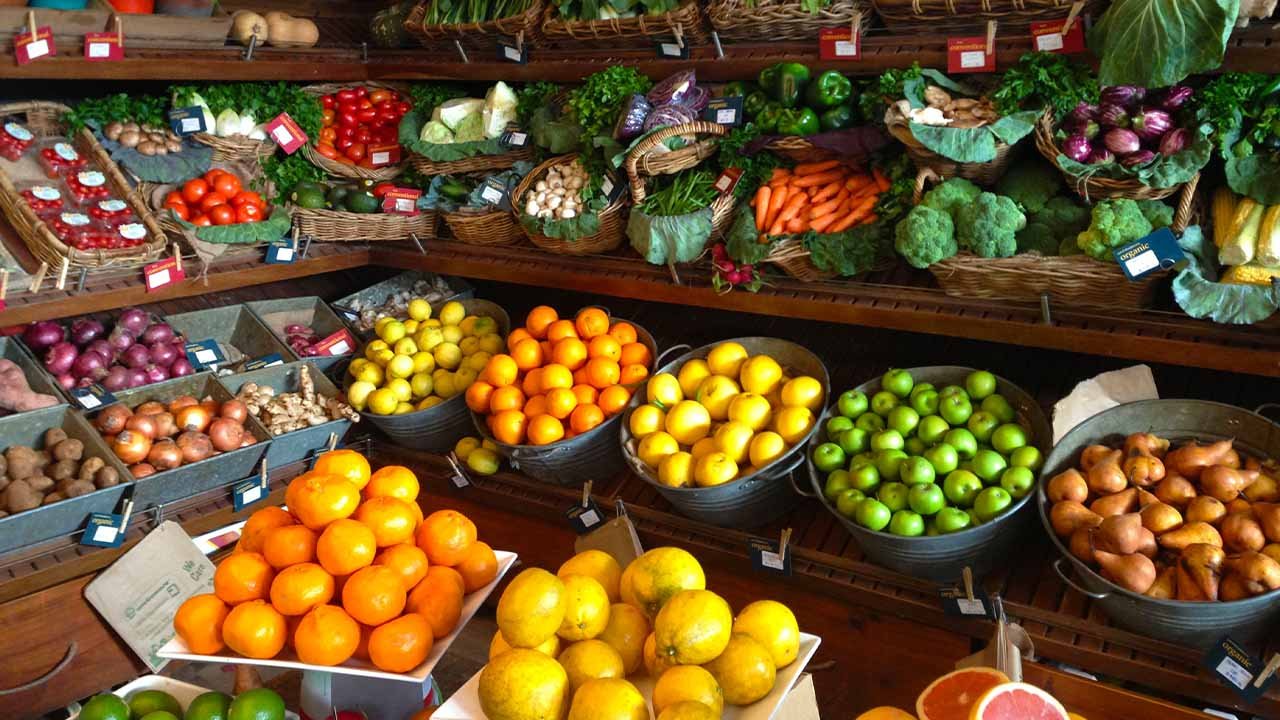
    Fruits have also witnessed an upward trend in prices, with sweet oranges priced at Rs440 per dozen, oranges at Rs400 per dozen, banana at Rs300 per dozen, pomegranate Rs400, Iranian apple at Rs340 per kg, Kohati guava at Rs350, and strawberry costing Rs280 per kg.

    The meat market has also been hit hard by price hikes, with beef now selling at Rs800 to Rs1,000 per kg from its previous price of Rs700 per kg before Ramzan, while mutton prices have increased from Rs1,400 to Rs1,600 per kg and now stand at Rs1,800 per kg.

    Many shopkeepers have been charging prices of their own choosing, as district administration officials have not been able to check rates due to heavy rain and mud-stranded water. Butchers in the local market have expressed their dissatisfaction with the rates issued by the district administration, and have not faced any fines or raids from officials.

  • Weekly inflation jumps over 46% as wheat flour prices reach all-time high in Pakistan

    Weekly inflation jumps over 46% as wheat flour prices reach all-time high in Pakistan

    The price of wheat flour has hit an all-time high, and this has caused weekly inflation to surge by 1.80 per cent week-on-week and 46.65 per cent year-on-year.

    The Pakistan Bureau of Statistics has attributed this rise in the sensitive price indicator to the increase in prices of several items, including wheat flour, tomatoes, potatoes, and bananas, among others. On the other hand, the PBS has noted a decrease in the prices of chicken, chilli powder, and LPG, among others.

    The increase in the price of wheat flour is due to the government’s change in subsidy mechanism, shifting from general subsidy to a targeted subsidy through the Benazir Income Support Programme. This change has led to a 42 per cent increase in the price of a 20kg bag of wheat flour, which has now reached an all-time high of Rs2,586. As we head into Ramadan, food prices are expected to continue rising, and the March 2023 CPI is expected to come in at 35.5 per cent on a YoY basis.

    Sticky inflation numbers, along with the stalled International Monetary Fund programme, have pushed the State Bank of Pakistan to raise its benchmark interest rate by 300 basis points to a 26-year high. The central bank is expected to raise the policy rate by another 100bps to 21 per cent in its upcoming monetary policy committee meeting on April 4. This rate hike is expected to spread massive poverty among the population.

  • SBP expected to increase interest rates again on IMF insistence

    SBP expected to increase interest rates again on IMF insistence

    The State Bank of Pakistan (SBP) is reportedly considering increasing the interest rate by 2 per cent during the upcoming Monetary Policy Committee (MPC) meeting in a bid to unlock the International Monetary Fund (IMF) programme.

    This follows failed negotiations between the Shehbaz Sharif-led government and the IMF, with the latter demanding that Pakistan raise the interest rate by 4 per cent due to its belief that inflation is lower in Pakistan as per the interest rate.

    The SBP had already increased the interest rate by 2 per cent, but now the IMF is reportedly pressuring Islamabad to raise it again by 2 per cent. The MPC is scheduled to meet on April 4 to review the interest rate as per the IMF’s demand.

    According to The News, the SBP has reportedly agreed to raise the interest rate by 2 per cent in accordance with the Fund’s demands. On March 2, the SBP raised the monetary policy rate by 300 basis points to 20 per cent due to a deterioration in inflation outlook and expectations amid recent external and fiscal adjustments.