Tag: inflation

  • Pakistan’s proposal to increase number of beneficiaries for BISP rejected by IMF

    Pakistan’s proposal to increase number of beneficiaries for BISP rejected by IMF

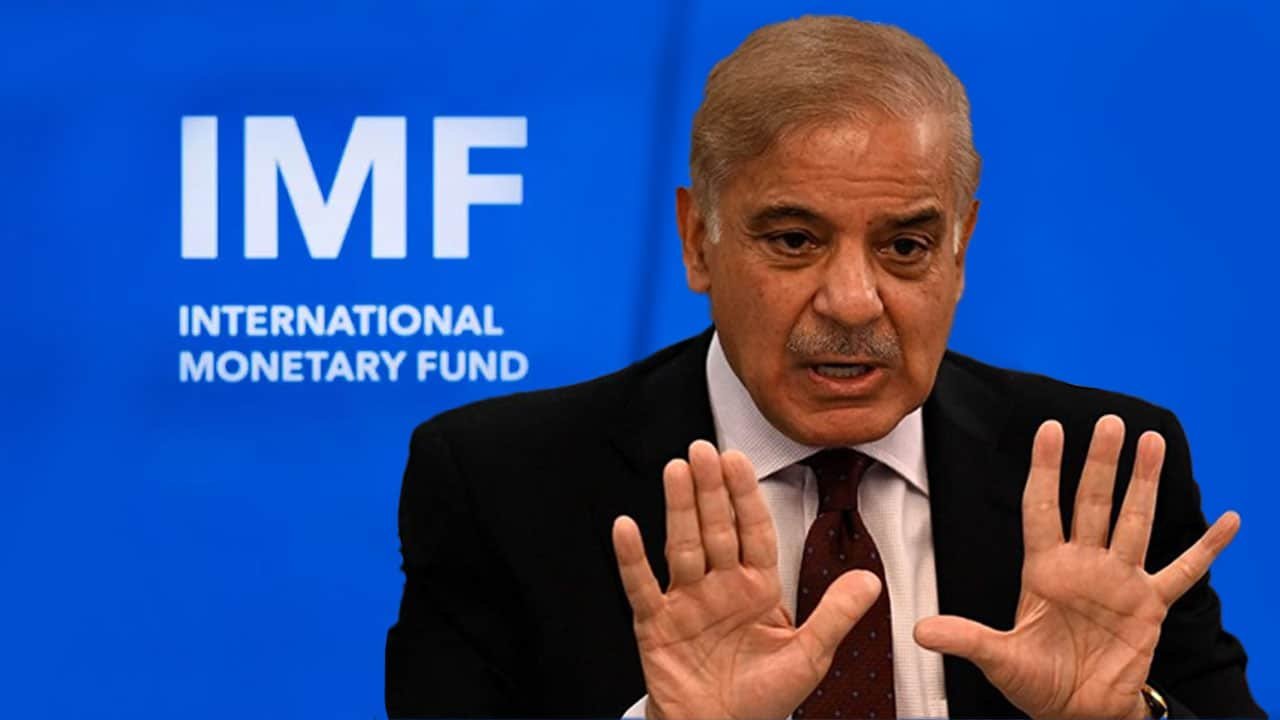
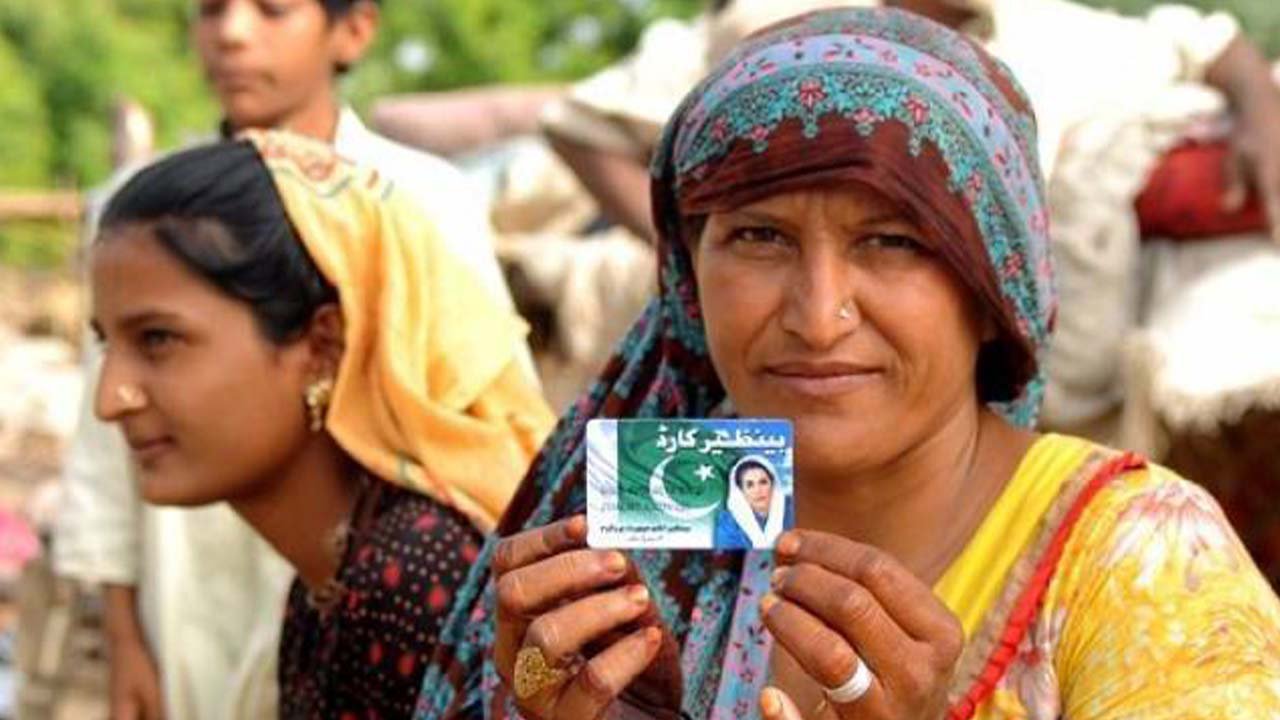
    The International Monetary Fund (IMF) rejected the Pakistani government’s proposal to increase the number of beneficiaries of the Benazir Income Support Programme (BISP) and expand its scope to cover 20-30 per cent of the population living in poverty.

    The proposal aimed to provide quarterly stipends to those below the poverty line. While the IMF approved an increase in the BISP allocation by Rs40 billion, increasing it from Rs360 billion to Rs400 billion for the current fiscal year for 8.9 million beneficiaries, the proposal to expand coverage could not be implemented due to a shortage of budgetary resources.

    According to sources, the IMF refused to increase the Proxy Mean Test (PMT) ceiling for enhancing coverage and providing monthly stipends to around 30 per cent of the population living below the poverty line, citing a lack of budgetary resources. The Finance Ministry official stated that there was no disagreement, and the government has been providing a quarterly stipend of Rs7,000 to 8.9 million beneficiaries.

    The IMF staff suggested increasing tax revenues and abolishing un-targeted subsidies but did not initially oppose the idea of expanding coverage. The IMF high-ups recommended using the National Socio-Economic Registry (NSER) of the BISP to provide targeted subsidies on electricity, gas, and provision of POL for motorcycles and small vehicles.

    According to Geo, different proposals to start a targeted subsidy mechanism were discussed but ultimately dropped due to various reasons. The weekly Sensitive Price Index (SPI) touched 45.64 per cent on a weekly basis, and Consumer Price Index (CPI) crossed 31.5 per cent on a monthly basis in February 2023. Both the CPI and SPI are expected to rise further in the weeks and months ahead of the current fiscal year.

    To protect vulnerable segments from falling below the poverty line, there is no other option but to implement a targeted subsidy mechanism over the short and medium-term period. Pakistan and the IMF will need to place a target subsidy mechanism, given the possibility of a new IMF program after the expiration of the current one under the Extended Fund Facility in June 2023.
  • Short-term inflation skyrockets to record 45.64% in Pakistan: What’s causing the surge?

    Short-term inflation skyrockets to record 45.64% in Pakistan: What’s causing the surge?

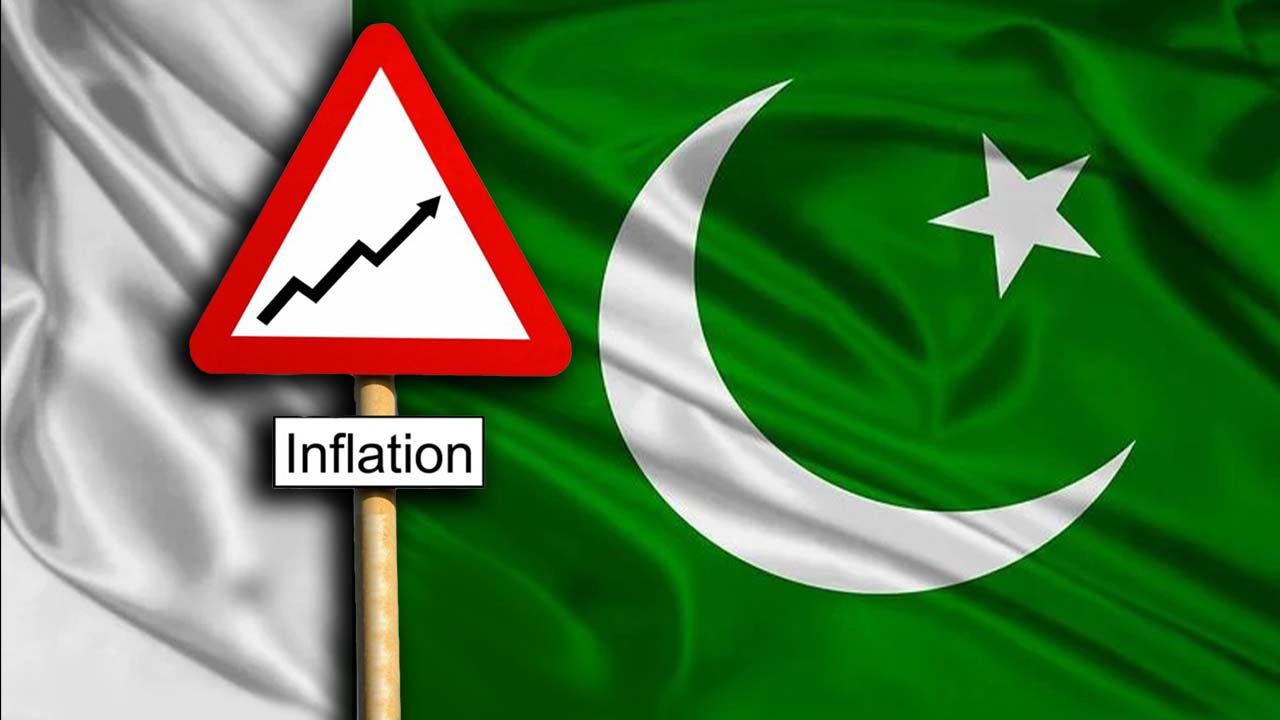
    The Pakistan Bureau of Statistics (PBS) has released data revealing that short-term inflation based on the Sensitive Price Index (SPI) rose to a record 45.64 per cent for the combined income group on a year-on-year basis for the week ending March 16.

    This increase was driven by the consistent rise in the prices of essential commodities. However, on a week-on-week basis, short-term inflation increased by 0.96 per cent due to the rising cost of tomatoes, potatoes, cooking oil and fruits.

    The SPI is expected to intensify further as the full impact of depreciation, an increase in petroleum products, a hike in general sales tax and higher energy costs has yet to be reflected in official data. Commodity prices are likely to increase rapidly with a spike in demand. The year-on-year SPI surged to 45.5 per cent during the week ending September 1, 2022, and stayed above 40 per cent for the first time since August 18 last year when the reading was 42.31 per cent.

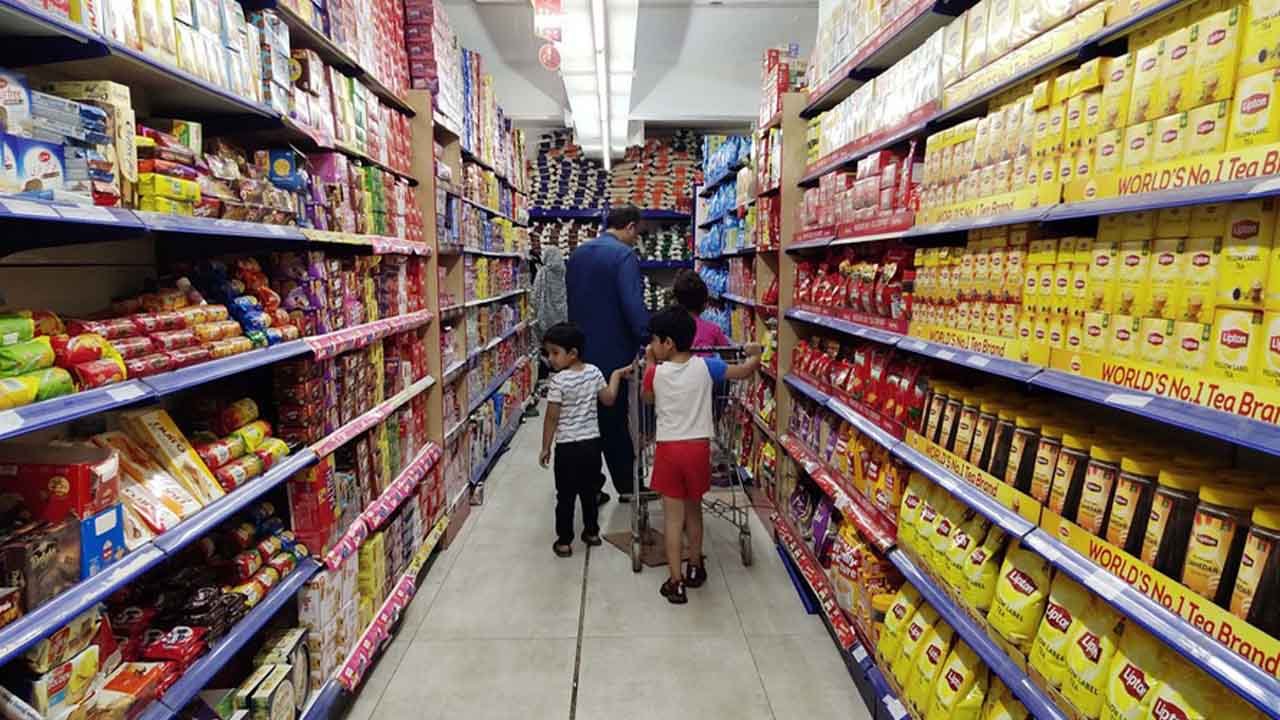
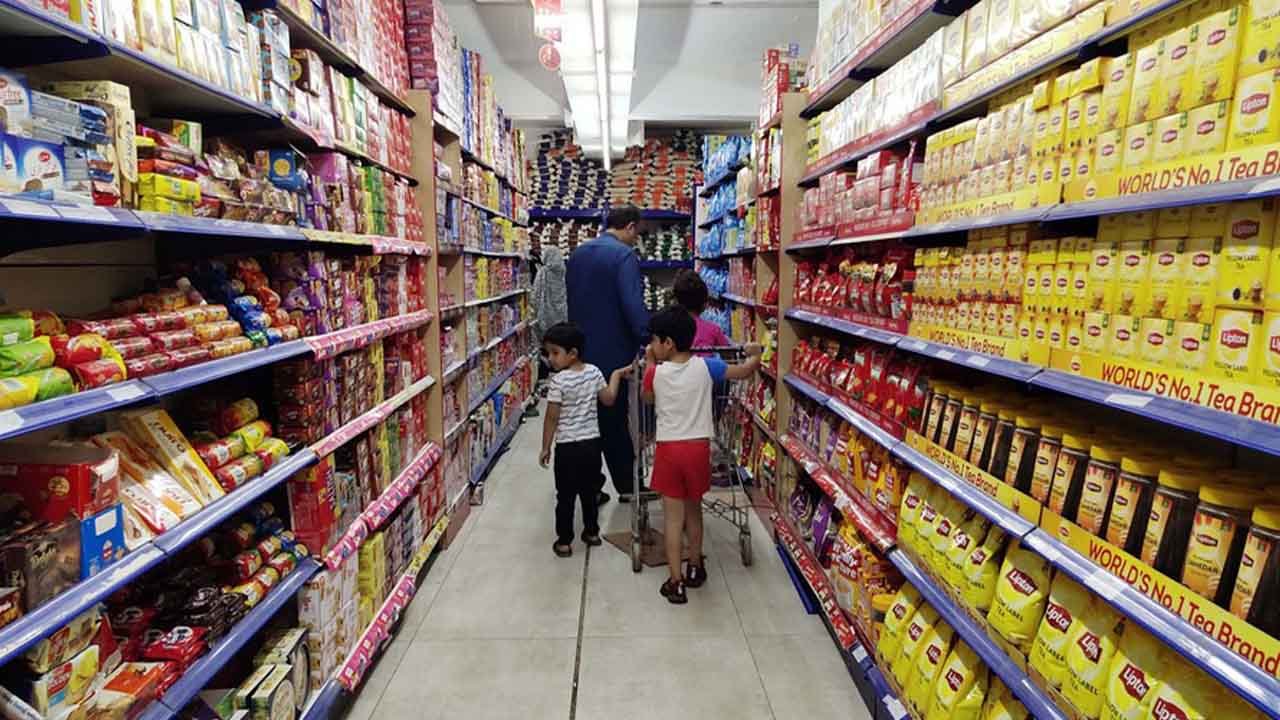
    Of the 51 items in the SPI basket, prices of 28 items soared, while those of 11 items decreased, and rates of 12 items remained unchanged. During the week under review, the prices of onions, cigarettes, gas charges for Q1, diesel, tea Lipton, petrol, rice irri-6/9, rice basmati broken, bananas, eggs, pulse moong, wheat flour and bread increased the most over the same week a year ago.

    On a week-on-week basis, the biggest change was observed in the prices of tomatoes, tea Lipton, potatoes, bananas, sugar, wheat flour, cooking oil 5 litre, vegetable ghee 2.5 Kg, lawn, diesel, shirting, and petrol. Products whose prices saw the highest decline over the previous week were onions, chicken, garlic, pulse masoor, eggs, LPG, vegetable ghee 1 Kg, pulse gram, pulse mash, pulse moong, and mustard oil.

    The government has been taking strict measures, such as hikes in fuel and power tariffs, withdrawal of subsidies, market-based exchange rate, and higher taxation, under the International Monetary Fund (IMF) programme to generate revenue for bridging the fiscal deficit, which may result in slow economic growth and higher inflation in the coming months. The increase in the policy rate to 20 per cent, general sales tax rate from 17 per cent to 18 per cent on most items, and to 25 per cent on more than 800 imported food and non-food items will further increase the retail prices of consumer goods.

  • Chinese bank to provide Pakistan with another $500 million loan soon

    Chinese bank to provide Pakistan with another $500 million loan soon

    A Chinese bank has committed to provide Pakistan with another refinanced $500 million loan within the next few days. This brings the total of commercial loans to $1.7 billion out of the committed amount of $2 billion.

    Pakistani authorities are currently seeking 100 per cent confirmation from friendly donor countries and multilateral creditors before moving towards an agreement with the International Monetary Fund (IMF). The IMF has set an unwritten condition that Pakistan must secure refinancing of commercial loans and a rollover on deposits from China during the program period, which is set to expire in June 2023.

    A top official from the Finance Division confirmed that another $500 million commercial loan from a Chinese bank is on its way and will be completed soon. Chinese banks have already provided refinancing of $1.2 billion in commercial loans in the past few weeks, and Beijing has given assurance on another $500 million in loan refinancing in the next few days. Pakistan has also requested a rollover on the Chinese SAFE deposit of $2 billion within the ongoing month.

    All these factors are prerequisites for moving towards the signing of a staff-level agreement between the IMF and Pakistan. The Pakistani authorities are waiting for confirmation from Saudi Arabia, UAE, and Qatar, as well as from the World Bank and the Asian Infrastructure Investment Bank, to fulfill the external financing needs of $6 billion until the end of June 2023. The guarantees for securing external financing are crucial for the sustainability of the IMF program.

    Brent crude and WTI are both down in the international market, which is good news for Pakistan’s economy. However, the IMF has secretly launched “Inclusive growth in the MENA region” at NUST. The IMF high-ups argued that state-owned enterprises (SOEs) possessing a major footprint resulted in the crowding out of the private sector. Pakistan’s budget makers have also assured the IMF that they will prepare gender-based budgeting in the next financial year.

    To meet the IMF’s demands, the CPI-based and SPI-based inflations have risen to unprecedented levels of 31.5 per cent every month and 42.3 per cent every week. The development budget of the federal government, known as the Public Sector Development Program (PSDP), has been slashed by 50 per cent for the current fiscal year in line with the Fund’s demand to curtail the budget deficit target.

  • PM Shehbaz expresses concern over IMF conditions burdening people

    PM Shehbaz expresses concern over IMF conditions burdening people

    The Prime Minister, Shehbaz Sharif, has shown worry that the terms set by the International Monetary Fund (IMF) will result in an increased burden on the citizens.

    During an appearance on the Geo News program Capital Talk, the Prime Minister attributed the stringent conditions to the previous government, alleging that they had breached their commitments to the IMF.

    Consequently, the IMF is insisting that Pakistan fulfills all of the conditions regardless of the cost, according to the Prime Minister. He acknowledged that many people in Pakistan are having trouble putting food on the table, purchasing medication, and paying for their children’s education.

    The Prime Minister claimed that former Prime Minister Imran Khan almost defaulted on Pakistan and damaged the country’s relations with numerous friendly countries. However, he stated that his government had provided relief to underprivileged individuals through the Benazir Income Support Program.

    He further stated that inflation was caused by the increased cost of imported goods as commodity prices rose due to the Russia-Ukraine conflict. In Pakistan, inflation is expected to reach its highest level in nearly 50 years.

    Additionally, Pakistan is struggling to obtain funding from friendly nations, resulting in a delay in the IMF bailout. The IMF Managing Director, Kristalina Georgieva, recently urged Pakistan to increase tax revenues and distribute subsidies only to those who truly require them. She emphasized that the IMF is dedicated to protecting the impoverished people of Pakistan.

  • Weekly inflation in Pakistan jumps to 42.3% as prices increase ahead of Ramadan

    Weekly inflation in Pakistan jumps to 42.3% as prices increase ahead of Ramadan

    According to data released by the Pakistan Bureau of Statistics (PBS) on Friday, weekly inflation surged by 1.37 per cent week-on-week and 42.27 per cent year-on-year during the week ended March 9. This marks a 25-week high on an annualized basis, as prices of perishables have started to rise ahead of Ramadan. The surge in the sensitive price indicator (SPI) was attributed to the increase in prices of various commodities, including tomatoes, potatoes, onions, sugar, bananas, cooking oil, wheat flour, vegetable ghee, printed lawn, curd, milk, tea, shirting, broken basmati rice, and powdered salt. Meanwhile, a major decrease was observed in the prices of chicken, garlic, pulse moong, eggs, pulse masoor, LPG, firewood, and pulse gram.

    For the week under review, SPI was recorded at 243.87 points, compared to 240.57 points registered last week and 171.41 points recorded during the week ended March 10, 2022. Brokerage Arif Habib Limited noted that this was the highest weekly YoY number since September 8, 2022, when Pakistan recorded a rise of 42.70 per cent YoY on account of an all-time high in the prices of wheat flour following massive flooding across the fertile plains of Punjab and Sindh.

    The PBS data attributed the YoY rise in SPI to the jump in the prices of onions, cigarettes, gas charges for Q1, diesel, eggs, rice Irri-6/9, petrol, broken basmati rice, bananas, pulse moong, tea, pulse mash, pulse gram, and bread. Inflation has been rising sharply over the past couple of years, with Pakistanis, particularly those from lower and middle-income groups, struggling to make ends meet.

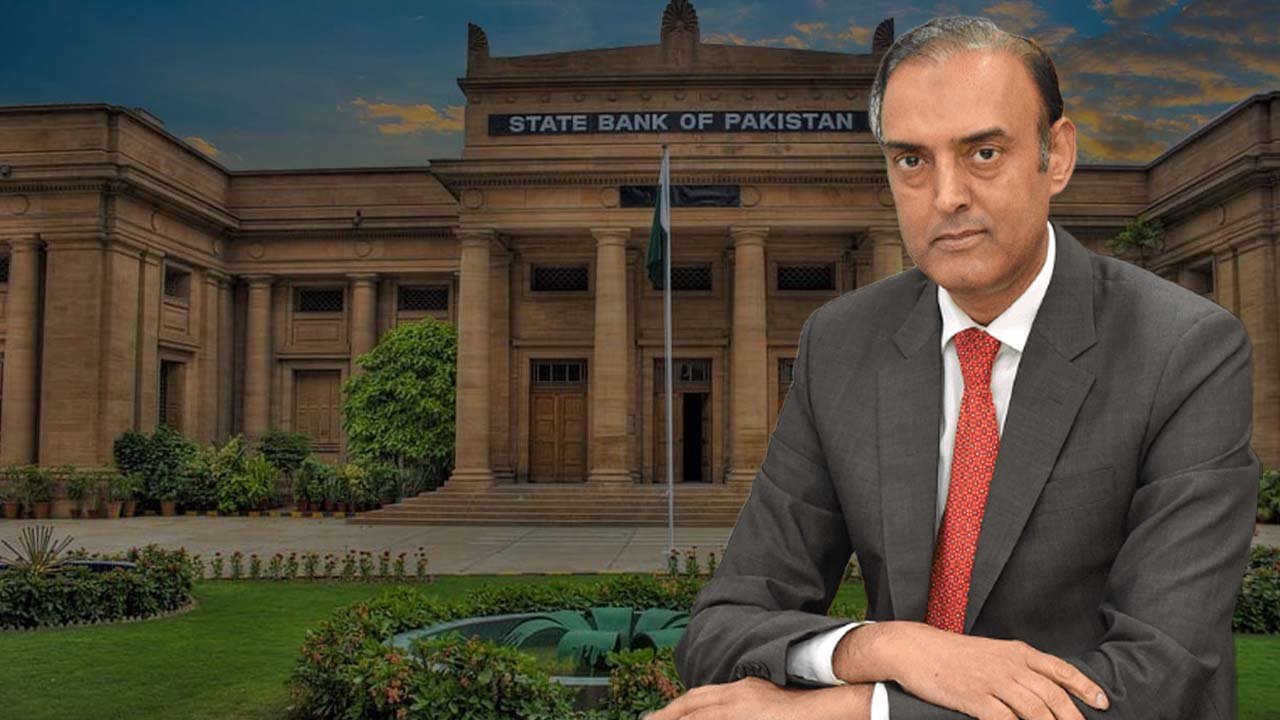
    The sticky inflation numbers, along with the stalled International Monetary Fund (IMF) programme, have pushed the State Bank of Pakistan (SBP) to raise its benchmark interest rate by 300 basis points to a 26-year high. Pakistan is desperately trying to persuade the IMF to disburse critical $1.1 billion funding, but inflation worries have led the central bank to elevate its interest rates by 10 percentage points since January 2022.

    Analysts expect that the recent decisions taken by the government to please the IMF for a meagre $1.1 billion bailout tranche could result in massive poverty, while businesspersons have also not ruled out a default despite fiscal tightening. The YoY SPI increased by 39.09 per cent, 40.98 per cent, 41.79 per cent, 42.53 per cent, and 44.14 per cent respectively for the groups spending up to Rs17,732; Rs17,733-22,888; Rs22,889-29,517; Rs29,518-44,175; and above Rs44,175.

  • ‘Topi hee nahin, sherwani bhi utaaroonga’: PTI’s Shamim Naqvi protest against rising inflation

    ‘Topi hee nahin, sherwani bhi utaaroonga’: PTI’s Shamim Naqvi protest against rising inflation

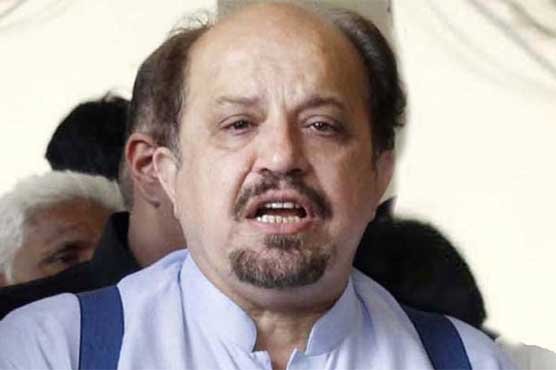
    Pakistan Tehreek-e-Insaf (PTI) leader MPA Firdous Shamim Naqvi decided to remove his cap and unbutton his sherwani during a session of the Sindh Assembly on Monday to protest against rising inflation.

    Naqvi said the poor in Sindh did not have the financial means to feed their family members. He added that there had been an unprecedented hike in the prices of essential food products as common people could not buy them anymore.

     “I won’t just take my cap off, but my sherwani too,” the PTI MPA said.

    Pakistan Peoples Party (PPP) leader Sharmila Farooqui said it was not appropriate to take off one’s clothes like this [in public]. “Do they undress like this in their houses? Mothers, sisters, daughters and wives are sitting here [in the House],” she said.

  • Weekly inflation in Pakistan jumps to 41.07% due to edible oil, sugar prices

    Weekly inflation in Pakistan jumps to 41.07% due to edible oil, sugar prices

    According to data provided by the Pakistan Bureau of Statistics (PBS) on Friday, edible oil, sugar, and vegetables helped drive the weekly inflation up to 41.07 percent on an annual basis.

    Sensitive Price Index (SPI) measurements of short-term inflation were still on the high side and would go up much more once customers start to feel the full effects of increased electricity tariffs.

    The cost of bananas, chicken, sugar, cooking oil, gas, and cigarettes increased for the week ending March 2, despite a 0.30 percent weekly decline in inflation.

    Of the 51 items, 32 saw price increases, nine saw price decreases, and 10 witnessed no change in price.

    The items whose prices rose the greatest during the reviewed week in comparison to the same week last year were: onions (311.17 per cent), cigarettes (165.86 per cent), gas charges for Q1 (108.38 per cent), diesel (93.82 per cent), petrol (77.89 per cent), eggs (77.83 per cent), rice irri-6/9 (76.96 per cent), rice basmati broken (75.55 per cent), pulse moong (73.30 per cent), bananas (72.66 per cent), chicken (64.70 per cent) and tea Lipton (64.53 per cent).

    Moreover, the highest year-on-year fall was recorded in the prices of tomatoes (56.29 per cent), chillies powdered (7.42 per cent).

    The prices of bananas (7.34 per cent), long cloth (3.44 per cent), energy saver (3.33 per cent), 1Kg vegetable ghee (2.48 per cent), gur (2.03 per cent), cooked daal (1.87 per cent), Lipton tea (1.79 per cent), match box (1.66 per cent), lawn printed (1.52 per cent), 5-litre cooking oil (1.45 per cent), and sugar (1.07 per cent) experienced the biggest week-on-week increase.

    On the other hand, the prices of onions (13.24 per cent), eggs (6.11 per cent), garlic (4.24 per cent), chicken (2.00 per cent), tomatoes (0.59 per cent), gram pulse (0.38 per cent), and potatoes (0.33 per cent) decreased compared to the previous week. However, LPG (1.84 per cent) and petrol (1.80 per cent) saw an increase in prices.

    The government, under the IMF’s conditions, has been implementing strict measures to cool the economy and curb inflation. The policy rate increase and the general sales tax increase from 17 per cent to 18 per cent are expected to further increase the retail price of consumer goods.

    To generate revenue and bridge the fiscal deficit, the government has already taken several measures, including adopting a market-based exchange rate, increasing fuel and power tariffs, withdrawing subsidies, and imposing more taxes.

    As a result of these measures, the government has revised its annual inflation rate projection from 26 per cent to 31 per cent.

  • Atlas Honda announces second price hike within 20 days due to depreciation of Pakistani rupee

    Atlas Honda announces second price hike within 20 days due to depreciation of Pakistani rupee

    Atlas Honda has announced its second price increase in the last 20 days, attributing it to the substantial depreciation of the Pakistani rupee against the US dollar, which had also led to their earlier bike price hike on February 15, 2023.

    According to the company’s notification, Honda bike prices will be as follows:

    Honda CD70

    The Honda CD70 will now cost Rs144,900, an increase of Rs7,000 from the previous price of Rs137,900.

    Honda CD 70 Dream

    The Honda CD 70 Dream will now cost Rs155,500, an increase of Rs8,600 from the previous price of Rs147,500.

    Honda Pridor

    The new price of the Honda Pridor is Rs190,500, an increase of Rs9,000 from the previous price of Rs181,500.

    Honda CG 125

    The Honda CG 125 will now cost Rs214,900, an increase of Rs9,000 from the previous price of Rs205,900.

    Honda CG 125 SE

    The Honda CG 125 SE will now cost Rs255,900, an increase of Rs12,000 from the previous price of Rs243,900.

    Honda CB 125F

    The Honda CB 125F will now cost Rs350,900, an increase of Rs20,000 from the previous price of Rs330,900.

    Honda CB 150F

    The Honda CB 150F will now cost Rs443,900, an increase of Rs25,000 from the previous price of Rs418,900.

    Honda CB 150F SE

    The Honda CB 150F SE will now cost Rs447,900, an increase of Rs25,000 from the previous price of Rs422,900.

    This is the second price hike within the last 20 days, which has further eroded the purchasing power of the middle class that is already struggling due to inflation. With car and bike prices on the rise, the common person is finding it increasingly difficult to afford their daily means of transportation.