Tag: inflation

  • Weekly inflation rises 1.28% as essential food items, fuel costs surge

    Weekly inflation rises 1.28% as essential food items, fuel costs surge

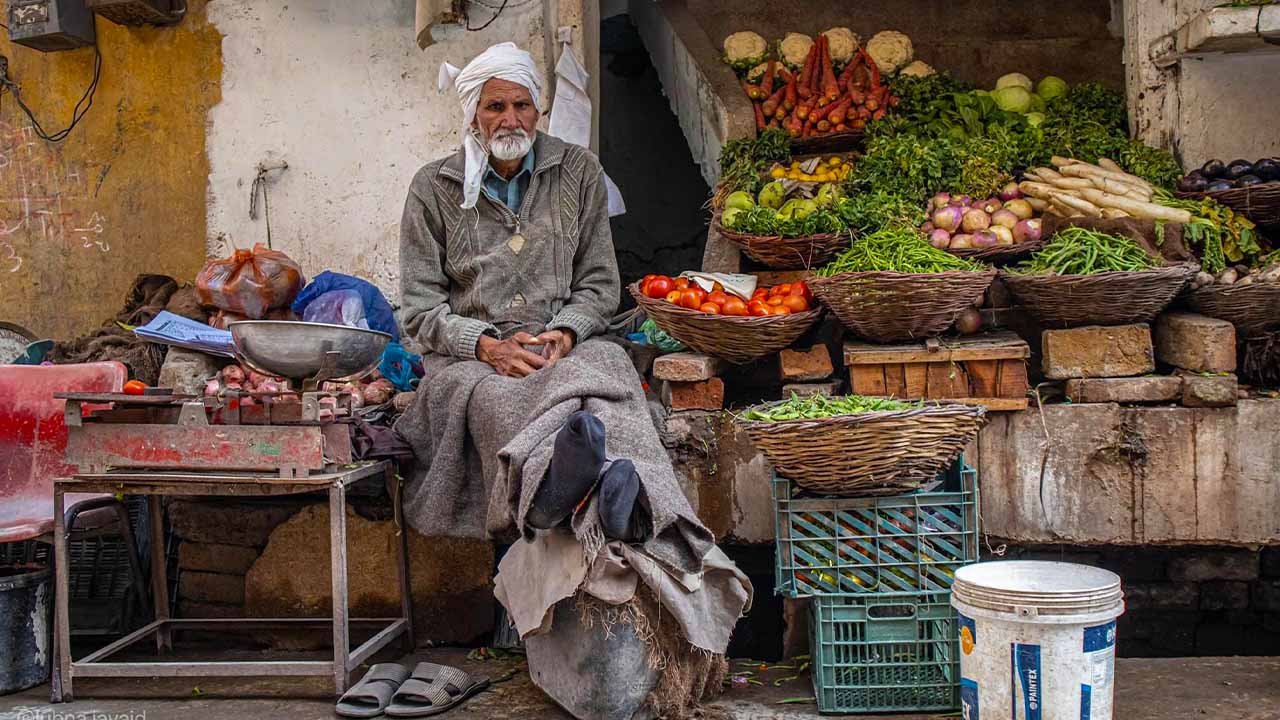
    In a challenging economic climate, food prices in Pakistan have surged, forcing consumers to purchase essential items at elevated costs.

    According to the Weekly Sensitive Price Indicator (SPI) released by the Pakistan Bureau of Statistics (PBS), the SPI for the Combined Group increased by 1.28 per cent week-on-week (WoW) for the week ending July 4, 2024.

     Additionally, the SPI saw a substantial year-on-year (YoY) rise of 23.59 per cent compared to the same period last year.

    The PBS data revealed that the Combined Index stood at 318.61, up from 314.57 a week earlier, and significantly higher than the 257.79 recorded a year ago. Out of 51 monitored items, prices of 29 (56.86 per cent) increased, 5 (9.80 per cent) decreased, and 17 (33.34 per cent) remained stable during the week.

    Significant weekly price increases were observed in tomatoes (70.77 per cent), wheat flour (10.57 per cent), powdered milk (8.90 per cent), diesel (3.58 per cent), and petrol (2.88 per cent). Conversely, notable price hikes on a yearly basis were recorded for onions (9.05 per cent), wheat (1.79 per cent), potatoes (1.04 per cent), eggs (0.79 per cent), and bananas (0.60 per cent).

    The SPI percentage change by income groups showed that the SPI rose across all income quantiles, ranging from 1.23 per cent to 1.44 per cent weekly. The lowest income group experienced a weekly rise of 1.43 per cent, while the highest income group saw a 1.23 per cent increase.

    Yearly SPI analysis across different income segments indicated increases ranging between 16.97 per cent and 26.49 per cent. The SPI for the lowest income group rose by 16.97 per cent, while the highest income group recorded a 21.39 per cent increase.

    Additionally, the average price of Sona urea was reported at Rs4,746 per 50 kg bag, which is 0.13 per cent higher than the previous week and 51.52 per cent higher compared to last year.

    Meanwhile, the average cement price reached Rs1,409 per 50 kg bag, marking a significant 10.48 per cent increase from the previous week and a 23.16 per cent rise from last year’s prices.

    The persistent rise in food and essential item prices continues to burden Pakistani consumers, exacerbating the financial strain on households across the country.
  • Petroleum dealers strike as OGRA directs oil companies to keep pumps open

    Petroleum dealers strike as OGRA directs oil companies to keep pumps open

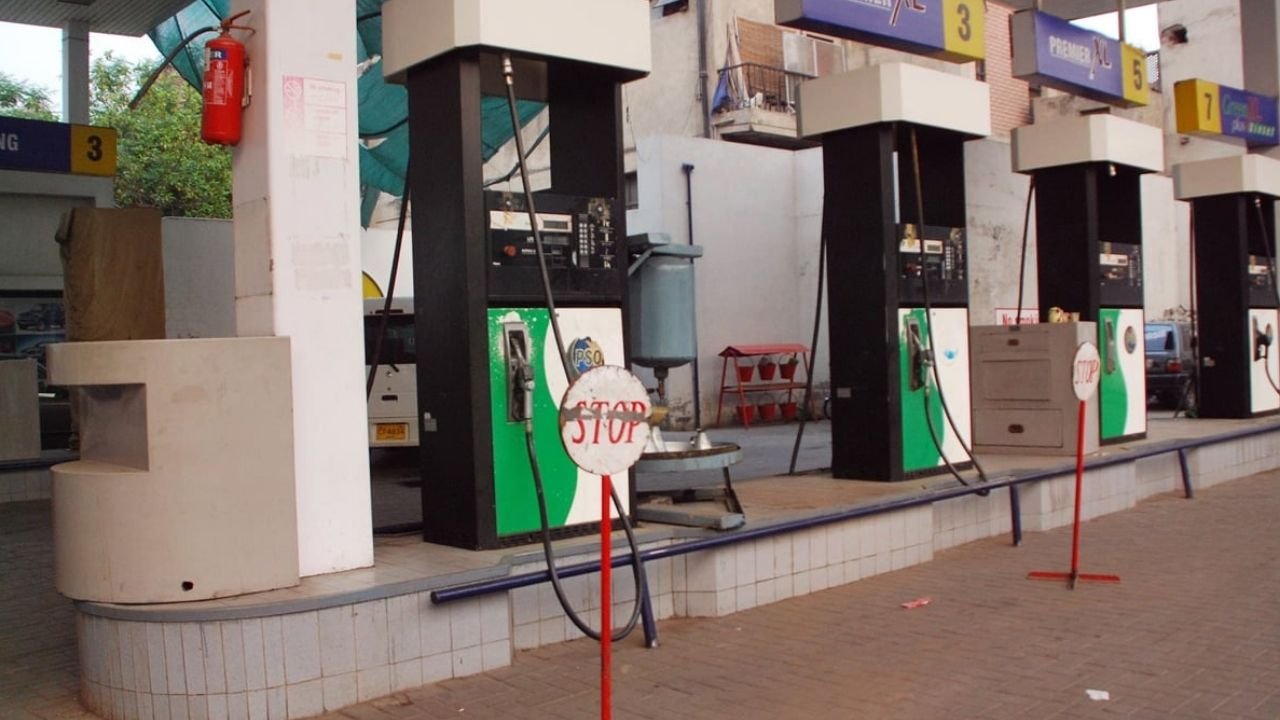
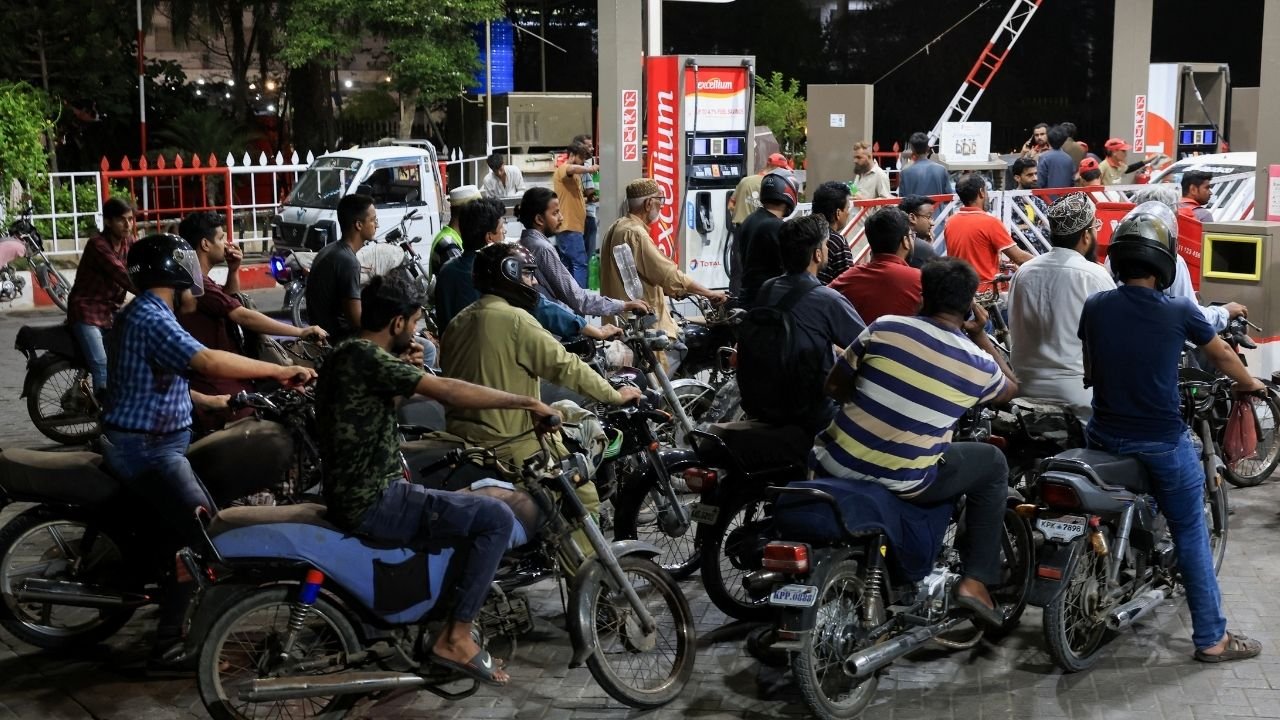
    The Oil and Gas Regulatory Authority (OGRA) and the Petroleum Division have issued a joint statement following the strike announced by the Petroleum Dealers Association, stating that petroleum products will be available nationwide.

    The statement directed oil marketing companies to keep pumps open and ensure continuous supply.

    According to the joint statement, the country has abundant petroleum products, and they will remain available throughout the nation.

    Earlier, the Petroleum Dealers Association had declared a nationwide strike starting on July 5.

    Abdul Sami Khan, Chairman of the Petroleum Dealers Association, announced the strike, emphasising that businesses cannot sustain operations with such high taxes. He warned that pumps across the country will begin to run dry tonight and stated that negotiations will not resume until the government accepts their demands.

  • Fixed electricity rates increased for industrial, commercial, agricultural consumers

    Fixed electricity rates increased for industrial, commercial, agricultural consumers

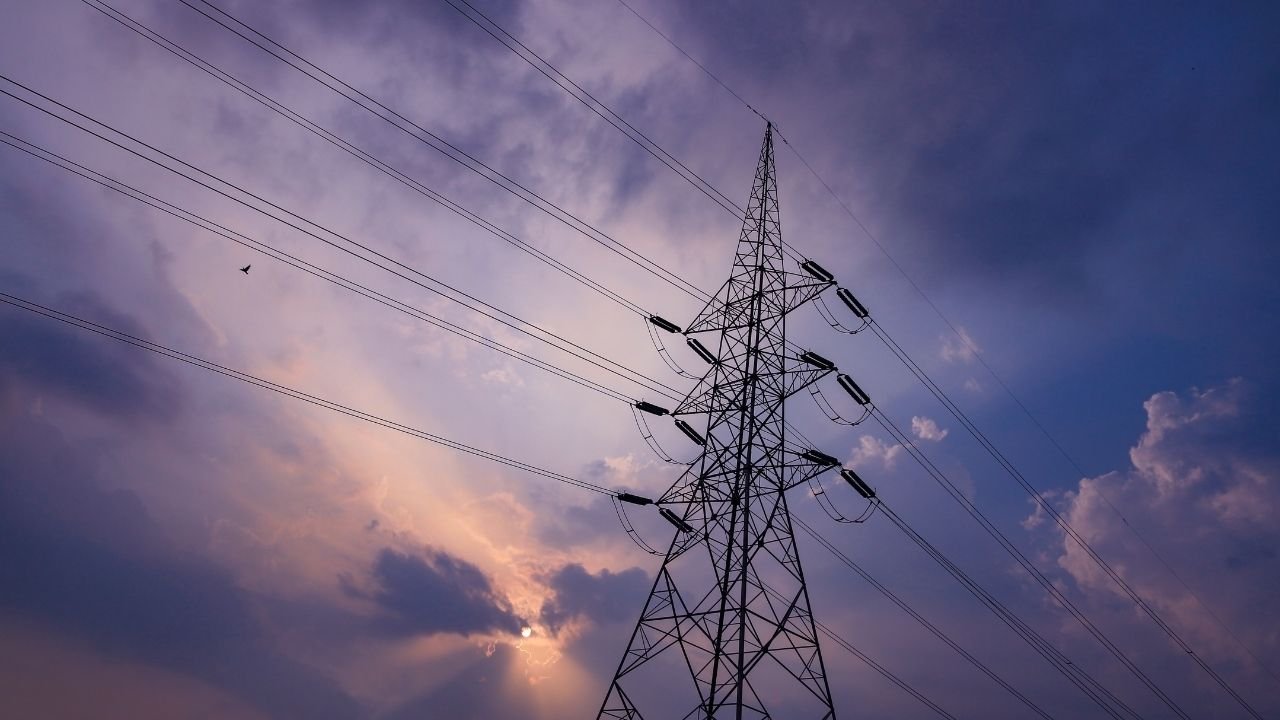
    The government has further increased the price of electricity by five rupees 72 paise per unit, starting July 1.

    Fixed charges will apply to electricity consumers. For non-protected consumers, the new rates are as follows: Up to 100 units, the rate is Rs. 23.73; for 201 to 300 units, the rate is Rs. 32.98 per unit.

    Monthly fixed charges for industrial electricity consumers have risen by 184 per cent, and fixed charges for commercial electricity consumers have increased by 150 per cent.

    Agricultural tubewell customers will see a 100 per cent increase in monthly fixed charges.

    The federal cabinet has approved the increase in fixed electricity charges, as per sources.

    Industrial customers’ monthly fixed charges have reportedly increased from Rs. 440 to Rs. 1250.

    Fixed charges for commercial users have risen from Rs. 500 to Rs. 1250, while fixed charges for agricultural tubewell users have increased from Rs. 200 to Rs. 400, sources report.

  • Petrol pumps going on nationwide strike from July 5

    Petrol pumps going on nationwide strike from July 5

    The Pakistan Petroleum Dealers Association has decided to close petrol pumps across the country starting from 6 am on Friday, July 5.

    The strike was announced after negotiations between the Association and the government fell apart.

    A delegation from the Pakistan Petroleum Dealers Association held meetings with the Finance Minister, Chairman of FBR, and Chairman of OGRA.

    Abdul Sami Khan, President of the Petroleum Dealers Association, stated that the strike may last for more than one day, according to an Aaj News report.

    People have been advised to keep petrol tanks filled until July 4, as pumps across the country will begin to run dry tomorrow night.

    He also mentioned that negotiations will not resume until the government reverses its decision. Fourteen thousand dealers across the country will shut down their pumps starting July 5.

    On the other hand, the Pakistan Oil Tankers Association has declared that it will not be part of the strike.

    Shams Shahwani, Chairman of the Oil Tankers Association, stated that petrol and diesel supplies will continue uninterrupted throughout the country. He believes that given the current circumstances, stopping the supply is not an option, and he wants to prevent inconvenience to customers.

  • Pakistanis face 25% increase in packaged milk prices amid tax implementation

    Pakistanis face 25% increase in packaged milk prices amid tax implementation

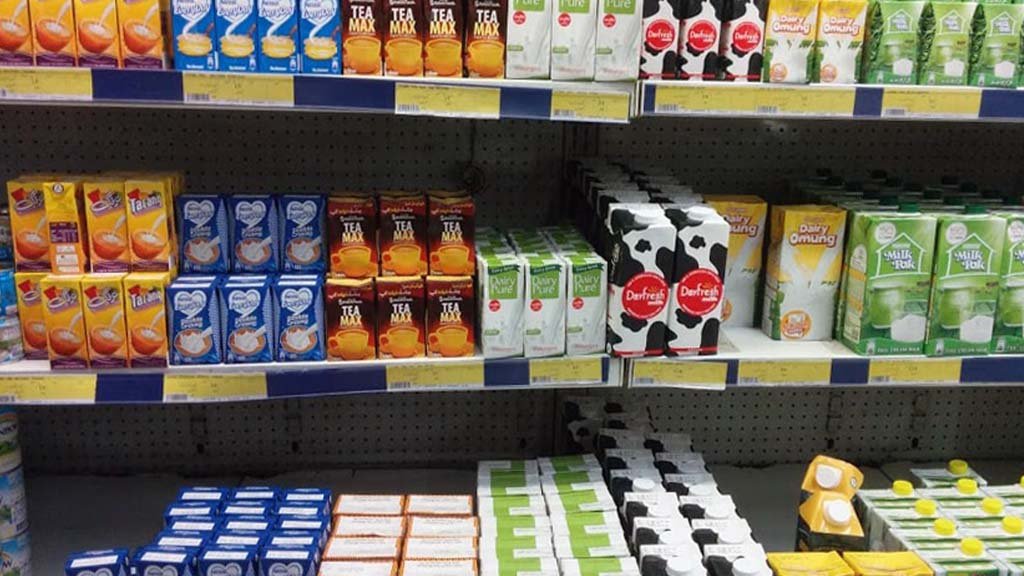
    The cost of packaged milk has surged dramatically, with prices soaring by Rs75 per liter or 25 per cent as the federal government’s pro-IMF budget took full effect on July 1st.

    Effective immediately, consumers are now paying Rs370 per litre, up from Rs295 in the previous fiscal year. This increase is primarily driven by an 18 per cent sales tax and an additional 2.5 per cent tax on retailers, according to reports.

    In response to these economic pressures, a leading dairy company has announced a price adjustment for its milk products starting July 1, 2024.

    Citing escalating production costs and broader economic influences impacting the dairy sector, the company emphasised the necessity of this adjustment in its latest advertising campaign.

    The price hikes extend beyond this company, as other vendors have similarly adjusted their rates to reflect the new taxation policies outlined in the Finance Bill 2024. These measures include the imposition of an 18 per cent sales tax and a 2.5 per cent tax on retailers, collectively aimed at augmenting government revenue.

    Notably, the government has proposed an 18 per cent tax on infant milk products priced not exceeding Rs600 per 200g, anticipating a substantial revenue impact of approximately Rs95 billion. This figure includes Rs75 billion from standard milk sales and an additional Rs20 billion from infant milk products.

    Addressing concerns over the impact of these increases, Finance Minister Muhammad Aurangzeb reassured the public during a post-budget briefing on June 13 that the middle class should not face undue hardship in meeting the new tax obligations on milk products.

  • Government officials likely to get a raise in upcoming budget 2024-2025

    Government officials likely to get a raise in upcoming budget 2024-2025

    The federal government is currently considering salary increases for government employees in the range of 10 percent to 15 percent in the upcoming budget for 2024-2025, Geo News reported.

    The government intends to increase revenue generation to strike a successful deal with the International Monetary Fund (IMF) under Extended Fund Facility (EFF) at a range of $6 billion.

    The Ministry of Finance wants to raise the salary by just 10 percent and there is another consideration to increase the monetization of cars by 20 percent to 25 percent for higher grade officers like grades 20, 21, and 22.

    The monetary policy was introduced in 2012 for the basic purpose of reducing the burden on government expenditure, which was “in line with the observance of austerity measures and to eliminate misuse of official vehicles.”

    The government is also considering pension reforms in the next budget including putting tax on pensioners who withdraw over Rs 100,000 per month.

  • IMF says bijli aur gas mazeed mehngi karu

    IMF says bijli aur gas mazeed mehngi karu

    The International Monetary Fund (IMF) has told the Pakistani authorities of its plan to release the next bailout package under specific conditions which Pakistan would have to fulfil like increasing revenue and curtailing government expenditure.

    “The government will have to hike electricity and gas tariffs in coming July and August 2024 to strike a deal with the IMF,” Geo news reported.

    If approved, the fresh bailout package through climate finance would range from $6 to $8 billion.

    The government would also have to present an aligned budget and secure its approval from the parliament.

    The IMF has asked the government to raise the power tariff by jacking up fuel price adjustments and quarterly tariff adjustments. The tariff on gas will also be increased.

    On solar net metering, the government has decided to hire a Chinese consultant and others to study it independently because the net metering system is reportedly causing harm to distribution grids.

  • PTI will protest countrywide against inflation, Khan warns government

    PTI will protest countrywide against inflation, Khan warns government

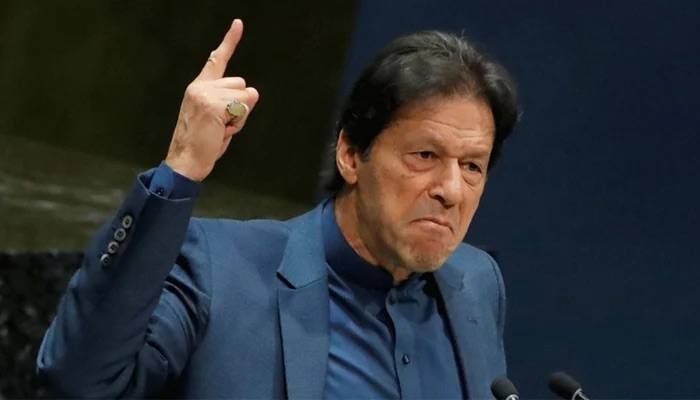
    Incarcerated former prime minister and founding chairman of Pakistan Tehreek-e-Insaf (PTI) Imran Khan, has warned the government that his party will launch countrywide protests if power and gas tariffs are increased.

    While talking to journalists in Adiala jail, Imran said that a country’s economy can’t stabilise if a government is not formed with the votes of the people.

    The former prime minister said that imposing more taxes will destabilise the country’s economy in the months of June and July. He further explained that as a big chunk of tax money went into paying off debt, it made investors hesitant to invest in Pakistan.

  • US Federal Reserve holds interest rates steady for sixth consecutive meeting

    US Federal Reserve holds interest rates steady for sixth consecutive meeting

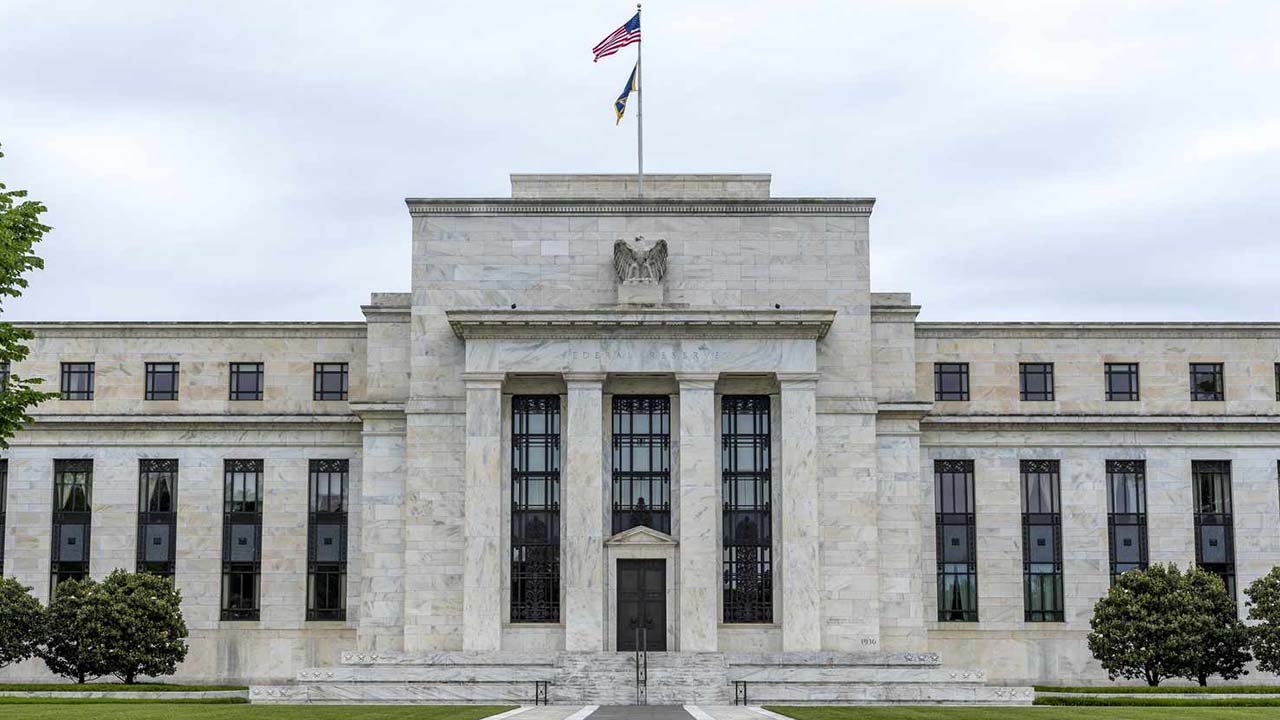
    The US Federal Reserve has once again left interest rates unchanged, maintaining its current rate at 5.25 per cent to 5.5 per cent.

    This marks the sixth consecutive meeting where the central bank has opted to hold steady, reflecting a cautious approach amid persistent inflation concerns.

    In a statement released by the Federal Open Market Committee (FOMC) on Wednesday, the central bank acknowledged that while inflation has eased over the past year, it remains elevated.

    “In recent months, there has been a lack of further progress towards the Committee’s 2 per cent inflation objective,” the FOMC noted.

    The Committee indicated that it does not plan to reduce the target range until it has greater confidence that inflation is consistently trending towards the 2 per cent goal.

    This stance has kept interest rates at a 23-year high since July last year, suggesting the Federal Reserve’s focus on managing inflation risks.

    The decision to leave rates unchanged aligned with market expectations, which had largely anticipated a rate pause.

    In a related development, the Federal Reserve announced that it would slow its pace of quantitative tightening starting June 1.

    The Fed will reduce the cap on Treasury securities rolling off its balance sheet to $25 billion per month, down from the previous cap of $60 billion. However, the pace of runoff for mortgage-backed securities will remain at $35 billion per month.

    The FOMC’s decision did not significantly alter market expectations for the trajectory of interest rates in 2024.

    The market remains divided on whether a rate cut will occur by September, with about 50/50 odds. As of now, only one rate cut is fully priced in for the entire year.

    It’s worth noting that at the beginning of 2024, the market had priced in an 80 per cent chance of a rate cut starting in March, with a total of six cuts projected throughout the year.

    This shift in expectations underscores the uncertainty surrounding the Federal Reserve’s future policy decisions as it navigates the ongoing challenges of inflation and economic stability.

  • SBP holds key policy rate at 22% for seventh consecutive time

    SBP holds key policy rate at 22% for seventh consecutive time

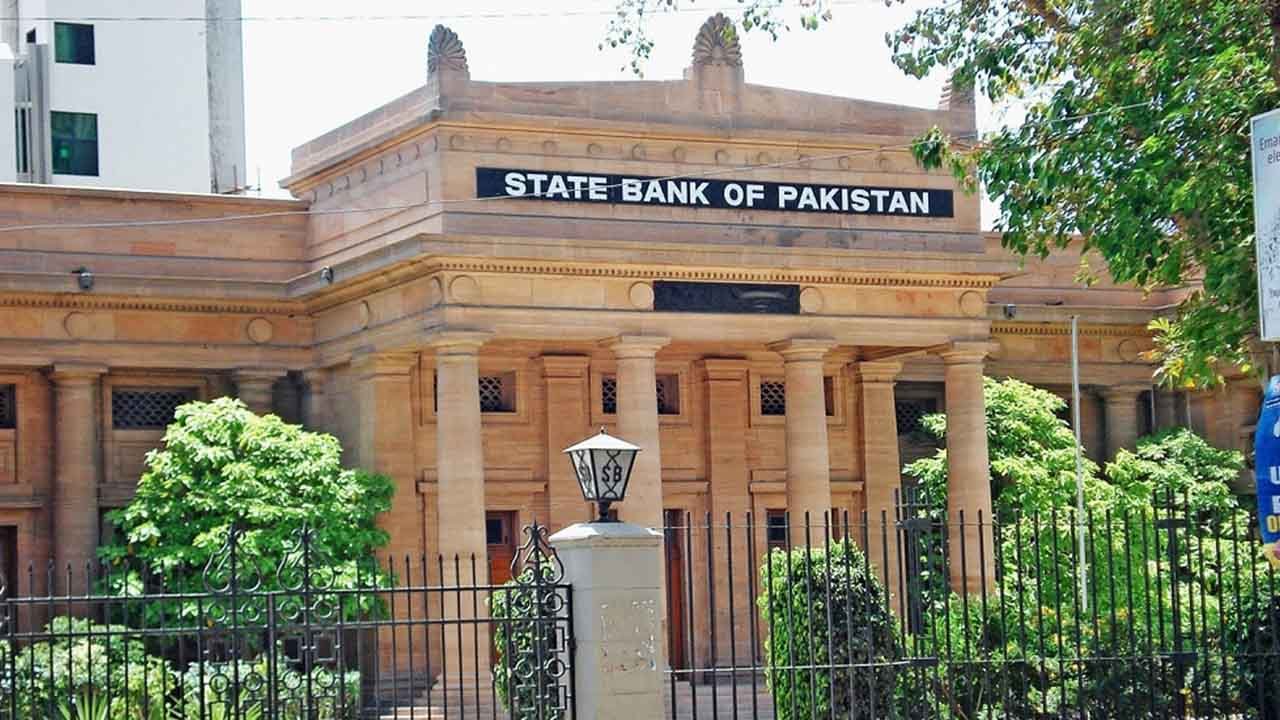
    The State Bank of Pakistan (SBP) announced on Monday that it is maintaining its key policy rate at 22 per cent, marking the seventh consecutive meeting with no changes to the rate.

    The Monetary Policy Committee (MPC), in its meeting, discussed ongoing macroeconomic stabilisation measures.

    The committee noted that these measures have contributed to noticeable improvements in both inflation and the external economic position. This comes against a backdrop of moderate economic recovery.

    The MPC’s statement following the meeting acknowledged that, while inflation has begun to improve, it remains high.

    The committee also mentioned that global commodity prices seem to have stabilised, indicating resilience in global economic growth.

    However, the committee highlighted a number of uncertainties. It pointed out that recent geopolitical events have created additional uncertainty in the global economic outlook.

    Additionally, the upcoming budgetary measures might affect short-term inflation trends.

    Given these factors, the MPC concluded that the current monetary policy stance should be maintained to achieve its inflation target of 5 to 7 per cent by September 2025.