Tag: inflation

  • Car sales in Pakistan drop by 65% due to low purchasing power, supply chain disruptions

    Car sales in Pakistan drop by 65% due to low purchasing power, supply chain disruptions

    According to data from the Pakistan Automotive Manufacturers Association (PAMA), passenger car sales in Pakistan experienced a significant decline of 65 per cent in January 2023 compared to the same period the previous year. This was attributed to a shortage of raw materials, low purchasing power, and price surges.

    With the exception of Suzuki’s Swift, sales of all other variants of cars, trucks, buses, tractors, pick-ups, and three-wheelers, as well as two-wheelers, also dropped in January 2023.

    The seven-month sales data for FY23 showed a 43 per cent drop compared to the same period last year, with passenger car sales decreasing by 65 per cent to 6,021 units. In January 2023, engine-wise sales data showed that sales of 1,300cc and above cars were recorded at 4,207 units, down 55.5 per cent compared to the same period last year. Additionally, 1,000cc cars recorded sales of 1,214 units, a decrease of 55.2 per cent from the same period the previous year.

    In January 2023, sales of passenger cars with engines less than 1,000cc plummeted to 600 units, down 88 per cent from 4,820 units sold in the same period last year.

    Sales of Suzuki’s new Alto were particularly hard hit, dropping to 44 units from 3,864 units last year, as the company was unable to produce any due to raw material shortages. Commercial vehicle sales were also impacted, with buses and trucks declining to 470 units from 778 units in January 2022.

    Despite this, the sale of jeeps and pickups increased to 4,846 units from 3,625 units sold last year, largely due to an increase in sales of Honda BR-V and HR-V. Tractor sales, on the other hand, decreased to 3,406 units from 4,966 units in January 2022.

    Meanwhile, sales of rickshaws and motorcycles dropped to 109,558 units from 153,658 units in the same period last year. According to Topline Securities, Pakistan’s overall car sales, including those of non-PAMA members, stood at around 11,500 units, down 37 per cent from the previous month, primarily due to Pak Suzuki’s inability to produce due to the non-availability of CKD parts.

    In January 2023, the automotive industry in Pakistan experienced a 47 per cent year-on-year drop in sales, contributing to a 39 per cent decline in sales for the first seven months of FY23. According to Sunny Kumar, an analyst for Topline Securities, this is due to rising car prices, costly auto financing, and limited consumer purchasing power.

    Pak Suzuki (PSMC) was hit particularly hard, with sales falling to 2,946 units, the lowest level since April 2020, largely due to a credit letters issue. In contrast, Hyundai sales increased 81 per cent month-on-month, with Tuscon sales up 69 per cent and Sonata sales up 241 per cent in January 2023. In the tractor sector, Millat Tractors and Al-Ghazi Tractors recorded increased sales in January 2023 compared to the previous month.

    However, the industry’s overall sales have dropped by 53 per cent YoY to 14,919 units in 7MFY23, affected by floods, plant shutdowns, higher prices, and low consumer purchasing power.
  • Weekly inflation in Pakistan soars 35% from last year’s rates

    Weekly inflation in Pakistan soars 35% from last year’s rates

    The Pakistan Bureau of Statistics (PBS) has reported an increase in the Sensitive Price Indicator (SPI) based inflation for the week ending on February 9th, 2023. The SPI recorded a rise of 0.17 per cent due to heightened prices for both food and non-food items.

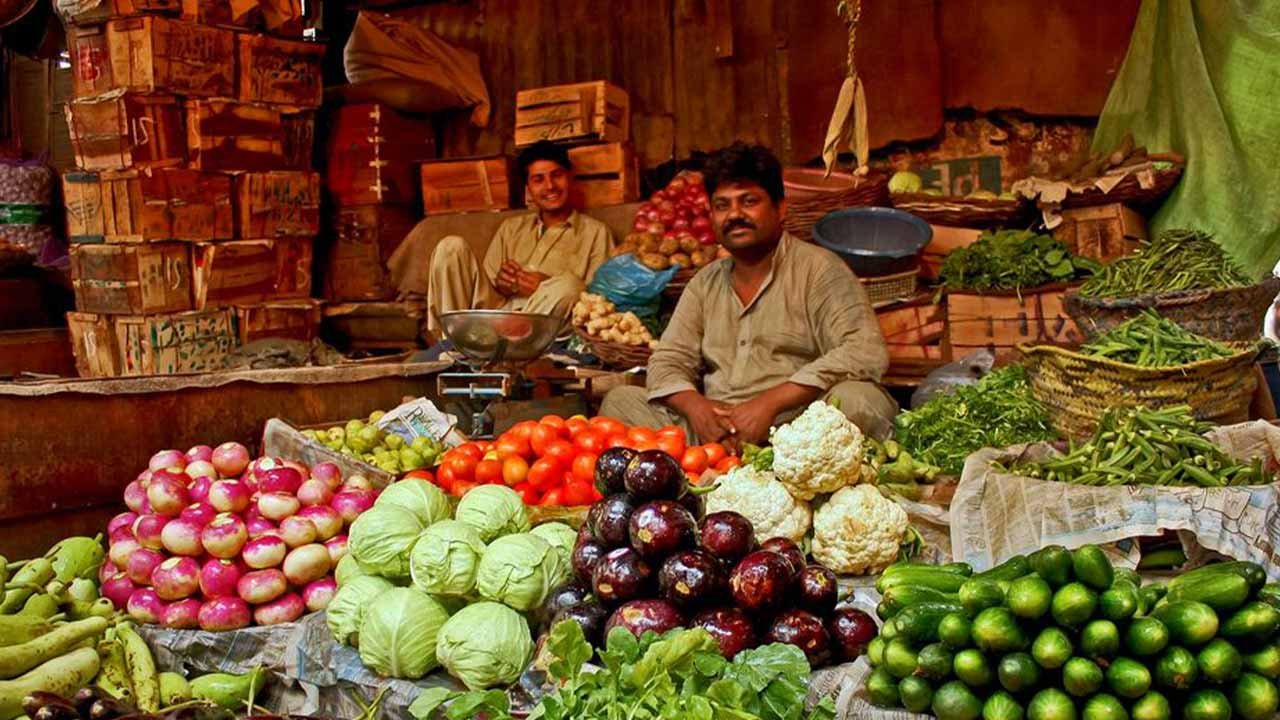
    The year-on-year trend shows an increase of 34.83 per cent mainly due to an increase in the prices of onions (507.98 per cent), chicken (93.21 per cent), diesel (81.41 per cent), eggs (79.19 per cent), rice basmati broken (68.92 per cent), petrol (68.77 per cent), rice irri-6/9 (68.26 per cent), pulse moong (66.30 per cent), tea Lipton (63.92 per cent), bananas (61.88per cent), pulse gram (56.80 per cent), bread (50.66 per cent), LPG (50.41 per cent), pulse mash (50.25 per cent) and salt powdered (46.46 per cent), while a decrease is observed in the prices of tomatoes (57.76 per cent), chilies powdered (12.43 per cent) and electricity for q1 (12.31 per cent).

    The SPI for the week under review in the above-mentioned group was recorded at 228.17 points against 227.79 points registered in the previous week, according to the latest PBS data released on Friday.

    During the week, out of 51 items, prices of 29 (56.87 per cent) items increased, 05 (9.80 per cent) items decreased and 17 (33.33 per cent) items remained stable.

    The SPI for the consumption group up to Rs. 17,732 decreased by 0.06 per cent while it increase for Rs. 17,732-22,888, Rs. 22,889-29,517, Rs. 29,518-44,175 and above Rs. 44,175 consumption group increase by 0.02 per cent, 0.10 per cent, 0.14 per cent, and 0.22 per cent respectively.

    The items, which recorded an increase in their average prices during the week over the previous include potatoes (7.15 per cent), chicken (6.94 per cent),  bananas (6.53 per cent), vegetable ghee Dalda/Habib or other superior quality 1 kg pouch each (5.67 per cent), rice basmati broken (3.80 per cent), rice irri-6/9 (3.64 per cent), LPG (3.06 per cent), vegetable ghee Dalda/Habib 2.5 kg tin each (2.71 per cent), cooking oil Dalda or other similar brands (sn), and 5 liter tin each (2.60 per cent).

    Other items which recorded an increase are pulse mash (2.42 per cent), cigarettes capstan 20’s packet each (2.25 per cent), garlic (2.20 per cent), pulse moong (2.20 per cent), mustard oil (2.20 per cent), powdered milk Nido 390 gm polybag each (1.88 per cent), pulse gram (1.87 per cent), curd (1.83 per cent), tea prepared (1.77 per cent), milk fresh (1.52 per cent), matchbox (1.47 per cent), Sufi washing soap (1.39 per cent), bread plain (1.25 per cent), pulse masoor (1.23 per cent), energy saver Philips (0.79 per cent), salt powdered (0.65 per cent), firewood whole 40 kg (0.60 per cent), cooked daal (0.52 per cent), gur (0.31 per cent) and cooked beef (0.09 per cent).

    The commodities, which recorded a decrease in their average prices included onions (9.83 per cent), tomatoes (5.40 per cent), eggs (3.40 per cent), wheat flour bag 20 kg (2.71 per cent), and sugar (0.31 per cent).

  • IMF should protect low-income people in Pakistan’s economic crisis: Human Rights Watch

    IMF should protect low-income people in Pakistan’s economic crisis: Human Rights Watch

    International Monetary Fund (IMF) should collaborate with the government of Pakistan to protect the economically disadvantaged by expanding social protection systems and minimizing reforms that may have adverse effects on the most vulnerable population, according to Human Rights Watch.

    The country is currently grappling with pressing issues such as inflation, poverty, inadequate governance, limited reserves, and high unemployment. Pakistan initiated discussions with the IMF on February 1st to formulate a plan to revive the economy, including securing the ninth tranche of $1.1 billion in loans from the $6.5 billion bailout.

    “Millions of Pakistanis have been pushed into poverty and denied their fundamental social and economic rights,” said Patricia Gossman, associate Asia director at Human Rights Watch.

    In addition, she emphasized that the IMF and the Pakistani government have a duty to manage this crisis in a manner that prioritizes and safeguards the well-being of low-income individuals.

    According to data from the State Bank of Pakistan (SBP), foreign exchange reserves have reached their lowest level at $3.09 billion, a decrease of 16%, sufficient to cover less than three weeks of imports.

    Pakistan is currently experiencing its highest inflation rates since 1975, with the cost of perishable food items rising by over 60% in January. In response to IMF demands, the government of Pakistan recently raised prices of petrol and diesel by Rs35 and removed the cap on the dollar, as it was a crucial condition of the IMF and the dollar should be market-driven.

    The ongoing negotiations with the International Monetary Fund (IMF) are aimed at concluding the ninth review of the IMF’s Extended Fund Facility, designed to support countries facing balance-of-payments challenges.

    The completion of this review would provide the necessary clearance for the IMF’s bailout installment, which would alleviate the severe shortage of foreign exchange and enable access to additional funding sources, including from multilateral and bilateral donors.

  • Petrol pumps to face strict consequences for creating artificial fuel shortage

    Petrol pumps to face strict consequences for creating artificial fuel shortage

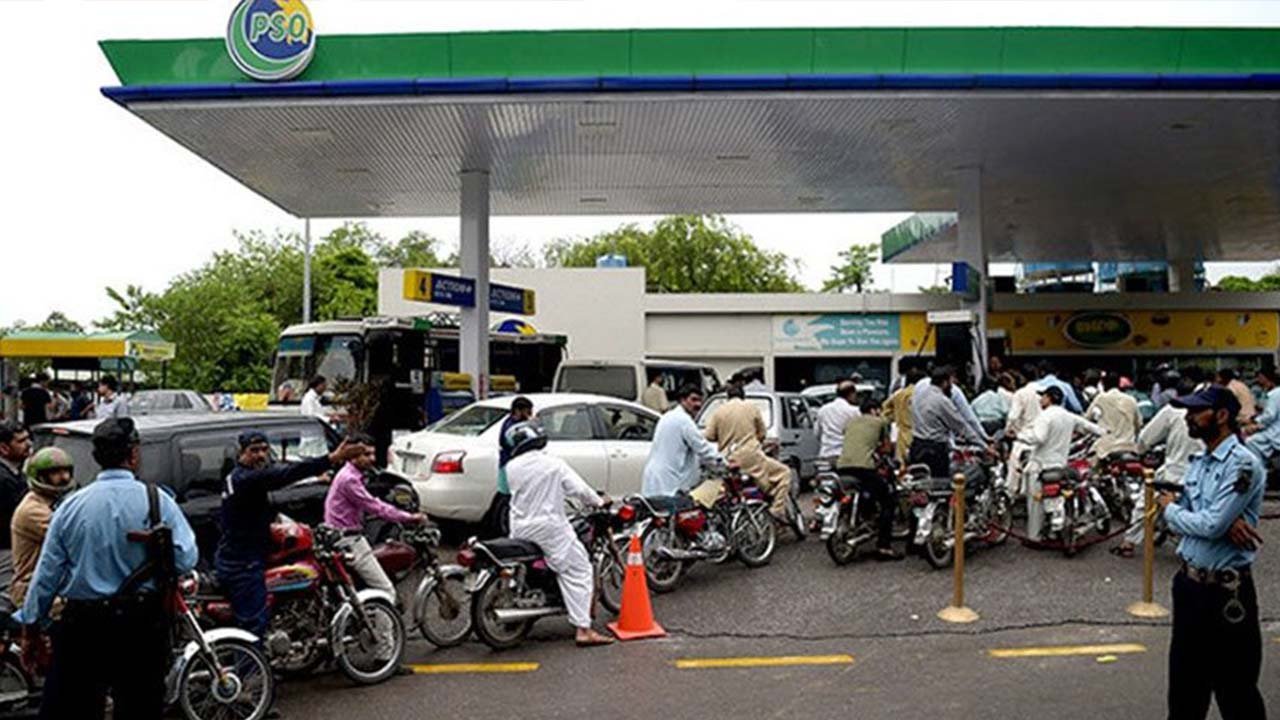
    The inflation crisis in the country has been exacerbated by an artificial fuel shortage in Rawalpindi and Islamabad. Petrol and diesel supplies have been cut off at several pumps for two days.

    Petrol pump owners were only supplying petrol of Rs250 for motorcycles and Rs500 for a car. Dealers and pump owners are causing the shortage in order to make extra profit when fuel prices are announced to increase. During the day, 60 per cent of pumps have ceased supplying fuel, rising to 80 per cent at night until midnight. The dealers and owners are waiting for the government to announce a fuel price hike until midnight.

    In response to the fuel shortage, Rawalpindi’s Deputy Commissioner, Shoaib Ali, has ordered assistant commissioners to take immediate action against petrol pumps for not supplying fuel. Despite previous fines, notices, and applications for FIRs against Oil Marketing Companies, the government has been unable to control the artificial petrol crisis in the twin cities of Rawalpindi and Islamabad and across the country. There is speculation that the government will raise fuel prices by Rs20 to Rs30 per liter, leading to over 60 per cent of dealers and pump owners halting supply for two days to increase profits. Despite having tanks filled with petrol, they have stopped supply.

    Assistant Commissioner Syed Asad Abbas informed The News that the DC has ordered strict action against petrol pump owners for causing an artificial fuel shortage for two days. The AC has begun taking action, including sealing pumps and filing FIRs against them. Residents of Rawalpindi and Islamabad have reported a lack of fuel at several petrol pumps for two days, with long lines of motorists observed at Pakistan State Oil (PSO) pumps while other pumps were not providing fuel.

    Motorists were seen frantically searching for fuel as it was unavailable at many petrol pumps in areas such as Tipu Road, Murree Road, Jhanda Chichi, Kutcherry Chowk, Adiala Road, Pirwadhai, Mall Road Saddar, Rawal Road, Jhelum Road, and others. The long lines of vehicles at petrol pumps also caused traffic congestion throughout the city.

    Petrol pump managers, speaking to The News on the condition of anonymity, confirmed that fuel supply had been cut off, with some blaming unknown reasons for the shortage. They warned that if the supply did not resume, motorists could experience severe fuel shortages in the future. Taxi drivers, who rely on daily earnings to support their families, were particularly affected by the situation and expressed strong criticism of the government for failing to provide basic services to the public.

  • Weekly Inflation jumps 34.5% from last year due to petrol and food prices

    Weekly Inflation jumps 34.5% from last year due to petrol and food prices

    According to official statistics released on Friday, prices rose at their fastest pace in more than four months in the outgoing week, mostly due to rises in the cost of food and petroleum.

    Sensitive Price Indicator (SPI) data showed that as a result, short-term inflation increased from the previous week’s 32.6 per cent to 34.5 per cent on an annual basis for the week that ended on February 2, according to the Pakistan Bureau of Statistics (PBS).

    The week-on-week inflation figure also jumped to 2.8 per cent from 0.45 per cent a week ago. Of the 51 items tracked, prices of 32 items increased, one item decreased, whereas those of 18 items remained unchanged.

    The 34.5 per cent surge in prices is the highest increase since the week ending Sept 15, 2022, when the SPI inflation was recorded at 40.6 per cent.

    The items whose prices increased the most compared to the previous year were onions (up 556.36 per cent), chicken (90.9 per cent), eggs (81.7 per cent), diesel (81.4 per cent), petrol (68.8 per cent), tea (63.9 per cent), broken basmati rice (63.4 per cent), rice Irri-6/9 (62.4 per cent), pulse moong (61.1 per cent), bananas (57.4 per cent), gram pulse (53.2 per cent), bread (48.8 per cent), wheat flour (48.4 per cent), powdered salt (48.1 per cent), maash pulse (46.2 per cent), LPG (43.8 per cent), mustard oil (42.1 per cent), and washing soap (42 per cent).

    Prices of tomatoes (62 per cent), powdered chillies (15.3 per cent), electricity (12.3 per cent) and gur (0.27 per cent) dropped.

    On a week-on-week basis, the highest change was noted in the prices of garlic (17.1 per cent), gram pulse (7.1 per cent), bananas (4.8 per cent), chicken (4.4 per cent), mash pulse (3.9 per cent), masoor pulse (3.9 per cent), mustard oil (3.5 per cent), eggs (3.4 per cent), moong pulse (2.3 per cent), sugar (2.3 per cent), vegetable ghee (2.13 per cent), and broken basmati rice (2.12 per cent), LPG (17.6 per cent), petrol (16.2 per cent), and diesel (15.3 per cent).

    The SPI increased by 1.71 per cent for the lowest-income group (i.e. people earning below Rs17,732 per month) and by 3.3 per cent for the group with a monthly income of more than Rs44,175, according to the PBS.

  • Pakistan will have to agree to ‘unimaginable’ IMF conditions for bailout: PM Shehbaz

    Pakistan will have to agree to ‘unimaginable’ IMF conditions for bailout: PM Shehbaz

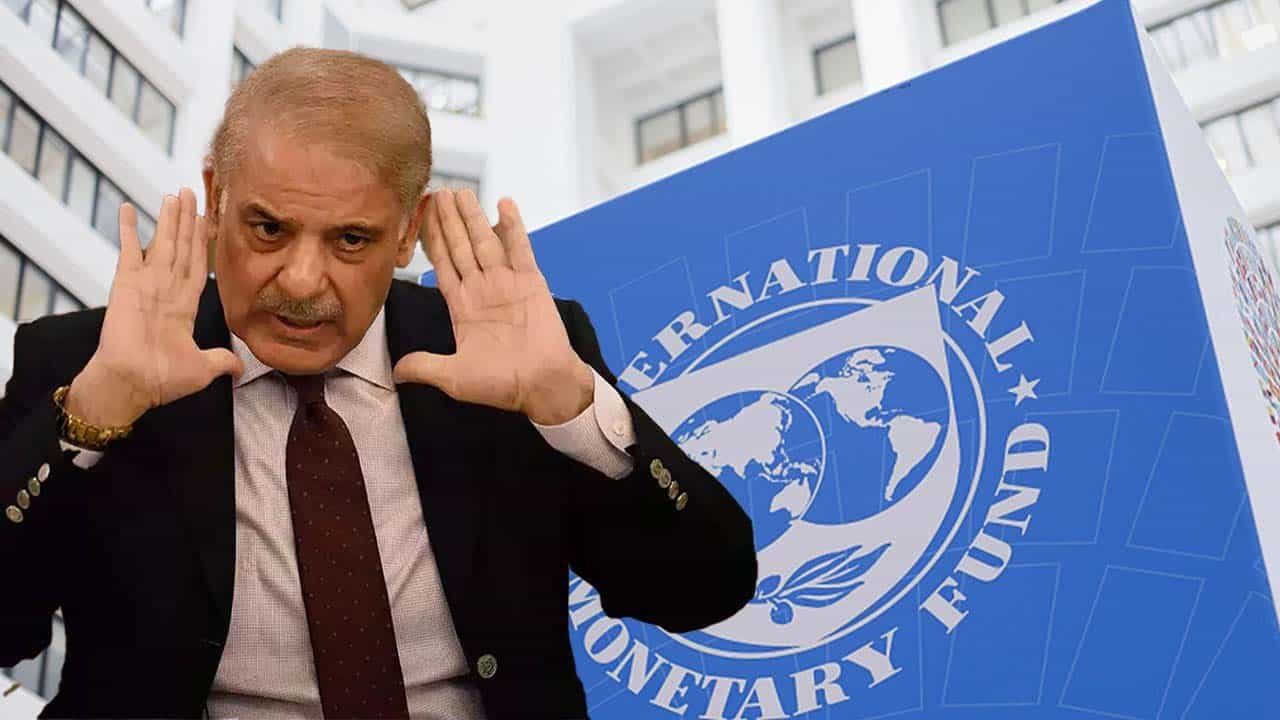
    The government will have to accept “beyond imagination” International Monetary Fund (IMF) bailout requirements, according to Pakistan’s Prime Minister (PM) Shehbaz Sharif, who made the statement on Friday in a meeting of civil and military leaders in the northwestern city of Peshawar.

    In order to avoid backlash before the upcoming elections in October, the administration has refused to implement the tax increases and subsidy reductions that the IMF has required.

    “I will not go into the details but will only say that our economic challenge is unimaginable. The conditions we will have to agree to with the IMF are beyond imagination. But we will have to agree with the conditions,” PM Shehbaz said.

    In the midst of political unrest, a deteriorating security situation, and a balance of payments crisis caused by its high levels of foreign debt, Pakistan’s economy is in terrible circumstances.

    The nation’s central bank announced Thursday that its foreign exchange holdings had decreased once again to $3.1 billion, which analysts said was just enough to cover imports for fewer than three weeks.

    On Wednesday, year-over-year inflation reached a 48-year high, making it difficult for Pakistanis to afford food products.

    With the possibility of national bankruptcy looming and no friendly countries prepared to give less painful bailouts, Islamabad started to submit to pressure ahead of the IMF visit.

    To manage a rogue illicit market in US dollars, the government relaxed regulations on the rupee, which led to the currency falling to historic lows. Additionally, artificially low gasoline costs have increased.

    A backlog of thousands of cargo containers filled with material the countrycannot afford is accumulating at Karachi port as a result of the government no longer providing letters of credit, with the exception of necessary food and medication.

    IMF advises Pakistan to fetch additional revenue

    The IMF has suggested the Pakistani government implement significant, high-quality, and long-lasting tax and non-tax revenue initiatives in order to raise extra funds to close the anticipated Rs. 600 billion fiscal framework shortfall.

    Currently in Pakistan, an IMF delegation led by Mission Chief Nathan Porter is having discussions for the ninth review, which will go through February 9.

    After months of resistance, the government was finally obliged to agree to all the terms laid forth by the Washington-based lender due to the country’s declining foreign exchange reserves and deteriorating economic circumstances.

    Following the conclusion of the negotiations under the $6.5 billion Extended Fund Facility, a staff-level agreement is anticipated.

  • Dar vs Khan: Ishaq challenges IK to live debate on economy

    Dar vs Khan: Ishaq challenges IK to live debate on economy

    Finance Minister Ishaq Dar, in a televised address on Friday, strongly criticised Pakistan Tehreek-e-Insaf (PTI) Chairman and former Prime Minister (PM) Imran Khan’s economic policies and challenged him to hold a “live debate” with him on the economic crisis.

    The finance czar started by saying that the incumbent government sacrificed politics for the sake of the country.

    Taking a jibe at Khan’s address in which he narrated his economic successes, Dar said that the speech was “full of lies” and that he quoted wrong figures.

    “You [Khan] can hold a live debate and bring the economic survey and State Bank documents,” he said, asking the PTI chief to not mislead the public by quoting ‘wrong figures’.

    Speaking about Imran’s claims of creating 55 million jobs, the finance minister argued that the economic survey from the PTI setup showed that only 33 million jobs were created.

    Accusing Khan of creating the ongoing economic crisis, he said that inflation rate was 8.6 per cent under the former Pakistan Muslim League-Nawaz (PML-N) government, which spiked to double digits during the PTI era.

    Shedding light on International Monetary Fund (IMF), Dar said when Imran realised he was being ousted, he disowned all the agreements and left behind landmines, adding that Pakistan had only completed one IMF programme in its history which was under the leadership of Nawaz Sharif.

    Dar also claimed that during their previous tenure international rating agencies predicted Pakistan would join G20 by 2030.

  • Pasha warns inflation may increase to 70% if Pakistan defaults

    Pasha warns inflation may increase to 70% if Pakistan defaults

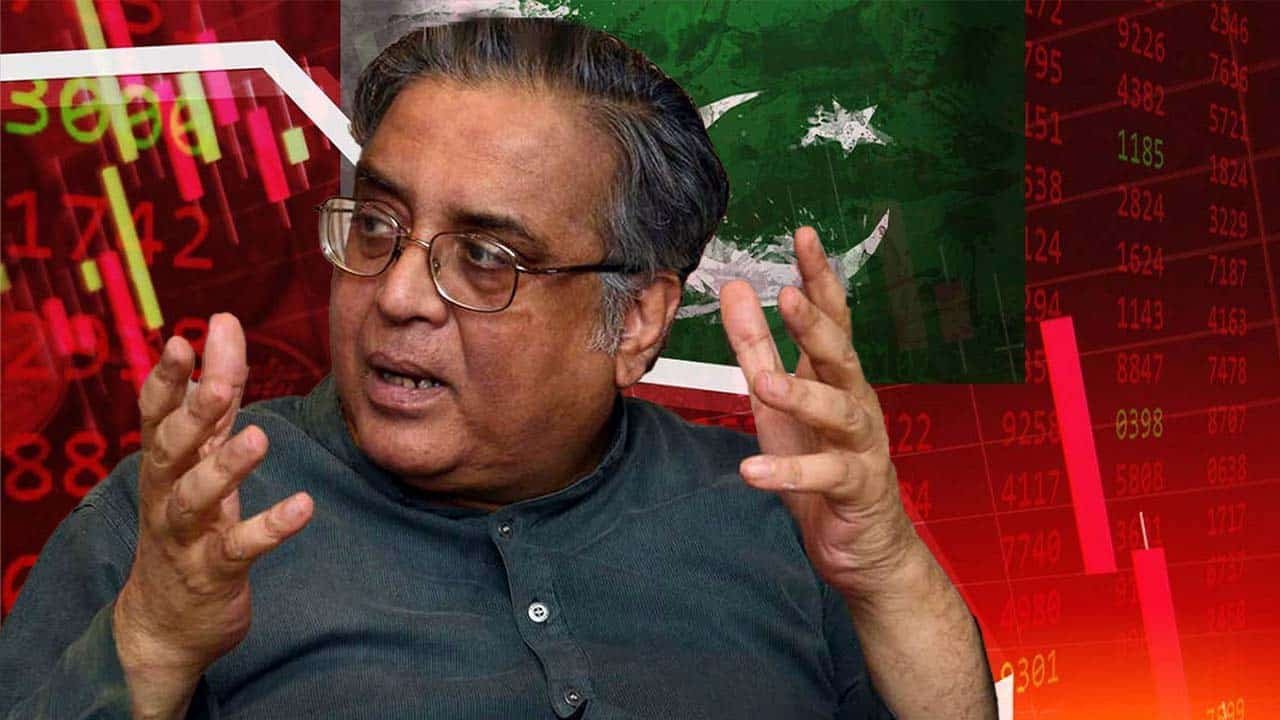
    Former finance minister Dr Hafiz Pasha on Tuesday warned that inflation in Pakistan may soar to 70 per cent in the event of a default.

    Pasha predicted that Pakistan’s general economy would likely continue to experience severe stagflation in 2023. He was speaking to members of the Pakistan Industrial and Traders Associations Front (PIAF).

    Due to the International Monetary Fund (IMF) stringent requirements, inflation will still increase to at least 35 per cent even if the loan from international lender is restored, according to Express Tribune.

     “If the government implements the key reforms agreed with the IMF, including a Rs50 levy per litre on POL, an electricity tariff hike of 40 per cent, doubling of the gas tariff, and shift to market-based exchange rate policy, the inflation rate could exceed 35 per cent,” Pasha cautioned.

    If the government does not implement the agreed reforms, he said, “It will lead to a termination of the IMF programme and will virtually dry-up the country’s capital.”

    According to Pasha, Pakistan’s reliance on pricey foreign loans has been disastrous. The nation’s debt in the first 65 years was $65 billion. In the following seven years, as we increased our reliance on costly loans with high interest rates, this amount increased to approximately $130 billion.

  • Here’s how chicken prices surpassed beef prices for the first time in Pakistan

    Here’s how chicken prices surpassed beef prices for the first time in Pakistan

    Owing to a major shipment that has been stuck at Port Qasim in Karachi for several months, chicken prices have sharply increased and surpassed beef prices (with bones) for the first time in thirty years.

    A shipment of soybean seeds worth $100 million was halted in October 2022 at Port Qasim in Karachi. These oilseeds were designed to be crushed rather than planted. One of the main components of the edible oil used in Pakistan is the liquid that is produced when the seeds are pressed.

    Being one of the biggest importers of palm seeds, soybeans, and other oilseeds from nations like Malaysia, Pakistan is heavily dependent on these oilseeds to meet its demands for edible oil. But because they are also used as cattle feed, these oilseeds serve yet another crucial role in the food chain.

    The solid parts of the seeds are left behind when oilseeds like soybeans are pressed to produce edible oil. Then, “oil cakes” made from this fiber- and protein-rich material are fed to cattle and birds as food.

    The majority of these livestock’s “meals” up until 2015–16 were made from locally obtained cotton seeds. Since they are more nutritive than cotton seeds, soybean meals have gained popularity in recent years. Pakistan consumes 2 to 2.8 million tonnes of these meals each year.

    This indicated that when the soybean shipments were stopped at the port, the poultry business was also shocked in addition to the edible oil industry. Feed for chickens was suddenly unavailable, and prices began to soar.

    Since Pakistan is a signatory to the Cartagena Protocol for Biosafety, the environmental ministry was authorised to halt the exports of genetically modified soybean seeds at the port.

    Several issues arose with this. First of all, despite widespread scaremongering, GMOs have never been proven to be dangerous for human consumption. Second, these oilseeds weren’t intended to be planted solely for the purpose of extracting edible oil and as a component in the poultry industry.

    One of the worries was that since hens were being fed with these GMO oilseeds, the ‘harmful consequences’ from these GMOs would eventually move into the chickens and reach the populace, according to Food Security Minister Tariq Bashir Cheema.

    This argument has a flaw in that Pakistani poultry has been fed oilseed diets made from GMOs since at least 2005. Cottonseed meals, which are generated by genetic modification in Pakistan, are a significant component of the poultry diet.

    As things stand, a sizable portion of the population no longer has access to one of its main sources of protein because of the skyrocketing price of chicken. Mutton and beef prices have risen faster than the Consumer Price Index (CPI) during the last few decades.

    According to Profit, only chicken costs increased more slowly than the CPI during this entire period, making it the only protein source. With chicken now costing more than beef on the open market, the population’s nutritional impact might be affected in the long run.

  • World Bank cuts Pakistan’s GDP growth forecast from 4% to 2%

    World Bank cuts Pakistan’s GDP growth forecast from 4% to 2%

    Due to the unstable economy and floods, the World Bank predicted that Pakistan’s economic growth would drop by half, falling by 4 per cent to 2 per cent, during the current fiscal year.

    According to the Bank’s latest report, “Global Economic Prospects,” Pakistan is experiencing growing economic woes, especially those caused by the recent flooding as well as ongoing policy and political uncertainties.

    “Pakistan faces mounting economic difficulties and Sri Lanka remains in crisis. In all regions, improvements in living standards over the half-decade to 2024 are expected to be slower than from 2010-19,” the World Bank stated in Global Economic Prospects released on Tuesday.

    Pakistan’s currency declined by 14 per cent between June and December, and its national risk premium climbed by 15 per cent over this same time frame due to the nation’s low foreign exchange reserves and rising sovereign risk.

    It went on to say that growth is anticipated to pick up to 3.2 per cent in the fiscal year 2023–24 (FY24), still under previous forecasts, as the country implements policy measures to stabilise macroeconomic conditions, inflationary pressures subside, and reconstruction after the floods gets underway.

    According to the analysis, Pakistan’s recent floods are thought to have cost the country damage equal to 4.8 per cent of GDP.