Tag: inflation

  • 40-50 per cent hike expected in gas tariff

    40-50 per cent hike expected in gas tariff

    The government plans to hike the system gas tariff by up to 50 per cent as part of its efforts to gain access to the International Monetary Fund (IMF) bailout.

    The Ministry of Energy anticipates the Oil and Gas Regulatory Authority (OGRA) determining the revenue requirement for the coming fiscal year in June. As per The News, which cited sources, the tariff increase will take effect on July 1, 2022.

    Sui Southern Gas Company Limited (SSGC) and Sui Northern Gas Pipelines Limited (SNGPL), according to an Energy Ministry official, have suffered massive combined losses of Rs550 billion in recent years.

    Both are losing money since the system gas rate has not been raised in a long time. SNGPL is expected to lose Rs350 billion, while SSGC is expected to lose roughly Rs200 billion.

    OGRA will now calculate the system gas tariff under the modified OGRA statute. The IMF has encouraged the government to ensure that gas firms do not lose money as a result of the gas tariff’s stagnation, as well as to follow the modified OGRA law in its entirety.

    It’s worth noting that the government raised the price of petroleum goods by Rs30 per liter last week after the IMF stated that the bailout package would not be resumed unless the country ended petroleum product subsidies.

  • Weekly inflation based on SPI, records a slight decline

    Weekly inflation based on SPI, records a slight decline

    Pakistan Bureau of Statistics (PBS) revealed that the weekly Sensitive Price Indicator (SPI) for the joint consumption group fell 0.26 per cent for the week ending May 26, owing primarily to a drop in the prices of vital food products.

    The consolidated index was 174.62 on May 19, 2022, compared to 175.08 on May 19, 2021, while the SPI increased 16.97 per cent year on year when the index was 149.29 on May 27, 2021.

    The minor price reductions in essential items may be a sign that the government is finally gaining control of the country’s skyrocketing inflation, which has afflicted the poor strata.

    Here are the items that witnessed a decrease or increase in their prices:

    Decrement

    Wheat Flour (12.25 per cent), Chillies Powdered (6.48 per cent), Chicken (4.41 per cent), Garlic (2.99 per cent), and non-food item LPG (0.43 per cent) were among the commodities that saw a decline in their rates on a WoW premise out of the 51 supervised items, with a cumulative effect of (-1.00 per cent) into the total SPI for the blended group of goods (-0.26 per cent).

    Increment

    27 items elevated in the week, including potatoes (8.43 per cent), tomatoes (6.33 per cent), eggs (6.29 per cent), rice basmati broken (4.71 per cent), mustard oil (4.16 per cent), pulse masaoor (3.93 per cent), milk fresh (3.47 per cent), onions (3.03 per cent), pulse gramme (2.58 per cent), curd (2.35 per cent), washing soap (2.13 per cent), cooked beef (1.55 per cent), beef (1.42 per cent), pulse mash (1.33 per cent), cooked daal (1.24 per cent). While 19 commodities’ prices remained stable.

  • Gold prices in Pakistan hit historic high of Rs143,600 per tola

    Gold prices in Pakistan hit historic high of Rs143,600 per tola

    Gold prices in Pakistan continued to rise as the Pakistani currency fell deeper versus the US dollar, pushing the precious metal to a high of Rs143,600 per tola.

    The price of gold per tola increased by Rs1,950 per tola, as per the All Sindh Sarafa Jewellers Association (ASSJA). Moreover, the price per 10 gramme jumped by Rs1,672 to Rs123,114.

    Following yesterday’s gain of Rs1,950 per tola, the gold price has risen by Rs5,250 in the last four days (Friday-Tuesday).

    During the current economic crisis, gold has resurfaced as a secure investment, and consumers have been eagerly buying gold to preserve their savings against inflation.

    The rupee’s collapse, which reached an all-time low of Rs201.41 versus the US dollar in the interbank market, compelled the gold trading body to drastically raise the bullion price.

    The price of yellow metal fell by $4 per ounce on the international market to settle at $1,858. When compared to the Dubai market, gold prices in Pakistan are roughly Rs1,500 lower.

  • Beggar gifts PKR 234,000 motorbike to wife, both continue begging together

    Beggar gifts PKR 234,000 motorbike to wife, both continue begging together

    A beggar from Madhya Pradesh begged for four years and purchased a motorcycle worth Rs234,000 (INR90,000) for his wife.

    He spent all of his savings on the bike as his wife complained about a backache from sitting on the tricycle he owned earlier. This story is from Amarwara village, where the beggar, Santosh Sahu, expressed his love for his wife by purchasing a small motorcycle.

    Sahu is a disabled man who rides a tricycle and begs for money with his wife, Munni Sahu. Munni drags Sahu’s tricycle forward while the two beg.

    Munni would occasionally fall while attempting to push the tricycle due to the poor road conditions. As a result, Santosh decided to purchase her a moped.

    The pair begs for money at different spots from bus stops to mosques and temples, earning up to Rs1,000 (400 INR) per day. Santosh began saving money every day in order to purchase his wife’s dream bike. The couple is now back to their regular practise of begging in their freshly purchased motorcycle.

  • SBP hikes interest rate by 150 basis points to control inflation

    SBP hikes interest rate by 150 basis points to control inflation

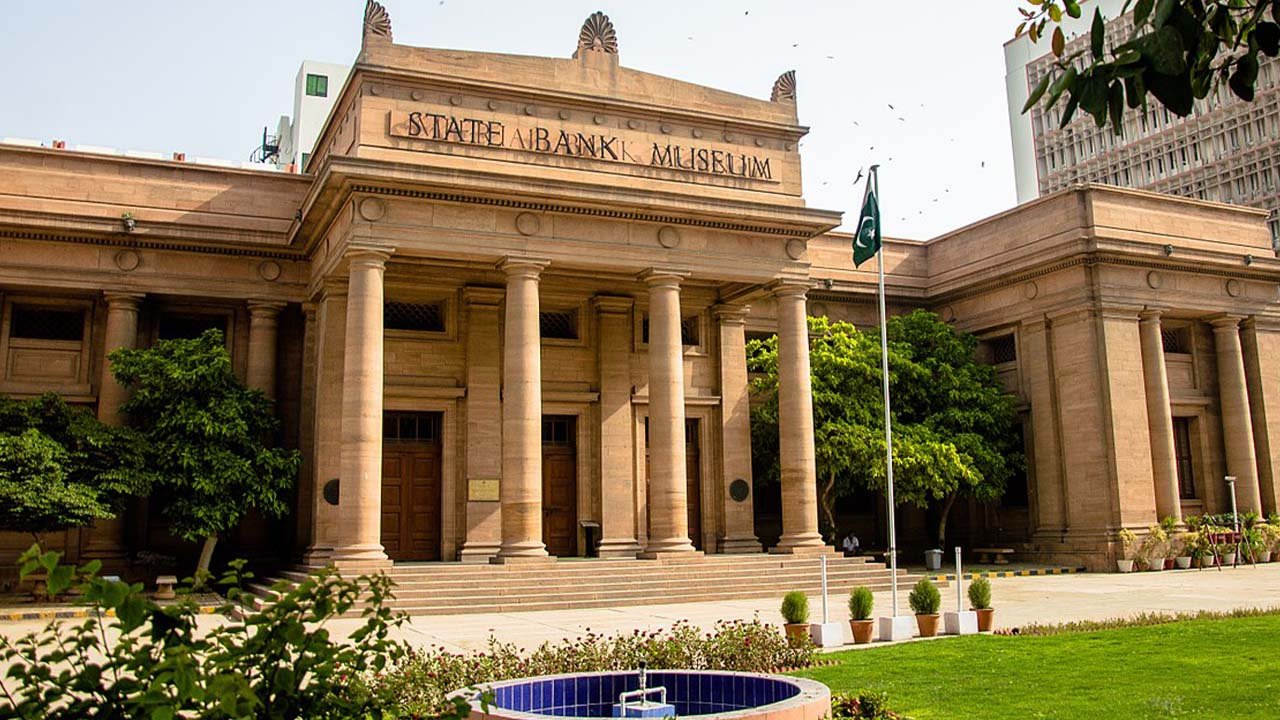
    The State Bank of Pakistan’s (SBP) Monetary Policy Committee (MPC) approved a 150 basis point increase in the benchmark interest rate, pushing it to 13.75 per cent to control inflation.

    It is worth noting that this is the maximum level of interest rate since 2011 when it was 14 per cent.

    The central bank mentioned in a statement that after the last MPC meeting, preliminary estimates indicate that growth in FY22 has been considerably higher than predicted.

    On May 23, the MPC agreed to hike the policy rate by 150 basis points to 13.75 per cent. “This action, together with much needed fiscal consolidation, should help moderate demand to a more sustainable pace while keeping inflation expectations anchored and containing risks to external stability.

    “External pressures remain elevated and the inflation outlook has deteriorated due to both home-grown and international factors. Domestically, an expansionary fiscal stance this year, exacerbated by the recent energy subsidy package, has fueled demand and lingering policy uncertainty has compounded pressures on the exchange rate”.

    “Globally, inflation has intensified due to the Russia-Ukraine conflict and renewed supply disruptions caused by the new Covid wave in China. As a result, almost all central banks across the world are suddenly confronting multi-year high inflation and a challenging outlook.”

    The MPC stated that raising interest rates will help to protect external and economic stability.

    “Since the last MPC meeting, secondary market yields, benchmark rates and cut-off rates in the government’s auctions have risen, particularly at the short end. The MPC noted that the market rates should be aligned with the policy rate and in case of any misalignment after today’s policy decision, the SBP would take appropriate action”.

    According to the report, overall inflation climbed from 12.7 per cent (year on year) in March to 13.4 per cent in April, led by consumable food products and core inflation. “The rise in core inflation reflects strong domestic demand and second-round effects of supply shocks,” it noted.

    The MPC believes that when power and fuel subsidies are phased out, inflation will spike momentarily and remain strong through FY23 before falling steeply in FY24. “This baseline outlook is subject to risks from the path of global commodity prices and the domestic fiscal policy stance,” it said.

  • Labourers demand increase in monthly wages, pensions

    Labourers demand increase in monthly wages, pensions

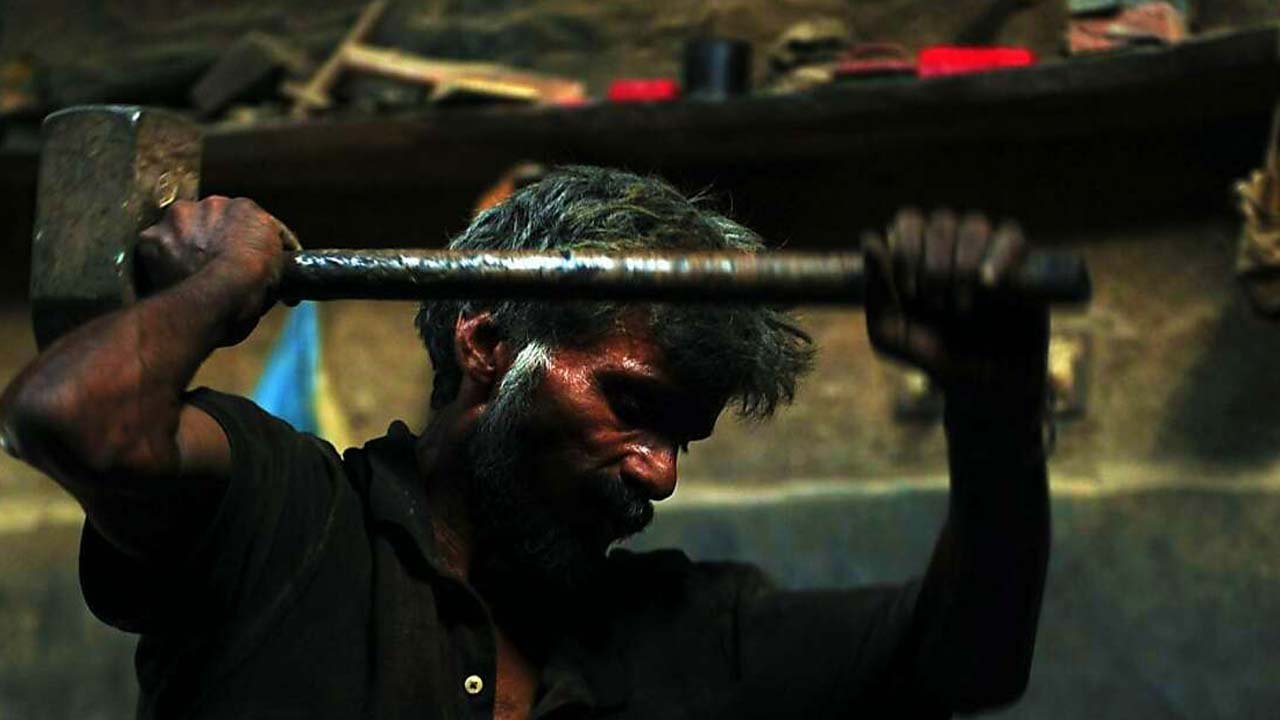
    On May 15, the provincial president of the Muttahida Labour Federation (MLF) in Peshawar, Muhammad Iqbal stated that the current price hikes had made life difficult for poor workers but the government had remained silent.

    He remarked that the provincial and federal governments should enhance monthly wages and the Employees’ Old-Age Benefit Institution pension in relation to the country’s current price hikes and inflation, speaking during a protest gathering staged in honour of May Day here at Shobra Chowk.

    The leader was of the view that workers had played a critical part in the country’s progress, but that each subsequent government had crushed them under one excuse or another. He claimed that the government and investors had teamed up to close down industrial units in the province as part of a well-planned plot.

    Read more: Pakistan’s textile exports surge by 30 per cent

    Iqbal said that the authorities should take measures to protect the rights of lower-paid strata and labourers in order to ease their lives.

  • Hyundai Sonata 2.5 will now cost Rs7.85 million

    Hyundai Sonata 2.5 will now cost Rs7.85 million

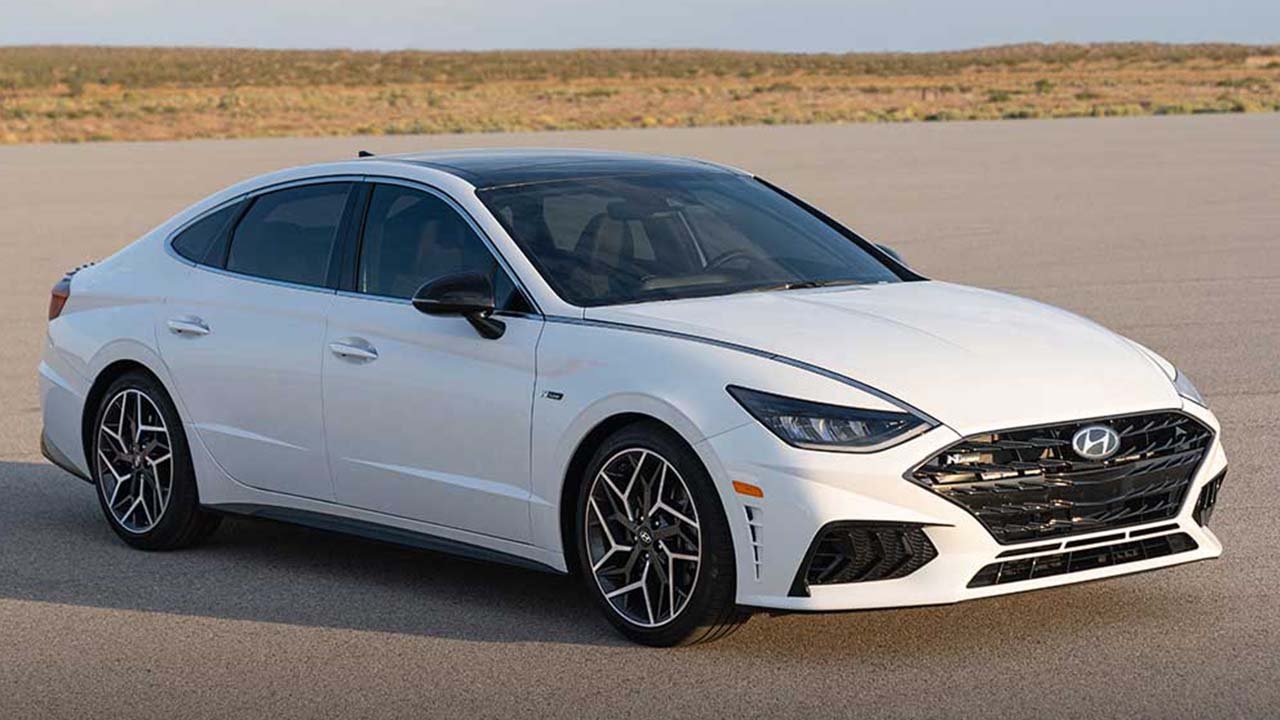
    Like the majority of automakers in Pakistan, Hyundai Nishat has joined the price hike bandwagon by raising the price of its sedan offerings; the Elantra GLS, Sonata 2.0, and Sonata 2.5 variants, due to increased shipping costs and continuous depreciation of the local currency.

    The premium category sedan, Hyundai Sonata 2.0 witnessed an increase of Rs140,000 in its earlier rate of Rs6,859,000. After the price hike, the car costs Rs6,999,000. Hyundai Sonata’s top trim will now be sold at Rs7,849,000 after a price increase of Rs100,000 in its previous price of Rs7,749,000.

    Hyundai Elantra GLS after getting a price of Rs150,000 will be offered at Rs4,949,000, the exact model was previously sold at Rs4,799,000.

    Read more: Pakistani rupee crashes to historic low of Rs194 against US dollar

    Almost every local or imported sedan is now out of reach of the masses as the auto industry has been massively affected by the ongoing devaluation of the Pakistani currency against the US dollar, increased freight charges along with the premium culture (own trend) in the country.

  • Federal Govt teachers demand pay raise, promotion

    Federal Govt teachers demand pay raise, promotion

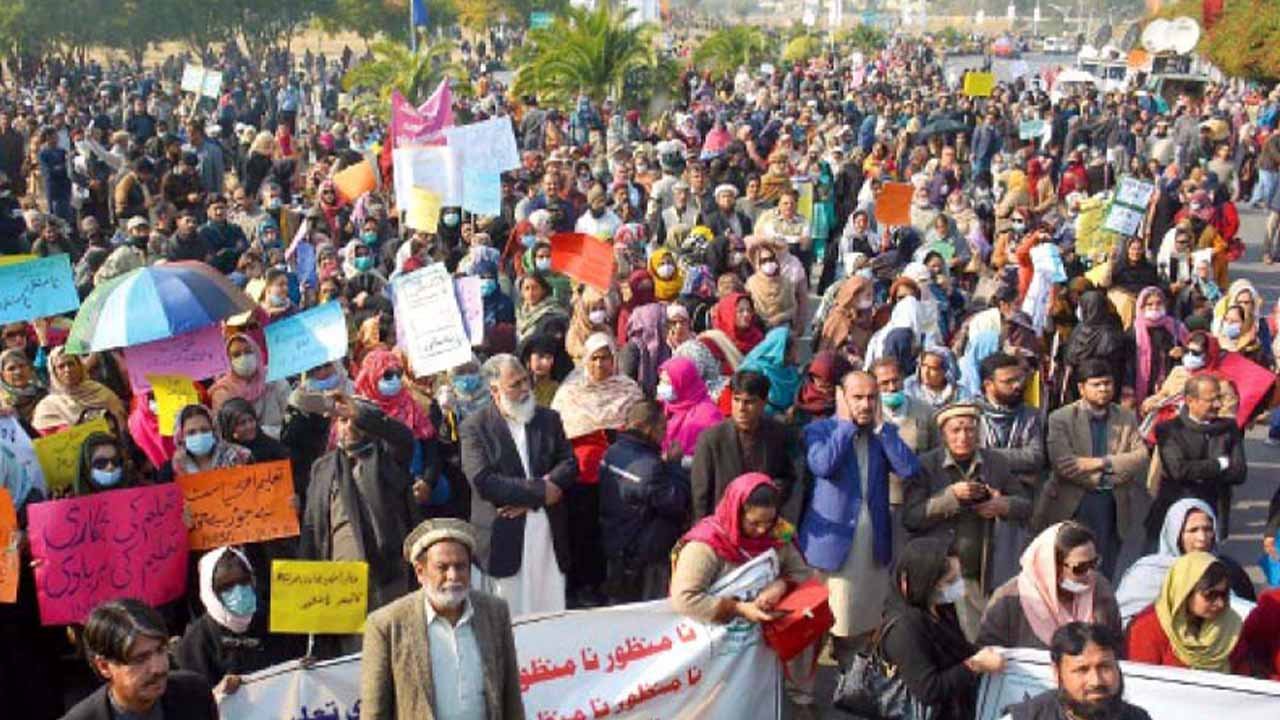
    Federal government employees have warned to hold another sit-in in the federal capital if their demands for salary increments and promotions are not met by May 23.

    They voiced the statement during a rally in front of Parliament House organised by the All-Government Employees Grand Alliance (AGEGA), where a significant number of teachers showed up, responding to the Federal Government College Teachers Association’s call (FGCTA).

    Dr Nazir Ahmed Bhutta, the FGCTA’s General Secretary, urged the government to fulfill its promise made last year in February.

    As per the agreement, all perks or allowances should be combined with basic salaries, employees should be given timely promotion and raise, including pay and pension adjustments should be implemented to minimise wage discrepancy.

    Professor Tahir Bhatti, president of the FGCTA (local unit of H-9 College), demanded the return of the Saturday weekly off for government employees who, he claimed, couldn’t afford to work six days a week due to a large increase in fuel prices in recent months.

    To preserve electricity, he believes the government should proclaim Saturday as a holiday.

    Professor Farhan Azam, senior vice-president of the FGCTA, noted that the remuneration of employees in different departments differed significantly, causing resentment among lesser-paid staff of the same grade. He proposed that professionals of the same status should have the same pay and privileges.

    Rehman Bajwa, AGEGA’s chief coordinator, cautioned that if the employees’ demands were not met by May 23, they would take to the streets after speaking with their management.

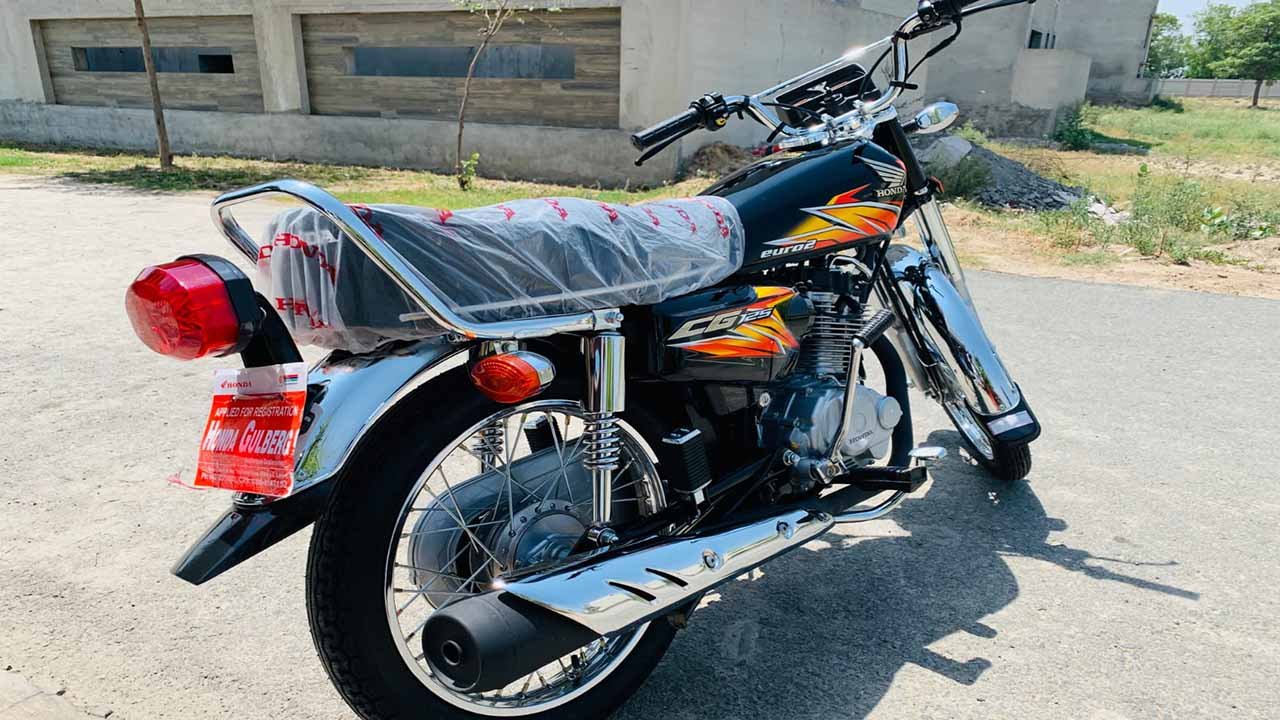
  • Honda announces third price hike, Honda 125 is now priced at Rs163,500

    Honda announces third price hike, Honda 125 is now priced at Rs163,500

    Pakistan’s top two-wheeler manufacturer, Atlas Honda has announced another significant price hike for its motorcycles which is Honda’s third price increase in less than five months.

    Honda CD70, the country’s most popular two-wheeler, is now priced at Rs102,900, after an increase of Rs3000. The 100cc Honda Pridor following the increase will be sold for 139,000 after an increase of Rs3000 in its old price of Rs136,900, while the iconic Honda 125 is now priced at Rs163,500 after a hike of Rs4000 in its prior cost.

    The price of the Honda CB 150 SE increased by Rs8,000, bringing the total price to Rs303,900, up from Rs295,900 previously.

    Pakistan’s two-wheeler industry has achieved over 90 per cent localization, according to the Ministry of Industries and Production’s (MOIP) latest report. This means that the majority of a motorbike’s structural and mechanical components are manufactured in Pakistan, with only a few foreign parts.

    Read more: Honda Atlas announces price hike instead of fixing delivery issues

    Despite this, all companies continue to raise their bike pricing without introducing or incorporating any advancement, putting them out of reach for the majority of local consumers.

  • Turkey: Food prices surged by 89 per cent, transportation costs increased by 106 per cent

    Turkey: Food prices surged by 89 per cent, transportation costs increased by 106 per cent

    Turkey’s inflation rate skyrocketed to almost 70 per cent last month, creating a substantial challenge for President Recep Tayyip Erdogan, whose unusual economic strategies are frequently blamed for the country’s economic woes.

    Erdogan, defying economic conventional wisdom, insists that major interest rate cuts are essential to reduce spiralling consumer costs.

    Turkey’s consumer price index (CPI) climbed by 69.97 per cent on a year-on-year (YoY) basis in April 2022, compared to 61.14 per cent in March 2022, according to the national statistics agency, indicating a massive increase.

    The transportation industry saw the largest price rises in April, up 105.9 per cent, while food and non-alcoholic drinks cost increased by 89.1 per cent.

    Likewise, lira’s depreciation has quadrupled the cost of energy imports, and international investors are progressively fleeing the formerly emerging economy. Energy price hikes and production constraints have been worsened by Russia’s invasion of Ukraine and the coronavirus outbreak.

    According to economists, Turkey’s yearly inflation rate – the highest since Erdogan’s ruling AKP party took office in 2002 – is entirely due to Erdogan’s unusual economic thinking.

    Read more: Transporters continue to overcharge ahead of Eid-ul-Fitr

    Erdogan has pushed the supposedly independent central bank to reduce interest rates. Despite strong inflation, the bank maintained its benchmark interest rate for the fourth month in a row in April, yielding to criticism.