Tag: inflation

  • SBP likely to hold interest rate at record 22% amid IMF negotiations

    SBP likely to hold interest rate at record 22% amid IMF negotiations

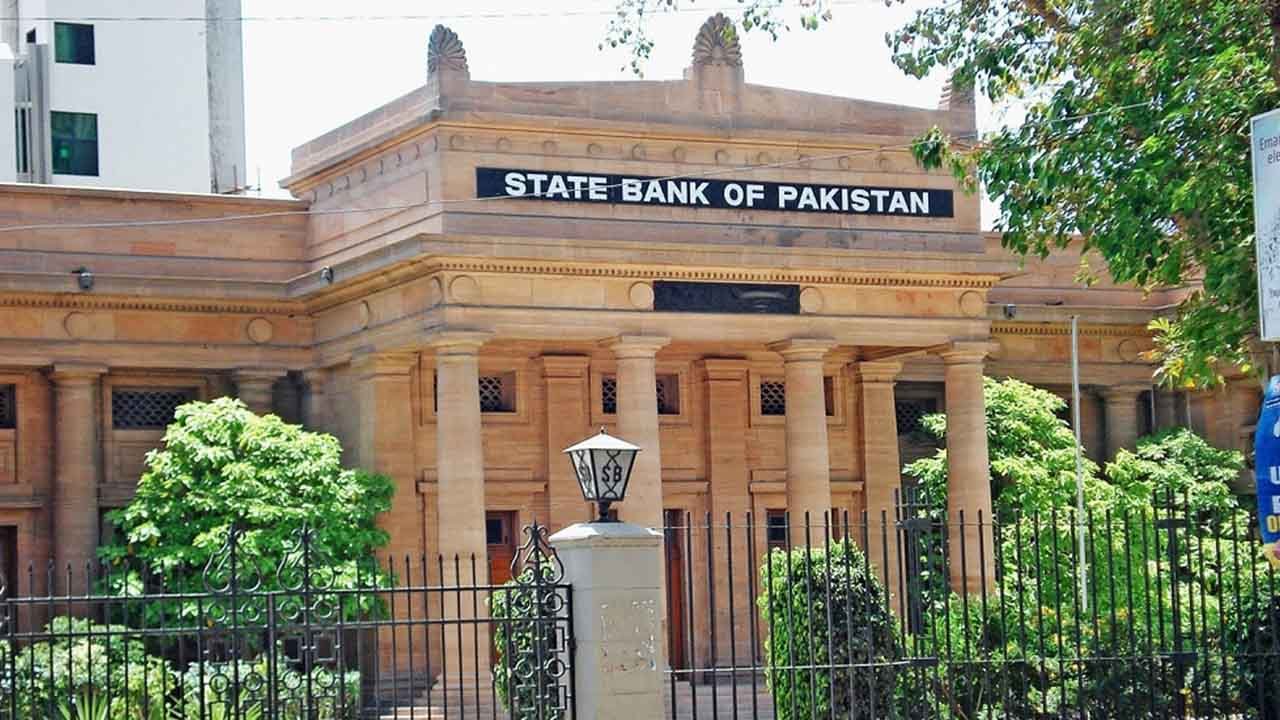
    The State Bank of Pakistan (SBP) is expected to maintain its record 22 per cent interest rate at its upcoming policy meeting on Monday.

    This marks the seventh consecutive meeting with rates held steady, as Pakistan navigates discussions with the International Monetary Fund (IMF) for a new long-term funding arrangement.

    The central bank’s decision comes ahead of an IMF Executive Board meeting to discuss a $1.1 billion disbursement, the final tranche of a $3 billion Stand-By Arrangement.

    A Reuters poll of 14 analysts predicts the SBP will hold its rate, though there are mixed forecasts within the group.

    Four analysts anticipate a 100-basis-point (bps) cut, while two expect a 50-bps cut. Eight believe the SBP will cut rates before securing a new IMF programme.

    The central bank’s next Monetary Policy Committee (MPC) meeting is scheduled for June 10, potentially before Pakistan’s expected new IMF agreement.

    Finance Minister Muhammad Aurangzeb mentioned that discussions with the IMF for a longer-term programme will begin next month, aiming for a staff-level agreement by early July.

    Pakistan’s last rate hike was in June 2023 to combat inflation and meet IMF requirements. Consumer Price Index (CPI) data for March showed a 20.7 per cent increase from the previous year, with a peak of 38 per cent in May.

    However, inflation is slowing, partly due to the “base effect,” with April’s CPI expected to be around 17.5 per cent, according to businessman Arif Habib.

    The SBP’s monetary policy decisions will consider various factors, including inflation trends and geopolitical tensions affecting fuel prices.

    Tahir Abbas, head of research at Arif Habib Limited, suggests rates won’t be cut until a new IMF programme is in place.

    Looking ahead, Mustafa Pasha, Chief Investment Officer at Lakson Investments, predicts a small rate reduction in the current quarter, with significant cuts in the September quarter.

    According to Business Recorder, this is driven by the need to roll over approximately 6.7 trillion rupees in domestic treasury bills in late 2024 and expected stabilization in inflation and foreign exchange inflows.

    He forecasts that the interest rate could settle around 17 per cent by December.
  • World food prices rise for first time in seven months: FAO

    Global food prices rose in March, the first increase since July, pulled higher by cooking oil prices despite the cost of grains continuing to ease, the UN’s Food and Agricultural Organization said Friday.

    The FAO’s overall Food Price Index climbed 1.1 percent over the month to stand at 118.3 points in March 2024. On an annual comparison it was 7.7 percent lower.

    The sub-index for vegetable oils jumped by 8.0 percent over the month to reach a one-year high. The FAO said prices for palm, soy, sunflower and rapeseed oils all climbed higher.

    Rising palm oil prices were driven by seasonal drops in output in leading producing nations that coincided with strong demand in Southeast Asia, while demand from the biofuel sector pulled up soy oil prices.

    Dairy prices rose by 2.9 percent in March on a monthly basis, while meat prices climbed 1.7 percent.

    Meanwhile, cereals prices slid 2.6 percent on a monthly basis, while sugar prices fell 5.4 percent.

    Food prices reached a record high after Russia invaded agricultural power Ukraine in February 2022 but have dropped since then.

    Last month’s uptick comes as inflation has slowed dramatically in many countries but a recent rebound in global oil prices has sparked concern it may persist at a level that could discourage central banks from cutting interest rates.

  • UN survey forecasts modest growth for Pakistan’s GDP amid inflation projections

    UN survey forecasts modest growth for Pakistan’s GDP amid inflation projections

    Pakistan is projected to experience a real GDP growth rate of 2 per cent in 2024, with a slight increase to 2.3 per cent expected in 2025, according to a United Nations economic survey.

    The survey, titled ‘Economic and Social Survey of Asia and the Pacific 2024: Boosting Affordable and Longer-term Financing for Governments,’ released on Thursday, also forecasts a decrease in the inflation rate from 26 per cent to 12.2 per cent in the same period.

    The report highlights the challenges faced by Pakistan’s economy in 2023, citing political unrest and a significant flood that disrupted agricultural production.

    To address fiscal pressures, Pakistan, along with Sri Lanka, sought external assistance from the International Monetary Fund (IMF), with additional support from bilateral partners such as China, Saudi Arabia, and the United Arab Emirates.

    Both countries are implementing fiscal adjustments, including debt restructuring in Sri Lanka and subsidy removal in Pakistan’s power sector.

    Despite moderate tax gaps in Bangladesh, Pakistan, and Sri Lanka, the report suggests that improving tax policies and administration alone may not suffice to bridge development financing gaps, emphasising the need for broader improvements in socioeconomic development and public governance.

    The macroeconomic conditions in the developing Asia-Pacific region remain challenging, with a disparity in economic growth among different economies.

    While some larger economies experienced a rebound in economic growth, others saw only moderate growth in 2023. Pakistan’s GDP growth rate for the second quarter of fiscal year 2023–24 stood at a modest 1 per cent, below earlier projections ranging from 2–3 per cent.

  • Pakistan’s poverty rates may remain elevated: World Bank report

    Pakistan’s poverty rates may remain elevated: World Bank report

    The World Bank’s latest Pakistan Development Update has shed light on the country’s ongoing battle with poverty.

    Despite efforts, the poverty headcount rate, measured at the lower-middle-income country poverty line of $3.65/day in 2017 purchasing power parity (PPP), is anticipated to hover around 40 per cent from FY24 to FY26.

    The report highlights several key factors contributing to this stagnation in poverty reduction. Weak economic growth, stagnant real labor incomes, and persistently high inflation are cited as primary culprits.

    Importantly, the continuation of import management measures and potential cuts in public spending on social sectors are expected to exacerbate the situation.

    This could disproportionately affect poorer households, already struggling with depleted savings and reduced incomes.

    The combination of chronic inflation and policy uncertainty poses additional challenges, potentially leading to social unrest and negative welfare impacts.

    To mitigate these risks, increased targeted transfers are identified as crucial to safeguarding the most vulnerable segments of society.

    Moreover, the report warns of potential consequences on education and healthcare. The escalating cost of living, coupled with rising transportation expenses, may result in an increase in out-of-school children and delayed medical treatments, particularly among disadvantaged families.

    Food security remains a pressing issue, particularly in rural areas affected by natural disasters such as the 2022 floods.

    In 43 rural districts across Khyber Pakhtunkhwa, Sindh, and Balochistan, acute food insecurity is projected to rise from 29 per cent to 32 per cent in the second and third quarters of FY24.

    Lastly, the report underscores the persistent challenge of poor air quality and smog during autumn and winter months.

    With 71 per cent of the population affected nationwide, these environmental hazards continue to pose significant public health risks.

  • Inflation in Pakistan dips to 20.7% in March

    Inflation in Pakistan dips to 20.7% in March

    Pakistan witnessed a significant downturn in headline inflation as it dipped to 20.7 per cent year-on-year in March, according to the latest data released by the Pakistan Bureau of Statistics (PBS) on Monday.

    This marks a notable decline from February’s figure of 23.1 per cent. Additionally, on a month-on-month basis, inflation rose by 1.7 per cent.

    Notably, this is the lowest inflation reading since May 2022, when it stood at 13.8 per cent, as reported by JS Global.

    It also signifies a remarkable milestone, being the first time in over three years that the Consumer Price Index (CPI)-based inflation figure has fallen below the crucial policy rate, which presently sits at 22 per cent.

    The July-March average inflation now stands at 27.22 per cent, slightly higher than the same period last year at 27.19 per cent.

    The inflation figure, coming in lower than the government’s projections, adds weight to the anticipation of a reduction in the key interest rate.

    In its ‘Monthly Economic Update and Outlook’ report released on Friday, the Ministry of Finance forecasted CPI-based inflation to range between 22.5-23.5 per cent for March 2024.

    Despite the recent upward revision of petrol prices and the onset of Ramadan, inflation in March has been perceived at a moderate level, according to the ministry.

    The government’s announcement of a relief package for Ramadan, with an increased allocation from Rs7.5 billion to Rs12.5 billion, is expected to mitigate the impact of heightened demand during the religious festival.

    Moreover, the moderation of inflationary pressures is attributed partially to the phenomenon of the high base effect, as highlighted in the outlook report.

    Global factors have also played a role in shaping inflation dynamics, as noted by brokerage house Arif Habib Limited (AHL). AHL’s report predicts a further decline in inflation, estimating a year-on-year headline inflation rate of 20.2 per cent for March 2024.

    Similarly, IGI Securities projects the national CPI to grow at a year-on-year rate of 20.3 per cent, with a monthly growth of +1.4 per cent compared to February 2024.

    Despite the government’s recent increase in gasoline prices, experts anticipate inflation to remain below 20 per cent in the upcoming months, primarily due to the high base effect.

    This development fuels speculation regarding potential monetary policy adjustments in the near future.

  • Weekly inflation inches down, yearly SPI surges

    Weekly inflation inches down, yearly SPI surges

    The Weekly Sensitive Price Indicator (SPI) for the Combined Group saw a slight dip of 0.09 per cent week over week (WoW) for the week ending March 28, 2024.

    However, compared to the same period last year, the SPI surged by 29.41 per cent, as revealed by data released by the Pakistan Bureau of Statistics (PBS).

    The Combined Index stood at 323.20, a slight decrease from 323.50 the previous week, while it was considerably higher at 249.75 a year ago.

    Among the 51 items monitored, prices of 04 (7.84 per cent) items increased, 18 (35.30 per cent) items decreased, and 29 (56.86 per cent) items remained stable during the week.

    Notable decreases were observed in the prices of Tomatoes (12.04 per cent), Wheat Flour (3.80 per cent), Garlic (2.59 per cent), LPG (2.42 per cent), and Wheat (2.09 per cent).

    Conversely, significant increases were noted in the prices of Chicken (4.92 per cent), Eggs (1.61 per cent), Shirting (0.56 per cent), and Rice Irri 6/9 (0.15 per cent).

    The weekly SPI percentage change across all income groups indicated a decrease, ranging between -0.03 per cent and -0.27 per cent.

    The lowest income group experienced the most significant weekly fall of 0.27 per cent, while the highest income group saw a decrease of 0.03 per cent.

    On a yearly basis, SPI increased across all income segments, ranging between 22.15 per cent and 33.5 per cent.

    The Lowest Income Group recorded a 22.15 per cent increase, while the highest income group saw a rise of 26.58 per cent.

    In terms of specific commodities, the average price of Sona urea stood at Rs4,828 per 50 kg bag, marking a marginal decrease of 0.02 per cent compared to last week, yet reflecting a significant increase of 69.56 per cent compared to last year.

    Meanwhile, the average Cement price was recorded at Rs1,220 per 50 kg bag, showing a slight decrease of 0.06 per cent compared to the previous week but an increase of 8.47 per cent compared to prices last year.

  • Pakistan’s CPI-based inflation predicted to decline to 20%

    Pakistan’s CPI-based inflation predicted to decline to 20%

    Consumer Price Index (CPI)-based inflation in Pakistan is forecasted to witness a further decline, potentially settling at approximately 20 per cent on a year-on-year (YoY) basis for March.

    This projection marks a decrease from the 23.1 per cent recorded in February, as indicated by a report from Arif Habib Limited (AHL) released on Thursday.

    The anticipated headline inflation rate for March 2024 is projected to stand at 20.2 per cent YoY, reflecting a notable downturn from the preceding month’s figure of 23.1 per cent YoY.

    AHL’s report also highlights a substantial drop compared to the same period in the previous year, March 2023, when the YoY inflation rate was registered at 35.4 per cent.

    Consequently, it is envisaged that the average CPI for the first nine months of the fiscal year 2023-24 will hover around a 27.2 per cent YoY level, consistent with the figures observed during the same period last year (SPLY), according to the brokerage house.

    On a monthly basis, AHL’s projections for March 2024 suggest a modest increase of 1.3 per cent, contrasting with the average month-on-month (MoM) rise of 1.7 per cent recorded over the first eight months of the fiscal year.

    This upturn in monthly inflation is primarily attributed to rises in key indices, notably the food index (+1.3 per cent MoM), transport index (+1.5 per cent MoM), and housing index (+2.9 per cent MoM), the report stated.

    The brokerage house attributed the increase in the food index to the impending Ramadan season, foreseeing a month-on-month surge in prices of fresh fruits, potatoes, onions, and tomatoes.

    Meanwhile, the housing index is expected to see an uptick primarily due to increases in gas tariffs and LPG prices.

    Additionally, the transport index is anticipated to remain elevated owing to a month-on-month rise in petroleum product prices, according to AHL.

  • Petrol prices expected to see notable increase next week

    Petrol prices expected to see notable increase next week

    Consumers already grappling with the burdens of inflation may soon face another blow as reports indicate an imminent hike in petroleum prices within the country.

    Recent assessments suggest a potential increase in petrol prices by over Rs9 per liter commencing April 1. This surge could propel the new price range for petrol from Rs279.75 to Rs289.25.

    Furthermore, there are indications that the government is contemplating raising the petroleum levy from Rs60 to Rs100.

    The petroleum development levy has undergone various adjustments in recent fiscal years, witnessing a notable escalation during FY-2023.

    Sources reveal that the federal government is deliberating a proposal to either subject petroleum to General Sales Tax (GST) or elevate the existing levy rate to fulfill IMF requisites for reinstating an 18 per cent GST on petrol.

    The proposed budget for the upcoming financial year outlines plans to increase the petroleum levy from Rs60 to Rs100 per liter.

    Presently, a levy of Rs60 per liter is imposed on both petrol and diesel, yielding an estimated annual revenue of Rs950 billion. Since March 2022, GST on petroleum products has been maintained at zero levels.

    In the initial budget drafts, GST was slated to be set at 18 per cent, in alignment with International Monetary Fund stipulations calling for the restoration of the standard GST rate.

    On March 15, the government opted to maintain the price of petrol while reducing the cost of high-speed diesel by Rs1.77 per litre.

    Petrol prices, fuel prices, government policy, petroleum levy, inflation, consumer concerns,

  • PM Shehbaz says Pakistan needs another IMF programme

    PM Shehbaz says Pakistan needs another IMF programme

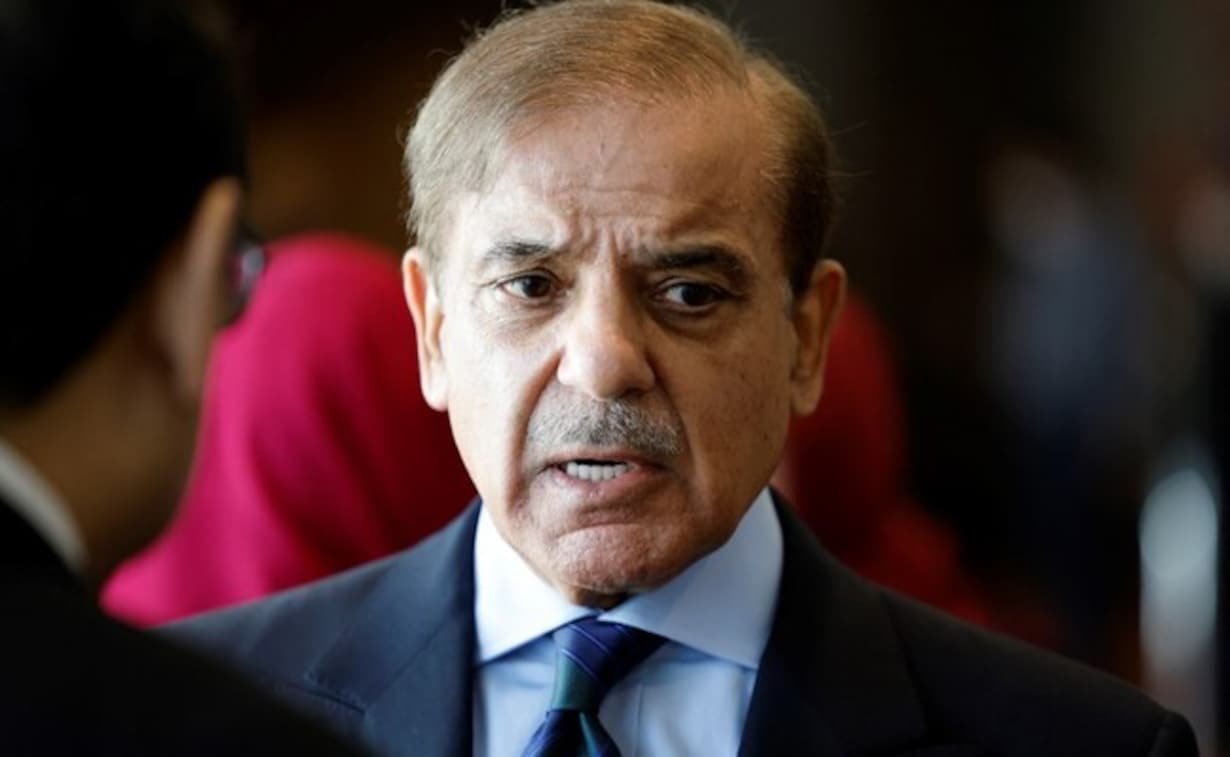
    Prime Minister Shehbaz Sharif has said that Pakistan needs another International Monetary Fund (IMF) programme for economic stability. Recognizing the programme’s ‘limitations’, however, he said that alongside the loan, his government will focus on the country’s growth, provide job opportunities and address inflation.

    “We have to do another IMF programme. It won’t work out without one. Rome was not built overnight,” the Prime Minister said addressing the Tax Excellence Awards in Islamabad today.

    The premier stressed the importance of collaboration between federal and provincial governments to facilitate the private sector of the country. He said it is the government’s responsibility to foster a conducive environment for business, and not its job to conduct business. The Prime Minister also stated that the FBR will be totally restructured through complete digitalization.

    He said that leading exporters and taxpayers are the heroes of Pakistan and said, “Those who are being given awards today will be given blue passports as honourary ambassadors of Pakistan.”

  • IMF wants Pakistan to increase petrol prices

    IMF wants Pakistan to increase petrol prices

    The International Monetary Fund (IMF) conveyed to the Pakistani authorities that while the Petroleum Development Levy (PDL) has considerably increased in recent years, the taxation of petroleum products has declined since 2019. “The relatively low rate of taxation of petrol is also reflected in the sale price relative to other countries.” The IMF emphasized that there is a difference of gasoline prices when compared to selected neighboring countries and emerging economies.

    The average 2023 price of gasoline at the pump was $1.12 per litre against $0.97 per litre in Pakistan. The IMF report said that taking off the exemption of petroleum products under the Sales Tax would increase prices by 18% with the standard rate of General Sales Tax.
    Moreover, the IMF has also recommended in its Technical Assistance Report with the Pakistani authorities to raise taxes on domestically manufactured automobiles and on luxury goods such as yachts. It also said to increase border control to stop smuggling of oil derivatives.

    Pakistan faces a problem of smuggling especially on it Western borders with both Iran and Afghanistan. A 2023 Civil Intelligence Agency report exposed that Pakistan faced loss of more than Rs. 60 billion annually due to smuggling of more than 2.81 billion litres of oil from Iran to Pakistan, as per the report of Business Recorder.

    The Fund also recommended the Federal Board of Revenue (FBR) to tax e-cigarettes equal to tobacco in the country.