Tag: inflation

  • LUMS breaks silence on fee hike amid coronavirus outbreak

    LUMS breaks silence on fee hike amid coronavirus outbreak

    Lahore University of Management Sciences (LUMS) clarified on Monday that the hike was decided before the Covid-19 outbreak in the country. This official statement came when people were protesting on Twitter against 41 per cent tuition fee increase.

    The statement was issued by the office of Vice-Chancellor Dr Arshad Ahmed which states that the increment was “entirely consistent with prior years and took into account extraordinary increases in inflation, energy costs and currency devaluation.”

    According to reports, per credit hour fee has been increased by 13 per cent. On average, students opt for 16 credit hours per semester, this adds up to 41 per cent overall increase in tuition fees.

    “The increase was 13 per cent which we will monitor in determining the next fee card. Previously, a blanket fee was being charged for students registering between 12 to 20 credit hours. This fee is now [being] calculated on per credit hour basis which will increase the semester fees for some and decrease it for others [depending on the number of registered credit hours],” the statement said.

    Furthermore, one of the reasons behind increasing the fee is to “discourage students from taking course overloads which negatively impacts their learning.”
    “LUMS fees cover a fraction of the total costs. As a not-for-profit university, gifts from donors, trustees, etc. helps to subsidize one out of three students.”

    Yesterday, ‘#LUMSFeeHike’ was trending on twitter after the Lahore University of Management and Sciences (LUMS) confirmed its students through email that they would increase tuition fee by 40 per cent for the upcoming semesters.

  • Inflation at seven-month low in March

    Inflation at seven-month low in March

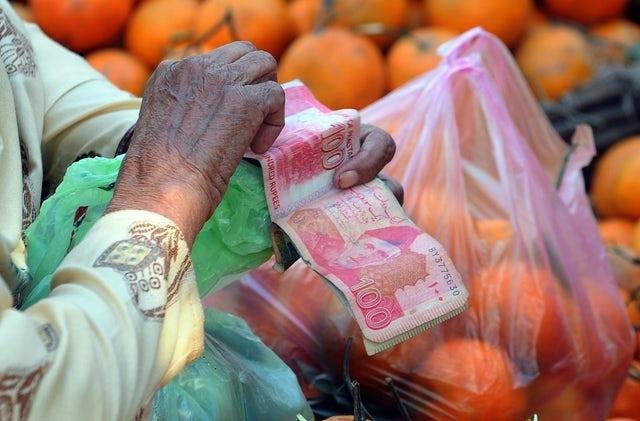
    Pakistan’s Consumer Price Index (CPI)-based monthly inflation slowed to 10.24 per cent in March 2020 as compared to the previous month, Pakistan Bureau of Statistics (PBS) reported.

    This is the second month in a row that the CPI reading has eased by more than 2 per cent. The bureau had recorded CPI inflation at 12.4 per cent in February. Inflation at 10.2 per cent is the lowest reading in the past seven months.

    According to PBS data, commodity prices remained largely unchanged and markets functioned normally in March despite partial lockdown of the country to control the spread of coronavirus.

    In addition to fuel charges, the prices of food items, including pulses, fresh vegetables and wheat, which have been the main drivers of inflation, also saw a significant downtrend, the bureau said.

    However, it added, the real impact of slash in demand or short supply of commodities due to the shutdown of the market is yet to come.

    “The government’s move to keep the trade of groceries unaffected may support the fall of inflation even in the coming months.”

    The average inflation in the first nine months (July-March) of fiscal year 2020 stood at 11.53 per cent, which in the same period of the last year was 6.3 per cent.

    As per the data, the rate of inflation during the month under review slowed down both in urban and rural areas. Food inflation in urban areas that stood at 15.2 per cent in the preceding month eased to 13 per cent in March. Similarly, in rural areas, the food inflation pace slowed down from 19.7 per cent in February to 15.5 per cent last month.

  • ‘IMF putting Pakistan on path of stability’ says Dr. Reza Baqir

    ‘IMF putting Pakistan on path of stability’ says Dr. Reza Baqir

    Dr Reza Baqir, the governor of State Bank of Pakistan (SBP) has said that the International Monetary Fund (IMF) is the government’s partner in reforming the country’s current economic system, Pakistan Today reported.

    In a briefing of the Public Accounts Committee (PAC) on Tuesday, chaired by Rana Tanvir Hussain, the SBP governor said that the relationship of Pakistan and the IMF was based on common interests.

    However, he assured the house that “inflation will go down and the general public will feel the relief.”

    Baqir says that the SBP’s monetary policy committee had decided to keep the policy rate unchanged at 13.25 per cent. “The monetary policy committee stance is appropriate to bring inflation down to the medium-term target range of 5-7pc over the next six to eight quarters.”

    Right now, reducing the interest rate would affect the people who have kept their savings in the banks. However, he admitted that higher interest rate created difficulties for the borrowers.

    “The national savings rate is already very low and if the people are discouraged, then the country will have to borrow the required money from international agencies, and that will raise our current account deficit,” he further added.

    “The main focus of the SBP is to maintain foreign exchange reserves in the country.”

    Baqir also noted that if the foreign reserves would grow, Pakistan would not have to approach international agencies for borrowing.

    The SBP governor said due to higher interest rates in the past, manufacturing had almost ended, but after reforms carried out by the incumbent government, manufacturing activities were once again on the rise despite higher policy rates.

    “The present government did not take loans from the SBP due to which inflation is now being controlled. However, the state bank, at the same time, is making efforts to restore the confidence of foreign and local investors.”

  • New fuel taxes burden masses with additional Rs25 billion

    New fuel taxes burden masses with additional Rs25 billion

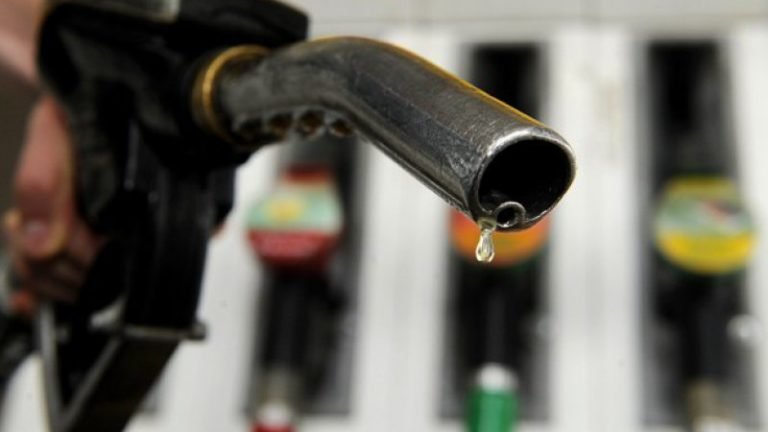
    The taxes imposed by the Federal government has burdened people with additional Rs25 billion per month who are already burdened with inflation, Pakistan Today reported.

    In comparison with a decline in global oil prices, the government did not provide any relief to the masses. They said the government had reduced per litre prices of petroleum products by Rs 5 instead of Rs15 litre. The government had fixed petroleum levy (PL) — imposed tex — on high-speed diesel at Rs25 per litre, which had failed to provide relief to the masses.

    Tax on petrol has increased by 106pc, if the taxes weren’t increased, petrol prices could have decreased by Rs 9 per litre. Instead of giving any relief, the government has imposed an additional tax of Rs6 per litre on kerosene oil.

    Furthermore, the government was likely to earn Rs60 billion per month from the taxes imposed on different petroleum products.

    According to the report, the government has increased taxes to meet the demand of the International Monetary Fund (IMF)

  • Rs10 billion subsidy approved to control inflating food prices

    Rs10 billion subsidy approved to control inflating food prices

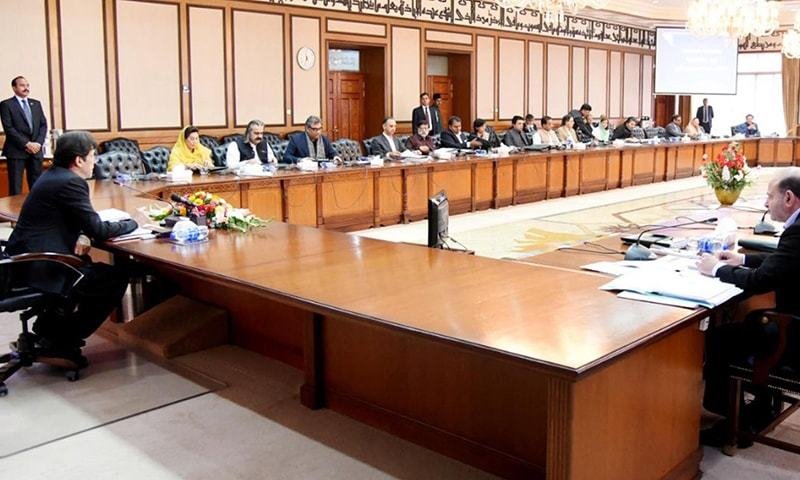
    To counter the effects of inflating food prices, the federal cabinet on Tuesday approved a detailed package of Rs10 billion subsidies for Utility Stores, Dawn reported.

    According to reports, the government will open thousands of stores in Pakistan, moreover, consumer items at subsidised rates will be supplied to 50,000 tandoors and dhabas.

    To address the sugar crisis in Pakistan, the cabinet meeting presided by Prime Minister (PM) Imran Khan also decided to lift the ban on sugar import and regulatory duty on it. Also, the cabinet in its meeting decided to establish five “free zones” along the Pak-Afghan border, where Utility Store Cooperation will set up its stores to curb smuggling.

    RATES:

    Under Rs10bn subsidy, a 20 kg bag of wheat flour will be sold for Rs800, sugar will be priced at Rs70 per kg, ghee at Rs175, pulses at Rs15 and rice will be available at Rs20 per kg at Utility Stores.

    In the meeting, the cabinet agreed that rupee devaluation against the dollar and the increase in gas and electricity tariffs were some of the reasons for the increase in food items prices. Cabinet also agreed that there would be no further increase in gas and electricity rates.

    Advisor to PM on Information and Broadcast Dr Firdous Ashiq Awan. addressing a press conference, said, “The government would provide Rs2bn monthly subsidy to the USC for wheat flour, rice, sugar, pulses and ghee. She said the basic objective to give Rs10 billion subsidy was to ensure a sufficient supply of food items through Utility Stores.

    The also meeting decided that the government would use Pakistan Agricultural Storage and Services Corporation as a reservoir to store sufficient quantity of essential items so that in times of crisis these reserves could be utilised.

  • ‘Eight million people have gone below poverty line under PTI govt’

    ‘Eight million people have gone below poverty line under PTI govt’

    Pakistan’s renowned economist Dr Hafiz A Pasha has claimed that eight million people in the country have gone below the poverty line under the Pakistan Tehreek-e-Insaf (PTI) government and another 10 million could slip below the same soon, Express Tribune reported.

    According to the details, Dr Pasha in an article has said that due to low economic growth and double-digit food inflation the national poverty ratio, which was 31.3% in June 2018, would sharply jump to over 40% by June 2020.

    In simple terms, people living in poverty will increase from 69 million in June 2018 to 87 million by June 2020, indicating 26% increase in poverty in first two years of the PTI government.

    “The situation is very alarming due to an economic growth rate that is close to the population growth rate and an exponential increase in prices of perishable food items,” reports quoted Pasha as saying.

    The economist said that the government’s decision to simultaneously increase taxes, energy tariffs and devaluation of currency contributed to the increase in poverty.

    He said that the Pakistan Muslim League-Nawaz (PML-N) government’s decision to keep the rupee-dollar parity stable kept the inflation under check adding that the incumbent government is implementing probably the toughest IMF programme of Pakistan’s history aimed at overpowering fiscal and external accounts challenges.

    Dr Pasha is the former finance minister of Pakistan and has also advised Prime Minister (PM) Imran Khan at the time of building consensus on signing an IMF [International Monetary Fund] programme.

    Meanwhile, the Federal Minister for Planning and Development Asad Umar in response to Dr Pasha’s claims has said, “We do not have latest official poverty statistics,” adding that the country was exiting a severe balance of payments crisis which had its own implications.

    “The PTI government accelerated the poverty alleviation measures aimed at protecting the poor and vulnerable people from the adverse impact of macroeconomic adjustments”, said the minister.

  • Imran’s aide differs on inflation statement, says govt cannot give any timeframe

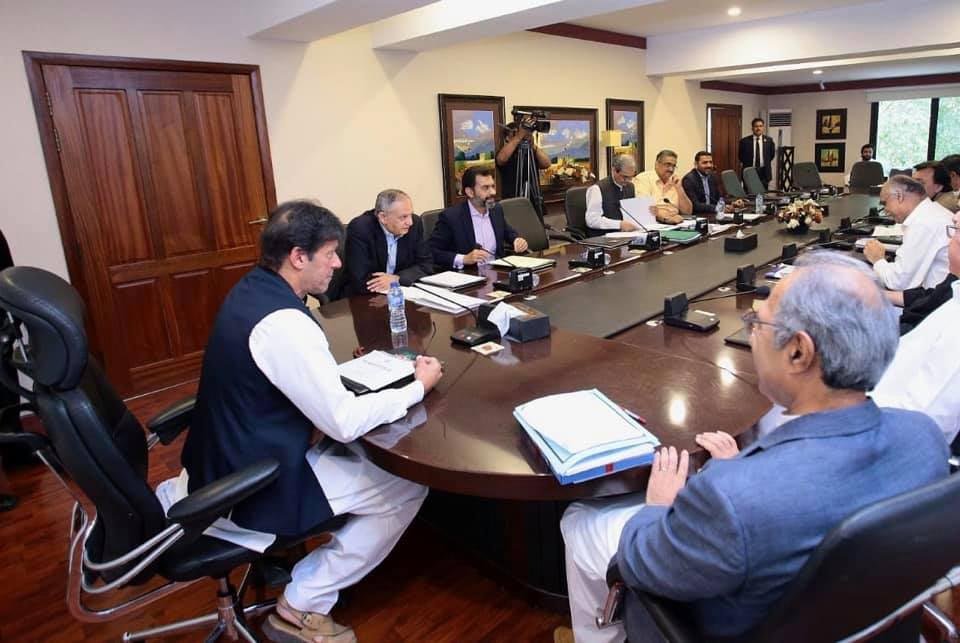
    Two days after Prime Minister (PM) Imran Khan said that his government will soon overcome inflation in the country “caused by the flawed policies of previous regimes”, his adviser on commerce, textile, industry and production, Abdul Razak Dawood, has said that no timeframe can be given in this regard.

    Addressing a public gathering in Mianwali last week, the premier said that his government had inherited multiple economic issues, including low foreign exchange reserves, a huge circular debt and fiscal as well as current account deficits.

    “Previous administration had been spending reserve dollars to stabilise and maintain the value of the local currency. The PTI [Pakistan Tehreek-e-Insaf] government had not found enough dollars to follow suit so a correction strategy followed,” he said.

    The premier also blamed rupee devaluation for inflation, adding that his government had nothing to do with it and the genie will soon be put back in the bottle.

    Speaking at a prize distribution ceremony at the concluding day of three-day 11th “Interiors Pakistan” international exhibition at the Expo Center organised by Pakistan Furniture Council (PFC), Dawood on Sunday said that inflation was a very big issue and the government was trying to control it.

    He said that no timeframe could be given in this regard, however, “prices of food items will soon be controlled”. “The price of dollar has stabilised, fluctuation has been brought under control,” Dawood maintained, adding that escalating prices will be controlled with the efforts of the government in near future.

  • Pakistanis to face reduction in salaries in 2020: report

    The salaries across Pakistan are expected to record a substantial decrease this year due to rising inflation and depreciation of the Pakistani rupee, according to a report released on Tuesday by mobility consultancy ECA International.

    According to the details, the Salary Trend Report published by the group contends that the average real salary increase in Pakistan is expected to be negative, and employees will likely be worse off than they were last year. Lee Quane, Regional Director Asia at ECA International, has surmised these trends.

    Lee explained, “The average real salary increase in Pakistan is forecast to be -3.0%, meaning that employees will be worse off than they were last year. Despite the nominal increase staying at a relatively high 10.0%, inflation has shot up as the rupee has depreciated.”

    He also said that the Inflation in Pakistan is forecast to reach 13.0% in 2020, exceeding the nominal increase and leaving workers out of pocket compared to 2019.

    However, the same is not true for other Asia-Pacific countries, especially neighbor and arch-rival India. 

    According to the report, India topped the table for average real salary increases in Asia, but now also tops the table globally for 2020. The average real salary increase is set to be 5.4% for workers in India, which is four times the rise expected in Hong Kong. 

    “Salaries in India are set to rise significantly, with the 5.4% increase almost four times as high as the expected increase in Hong Kong. Despite inflation rising slightly from 2019 and the economy slowing slightly, though workers can still expect more increases” said Quane. 

    Workers in China are set to see a real salary increase of 3.6% in 2020, while UK workers will receive a lower real salary increase in 2020 as compared to the previous year.

    Overall, the global average salary increase stands at 1.4% and the Asia-Pacific average increase is 3.2%.