Tag: inflation

  • Economic challenges await next govt as Pakistan votes

    Economic challenges await next govt as Pakistan votes

    Pakistan is set to hold its national elections on Thursday, a crucial event for the country grappling with multiple crises.

    As the new government prepares to take charge, it faces daunting challenges in stabilising the economy.

    Last summer, Pakistan narrowly avoided a sovereign default through a last-minute $3 billion bailout from the International Monetary Fund (IMF).

    However, this lifeline is set to end in March, and officials anticipate the need for a new, extended programme.

    Negotiating this program swiftly is imperative for the incoming government, as the economy is burdened by record-high inflation and slow growth resulting from stringent reforms.

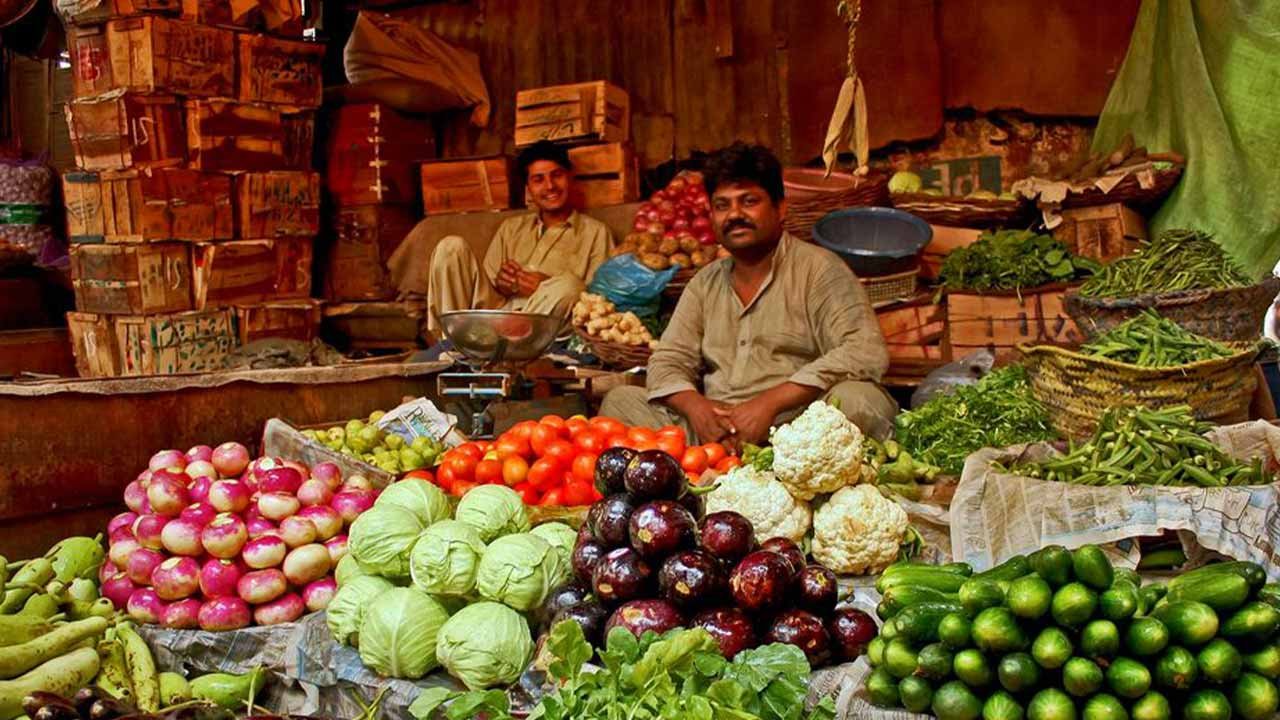
    The country’s headline inflation stood at 28.3 per cent year-on-year in January, slightly lower than December’s 29.7 per cent. Despite government expectations, citizens are anxious for the new administration to address the soaring inflation that has significantly impacted their daily lives.

    Moreover, recent increases in gas prices, with a 35.13 per cent hike for Sui Northern Gas Pipelines Limited (SNGPL) and 8.57 per cent for Sui Southern Gas Company Limited (SSGC), add to the economic challenges. The move, effective from January 1, 2024, is the second increase in gas prices this fiscal year.

    In addition to rising gas prices, the cost of petrol and diesel has surged, with a notable increase of Rs13.55 per litre announced on February 1, 2024. This hike is attributed to the ongoing tensions in the Middle East, including Israel’s conflict with Gaza and Houthi attacks in the Red Sea.

    Amid these economic hardships, the National Electric Power Regulatory Authority (NEPRA) has approved an increase in electricity tariffs for distribution companies (Discos) by Rs4.57 per unit for December 2023. This adjustment addresses the escalating fuel costs impacting the power sector.

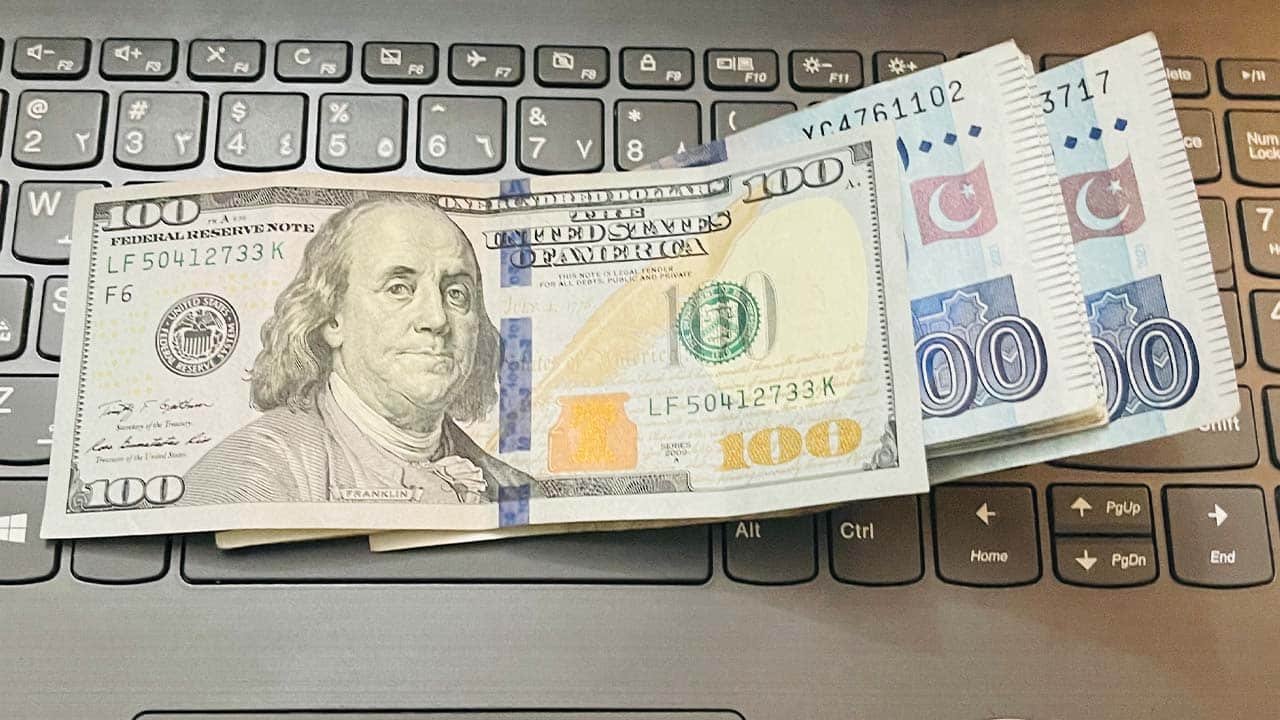
    The new government is also expected to address the exchange rate concerns as the Pakistani rupee struggles against the US dollar, currently standing at around Rs279.

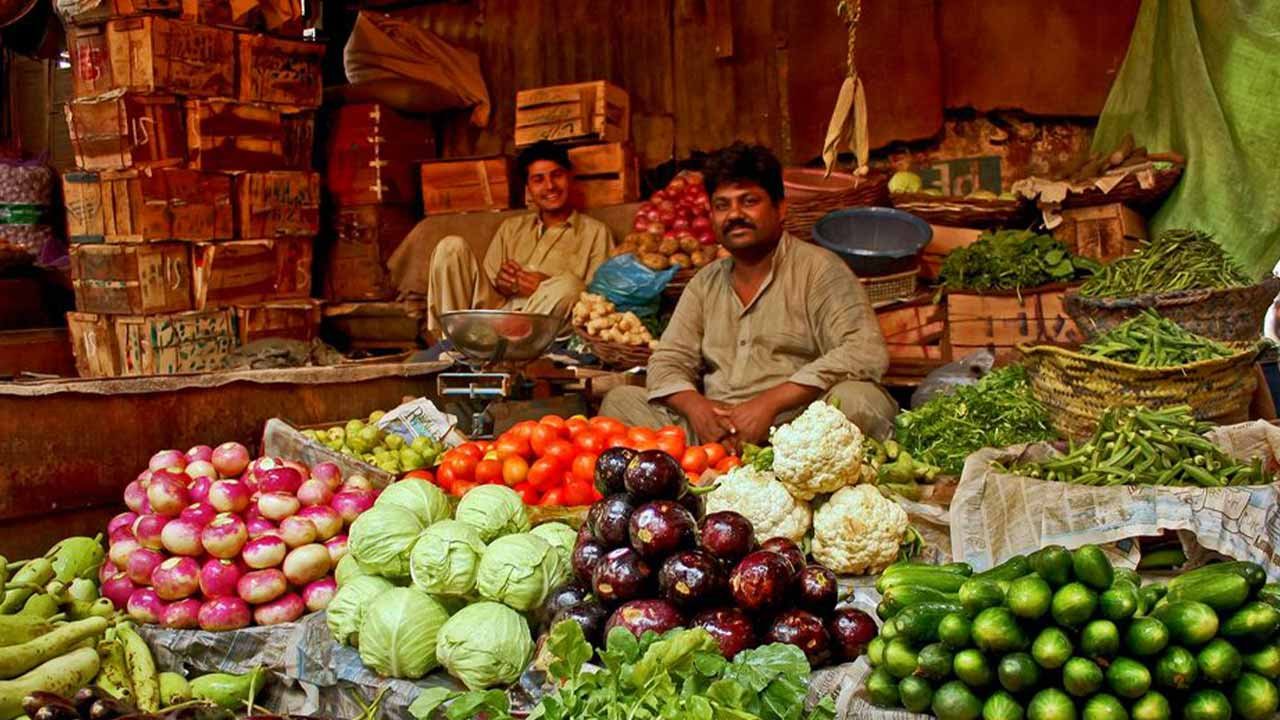
    The disparity has led to increased prices for essential commodities, further straining the population.

    Adding to the complexity of the upcoming elections is the high political tension, with former prime minister Imran Khan describing a crackdown on him and his party.

    Khan, who has been in jail since August, faces pending cases, including accusations of ordering violent attacks on military installations.

    Despite his imprisonment, Khan maintains substantial popular support, and continued political unrest could jeopardise the stability needed for economic recovery and foreign investment.

    As Pakistan stands at a critical juncture, the incoming government’s ability to navigate these challenges will determine the nation’s economic trajectory in the coming years.
  • Pakistan’s inflation eases slightly to 28.3% in January 2024

    Pakistan’s inflation eases slightly to 28.3% in January 2024

    The Pakistan Bureau of Statistics (PBS) reported that the country’s headline inflation for January stood at 28.3 per cent on a year-on-year basis, marking a slight decrease from the December figure of 29.7 per cent. The month-on-month reading recorded a 1.8 per cent increase.

    This latest data brings the average inflation for the period of July to January to 28.73 per cent, up from 25.40 per cent in the corresponding period of the previous year. Despite this surge, the inflation rate aligns with the government’s expectations.

    The Ministry of Finance, in its ‘Monthly Economic Update and Outlook’ report released on Wednesday, projected a CPI-based inflation rate of 27.5-28.5 per cent for January 2024. The report attributed the inflationary pressure to elevated prices of perishables and vegetables, along with increased utility costs for electricity and gas.

    A contributing factor to the rising prices has been a surge in onion export orders following the Indian ban, straining local supply and causing domestic prices to escalate.

    Severe weather disruptions led to supply shortages of tomatoes, resulting in price hikes, while reduced chicken supply, especially from controlled sheds facing higher input costs, contributed to increased chicken prices.

    JS Global, in a report from last week, anticipated that inflation would remain elevated, particularly in the food segment. The report predicted a 1.8 per cent month-on-month uptick in food prices, resulting in an overall January 2024 YoY CPI estimate of 27.9 per cent.

    The brokerage house noted that the CPI inflation in the coming months is expected to remain on the lower side amid the decline in local fuel prices and the high base effect of last year.

    Breaking down the inflation figures, urban areas recorded a year-on-year CPI inflation of 30.2 per cent in January 2024, slightly lower than the previous month’s 30.9 per cent and higher than January 2023’s 24.4 per cent. On a month-on-month basis, urban inflation increased by 1.8 per cent in January 2024.

    In rural areas, year-on-year CPI inflation for January 2024 was 25.7 per cent, down from the previous month’s 27.9 per cent but higher than January 2023’s 32.3 per cent. On a month-on-month basis, rural inflation increased by 1.9 per cent in January 2024.

    The PBS data indicates a nuanced inflationary landscape in Pakistan, with both urban and rural areas experiencing fluctuations in prices across various commodities. The government’s focus on addressing these challenges remains critical as it navigates the economic impact of inflation on citizens and businesses.

  • Monetary policy committee maintains status quo: SBP keeps policy rate at 22% to tackle elevated inflation

    Monetary policy committee maintains status quo: SBP keeps policy rate at 22% to tackle elevated inflation

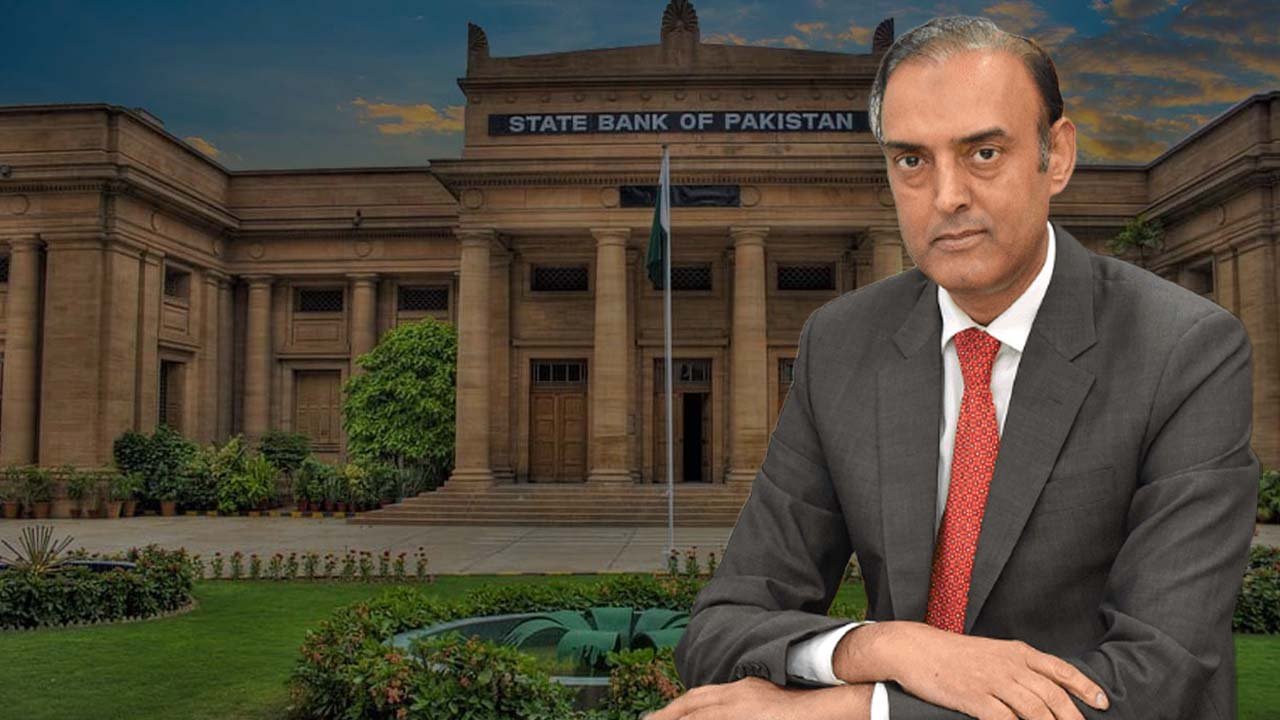
    In a decision announced on Monday, the Monetary Policy Committee (MPC) of the State Bank of Pakistan (SBP) has opted to maintain the status quo, retaining the key policy rate of 22 per cent. 

    SBP Governor Jameel Ahmad highlighted the persistent elevation of inflation, disclosing a revised forecast for the fiscal year 2023–24 ranging from 23 per cent to 25 per cent.

    Market analysts, anticipating the decision, noted that the sustained high inflation rate was a contributing factor to the MPC’s decision to keep the key policy rate unchanged.

  • Monthly inflation expected to ease in the coming months

    Monthly inflation expected to ease in the coming months

    In January, a discerning shift towards disinflation is anticipated, as headline inflation is poised to soften to 27.2 per cent year-over-year (YoY), attributed to a favourable base effect.

    This decline from the previous month’s 29.7 per cent is primarily influenced by a higher base in the preceding year, while monthly pressures on consumer prices are expected to persist.

    Despite the overall yearly decrease, monthly inflation is projected to rise by 0.93 per cent month-over-month (MoM), contrasting with the 12-month average of 2.2 per cent MoM. 

    Consequently, the average yearly inflation for the first seven months of fiscal year 2024 is estimated at 28.57 per cent YoY, up from 25.40 per cent YoY in the same period last fiscal year.

    The surge in monthly inflation is predominantly fueled by a rise in the food and housing index. Food inflation is expected to increase by 1.76 per cent MoM, driven by inflated prices of essential commodities such as onions, chicken, tomatoes, eggs, and pulses. 

    Meanwhile, the housing index is projected to experience a 1.54 per cent MoM increase, primarily due to quarterly rent adjustments. In contrast, the transport index is anticipated to decrease by 2.69 per cent MoM, attributed to relief in fuel prices.

    Looking ahead, a 0.5 per cent MoM inflation rate in February could result in an annual headline inflation of around 22 per cent, with a gradual decline below 16 per cent by June 2024.

    Even a 1 per cent MoM inflation rate, significantly lower than the 12-month average, is expected to maintain real interest rates from turning positive until March 2024, as illustrated in the accompanying chart depicting various monthly inflation scenarios.

    Starting in January, the disinflationary trend is expected to accelerate due to the favourable base effect, the lagged impact of monetary tightening, and other administrative measures.

    However, potential risks include unforeseen climate events, volatility in global commodity prices—especially oil—and external account pressures.

    Rising global oil prices amid geopolitical tensions pose a threat to the inflation outlook, and an additional gas price adjustment, as suggested by the International Monetary Fund (IMF), may further intensify pressure on consumer prices.

  • Pakistani rupee gains 6 paisa against US dollar, closes at Rs279.79

    Pakistani rupee gains 6 paisa against US dollar, closes at Rs279.79

    The Pakistani rupee (PKR) continued its upward trend against the US dollar (USD) for the fifth consecutive session, appreciating by 0.02 per cent in the interbank market on Tuesday.

    Closing at Rs279.79, the local unit gained Re0.06 against the greenback.

    This follows Monday’s positive performance, where the rupee settled at 279.85 against the US dollar.

    A notable development on the economic front is the government’s active pursuit of a government-to-government (G2G) agreement with Saudi Arabia and the United Arab Emirates (UAE) for upfront foreign currency repatriation against future workers’ remittances. 

    Both Saudi Arabia and the UAE hold significant importance as countries contributing to foreign exchange through remittances from Pakistani workers. 

    Meanwhile, on the global stage, the US dollar experienced a slight easing, resulting in a 0.07 per cent increase in sterling, reaching $1.2720.

    Compared to major currencies, the Pakistani currency depreciated by 18.84 paisa against the Euro, closing at Rs305.03, as opposed to the previous value of Rs304.84.

    The British Pound strengthened, increasing by 1.02 rupees and closing at Rs356.34, compared to Rs355.33 from the previous day.

    The Swiss Franc exhibited gains of 54.58 paisa, concluding at Rs322.62, in contrast to the previous session’s value of Rs322.08.

    Against the Japanese Yen, PKR experienced a decrease of 0.98 paisa, closing at Rs1.8993 compared to Rs1.8895 a day ago.

    Conversely, the Chinese Yuan appreciated by 13.91 paisa, closing at Rs39.03 against the previous session’s Rs38.89.

  • Pakistani rupee shows marginal strength, gains 4.51 paisa against US dollar

    Pakistani rupee shows marginal strength, gains 4.51 paisa against US dollar

    In Monday’s interbank session, the Pakistani rupee (PKR) exhibited a slight appreciation of 4.51 paisa against the US dollar (USD), settling at PKR 279.85 per USD, compared to the previous closing of PKR 279.9 per USD. The intraday fluctuations showed a bid high of Rs280.1 and an ask low of Rs279.8.

    In the open market, exchange companies quoted the dollar at 279 for buying and 281 for selling. Notably, Pakistan received the second installment of SDR 528 million, equivalent to $705.6 million, from the International Monetary Fund (IMF) last week. 

    The first review report under the standby arrangement emphasised the importance of market-determined exchange rates and the gradual development of the foreign exchange (FX) market.

    Against major currencies, the PKR experienced fluctuations:

    Euro: lost 37.07 paisa, closing at 304.84 compared to the previous value of 304.47.

    British Pound: increased by 39.06 paisa, closing at 355.33 compared to 354.94 from a day ago.

    Swiss Franc: Saw losses of 20.03 paisa, closing at 322.08 compared to 322.28 in the previous session.

    Japanese yen: lost 0.19 paisa, closing at 1.8895 versus 1.8876 a day ago.

    Chinese Yuan: Lost 2.38 paisa, closing at 38.89 against 38.91 from the previous session.

    Saudi Riyal: Closed at 74.62 with a loss of 1.2 paisa from its value of 74.63 a day ago.

  • Pakistan informs IMF of preparedness to address near-term challenges

    Pakistan informs IMF of preparedness to address near-term challenges

    In a recent communication to the International Monetary Fund (IMF), the government has underscored its preparedness to address potential near-term challenges, signalling a commitment to maintaining economic stability.

    The disclosure comes as part of the IMF’s first review under the stand-by arrangement.

    The government, as revealed in the report, stands ready to respond decisively should near-term price pressures reemerge. This includes addressing stronger-than-expected second-round effects on core inflation and potential pressures on the exchange rate amid the normalisation of the current account.

    Amid signs of weaker demand, positive supply developments, and decreasing pressures on the exchange rate, the government anticipates a notable decline in inflation in the coming months.

    As a result, the policy rate was maintained at 22 per cent during the latest Monetary Policy Committee (MPC) meeting held on October 30. However, the government reiterated its readiness to respond promptly if there is a resurgence of near-term price pressures.

    The primary objective is to ensure a clear downward trajectory for inflation and inflation expectations. The pace of future adjustments will be contingent on various factors, including inflation data, exchange rate developments, external position strength, and the fiscal-monetary policy mix.

    The government aims to keep the real policy rate in positive territory on a forward-looking basis, signalling a commitment to bringing inflation within the target band by fiscal year 2026.

    To enhance monetary policy transmission, the interest rate on major refinancing schemes, specifically the EFS and LTFF, will continue to be linked to the policy rate, with a spread of no more than 3 per centage points, as per the announcement by Pakistani authorities.

    The report emphasised the importance of vigilance, highlighting that despite the return of the forward-looking real policy rate to positive territory, caution is necessary due to near-term risks.

    With inflation expectations not yet firmly anchored, the Monetary Policy Committee is urged to respond robustly and promptly should inflationary pressures resurface.

    Maintaining a positive real policy rate during a period of easing inflation and promptly addressing signs of new demand pressures or rising inflation expectations is seen as crucial.

    This strategy aims to re-anchor inflation expectations and guide down core inflation from the second half of fiscal year 2024 onwards, contingent on the absence of a resumption in administrative import compression.

    The report projects a significant decline in headline inflation through fiscal years 2025–26, aligning within the targeted 5–7 per cent range by fiscal year 2026. This outlook is supported by fiscal consolidation efforts and the normalization of global commodity prices.

    While the IMF staff views the current stance as broadly appropriate given weak domestic demand, the report suggests that the MPC should remain prepared to respond resolutely if near-term price pressures reemerge, including second-round effects.

  • Interbank closing: PKR gains 8 paisa to close at Rs279.9 versus USD

    Interbank closing: PKR gains 8 paisa to close at Rs279.9 versus USD

    The Pakistani rupee (PKR) strengthened by 8.24 paisa against the US dollar (USD) in Friday’s interbank session, concluding the trade at PKR 279.9 per USD, surpassing the previous session’s closing rate.

    The local currency experienced an intraday high (bid) of Rs280.4 and a low (ask) of Rs279.9.

    In the open market, Exchange Companies quoted the dollar at Rs279.5 for buying and Rs281 for selling.

    Comparatively, against major currencies, the PKR gained 20.17 paisa against the Euro, closing at Rs304.47 in contrast to the previous value of Rs304.67. 

    The British Pound became more affordable by 30.06 paisa, concluding at Rs354.94 compared to Rs355.24 a day earlier. 

    The Swiss franc incurred losses of 1.38 rupees, settling at Rs322.28 compared to Rs323.66 from the previous session.

  • Pakistani rupee edges up against US dollar, marks 0.5% gain at closing

    Pakistani rupee edges up against US dollar, marks 0.5% gain at closing

    The Pakistani rupee exhibited a modest uptick of 0.1 per cent against the US dollar during the initial trading hours on Wednesday in the inter-bank market.

    At approximately 10:40 am, the local currency stabilised at Rs280.

    However, at the time of closing, the PKR experienced further appreciation against the US dollar, increasing by 0.05 per cent.

    According to the State Bank of Pakistan (SBP), the rupee concluded at Rs280.1, marking an increase of Re0.15 against the US dollar.

    In contrast, on the preceding day, the rupee experienced a dip, settling at Rs280.25 against the US dollar, as reported by the State Bank of Pakistan.

    Internationally, the US dollar index maintained a one-month high on Wednesday, propelled by comments from Federal Reserve Governor Christopher Waller that tempered expectations of a March rate cut. 

    Consequently, market projections for a March rate cut decreased from 76.9 per cent to 62.2 per cent, according to CME’s FedWatch Tool.

    Although the current market pricing aligns the Fed rate curve more reasonably, there are still a notable 157 basis points of rate cuts anticipated for 2024, suggesting potential for further adjustment.

    The dollar index, gauging the greenback against major currencies, concluded at 103.35, having reached 103.42 in the previous session—the highest level since December 13.

  • Price Monitoring Committee responds to alarming spike in food prices

    Price Monitoring Committee responds to alarming spike in food prices

    In response to the surge in food prices, the Food and Industries Departments of Punjab, Sindh, and KP have jointly implemented robust monitoring measures, including heavy fines, surprise raids, and the sealing of establishments engaging in price gouging.

    The Caretaker Minister for Planning, Development, and Special Initiatives, Muhammad Sami Saeed, led a crucial meeting of the National Price Monitoring Committee (NPMC) on Tuesday.

    The committee convened to assess the prices of essential commodities amid the current economic challenges.

    As of the week ending on January 11, 2024, the Chief Statistician, PBS, presented a comprehensive overview of the country’s price situation.

    The report revealed a 1.4 per cent increase in the SPI over the previous week (WoW) and a significant 44.2 per cent surge over the corresponding week of the previous year.

    The spike in SPI was primarily attributed to the increased prices of perishable items such as tomatoes and onions, as well as poultry products like chicken and eggs.

    Out of the 21 monitored items, prices for 21 increased, 8 decreased, and 22 remained stable. Noteworthy declines were observed in the prices of potatoes, vegetable ghee, and sugar.

    During the meeting, the minister inquired about the measures taken by provincial governments and ICT to bridge the gap between wholesale and retail prices.

    Representatives from the provincial Food and Industries Departments of Punjab, Sindh, and KP assured strict monitoring through the imposition of heavy fines, surprise raids, and the sealing of shops involved in overcharging.

    Despite challenges in the supply of perishable items due to extreme weather conditions, the meeting underscored the importance of addressing climate change.

    The administration of Punjab is actively working on controlling prices by sensitising Deputy Commissioners across the province.