Tag: inflation

  • Annual inflation increases by 29.65% in Pakistan, driven by rising gas prices 

    Annual inflation increases by 29.65% in Pakistan, driven by rising gas prices 

    According to the Pakistan Bureau of Statistics (PBS) report released on Friday, the weekly inflation, as measured by the Sensitive Price Indicator (SPI), exhibited a decline of 0.33 per cent during the week ending on October 19. 

    The Combined Index, as reported by PBS, stood at 277.11, down from 278.04 on October 19, 2023, with a notable contrast to the index of 213.74 recorded on October 27, 2022, a year ago.

    Among the 51 items monitored, the analysis indicates that the average prices of 14 items experienced an increase, 17 items saw a decrease, and 20 items remained stable. 

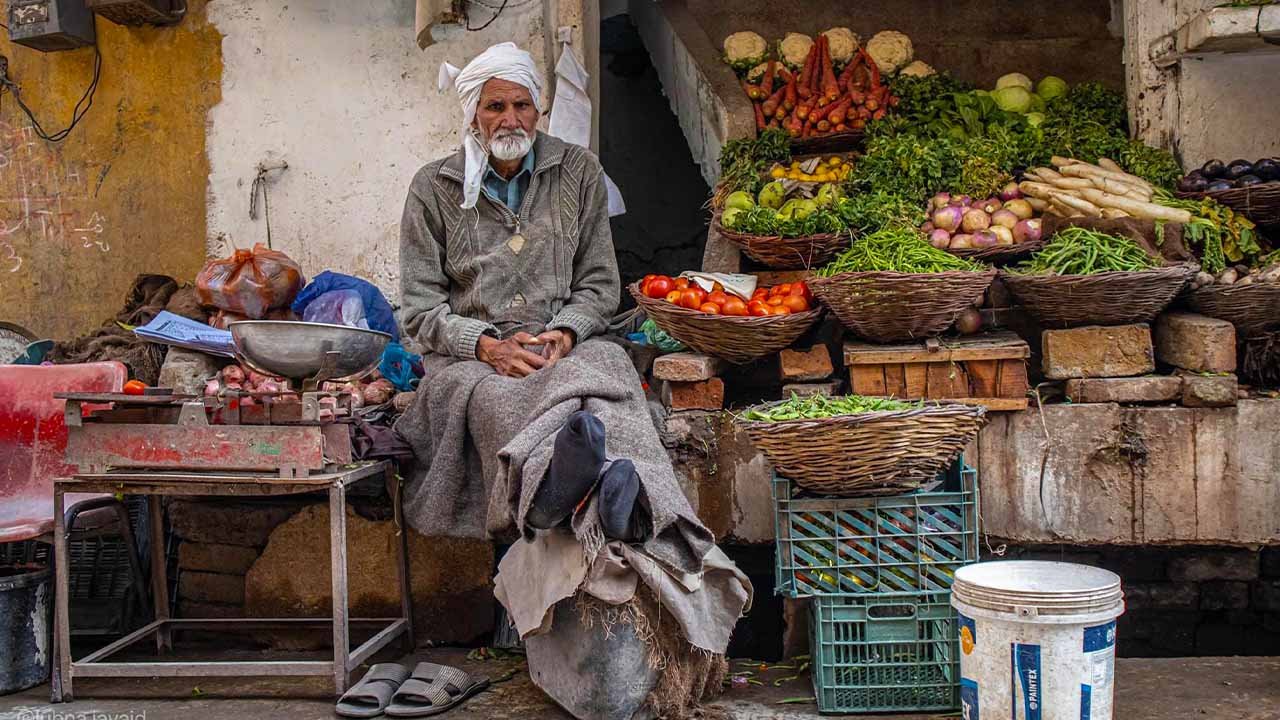
    Significant reductions were observed in the prices of chicken (10.19 per cent), onions (4.4 per cent), rice IRRI-6/9 (3.84 per cent), bananas (3.64 per cent), gur (3.4 per cent), pulse masoor (2.36 per cent), sugar (2.22 per cent), and mustard oil (2.17 per cent). 

    Conversely, notable price increases were recorded for tomatoes (20.81 per cent), potatoes (3.33 per cent), eggs (1.63 per cent), salt powdered (0.91 per cent), garlic (0.77 per cent), tea prepared (0.67 per cent), bread plain (0.56 per cent), and mutton (0.28 per cent).

    In a year-on-year comparison, the trend reveals an increase of 29.65 per cent in overall inflation, with substantial hikes in gas charges for Q1 (108.38 per cent), cigarettes (94.46 per cent), chilies powder (84.11 per cent), rice basmati broken (78.51 per cent), wheat flour (77.49 per cent), sugar (63.22 per cent), rice irri-6/9 (62.83 per cent), gents sponge chappal (58.05 per cent), gur (57.73 per cent), and salt powdered (54.84 per cent). 

    In contrast, price decreases are observed in tomatoes (31.90 per cent), onions (24.88 per cent), pulse gramme (5.82 per cent), mustard oil (4.16 per cent), and vegetable ghee (1 1 kg) (0.92 per cent).
  • Pakistani rupee continues to lose against US dollar

    Pakistani rupee continues to lose against US dollar

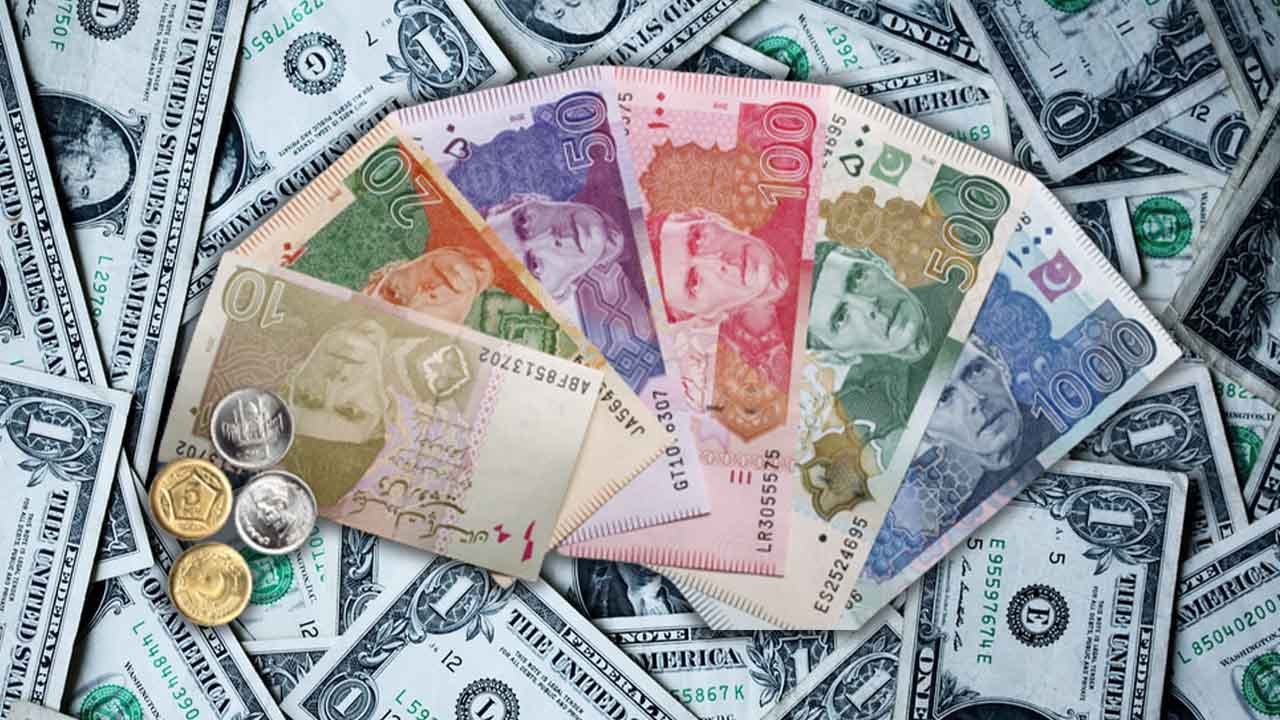
    The Pakistani rupee experienced a 0.16 per cent depreciation against the US dollar in the inter-bank market on Wednesday, settling at 279.88, marking a decrease of Re0.45, as reported by the State Bank of Pakistan (SBP).

    The previous day, the rupee had depreciated by 0.11 per cent, closing at 279.43 against the US dollar. In a related development, the SBP anticipates an increase in remittances to Pakistan due to a notable rise in labour migration. 

    In fiscal years 2022 and 2023, Pakistan observed a significant surge in labour migration compared to the preceding two years, with around 0.8 million Pakistani workers registered through the Bureau of Emigration and Overseas Employment (BEOE) and Overseas Employment Corporation (OEC) during FY23.

    Internationally, the US dollar gained strength on Wednesday, supported by robust US economic data. Meanwhile, the euro faced challenges due to a dimming growth outlook in the Eurozone. US business output showed improvement in October, signalling a recovery from a five-month contraction, as reported on Tuesday. 

    In contrast, data from the same day indicated an unexpected downturn in business activity in the Eurozone. The euro, against the dollar, was up 0.05 per cent at $1.0595 but had declined by 0.75 per cent the previous day. This shift boosted the dollar index, which steadied at 106.23, moving away from a one-month low of 105.35 recorded in the previous session.

    Furthermore, oil prices remained above $88 on Wednesday, driven by concerns about escalating conflicts in the Middle East, which offset worries about reduced demand due to the gloomy economic prospects in Europe.

  • Govt approves massive gas tariff hike, raising concerns of growing financial hardship

    Govt approves massive gas tariff hike, raising concerns of growing financial hardship

    The government’s recent decision to approve a substantial increase in gas tariffs, set to take effect from November 1, 2023, has significant implications for the public and the country’s economic situation. 

    This decision was made during a meeting of the Economic Coordination Committee (ECC) of the Cabinet, led by Finance Minister Dr Shamshad Akhtar. The gas tariff increase, reaching up to 193 per cent, will have a profound impact on the already inflation-weary masses.

    This decision comes in anticipation of an impending review by the International Monetary Fund (IMF), scheduled for later in the month, which had urged Pakistan to address the escalating circular debt in the energy sector.

    The approved plan involves various changes to gas tariffs. For protected consumers, the fixed monthly charges will increase from Rs10 to Rs400, while non-protected consumers will witness a rise from Rs460 to Rs1,000, with higher slabs potentially reaching up to Rs2,000. 

    Additionally, the government has raised local gas tariffs for different consumer groups, with non-protected domestic consumers facing a 173 per cent increase, commercial users a 136.4 per cent hike, exports an 86.4 per cent increase, and non-export industries a 117 per cent tariff rise. 

    Exporters will experience an 86 per cent tariff increase, effective November 1, 2023. It’s worth noting that the tariff hike was initially proposed to begin on October 1, 2023, but it has now been scheduled for implementation in November 2023.

    The meeting also addressed other significant issues. The Ministry of Industries and Production presented a proposal to meet urea requirements for the Rabi season 2023–24, which was approved by the ECC. The committee also emphasised the need for uninterrupted gas supply to the fertiliser industry and urged provinces to play a more proactive role in sharing the importation cost.

    Additionally, the ECC reviewed a summary from the Earthquake Reconstruction and Rehabilitation Authority (ERRA), which sought approval for a Technical supplementary grant of Rs484 million. 

    This grant aims to cover pay and allowances for 415 contract and project employees from July 2023 onwards. The ECC directed the Ministry of Planning, Development, and Special Initiatives to identify sources for financing ERRA employees’ salaries.

    Lastly, the ECC approved a summary from the Ministry of Finance regarding the establishment of the National Credit Guarantee Company Limited. 

    This company will play a crucial role in supporting credit enhancement for Small and Medium Enterprises (SMEs), contributing to the development of these businesses.

    In summary, the government’s decision to increase gas tariffs significantly will impact various consumer groups and is a response to economic challenges, especially the circular debt issue. 

    The ECC meeting covered multiple important topics, including measures to address urea requirements, financial support for earthquake reconstruction, and initiatives to boost SMEs through the National Credit Guarantee Company.

  • Islamabad’s public transport fares reduced by 10% 

    Islamabad’s public transport fares reduced by 10% 

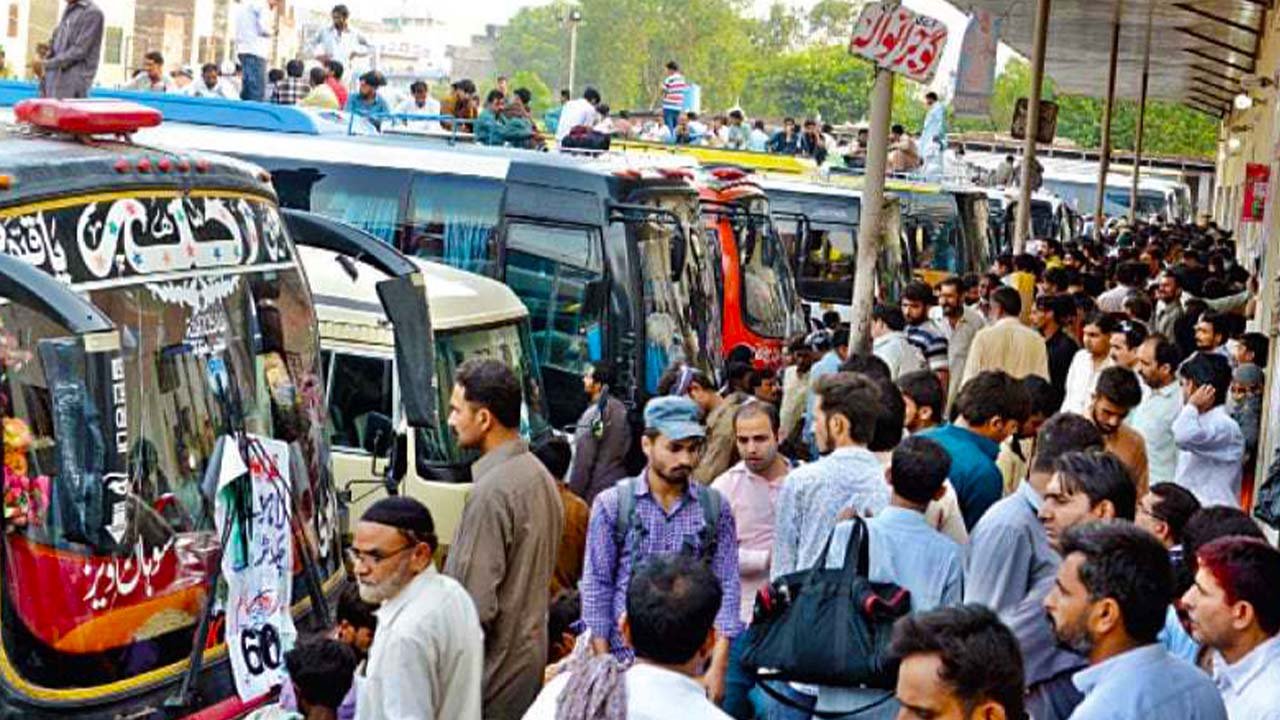
    With immediate effect, public transport fares in Islamabad have been reduced by 10 per cent in direct response to the recent decline in petroleum prices.  

    This decision emerged following a meeting convened by the Secretary of the Islamabad Transport Authority, involving consultations with representatives from the Drivers Welfare Association as well as transportation business owners. 

    This fare reduction is poised to make a significant impact, encompassing 23 distinct routes crisscrossing the capital city of Islamabad. It serves as a vital measure to alleviate the financial burden borne by commuters in the region. 

    Notably, this benevolent gesture is mirrored in Lahore, where transport operators have also undertaken fare reductions for both long-haul and short-haul journeys. 

    Furthermore, as part of its ongoing commitment to ease the economic challenges facing the populace amidst escalating inflation, the caretaker government took decisive action on Sunday.  

    This action involved a substantial reduction in petrol price by a notable Rs40 per litre and an equally substantial reduction of Rs15 per litre for high-speed diesel (HSD) over the forthcoming two weeks.  

  • Eggs and tomatoes lead weekly price hikes in latest SPI inflation report 

    Eggs and tomatoes lead weekly price hikes in latest SPI inflation report 

    The latest data from the Pakistan Bureau of Statistics (PBS) reveals that, for the week ending on October 12, the Sensitive Price Indicator (SPI) reflected a notable weekly inflation uptick of 0.30 per cent.

    During this period, the SPI for this particular category surged to 282.86 points, marking a distinct rise from the preceding week’s 282.00 points.  

    Among the 51 items tracked, the price dynamics exhibited a balanced distribution, with 17 items experiencing upward price movements, 17 witnessing price declines, and 17 remaining stable throughout the week. 

    Some of the commodities that observed a decline in prices encompassed sugar (4.47 per cent), pulse gramme (2.75 per cent), bananas (2.47 per cent), pulse moong (2.44 per cent), gur (1.93 per cent), chicken (1.69 per cent), rice irri-6/9 (1.46 per cent), and pulse masoor (1.26 per cent). 

    Conversely, there was a noticeable surge in the prices of several items during the same week, including tomatoes (6.28 per cent), eggs (3.48 per cent), salt powdered (2.75 per cent), cooked beef (1.06 per cent), garlic (1.04 per cent), tea prepared (0.73 per cent), beef (0.39 per cent), potatoes (0.35 per cent), electricity charges for Q1 (8.59 per cent), energy server (0.55 per cent), shirting (0.47 per cent), and LPG (0.31 per cent). 

    For a broader perspective, when evaluating these price changes on a year-on-year basis, it becomes evident that certain commodities have shown significant variations.  

    For instance, tomatoes witnessed a substantial year-on-year decline of 43.53 per cent, while onions experienced a decrease of 16.67 per cent.  

    Furthermore, pulse gramme recorded a drop of 4.01 per cent, and mustard oil saw a more modest decline of 1.19 per cent. These statistics provide valuable insights into the evolving economic landscape and the relative stability of various consumer goods. 

  • SBP Governor confirms Pakistan’s strong position to achieve IMF targets 

    SBP Governor confirms Pakistan’s strong position to achieve IMF targets 

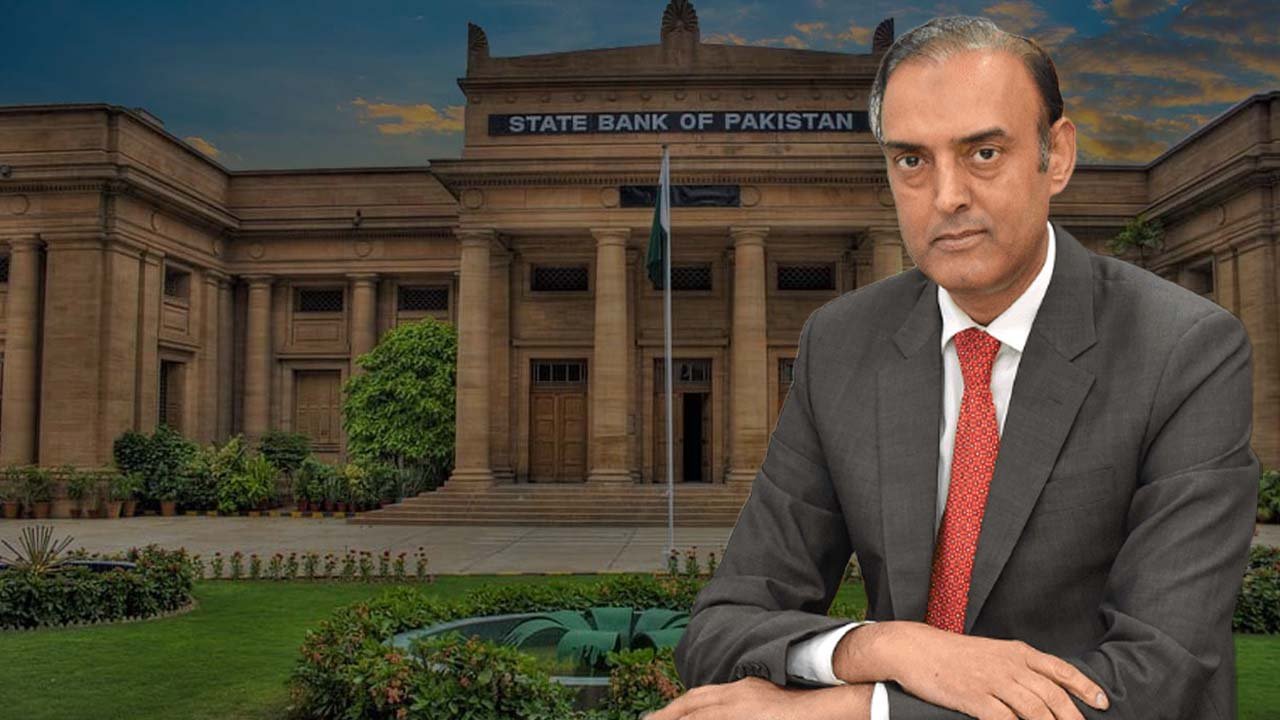
    The Governor of the State Bank of Pakistan (SBP), Jameel Ahmad, provided a reassuring update to investors on Friday, affirming that the nation is well-positioned to meet the International Monetary Fund’s (IMF) end-September targets for net international reserves and net domestic assets. 

    Ahmad said that Pakistan is “very comfortably” placed to meet IMF targets. 

    This declaration was made by Governor SBP during a meeting with prominent international investors held on the sidelines of the IMF-World Bank gatherings in Marrakech, Morocco.  

    The meeting was organised by prominent global banks such as Barclays, JP Morgan, Standard Bank, and Jefferies. 

    According to an official press release from the central bank, investors were apprised of recent macroeconomic developments, the government’s response to prevailing challenges, and the economic outlook of Pakistan and were provided with the opportunity to seek clarification on these matters. 

    Governor Ahmad informed investors that the current policy framework is strategically oriented towards achieving stability by addressing prevailing macroeconomic imbalances. 

    He highlighted that the SBP had taken early measures to tighten monetary policy in response to escalating global inflation. 

    Nevertheless, certain domestic obstacles, such as the 2022 floods, had complicated the SBP’s efforts to combat inflation. 

    The governor noted that these stabilisation measures have begun to yield positive outcomes. Inflation, after reaching a peak of 38.0 per cent in May 2023, decreased to 31.4 per cent in September 2023 and is anticipated to continue on a downward trajectory in the coming months. 

    Furthermore, Pakistan’s external account has exhibited substantial improvements, with foreign exchange reserves being steadily replenished. 

    Governor Ahmad expressed confidence that inflation would significantly decrease in the latter half of the fiscal year. 

    He emphasised that the stand-by arrangement with the IMF is anticipated to provide essential support for ongoing economic stabilisation efforts. 

    In addition, he reported that foreign exchange reserves have improved considerably, marked by an increase from a low of $3.1 billion in January 2023 to $7.6 billion at the end of September 2023. 

    This reserve enhancement was largely bolstered by non-debt-creating inflows amid favourable market conditions. 

    According to Geo, the Governor further revealed that the SBP has successfully met the forward book target of $4.2 billion for end-September 2023, as agreed with the IMF, with a substantial surplus. 

    Likewise, the SBP is confidently poised to fulfil other end-September IMF targets, including net international reserves (NIR) and net domestic assets (NDA). 

    Concluding his statement to investors, Governor Ahmad conveyed that Pakistan is diligently addressing long-standing structural deficiencies.  

    He expressed optimism that, with the support of both multilateral and bilateral partners, the nation is on course to achieve sustainable and inclusive economic growth in the medium term. 

  • Four Pakistani beggars went to Saudi Arabia under guise of Umrah

    Four Pakistani beggars went to Saudi Arabia under guise of Umrah

    The Anti-Human Trafficking Circle Lahore of the Federal Investigation Agency (FIA) has arrested four suspects who went to Saudi Arabia to beg under the guise of Umrah.

    Among the four suspects were two women and two men.

    According to the spokesperson of FIA, the accused were offloaded by FIA Immigration at Lahore Airport. They had reportedly gone to Saudi Arabia, Iran and Iraq several times to beg, and were to be received by Pakistani agents on arrival in Saudi Arabia.

    Half of the money earned through begging was to be given to the agent.

    So far, a case against the accused and the agents has been registered while investigations are underway.

  • Things will get more expensive amidst soaring petroleum prices: Finance Ministry

    Things will get more expensive amidst soaring petroleum prices: Finance Ministry

    Due to the persistent escalation in energy and petroleum prices, it is anticipated that inflation will maintain its elevated trajectory in the months ahead.

    In its latest monthly economic update, the Ministry of Finance has presented a forecast indicating that inflation is poised to remain at an elevated level during the upcoming months. The report projects inflation to fall within the range of 29 per cent to 31 per cent for the month of September 2023, primarily attributing this surge to the notable uptick in prices of petroleum products and electricity.

    Furthermore, the report identifies several contributing factors to this inflationary pressure, including the possibility of surging transportation costs, a dearth of essential services and commodities, and the depreciation of the dollar, which has had a mitigating effect on imported inflation.

    In response to these challenges, the finance ministry has implemented rigorous measures to combat illegal currency exchanges and stockpiling activities while actively working to stabilise the exchange rate.

    The report also highlights a global trend of decreasing food grain prices, albeit with notable exceptions such as rice and sugar, whose prices have surged due to the ongoing conflict between Russia and Ukraine.

  • Pakistani rupee set to become best performer against US dollar following record-low recovery

    Pakistani rupee set to become best performer against US dollar following record-low recovery

    In September, Pakistan’s rupee emerged as the global front-runner in currency performance, driven by the interim government’s vigorous measures to curb illicit US dollar trading.

    According to a comprehensive report by Bloomberg, the Pakistani rupee has experienced a remarkable surge of nearly 6 per cent during this month, a notable accomplishment given the downward trajectory of most other currencies like the Thai baht and South Korean won against the strengthening US dollar, fueled by expectations of prolonged high US interest rates.

    On Thursday, the rupee exhibited resilience by rising 0.1 per cent, reaching Rs287.95 per dollar after hitting a record low of approximately Rs307 earlier in the month.

    Khurram Schehzad, the Chief Executive Officer of Alpha Beta Core Solutions Pvt. Ltd., a financial consultancy located in Karachi, commented on the situation, highlighting the prevalence of leakages through informal channels such as hawala and hundi trade, which are common in South Asia.

    Schehzad noted, when the USD rate reverses, everyone from hoarders to exporters, who have been holding onto their export proceeds, starts offloading their dollars.

    The Bloomberg report underscores the Pakistani government’s intensified efforts to crack down on illegal dollar trading, which have significantly contributed to the rupee’s resurgence.

    In addition to these measures, the central bank has raised capital requirements for smaller exchange companies and mandated large banks to establish their exchange entities, aiming to enhance transparency and oversight in the retail foreign exchange market.

  • Good news: the gain of the rupee continues, now at Rs288.75

    Good news: the gain of the rupee continues, now at Rs288.75

    The Pakistani rupee continued to exhibit strength against the US dollar, marking a 0.36 per cent gain in the inter-bank market on Wednesday. Remarkably, this marks the rupee’s 16th consecutive appreciation against the greenback.

    According to the State Bank of Pakistan (SBP), the rupee settled at Rs288.75, reflecting an increase of Rs1.05 in the inter-bank market. This follows a 0.37 per cent appreciation observed on Tuesday, settling at Rs289.80.

    Over the past days, the rupee has consistently followed an upward trajectory, showcasing a remarkable recovery of over 6 per cent since reaching a historic low of Rs307.1 against the US dollar in the inter-bank market on September 5.

    On the global stage, the US dollar maintained its robust position, trading near a 10-month high against major currencies on Wednesday. This situation is underpinned by the persistent elevation of Treasury yields, driven by expectations of sustained higher US interest rates. Concurrently, the yen faced challenges as it edged closer to a critical intervention threshold.

    Recent statements from Federal Reserve officials have hinted at the possibility of further interest rate hikes, despite the central bank’s decision to hold rates steady the previous week. This has led to an ascent in US Treasury yields to levels not seen in several years, as financial markets recalibrate their expectations regarding the potential peak of US rates and the likelihood of a prolonged period of tight monetary conditions.

    The US dollar index, a gauge of its strength, recently stood at 106.20, having reached a 10-month peak of 106.26 in the preceding session. Meanwhile, the euro remained subdued, hovering close to a six-month low and trading at approximately $1.0569.