Tag: influencers

  • 4 years after TikTok ban, India’s influencers still searching for solid ground

    4 years after TikTok ban, India’s influencers still searching for solid ground

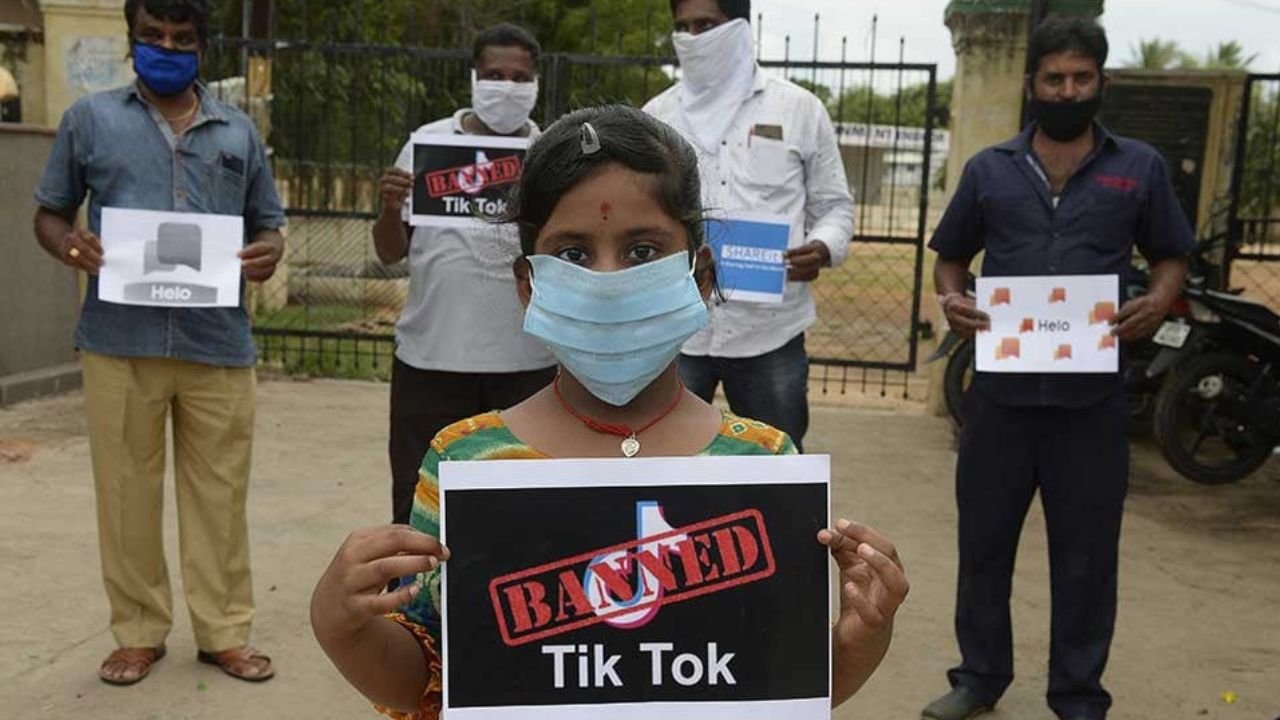
    Choreographer Sahil Kumar found fame showcasing folk dances on TikTok but his profile has been dormant since the video he posted four years ago supporting India’s decision to ban the platform. The world’s most populous country offers a glimpse of what the social media landscape could look like in the United States next year, if a move to block local access to the Chinese-owned short video app goes ahead.

    Several local copycats tried to fill the void left by TikTok’s departure – prompted by a wave of nationalist fervour that followed a border clash between Chinese and Indian troops – but the biggest beneficiaries of the decision were YouTube and Instagram.

    Kumar and many other content creators eventually flocked to those US-owned platforms, but few were able to replicate their earlier followings. “It is difficult to recreate the success elsewhere, because I haven’t got the same engagement on any other platform,” Kumar, 30, told AFP from his studio in Rohtak, a short drive south of the capital New Delhi.

    “It takes years to grow an audience on Instagram and especially on YouTube,” he added. Kumar was an engineer by training but ditched white collar work when he found an audience for his dance routines on TikTok, eventually garnering more than 1.5 million followers.

    His newfound celebrity netted him paid opportunities to choreograph dance numbers for other influencers on the platform and music videos featuring Indian celebrities. But his career was derailed in June 2020 after a deadly clash far from his home on the Himalayan frontier dividing India from China.

    ‘India comes first’ 

    Twenty Indian and four Chinese soldiers were killed in the encounter, the deadliest face-off between the two nuclear-armed neighbours in half a century, and two weeks later the app vanished from Apple and Google’s online stores.

    The official government order mandating the removal made no reference to the incident or even China, only saying that TikTok had engaged in activities that were “prejudicial to sovereignty and integrity of India”.

    Kumar said in his final video on the platform that he agreed with the ban, urging those watching to follow him over to Instagram and YouTube. “They must have thought thoroughly before making this decision,” he said in a short speech to camera. “India comes first.”

    Four years later, just under 94,000 people follow him on Instagram – a tiny fraction of his earlier audience – and he laments that his chances to make money have dried up. “For us, the work stopped,” he said.

    TikTok arrived in India years after other established social media platforms, but quickly became a national phenomenon. A year before it was kicked out of the market, the platform said it had more than 200 million users in India – one out of every seven people in the country.

    ‘Everyone was helter-skelter’ 

    “Every influencer, every personality trying to build an online following had to tap into the platform whether or not they liked it,” Viraj Sheth, co-founder of influencer marketing agency Monk Entertainment, told AFP.

    “As soon as we got the news of TikTok getting banned, everyone was helter-skelter.” Several local tech start-ups attempted to capitalise on TikTok’s disappearance by rushing their own short-form video apps to market.

    But it was established US platforms that eventually proved best primed to triumph in the new market. In the first year after the ban, Instagram saw about six million short videos from India posted each day to Reels, its own interface attempting to match TikTok’s content model.

    That compared to 2.5 million videos posted each day to Indian video sharing platform Moj, according to local media reports. Market tracker Statista estimates that more than 362 million people in India use Instagram and 462 million more use YouTube — which rolled out Shorts, its own TikTok rival, the same year as the India ban.

    That compares to a total audience of 250 million people across manifold homegrown video apps, according to estimates by Redseer Strategy Consultants published last November.

    “When TikTok was banned, we were all expecting that there will probably be some other app which will come and take over,” Amiya Swarup of professional services firm EY India told AFP. “But you know, it’s still the Instas and the YouTube Shorts which are still really ruling in terms of short-form videos.”

    While that had been beneficial for their respective parent companies Meta and Google, Sheth of Monk Entertainment said some influencers had struggled to make the transition.

    TikTok’s endless-scroll interface and algorithm are renowned for both matching audiences with the content they want to see and boosting niche content creators, but Sheth said its rivals require a different formula for success.

    “You probably didn’t need to show personality on TikTok as much,” he said. “On a platform like Instagram, that’s not something that replicated that well.”
  • Twitter introduces content monetisation, paying influencers from advertising revenues

    Twitter introduces content monetisation, paying influencers from advertising revenues

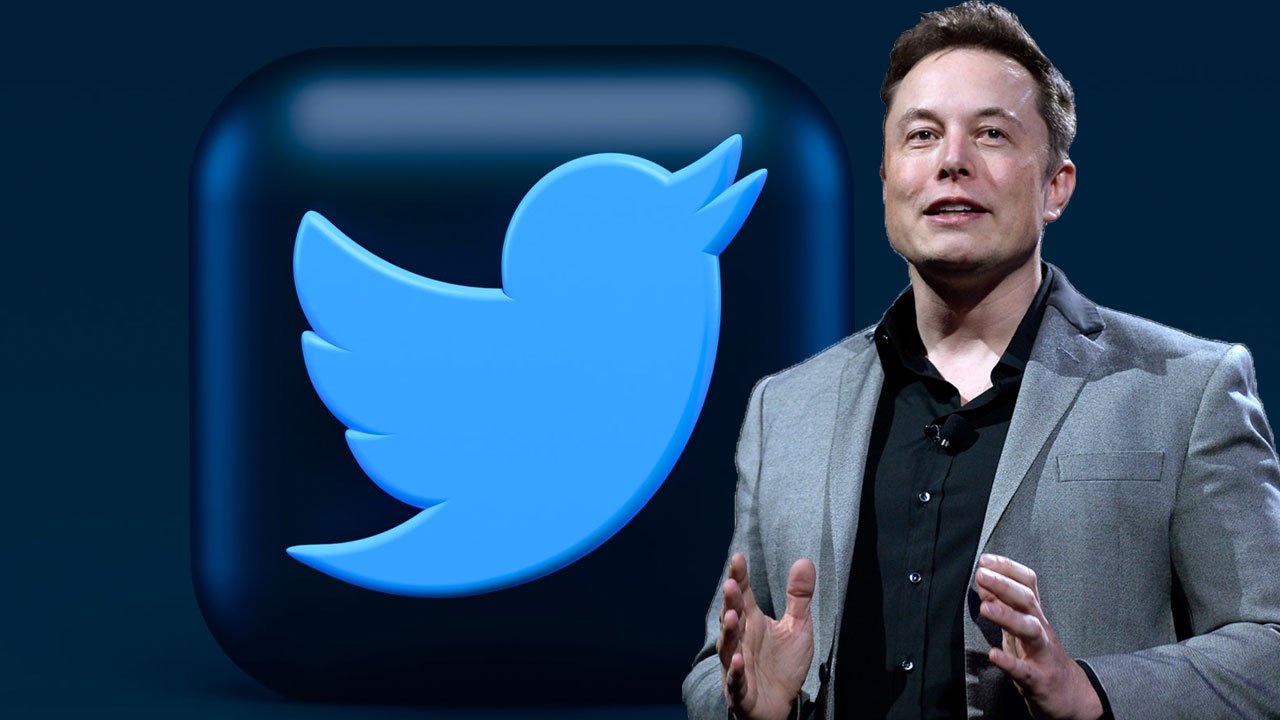
    Elon Musk’s social media platform, Twitter, has taken a significant step by initiating payments to content creators from advertising revenues for the first time. This development has caught the attention of numerous influencers; however, not all users are eligible to receive compensation from the platform.

    Influencers such as Ian Miles Cheong, Benny Johnson, and Ashley St. Claire, who are considered high-profile figures within the far-right community, shared details of their Twitter earnings prior to the official announcement of monetiation.

    “Wow. Elon Musk wasn’t kidding. Content monetisation is real,” tweeted a user named End Wokeness, boasting 1.4 million followers, showcasing earnings surpassing $10,400.

    Users who have subscribed to Twitter Blue and have accumulated over 5 million tweet impressions per month for the past three months are eligible to receive earnings.

    Elon Musk, who also serves as the CEO of SpaceX and Tesla, stated that an initial sum of $5 million will be distributed, accumulating from February onwards. However, the program is only accessible in countries where Stripe, a payment platform, supports payouts.

    Renowned writer Brian Krassenstein, boasting approximately 750,000 followers, claimed to have received $24,305 from Twitter. Similarly, SK, another creator with around 230,000 followers, reportedly earned $2,236, while political commentator Benny Johnson, with 1.7 million followers, disclosed earnings of $9,546. Ashley St. Clair, a writer for Babylon Bee, shared that she earned $7,153.

    Who will not benefit from Twitter monetisation? According to Twitter’s content monetisation standards, sexual content, as well as pyramid schemes, violence, criminal behaviors, gambling, drugs, and alcohol-related content, cannot be monetised.

    In a blog post, Twitter explained that creators’ share of advertising revenue would be determined based on the number of replies to their posts and monthly impressions.

    According to a report by The Washington Post, some non-political contributors expressed frustration with the company’s lack of transparency during the program’s rollout.

    “My tweets have generated hundreds of millions of impressions for Twitter every year,” stated Matt Navarra, a social media strategist who runs the tech-focused newsletter and community Geekout. He further added, “And I’ve been on the platform for 15+ years. It’s pretty lame that there is no payout coming my way. Twitter has never generated any income directly from all the content I have contributed.”

    This development comes shortly after Twitter faced fierce competition from its rival Meta-owned Threats, which witnessed millions of sign-ups within hours of its launch.

  • EliteGate; Twitter has loads of fun with Muzamil Hasan’s podcast

    EliteGate; Twitter has loads of fun with Muzamil Hasan’s podcast

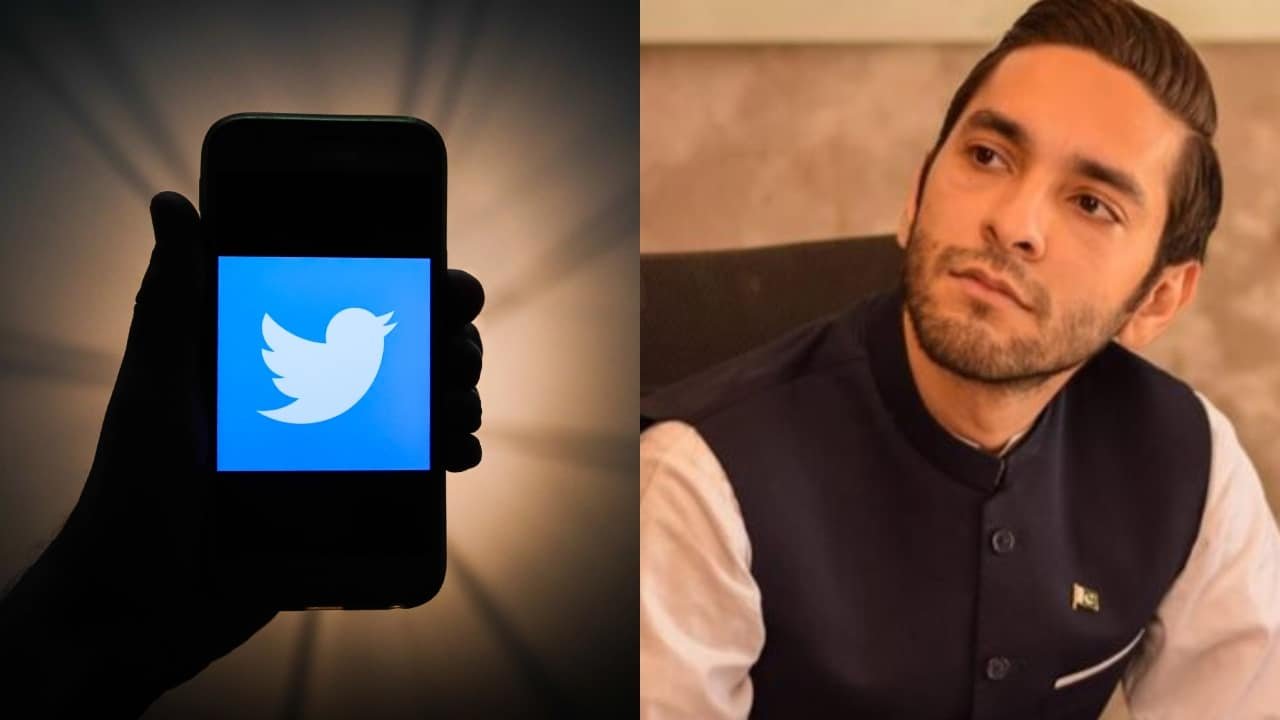
    Digital creator Syed Muzamil Hasan Zaidi is under fire again for not acknowledging his privilege, and trying to prove that he belongs to a “middle-class family.”

    During Tuesday’s episode of Shehzad Ghias Shaikh’s podcast Muzamil talked about his early life and his education at one of the most renowned and expensive schools, The Beaconhouse School System.

    Ghias pointed out that Muzamil portrays him as a self-made man and talks about his struggles, however, his sister has studied at an elite private university, Lahore University of Management Sciences, and he always lived in an elite area.

    Responding to this, Muzamil said that his sister studied at the university only with financial aid and stressed that he had grown up in a middle-class household.

    When asked by Ghias that when did he go to the United States (US) for the first time, he replied, “In 9th grade.”

    Following the interview, Twitterati was of the view that even if Muzamil belongs to the upper class he should admit it while others shared several memes related to the situation.

    https://twitter.com/superkhadijaman/status/1597914479366647814?t=sVDn2u8cwe6v7RPCqGRO2g&s=19

  • Gen Z is more likely to buy products promoted by influencers, celebrities

    Gen Z is more likely to buy products promoted by influencers, celebrities

    People born between 1997 and 2012 are known as Generation Z. They are not just digitally aware, but real digital natives who have grown up immersed in digital networking.

    Gen Z has been identified as being nimble, active, and bold. Every generational shift leads to a transformation in demand and expectations.

    A research study conducted by Meta reveals how Gen Zers interact with marketers and invest their online time.

    Social media – more than a picture uploading platform

    Over two-thirds of Gen Zers are surveyed on Facebook and Instagram, according to Comscore research. By time spent on mobile and desktop, these two applications list third among the top ten digital sites.

    For many people, social media is more than a basic way to keep in touch with friends and loved ones. It’s where people can spend time discovering their passions and interacting with the brands they care about. Gen Zers are delighted to see advertisers on Meta platforms, according to a Meta-commissioned study. In fact, 60 per cent of those questioned claimed they follow a company on social media.

    Gen Zers crave engagement with favourite brand

    Gen Z craves a genuine engagement with the brands they adore. According to a Meta study, 41 per cent of Gen Zers surveyed stated they feel more personally connected when brands share content that makes them feel like they’re a member of the brand’s group.

    The yearning to be a part of something and to know what’s going on can go a long way: According to the survey, 29 per cent of respondents feel a stronger bond to businesses that provide an inside glimpse into their activities. Gen Zers also highly value real chats with brands, with more than a quarter of those polled expressing a desire to be able to ask product experts questions directly through social networks.

    Gen Zers fancy writing feedback

    Following a brand on social media is a method for 60 per cent of Gen Zers surveyed to engage more deeply with their interests. One of the most common methods for people to engage with their passions is through stories shared on social media by companies and influencers, according to 43 per cent of those polled.

    They do, however, want a more engaging experience: As a way to communicate with brands, 38 per cent of respondents love completing product feedback questionnaires. 

    Impact of involving celebrities, influencers

    The key to establishing a stronger bond between businesses and Gen Z is through influencers and artists. According to Meta data, 79 per cent of Gen Zers have made a purchase as a result of watching a creator’s content. Influencers let customer feels more attached to and satisfied with the businesses, products, and services they offer.

    Read more: Pakistanis will get slow Internet on Thursday

    Luckily for marketers, 35 per cent of those polled indicated that creator material caused them to promote a brand, product, or service.

    Role of social justice

    Advocating for social justice and ethnic diversity is critical for Gen Zers. According to a second Meta research of interactional analytics, Gen Zers used Instagram to express their views on social justice issues, with discussion volume increasing by 300 per cent year over year since May 2020. However, deeds speak louder than speech for this age.

    According to Meta study, Gen Z consumers expect brands to work with influencers from a variety of racial and cultural backgrounds. The study also found that more than half of Gen Zers polled learn about new businesses through content from influencers from multiple origins.