Tag: information technology

  • UAE pledges $10 billion investment in Pakistan’s key economic sectors

    UAE pledges $10 billion investment in Pakistan’s key economic sectors

    The United Arab Emirates (UAE) has pledged $10 billion for investment in promising economic sectors in Pakistan.

    Pakistani Prime Minister Shehbaz Sharif met with UAE President Sheikh Mohamed bin Zayed Al Nahyan in Abu Dhabi today, according to a post by Pakistan Television (PTV) on X.

    The meeting focused on a wide range of bilateral issues, including cooperation in political, economic, social, cultural, and defence sectors.

    During the discussion, Prime Minister Sharif emphasised the need to enhance existing cooperation and strengthen the strategic partnership between the two nations. He highlighted key areas such as information technology, renewable energy, and tourism as potential fields for increased collaboration.

    Sharif also outlined steps his government has taken to ensure socio-economic stability and boost investor confidence in Pakistan.

    He reaffirmed Pakistan’s commitment to effectively implement investment cooperation agreements in sectors like energy, port operations, wastewater treatment, food security, logistics, minerals, and banking and financial services.

    Sheikh Mohamed bin Zayed Al Nahyan expressed the UAE’s unwavering support for Pakistan and confirmed the UAE’s commitment to investing $10 billion across various sectors in the country, as stated by PTV.

    The Prime Minister expressed his gratitude to the UAE leadership for hosting 1.8 million Pakistani expatriates and underscored Pakistan’s significant human resource potential that could be utilised in diverse sectors.

  • Waqar Zaka registers political party, wants Bat as symbol

    Waqar Zaka registers political party, wants Bat as symbol

    Show host and YouTuber Waqar Zaka has registered his own political party, Technology Movement Pakistan (TMP), and it is now recognized by the Election Commission (ECP). This means TMP can actively participate in the upcoming elections in February. Waqar Zaka has said he wants to focus on boosting the Information Technology (IT) sector in the government.

    Journalist Asad Ali Toor took to X and shared a petition written by Waqar Zaka to the Election commission of Pakistan where Zaka has demanded the electoral symbol of the ‘bat’ or ‘laptop’, which is currently available in the list of electoral symbols of Election Commission.

    TMP’s manifesto has 13 key points that address important societal and cultural issues.

    Some important points from Zaka’s manifesto:
    • Urgent Action to Change Teachers

    • Incorporating Artificial Intelligence into Agriculture

    • Equip Courts with Technology

    • Favorable Business Climate for Growth

    • Export-Driven Growth

    • Promotion of the Independent Worker Economy

    • Prioritize Healthcare

    • Emphasis on Women’s Empowerment

    • Modernizing Pakistan’s Madrassas

    • Systematic Educational Support

    • Complete Legislative Autonomy

  • CDWP approves Rs7 billion for advancing Pakistan’s IT sector

    CDWP approves Rs7 billion for advancing Pakistan’s IT sector

    During the Central Development Working Party (CDWP) meeting, chaired by Deputy Chairman Planning Commission Mohammad Jehanzeb Khan, five development projects were given approval, totalling Rs13 billion, according to a press release.

    The meeting focused on projects within the information technology, health, and physical planning and housing sectors.

    Under the Ministry of Information, two projects were presented. The first, “Upgradation of Transmission Network & Replacement of Optical Fibre Cable, AJK & Gilgit Baltistan (revised),” with a budget of Rs2 billion, received approval from the CDWP.

    The second project, “Prime Minister’s Initiatives Support for IT Startups, Specialised IT Trainings, and Venture Capital (revised),” with a budget of Rs5 billion, was also granted approval.

    Furthermore, two projects from the Ministry of Law and Justice were considered and approved. The first involves the “Construction of Litigants Facilitation Centre for Litigants and Lawyers in Sector G-10/1, Islamabad,” with a budget of Rs1.86 billion. The executing agency and financing source for this project is the Capital Development Authority (CDA).

    The second project presented was the “Establishment of 93-No District Courts in Mauve Area G-11/4, Islamabad (revised),” with a budget of Rs2.23 billion.

    A project focused on skill development internships, the “Ba-ikhtiyar Naujawan Internship Program Balochistan,” worth Rs1.85 billion, was also approved by the CDWP. Notably, this project is fully funded through a World Bank loan.

  • Bilateral trade talks: Pakistan and US aim to boost economic cooperation

    Bilateral trade talks: Pakistan and US aim to boost economic cooperation

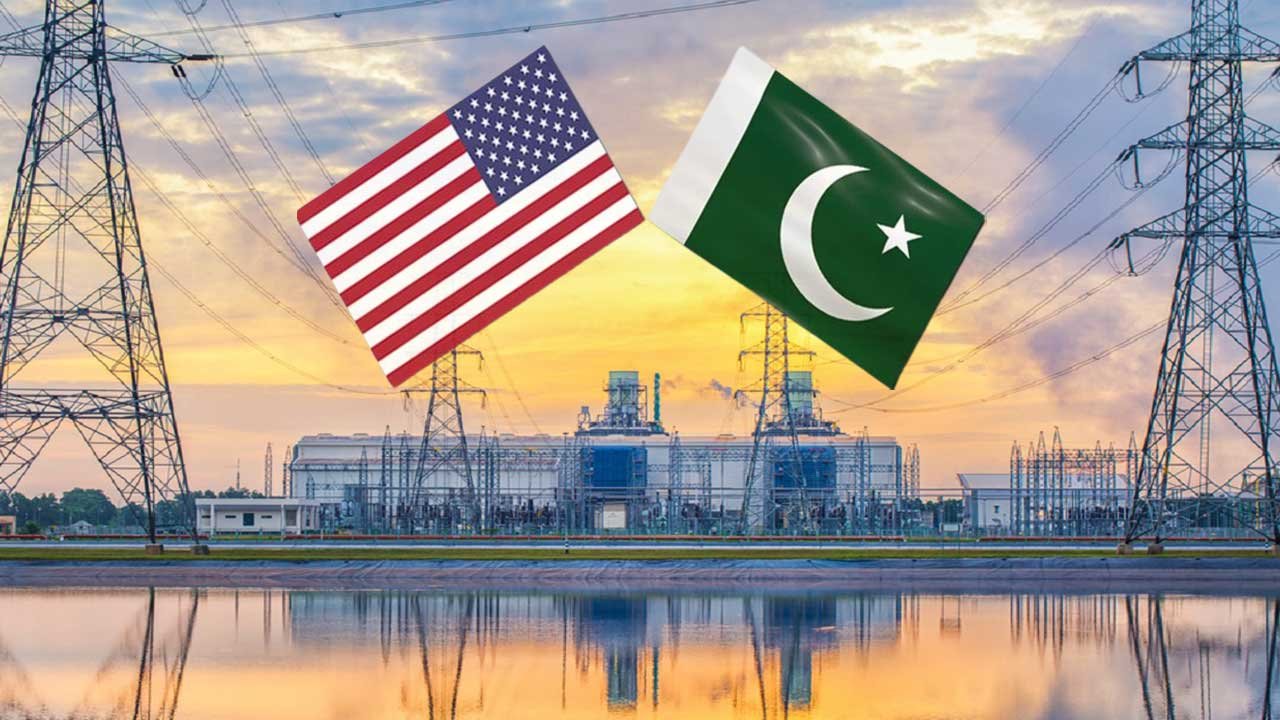
    On Tuesday, Pakistan and the United States (US) reached a consensus to foster close collaboration in various facets of bilateral trade and investment, with the primary objective of amplifying economic cooperation between the two nations.

    Dr Gohar Ejaz, Minister for Commerce and Industries, and Ambassador Katherine Tai, the US Trade Representative, convened a virtual meeting to assess the progress achieved subsequent to the 9th Pakistan-United States Trade and Investment Framework Agreement (TIFA) Council meeting held earlier in the year.

    Ambassador Tai underscored the significance of Pakistan as a pivotal trading partner for the US, recognising the enduring engagement between both countries as an encouraging sign.

    Minister Ejaz apprised Ambassador Tai of the government’s endeavours to enhance the business environment. He proposed the consideration of duty-free access for textile and garment exports to the US, given that Pakistan imports a substantial portion of its cotton from the United States.

    Furthermore, Minister Gohar Ejaz recommended exploring opportunities for joint ventures in textile and industrial manufacturing to enhance bilateral trade.

    The interim minister emphasised that the US serves as a prime destination for IT and ITeS exports from Pakistan, suggesting that both nations can reap mutual benefits from the immense potential in the field of information technology.

  • Pakistan plans to establish 5,000 e-working centres to empower freelancers 

    Pakistan plans to establish 5,000 e-working centres to empower freelancers 

    Dr Umar Saif, the Caretaker Federal Minister for Information Technology and Telecommunications, has announced a significant government initiative to establish 5,000 collaborative e-working centres designed specifically for freelancers.  

    In a recent statement, Minister Saif unveiled plans to provide interest-free loans for the creation of these joint E-Working Centres, with the primary goal of facilitating freelancers and, in turn, generating millions of job opportunities throughout the country.  

    A press release from the Ministry, issued on Thursday, also highlighted Minister Saif’s commitment to attracting global investors to support startup ventures. Additionally, he mentioned an upcoming visit to Saudi Arabia to further these discussions.  

    Furthermore, Minister Saif emphasised a positive dialogue with Caretaker Finance Minister Shamshad Akhtar, focusing on a comprehensive 5-point agenda centred on the IT sector. One key topic of discussion was the issue of retaining dollars within the IT industry.   

    According to Geo News, the Ministry believes that addressing this matter will not only repatriate overseas IT accounts to Pakistan and restore investor confidence but also enhance the inflow of foreign currency into the country, consequently boosting the volume of IT exports.  

    Separately, Minister Saif stressed the need for the Pakistan Software Export Board (PSEB) to redefine its role. He proposed that the PSEB should actively assist IT companies in securing international clients and expanding their businesses on the global stage, ultimately promoting the image of Pakistan in the international market.  

    During the 58th meeting of the PSEB, Minister Saif underlined Pakistan’s unique strengths in terms of IT professionals and its favourable time zone. He emphasised the importance of presenting Pakistan’s IT/ITeS products to the world effectively. He suggested that the PSEB should collaborate with Pakistan’s trade and commerce missions in embassies worldwide to support the growth of exports by Pakistani IT companies.  

    In a directive to the PSEB, Minister Saif urged the expedited implementation of all necessary measures to train 200,000 IT professionals, with the goal of contributing $5 billion to the country’s IT exports. The meeting also delved into discussions concerning the IT industry and strategies for increasing investment within Pakistan. 

  • Massive data breach: 2.2 million Pakistani citizens’ personal information for sale online

    Massive data breach: 2.2 million Pakistani citizens’ personal information for sale online

    According to a report from Geo News, the personal data of 2.2 million Pakistani citizens has been compromised and put up for sale online. This breach occurred when hackers gained unauthorised access to a private company-made database that is utilised by hundreds of restaurants. 

    The hackers have even gone so far as to display some citizens’ data as samples in their online sale advertisement. In their claim, the hackers asserted, “We have hacked the databases of over 250 restaurants,” and they listed numerous food outlets. 

    The compromised citizen data includes contact numbers and credit card details. The affected software is widely used by many restaurants across the country. Furthermore, details such as the number of transactions and the amounts paid by citizens are available for purchase online. 

    The hackers are demanding 2 Bitcoins in exchange for the compromised citizen data, which equates to approximately $54,000, considering that one Bitcoin is valued at $27,000 based on market sources. In Pakistani rupees, this amounts to over Rs15 million. 

    As of now, the Federal Investigation Agency’s (FBR) cybercrime circle has not received any complaints regarding this incident. 

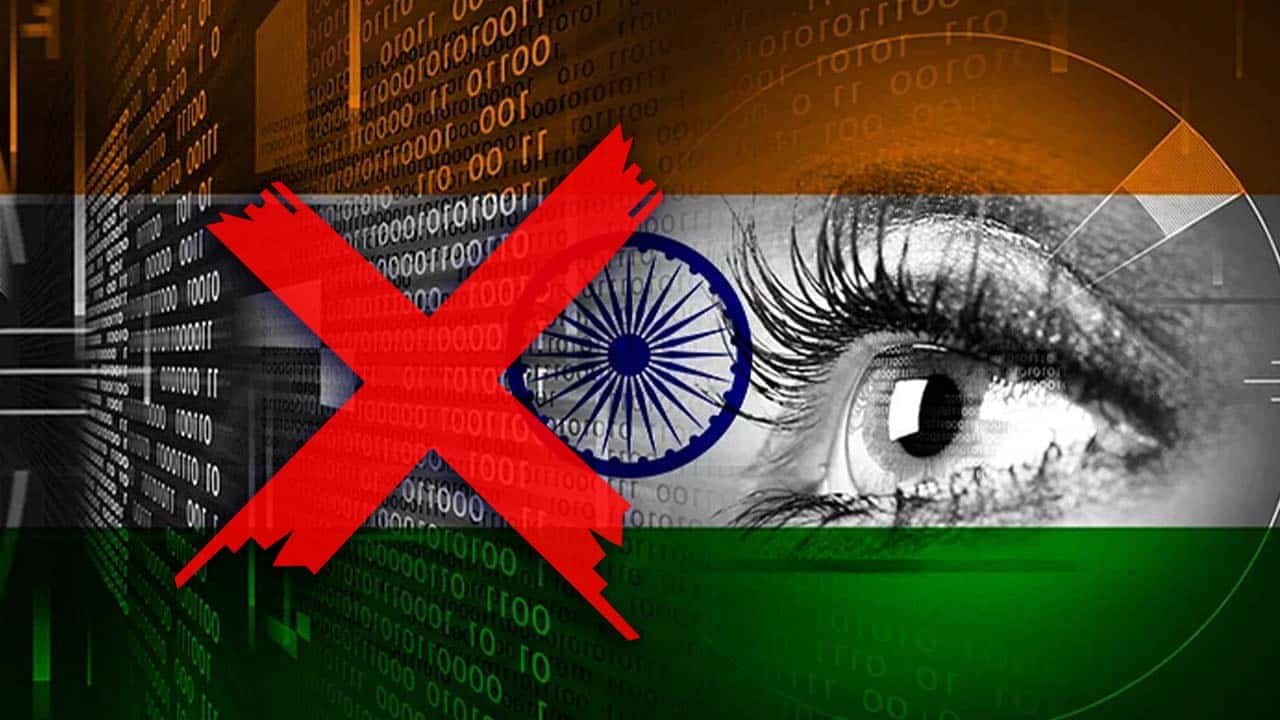
    It is worth noting that the federal government recently issued a directive advising all information technology (IT) and financial institutions, including regulators, to avoid collaborating with, installing, or using Indian-origin artificial intelligence (AI) and information and communication technology (ICT) products.  

    This advisory was issued due to concerns that these products could pose a constant, concealed, and force multiplier threat to Pakistan’s critical information infrastructure (CII). 

    The government shared this cybersecurity advisory with federal and provincial ministries and sectoral regulators. The advisory highlighted that globally, AI products and services are widely employed by various industries, including the financial and banking sectors, to accelerate their growth. 

    The document also noted that the fintech sector in Pakistan, along with some banks, was engaged with Indian-origin companies that offered IT products, cybersecurity solutions, and AI solutions.  

    The use of Indian security products and solutions was considered a potential threat to Pakistan’s CII, particularly the banking sector, due to the possibility of backdoors or malware collecting logs, data traffic analysis, and personal identifiable information (PII).  

    Additionally, it pointed out the risk of direct Indian ingress into Pakistan’s CII through technical means and access control with passive monitoring capability. 

  • Govt issues warning to be cautious with Indian tech products 

    Govt issues warning to be cautious with Indian tech products 

    The government has warned information technology (IT) and financial institutions, including regulators, to avoid using artificial intelligence (AI) and information and communication technology (ICT) products from India. They say these products could pose a serious threat to Pakistan’s critical information systems. 

    According to Geo News, this warning came through a cybersecurity advisory shared with federal and provincial ministries and regulators. The advisory noted that AI and ICT products from India are used worldwide, especially in the financial industry, to help businesses grow. 

    However, it pointed out that some Pakistani fintech companies and banks are working with Indian firms that offer IT, cybersecurity, and AI solutions. The government is concerned for two main reasons: 

    Indian products could have hidden “backdoors” or malicious software that collects data, including personal information. 

    There might be direct access to Pakistan’s critical systems by Indian entities, allowing them to monitor and control these systems. 

    Read more:

    The government has asked all ministries and regulators to make sure their affiliated organisations and licensees understand the risks of using Indian products. Instead, they suggest consulting with the Pakistan Software House Association (P@SHA) to find affordable alternatives from local tech companies. 

    Two years ago, a US company called Exodus Intelligence claimed that India used its software vulnerabilities to spy on Pakistan and China. 

  • Huawei aims to boost Pakistan’s IT ecosystem: CEO and PM Kakar hold key talks

    Huawei aims to boost Pakistan’s IT ecosystem: CEO and PM Kakar hold key talks

    A delegation from Huawei Pakistan, under the leadership of its Chief Executive Officer (CEO), Ethan Sun, held a formal meeting with caretaker Prime Minister (PM) Anwaar ul Haq Kakar, wherein they engaged in discussions concerning potential investment opportunities in Pakistan. 

    During this high-level encounter, CEO Sun articulated the company’s keen interest in making investments in Pakistan’s Information Technology (IT) sector, a proposition that garnered appreciative acknowledgment from the PM. 

    Furthermore, the Huawei delegation provided comprehensive insights into their ongoing initiatives aimed at cultivating and elevating the IT ecosystem within Pakistan. 

    Of notable mention is Huawei’s establishment of approximately 100 IT centers within various universities across Pakistan, as officially documented.

    The PM, recognising the significance of Huawei’s endeavors, lauded the company’s commitment to advancing the field of IT in Pakistan.

    He expressed optimism regarding potential collaborations between Huawei and the government for the purpose of equipping the youth and women, particularly those residing in remote regions, with valuable skills in the domain of IT.

    According to Brecorder, PM Kakar extended a cordial invitation to Huawei, encouraging the company to consider establishing manufacturing facilities for mobile handsets within the borders of Pakistan.

  • Saudi Arabia to invest $25 billion in Pakistan over five years: PM Kakar

    Saudi Arabia to invest $25 billion in Pakistan over five years: PM Kakar

    On Monday, Interim Prime Minister Anwaar ul Haq Kakar announced that the Kingdom of Saudi Arabia (KSA) intends to invest a substantial sum of up to $25 billion in Pakistan over the next two to five years.

    During a media briefing, PM Kakar explained that Saudi Arabia’s investment focus will primarily encompass the mining, agriculture, and information technology sectors. This initiative aims to boost foreign direct investment in Pakistan, which is currently facing financial challenges. 

    If this investment materialises, it will mark the largest-ever commitment by Saudi Arabia to Pakistan. The country is grappling with a pressing need for funds to address its trade deficit and repay international loans in the ongoing fiscal year. 

    While specific projects earmarked for Saudi investment were not disclosed during the meeting, Barrick Gold Corp. expressed interest last month in partnering with Saudi Arabia’s wealth fund for the Reko Diq mine in Pakistan. 

    Kakar emphasised that Pakistan holds substantial untapped mineral resources valued conservatively at $6 trillion. Additionally, the government intends to expedite two privatisation transactions, likely involving state-owned power sector entities, within the next six months. There is also a plan to privatise another government-owned company, preferably outside the energy sector. 

    Read more: Business community finds hope as COAS Munir vows to tackle corruption and boost investment  

    It’s worth noting that privatisation efforts in Pakistan have faced challenges in the past, as the sale of state assets is a politically sensitive issue that previous elected governments have largely avoided. 

    Currently, Pakistan is navigating a challenging path to economic recovery under a caretaker administration, following the approval of a $3 billion loan plan by the International Monetary Fund in July, which prevented a sovereign debt default. Islamabad is confronted with a balance of payments crisis and requires substantial funds to rectify its trade deficit and settle outstanding debts. 

  • Punjab increases govt employees’ pay by 30%, pensioners above 80 to receive 20% raise

    Punjab increases govt employees’ pay by 30%, pensioners above 80 to receive 20% raise

    In a significant development, the interim Punjab cabinet, headed by caretaker Chief Minister Mohsin Naqvi, has approved the provincial budget for the initial four months of the fiscal year 2023-24. The cabinet meeting, held on Monday, saw the endorsement of several key measures aimed at providing relief to the people and promoting various sectors of the economy.

    One of the major highlights of the budget is a 30 per cent increase in salaries for government employees, which will be implemented as an ad hoc relief. This decision is expected to bring significant relief to public servants who have been facing the brunt of rising costs of living. Additionally, pensioners above the age of 80 will receive a 20 per cent increase in their pensions, acknowledging their valuable contributions to society.

    The Punjab cabinet has also taken a bold step to stimulate business growth in the information technology and education sectors. By withdrawing all duties and taxes, the provincial government aims to create a favorable environment for these industries, fostering innovation and progress. An allocation of Rs70 billion has been set aside to provide relief to the people over the course of the first four months of the fiscal year.

    Addressing concerns related to the construction sector, the cabinet rejected a recommendation to increase stamp duty by up to 3 per cent. Instead, it approved fixing the stamp duty ratio at 1 per cent, thereby promoting the growth of the construction industry and encouraging investment in the sector.

    Recognizing the importance of agriculture, the cabinet allocated over Rs47 billion to support and enhance the sector. This move demonstrates the government’s commitment to bolstering the agricultural industry, which plays a crucial role in the province’s economy and livelihoods of the rural population.

    Furthermore, the interim setup has pledged to complete 50 per cent of ongoing development projects within the first four months of the new fiscal year. This ambitious target showcases the government’s determination to prioritise infrastructure development and provide better facilities for the citizens.

    The cabinet’s focus on critical sectors also extends to education and healthcare. An increase of up to 31 per cent in the budget allocation for education and health has been approved for the initial four months of the fiscal year. This decision reflects the government’s commitment to improving access to quality education and healthcare services across Punjab.

    The cabinet’s proactive approach toward promoting technological advancements is evident through the approval to establish an information technology park within the Lahore Knowledge Park. This venture aims to create a hub for technology-driven innovation and attract investment to the region.

    In a noteworthy move, the cabinet also approved the establishment of an endowment fund worth Rs1 billion for journalists. This step recognises the vital role played by journalists in society and aims to support and encourage their professional growth.

    Chief Minister Mohsin Naqvi emphasised that the Punjab budget does not impose any new taxes on the people, providing further relief to the general public. He commended the chief secretary, Planning and Development Board chairman, Punjab finance secretary, and their teams for their diligent efforts in presenting a people-friendly budget.

    The cabinet meeting was attended by provincial ministers, advisors, and secretaries of relevant departments, signaling a collaborative approach to decision-making and ensuring the inclusivity of various stakeholders.

    With the interim Punjab cabinet’s approval of this budget, the province is poised to embark on a path of economic growth, development, and improved quality of life for its citizens.