Tag: infrastructure

  • CDWP gives go-ahead to 10 development projects valued at Rs115 billion

    CDWP gives go-ahead to 10 development projects valued at Rs115 billion

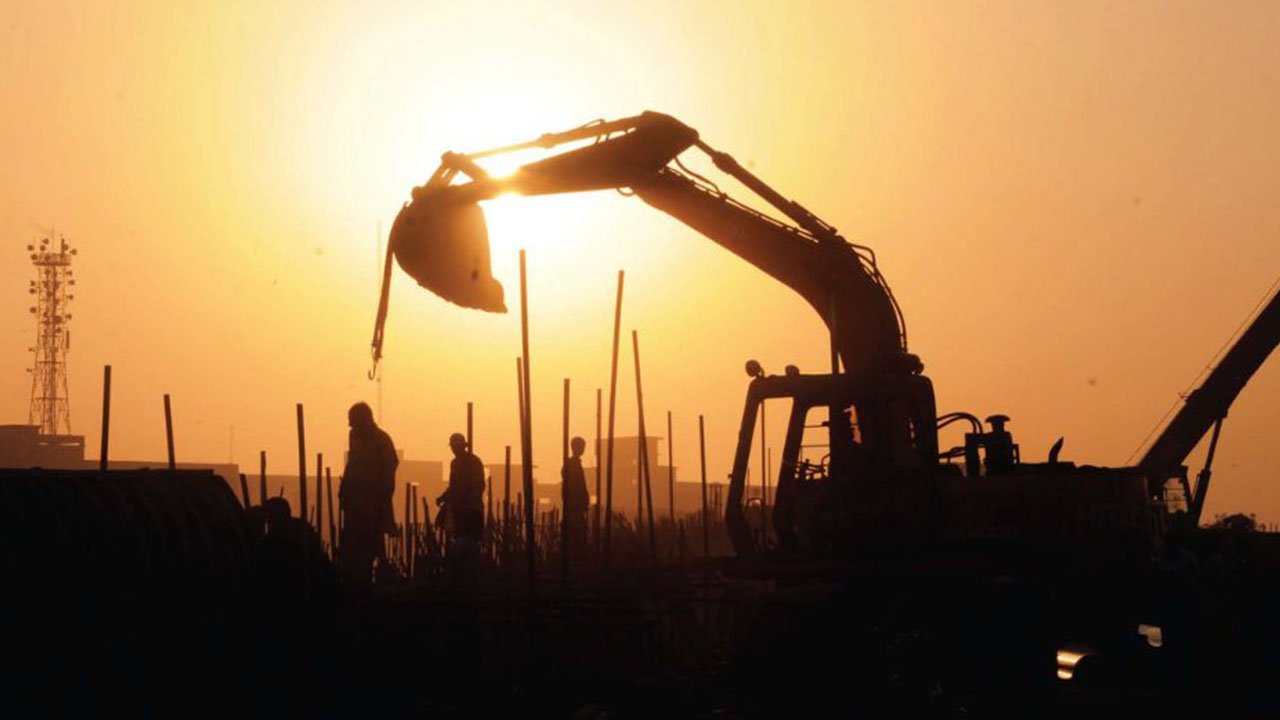
    In a key meeting held on Friday, the Central Development Working Party (CDWP) approved a total of 10 development projects, with an overall cost of Rs115.458 billion.

    Out of these, eight projects totaling Rs17.297 billion were given the green light by the CDWP forum, while two projects, valued at Rs98.161 billion, were recommended to the Executive Committee of the National Economic Council (ECNEC) for final approval.

    Deputy Chairman Planning Commission Mohammad Jehanzeb Khan chaired the meeting, attended by Secretary Planning Awais Manzur, Planning Commission members, Additional Secretary Planning, and representatives from federal ministries and provincial governments.

    The meeting’s agenda covered a range of sectors, including agriculture and food, energy, governance, health, higher education, physical planning and housing, science and technology, transport and communication, and water resources.

    A notable project from the agriculture and food sector, the “Sindh Livestock and Aquaculture Development Project,” valued at Rs38.36 billion, was recommended to ECNEC for final approval.

    This World Bank-assisted project aims to improve competitiveness, inclusivity, climate resilience, and sustainability in Sindh’s livestock and aquaculture sectors.

    Another significant project from the energy sector, the “765/500/220/132kV Islamabad West Substation,” worth Rs59.801 billion, was also referred to ECNEC for final approval.

    This World Bank-backed initiative is part of the National Transmission and Modernization Project Phase-I and aims to address increasing power demands in the Islamabad region through a new substation and related transmission lines.

    The governance sector saw approval for the “Modernization and Upgradation of Pakistan Mint Phase-II” project, costing Rs2.48 billion, as well as the “Federal Project Management Unit (FPMU) Post-Flood 2022 Reconstruction Program” project, valued at Rs2.38 billion.

    In the physical planning and housing sector, five projects were discussed, including the “Smart Environmental Sanitation System and Landfill Project” in Gwadar, worth Rs3.277 billion, and the “Construction of Audit House, Lahore,” valued at Rs1,528.931 million. Both projects received approval from the CDWP forum.

    A project related to science and technology, the “Establishment of Regional Nuclear Safety Inspectorate at Lahore,” costing Rs515 million, was also approved by the CDWP. This project aims to enhance nuclear safety and oversight in the region.

    The approval of these projects underscores the government’s commitment to advancing critical infrastructure, promoting sustainable development, and addressing energy needs, among other priorities. The recommendations to ECNEC signal the importance of these projects for the country’s growth and development.
  • AirCar technology purchased by Chinese company for exclusive use

    AirCar technology purchased by Chinese company for exclusive use

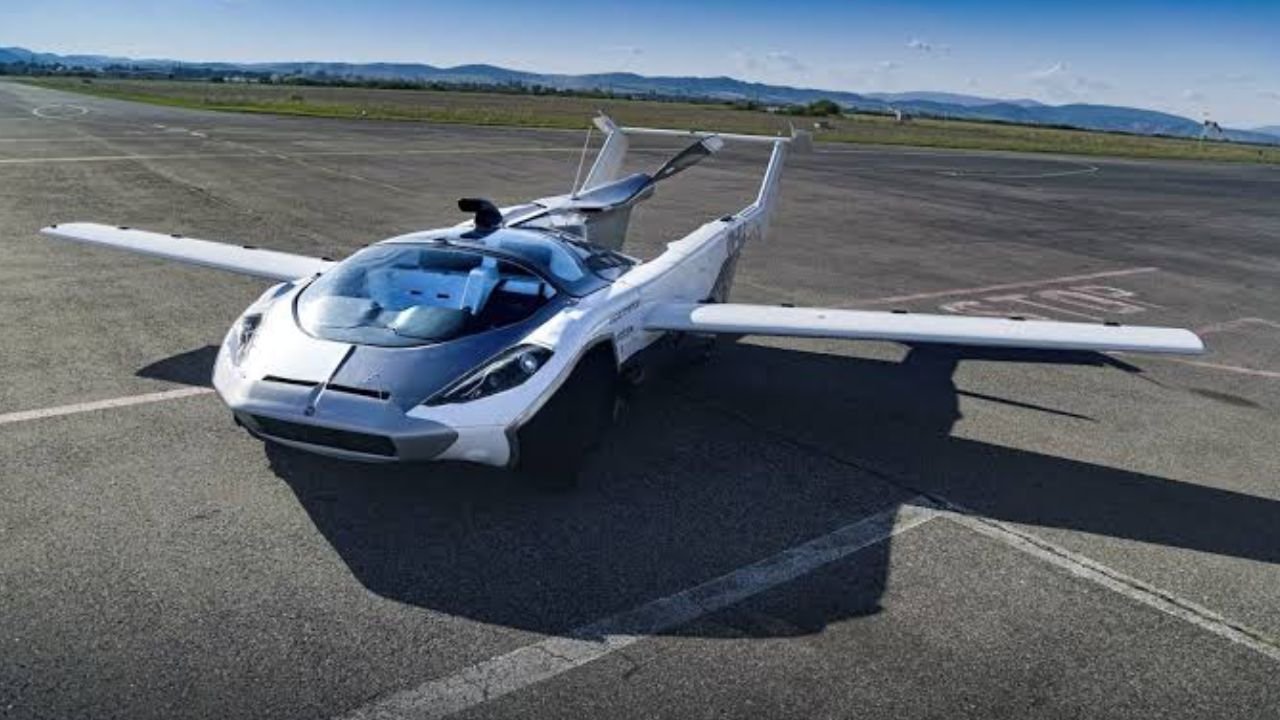
    A Chinese firm has acquired the technology behind a flying car, originally developed and tested in Europe. This AirCar, powered by a BMW engine and conventional fuel, completed a 35-minute flight between two Slovakian airports in 2021, utilising standard runways for take-off and landing. Its transformation from car to aircraft took just over two minutes.

    The Hebei Jianxin Flying Car Technology Company, based in Cangzhou, has obtained exclusive rights to manufacture and operate AirCar aircraft within a designated region in China. The company, after acquiring technology from a Slovak aircraft manufacturer, has established its own airport and flight school.

    China, known for spearheading the electric vehicle revolution, is now actively pursuing aerial transport solutions. Recently, Autoflight conducted a successful test flight of a passenger-carrying drone, drastically reducing travel time between Shenzhen and Zhuhai. Meanwhile, eHang, another Chinese firm, received safety certification for its electric flying taxi in 2023, with the UK government anticipating regular flying taxi operations by 2028.

    Unlike vertical take-off and landing drones, AirCar operates on traditional runways, presenting challenges in infrastructure, regulation, and public acceptance. While the sale details remain undisclosed, AirCar received airworthiness certification in 2022 and gained attention through a video by YouTuber Mr. Beast.

    Despite the excitement surrounding prototypes like AirCar, practical implementation may involve mundane aspects such as queues and security checks, according to experts. However, similar concerns once surrounded electric cars, which China has since dominated in the global market. The sale of AirCar raises speculation about China’s potential influence in the flying car industry.

  • More than 200 Karachi buildings made with poor material

    More than 200 Karachi buildings made with poor material

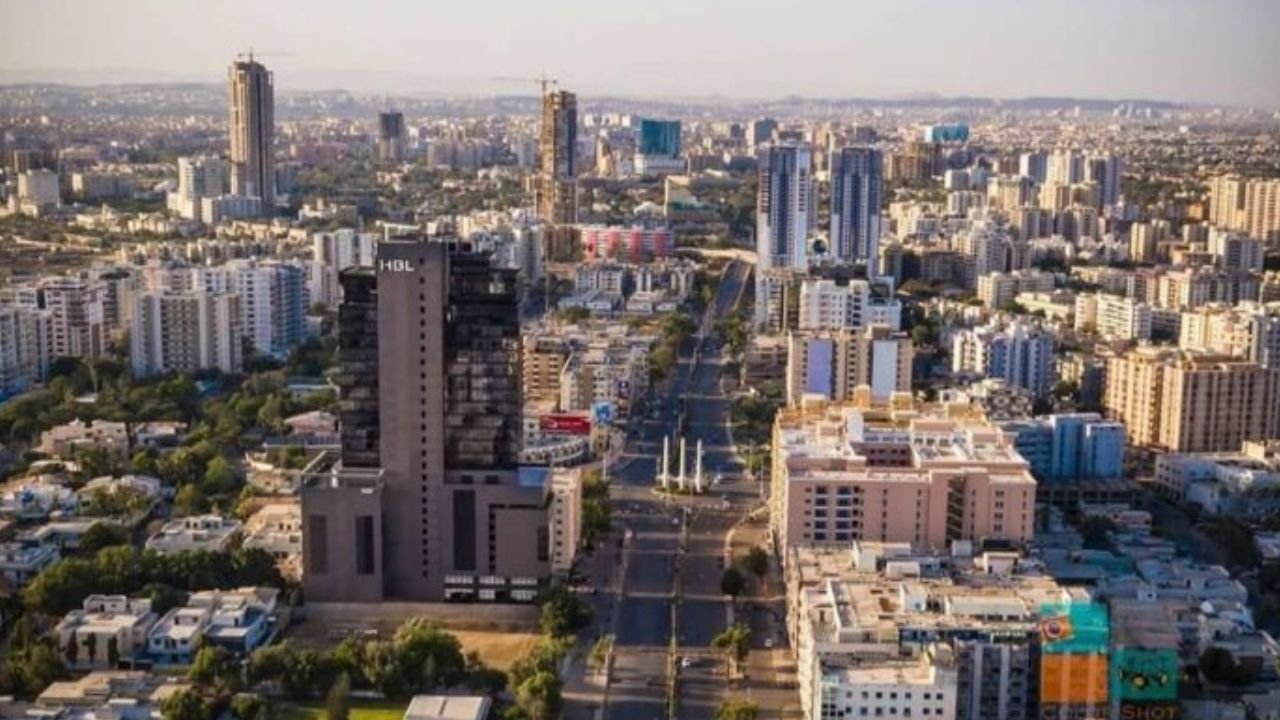
    More than 200 multi-storied buildings in Karachi have reportedly been constructed using bad quality materials and poor planning.

    KMC has submitted a report to the Sindh High Court on the incidents of fire in multi-storied buildings of Karachi.

    The report highlights the lack of a fire fighting system, emergency exit and other necessary arrangements. It has also been stated that KMC’s suggestion was not taken into consideration while issuing NOC to buildings.

    According to the KMC report, building inspections were conducted on I.I. Chundrigar Road, Khalid Bin Waleed Road, Shahrah e Faisal.

    SBCA has issued completion certificates to these buildings, action is necessary against illegal constructions and NOC issuers, while anti-corruption has initiated action against involved SBCA officers and builders.

  • First-ever plastic road in Punjab

    First-ever plastic road in Punjab

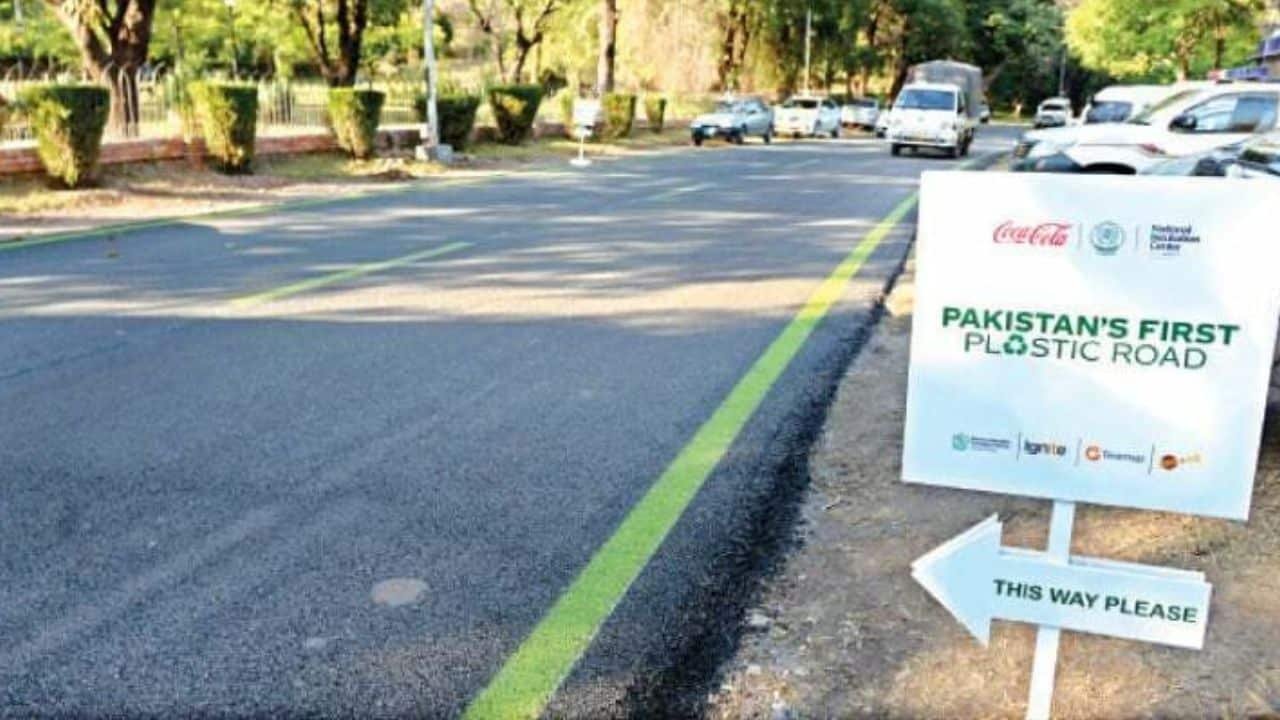
    For the first time in Punjab, a plastic road has been made. Caretaker Chief Minister Mohsin Naqvi inaugurated Zafar Ali road — from Lahore Gymkhana Mall Road to Jail Road.

    The technical assistance in the construction of this road was provided by the professors of the University of Engineering and Technology (UET).

    A plastic road is 60 per cent cheaper than a tar road and 100 per cent better in durability.

    According to caretaker CM Punjab, Rs2 crore incurred on its construction, while the cost of a tarred road of the same length would be around Rs6 crore.

    The plan for now is to convert Mall Road into a plastic road as well.

    A plastic road is made up of recycled waste, plastic bags in addition to other materials that are recycled into granules and then mixed with chemicals and a small amount of tar.

    Plastic roads do not easily get bumpy due to water and can sustain themselves for at least 10 years.

  • Manholes remain uncovered in Karachi as another child falls to death

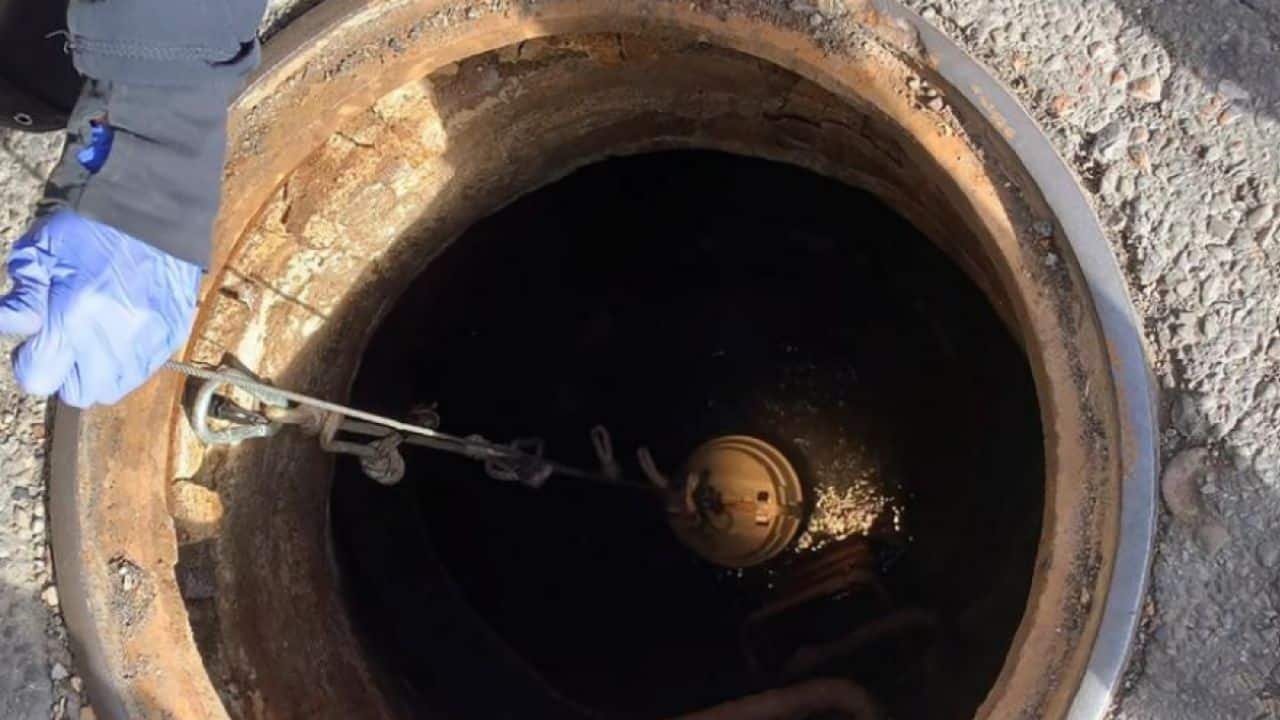
    Another child has died after falling into an uncovered manhole in Karachi.

    Ramzan was playing outside when he accidentally fell into the gutter in the Orangi Town area.

    According to local residents, Rizwan was with other children of the neighborhood at the time he fell into the open sewer.

    Just last month, two incidents of children falling into a manhole and dying were reported in Karachi.

    One incident took place in the area of Jamot Mohalla where the sewer was left open while the second was in Ghazi Khan Wara, outside the residence of a girl named Umra Baloch who also fell and drowned in the uncovered gutter while playing outside.

  • Another child dies after falling into a manhole

    Another child dies after falling into a manhole

    A four-year-old girl, Umra Baloch, died after falling in an open manhole in Mowach Goth in Karachi on Thursday.

    According to Moachko SHO Shahid Chaudhry, Baloch was playing outside her home in Ghazi Khan Wara when she fell and drowned in the gutter which was uncovered.

    Her body was retrieved by Edhi divers.

    The police said that the family does not want any legal proceedings.

    Previously on August 14, a three-year-old boy fell in an uncovered manhole in Memon Goth and died. According to Dawn News, the chief executive officer of the Karachi Water and Sewerage Corporation had put the number of uncovered manholes in the city at 20,000.

  • Planning to travel on the motorway? You’ll be paying more for it now

    Planning to travel on the motorway? You’ll be paying more for it now

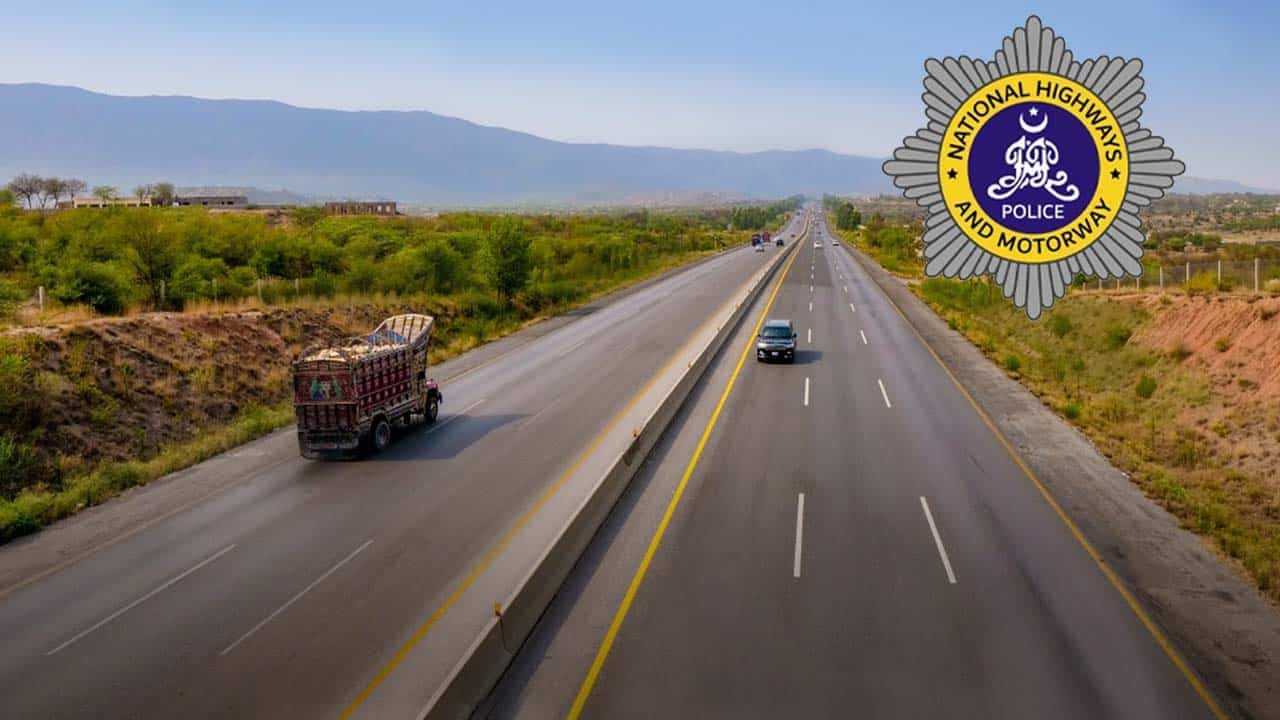
    The toll tariff for the Lahore-Islamabad Motorway (M2) underwent a 10 per cent increase, with the new rates becoming effective starting from Saturday, August 26th, 2023.

    The decision to revise the toll rates comes as the National Highways Authority (NHA) releases an official notification, citing the execution of a concession agreement with M/s Motorway Operations and Rehabilitation Engineering (Private) Limited, a subsidiary owned by the Frontier Works Organisation (FWO). 

    The agreement, which was formalised on April 23, 2014, pertains to the modernisation and overlay of the Lahore-Islamabad Motorway (M-2) under the Build-Operate-Transfer (BOT) framework. The agreement spans two decades.

    As per the terms stipulated in the concession agreement, an escalation of 10 per cent in toll rates is set to be implemented from the second operational year onward. Thus, from the 26th of August 2023 to the 25th of August 2024, the revised toll rates are set to take effect.

    According to the official notice provided by the NHA, the revised toll rates are outlined as follows:

    • Car/Jeep/Pickup: Rs1,100, equivalent to Rs3.07 per km
    • Van: Rs1,840, equivalent to Rs5.15 per km
    • Coaster: Rs2,590, equivalent to Rs7.22 per km
    • Coach: Rs3,690, equivalent to Rs10.29 per km
    • Truck: Rs4,800, equivalent to Rs13.39 per km
    • Trailer: Rs6,170, equivalent to Rs17.22 per km

    The decision to raise toll rates by 10 per cent reflects the ongoing economic trends in Pakistan, where a range of commodities and services have experienced notable price increments. 

    The revised toll rates are envisaged to contribute to the sustainability and enhancement of the Lahore-Islamabad Motorway infrastructure, supporting ongoing operational and maintenance efforts.

    As Pakistan grapples with economic dynamics, this adjustment in toll rates underscores the authorities’ focus on maintaining and improving critical transportation networks across the country.

  • Child dies after falling into uncovered manhole in Karachi

    While the Mayor of Karachi, Murtaza Wahab, works on improving the infrastructure of his city, a toddler has died after falling into an uncovered manhole in Malir’s Memon Goth.

    As reported by _, the incident took place in the area of Jamot Mohalla on Monday where the sewer was left open.

    “Where do we go, which door to knock? There is no one to hear about the loss,” says the grieving father, Abdur Rehman, who has now lost his only son. He pointed out that the manhole had been without a lid for more than 15 days while complaints had been lodged by locals to the union council but staffers said that they did not have a lid to cover the sewer.

    In June, Mayor Wahab promised to make the city ‘Clean and Green’. So far, he has banned plastic bags, improved basic infrastructure and provision of street lights, but sewers remain uncovered, making the roads a danger zone for pedestrians and bikers.

    On meeting Rehman, Karachi’s Deputy Mayor Salman Abdullah Murad offered his condolences. He promised to take action against the officials responsible for maintenance.

  • Steel prices surge to record high in Pakistan, posing a major challenge for construction sector

    Steel prices surge to record high in Pakistan, posing a major challenge for construction sector

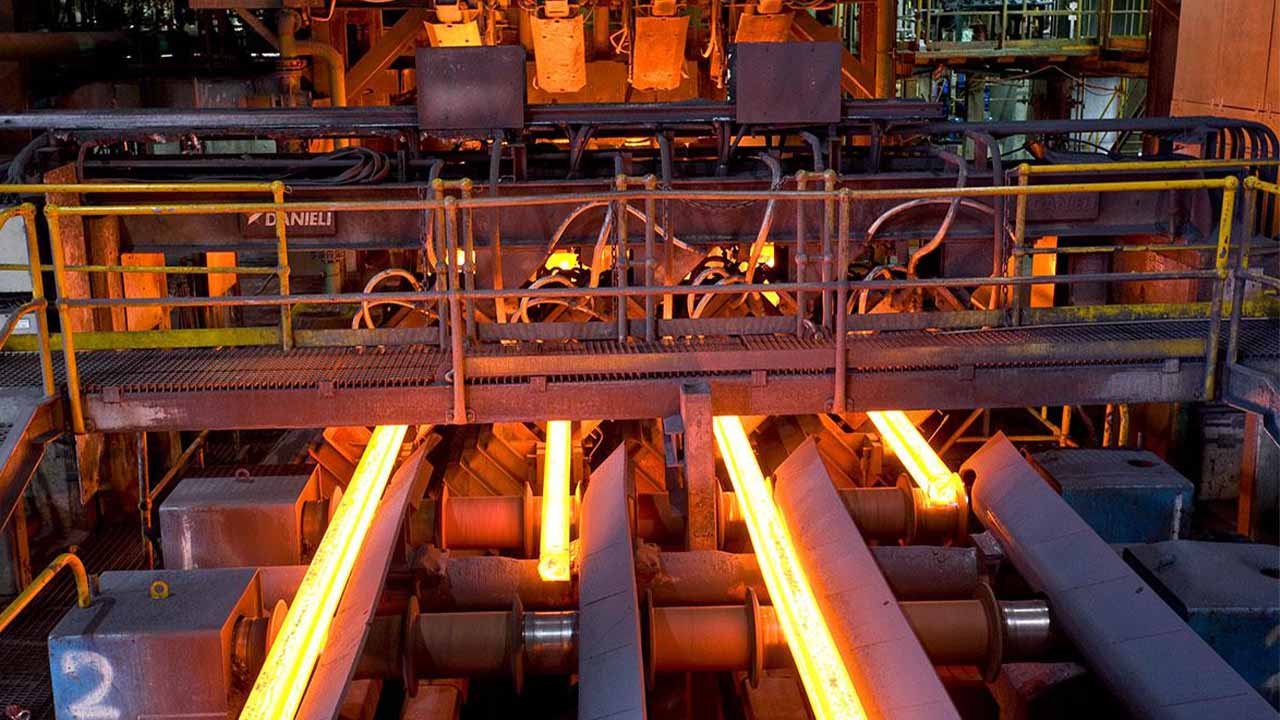
    The construction industry in Pakistan is currently grappling with a formidable challenge as the price of steel, its primary raw material, reaches an unprecedented high. On Monday, leading steel rebars producers announced a substantial increase of Rs5,000 per metric ton, attributing it to a scarcity of raw materials and a significant surge in the basic power tariff.

    According to Samaa, this decision to raise steel prices has sparked concern throughout the construction sector, as the cost of steel now stands at a staggering Rs260,000 per metric ton. Such a sharp escalation in costs has understandably raised eyebrows and placed industry players under mounting pressure to navigate these burgeoning challenges.

    Adding to the predicament is the recent increase in electricity tariffs, further exacerbating the situation and intensifying the strain on steel manufacturers as they grapple with soaring production costs.

    As a result, the construction industry finds itself confronting a multifaceted burden due to the surge in steel prices, impacting various aspects of their operations.

  • World Bank commits $213 million for Balochistan’s flood recovery and climate resilience

    World Bank commits $213 million for Balochistan’s flood recovery and climate resilience

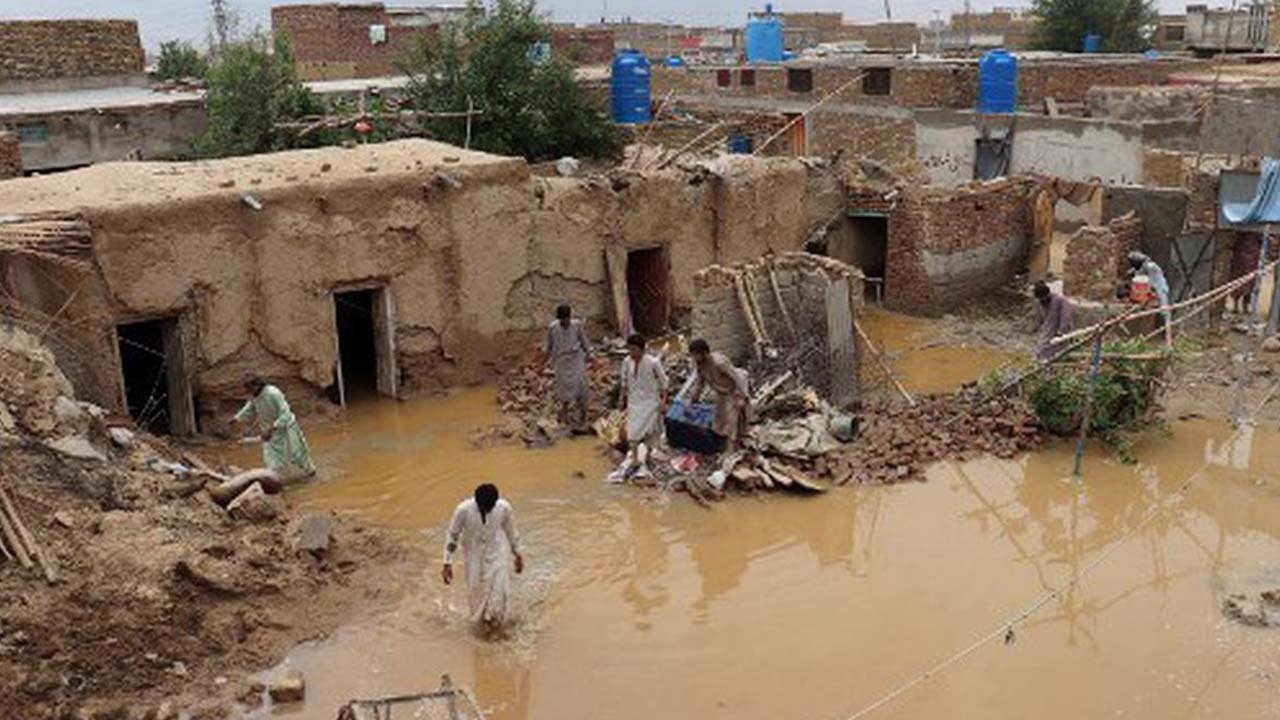
    The Board of Executive Directors of the World Bank has granted $213 million in funding to Balochistan for the purpose of improving livelihoods, essential services, and risk protection in communities that were affected by the devastating floods in 2022.

    This financial assistance is part of a larger program established in collaboration with the government to address the aftermath of the floods and build a climate-resilient Pakistan.

    Najy Benhassine, the World Bank Country Director for Pakistan, expressed the organization’s commitment to closely cooperate with the Government of Balochistan in supporting the affected communities. The World Bank aims to provide livelihood support and rehabilitate irrigation and flood protection infrastructure.

    These efforts will not only restore the livelihoods of the affected population but also enhance their resilience to potential future climate-related disasters and natural hazards. The project aligns with the comprehensive package of post-flood rehabilitation and resilient reconstruction program agreed upon with the authorities.

    The floods of the previous year were a result of record monsoon rains in the southern and southwestern regions of Pakistan, compounded by glacial melt in the northern areas. The calamity affected nearly 33 million people in the country, which has a population of 220 million. Tragically, the floods claimed over 1,700 lives and caused substantial damage to homes, crops, bridges, roads, and livestock.

    The Integrated Flood Resilience and Adaptation Project (IFRAP) outlined by the World Bank will provide housing reconstruction grants to approximately 35,100 homeowners. It will also focus on restoring essential services by rehabilitating damaged community infrastructure and facilities, such as water supply systems, irrigation networks, roads, and community facilities.

    Balochistan, with its geographical location, socioeconomic background, and vulnerability to climate change, faces significant risks from natural disasters. Yoro Sidibe, a Senior Water Specialist at the World Bank, emphasized that the project aims to provide economic opportunities to the affected communities while ensuring social inclusion and participation. Additionally, it will enhance institutional capacity for preparedness and response to future disasters.

    The World Bank expects that the Integrated Flood Resilience and Adaptation Project will benefit approximately 2.7 million people in selected communities across Balochistan’s calamity-declared districts. The project’s objectives include the restoration of degraded watersheds and the strengthening of institutional capacity at both the provincial and local levels.