Tag: Infrastructure Development

  • ADB approves $400 million loan to rebuild Sindh’s flood-damaged homes, infrastructure

    ADB approves $400 million loan to rebuild Sindh’s flood-damaged homes, infrastructure

    The Asian Development Bank (ADB) has granted Pakistan a $400 million concessional loan to aid in the reconstruction of homes and infrastructure in Sindh province, heavily impacted by the 2022 floods.

    The funds will be used for the Sindh Emergency Housing Reconstruction Project, which aims to repair flood-damaged houses and community facilities while boosting livelihood recovery and enhancing resilience to climate change.

    The project is part of ADB’s broader response to Pakistan’s flood crisis and contributes to the bank’s pledge of $1.5 billion in aid from 2023 to 2025. Yevgeniy Zhukov, ADB’s Director General for Central and West Asia, emphasised that the initiative will help rebuild homes and restore essential services in Sindh, the province most affected by the floods. The disaster impacted 33 million people and caused extensive damage nationwide.

    Sindh sustained about 83% of the total housing damage from the floods, with roughly 2.1 million homes either destroyed or severely damaged. Two years later, many survivors are still living in inadequate temporary shelters lacking basic services like water, sanitation, and electricity.

    The ADB’s project will support the reconstruction of 250,000 homes with designs that are resilient to multiple hazards and environmentally friendly. Additionally, it will fund the construction of community infrastructure such as drinking water and sanitation facilities, covered drainage, and renewable energy solutions for 100,000 households in approximately 1,000 flood-affected villages.

    The project also includes conditional cash grants for livestock, agriculture, small businesses, and e-commerce. A $500,000 technical assistance grant will be provided to support the government’s capabilities in procurement, compliance, and management.

    Srinivas Sampath, ADB’s Director for Water and Urban Development, noted that the project not only aims to rebuild Pakistan effectively but also to promote community-driven climate resilience and disaster risk management strategies, better preparing the country for future hazards.
  • World Bank approves $149.7 million financing for key projects in Pakistan

    World Bank approves $149.7 million financing for key projects in Pakistan

    The World Bank’s Board of Executive Directors has greenlit a significant sum of $149.7 million in financing for Pakistan, marking a milestone in bolstering the nation’s development efforts.

    The approval, granted on Friday, will allocate funds to support two vital projects aimed at enhancing the country’s infrastructure and digital landscape.

    According to a press statement released by the international financial institution, a substantial portion of the funding, totaling $78 million, has been earmarked for the Digital Economy Enhancement Project (DEEP).

    This initiative seeks to bolster digitally enabled public services delivery for both citizens and businesses, thereby fostering greater accessibility and efficiency.

    Simultaneously, an allocation of $71.7 million has been designated as second additional financing for the Sindh Barrages Improvement Project. This endeavor aims to fortify resilience against floods while enhancing the reliability, safety, and management of the Sindh barrages, crucial components of Pakistan’s water management infrastructure.

    Najy Benhassine, the World Bank Country Director for Pakistan, emphasised the imperative of fortifying infrastructure in the wake of catastrophic events such as the floods of 2022. He underscored the importance of bolstering barrages and their management to mitigate the impact of such disasters effectively.

    Additionally, Benhassine highlighted the significance of nurturing Pakistan’s burgeoning digital economy. He stressed that fostering connectivity and access to government and financial services is pivotal for economic and social development, particularly for marginalised groups like women and entrepreneurs.

    The Digital Economy Enhancement Project (DEEP) aims to develop robust digital authentication and data-sharing platforms.

    These platforms will enable Pakistan to respond more effectively to shocks, deliver enhanced e-government services, and facilitate regulatory reforms to promote private participation in the sector while strengthening personal data protection and online safety.

    Moreover, the project endeavors to promote financial inclusion, particularly among women, by facilitating access to banking services and credit through smartphone applications. It also seeks to address barriers such as limited mobility and digital literacy, ensuring inclusivity in the digital realm.

    Shan Rehman, Task Team Leader for the project, emphasised the comprehensive nature of the initiative, which adopts a holistic approach to digital transformation. He emphasised the importance of inclusivity and trust in digital platforms to meet the evolving needs of the populace.

    Meanwhile, the second additional financing for the Sindh Barrages Improvement Project (SBIP) aims to complete and commission rehabilitation works for barrages, including Guddu and Sukkur. Additionally, it seeks to enhance the management of three barrages in Sindh, namely Guddu, Sukkur, and Kotri.

    Francois Onimus, Task Team Leader for the SBIP, stressed the critical role of barrages in ensuring the livelihoods and climate-resilience of the Sindh Province. He highlighted the project’s focus on bolstering canal systems fed by these barrages, thereby mitigating the adverse impacts of extreme weather events.

    In essence, the approval of financing for these projects underscores the World Bank’s commitment to supporting Pakistan’s development agenda, spanning both infrastructure and digital innovation, in its journey towards sustainable growth and resilience.

  • China and UAE expected to inject $500 million into Pakistan’s LNG projects 

    China and UAE expected to inject $500 million into Pakistan’s LNG projects 

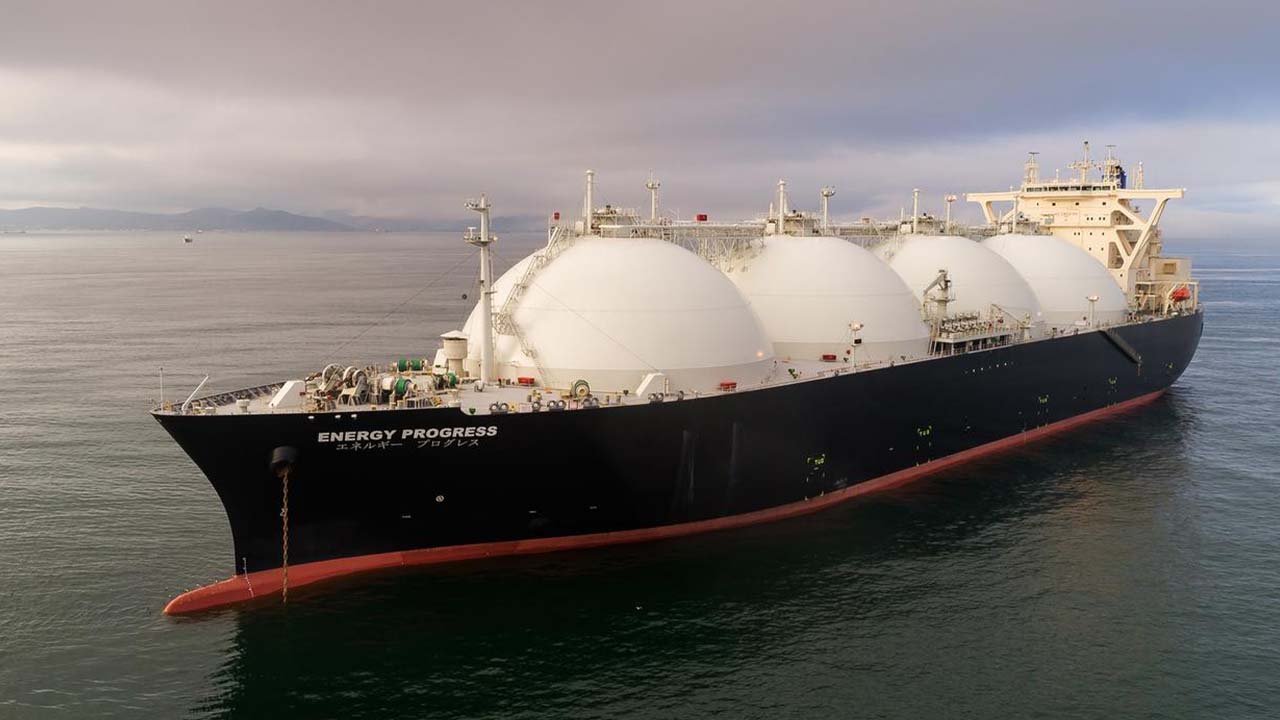
    China and the United Arab Emirates (UAE) are considering investing $500 million in two liquefied natural gas (LNG) projects in Pakistan.  

    The China National Chemical Engineering Company (CNCEC) and LNGFlex, a subsidiary of Bison in the UAE, are expected to contribute to the development of LNG terminals and supply infrastructure. 

    Sources reveal that these companies have outlined plans for both virtual and non-virtual projects. The aim is to establish a virtual LNG project, which includes a receiving terminal and storage facility at Karachi port. 

    Earlier, Pakistan and the UAE inked several multi-billion-dollar Memoranda of Understanding (MoUs) to enhance economic and strategic cooperation between the two nations. 

    It’s worth noting that in June, Bloomberg reported that Pakistan faced challenges in securing liquefied natural gas (LNG) from the spot market.  

    The attempt to purchase six shipments for October to December through Pakistan LNG Limited (PLL) was unsuccessful, as no suppliers responded to the offer.  

    Overseas banks were reportedly unwilling to accept letters of credit from Pakistani counterparts, contributing to suppliers’ reluctance to provide LNG cargoes. 

    The failure to secure gas may worsen energy shortages in Pakistan, leading to more frequent blackouts and limiting fuel supply to industrial consumers. 

  • ADB approves $250 million loan to upgrade Pakistan’s power transmission system 

    ADB approves $250 million loan to upgrade Pakistan’s power transmission system 

    The Asian Development Bank (ADB) has granted a $250 million loan to Pakistan to enhance the country’s power transmission system, addressing persistent electricity shortages. 

    The approved aid aims to ensure a reliable electricity supply by expanding and enhancing the power transmission network in Punjab and Khyber Pakhtunkhwa provinces, as outlined in an official ADB statement. 

    The initiative, known as the Power Transmission Strengthening Project, focuses on fortifying the national grid’s stability by increasing transmission capacity. 

    The project includes the expansion of high-voltage transmission networks, specifically 500 kilovolt (kV) and 220 kV transmission line loops, with the goal of reducing transmission losses in Lahore, Punjab, through the replacement of outdated transmission lines. 

    ADB Director General for Central and West Asia, Yevgeniy Zhukov, emphasised the significance of a reliable power supply for inclusive and sustainable economic growth. 

    He expressed satisfaction in continuing ADB’s support for Pakistan’s pursuit of energy security and improved energy efficiency. 

    In addition to reinforcing power transmission, the project aims to complement ADB’s existing assistance to the National Transmission & Despatch Company Limited (NTDC). 

    This support targets energy security, climate resilience, and increased transmission capacity for the deployment of sufficient, reliable, clean, and cost-effective energy. 

    The project’s key objectives extend to enhancing the management of the national transmission system. 

    Beyond strengthening power transmission, ADB’s initiative will improve the project and financial management of NTDC, incorporating climate resilience in planning and operations. 

    To promote gender equality and women’s involvement in the energy sector, ADB plans to develop mentorship guidelines, conduct awareness campaigns, establish childcare centres, and provide technical training for female staff within NTDC. 

    The project also includes livelihood skills development for women in the designated areas, aiming to enhance their economic opportunities. 

    Additionally, local communities will receive training to enable them to respond effectively to climate-induced natural hazards. 

  • Chinese company shows interest in buying K-Electric for $1.77 billion

    Chinese company shows interest in buying K-Electric for $1.77 billion

    In a recent development, China’s state-owned Shanghai Electric Power (SEP) has reiterated its interest in acquiring the shares of Karachi’s sole power company, K-Electric, with a renewed offer of $1.77 billion.

    According to Shan Abbas Ashari, the investment advisor of the Saudi group Al-Jomaih Power Limited, a major shareholder of K-Electric, the Saudi group has indicated the possibility of selling its shares at a price of $2 billion.

    Ashari stated that a deal with Shanghai Electric, involving the acquisition of K-Electric shares, is set to be rekindled. He mentioned that SEP had initially proposed the $1.77 billion offer to acquire K-Electric several years ago, and this offer would now be revisited.

    Ashari highlighted the growing electricity demand in Karachi, which should have already reached 5,000 MW. He emphasised that this demand could further increase if all industries were integrated into the company’s grid.

    Moreover, Ashari emphasised that Pakistan stands as an ideal investment destination for Saudi Arabia and other Gulf countries due to its rapidly expanding population, distinguishing it from Europe.

    However, he acknowledged that investors from Saudi Arabia and Kuwait faced challenges following the K-Electric deal. Stay tuned for further updates on this significant investment development.

  • Cabinet Committee grants approval for UAE to build cargo terminal at Karachi Port

    Cabinet Committee grants approval for UAE to build cargo terminal at Karachi Port

    The Cabinet Committee on Inter-Governmental Commercial Transactions has granted approval for the proposed collaboration between Pakistan and the United Arab Emirates (UAE) aimed at establishing a bulk and general cargo terminal at East Wharf, Karachi Port.

    Before the agreement is finalised, it will undergo ratification by the federal cabinet, following which the governments of Pakistan and UAE will officially sign it. The draft agreement, which has been endorsed by the cabinet committee, encompasses various essential aspects.

    These include the terms and conditions of the agreement, the cost estimation for the terminal’s reconstruction, the terminal’s expected lifespan, its maximum cargo handling capacity, the dimensions of the quality wall, royalty details, land rent per square meter in the bonded areas, storage charges, dock labour charges, upfront payment arrangements (adjustable and non-adjustable), as well as the quantum and type of investment involved.

    The Cabinet Committee on Inter-Governmental Commercial Transactions meeting, where the draft agreement received approval, was chaired by Finance Minister Senator Mohammad Ishaq Dar on Monday.

    The committee’s decision was based on a summary presented by the Ministry of Maritime Affairs, which outlined the proposed government-to-government agreement between UAE and Pakistan for fostering cooperation in the development of the bulk and general cargo terminal at Karachi Port’s East Wharf. The agreement operates under the framework of the Inter-Governmental Commercial Transaction Act 2022, as indicated by the Ministry of Finance.

  • Govt offers Islamabad International Airport for lease to foreign investors

    Govt offers Islamabad International Airport for lease to foreign investors

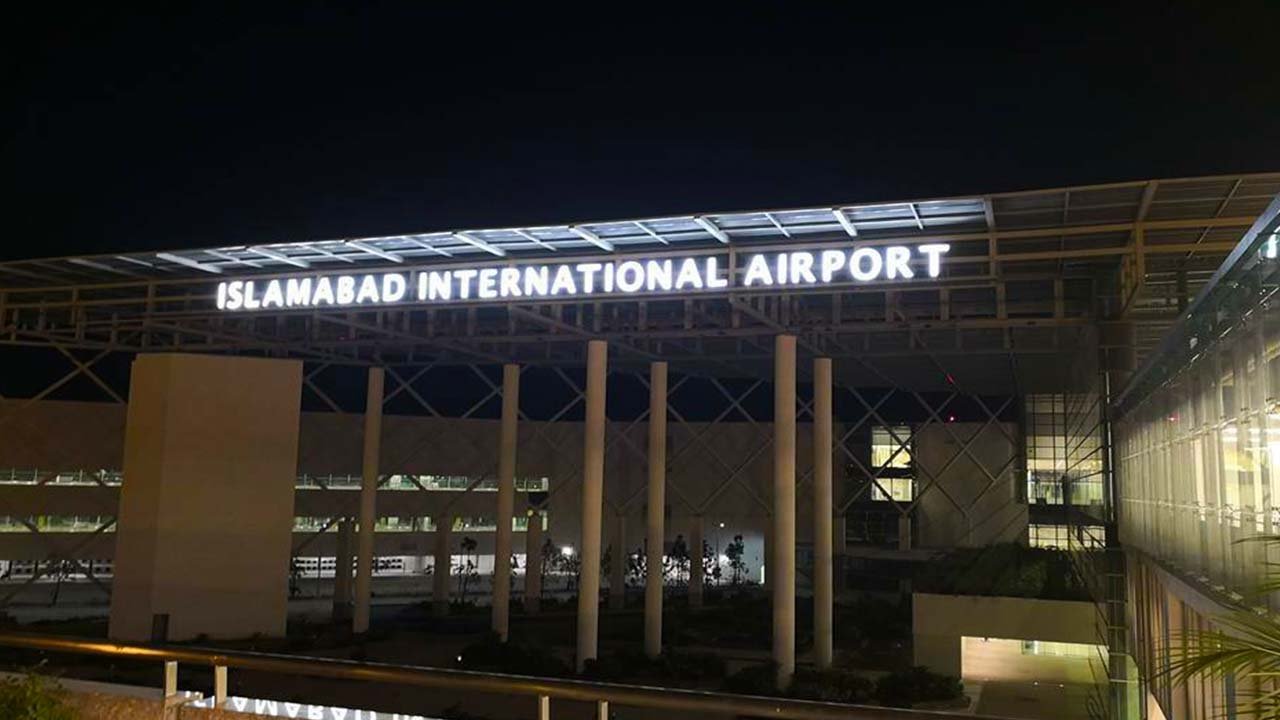
    The government has made the decision to initiate the leasing process of New Islamabad International Airport to international investors in its initial phase. This decision follows the encountered practical difficulties in outsourcing the international airports located in Karachi and Lahore.

    Compared to other airports, the New Islamabad International Airport has been deemed a clean transaction, prompting the government to explore outsourcing options as soon as possible.

    The International Finance Corporation (IFC) has also indicated that there are parties expressing interest in managing the operations of all three airports, as mentioned during a presentation to Minister for Finance Ishaq Dar in the federal capital.

    However, expediting the process will not be easy for the government since no airport outsourcing has been formally advertised thus far. Top official sources confirmed that there are practical issues that must be resolved before handing over the airport to an international party.

    One major concern revolves around the national flag carrier, Pakistan International Airlines (PIA), which has defaulted on various airport facilities. Even if the government were to assume PIA’s past liabilities, the new airport operator would face the challenge of providing free-of-cost facilities to the carrier.

    Furthermore, in Karachi and Lahore, certain sections of the airports are occupied by relevant agencies, necessitating a permanent solution to enable potential investors to utilize the entire airport for commercial purposes. The Airport Security Force (ASF) also poses an obstacle to completing the transaction smoothly.

    It remains to be seen how the government will address these challenges. Sources indicate that the government is exerting all efforts to outsource New Islamabad International Airport before the end of its tenure in the second week of August 2023. However, accomplishing this goal within the given timeframe appears to be a challenging task.

  • UAE-based company to oversee operations and development of Karachi Gateway Terminal for 50 years

    UAE-based company to oversee operations and development of Karachi Gateway Terminal for 50 years

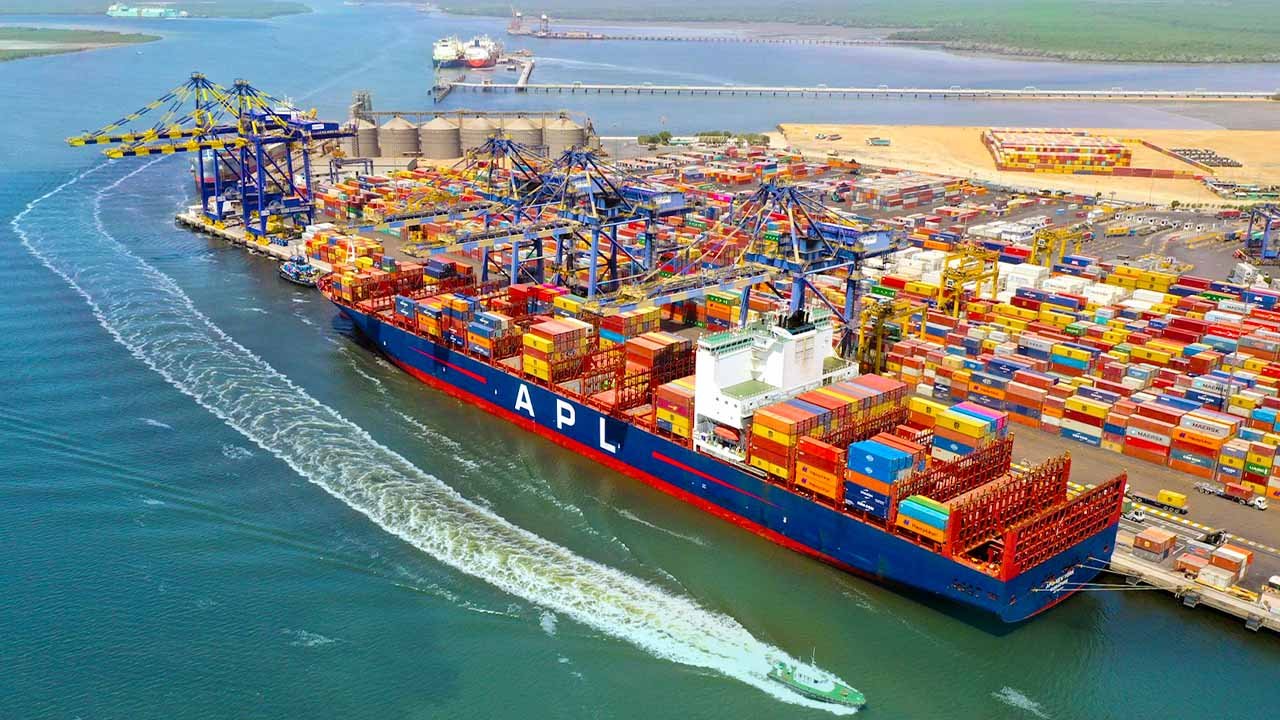
    The AD Ports Group, based in the United Arab Emirates (UAE), has entered into a 50-year concession agreement with the Karachi Port Trust (KPT) to manage and develop the Karachi Gateway Terminal Limited (KGTL).

    The group will invest $220 million in infrastructure development over the first 10 years of the agreement. This agreement is particularly significant as Pakistan seeks external financing to support its struggling economy.

    According to the terms of the agreement, a joint venture has been established between AD Ports Group and Kaheel Terminals, a UAE-based company, with AD Ports Group as the majority shareholder. The joint venture will oversee the management, operation, and development of the KGTL, specifically berths 6-9 at Karachi Port’s East Wharf.

    The infrastructure investment will focus on deepening berths, extending quay walls, and expanding the container storage area. These enhancements will enable the terminal to accommodate larger vessels and increase its annual container capacity from 750,000 to 1 million TEUs.

    Captain Mohamed Juma Al Shamisi, the Managing Director and Group CEO of AD Ports Group, expressed enthusiasm about the concession agreement, stating that it aligns with the group’s strategy of investing in strategic maritime trade routes. He believes that this agreement has the potential to bolster the economies of both the UAE and Pakistan, foster stronger relationships with key trading partners, and drive economic growth and prosperity.

    The terminal’s operations are denominated in US dollars, minimising exposure to fluctuations in the Pakistani rupee. The terminal has historically generated revenues of approximately $55 million and an annual EBIDTA of around $30 million.

    The UAE and Pakistan have a robust trade relationship, with the UAE serving as Pakistan’s leading regional trading partner in 2021. Bilateral trade between the two countries accounted for over 40 per cent of Pakistan’s trade with Arab nations. In 2022, non-oil exports from the UAE to Pakistan amounted to nearly AED 4.8 billion ($1.3 billion), while re-exports from the UAE to Pakistan reached AED 10.6 billion (US$2.9 billion), demonstrating a 7.7 per cent growth compared to 2021.

    According to Geo, the agreement between AD Ports Group and KPT has been hailed as a significant milestone by Syed Syedain Raza Zaidi, Chairman of Karachi Port Trust. Zaidi believes that this collaboration will pave the way for a thriving container terminal, driving efficiency, attracting investment, and stimulating economic development in Karachi.

  • APCC likely to propose Rs900-1,000 billion macroeconomic framework for budget 2023-24

    APCC likely to propose Rs900-1,000 billion macroeconomic framework for budget 2023-24

    The Annual Plan Coordination Committee (APCC) is poised to recommend a substantial macroeconomic framework and the size of the federal development outlay amounting to approximately Rs900-1,000 billion for the fiscal year 2023-24. This recommendation comes ahead of the upcoming budget and is expected to shape the economic policies and priorities of the country for the next fiscal year.

    In an effort to address the Sustainable Development Goals (SDGs), the government plans to allocate Rs90 billion for the controversial Sustainable Development Goals Achievement Programme (SAP) specifically designed for parliamentarians. This proposed allocation is a significant increase from the revised estimates of Rs111 billion allocated in the outgoing financial year.

    Moreover, the government is currently working towards raising the allocation of the SDG Achievement Programme even further, aiming to reach Rs116 billion for the ongoing fiscal year. Notably, parliamentarians from Balochistan and Sindh provinces have primarily presented flood-related schemes under this program during the current fiscal year. The World Bank and Asian Development Bank (ADB) are also contributing $3 billion in loans for flood-related initiatives, highlighting the need to establish mechanisms that prevent overlap and ensure optimal utilization of funds.

    A substantial portion of the development schemes in Sindh and Balochistan, ranging from 50 to 60 per cent, focused on flood-related projects during the outgoing financial year. However, concerns have been raised about one political party, a significant ally of the ruling coalition, demanding that funds on behalf of their parliamentarians be channeled through the party’s political leader for distribution among its members.

    According to The News, the APCC, scheduled to meet today in the Ministry of Planning, will consider approving the macroeconomic framework, which includes a targeted real GDP growth rate of 3.5 per cent and a Consumer Price Index (CPI)-based inflation rate of 21 per cent for the budget of 2023-24. These figures are based on a working paper prepared by the Ministry of Planning and reflect the government’s economic outlook and goals for the upcoming fiscal year.

    The Ministry of Finance has provided an indicative budget ceiling of Rs700 billion for the Public Sector Development Programme (PSDP) in the next budget. However, the Minister for Planning, under the guidance of Prime Minister Shehbaz Sharif, aspires to increase this amount to Rs800 billion. Additionally, a proposed allocation of Rs200 billion for the Viability Gap Fund (VGF) through public-private partnerships (PPP) would bring the total PSDP size to a proposed Rs1,000 billion at the federal level for the upcoming financial year.

    In an effort to address infrastructure needs, the share of the National Highway Authority (NHA) in the proposed PSDP is expected to decrease, ranging from Rs90 billion to Rs100 billion, due to the NHA’s inability to fully utilise the allocated funds in the ongoing financial year. The government is also considering allocations for flood mitigation and reconstruction efforts, as well as the inclusion of the Diamer Basha Dam project in the upcoming budget for 2023-24.

    As the APCC finalises its recommendations and the budgetary process unfolds, the government aims to strike a balance between addressing developmental needs, achieving SDGs, and ensuring efficient utilization of funds for the benefit of the nation.