Tag: Inter-bank Market

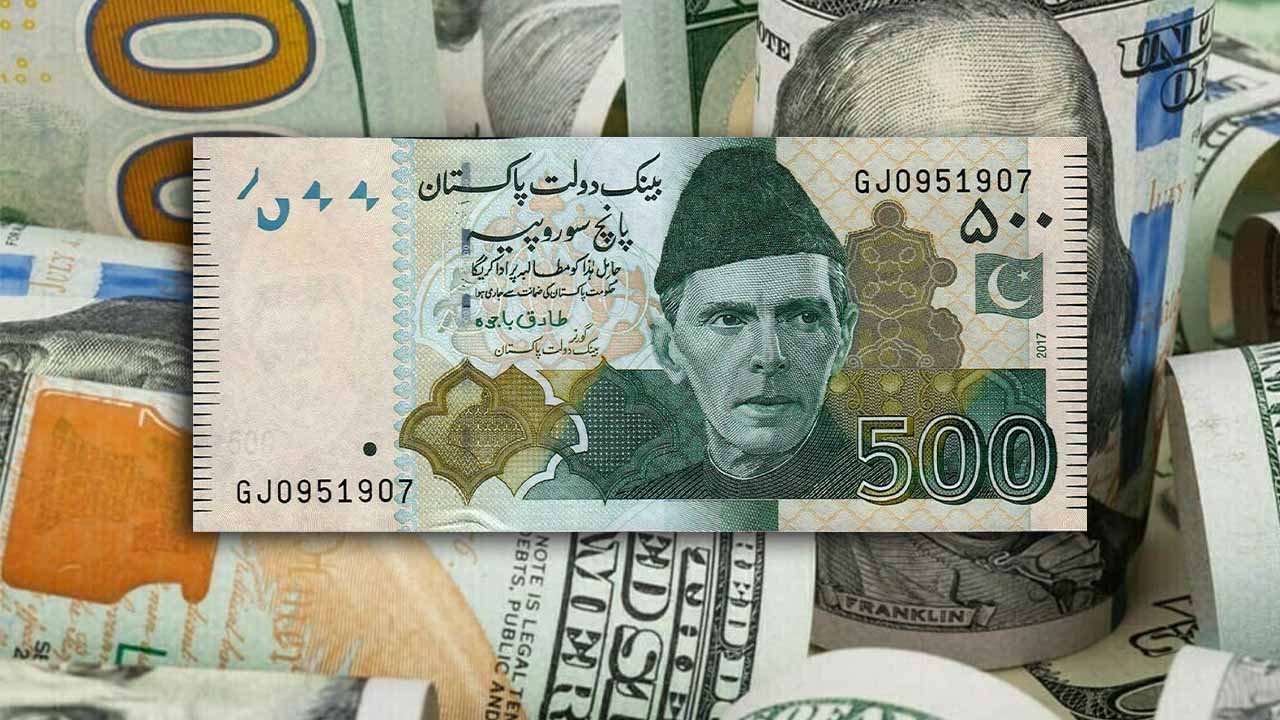
  • PKR to USD: Pakistani rupee drops to Rs288.52 against US dollar

    PKR to USD: Pakistani rupee drops to Rs288.52 against US dollar

    The Pakistani rupee continued its downward trend for the eighth consecutive session, experiencing a depreciation of 0.21 per cent against the US dollar on Tuesday. According to the State Bank of Pakistan (SBP), the rupee closed at Rs288.52, marking a decrease of Re0.6.

    Over the past eight trading sessions, the currency has lost nearly 4.2 per cent or Rs12.02 against the US dollar. On the previous day, Monday, the rupee also suffered losses against the US dollar for the seventh successive session, depreciating 0.39 per cent and settling at 287.92 in the inter-bank market.

    In a significant development, the National Electric Power Regulatory Authority (NEPRA) approved an increase in the basic electricity tariff by Rs7.5 per unit from July 1, 2023, across the country. The chairman’s remarks indicated that this decision was influenced by the election year, and political choices were being made to alleviate the burden on 68 per cent protected consumers.

    On the international front, the US dollar gained strength ahead of three major central bank meetings scheduled for the week. Meanwhile, the euro faced challenges, hitting a two-week low on Tuesday due to a deteriorating economic situation in the eurozone, which complicated the bloc’s interest rate outlook despite the European Central Bank’s (ECB) hawkish stance.
  • Pakistani rupee maintains winning streak against dollar for third day to close at Rs286.73

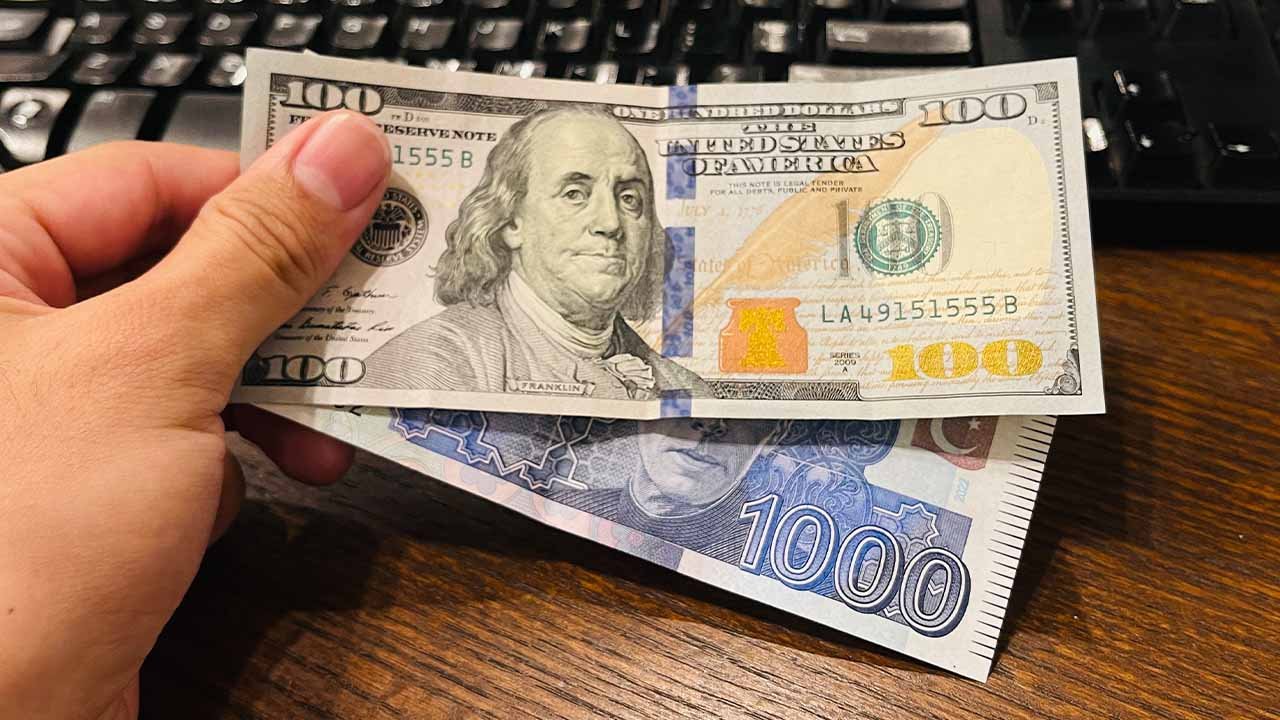
    Pakistani rupee maintains winning streak against dollar for third day to close at Rs286.73

    The Pakistani rupee continued its upward trend against the US dollar for the third consecutive session in the inter-bank market on Thursday, appreciating by 0.09 per cent. According to the State Bank of Pakistan (SBP), the currency settled at Rs286.73 at the close, showing an improvement of Rs0.25 compared to the previous day’s rate of Rs286.98.

    In a significant development, Finance and Revenue Minister Ishaq Dar met with US Ambassador to Pakistan Donald Blome on Wednesday to discuss the economic ties between Pakistan and the United States, as well as the International Monetary Fund (IMF) loan program.

    This meeting took place following the IMF’s criticism of Islamabad’s budget proposals for the fiscal year 2023-24. Esther Perez Ruiz, the IMF’s Resident Representative for Pakistan, expressed dissatisfaction with the budget proposals, describing them as a missed opportunity to broaden the tax base. She also criticised the new amnesty scheme, stating that it sets a damaging precedent.

    Separately, Prime Minister Shehbaz Sharif stated on Wednesday that the immediate goal, with the assistance of the Special Investment Facilitation Council (SIFC), is to increase Foreign Direct Investment (FDI) in the country to $5 billion.

    On the international front, the US dollar remained close to a one-month low against a basket of currencies on Thursday. This followed Federal Reserve Chair Jerome Powell’s testimony, where he maintained his usual stance and offered little room for surprise.

    Powell’s comments to lawmakers on Capitol Hill aligned with the central bank’s previous policy meeting, indicating that further rate increases are likely if the economy continues its current trajectory. As a result, the greenback depreciated by nearly 0.5 per cent against six major peers in the previous session.

    Meanwhile, oil prices slightly declined on Thursday. Market expectations of further interest rate hikes were balanced by potentially bullish US oil inventory data, which indicated a decrease in stocks.

  • Pakistan rupee recovers by one paisa against US dollar

    Pakistan rupee recovers by one paisa against US dollar

    According to the State Bank of Pakistan (SBP), the Pakistani rupee (PKR) strengthened by Rs0.01 against the US dollar in the interbank market on Tuesday.

    The local currency managed to recover and closed at Rs284.96.

    In contrast, the dollar is being traded at Rs290 in the open market.

    It’s worth noting that the rupee had reached a record low of Rs298.93 against the US dollar last week.

    Market speculation suggests that the rupee’s gains were further supported by reduced demand for foreign currency, resulting from a significant import payment between May 9 and 11, coinciding with the period of heightened political drama in the country.

    Reports indicate that the substantial dollar payment for imports had been arranged by the oil refineries. Oil imports constitute approximately one-fourth of the total import bill for a month.

    Earlier, the rupee experienced a sharp decline of 4.71 per cent or Rs14.09 in just two days (May 10-11), hitting a record low of Rs298.93/$ due to worsening political turmoil and deteriorating law and order following the arrest of former Prime Minister Imran Khan. However, the rupee managed to recover some of its losses after Khan’s release on May 12, as ordered by the court.

  • IMF loan delay continues to impact Pakistani rupee

    IMF loan delay continues to impact Pakistani rupee

    During trading on Wednesday, the Pakistani rupee experienced a slight decrease against the US dollar, with a depreciation of almost 0.06 per cent in the inter-bank market. At around 12:45 pm, the currency was being traded at Rs284.06, which is a decline of Re0.16.

    This comes after the rupee had previously regained some ground against the US dollar on Tuesday, settling at Rs283.9 in the inter-bank market. The International Monetary Fund (IMF) Extended Fund Facility (EFF) has been stalled since last year, and market participants are waiting for its resumption.

    Experts have suggested that the reduced demand for US dollars can be attributed to the increase in inflows from workers’ remittances and a decline in import payments. Globally, the dollar saw some stability on Wednesday after being influenced by bond market volatility. Investors closely monitored US economic indicators, Federal Reserve commentary, and corporate earnings for indications about the path for interest rates.

    The dollar index, which measures the greenback against six major peers, rose by 0.11 per cent to 101.83 in Asian trading, following a 0.36 per cent decline on Tuesday that reversed the 0.54 per cent increase from the previous session.

    Oil prices, which serve as a significant indicator of currency parity, declined on Wednesday as the market considered potential interest rate hikes from the Federal Reserve. Such hikes could slow growth and dampen oil consumption, offsetting the impact of falling US inventories and strong Chinese economic data.

  • Pakistani rupee reverses marginal gains, closes at Rs281.61 against US dollar

    Pakistani rupee reverses marginal gains, closes at Rs281.61 against US dollar

    On Monday, the Pakistani rupee faced renewed pressure against the US dollar, declining by 0.30 per cent in the inter-bank market after posting marginal gains on Friday. According to the State Bank of Pakistan (SBP), the rupee settled at Rs281.61, representing a decrease of Re0.84.

    Despite the rupee having found some relief on Friday with a 0.54 per cent appreciation in the inter-bank market, the currency had depreciated by 0.82 per cent against the US dollar during the previous week.

    The SBP has received inflows from China, which have provided support to critical levels of foreign exchange, but concerns over the delay in the International Monetary Fund (IMF) programme have continued to impact sentiment.

    Miftah Ismail, former Federal Finance Minister, suggested on Sunday that Pakistan should ensure 15 per cent tax on Gross Domestic Product (GDP) and 15 per cent exports to GDP in order to avoid the need for IMF programs.

    Internationally, the US dollar experienced a sharp decline on Monday due to the sudden collapse of Silicon Valley Bank (SIVB). The US government announced various measures on Monday to mitigate the impact of the bank’s collapse, including ensuring access to deposits for SVB customers and depositors of New York’s Signature Bank.