Tag: interest

  • SBP maintains policy rate at 22% for sixth consecutive time

    SBP maintains policy rate at 22% for sixth consecutive time

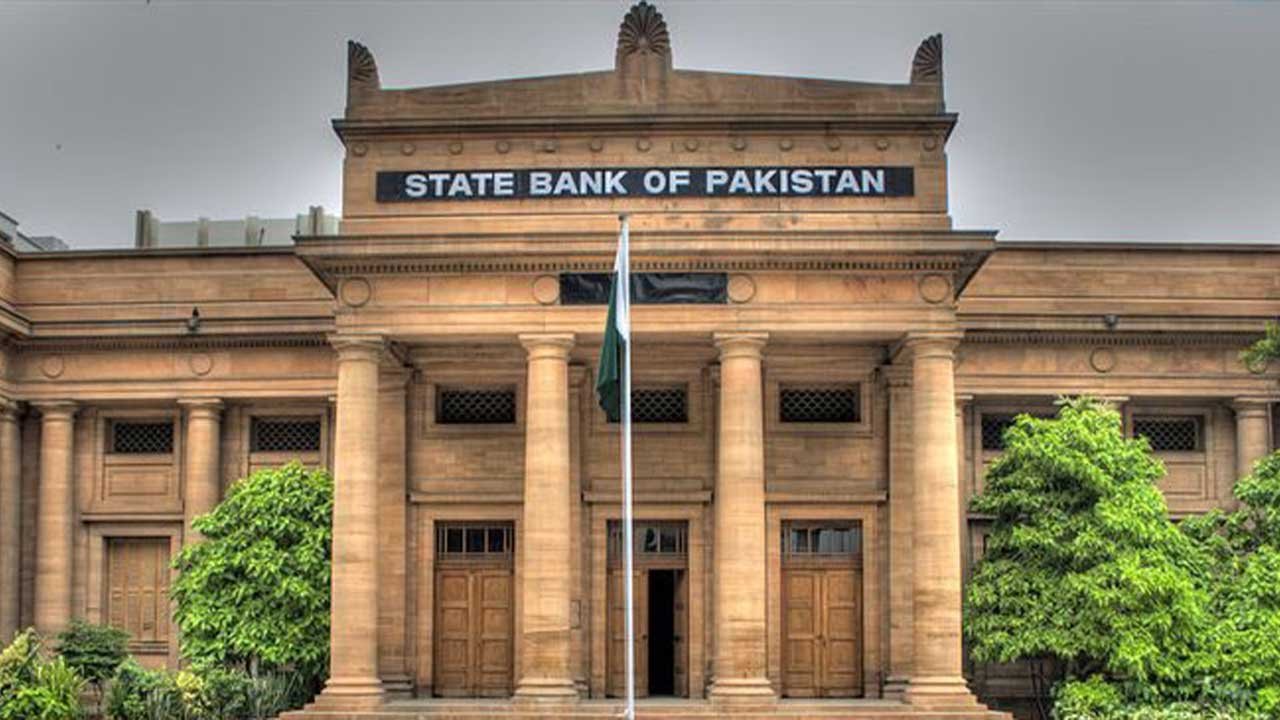
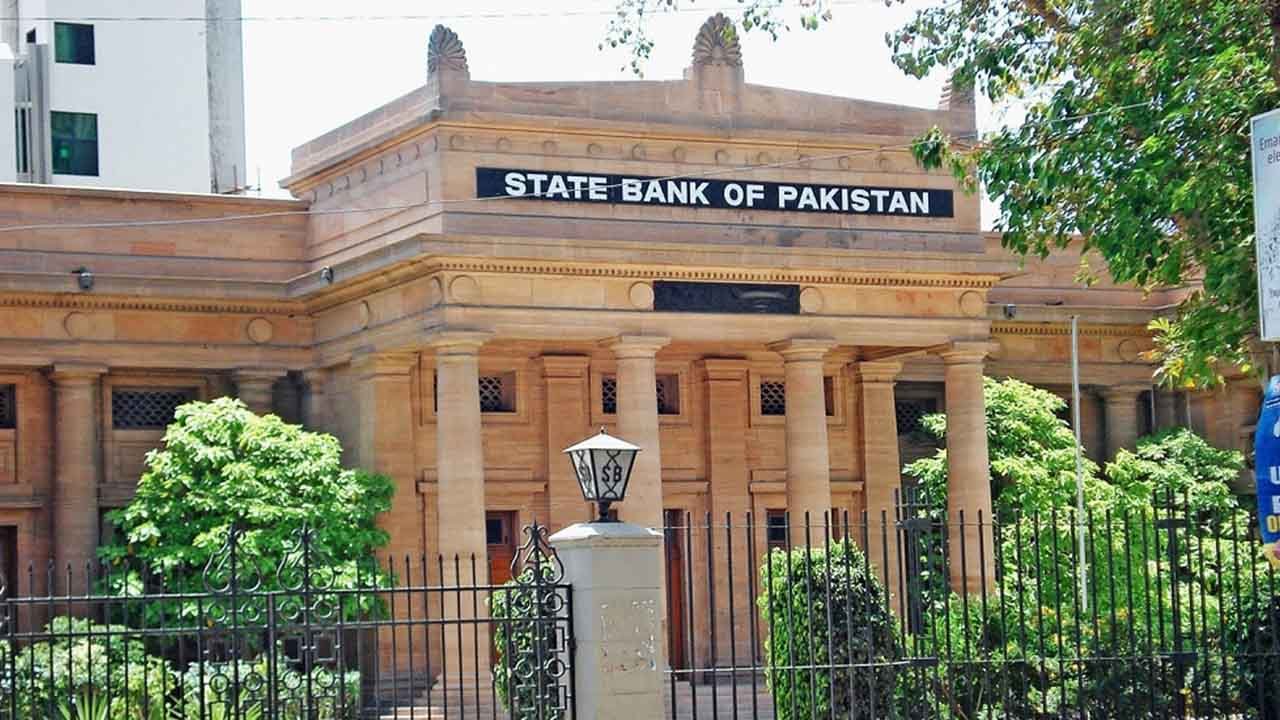
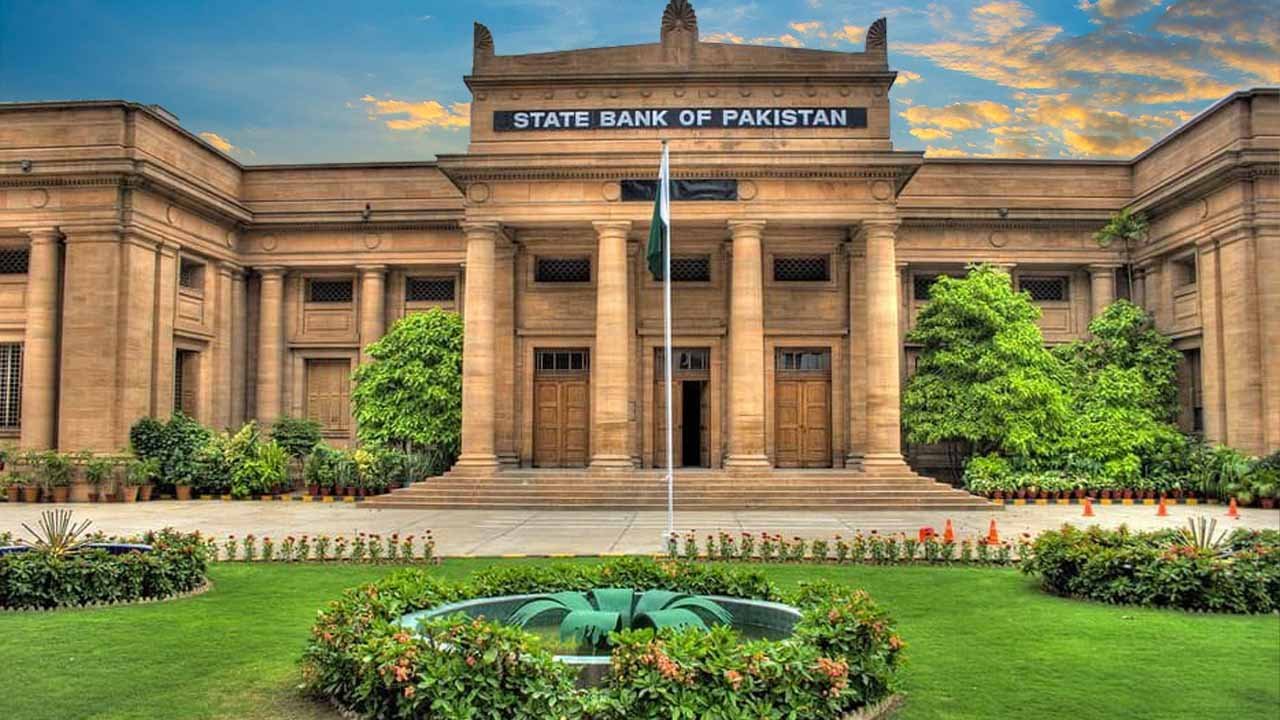
    The Monetary Policy Committee (MPC) of the State Bank of Pakistan (SBP) has opted to maintain the key policy rate at 22 per cent, marking its sixth consecutive decision to uphold the status quo.

    In its statement released on Monday, the MPC affirmed its decision, stating, “At its meeting today, the MPC decided to keep the policy rate unchanged at 22 per cent.”

    While acknowledging a visible decline in inflation as anticipated in the latter half of Fiscal Year 2024 (H2-FY24), the MPC underscored the persistently high level of inflation and the associated risks, despite a notable deceleration in February. This cautious stance is deemed necessary to steer inflation towards the target range of 5–7 per cent by September 2025.

    Against a backdrop of uncertain inflation projections, major central banks worldwide, including those in advanced and emerging economies, have remained conservative in their monetary policy approaches, as highlighted in the MPC statement.

    Emphasising the importance of sustained targeted fiscal consolidation and timely realisation of planned external inflows, the MPC reiterated that its assessment hinges on these factors.

    Furthermore, the latest economic indicators indicate a moderate upturn in economic activity, primarily driven by a rebound in agricultural output. The external current account balance has outperformed expectations, bolstering foreign exchange reserves despite subdued financial inflows. However, inflation expectations among businesses have steadily risen since December, with consumer expectations inching up in March. Additionally, while global commodity prices have generally remained stable, escalating oil prices, attributed partly to ongoing tensions in the Red Sea, present a notable exception.

    Given the uncertainties surrounding the inflation outlook, compounded by potential upward pressure from administered price adjustments or fiscal measures, the MPC deems it prudent to maintain the current monetary policy stance for the time being.

  • Customers express frustration over inability to pay for Netflix with Islamic Cards while being charged Sood for late payments

    Customers express frustration over inability to pay for Netflix with Islamic Cards while being charged Sood for late payments

    A Faysal Bank customer expressed his discontent with the bank on Facebook after his credit card was converted into a shariah-compliant card called “Noor Islamic Card”. The customer complained that he is unable to make transactions with Netflix or use the card for any “unislamic” purposes.

    He posted on Facebook, saying, “Just converted my Faysal Bank Credit into Noor Islamic Card. Now I can’t use the card on Netflix, bcoz they have become Islamic, and they cannot allow their customers to use their card on any unislamic things.”

    Other users also commented on the post, with one user pointing out that the bank still charges interest, which they refer to as Musawah payment, if a bill is not paid on time. Another user claimed that their conventional credit card was converted into a Noor Islamic Card without their consent and the bank’s response to their complaint was unsatisfactory.

    Many users expressed their frustration with the bank’s service, with some even stating that they would be closing their Faysal Islamic Card account due to the Netflix payment issue. One user also pointed out that Meezan Bank has the same policy regarding Netflix transactions.

    Another user shared their experience, stating that their Faysal Bank card did not work when they tried to buy movie tickets and food at the bank’s food court on the same day that their card was converted from a conventional card to an Islamic one. It was only then that they realized that their card had been converted.

    The conversion of conventional credit cards into shariah-compliant cards is a growing trend in Pakistan’s banking sector. While this is seen as a positive move by some customers, others are skeptical of the benefits and limitations of shariah compliant cards.

  • SBP jacks up policy rate by 300 bps to 20%

    SBP jacks up policy rate by 300 bps to 20%

    In a meeting held today, the State Bank of Pakistan’s (SBP) Monetary Policy Committee (MPC) increased the policy rate by 300 basis points (bps) to 20 per cent as a measure to curb inflationary pressure.

    The meeting’s result matched the market’s predictions, with analysts expecting the State Bank of Pakistan’s Monetary Policy Committee to implement a significant hike of 200-300 basis points.

    During today’s meeting, the MPC acknowledged that recent fiscal adjustments and depreciation of the exchange rate have resulted in a significant deterioration of the near-term inflation outlook. This has also led to an increase in inflation expectations, as indicated by the latest survey results.

    The committee anticipates that inflation will continue to rise in the coming months due to the impact of these adjustments, before gradually decreasing. The projected average inflation rate for this year is now estimated to be between 27 per cent to 29 per cent, compared to the November 2022 projection of 21 per cent to 23 per cent. Given this context, the MPC stressed the importance of stabilizing inflation expectations and implementing strong policy measures.

    On the external front, the MPC acknowledged that while there has been a substantial reduction in the current account deficit (CAD), there are still some vulnerabilities present. In January 2023, the CAD decreased to $242 million, the lowest level since March 2021.

  • SBP hikes export financing markup rates from 11% to 13%

    The State Bank of Pakistan (SBP) has revised the rates of specialised lending schemes in accordance with its increased monetary policy rate of 16 per cent.

    SBP said it had decided to reduce the gap between its policy rate and the Export Finance Scheme (EFS) and Long-Term Financing Facility (LTFF) rates from the existing 5 per cent to 3 per cent, according to a circular released by the central bank.

    The notification stated that the revised tariffs will be effective from December 30, 2022.

    “Further, as mentioned in above referred circular, in [the] future with any change in the SBP policy rate, markup rates for EFS and LTFF will be revised automatically so that the gap between [the] policy rate and EFS & LTFF rates is maintained at 3 per cent,” the central bank added.

    Exporters and industrialists, who are already feeling the strain of strong inflationary pressures together with record increases in energy costs, are anticipated to see a rise in the cost of doing business as a result of higher financing rates.

  • SBP raises policy rate to 14-year-high of 15 per cent

    SBP raises policy rate to 14-year-high of 15 per cent

    In an attempt to calm the economy, control inflation, and support the beleaguered rupee, the State Bank of Pakistan’s Monetary Policy Committee (MPC) decided to raise the policy rate by 125 basis points (bps) to 15 per cent on Thursday.

    The previous policy rate at the same level was in 2008, so the current policy rate is at a level that is 14 years higher. The committee also disclosed that, in order to improve the transmission of monetary policy, interest rates on EFS and LTFF loans are now tied to the policy rate.

    Following the MPC meeting on Thursday, SBP Acting Governor Dr Murtaza Syed gave a virtual press conference where he announced the monetary policy decision. He told the media that the rate of inflation has been rising at its highest rate since 1970.

    “Globally, inflation is at multi-decade highs in most countries, and central banks are acting aggressively, putting pressure on most emerging market currencies to depreciate,” he continued.

    He praised recent government decisions, such as ending petroleum subsidies, and claimed that these actions had made it possible to finish the IMF loan programme. Pakistan’s external financing requirements for FY23 will be met thanks to significant additional funding from external sources, which will be stimulated by the anticipated conclusion of the ongoing IMF review.

    Then, during the course of FY23, rupee pressures should ease and the SBP’s FX reserves should gradually resume their prior upward trajectory.

    According to him, monetary tightening and fiscal consolidation will cause GDP growth to moderate to 3–4 per cent in FY23, helping to close the positive output gap and lessen demand-side pressures on inflation.

    The acting governor SBP stated that, according to the MPC’s baseline outlook, headline inflation is likely to remain high in FY23, hovering around 19–20 per cent, before dropping sharply to the target range of 5–7 per cent by the end of FY24, driven by stringent policies, a normalisation of global commodity prices, and advantageous base effects.

  • SBP hikes interest rate by 150 basis points to control inflation

    SBP hikes interest rate by 150 basis points to control inflation

    The State Bank of Pakistan’s (SBP) Monetary Policy Committee (MPC) approved a 150 basis point increase in the benchmark interest rate, pushing it to 13.75 per cent to control inflation.

    It is worth noting that this is the maximum level of interest rate since 2011 when it was 14 per cent.

    The central bank mentioned in a statement that after the last MPC meeting, preliminary estimates indicate that growth in FY22 has been considerably higher than predicted.

    On May 23, the MPC agreed to hike the policy rate by 150 basis points to 13.75 per cent. “This action, together with much needed fiscal consolidation, should help moderate demand to a more sustainable pace while keeping inflation expectations anchored and containing risks to external stability.

    “External pressures remain elevated and the inflation outlook has deteriorated due to both home-grown and international factors. Domestically, an expansionary fiscal stance this year, exacerbated by the recent energy subsidy package, has fueled demand and lingering policy uncertainty has compounded pressures on the exchange rate”.

    “Globally, inflation has intensified due to the Russia-Ukraine conflict and renewed supply disruptions caused by the new Covid wave in China. As a result, almost all central banks across the world are suddenly confronting multi-year high inflation and a challenging outlook.”

    The MPC stated that raising interest rates will help to protect external and economic stability.

    “Since the last MPC meeting, secondary market yields, benchmark rates and cut-off rates in the government’s auctions have risen, particularly at the short end. The MPC noted that the market rates should be aligned with the policy rate and in case of any misalignment after today’s policy decision, the SBP would take appropriate action”.

    According to the report, overall inflation climbed from 12.7 per cent (year on year) in March to 13.4 per cent in April, led by consumable food products and core inflation. “The rise in core inflation reflects strong domestic demand and second-round effects of supply shocks,” it noted.

    The MPC believes that when power and fuel subsidies are phased out, inflation will spike momentarily and remain strong through FY23 before falling steeply in FY24. “This baseline outlook is subject to risks from the path of global commodity prices and the domestic fiscal policy stance,” it said.

  • Turkey: Food prices surged by 89 per cent, transportation costs increased by 106 per cent

    Turkey: Food prices surged by 89 per cent, transportation costs increased by 106 per cent

    Turkey’s inflation rate skyrocketed to almost 70 per cent last month, creating a substantial challenge for President Recep Tayyip Erdogan, whose unusual economic strategies are frequently blamed for the country’s economic woes.

    Erdogan, defying economic conventional wisdom, insists that major interest rate cuts are essential to reduce spiralling consumer costs.

    Turkey’s consumer price index (CPI) climbed by 69.97 per cent on a year-on-year (YoY) basis in April 2022, compared to 61.14 per cent in March 2022, according to the national statistics agency, indicating a massive increase.

    The transportation industry saw the largest price rises in April, up 105.9 per cent, while food and non-alcoholic drinks cost increased by 89.1 per cent.

    Likewise, lira’s depreciation has quadrupled the cost of energy imports, and international investors are progressively fleeing the formerly emerging economy. Energy price hikes and production constraints have been worsened by Russia’s invasion of Ukraine and the coronavirus outbreak.

    According to economists, Turkey’s yearly inflation rate – the highest since Erdogan’s ruling AKP party took office in 2002 – is entirely due to Erdogan’s unusual economic thinking.

    Read more: Transporters continue to overcharge ahead of Eid-ul-Fitr

    Erdogan has pushed the supposedly independent central bank to reduce interest rates. Despite strong inflation, the bank maintained its benchmark interest rate for the fourth month in a row in April, yielding to criticism.

  • State Bank of Pakistan hikes interest rate to 12.25% in an emergency meeting

    State Bank of Pakistan hikes interest rate to 12.25% in an emergency meeting

    Following an emergency meeting, the State Bank of Pakistan (SBP) raised interest rates by 250 basis points, as mounting political uncertainty and rising worldwide oil prices threaten to drive the country into a full-fledged economic catastrophe.

    The key rate is now 12.25 per cent, as per the latest statement released by the central bank on Thursday. According to the report, this makes the real rate “mildly positive” and will assist maintain external and price stability.

    The judgment came a few hours before the Supreme Court was due to rule on the constitutionality of Prime Minister Imran Khan’s disputed move to dissolve parliament and hold new elections. Pakistan may find it difficult to persuade the International Monetary Fund (IMF) to grant a much-needed loan tranche due to the political limbo.

    At the recent briefing, SBP governor, Reza Baqir, said, “We thought it’s important to take decisive action”.  He added that the body does not intend to do anything else.

    The central bank claimed that intensified domestic political turmoil contributed to the rupee’s 5 per cent loss and caused a jump in local bond rates, as well as Pakistan’s Eurobond yields and Credit Default Swap (CDS) spreads. Oil prices are likely to remain elevated, and the Federal Reserve of the United States is expected to compress sooner than expected, according to the report.

    The PKR broke all records on Thursday, selling at more than Rs189 per dollar in intraday trading in the interbank market, continuing a slump that has witnessed its decline of more than 10 per cent since March 4.

    Read more: Pakistan to import 32.7 million barrels of oil to cover petroleum needs

    Pakistan’s political instability, in addition to money from the IMF, is causing delays in a planned $1 billion green bond offering. A refinancing from China is also expected; the repayment in recent weeks caused Pakistan’s foreign-exchange reserves to plummet to their lowest level since records began in 2010.

    In a meeting last month, SBP cautioned that it might convene earlier than planned to avoid a crisis. It revised its average inflation prediction for the fiscal year ending in June from 9 per cent to little more than 11 per cent.

  • Pakistan to import 32.7 million barrels of oil to cover petroleum needs

    Under a deferred payment agreement with the Saudi Fund for Development (SFD), Pakistan would acquire roughly 32.7 million barrels (MBL) of crude oil in 2022 to cover its petroleum product needs.

    The Pak-Arab Refinery Company Limited (PARCO) and National Refinery Limited (NRL) plan to import 16.89 and 15.81 million barrels of oil in the ongoing year, respectively.

    Crude oil worth $100 million per month may be imported under the terms of the arrangement, with payment deferred for a year. The price will be set in accordance with the existing long-term agreement between Saudi Aramco, PARCO, and NRL.

    The facility will be available for a 12-month period, which may be increased for one year. The withdrawn funds, plus the margin of 3.8 per cent, will be repaid in one annual installment in US dollars.

    Previously, In June 2021, the Saudi government agreed to pay $4.2 billion in providing economic aid to Pakistan, which was legally formalised in November. While the SFD programme has been in effect since March 7, 2022, and oil purchase has now already begun.