Tag: Interest rate

  • Experts predict two per cent rate cut as inflation plummets to 44-month low

    Experts predict two per cent rate cut as inflation plummets to 44-month low

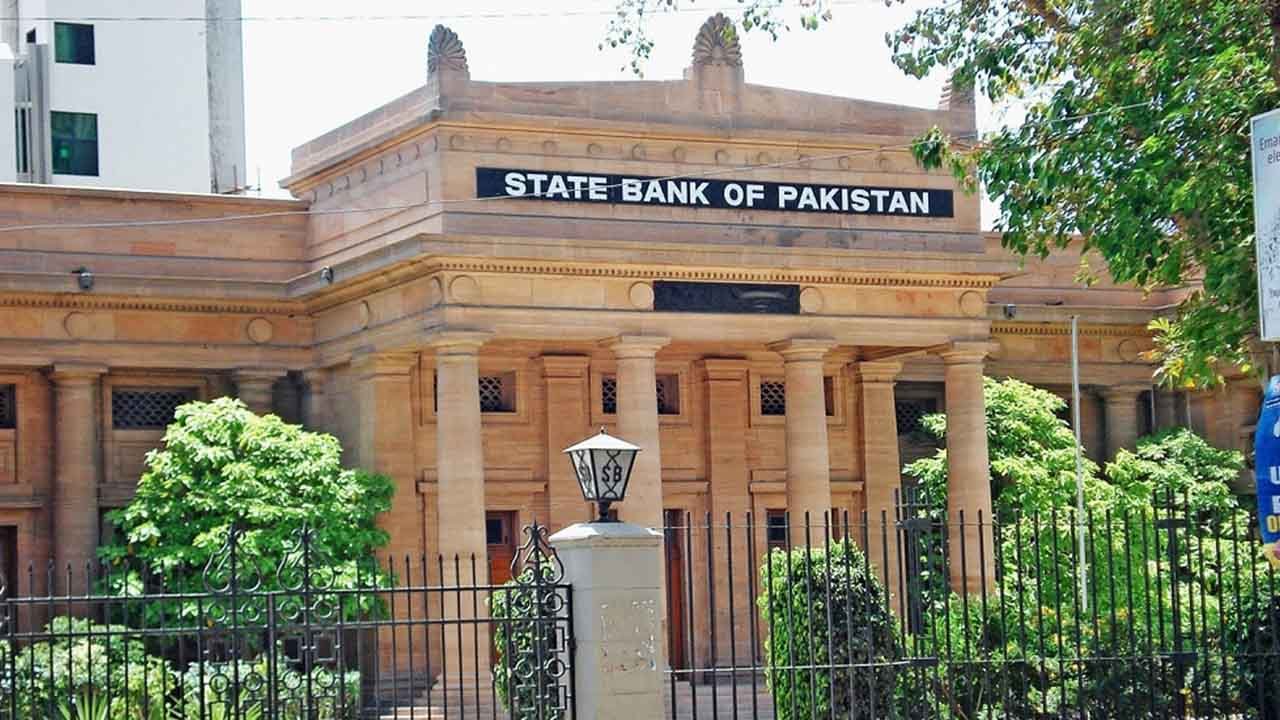
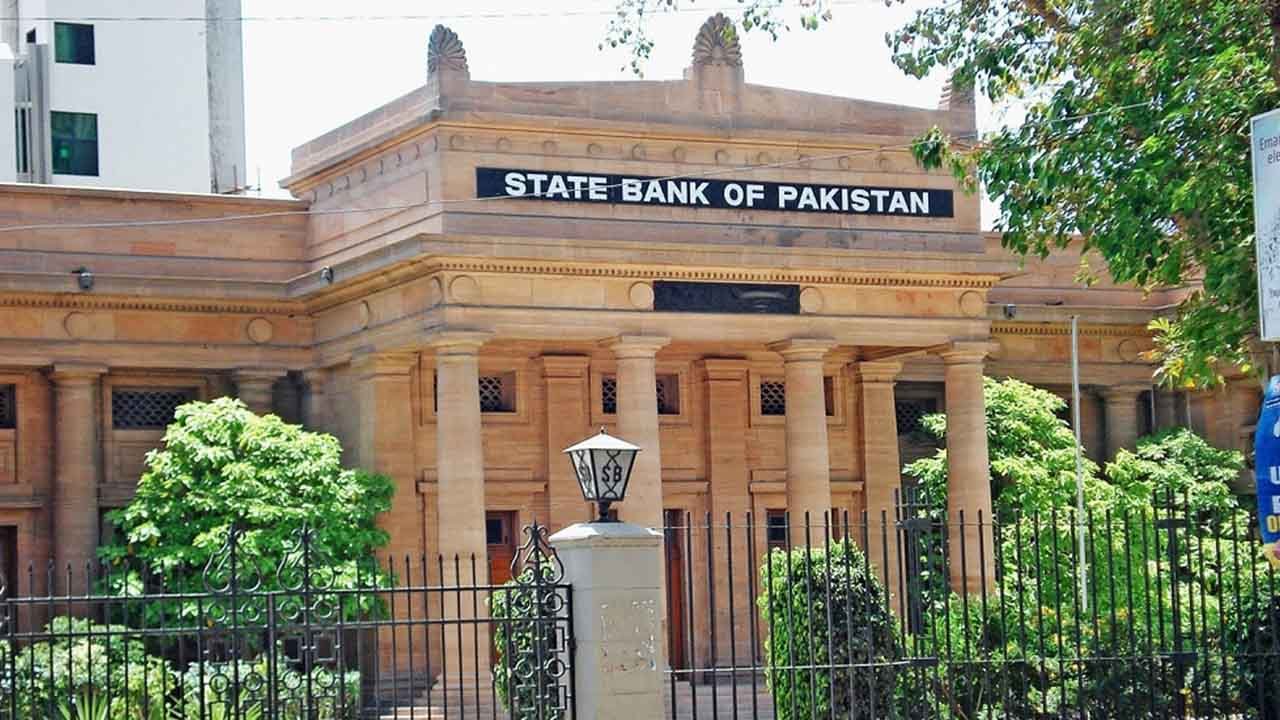
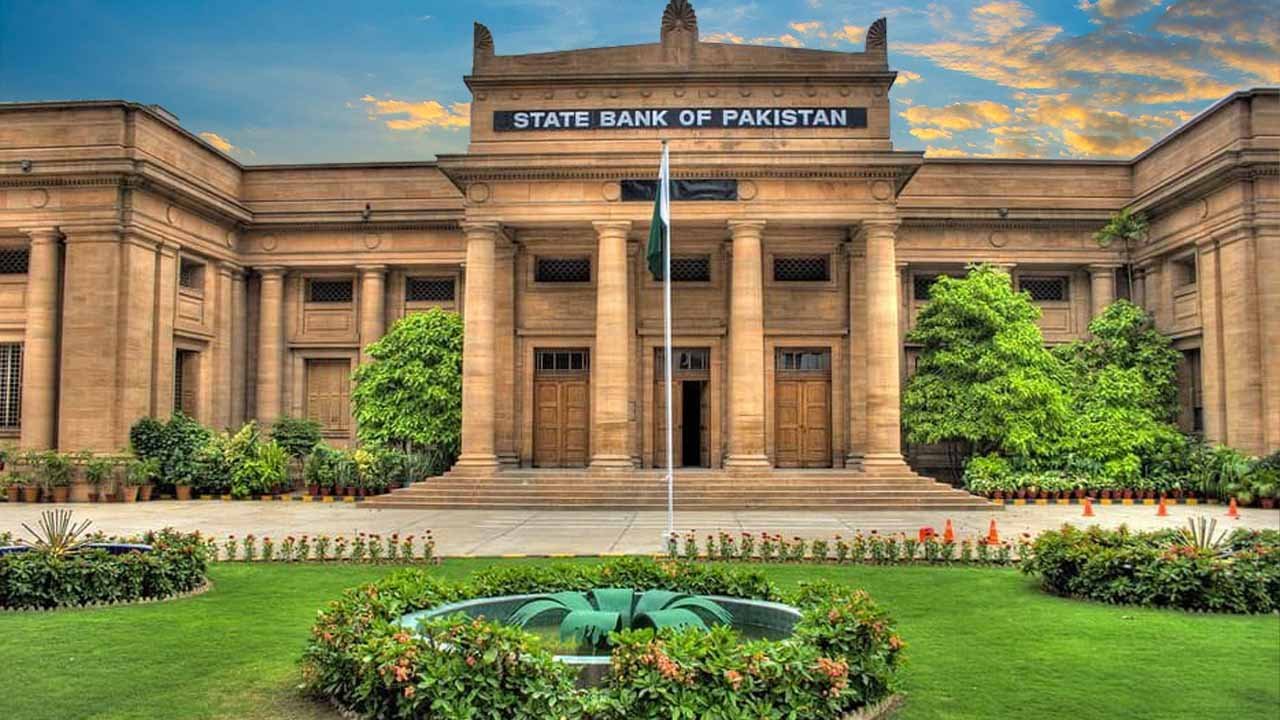
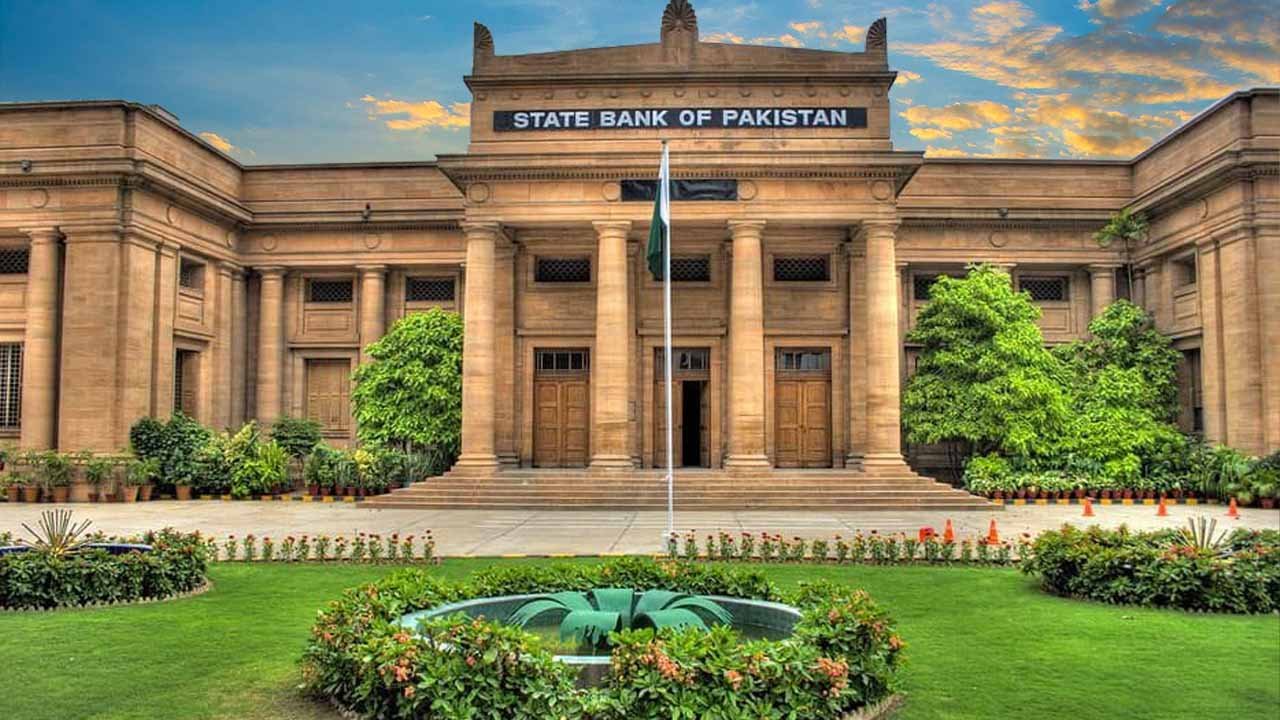
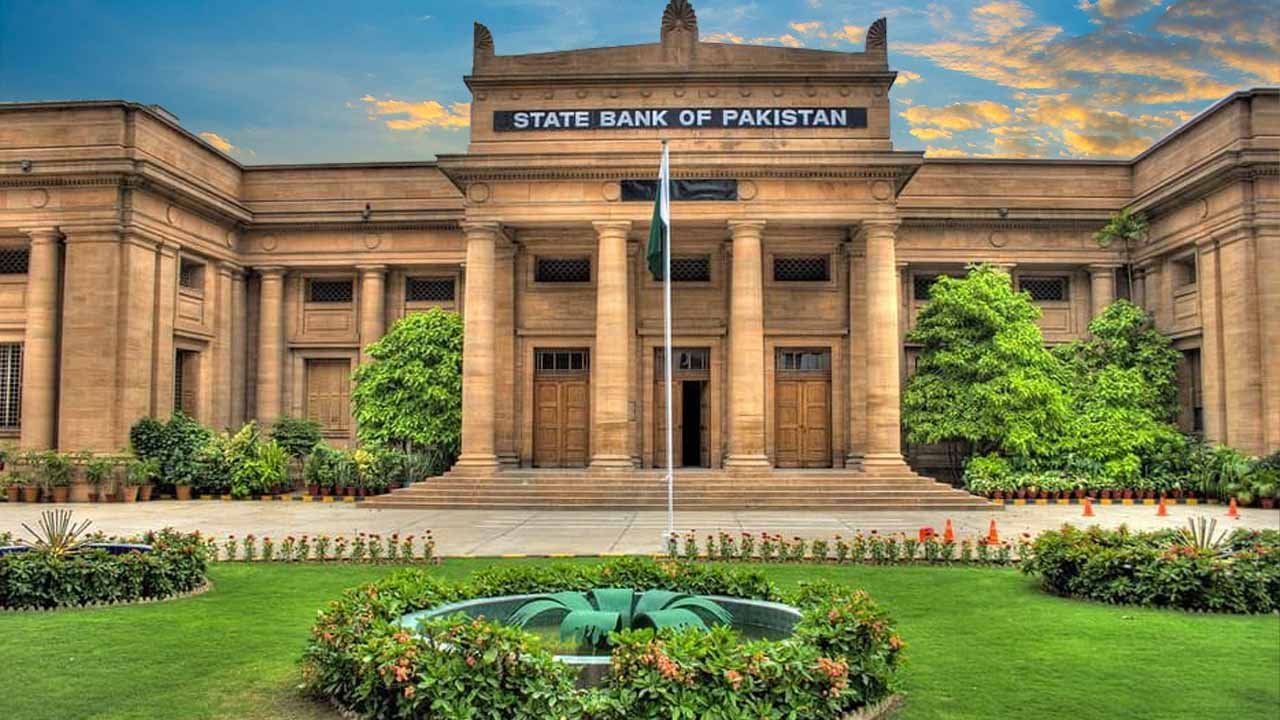
    Business owners look towards the State Bank of Pakistan (SBP) to cut interest rates yet again as the inflation rate reached a low of 6.9 per cent in September 2024. The interest rate is expected to fall around two per cent to 15.5 per cent – the lowest in around four years.

    The SBP, like other national central banks, uses the interest rate as a tool to control the inflation rate. With annual inflation rates touching 29.18 per cent in 2023, the SBP set an interest rate of 22 per cent to maintain skyrocketing price levels.

    With inflation rates touching a 44-month low, however, economic experts believe that the state bank will reduce the policy rate.

    Recently, inflation rates have been dropping steadily and September’s sharp decline of 28 per cent in the monthly inflation rate is proof of just that. This is certainly good news for businesses that have been affected by high inflation rates.

    This is because they had been suffering from having to pay extortionate “menu costs”. Menu cost refers to the expense a business has to pay to order new price tags, put up new billboards, and as the name suggests, print new menus.

    Aside from these costs, the previous year saw a slowdown in sales as customers experienced a “sticker shock” factor every time they found out that prices had increased. However, with inflation rates expected to fall to as low as six per cent in October, businesses are expected to recover even faster than last year’s surge in inflation.

    This expected drop in interest rates is likely to spell great news for businesses. This is because investors who had their money parked in savings accounts in banks will find it more profitable to invest in actual businesses.

    This will create a huge shift in funds from savings accounts to business projects.

    For reference, the average return to the sugar industry, considered to be extremely profitable, in 2023 was 18 per cent while interest rates sat at over 20%. A rational businessman would not forgo a risk-free return in favour of a risky investment that has a lower return.

    With interest rates projected to drop to 15.5 per cent, however, a shift in funds will likely be seen from banks to businesses.

    Moreover, the PSX (Pakistan Stock Exchange) has seen an incredible year, sitting at just under 89,000 points. Increased investor confidence is likely to continue with dropping interest rates as more money will pour into the stock exchange from banks.

    Aside from the increase in projected investment levels by external investors, business owners will probably be more inclined to finance projects using debt if interest rates drop. This is because they will know that they now have to pay much lower interest payments if they borrow money.

    Likewise, consumers might also take up these cheaper loans to buy items from businesses – increasing the sales of business owners. If SBP slashes interest rates, businesses are set to profit enormously.
  • SBP lowers policy rate to 19.5%, citing improved inflation trends

    SBP lowers policy rate to 19.5%, citing improved inflation trends

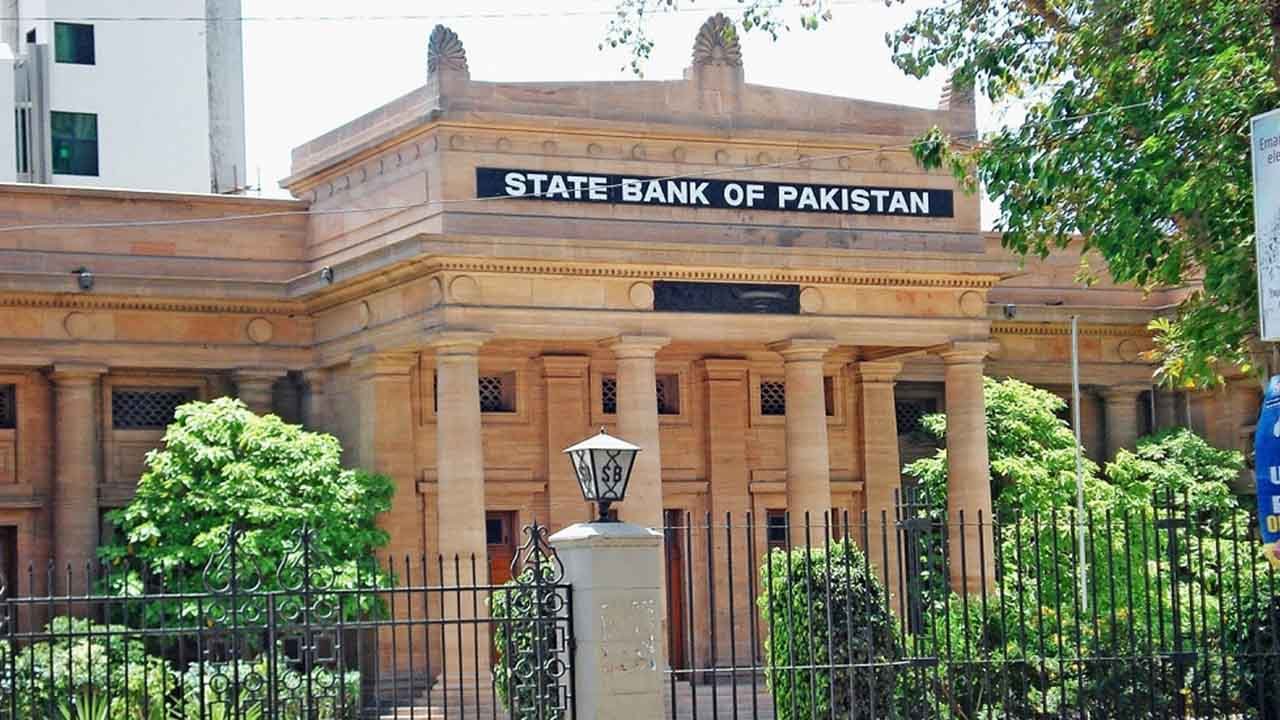
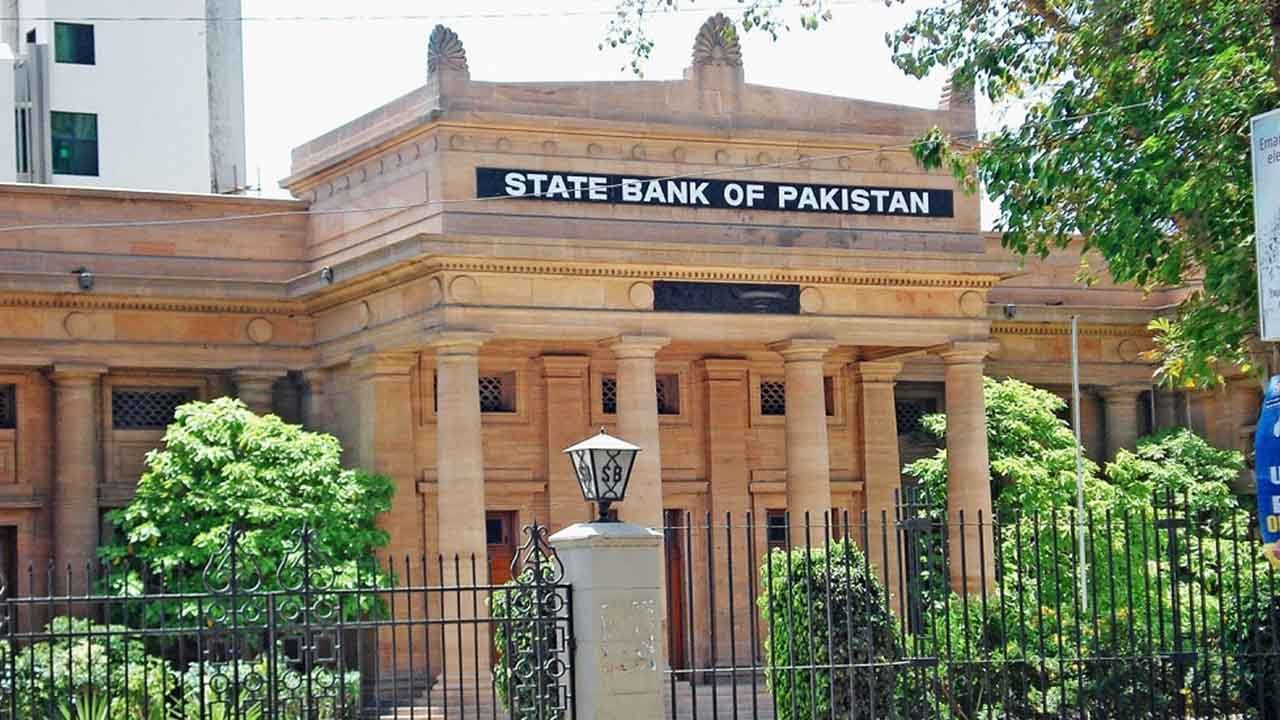
    In a move aimed at stimulating economic activity, the State Bank of Pakistan (SBP) has lowered its key policy rate by 100 basis points, bringing it down to 19.5 per cent.

    SBP Governor Jameel Ahmad announced the rate cut during a press conference on Monday, highlighting that June 2024 inflation figures were slightly better than expected. He noted that the inflationary effects of the Federal Budget for FY25 aligned with earlier predictions.

    Furthermore, Ahmad pointed to an improvement in the external account, evidenced by an increase in the SBP’s foreign exchange reserves despite substantial debt repayments.

    The Monetary Policy Committee (MPC) justified the rate reduction by emphasising the room for easing monetary policy while maintaining control over inflation. The MPC believes that despite this reduction, the policy stance remains sufficiently stringent to steer inflation towards the medium-term target of 5–7 per cent.

    This policy adjustment comes after Pakistan’s recent agreement with the International Monetary Fund (IMF) and the announcement of the federal budget.

    Market sentiment, as reported by Arif Habib Limited (AHL), anticipated the rate cut, with a poll indicating that 55.7 per cent of respondents expected a reduction. AHL’s report predicted the rate would drop to 19.5 per cent, a level not seen since March 2023.

    Additionally, Topline Securities also forecasted a similar reduction, attributing it to receding inflationary pressures.

    The decision follows key events including the entry into a new $7 billion Extended Fund Facility (EFF) programme with the IMF and the latest federal budget.

    These developments, along with recent improvements in macroeconomic indicators, have influenced the central bank’s move to lower the policy rate.

  • SBP expected to cut policy rate on Monday

    SBP expected to cut policy rate on Monday

    The Monetary Policy Committee (MPC) of the State Bank of Pakistan (SBP) is scheduled to convene on Monday, June 10, to deliberate on the nation’s monetary policy. This crucial meeting will be closely watched by market participants and economic analysts.

    Following the MPC meeting, the SBP is expected to release its monetary policy statement via a press release later the same day.

    In the most recent MPC meeting held on April 29, the committee opted to maintain the interest rates at a historic high of 22 per cent, marking the seventh consecutive meeting where rates remained unchanged.

    Speculation is rife among market analysts that the SBP may reduce its policy rate by 100 basis points (bps). If this anticipated reduction materialises, it would be the first rate cut in nearly four years, signalling a potential shift in the SBP’s approach after an extended period of stringent measures aimed at combating rampant inflation.

    The MPC’s decision is set to precede the announcement of the federal budget for 2024-25, adding further significance to Monday’s meeting.

    A potential rate cut could indicate a strategic move to stimulate economic growth and provide relief to businesses and consumers alike in the run-up to the new fiscal year.

  • SBP holds key policy rate at 22% for seventh consecutive time

    SBP holds key policy rate at 22% for seventh consecutive time

    The State Bank of Pakistan (SBP) announced on Monday that it is maintaining its key policy rate at 22 per cent, marking the seventh consecutive meeting with no changes to the rate.

    The Monetary Policy Committee (MPC), in its meeting, discussed ongoing macroeconomic stabilisation measures.

    The committee noted that these measures have contributed to noticeable improvements in both inflation and the external economic position. This comes against a backdrop of moderate economic recovery.

    The MPC’s statement following the meeting acknowledged that, while inflation has begun to improve, it remains high.

    The committee also mentioned that global commodity prices seem to have stabilised, indicating resilience in global economic growth.

    However, the committee highlighted a number of uncertainties. It pointed out that recent geopolitical events have created additional uncertainty in the global economic outlook.

    Additionally, the upcoming budgetary measures might affect short-term inflation trends.

    Given these factors, the MPC concluded that the current monetary policy stance should be maintained to achieve its inflation target of 5 to 7 per cent by September 2025.

  • SBP likely to hold interest rate at record 22% amid IMF negotiations

    SBP likely to hold interest rate at record 22% amid IMF negotiations

    The State Bank of Pakistan (SBP) is expected to maintain its record 22 per cent interest rate at its upcoming policy meeting on Monday.

    This marks the seventh consecutive meeting with rates held steady, as Pakistan navigates discussions with the International Monetary Fund (IMF) for a new long-term funding arrangement.

    The central bank’s decision comes ahead of an IMF Executive Board meeting to discuss a $1.1 billion disbursement, the final tranche of a $3 billion Stand-By Arrangement.

    A Reuters poll of 14 analysts predicts the SBP will hold its rate, though there are mixed forecasts within the group.

    Four analysts anticipate a 100-basis-point (bps) cut, while two expect a 50-bps cut. Eight believe the SBP will cut rates before securing a new IMF programme.

    The central bank’s next Monetary Policy Committee (MPC) meeting is scheduled for June 10, potentially before Pakistan’s expected new IMF agreement.

    Finance Minister Muhammad Aurangzeb mentioned that discussions with the IMF for a longer-term programme will begin next month, aiming for a staff-level agreement by early July.

    Pakistan’s last rate hike was in June 2023 to combat inflation and meet IMF requirements. Consumer Price Index (CPI) data for March showed a 20.7 per cent increase from the previous year, with a peak of 38 per cent in May.

    However, inflation is slowing, partly due to the “base effect,” with April’s CPI expected to be around 17.5 per cent, according to businessman Arif Habib.

    The SBP’s monetary policy decisions will consider various factors, including inflation trends and geopolitical tensions affecting fuel prices.

    Tahir Abbas, head of research at Arif Habib Limited, suggests rates won’t be cut until a new IMF programme is in place.

    Looking ahead, Mustafa Pasha, Chief Investment Officer at Lakson Investments, predicts a small rate reduction in the current quarter, with significant cuts in the September quarter.

    According to Business Recorder, this is driven by the need to roll over approximately 6.7 trillion rupees in domestic treasury bills in late 2024 and expected stabilization in inflation and foreign exchange inflows.

    He forecasts that the interest rate could settle around 17 per cent by December.

  • State Bank of Pakistan set to announce policy rate decision today

    State Bank of Pakistan set to announce policy rate decision today

    The State Bank of Pakistan (SBP) will soon unveil its latest monetary policy for the upcoming two months.

    In an official statement, the central bank declared that the Monetary Policy Committee (MPC) of SBP will convene on Monday, October 30, 2023, to determine the monetary policy. SBP will then issue the Monetary Policy Statement via a press release on the same day.

    Currently, the State Bank’s policy rate stands at 22 per cent. Since October 2021, the central bank has increased its policy rate by a cumulative 1,500 basis points in an effort to combat rising inflation and bolster the external balance. This rate has remained unchanged since July 2023.

    The forthcoming policy rate announcement is poised to exert a substantial influence on Pakistan’s industries and inflation rate.

    In the most recent meeting held in July, the State Bank of Pakistan (SBP) resolved to maintain the interest rate at 22 per cent.

    The Monetary Policy Committee of the central bank meticulously assessed economic data and the prevailing inflation situation before opting to retain the interest rate. It’s worth noting that substantial progress has been achieved in the current account, thanks to government initiatives.

    This decision comes against the backdrop of Pakistan contending with a high inflation rate, currently pegged at 29.65 per cent.

  • SBP expected to increase interest rates again on IMF insistence

    SBP expected to increase interest rates again on IMF insistence

    The State Bank of Pakistan (SBP) is reportedly considering increasing the interest rate by 2 per cent during the upcoming Monetary Policy Committee (MPC) meeting in a bid to unlock the International Monetary Fund (IMF) programme.

    This follows failed negotiations between the Shehbaz Sharif-led government and the IMF, with the latter demanding that Pakistan raise the interest rate by 4 per cent due to its belief that inflation is lower in Pakistan as per the interest rate.

    The SBP had already increased the interest rate by 2 per cent, but now the IMF is reportedly pressuring Islamabad to raise it again by 2 per cent. The MPC is scheduled to meet on April 4 to review the interest rate as per the IMF’s demand.

    According to The News, the SBP has reportedly agreed to raise the interest rate by 2 per cent in accordance with the Fund’s demands. On March 2, the SBP raised the monetary policy rate by 300 basis points to 20 per cent due to a deterioration in inflation outlook and expectations amid recent external and fiscal adjustments.

  • SBP set to raise interest rates in response to IMF’s call for tighter monetary policy

    SBP set to raise interest rates in response to IMF’s call for tighter monetary policy

    The State Bank of Pakistan’s (SBP) Monetary Policy Committee (MPC) is expected to raise interest rates during an off-cycle review scheduled for today.

    The decision to hold this meeting earlier than the previously scheduled date of March 16th was made in an effort to expedite efforts to secure the anticipated International Monetary Fund (IMF) tranche.

    SBP’s MPC, established under the SBP Amendment Act, is authorized to make decisions based on macroeconomic fundamentals. Market expectations are for a benchmark interest rate increase, given the recent rise in treasury yields and growing investor concerns about rising inflation in Pakistan and globally.

    Reports suggest that the coalition government has agreed to raise interest rates from 17 per cent to 19 per cent in response to one of the IMF’s key conditions for reviving the loan program.

    Analysts recommend advancing the MPC meeting date to avoid the failure of the next T-bill auction. Discussions with the IMF have included the possibility of further monetary policy tightening and building up foreign exchange reserves by June 2023.

    The IMF has urged the SBP to raise the policy rate by 300 to 400 basis points to achieve a positive trajectory. Pakistan is taking measures to secure IMF funding, such as raising taxes, removing blanket subsidies, and relaxing exchange rate restrictions.

    While the government is optimistic about reaching a deal with the IMF, reports indicate that the lender expects interest rates to rise. Off-cycle rate reviews are not unusual in Pakistan.

  • Pakistan accepts IMF pre-condition to increase interest rate by 2%

    Pakistan accepts IMF pre-condition to increase interest rate by 2%

    Pakistan has agreed to increase its policy (interest) rate by two percent or 200 basis points, as a pre-condition for the release of $1.1 billion in critical funding from the International Monetary Fund (IMF). The funding is part of a $6.5 billion bailout package.

    The increase is based on rates set by the government in an auction to raise domestic debt and will push the interest rate to 19 per cent. This is just below the previous record of 19.5 per cent set in October 1996.

    Sources from the Ministry of Finance stated that there had been technical-level discussions between Islamabad and the IMF review mission and that it was expected that Islamabad would increase the interest rate by two percent. Most of the pre-conditions set by the IMF had been fulfilled, according to these sources.

    Sources also indicated that discussions on some issues related to the power sector were in the final stages, after which a staff-level agreement with the IMF would be reached. Additionally, Pakistan provided a detailed briefing to IMF officials on the sources of foreign exchange until June.

  • SBP hikes key interest rate by 100 bps to 17%

    SBP hikes key interest rate by 100 bps to 17%

    The State Bank of Pakistan’s (SBP) Monetary Policy Committee (MPC) on Monday raised the policy rate by 100 basis points to 17 per cent, which is highest since October 1997.

    The MPC of the State Bank convened today with Governor SBP Jameel Ahmad in the chair to announce the first scheduled monetary policy for the calendar year 2023.

    The SBP governor said that the MPC also performed a detailed analysis of the country’s inflation. “The committee believed that a 1 per cent hike [in the interest rate] to anchor inflation was necessary.”

    In November 2022, the MPC raised the policy rate by 100 basis points to a two-decade high of 16 per cent.

    The committee, in its meeting, noted that inflationary pressure was persistent. “It noted that price stability was required to control inflation and maintain the growth rate,” Ahmad said.

    “Our short-term challenges, including current account deficit, remain. There is some delay in the inflows we were expecting due to which our reserves are under pressure.”

    Thirdly, the committee noted the global economic situation, including the International Monetary Fund and the World Bank’s downgrading of the global economic growth rate and the prevailing uncertainty. “It affects our market directly or indirectly. For example, our exports and remittances are impacted.”

    The Monetary Policy Committee took the decision to raise the policy rate after a detailed analysis of the country’s external and fiscal position, the SBP governor said.