Tag: interest rate hike

  • SBP data reveals 23.5% YoY decline in auto loans

    SBP data reveals 23.5% YoY decline in auto loans

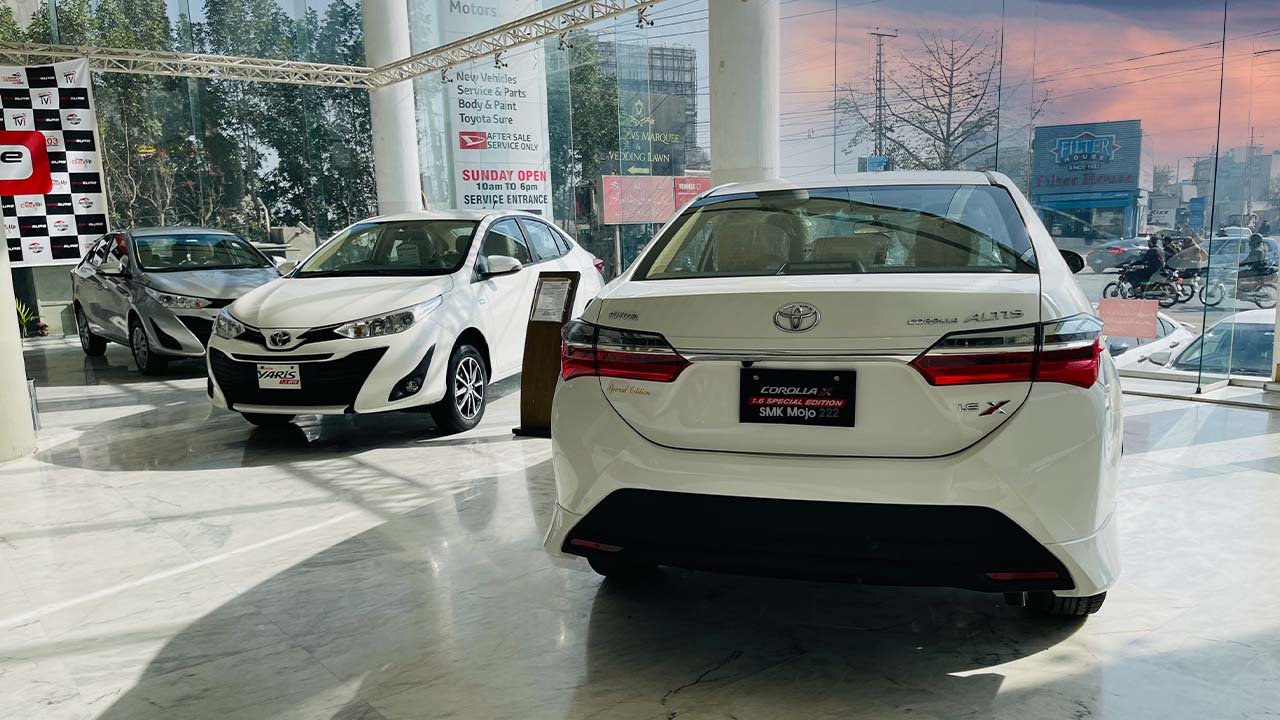
    In October, auto loans faced a decline for the 16th consecutive month due to high interest rates and inflation, as per data released by the State Bank of Pakistan (SBP).

    According to the SBP, auto loans witnessed a year-on-year drop of 23.5 per cent, amounting to Rs264 billion, and a month-on-month decrease of 3 per cent, down from Rs272 billion in September.

    While auto loans had peaked at Rs368 billion in June 2022, a subsequent decrease of Rs104 billion, or 28 per cent, occurred. This decline followed the SBP’s implementation of tighter monetary policies to address inflation and external imbalances.

    Financial analysts attribute this trend to the SBP’s measures, including elevated interest rates and the rupee’s significant depreciation against the dollar.

    These factors have led to increased costs in car financing and higher car prices, rendering them unaffordable for many consumers. The surge in inflation has further diminished consumer purchasing power.

    An analyst stated, “The auto sector bears the brunt of high interest rates and currency devaluation, rendering car financing and prices prohibitively expensive.”

    Despite recent price reductions by some car manufacturers, the anticipated boost in demand has not materialized. Consumers continue to grapple with high inflation and limited disposable income.

    Data from the Pakistan Automotive Manufacturers Association (PAMA) reveals a 44 per cent decline in car sales, totaling 27,163 units in the first four months of the current fiscal year, commencing in July.

    The SBP has aggressively increased its policy rate by a cumulative 15 percentage points to 22 per cent since September 2021, marking one of the world’s highest rates.

    Speculation suggests that the SBP will initiate a monetary policy easing in the first half of 2024, anticipating a relief in inflationary pressures and an improvement in foreign inflows to enhance the country’s external position.

    SBP data indicates a 0.8 per cent decrease in bank loans to the private sector, amounting to Rs8.10 trillion in October.

    Consumer loans, including an 8 per cent drop to Rs829 billion, witnessed personal loans declining by 4 per cent to Rs246 billion and housing loans falling by 2.7 per cent to Rs207 billion.

    Analysts predict an upswing in credit to the private sector in the coming months, as decreasing interest rates, fiscal consolidation, reducing crowding out, and improved foreign inflows are expected to alleviate liquidity constraints.
  • State Bank of Pakistan set to announce policy rate decision today

    State Bank of Pakistan set to announce policy rate decision today

    The State Bank of Pakistan (SBP) will soon unveil its latest monetary policy for the upcoming two months.

    In an official statement, the central bank declared that the Monetary Policy Committee (MPC) of SBP will convene on Monday, October 30, 2023, to determine the monetary policy. SBP will then issue the Monetary Policy Statement via a press release on the same day.

    Currently, the State Bank’s policy rate stands at 22 per cent. Since October 2021, the central bank has increased its policy rate by a cumulative 1,500 basis points in an effort to combat rising inflation and bolster the external balance. This rate has remained unchanged since July 2023.

    The forthcoming policy rate announcement is poised to exert a substantial influence on Pakistan’s industries and inflation rate.

    In the most recent meeting held in July, the State Bank of Pakistan (SBP) resolved to maintain the interest rate at 22 per cent.

    The Monetary Policy Committee of the central bank meticulously assessed economic data and the prevailing inflation situation before opting to retain the interest rate. It’s worth noting that substantial progress has been achieved in the current account, thanks to government initiatives.

    This decision comes against the backdrop of Pakistan contending with a high inflation rate, currently pegged at 29.65 per cent.

  • State Bank of Pakistan expected to raise key policy rate to record-high

    State Bank of Pakistan expected to raise key policy rate to record-high

    The State Bank of Pakistan (SBP) is expected to raise its policy rate by a significant 100-200 basis points in light of the country’s economic situation and historically high inflation reading. Financial analysts anticipate the Monetary Policy Committee to increase its key policy rate to 21-22 per cent at the review today (April 4) to curb inflation. This decision is expected to discourage private-sector borrowing since an increase in currency in circulation can drive inflation up.

    In March, the central bank raised its key rate by a massive 300 basis points to a record-high level of 20 per cent, surpassing market expectations to meet the International Monetary Fund’s requirements for the release of its pending bailout funds. The country recorded historic high inflation at 35.4 per cent in March on an annualized basis, with core inflation, excluding energy and food prices, increasing to 18.6 per cent in urban areas and 23.1 per cent in rural areas.

    The market’s reaction to surging inflation is evident from the recent rise in bond market rates driven by investors’ bullish outlook. According to a survey conducted by Arif Habib Limited, 57.7 per cent of respondents expect the policy rate to increase. Of these respondents, 30.8 per cent are predicting a rate hike of 100bps and 26.9 per cent foreseeing a rate hike of 200 bps. Meanwhile, 42.3 per cent of respondents believe that the policy rate will remain unchanged at 20 per cent.

    The expected increase in the policy rate will make bank financing even more expensive, reduce demand for foreign financing for imports, and help address the fast decline in foreign exchange reserves, which have dropped to critically low levels at $4.2 billion. The cash-strapped country is undertaking key measures to secure IMF funding, including raising taxes, removing blanket subsidies, and artificial curbs on the exchange rate. While the government expects a deal with the IMF soon, media reports suggest that the agency expects the policy rate to be increased.

    Initially, the MPC meeting was scheduled for April 27, according to the six-month advance calendar issued by the central bank in December 2022. However, the SBP called an off-cycle review last month and brought forward the April meeting. The revival of the IMF loan program will help attract $3-4 billion from multilateral and bilateral creditors, including the IMF, and stabilize foreign exchange reserves over the short term.