Tag: interest rates

  • Car financing in Pakistan drops 20% in July amid rising prices and interest rates

    Car financing in Pakistan drops 20% in July amid rising prices and interest rates

    Car financing in Pakistan witnessed a significant decline in July 2024, as soaring vehicle prices and elevated interest rates continued to dampen consumer demand.

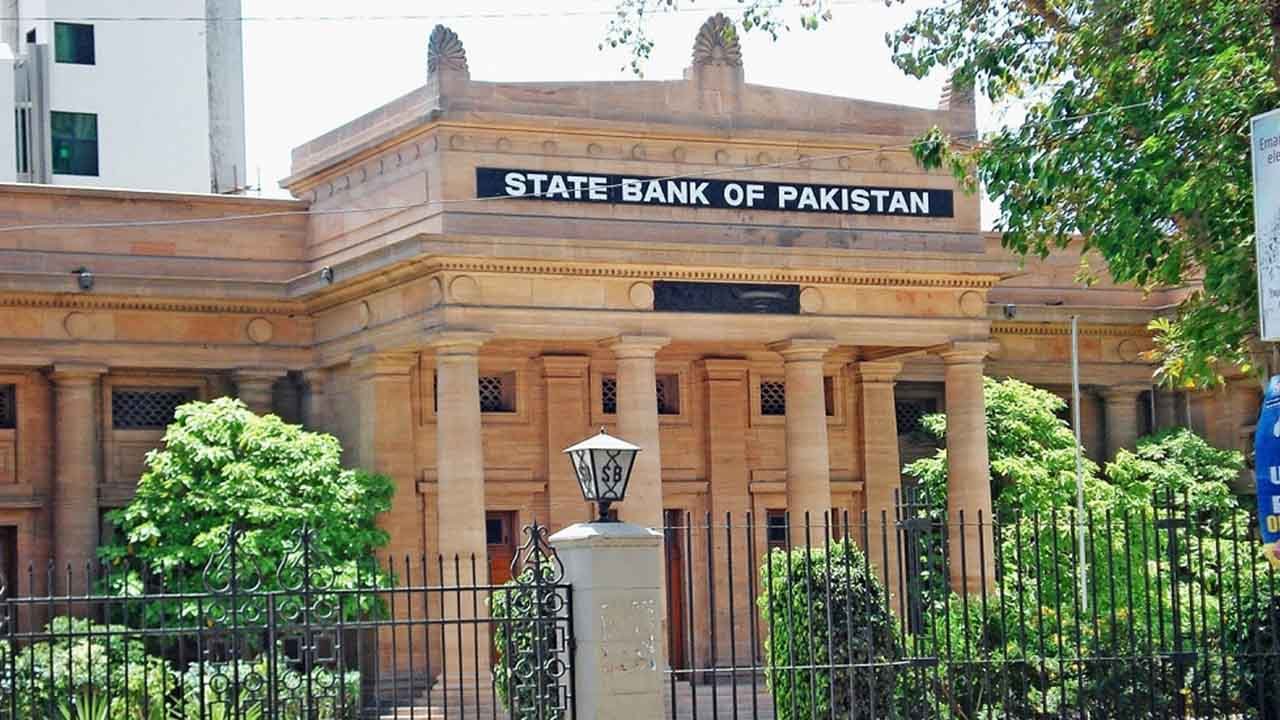
    According to the latest data from the State Bank of Pakistan (SBP), car financing fell by 20.06 per cent year-on-year, dropping from Rs285.19 billion in July 2023 to Rs228 billion in July 2024.

    This sharp decrease is largely attributed to a combination of rising interest rates, inflated car prices, stricter loan regulations, and increased taxes on automobile imports and parts.

    Month-on-month, the decline in car financing was relatively modest, with a 1.09 per cent reduction from Rs230.5 billion in June 2024.

    The SBP data also highlighted a decline in consumer financing for house construction, which totalled Rs202.8 billion at the end of July 2024. This marks a 3.94 per cent decrease compared to the same period last year.

    On a monthly basis, house construction financing saw a slight dip of 0.39 per cent, down from Rs203.58 billion in June 2024.

    In contrast, personal financing reached Rs238.95 billion in July 2024. While this represents a year-on-year decrease of 4.51 per cent, it showed a slight uptick of 0.14 per cent from the previous month.

    The impact of rising costs is evident in the automobile market, where even the most affordable vehicles are now out of reach for many consumers.

     For instance, the Suzuki Alto, one of the highest-selling and traditionally considered among the cheapest cars from a reputable brand in Pakistan, now costs over Rs3 million for the top variant, the Suzuki Alto VXL AGS, while the base variant, the Suzuki Alto VX, is priced at Rs2.3 million.
  • State Bank of Pakistan cuts policy rate to 20.5%

    State Bank of Pakistan cuts policy rate to 20.5%

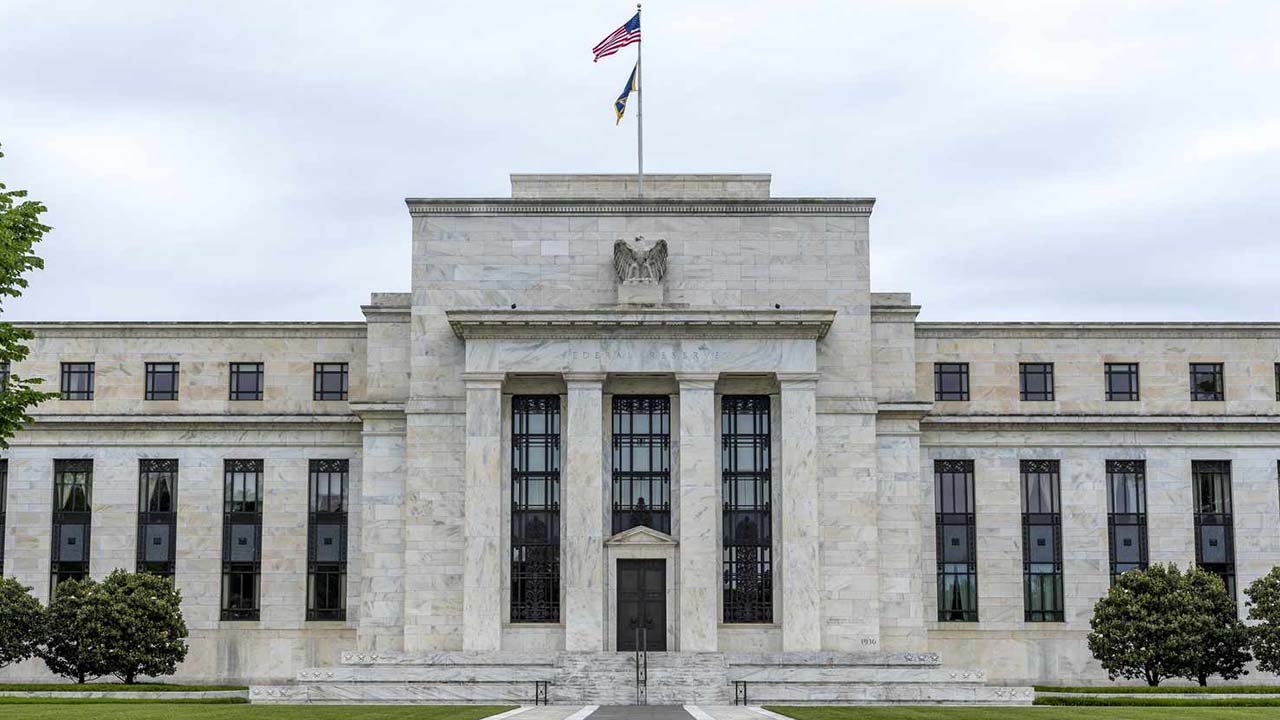
    The State Bank of Pakistan (SBP) has reduced its key policy rate by 150 basis points to 20.5 per cent, marking the first rate cut in nearly four years.

    The move, announced on Monday, aligns with market analysts’ expectations and comes just ahead of the country’s annual budget for 2024-25.

    Since June 2023, the central bank had maintained borrowing costs at a record 22 per cent. The Monetary Policy Committee (MPC) highlighted that while the significant decline in inflation since February was generally anticipated, the inflation figures for May were better than expected.

    The MPC also observed that underlying inflationary pressures are easing due to the tight monetary policy stance and fiscal consolidation efforts.

    This trend is evident from the continued moderation in core inflation and the improvement in inflation expectations among both consumers and businesses, according to recent surveys.

    Despite acknowledging some upside risks to the near-term inflation outlook, particularly from upcoming budgetary measures and uncertainties regarding future energy prices, the MPC remains confident that the cumulative impact of previous monetary tightening will help keep inflationary pressures in check.

  • US Federal Reserve holds interest rates steady for sixth consecutive meeting

    US Federal Reserve holds interest rates steady for sixth consecutive meeting

    The US Federal Reserve has once again left interest rates unchanged, maintaining its current rate at 5.25 per cent to 5.5 per cent.

    This marks the sixth consecutive meeting where the central bank has opted to hold steady, reflecting a cautious approach amid persistent inflation concerns.

    In a statement released by the Federal Open Market Committee (FOMC) on Wednesday, the central bank acknowledged that while inflation has eased over the past year, it remains elevated.

    “In recent months, there has been a lack of further progress towards the Committee’s 2 per cent inflation objective,” the FOMC noted.

    The Committee indicated that it does not plan to reduce the target range until it has greater confidence that inflation is consistently trending towards the 2 per cent goal.

    This stance has kept interest rates at a 23-year high since July last year, suggesting the Federal Reserve’s focus on managing inflation risks.

    The decision to leave rates unchanged aligned with market expectations, which had largely anticipated a rate pause.

    In a related development, the Federal Reserve announced that it would slow its pace of quantitative tightening starting June 1.

    The Fed will reduce the cap on Treasury securities rolling off its balance sheet to $25 billion per month, down from the previous cap of $60 billion. However, the pace of runoff for mortgage-backed securities will remain at $35 billion per month.

    The FOMC’s decision did not significantly alter market expectations for the trajectory of interest rates in 2024.

    The market remains divided on whether a rate cut will occur by September, with about 50/50 odds. As of now, only one rate cut is fully priced in for the entire year.

    It’s worth noting that at the beginning of 2024, the market had priced in an 80 per cent chance of a rate cut starting in March, with a total of six cuts projected throughout the year.

    This shift in expectations underscores the uncertainty surrounding the Federal Reserve’s future policy decisions as it navigates the ongoing challenges of inflation and economic stability.

  • Inflation in Pakistan dips to 20.7% in March

    Inflation in Pakistan dips to 20.7% in March

    Pakistan witnessed a significant downturn in headline inflation as it dipped to 20.7 per cent year-on-year in March, according to the latest data released by the Pakistan Bureau of Statistics (PBS) on Monday.

    This marks a notable decline from February’s figure of 23.1 per cent. Additionally, on a month-on-month basis, inflation rose by 1.7 per cent.

    Notably, this is the lowest inflation reading since May 2022, when it stood at 13.8 per cent, as reported by JS Global.

    It also signifies a remarkable milestone, being the first time in over three years that the Consumer Price Index (CPI)-based inflation figure has fallen below the crucial policy rate, which presently sits at 22 per cent.

    The July-March average inflation now stands at 27.22 per cent, slightly higher than the same period last year at 27.19 per cent.

    The inflation figure, coming in lower than the government’s projections, adds weight to the anticipation of a reduction in the key interest rate.

    In its ‘Monthly Economic Update and Outlook’ report released on Friday, the Ministry of Finance forecasted CPI-based inflation to range between 22.5-23.5 per cent for March 2024.

    Despite the recent upward revision of petrol prices and the onset of Ramadan, inflation in March has been perceived at a moderate level, according to the ministry.

    The government’s announcement of a relief package for Ramadan, with an increased allocation from Rs7.5 billion to Rs12.5 billion, is expected to mitigate the impact of heightened demand during the religious festival.

    Moreover, the moderation of inflationary pressures is attributed partially to the phenomenon of the high base effect, as highlighted in the outlook report.

    Global factors have also played a role in shaping inflation dynamics, as noted by brokerage house Arif Habib Limited (AHL). AHL’s report predicts a further decline in inflation, estimating a year-on-year headline inflation rate of 20.2 per cent for March 2024.

    Similarly, IGI Securities projects the national CPI to grow at a year-on-year rate of 20.3 per cent, with a monthly growth of +1.4 per cent compared to February 2024.

    Despite the government’s recent increase in gasoline prices, experts anticipate inflation to remain below 20 per cent in the upcoming months, primarily due to the high base effect.

    This development fuels speculation regarding potential monetary policy adjustments in the near future.

  • SBP gears up for monetary policy meeting amid rate cut speculations

    SBP gears up for monetary policy meeting amid rate cut speculations

    The State Bank of Pakistan (SBP) has scheduled a meeting of its Monetary Policy Committee (MPC) for Monday, March 18, 2024, to deliberate on the nation’s monetary policy, as announced by the central bank on Friday.

    The SBP intends to release the Monetary Policy Statement on the same day, providing insights into its decision-making process.

    Anticipation looms as a prominent brokerage house foresees a noteworthy chance of the SBP reducing the key policy rate by 100 basis points (bps).

    Currently, the key policy rate stands at a historic high of 22 per cent.

    Arif Habib Limited (AHL) outlined in its recent report the likelihood of the SBP initiating a 100-bps cut in the upcoming policy, potentially marking the commencement of an interest rate reversal cycle.

    Despite Pakistan witnessing a decrease in headline inflation to 23.1 per cent year-on-year in February, as reported by the Pakistan Bureau of Statistics (PBS), down from 28.3 per cent in January, there are calls for cautious action.

  • Factors behind the continuous decline in car financing in Pakistan

    Factors behind the continuous decline in car financing in Pakistan

    In January 2024, the automobile financing sector in Pakistan witnessed a significant downturn, as car financing recorded a notable decrease to Rs246.26 billion.

    This marks a 25.82 per cent year-on-year (YoY) decrease and a 1.98 per cent month-on-month (MoM) decrease compared to Rs331.98 billion in January 2023 and Rs251.25 billion in December 2023, respectively. The latest data from the central bank provides these insights.

    This decline in automobile financing extends to the nineteenth consecutive month, with a total decrease of Rs114.29 billion over the past 19 months.

    Several factors contribute to this decline, including higher interest rates, increased car prices, regulatory restrictions on acquiring loans, and elevated taxes on the import of automobiles and their parts.

    According to the State Bank of Pakistan (SBP) data, consumer financing for house building amounted to Rs207.62 billion by the end of January 2024.

    This reflects a 3.44 per cent YoY decrease compared to Rs215 billion in the same month last year. Looking at monthly changes, financing for house building saw a marginal 0.26 per cent MoM decrease compared to the previous month’s Rs208.15 billion.

    Financing for personal use stood at Rs243.1 billion, showing a 4.47 per cent YoY decrease and a 0.54 per cent MoM decrease.

    Consequently, the overall credit disbursed to consumers declined to Rs813.96 billion during the review month, registering a fall of 9.04 per cent YoY and 0.52 per cent MoM.

    The outstanding credit to the private sector also experienced a decline, decreasing by 0.76 per cent YoY to Rs8.35 trillion in January 2024. On a monthly basis, this represents a 2.21 per cent decrease compared to the credit of Rs8.54 trillion in December 2023.

    Analysing credit distribution to the private sector, loans to the manufacturing sector amounted to Rs4.81 trillion in the review period, showing a slight 0.33 per cent YoY increase. However, on a monthly basis, there was an 0.89 per cent MoM decline, as December recorded loans to this sector at Rs4.85 trillion.

    Borrowing from the construction sector stood at Rs190.15 billion in January 2024, experiencing a 0.97 per cent YoY decrease and a 5.05 per cent MoM decrease compared to the previous month.

    Looking ahead, the data indicates that loans to the agriculture, forestry, and fishing sectors rose to Rs397.27 billion in the month under review, marking a significant 16.95 per cent YoY increase.

    However, on a sequential basis, loans to this sector recorded a fall of 4.82 per cent MoM.

  • Monetary policy committee maintains status quo: SBP keeps policy rate at 22% to tackle elevated inflation

    Monetary policy committee maintains status quo: SBP keeps policy rate at 22% to tackle elevated inflation

    In a decision announced on Monday, the Monetary Policy Committee (MPC) of the State Bank of Pakistan (SBP) has opted to maintain the status quo, retaining the key policy rate of 22 per cent. 

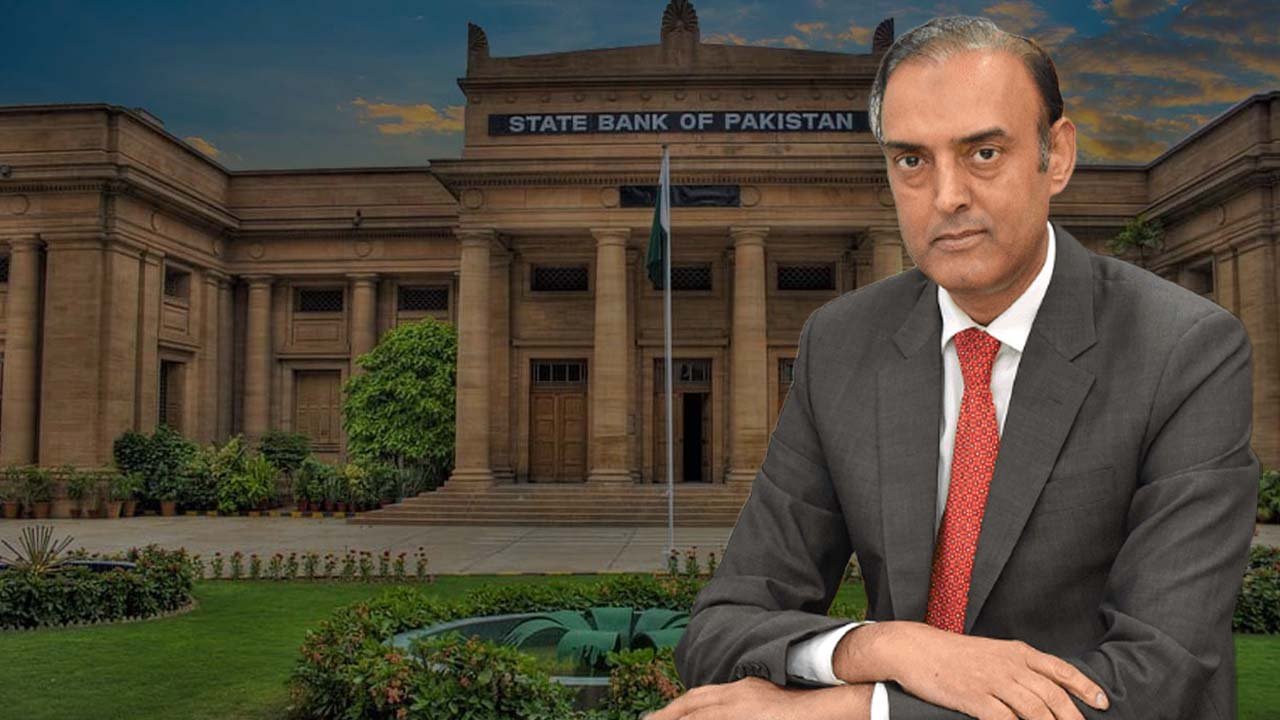
    SBP Governor Jameel Ahmad highlighted the persistent elevation of inflation, disclosing a revised forecast for the fiscal year 2023–24 ranging from 23 per cent to 25 per cent.

    Market analysts, anticipating the decision, noted that the sustained high inflation rate was a contributing factor to the MPC’s decision to keep the key policy rate unchanged.

  • Pakistan sees 18th straight month of decline in auto financing

    Pakistan sees 18th straight month of decline in auto financing

    In December 2023, automobile financing in Pakistan recorded a significant decline, reaching Rs251.25 billion, marking a 25.55 per cent year-on-year drop and a 2.26 per cent month-on-month decrease. 

    This contrasts with Rs333.747 billion in December 2022 and Rs257.06 billion in November 2023, as revealed by the latest central bank data.

    Notably, this marks the eighteenth consecutive monthly decrease in automobile financing, attributed to factors such as elevated interest rates, a surge in car prices, regulatory constraints on loan acquisition, and increased taxes on automobile imports and components.

    According to data from the State Bank of Pakistan (SBP), consumer financing for house building reached Rs208.15 billion by the end of December 2023, reflecting a 3.17 per cent year-on-year decrease. 

    On a monthly basis, house building financing showed a marginal increase compared to the previous month’s Rs206.92 billion.

    Simultaneously, financing for personal use amounted to Rs244.41 billion, experiencing a 3.84 per cent year-on-year decline and a 0.64 per cent month-on-month decrease, indicating a challenging trend in the lending landscape for various purposes.

  • Interbank closing: Pakistani rupee gains 10 paisa against US dollar

    Interbank closing: Pakistani rupee gains 10 paisa against US dollar

    The Pakistani rupee (PKR) demonstrated resilience for the third consecutive session against the US dollar (USD), marking a 0.04 per cent appreciation in the interbank market on Thursday, according to the State Bank of Pakistan (SBP).

    The PKR settled at Rs283.51 after an increase of Rs0.10. This positive trend follows Wednesday’s marginal gain, where the rupee settled at Rs283.61 against the USD.

    In contrast to major currencies, the local currency experienced a loss of Rs2.64 against the Euro, closing at Rs308.49 compared to the previous value of Rs305.85.

    The British Pound strengthened by Rs2.91, concluding at Rs357.96 in comparison to Rs355.05 from the preceding day.

    The Swiss franc also witnessed gain of Rs1.46, closing at 325.35 compared to Rs323.89 in the previous session.

    Against the Japanese yen, PKR lost 5.23 paisa, settling at Rs1.9972 versus Rs1.9449 a day ago.

    In the ongoing financial year, the PKR has appreciated against the dollar by Rs2.48, or 0.87 per cent.

    However, in the current calendar year, it has depreciated by Rs57.08, or 20.13 per cent.

    In a related development, the Asian Development Bank (ADB), in its latest report, Asian Development Outlook (ADO), highlighted that Pakistan’s overall recovery is still constrained by moderate confidence and high inflation eroding purchasing power.

    The ADB noted that Pakistan’s inflation rate averaged 28.5 per cent over July–October but is expected to ease amid fiscal consolidation, monetary tightening, and improved availability of food and key imported inputs.