Tag: interest rates

  • State Bank of Pakistan to announce monetary policy decision on December 12

    State Bank of Pakistan to announce monetary policy decision on December 12

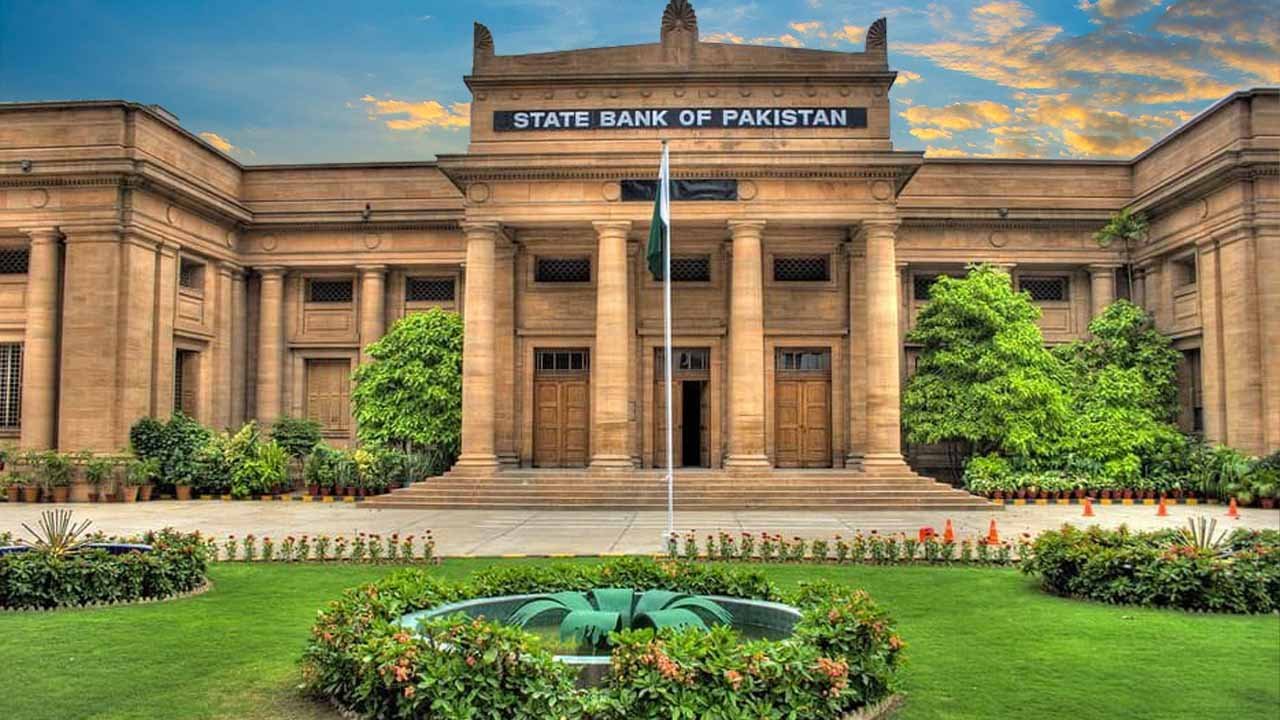
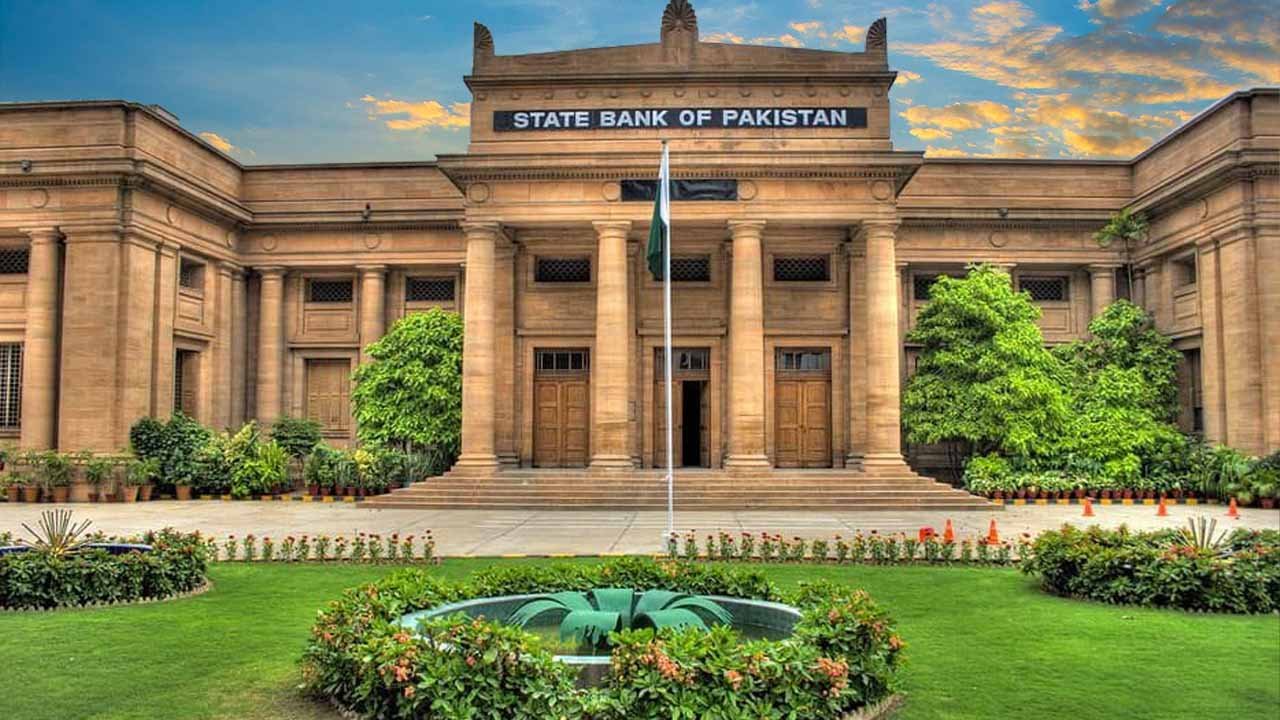
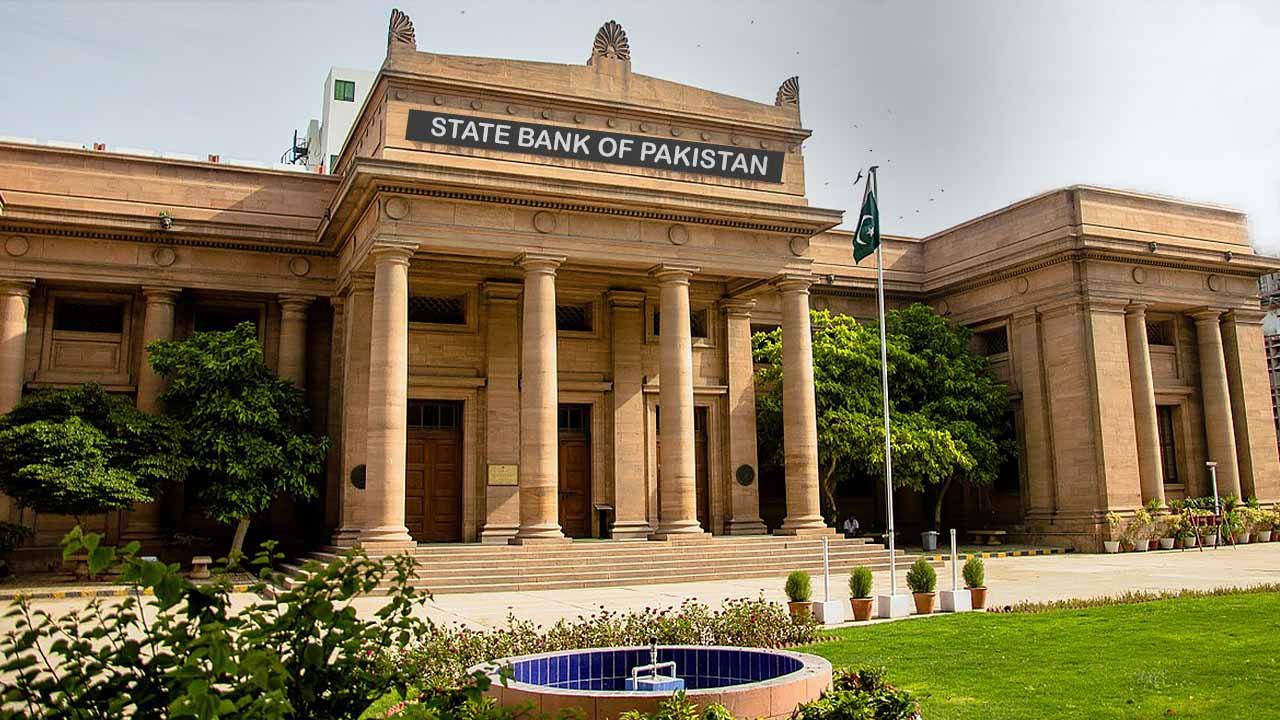
    The State Bank of Pakistan (SBP) is set to unveil its monetary policy on Tuesday, December 12. A statement released by the central bank on Friday informed that the Monetary Policy Committee (MPC) of SBP will convene in Karachi on December 12 to deliberate on monetary policy. 

    Subsequently, the central bank will issue the official monetary policy statement. In its preceding meeting on October 30, the MPC judiciously opted to uphold the policy rate at 22%, citing global market volatility. 

    The committee underscored the imperative of persisting with a stringent monetary policy stance to mitigate inflation.

    PKR ends another week in green

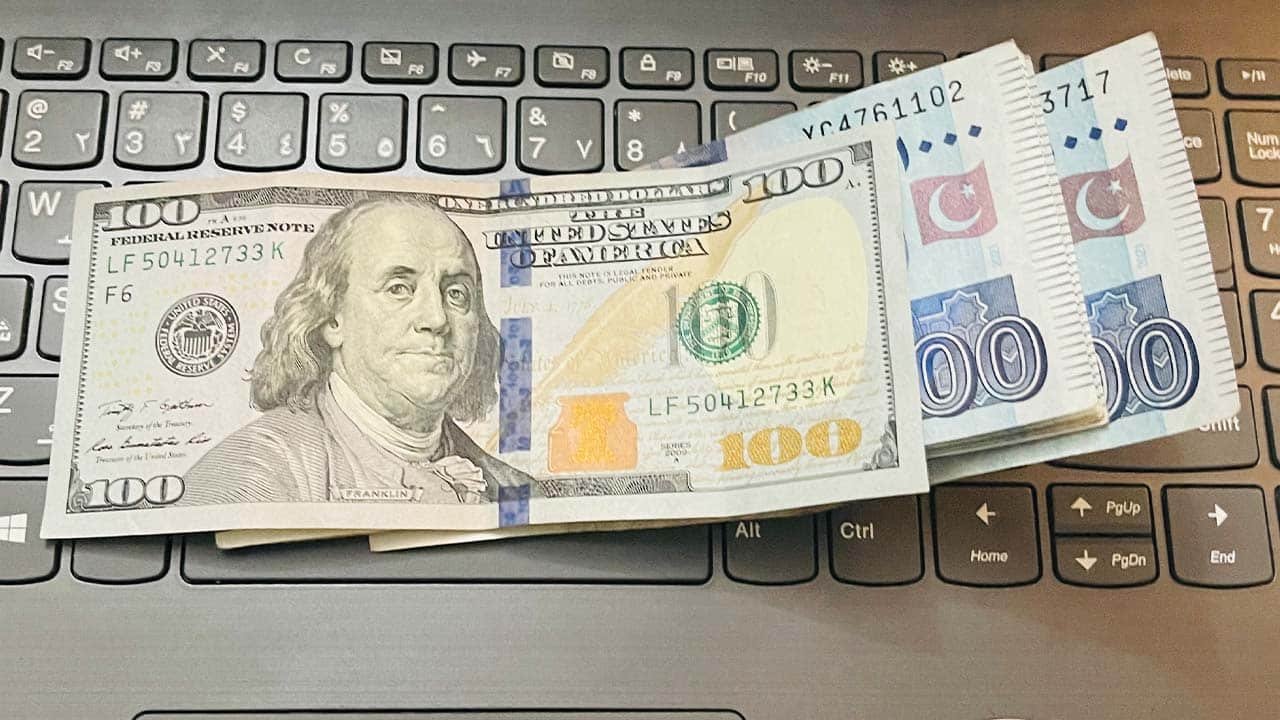
    The Pakistani currency is experiencing an upward trend against the US dollar for the past several sessions, concluding the week in positive territory on Friday. 

    According to the SBP, the Pakistani rupee gained 0.09 per cent, closing at Rs283.87 against the US dollar.

  • Pakistan’s stock market surges above 56,500 for the first time in history

    Pakistan’s stock market surges above 56,500 for the first time in history

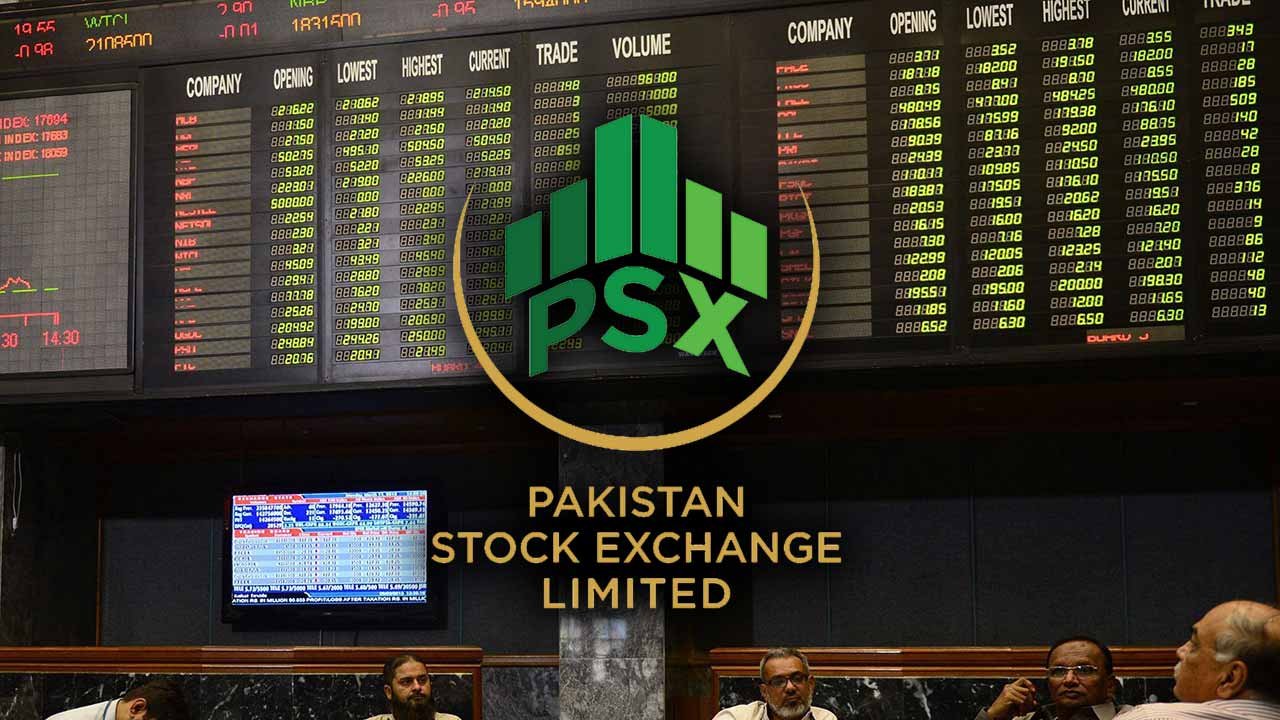
    The bullish momentum persisted in the Pakistan stock market today, propelling the key stock gauge to an unprecedented level above 56,000 for the first time in history.

    By the session’s close, the index had reached a historic high of 56,523.58, marking an impressive surge of 1,132.21 points, or 2.04 per cent day-on-day. Notably, the KSE-100 index had experienced a notable gain of 2,268.33 points, or 4.27 per cent, in the preceding week.

    Throughout the day, the index remained in positive territory, achieving an intraday high of 56,583.59 (+1,192.22) and a low of 55,644.68 (+253.31) points. The KSE-100 Index witnessed a total volume of 300.341 million shares traded.

    The prevailing positive sentiment is attributed to the recent PIB auction on November 8, which exhibited a substantial decline in yields.

    This decline may indicate market expectations of an earlier-than-anticipated reduction in interest rates.

    Additionally, investors are anticipating a higher weighting for Pakistan in the upcoming review by global index provider Morgan Stanley Capital International (MSCI), scheduled for tomorrow.

    In today’s session, out of the 100 index companies, 57 closed higher, 23 closed lower, 1 remained unchanged, and 19 were untraded.

    The strength of the KSE-100 index was supported by sectors such as power generation and distribution, fertiliser, commercial banks, cement, and automobile assembly.

    Contributing positively to the index were companies like HUBC, EFERT, MTL, BAHL, and MCB, accumulating significant points.

    On the other hand, the KSE-100 Index faced a downturn primarily due to the refinery sector, Inv. Banks/Inv. Cos./Securities Cos., Transport, Leather & Tanneries, and Automobile Parts & Accessories.

    Companies exerting downward pressure on the index included MEBL, UPFL, KEL, OGDC, and NATF. The intricate dynamics of today’s market underscore the varied performances across different sectors and companies within the KSE-100 Index.
  • Pakistan stock market continues bullish run, nearing 55,000-point mark

    Pakistan stock market continues bullish run, nearing 55,000-point mark

    The Pakistani stock market is expected to surge past 55,000 points, continuing its bullish run at the Pakistan Stock Exchange (PSX). The benchmark KSE-100 Index reached a new historic high of 54,261 points on Wednesday amidst record trading activity.

    Institutional buying drove the index past the 54,000 mark during intraday trading. Maintaining momentum throughout the day, the KSE-100 Index settled at 54,261.42 points, an increase of 525.69 points, or 0.98 per cent.

    Profit-taking erased some gains at the PSX on Tuesday, with the benchmark KSE-100 Index falling by 125 points to settle at 53,735.73 at the end of trading.

    However, buying resumed on Wednesday, particularly among index-heavy sectors such as automobile assemblers,cement, chemicals, commercial banks, oil and gas exploration companies, and OMCs.

    Analysts attribute the bullish trend to expectations of a decline in the policy interest rate in the coming weeks.

    Experts believe that interest rates may come down sooner than expected due to the fall in global oil prices.

    Improved macroeconomic indicators, including a decline in the country’s current account deficit to $8 million in September 2023 (down from $360 million in the same month in 2022) and a drop in CPI-based inflation, have also contributed to the positive sentiment at the bourse.

  • Pakistan’s stock market surges to all-time high of 53,123.04 points

    Pakistan’s stock market surges to all-time high of 53,123.04 points

    The Pakistan Stock Exchange (PSX) continued its impressive performance, with the benchmark KSE-100 index surging by over 700 points and approaching the historic milestone of 54,000 during Monday’s trading session.

    As the closing bell neared, the KSE-100 Index stood at 53,860.36, reflecting a remarkable gain of 737.33 points, or 1.39 per cent.

    In the preceding week, the KSE-100 index achieved a then-record high, driven by robust buying primarily from local investors, bolstered by institutional support.

    The benchmark index witnessed a substantial week-on-week increase of 2,179.20 points, breaching the 53,000 mark and concluding at an all-time high of 53,123.04 points, a historic first.

    Monday’s trading session witnessed broad-based buying, with key sectors such as cement, chemicals, commercial banks, and OMCs all trading in positive territory.

    Market analysts attributed this positive momentum to an overall improvement in economic indicators, notably the State Bank of Pakistan’s (SBP) decision to maintain interest rates at 22 per cent during the last Monetary Policy Committee (MPC) meeting.

    Additionally, a decrease in the inflation rate, with the October 2023 Consumer Price Index (CPI) at 26.9 per cent year-on-year and favourable feedback from the International Monetary Fund (IMF) mission currently visiting Pakistan, further enhanced market sentiment.

    Furthermore, the announcement of final election dates by the country’s election commission, signifying political stability, also played a significant role in creating favourable conditions within the market.

  • State Bank of Pakistan set to announce policy rate decision today

    State Bank of Pakistan set to announce policy rate decision today

    The State Bank of Pakistan (SBP) will soon unveil its latest monetary policy for the upcoming two months.

    In an official statement, the central bank declared that the Monetary Policy Committee (MPC) of SBP will convene on Monday, October 30, 2023, to determine the monetary policy. SBP will then issue the Monetary Policy Statement via a press release on the same day.

    Currently, the State Bank’s policy rate stands at 22 per cent. Since October 2021, the central bank has increased its policy rate by a cumulative 1,500 basis points in an effort to combat rising inflation and bolster the external balance. This rate has remained unchanged since July 2023.

    The forthcoming policy rate announcement is poised to exert a substantial influence on Pakistan’s industries and inflation rate.

    In the most recent meeting held in July, the State Bank of Pakistan (SBP) resolved to maintain the interest rate at 22 per cent.

    The Monetary Policy Committee of the central bank meticulously assessed economic data and the prevailing inflation situation before opting to retain the interest rate. It’s worth noting that substantial progress has been achieved in the current account, thanks to government initiatives.

    This decision comes against the backdrop of Pakistan contending with a high inflation rate, currently pegged at 29.65 per cent.

  • US sees strongest job growth in eight months, raising rate hike possibility

    US sees strongest job growth in eight months, raising rate hike possibility

    In September, the United States experienced a significant increase in employment, marking the most substantial growth in eight months. 

    This surge in hiring was widespread, indicating a persistent strength in the labour market. This development potentially provides the Federal Reserve with the rationale to consider raising interest rates once again, although it’s worth noting that wage growth is currently decelerating.

    The Labour Department’s latest employment report, released on Friday, revealed a nonfarm payroll increase that surpassed expectations, along with substantial upward revisions to job counts for July and August. These findings solidify the belief that economic activity gained momentum in the third quarter.

    The continued resilience of the labour market and the broader economy, even after 18 months of the US central bank’s efforts to temper demand by raising rates, suggests that monetary policy may remain restrictive for an extended period. 

    Recent data also indicates an increase in job openings in August, coupled with consistently low first-time applications for state unemployment benefits in September.

  • Pakistani rupee gains value, now at Rs292.78 per US dollar

    Pakistani rupee gains value, now at Rs292.78 per US dollar

    The Pakistani rupee’s ascent against the US dollar persisted for the 12th consecutive session in the inter-bank market on Thursday, registering a 0.38 per cent gain.

    According to the State Bank of Pakistan (SBP), the rupee settled at 292.78, marking a notable increase of Rs1.1 within the inter-bank market. Just the day before, on Wednesday, the rupee had exhibited a similar upward trend, appreciating by 0.35 per cent and settling at 293.88.

    This remarkable turnaround in the rupee’s value follows a recent period of decline, during which it hit a record low of 307.1 in the inter-bank market on September 5.

    The transformation in its fortune can be attributed to a series of structural reforms introduced by the State Bank of Pakistan (SBP) within the Exchange Companies’ (ECs) sector, along with various administrative measures implemented by authorities to combat currency smuggling and hoarding.

    On the global stage, the US dollar reached new heights on Thursday, notably against the yen, marking its strongest position since November.

    This surge in the dollar’s strength followed a hawkish stance taken by the US Federal Reserve at its recent monetary policy meeting, where it opted to maintain interest rates within the 5.25 per cent–5.50 per cent range.

    The Fed’s decision reflected a growing confidence among officials that their assertive monetary policy approach can effectively combat inflation without causing significant economic disruption or substantial job losses.

    Conversely, oil prices experienced a decline on Thursday, following the previous session’s significant drop, as expectations of US interest rate hikes overshadowed the impact of reduced US crude stockpiles.

  • UK job market: Rise in unemployment, but paychecks soar to new heights

    UK job market: Rise in unemployment, but paychecks soar to new heights

    The United Kingdom’s unemployment rate saw a slight increase to 4.3 per cent during the three months leading up to the end of July, as confirmed by official data released on Tuesday. This marks a marginal rise from the previous quarter’s 4.2 per cent unemployment rate, as reported by the Office for National Statistics (ONS).

    In the same period, average regular earnings, excluding bonuses, exhibited a remarkable annual growth rate of 7.8 per cent, a historic high since comparable records began in 2001, according to the ONS.

    In response to these figures, Finance Minister Jeremy Hunt emphasised the persistence of elevated wage growth, partly attributed to one-time payments to public sector employees. He stressed the importance of adhering to their plan to combat inflation to ensure sustainable real wage growth.

    Prime Minister Rishi Sunak had earlier expressed his intention to halve UK annual inflation, especially when it exceeded 10 per cent, as reported by AFP. However, the current inflation rate remains at 6.8 per cent, surpassing that of other G7 nations.

    The Capital Economics research group’s UK economist, Ashley Webb, observed a gradual relaxation in the labour market’s tightness during July. Nevertheless, the substantial wage growth noted is expected to raise concerns at the Bank of England, potentially leading to an anticipated interest rate hike from the current 5.25 per cent to a peak of 5.5 per cent at the upcoming regular policy meeting.

  • SBP expected to hike interest rates by at least 150 bps to control inflation

    SBP expected to hike interest rates by at least 150 bps to control inflation

    The State Bank of Pakistan (SBP) is expected to hike interest rates by at least 150 basis points (bps) on Thursday in an effort to curb sky-high inflation and bolster diminished foreign exchange reserves. 

    The central bankas already raised its benchmark rate by 12.25 per cent points to 22 per cent since April 2022, but inflation remains in double digits, at 27.4 per cent in August. The rupee has also depreciated sharply in recent months, reaching an all-time low of 200 rupees per dollar. 

    A Reuters poll of 17 analysts shows that 15 are forecasting a rate hike, with nine predicting an increase of at least 150 bps. The other two analysts expect the rate to remain unchanged. 

    The SBP is under pressure to raise rates in order to cool inflation and attract foreign investment. However, a rate hike could also dampen economic growth, which is already slowing. 

    The central bank is also facing challenges from the International Monetary Fund (IMF), which has set conditions for the release of further tranches of its $3 billion bailout package. One of these conditions is that the SBP must raise interest rates. 

    The SBP is likely to balance these competing considerations when it makes its decision on Thursday. However, it is clear that the bank is under pressure to take action to address the country’s economic challenges. 

    Here are some additional details about the factors that are likely to influence the SBP’s decision: 

    • Inflation: Inflation remains a major concern for the SBP. The latest data shows that inflation fell slightly in August, but it remains in double digits. The SBP has said that it expects inflation to decline over the next 12 months, but it is unclear whether this will happen without further monetary tightening.  
    • Foreign exchange reserves: The SBP’s foreign exchange reserves have been declining in recent months, reaching a critical level of $10.3 billion in August. The SBP needs to bolster its reserves in order to meet its import obligations and avoid a sovereign debt default. A rate hike could help to attract foreign investment and slow the decline in reserves.  
    • IMF conditions: The IMF has set conditions for the release of further tranches of its bailout package. One of these conditions is that the SBP must raise interest rates. The SBP is likely to comply with this condition in order to secure the IMF’s support. 

    The SBP’s decision on Thursday will be closely watched by markets and investors. A rate hike is likely to be welcomed by those who are concerned about inflation, but it could also dampen economic growth. The SBP is facing a difficult balancing act, and its decision will have a significant impact on the country’s economic outlook.