Tag: Interim Prime Minister

  • Pakistan on track to secure second IMF tranche successfully: PM Kakar

    Pakistan on track to secure second IMF tranche successfully: PM Kakar

    Caretaker Prime Minister Anwaar ul Haq Kakar expressed optimism about Pakistan’s upcoming review with the International Monetary Fund (IMF), set for this month.

    The IMF, led by Nathan Porter, will visit Pakistan from November 2–16 to discuss the first review of the country’s current $3 billion stand-by arrangement (SBA).

    Pakistan is navigating a challenging economic recovery path under a caretaker government following an IMF loan programme approval in July, which prevented a sovereign debt default. The country received the first $1.2 billion tranche from the IMF in July.

    Kakar stated that Pakistan has successfully achieved its targets, including revenue goals, and is confident about the negotiations for the second tranche.

    Regarding inflation, the interim prime minister acknowledged a decrease in inflation rates, attributing it to the Pakistani rupee’s appreciation against the dollar and a drop in petroleum prices. 

    The prime minister also encouraged journalists to analyse the impact of the Pakistani rupee’s strength on circular debt and highlighted that stringent measures against smuggling through Afghan transit trade have boosted local industry productivity.

  • PIA receives assurances of govt support during privatisation 

    PIA receives assurances of govt support during privatisation 

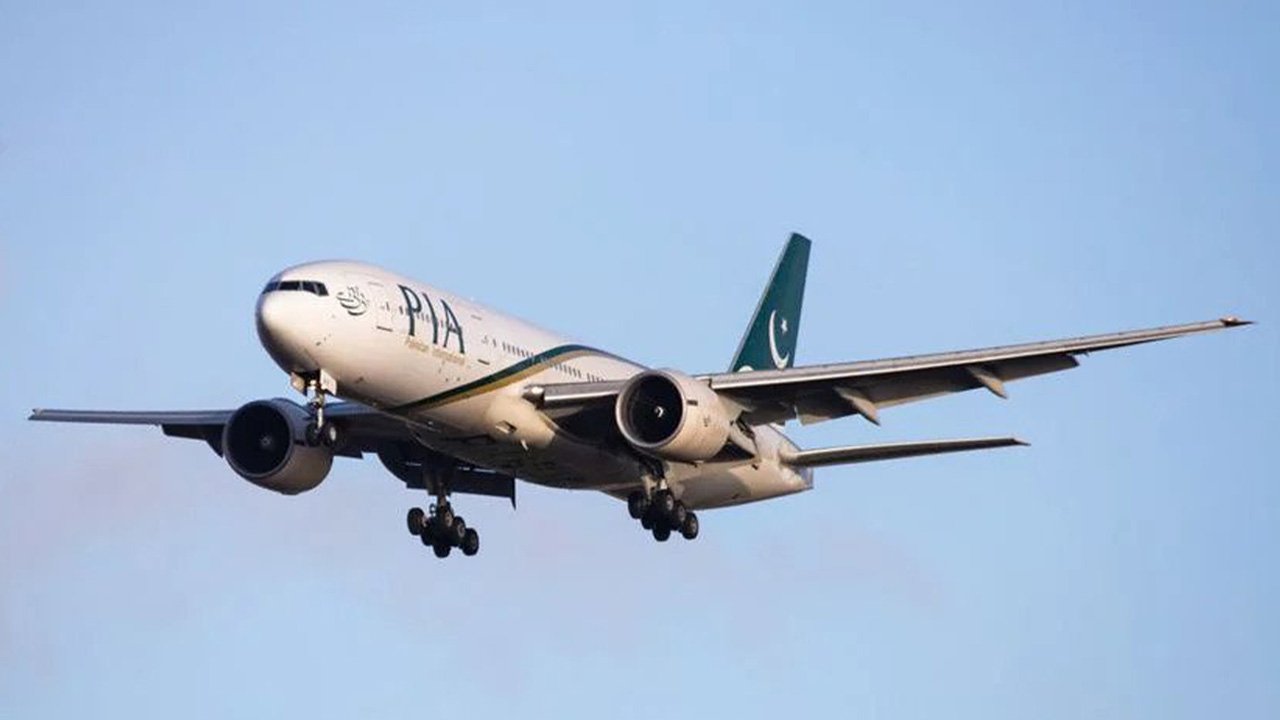
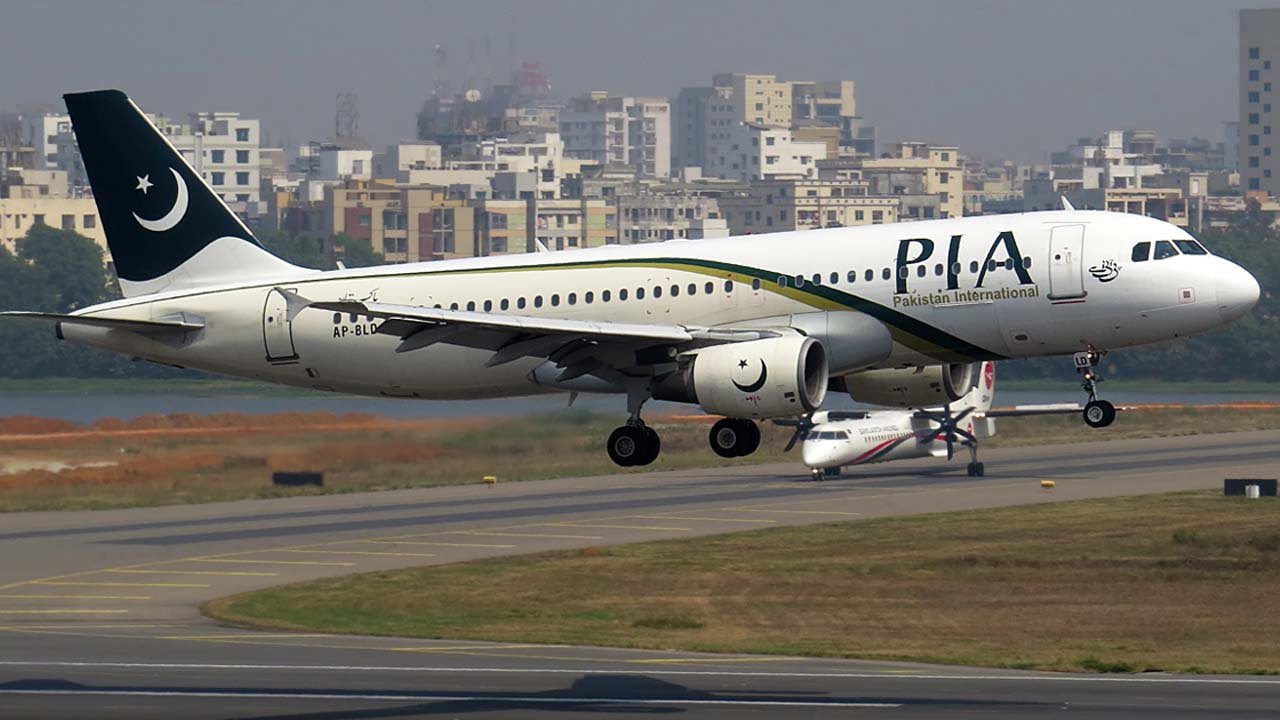
    Following a dire fuel crisis that significantly impacted Pakistan International Airlines (PIA) flight operations, the interim Prime Minister, Anwaar-ul-Haq Kakar, took decisive action on Monday.  

    He instructed the relevant authorities to expedite the privatisation process of the nation’s flag carrier. 

    Over recent weeks, PIA’s flight schedule has faced severe disruption, with numerous cancellations attributed to fuel shortages, exacerbated by the airline’s precarious financial situation.  

    Notably, on the preceding day, Pakistan State Oil (PSO) curtailed its fuel supply to PIA, resulting in the cancellation of 26 flights originating from various cities, including Karachi, Lahore, Islamabad, Quetta, Bahawalpur, Multan, Gwadar, and others. 

    Chairing a comprehensive review meeting concerning PIA’s financial challenges, Prime Minister Kakar highlighted the urgency of finalising the privatisation process within the stipulated timeframe. He further insisted on the submission of regular compliance reports on this matter. 

    The Prime Minister assured that the government remains committed to supporting PIA until the privatisation process is successfully completed. He said that state-owned enterprises (SOEs) facing financial losses will be privatised to safeguard the national treasury. 

    During this meeting, the Prime Minister received a detailed briefing on PIA’s current financial status. 

    In August 2023, the Cabinet Committee on Privatisation (CCoP) approved the inclusion of PIA in the active list of entities slated for privatisation following parliamentary amendments.  

    Additionally, the CCoP consented to engage a financial advisor for the transaction concerning PIA’s Roosevelt Hotel in New York. 

    According to credible sources, a significant transformation occurred when PIA transitioned from a corporation to a public limited company registered under the Companies Ordinance, 1984.  

    This transition commenced in 2016 through a joint parliamentary session that resulted in the enactment of the PIAC (Conversion) Act, 2016.  

    This legislation gave rise to Pakistan International Airlines Corporation Limited (PIACL), a public limited company.  

    Notably, a substantial amendment was introduced, known as the ‘Explanation’ in Sub-section 4 of Section 4, which restricted the federal government from relinquishing management control in the airline business of PIACL while maintaining a minimum ownership stake of 51% in the entity. 
  • Pakistan faces worsening financial woes as state-owned enterprises suffer losses

    Pakistan faces worsening financial woes as state-owned enterprises suffer losses

    Interim Prime Minister (PM) Anwaar-ul-Haq Kakar conveyed on Wednesday that Pakistan is grappling with financial challenges, exacerbated by the continuous losses incurred by state-owned enterprises (SOEs).

    The PM presided over a high-level meeting specifically addressing the issues plaguing Pakistan International Airlines (PIA). 

    During this meeting, comprehensive briefings were presented on various aspects of PIA’s operations.

    Key figures, including Caretaker Minister for Privatisation Fawad Hassan Fawad, Adviser to the Prime Minister Ahad Cheema, and other relevant authorities, were in attendance.

    PM Kakar articulated his concerns regarding the protracted decision-making process concerning PIA’s issues.

    He highlighted the urgency of expediting the privatisation of PIA and other state-owned enterprises that are incurring losses, highlighting that these financial setbacks should not be shouldered by the public through tax money.

    PM Kakar underscored that reforming the aviation sector could lead to improved services for the public.

    Furthermore, he stressed the importance of transparency in the privatisation process and the need to assign responsibility for the losses to facilitate corrective actions and prevent further financial setbacks.

    The meeting received updates on PIA’s financial situation and the progress of its privatisation process.

    The PM directed that the privatisation of the national flag carrier be expedited to relieve the burden on the national treasury.

  • Saudi Arabia to invest $25 billion in Pakistan over five years: PM Kakar

    Saudi Arabia to invest $25 billion in Pakistan over five years: PM Kakar

    On Monday, Interim Prime Minister Anwaar ul Haq Kakar announced that the Kingdom of Saudi Arabia (KSA) intends to invest a substantial sum of up to $25 billion in Pakistan over the next two to five years.

    During a media briefing, PM Kakar explained that Saudi Arabia’s investment focus will primarily encompass the mining, agriculture, and information technology sectors. This initiative aims to boost foreign direct investment in Pakistan, which is currently facing financial challenges. 

    If this investment materialises, it will mark the largest-ever commitment by Saudi Arabia to Pakistan. The country is grappling with a pressing need for funds to address its trade deficit and repay international loans in the ongoing fiscal year. 

    While specific projects earmarked for Saudi investment were not disclosed during the meeting, Barrick Gold Corp. expressed interest last month in partnering with Saudi Arabia’s wealth fund for the Reko Diq mine in Pakistan. 

    Kakar emphasised that Pakistan holds substantial untapped mineral resources valued conservatively at $6 trillion. Additionally, the government intends to expedite two privatisation transactions, likely involving state-owned power sector entities, within the next six months. There is also a plan to privatise another government-owned company, preferably outside the energy sector. 

    Read more: Business community finds hope as COAS Munir vows to tackle corruption and boost investment  

    It’s worth noting that privatisation efforts in Pakistan have faced challenges in the past, as the sale of state assets is a politically sensitive issue that previous elected governments have largely avoided. 

    Currently, Pakistan is navigating a challenging path to economic recovery under a caretaker administration, following the approval of a $3 billion loan plan by the International Monetary Fund in July, which prevented a sovereign debt default. Islamabad is confronted with a balance of payments crisis and requires substantial funds to rectify its trade deficit and settle outstanding debts.