Tag: International Monetary Fund

  • Coalition partners finally decide to complete govt term

    Coalition partners finally decide to complete govt term

    The coalition partners have decided that the present government will go ahead with the completion of its term instead of early elections in the country, reports Geo News.

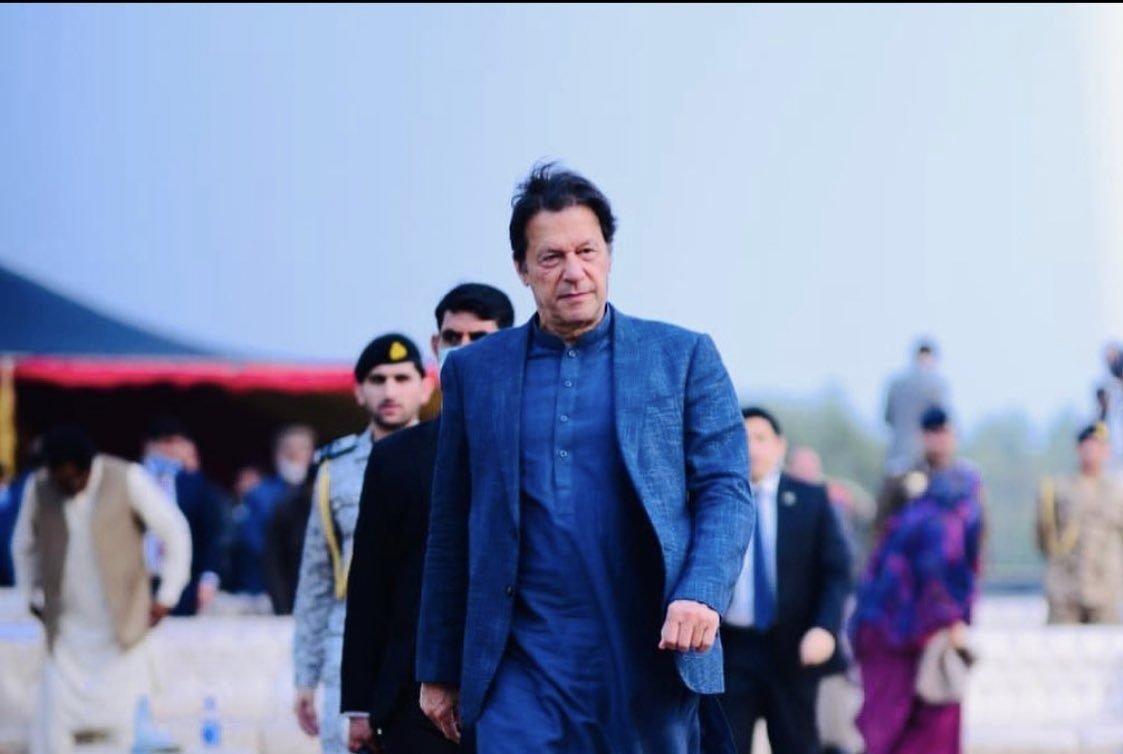
    The decision comes after a meeting of the heads of the ruling alliance today (Monday). The allied parties’ heads met to discuss the political situation in the country after the announcement of a long march towards Islamabad by Pakistan Tehreek-e-Insaf (PTI) Chairman Imran Khan on May 25.

    As per the news outlet, the government has also decided to take tough decisions in a bid to steer the country out of an economic crisis. As Finance Minister Miftah Ismail has left for Doha, Qatar, for talks with the International Monetary Fund (IMF), the tough measures will reportedly be taken in a couple of days.

    The Shehbaz Sharif government has stated that it needs support from “all sides” to take tough decisions in order to revive the economy.

  • IMF approves one billion dollar loan tranche for Pakistan

    IMF approves one billion dollar loan tranche for Pakistan

    The International Monetary Fund’s (IMF) Executive Board has approved the $1 billion loan tranche of their programme for Pakistan.

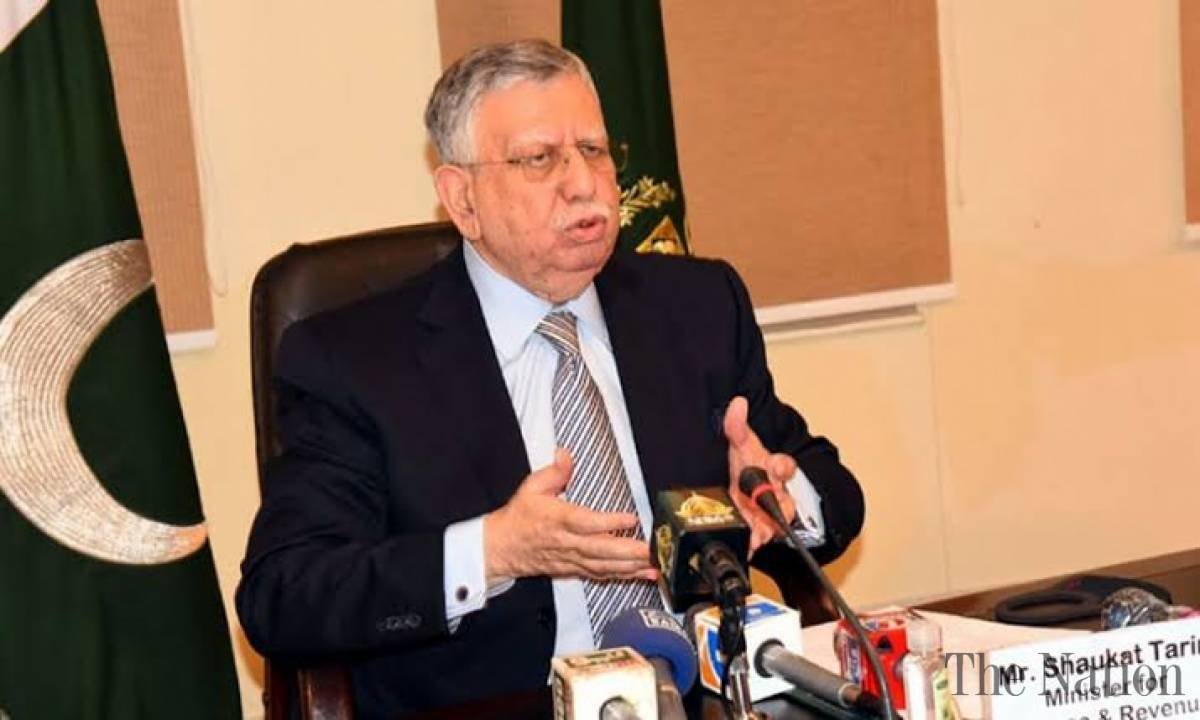
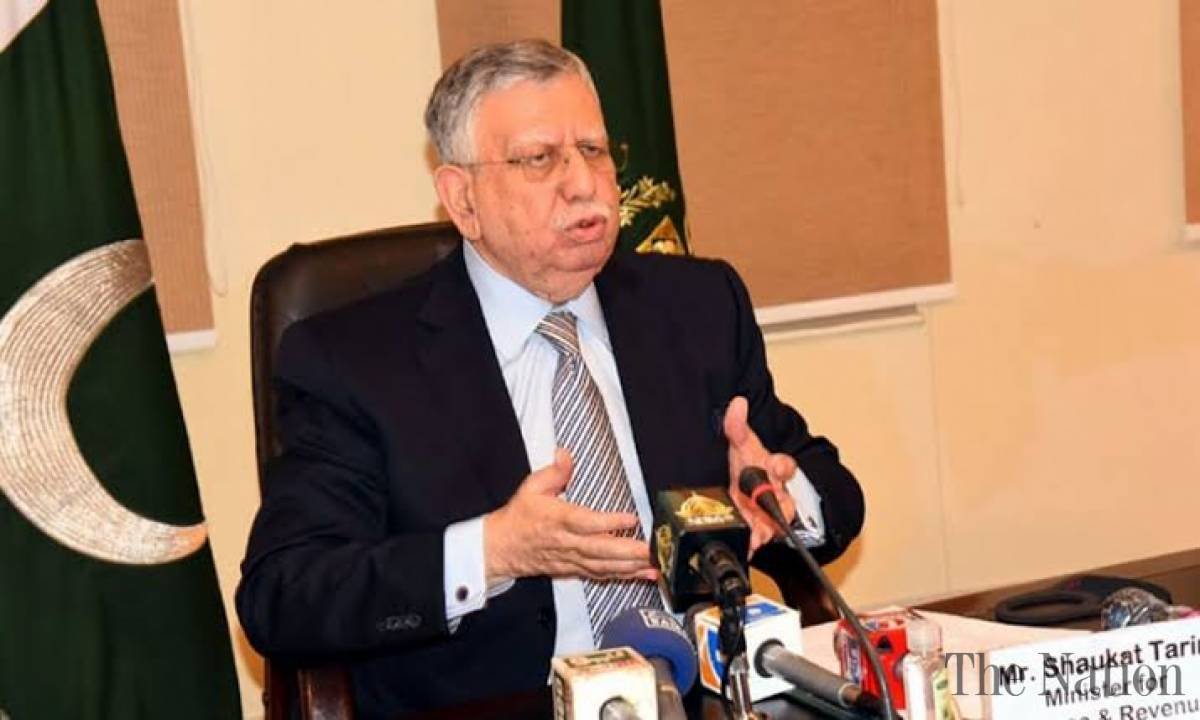
    Federal Minister for Finance and Revenue Shaukat Tarin taking to Twitter confirmed the news.

    “I am pleased to announce that IMF Board has approved 6th tranche of their programme for Pakistan,” he wrote.

    https://twitter.com/shaukat_tarin/status/1488928059562545159

    The sixth review was scheduled for January 12, 2022, and later January 28, but was postponed twice on Pakistan’s request, to attain more time for implementing IMF conditions.

    In order to meet another condition of the IMF, the government had successfully managed to get the State Bank of Pakistan (Amendment) Bill, 2021, cleared from the Upper House of Parliament — which was the last stumbling block in reviving the stalled programme.

  • What can the govt do, will have to go to IMF again if exports don’t increase, says PM Khan

    What can the govt do, will have to go to IMF again if exports don’t increase, says PM Khan

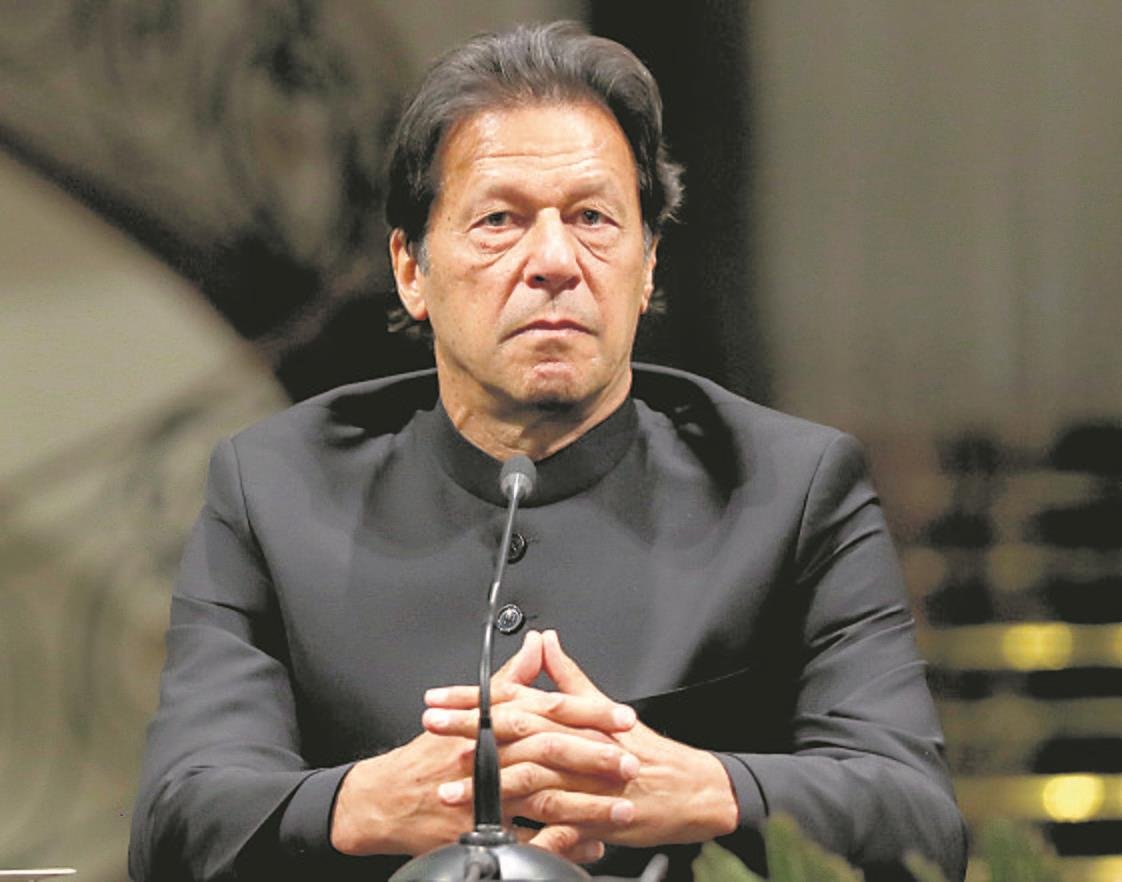
    Prime Minister (PM) Imran Khan while addressing the inaugural ceremony of the 14th International Chambers Summit 2022 organised by the Rawalpindi Chamber of Commerce and Industry said that tax collection and exports are the main drivers of boosting the economy.

    Saying that Pakistan has an “improving economy”, PM Khan said that all economic indicators were showing upward trends despite inherited economic crunch and the impact of Covid-19.

    “Will have to go to the International Monetary Fund (IMF) again if we do not enhance our exports,” said PM Khan.

    “In the past, no attention was paid to these sectors of the economy which are vital for wealth creation. The exports sector was stagnant in the past, but the incumbent government is providing all facilitation to the exporters,” he said.

    “We realise that people are worried, there is imported inflation in our country, dollar rate has gone up due to smuggling of dollar to Afghanistan, still Pakistan is a cheap country, US President Joe Biden has also been criticised by Donald Trump on inflation in the country.”

    PM Khan said commodity prices have increased all over the world and Pakistan also imported inflation which hurt its people badly but asked what the government could do in the circumstances.

    Claiming that the steps taken by his government to combat coronavirus and keep businesses open were being followed by United Kingdom’s Prime Minister Boris Johnson. “We did not let people die due to Covid-19 and lockdowns,” he added.

    The prime minister said corruption would assume the role of cancer. “Corruption is a symptom of lack of rule of law in society. Our fight is for the rule of law in Pakistan. It is a difficult one because of different cartels and mafias which do not want the rule of law,” he said, terming it a jihad against the mafias to secure the future of the country.

    Contrary to the claims, Pakistan lost $250m worth of textile exports in December 2021 when the gas supply was suspended for 15 days in the Punjab textile sector. Executive Director of All Pakistan Textile Mills Association (APTMA), Shahid Sattar also confirmed the loss of millions of dollars by saying that it will “never be recovered.”

  • America forced IMF to impose strict conditions on Pakistan: Shaukat Tarin

    America forced IMF to impose strict conditions on Pakistan: Shaukat Tarin

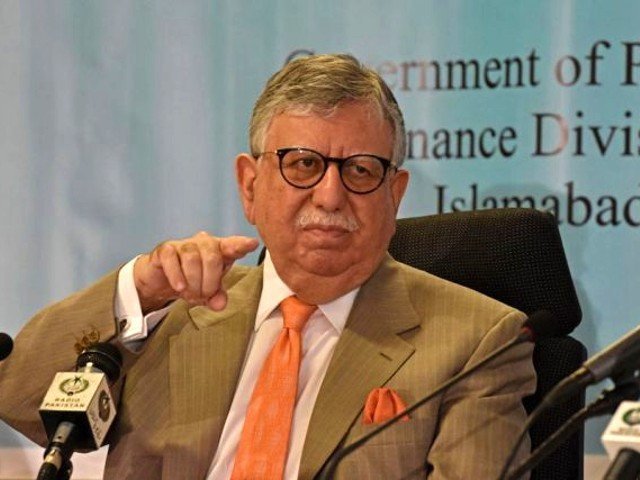
    Federal Minister for Finance Shaukat Tarin termed the geo-political situation of the region as a reason for the International Monetary Fund’s (IMF) to impose strict conditions on Pakistan.

    The finance minister spoke about a number of issues, including the Supplementary Finance Bill 2021, inflation, State Bank Amendment Bill, prior actions demanded by IMF, and other core issues related to finance on Geo News‘ programme ‘Naya Pakistan’.

    The minister, terming the geo-political situation of the region as a reason for the IMF being forceful, said that the talks with the lender aiming to restore the United States (US) $6 billion Extended Fund Facility (EFF) were not a piece of cake after the US pullout of Afghanistan.

    Tarin admitted that America was behind IMF to impose strict conditions on Pakistan.

    The finance minister said that the petroleum levy in fuel prices has been increased as per the IMF’s demand.

    “We had cut down the sales tax on petroleum products to zero but were compelled to apply the petroleum levy due to IMF’s strict behaviour,” said Tarin, adding that the IMF had lent the country some money back in March 2021 on account of an increase in the petroleum levy.

  • Pakistanis in trouble again as more tax hikes planned by the government

    With rising inflation, and an increase in taxes, the poor and working middle-class are being adversely affected.

    At the moment the government is planning on tightening the budget of tax hikes and spending cuts if the country is to get the $1 billion it needs from the International Monetary Fund (IMF).

    “I never thought it would become so difficult to survive,” said Sibte Hasan, a 43-year-old construction supervisor from Pakistan’s second-biggest city Lahore.

    The Pakistani rupee has also fallen to around 14% since May, which is a historic low.

    Finance Minister Shaukat Tarin is still hopeful things will be better but little to no relief is being given by the government as the country faces an inflation and gas crisis and rising taxes.

  • Cabinet rejects audit report of Rs40 billion irregularities detected in PM’s Covid package

    Cabinet rejects audit report of Rs40 billion irregularities detected in PM’s Covid package

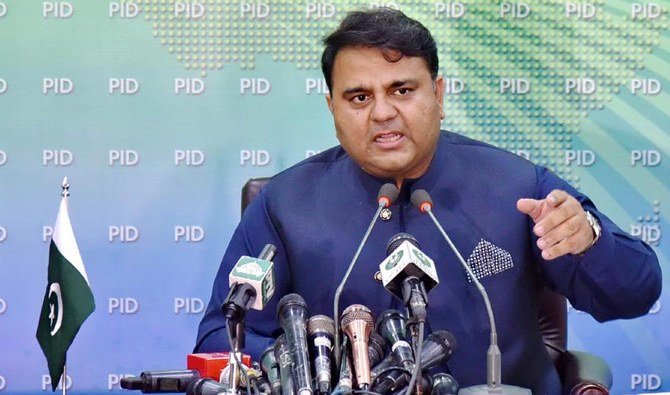
    Minister of Information Fawad Chaudhry on Tuesday rejected the recently released audit report, which shows Rs40 billion irregularities detected in PM’s Covid package.

    “The cabinet rejected the audit report on Covid-19 spending and asked three relevant organisations to give their presentations in this regard,” revealed Fawad in a press conference after the cabinet meeting.

    Fawad said the finance ministry had already rejected the audit report and prime minister’s aide Dr Sania Nishtar had also clarified the position of her organisation, Ehsaas programme.

    The audit report was released last week as Pakistan gave in to the International Monetary Fund’s (IMF) pressure by releasing the audit report of expenditures incurred on Covid-19.

    The release of the report by the Ministry of Finance was one of the five prior actions that the IMF has asked Pakistan to implement if it wanted to get the $1 billion loan tranche by January next year.

  • IMF, Pakistan reach staff-level agreement on policies and reforms

    IMF, Pakistan reach staff-level agreement on policies and reforms

    The International Monetary Fund (IMF) and Pakistan reached a staff-level agreement on policies and reforms needed to complete the sixth review under the $6 billion Extended Fund Facility (EFF), which has been ‘in recess’ since April, the Fund announced in a statement on Monday.

    The agreement is subject to approval by the Executive Board, following the implementation of prior actions, notably on fiscal and institutional reforms. The approval of the agreement will make available 750 million in Special Drawing Rights (SDR), equivalent to $1,059m, read the statement.

    The Fund acknowledged Pakistan’s progress in improving its anti-money laundering and combatting the financing of terrorism (AML/CFT) regime. However, additional time was needed to strengthen its effectiveness, according to the statement.

    “Available data suggest that a strong economic recovery has gained hold, benefiting from the authorities’ multifaceted policy response to the Covid-19 pandemic that has helped contain its human and macroeconomic ramifications,” the IMF said.

    “At the same time, external pressures have started to emerge: a widening of the current account deficit and depreciation pressures on the exchange rate — mainly reflecting the compound effects of the stronger economic activity, an expansionary macroeconomic policy mix, and higher international commodity prices.”

    The IMF emphasised that the monetary policy needs to remain focused on curbing inflation, preserving exchange rate flexibility, and strengthening international reserves.

    The introduction of the Finance Bill in the National Assembly to increase taxes and approval of the State Bank of Pakistan (SBP) Amendment Bill are pre-conditions for the revival of the IMF loan programme, Finance Adviser Shaukat Tarin said last week.

    The IMF said that despite a difficult environment, progress continues to be made in the implementation of the EFF-supported programme.

    “All quantitative performance criteria (PCs) for end-June were met with wide margins, except for that on the primary budget deficit”, said the IMF.

  • ‘Three sugar mills in Sindh were shut down, leading to an increase in the price of sugar to Rs140 per kg’: PM Khan

    ‘Three sugar mills in Sindh were shut down, leading to an increase in the price of sugar to Rs140 per kg’: PM Khan

    Prime Minister (PM) Imran Khan during an address at a ceremony in Attock on Friday said that Sindh shut down three operational sugar mills, which contributed to an increase in the price of sugar.

    “The price of sugar in Pakistan has hit Rs140 per kg. I inquired why this was so. I learned that three sugar mills in Sindh, which were operational, were shut down,” the prime minister said.

    The prime minister went on to say that he subsequently learnt that due to the reduced supply, the sugar mills in Punjab began to hoard the commodity.

    “I told the chief secretary that our law forbids hoarding and so if the sugar mills are doing so, we must retrieve the stock and bring it out to the market so the price drops.”

    “We found out that since July, the sugar mills have obtained a stay order against the rule. And so our government was unable to do anything,” PM Imran Khan said.

    “This is a gross injustice that the sugar mafia earns billions after having broken the backs of our people. And when the government moves to do something, they obtain stay orders,” he remarked.

    PM Khan claimed that there was uproar in India as well over high petrol prices and Pakistan still had the cheapest petrol prices in the region.

    “In India today, there is uproar as well [over petrol prices] and the petrol price per litre is Rs150 while it is Rs200 in Bangladesh. [On the other hand] it is the lowest in Pakistan at Rs146,” the premier said.

    “The biggest [impact] of what happened was that the oil price first decreased and now in the last three months it has doubled […] when oil becomes expensive, then everything becomes expensive.”

    “When there was inflation in the whole world then obviously Pakistan is in this same world and not in the heavens so we also had to be affected. As a result, we fully tried and are still trying to protect our people from this inflation.”

    The prime minister’s comments come the same day as the government increased petroleum prices by up to Rs8.14 per litre with immediate effect to ensure the revival of the International Monetary Fund (IMF) programme.

  • Shaukat Tarin leaves US without concluding talks with IMF

    Shaukat Tarin leaves US without concluding talks with IMF

    Adviser to the Prime Minister (PM) on Finance and Revenue Shaukat Tarin left Washington on Thursday without concluding the talks with the International Monetary Fund (IMF), reports Dawn.

    The minister, however, left Finance Secretary Yousaf Khan behind to further carry on the talks for the resumption of a $6 billion loan facility that would bring immediate relief to the government by delivering a suspended tranche of $1billion.

    Tarin first came to Washington in early October and went to New York on October 15.

    Tarin met IMF Managing Director Kristalina Georgieva and other officials twice, and after both meetings, each side expressed the hope that the consultations would soon lead to a positive conclusion.

    However, Tarin quietly left Washington on Thursday. He may join PM Khan who is scheduled to visit Saudi Arabia this weekend.

  • ‘Inflation is happening all over the world, reason unknown’: Shaukat Tarin

    ‘Inflation is happening all over the world, reason unknown’: Shaukat Tarin

    Speaking at a press conference in Washington, Finance Minister Shaukat Tarin said that other items, including oil, are becoming more expensive all over the world and the reason why they are happening is not known, reports Geo News.

    Tarin said, “If the effects of the Covid pandemic reduce, inflation will come down and targeted subsidies of 40 per cent will be given to the country’s population.”

    He added that one billion dollars are to be expected from International Monetary Fund (IMF), which will be confirmed in the next two days.

    Moreover, the government on Friday decided to appoint Shaukat Tarin as the Adviser to Prime Minister on Finance, as his six-month tenure as the financial adviser is expiring today, sources told Geo News.

    The finance minister was supposed to get elected as a senator — a prerequisite to continue as finance minister — as the six-month time limit to elect him as a member of parliament expires today.