Tag: International Monetary Fund

  • Economic challenges await next govt as Pakistan votes

    Economic challenges await next govt as Pakistan votes

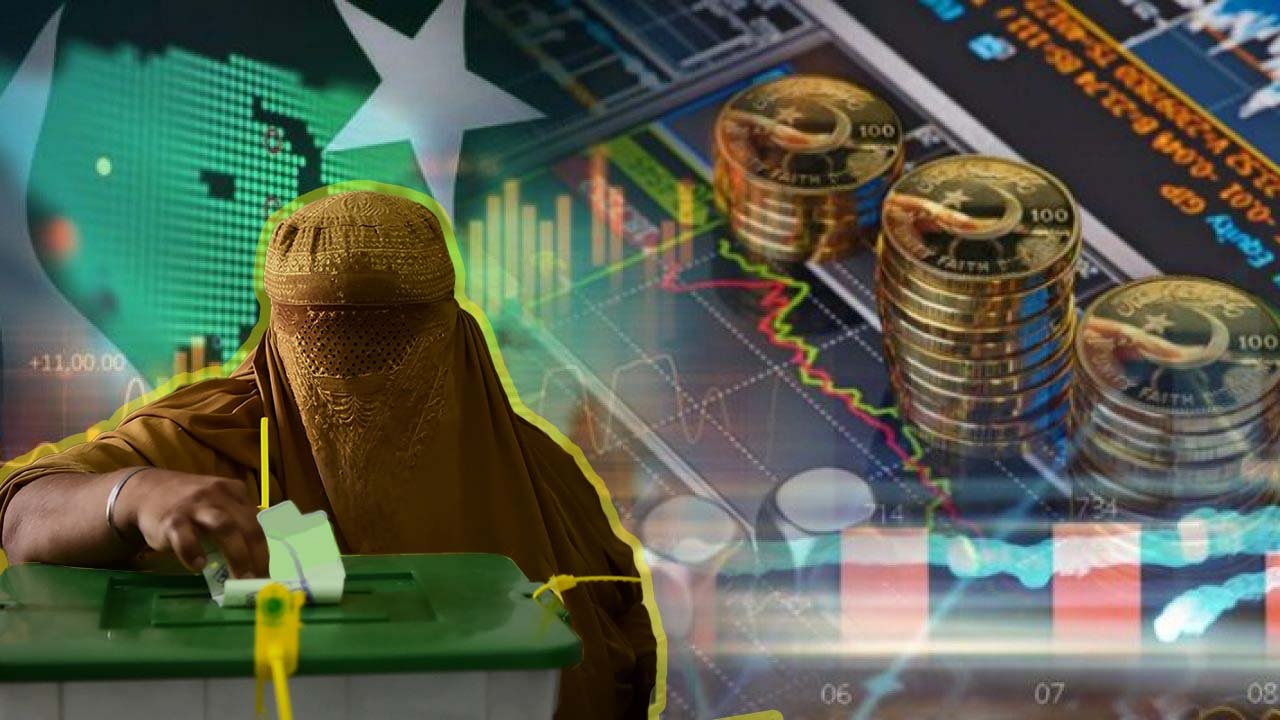
    Pakistan is set to hold its national elections on Thursday, a crucial event for the country grappling with multiple crises.

    As the new government prepares to take charge, it faces daunting challenges in stabilising the economy.

    Last summer, Pakistan narrowly avoided a sovereign default through a last-minute $3 billion bailout from the International Monetary Fund (IMF).

    However, this lifeline is set to end in March, and officials anticipate the need for a new, extended programme.

    Negotiating this program swiftly is imperative for the incoming government, as the economy is burdened by record-high inflation and slow growth resulting from stringent reforms.

    The country’s headline inflation stood at 28.3 per cent year-on-year in January, slightly lower than December’s 29.7 per cent. Despite government expectations, citizens are anxious for the new administration to address the soaring inflation that has significantly impacted their daily lives.

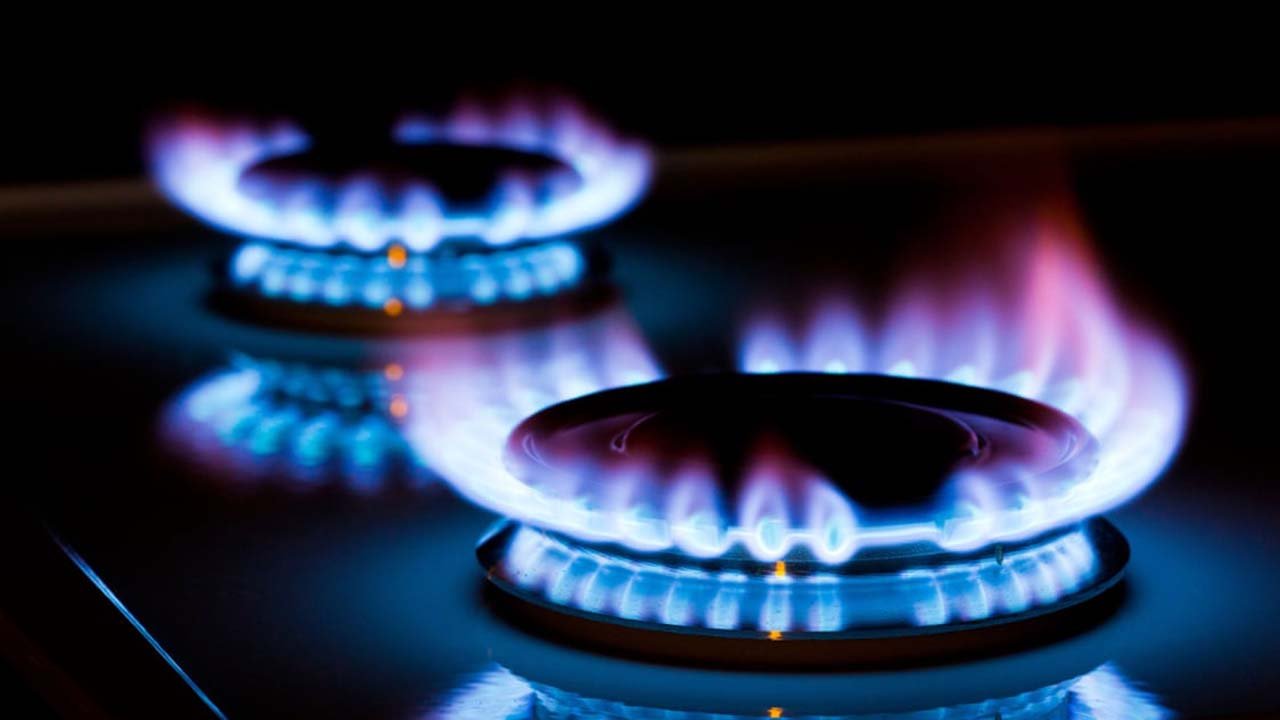
    Moreover, recent increases in gas prices, with a 35.13 per cent hike for Sui Northern Gas Pipelines Limited (SNGPL) and 8.57 per cent for Sui Southern Gas Company Limited (SSGC), add to the economic challenges. The move, effective from January 1, 2024, is the second increase in gas prices this fiscal year.

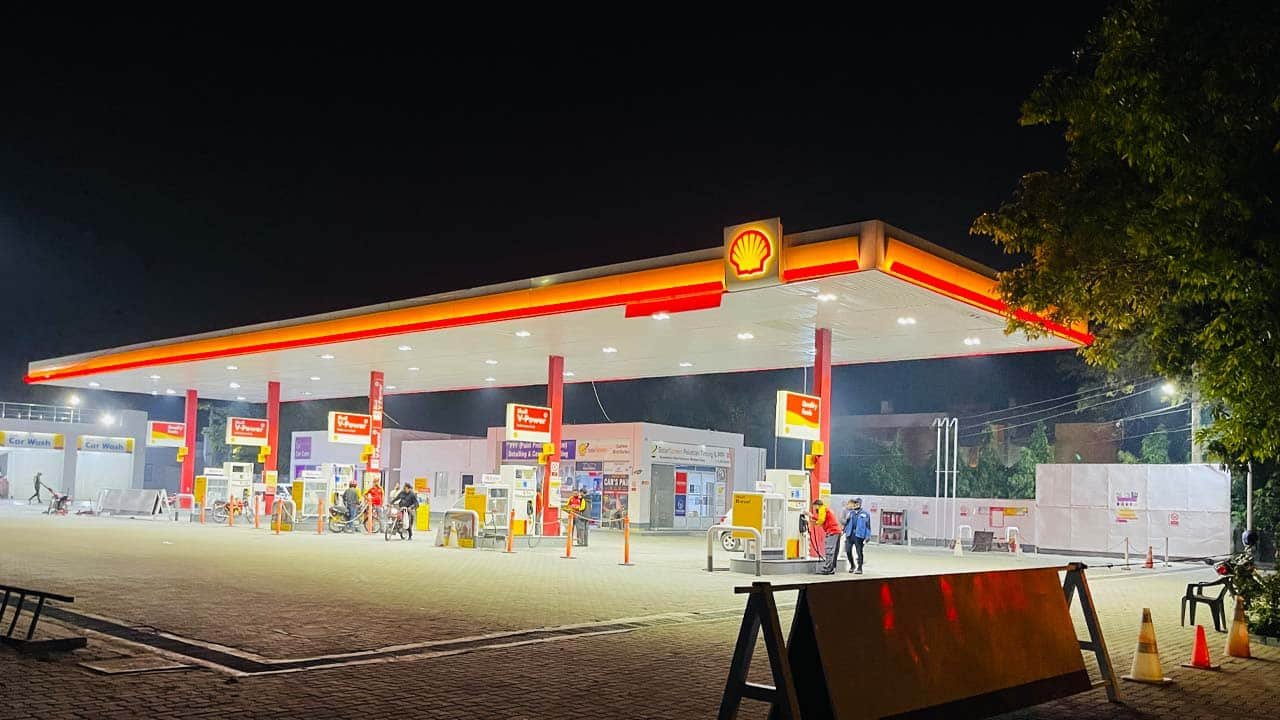
    In addition to rising gas prices, the cost of petrol and diesel has surged, with a notable increase of Rs13.55 per litre announced on February 1, 2024. This hike is attributed to the ongoing tensions in the Middle East, including Israel’s conflict with Gaza and Houthi attacks in the Red Sea.

    Amid these economic hardships, the National Electric Power Regulatory Authority (NEPRA) has approved an increase in electricity tariffs for distribution companies (Discos) by Rs4.57 per unit for December 2023. This adjustment addresses the escalating fuel costs impacting the power sector.

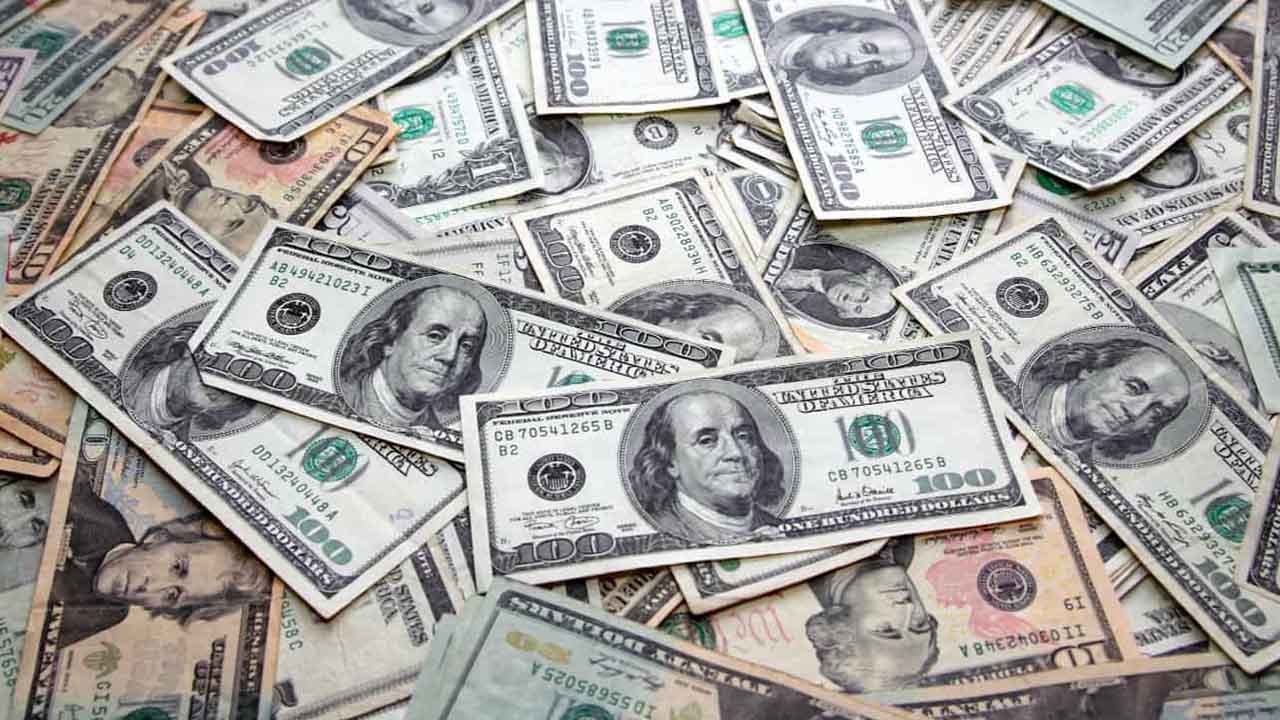
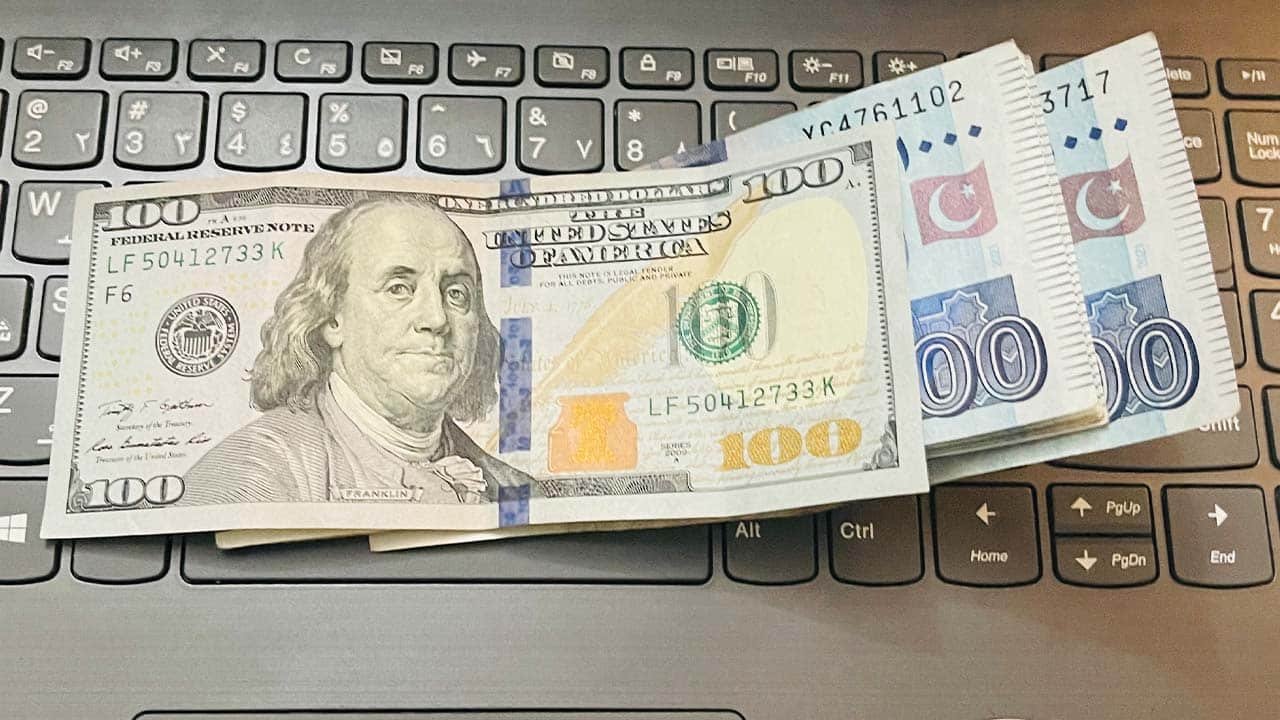
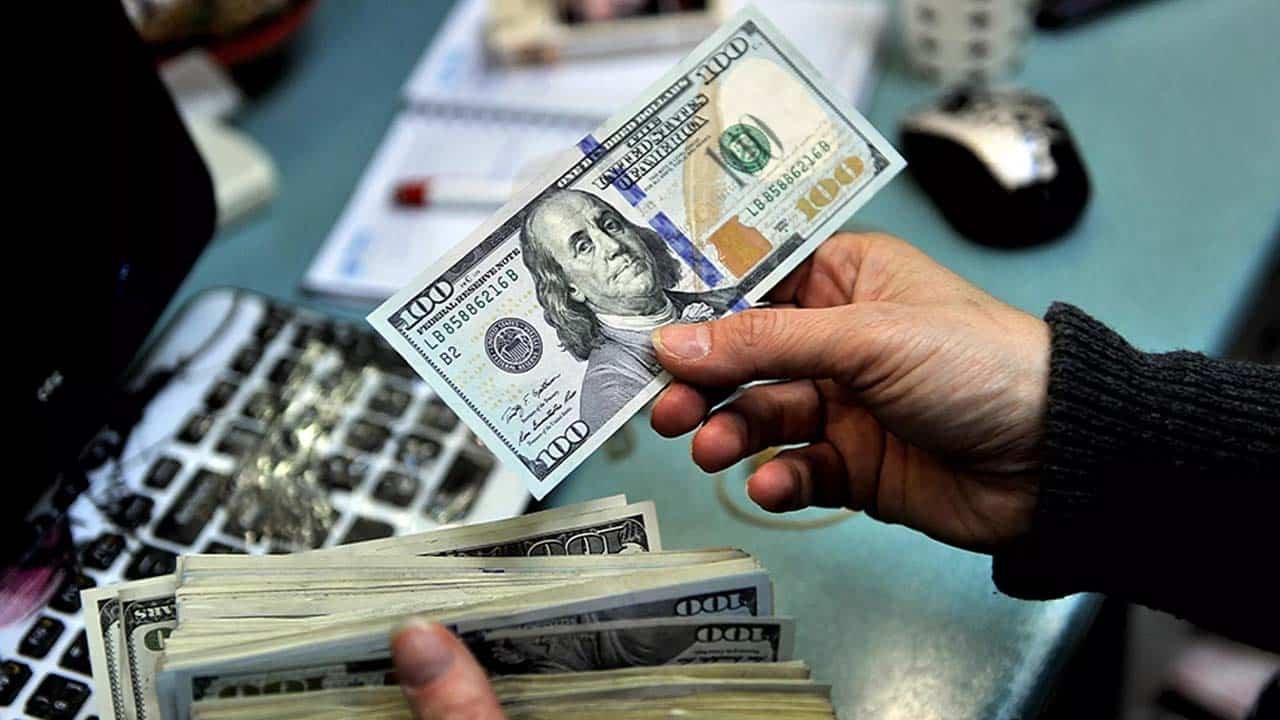
    The new government is also expected to address the exchange rate concerns as the Pakistani rupee struggles against the US dollar, currently standing at around Rs279.

    The disparity has led to increased prices for essential commodities, further straining the population.

    Adding to the complexity of the upcoming elections is the high political tension, with former prime minister Imran Khan describing a crackdown on him and his party.

    Khan, who has been in jail since August, faces pending cases, including accusations of ordering violent attacks on military installations.

    Despite his imprisonment, Khan maintains substantial popular support, and continued political unrest could jeopardise the stability needed for economic recovery and foreign investment.

    As Pakistan stands at a critical juncture, the incoming government’s ability to navigate these challenges will determine the nation’s economic trajectory in the coming years.
  • OGRA approves massive gas tariff hike for SNGPL, SSGC consumers

    OGRA approves massive gas tariff hike for SNGPL, SSGC consumers

    In a move to address the fiscal challenges faced by Sui Northern Gas Pipelines Limited (SNGPL) and Sui Southern Gas Company Limited (SSGC), the Oil and Gas Regulatory Authority (OGRA) has granted approval for a noteworthy increase in gas tariffs.

    Effective January 1, 2024, consumers of SNGPL will experience a 35.13 per cent surge, while SSGC customers will witness an 8.57 per cent rise.

    This marks the second adjustment in gas prices within the current fiscal year, following a substantial 193 per cent increase announced by OGRA, effective November 1, 2023. The decision to implement these changes is aimed at bridging the Rs98 billion shortfall collectively faced by both gas companies.

    The interim government’s initial projections aimed to collect Rs980 billion, intending to cover the estimated revenue requirements of Rs700 billion for both SNGPL and SSGC.

    The recommended average increase in the prescribed gas price is set at 23 per cent, reaching Rs1,590 per mmbtu, compared to the previous average of Rs1,291 per mmbtu determined on June 2, 2023.

    Specifically, OGRA has outlined a 50 per cent increase (Rs415.11 per mmbtu) for SNGPL, elevating the gas price to Rs1,238.68 per mmbtu, effective July 1, 2023.

    Simultaneously, the gas price for SSGC has been raised by 45 per cent (Rs417.23 per mmbtu) to reach Rs1,350.68 per mmbtu.

    The decision to increase gas prices aligns with the interim government’s commitment to the International Monetary Fund (IMF), with an agreement to announce a raise in gas sale prices by February 18, 2024.

    However, the OGRA Ordinance stipulates that if the government remains unresponsive to OGRA’s notification within 40 days, the determined tariff by the regulator will be automatically enforced.

    The recent approval underscores the ongoing efforts to address financial challenges and ensure the sustainability of the gas sector in Pakistan.

  • State Bank of Pakistan’s reserves soar to $8.27 billion, highest level since July 2023

    State Bank of Pakistan’s reserves soar to $8.27 billion, highest level since July 2023

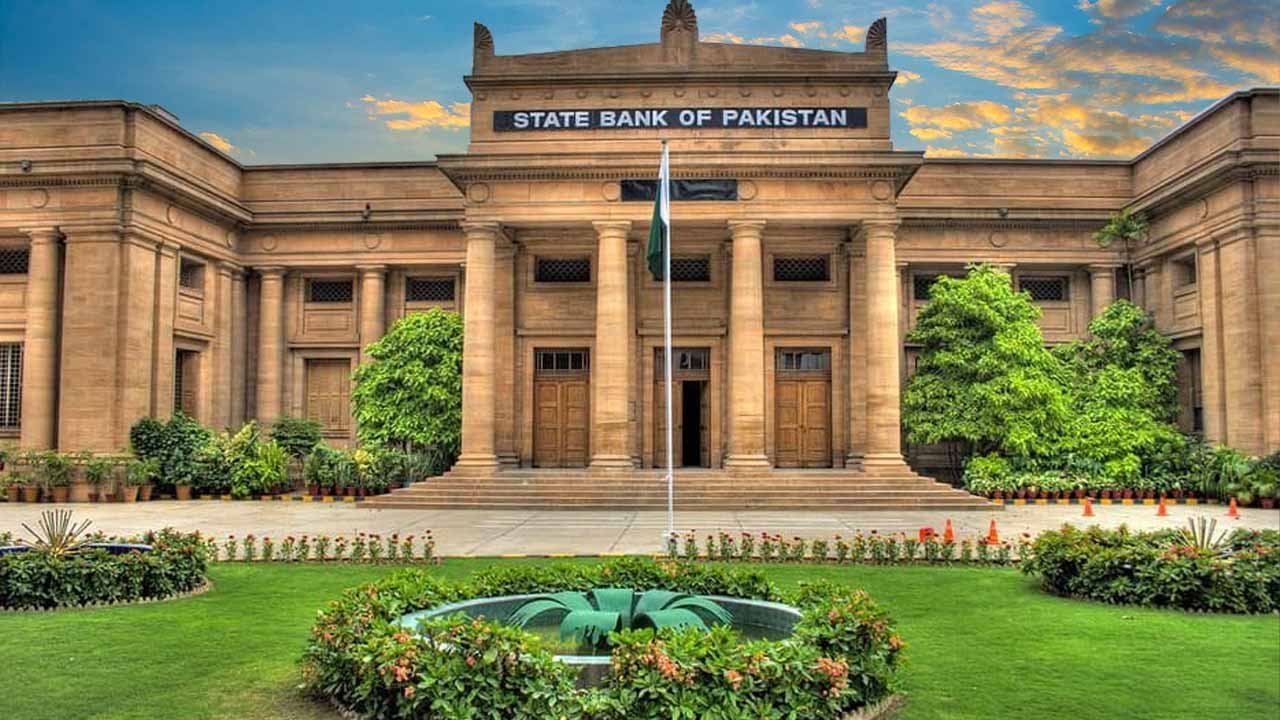
    In the latest report, the State Bank of Pakistan (SBP) announced a significant rise of $243.1 million, or 3.03 per cent week-on-week, in foreign exchange reserves, reaching $8.27 billion as of January 19, 2024. 

    This boost is credited to the reception of the second installment of SDR 528 million, equivalent to $705.6 million, from the International Monetary Fund (IMF). 

    After settling government external debt repayments, the net increase for the week stands at $243.1 million, marking the highest level for SBP’s reserves since July 14, 2023.

    Furthermore, the total reserves of the country witnessed an increase of $196.3 million, or 1.49 per cent, totaling $13.34 billion during the same week. 

    In contrast, commercial banks experienced a decline in reserves, dropping by $46.8 million, or 0.91 per cent, to $5.07 billion week-on-week.

    It is noteworthy that in the current fiscal year, total liquid foreign reserves have shown a substantial growth of $4.18 billion, reflecting a 45.65 per cent increase. 

    Similarly, the ongoing calendar year has seen a rise of $0.12 billion, marking a 0.91 per cent increase in the nation’s reserves.

  • Pakistan’s forex reserves witness a dip of $127 million

    Pakistan’s forex reserves witness a dip of $127 million

    In a recent report, it was revealed that the foreign exchange reserves held by the State Bank of Pakistan (SBP) experienced a decline of $127 million during the week ending January 12, settling at $8.03 billion.

    The country’s total liquid foreign reserves, including those held by commercial banks, amounted to $13.15 billion. Specifically, commercial banks held net foreign reserves of $5.12 billion.

    The SBP attributed the reduction in reserves to debt repayments, stating, “During the week ending on January 12, 2024, the SBP’s reserves decreased by US$ 127 million to US$ 8,027.4 million due to debt repayments.”

    Notably, the previous week had also seen a decrease in Pakistan’s central bank reserves, amounting to $66 million.

    In a significant development, Pakistan received a tranche of $705.6 million from the International Monetary Fund (IMF), as confirmed in a statement by the SBP on Wednesday.

    The central bank stated, “The SBP has received SDR 528 million (equivalent to $705.6 million) on January 16, 2024, from the IMF following the successful completion of the first review by the Executive Board of the IMF under Standby Arrangement (SBA).”

    The impact of this disbursement will be reflected in the central bank reserves for the week ending January 19.

  • SBP receives second IMF installment, total disbursements reach $1.9 billion

    SBP receives second IMF installment, total disbursements reach $1.9 billion

    The State Bank of Pakistan (SBP) announced today that it has successfully received the second installment of SDR 528 million, equivalent to $705.6 million, from the International Monetary Fund (IMF).

    This disbursement, slated to be reflected in SBP reserves for the week ending on January 19, 2024, marks a significant step in the ongoing financial collaboration between Pakistan and the IMF.

    The latest disbursement brings the total disbursements under the stand-by arrangement (SBA) to a substantial $1.9 billion.

    It is noteworthy that the remaining $1.1 billion is expected to be received after another comprehensive review scheduled for February 2024.

    As of January 5, 2024, the State Bank of Pakistan’s total reserves stand at $8.15 billion, showcasing the positive impact of the financial support received through the IMF programme.

    To recall, Pakistan secured a $3 billion SBA from the IMF towards the end of FY23, crucially preventing the nation from defaulting on its sovereign debt.

    The disbursement of the IMF funds has been phased out over two installments, subject to meticulous reviews.

    On January 11, 2024, Pakistan successfully completed the first review of the economic reform programme, a significant milestone in ensuring the country’s financial stability.

    Following the board’s approval, the IMF highlighted that economic activity has stabilised, though acknowledging that the outlook remains challenging and is contingent on the implementation of sound policies.

    Pakistan’s 9-month SBA aims to provide a robust policy anchor for addressing both domestic and external balances, serving as a framework for continued financial support from multilateral and bilateral partners.

    This financial collaboration with the IMF is instrumental in navigating Pakistan through economic challenges, providing a solid foundation for sustained growth and stability in the region.

    The country remains committed to implementing prudent economic policies as outlined in the reform programme, with the ongoing support of international partners.

  • IMF analysis reveals AI’s potential to disrupt 40% of jobs globally

    IMF analysis reveals AI’s potential to disrupt 40% of jobs globally

    In a recent comprehensive analysis, the International Monetary Fund (IMF) sheds light on the extensive impact of artificial intelligence (AI), unveiling its potential to disrupt nearly 40 per cent of all jobs worldwide.

    Kristalina Georgieva, the Managing Director of the IMF, expresses deep concerns about the consequences of widespread AI adoption, emphasising the likelihood of exacerbating existing inequalities.

    Georgieva underlines the urgency for policymakers to address this alarming trend, cautioning that unchecked deployment of AI could further widen social disparities and intensify tensions.

    The analysis indicates that the influence of AI on employment is expected to be particularly pronounced in advanced economies, with an estimated impact on approximately 60 per cent of jobs.

    While in about half of these cases, employees are poised to benefit from AI integration by enhancing their productivity and work capabilities, in other instances, AI may assume critical roles traditionally performed by humans.

    This shift in labour dynamics could lead to reduced demand for human workers, potentially affecting wages and, in some cases, resulting in job displacement.

    Contrary to the more significant impact projected for advanced economies, the IMF’s projections suggest that low-income countries may experience a comparatively lower impact, with AI affecting only around 26 per cent of jobs in these regions.

    Ms. Georgieva points out that many of these nations lack the necessary infrastructure or skilled workforces to harness the benefits of AI, raising concerns that the technology could exacerbate inequality among nations over time.

    This analysis aligns with a 2023 report by Goldman Sachs, estimating that AI has the potential to replace the equivalent of 300 million full-time jobs.

    However, the report also highlights the possibility of new job opportunities emerging along with a substantial increase in productivity.

    As the rapid proliferation of AI continues to spark intense debate, the global community faces the critical challenge of balancing the benefits and risks associated with this transformative technology.

  • Govt reduces petrol price by Rs8 to Rs259.34 per litre for next fortnight

    Govt reduces petrol price by Rs8 to Rs259.34 per litre for next fortnight

    In a significant move, the caretaker government announced a substantial reduction in the price of petrol by Rs8 per litre for the upcoming fortnight, effective January 16.

    This decision, as conveyed in a notification issued today by the Finance Division, aligns with the recommendations put forth by the Oil and Gas Regulatory Authority (OGRA).

    The adjusted ex-depot price of petrol now stands at Rs259.34 per litre, reflecting a notable decrease from the previous rate of Rs267.34 per litre.

    However, it is important to note that there have been no alterations in the prices of high-speed diesel, light-diesel oil, or kerosene oil.

    The government has already reached the maximum permissible limit under the law, with a Rs60 per litre petroleum levy imposed on both petrol and high-speed diesel (HSD).

    This levy is in line with the commitments made to the International Monetary Fund (IMF), aiming to collect Rs869 billion during the current fiscal year.

    Optimistically, the government anticipates surpassing this target, with the collection expected to exceed Rs950 billion by the end of June.

    Petroleum and electricity prices have been identified as key contributors to inflation, which surged to 29.7 per cent in December, as indicated by the Consumer Price Index.

    Presently, the government imposes a tax of approximately Rs82 per litre on both petrol and HSD.

    This adjustment in petrol prices not only provides relief to consumers but also marks a strategic step by the caretaker government to manage fiscal targets while considering the economic impact on the general population.

    The move is anticipated to have ripple effects on inflation rates, offering a temporary respite from the cost of living for the common citizen.

  • PKR sustains positive momentum, gains 0.04% against US dollar in ninth consecutive session

    PKR sustains positive momentum, gains 0.04% against US dollar in ninth consecutive session

    In the inter-bank market, the Pakistani rupee continued its positive trend against the US dollar for the ninth consecutive session on Monday, appreciating by 0.04 per cent to settle at Rs280.24, reflecting a gain of Re0.12, according to the State Bank of Pakistan (SBP).

    During the preceding week, the Pakistani rupee sustained its upward movement, appreciating by Rs1.04 or 0.37 per cent against the US dollar, settling at 280.36 in the inter-bank market.

    This surge in value is attributed to the recent announcement of a staff-level agreement (SLA) between Pakistan and the International Monetary Fund (IMF) on the first review of the $3 billion Stand-by Arrangement (SBA). Consequently, the approval of the second tranche of the package ensued.

    The IMF Executive Board completed the first review of the SBA last week, facilitating an immediate disbursement of $700 million.

    As of January 5, the foreign exchange reserves held by the State Bank of Pakistan amount to $8.15 billion, with expectations of further augmentation through IMF inflows.

    On the global front, the US dollar experienced a decline on Monday amid renewed anticipations of a Federal Reserve rate cut in March.

    Simultaneously, the Chinese yuan faced challenges, hovering near a one-month low ahead of forthcoming economic data releases.

    The likelihood of a Fed cut in March gained traction following unexpected December data indicating a decline in US producer prices, prompting a slide in US Treasury yields. The US dollar index remained stable at 102.50, exhibiting minimal fluctuations in recent sessions.

    In the realm of oil prices, a significant indicator of currency parity, a slight uptick was observed on Monday. This movement was influenced by concerns over potential supply disruptions in the Middle East, following strikes by US and British forces aimed at preventing Houthi militia in Yemen from attacking ships in the Red Sea.

  • IMF greenlights $700 million for Pakistan’s economic stabilisation programme

    IMF greenlights $700 million for Pakistan’s economic stabilisation programme

    In a significant development, the International Monetary Fund (IMF) successfully concluded its first review of Pakistan’s economic reform programme on Thursday.

    This programme, backed by a $3 billion and-by a arrangement (SBA), has now received a boost with the immediate approval and disbursement of $700 million, as confirmed by the finance ministry.

    According to an official statement from the ministry, the completion of the first review by the IMF’s Executive Board, coupled with the payment of $528 million in special drawing rights, has elevated the total disbursements under the SBA to $1.9 billion.

    The infusion of funds from the IMF, combined with recent inflows from multilateral lenders, is anticipated to contribute to the stability of the Pakistani rupee, which has demonstrated relative steadiness over the past few months.

    The finance ministry highlighted that this fresh tranche would play a crucial role in facilitating rollovers from allied countries, including the United Arab Emirates, China, and Saudi Arabia.

    Additionally, it is expected to alleviate external debt repayment pressures faced by Pakistan.

    This positive development traces back to June 2023, when the IMF Executive Board granted approval for a much-needed nine-month arrangement with Pakistan to support its economic stabilisation program.

    The initial disbursement of $1.2 billion was promptly released in July, with the remainder subject to two quarterly reviews over the programme’s duration.

    The current IMF programme is slated to conclude in the second week of April, with the recent disbursement marking a significant step towards its successful execution.

    Notably, a staff-level agreement was reached in November 2023 between the IMF staff and Pakistani authorities, paving the way for the first review under Pakistan’s SBA.

    This agreement was contingent upon subsequent approval by the IMF’s Executive Board.

    Looking ahead, Pakistan is poised to receive the remaining amount in March under the $3 billion SBA.

    Despite facing challenging conditions, particularly persistently high inflation, which rose to 29.7 per cent in December from 29.2 per cent in the preceding month, Pakistan remains committed to navigating through these economic challenges with the assistance of international financial institutions.

  • Gold prices in Pakistan wrap up first week of 2024 on a decline

    Gold prices in Pakistan wrap up first week of 2024 on a decline

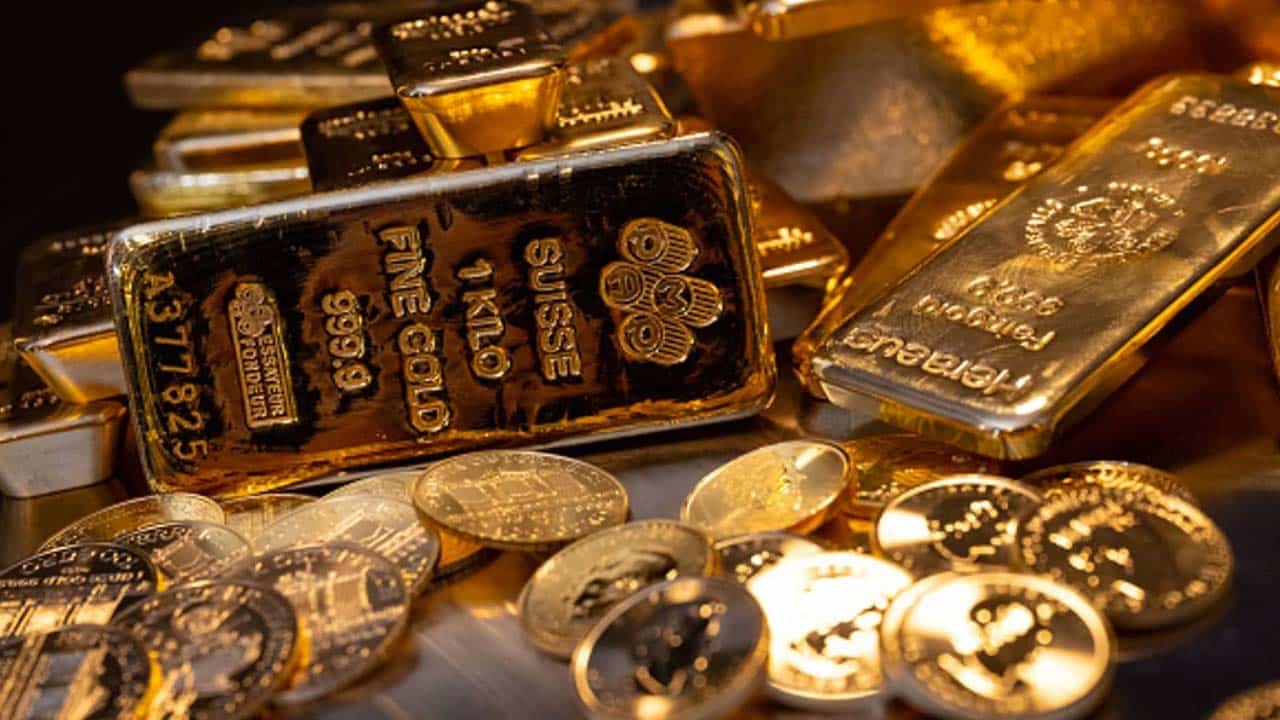
    The gold prices in Pakistan concluded the initial week of 2024 on a downward trajectory, witnessing a notable drop in the value of 24-karat gold.

    According to reports from the Karachi Sarafa Association, the price of 24-karat gold plummeted by Rs2,000 per tola, settling at Rs218,000.

    Contrary to this trend, the association noted that 24-karat gold experienced a gain of Rs1,000 per tola in today’s trading session, offering a glimmer of positivity in an otherwise challenging week.

    The closing figures for the last trading session revealed that 10-gramme 24-karat gold reached Rs186,900, showcasing an increase of Rs857.

    Similarly, the price of 10-gramme 22-karat gold stood at Rs171,325, marking a rise of Rs786.

    Investors in the domestic bullion market enjoyed substantial returns in 2023, with the yellow metal delivering an impressive 19.63% yield for the year.

    The concluding price of 24-karat gold in 2023 stood at Rs220,000 per tola, a notable surge compared to Rs183,900 per tola in the same period last year (SPLY).

    Adding to the dynamics of the market, the Pakistani Rupee (PKR) extended its winning streak, appreciating by an additional 46 paisa against the US dollar.

     This marks the eighth consecutive appreciation for the Pakistani rupee, driven by positive market sentiments.

    Analysts attribute this positive trend to the anticipation of the approval of the second loan tranche worth $700 million by the International Monetary Fund (IMF).

    Pakistan’s inclusion in the IMF’s meeting agenda for January 11, 2024, has heightened expectations of economic support.

    It’s essential to recognise the intricate relationship between domestic gold prices and the local currency.

    As gold is denominated in US dollars, any appreciation of the Pakistani rupee against the greenback tends to result in a decline in the value of gold.

    In conclusion, the first week of 2024 has been a mixed bag for the gold market in Pakistan, with fluctuating prices and external factors influencing the dynamics.

    Investors are likely to keep a close eye on both international economic developments and local market conditions as they navigate the complexities of the gold trade.