Tag: International Monetary Fund

  • SBP reports second consecutive weekly decline in forex reserves

    SBP reports second consecutive weekly decline in forex reserves

    During the week ending on November 17, 2023, the State Bank of Pakistan (SBP) experienced a decline of $217 million in its foreign exchange reserves, settling at $7,180.0 million, as revealed by data released on Thursday.

    The total liquid foreign reserves for the country amounted to $12.3 billion, with commercial banks holding net foreign reserves of $5.1 billion.

    The central bank attributed this reduction in reserves to debt repayments. In a statement, the SBP explained, “During the week ended on November 17, 2023, the SBP’s reserves decreased by US$ 217 million to US$ 7,180.0 million due to debt repayments.”

    This marks the second consecutive week of a decline in the dollar stockpile, following a $115 million decrease in the previous week.

    It’s noteworthy that in July of this year, the central bank’s reserves received a significant boost as Pakistan received the initial tranche of approximately $1.2 billion from the International Monetary Fund (IMF).

    This followed the approval of a new $3 billion stand-by arrangement (SBA). Additional inflows were received from Saudi Arabia and the UAE.

    However, the SBP’s reserves have been facing pressures due to ongoing debt repayments, increased import payments following the relaxation of restrictions, and a lack of fresh inflows.

    In a positive development, the IMF announced last week that its staff and Pakistani authorities had reached an agreement on the first review of the SBA.
    The staff-level agreement is pending approval by the IMF Executive Board.

    The IMF stated, “The IMF team has reached a staff-level agreement (SLA) with the Pakistani authorities on the first review of their stabilisation programme supported by the IMF’s US$3 billion (SDR2,250 million) SBA.”

    Upon approval, approximately US$700 million (SDR 528 million) will become available, bringing the total disbursements under the programme to nearly US$1.9 billion.

    Caretaker Finance Minister Dr Shamshad Akhtar, speaking to the media after the SLA with the IMF, expressed confidence that external financing would not be an issue, anticipating increased inflows in December 2023, which would contribute to boosting the foreign exchange reserves.

  • IMF recommends gas price hike, subsidy cuts for Pakistan

    IMF recommends gas price hike, subsidy cuts for Pakistan

    The International Monetary Fund (IMF) has reportedly urged Pakistan to address the growing concerns surrounding the power sector’s circular debt, which now stands at 4 per cent of the gross domestic product (GDP).

    Despite initial targets for debt reduction not being met, the IMF has not yet made a final decision on its recommendations.

    Sources suggest that the IMF is advocating for an additional hike in gas prices and a reduction in energy sector subsidies, aligning with its persistent calls for such measures.

    It’s noteworthy that no official decision has been reached on these proposals. Simultaneously, Pakistan and the IMF have collaborated on a comprehensive privatisation plan, focusing on state-owned entities (SOEs) that have incurred significant losses.

    This strategic move aims to address the financial challenges faced by these institutions. The Central Monitoring Unit will meticulously evaluate the extent of losses, with findings submitted to the IMF.

    A crucial aspect of the privatization plan involves transferring control of power distribution companies to the private sector. This shift is expected to mitigate losses and improve efficiency in the power sector, aligning with the IMF’s overarching demand for comprehensive reforms in the energy sector.

  • Govt plans to increase gas and electricity prices in January

    Govt plans to increase gas and electricity prices in January

    The interim Finance Minister, Dr Shamshad Akhtar, announced during a press conference that the caretaker government is planning to increase electricity and gas tariffs in January to address the circular debt issue, in line with the International Monetary Fund’s (IMF) Stand-By Arrangement (SBA). 

    The circular debt in the power and gas sectors, currently exceeding 4 per cent of the Gross Domestic Product, requires urgent action for reduction. 

    Dr Akhtar also discussed tariff revisions with the IMF and the potential imposition of additional taxes on sectors like real estate and retail, emphasizing that final decisions are pending. 

    She highlighted the necessity for a new short-term IMF program and anticipated a medium-term program under the Extended Fund Facility (EFF) after the SBA concludes. 

    Regarding the external financing gap, Finance Secretary Imdad Bosal expressed optimism that a successful IMF review would unlock programme and project loans from multilateral lenders. 

    He anticipated approvals in December for loans from the World Bank, Asian Development Bank, Asian Infrastructure Investment Bank, and Islamic Development Bank. 

    Bosal assured that there is no external financing gap, and the improved ratings post-review would attract foreign loans. 

    Dr Akhtar stated that the World Bank is expected to disburse $2 billion during the current fiscal year, contributing to foreign exchange reserves along with the $700 million tranche approval from the IMF, bringing the total disbursement under the SBA to $1.9 billion out of $3 billion. 

    The approval for the second tranche from the IMF’s Executive Board is anticipated within a month.

  • Pakistan’s forex reserves dip by $79 million amidst external debt repayments

    Pakistan’s forex reserves dip by $79 million amidst external debt repayments

    Pakistan’s total liquid foreign exchange reserves declined by $79 million in the past week, primarily due to external debt repayments. 

    According to the State Bank of Pakistan (SBP), as of November 10, 2023, the country’s total reserves amounted to $12.535 billion, down from $12.614 billion on November 3, 2023.

    During the reviewed week, SBP’s reserves decreased by $115 million to $7.397 billion due to debt servicing. Conversely, commercial banks’ net foreign reserves increased by $36 million, reaching $5.139 billion by the end of the week.

    In a significant development, the International Monetary Fund (IMF) announced on Wednesday that a staff-level agreement (SLA) has been reached on the first review of a nine-month stand-by arrangement (SBA) totaling $3 billion with Pakistani authorities.

    Pending approval by the IMF Executive Board, the SLA signifies a milestone, and upon approval, an amount of SDR 528 million, approximately a $700 million loan tranche, will be disbursed to Pakistan. 

    This disbursement will bring the total funds received under the IMF SBA to $1.9 billion.

    These incoming funds are expected to contribute to replenishing the country’s diminishing foreign exchange reserves. 

    The IMF team, led by Nathan Porter, conducted discussions in Pakistan from November 2–15, 2023, culminating in the announcement of the SLA upon the completion of the economic review.

  • IMF and Pakistan seal agreement on $3 billion SBA, await board approval

    IMF and Pakistan seal agreement on $3 billion SBA, await board approval

    In a significant development, the International Monetary Fund (IMF) declared on Wednesday that its team and Pakistani authorities have successfully concluded the initial review of the $3 billion, nine-month Stand-By Arrangement (SBA).

    This staff-level agreement awaits the approval of the IMF Executive Board.

    Upon endorsement, approximately US$700 million (SDR 528 million) will be accessible, contributing to a cumulative disbursement of nearly US$1.9 billion under the programme.

    A delegation from the IMF, led by Nathan Porter, conducted discussions in Islamabad from November 2–15, 2023, focusing on the inaugural review of Pakistan’s economic programme supported by the IMF SBA.

    The nascent recovery, supported by international partners and enhanced confidence indicators, is attributed to the stabilizing policies outlined in the SBA.

    The disciplined implementation of the FY24 budget, ongoing adjustments in energy prices, and increased inflows into the foreign exchange (FX) market have alleviated fiscal and external pressures.

    The IMF anticipates a decline in inflation in the upcoming months, driven by diminishing supply constraints and modest demand.

    Nevertheless, Pakistan remains exposed to significant external risks, including heightened geopolitical tensions, escalating commodity prices, and potential tightening in global financial conditions.

    It is imperative to persist in efforts to enhance resilience in the face of these challenges, according to the international lender

  • Pakistan’s stock market surges to all-time high of 53,123.04 points

    Pakistan’s stock market surges to all-time high of 53,123.04 points

    The Pakistan Stock Exchange (PSX) continued its impressive performance, with the benchmark KSE-100 index surging by over 700 points and approaching the historic milestone of 54,000 during Monday’s trading session.

    As the closing bell neared, the KSE-100 Index stood at 53,860.36, reflecting a remarkable gain of 737.33 points, or 1.39 per cent.

    In the preceding week, the KSE-100 index achieved a then-record high, driven by robust buying primarily from local investors, bolstered by institutional support.

    The benchmark index witnessed a substantial week-on-week increase of 2,179.20 points, breaching the 53,000 mark and concluding at an all-time high of 53,123.04 points, a historic first.

    Monday’s trading session witnessed broad-based buying, with key sectors such as cement, chemicals, commercial banks, and OMCs all trading in positive territory.

    Market analysts attributed this positive momentum to an overall improvement in economic indicators, notably the State Bank of Pakistan’s (SBP) decision to maintain interest rates at 22 per cent during the last Monetary Policy Committee (MPC) meeting.

    Additionally, a decrease in the inflation rate, with the October 2023 Consumer Price Index (CPI) at 26.9 per cent year-on-year and favourable feedback from the International Monetary Fund (IMF) mission currently visiting Pakistan, further enhanced market sentiment.

    Furthermore, the announcement of final election dates by the country’s election commission, signifying political stability, also played a significant role in creating favourable conditions within the market.

  • Pakistan on track to secure second IMF tranche successfully: PM Kakar

    Pakistan on track to secure second IMF tranche successfully: PM Kakar

    Caretaker Prime Minister Anwaar ul Haq Kakar expressed optimism about Pakistan’s upcoming review with the International Monetary Fund (IMF), set for this month.

    The IMF, led by Nathan Porter, will visit Pakistan from November 2–16 to discuss the first review of the country’s current $3 billion stand-by arrangement (SBA).

    Pakistan is navigating a challenging economic recovery path under a caretaker government following an IMF loan programme approval in July, which prevented a sovereign debt default. The country received the first $1.2 billion tranche from the IMF in July.

    Kakar stated that Pakistan has successfully achieved its targets, including revenue goals, and is confident about the negotiations for the second tranche.

    Regarding inflation, the interim prime minister acknowledged a decrease in inflation rates, attributing it to the Pakistani rupee’s appreciation against the dollar and a drop in petroleum prices. 

    The prime minister also encouraged journalists to analyse the impact of the Pakistani rupee’s strength on circular debt and highlighted that stringent measures against smuggling through Afghan transit trade have boosted local industry productivity.

  • IMF team to visit Pakistan next week for crucial $3 billion SBA assessment

    IMF team to visit Pakistan next week for crucial $3 billion SBA assessment

    A delegation from the International Monetary Fund (IMF) is scheduled to visit Pakistan on November 2 to initiate discussions pertaining to the inaugural assessment of the nation’s ongoing $3 billion standby arrangement (SBA). 

    Pakistan is currently navigating a complex journey towards economic recovery, operating under an interim government. 

    This endeavour follows an IMF loan programme sanctioned in July, which was instrumental in averting a potential sovereign debt default. As part of this programme, Pakistan received an initial disbursement of $1.2 billion from the IMF in July.

    Esther Perez Ruiz, the IMF’s resident representative in Pakistan, has disclosed that a delegation led by Mr Nathan Porter from the International Monetary Fund will embark on a mission to Pakistan commencing on November 2, with the primary objective being the evaluation of the current Stand-By Arrangement.

    Additionally, the finance ministry has exerted significant efforts to maintain the budget deficit within the predefined limits agreed upon with the IMF. They issued warnings to the provinces, urging them to curtail their expenditures. Recent provisional estimates indicate that both Punjab and Sindh have made notable strides in this direction.

    However, a notable challenge in the quest to contain the overall fiscal deficit lies in the escalating debt servicing requirements. These obligations are projected to surpass Rs8.3 trillion and reach Rs8.5 trillion for the current fiscal year 2023–24. This surge is attributed to the central bank’s heightened policy rate, a departure from the initial target of Rs7.3 trillion.

  • Pakistan’s forex reserves surge by $67 million to reach $7.7 billion

    Pakistan’s forex reserves surge by $67 million to reach $7.7 billion

    The State Bank of Pakistan (SBP) reported a notable weekly surge in foreign exchange reserves, with an increase of $67 million, reaching $7.7 billion as of October 13, as per the latest data release on Thursday.

    In total, the nation’s readily available foreign reserves amounted to $12.9 billion, with commercial banks holding $5.2 billion in net foreign reserves. The central bank did not provide a specific explanation for this increase.

    During the week concluding on October 13, 2023, the SBP’s reserves climbed by $67 million, reaching a total of $7,714.0 million, according to the SBP’s statement. This follows a previous week’s increase of $31 million.

    Notably, in July of this year, the central bank’s reserves received a significant boost when Pakistan received an initial disbursement of approximately $1.2 billion from the International Monetary Fund (IMF), following the approval of a new $3-billion stand-by arrangement. Additionally, inflows from Saudi Arabia and the UAE contributed to this increase.

    Nevertheless, the central bank’s reserves have faced pressure due to ongoing debt repayments, increased import expenditures following the easing of restrictions, and a lack of fresh inflows.

  • SBP Governor confirms Pakistan’s strong position to achieve IMF targets 

    SBP Governor confirms Pakistan’s strong position to achieve IMF targets 

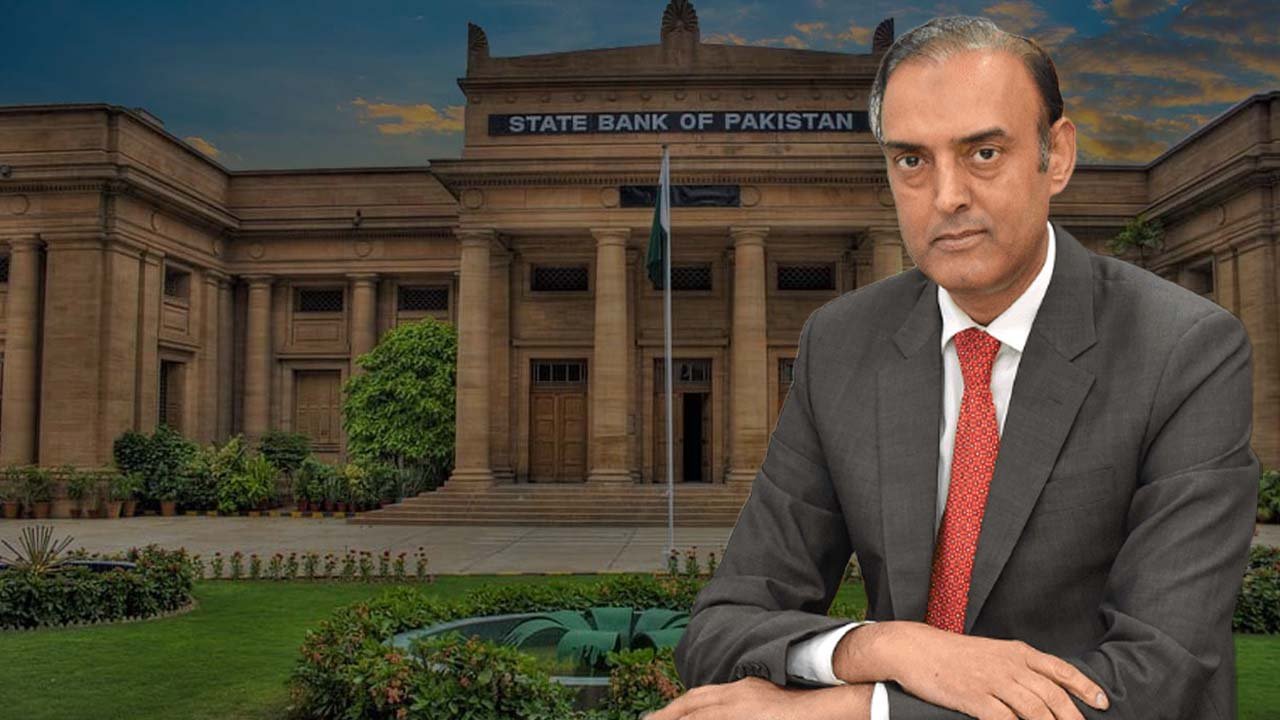
    The Governor of the State Bank of Pakistan (SBP), Jameel Ahmad, provided a reassuring update to investors on Friday, affirming that the nation is well-positioned to meet the International Monetary Fund’s (IMF) end-September targets for net international reserves and net domestic assets. 

    Ahmad said that Pakistan is “very comfortably” placed to meet IMF targets. 

    This declaration was made by Governor SBP during a meeting with prominent international investors held on the sidelines of the IMF-World Bank gatherings in Marrakech, Morocco.  

    The meeting was organised by prominent global banks such as Barclays, JP Morgan, Standard Bank, and Jefferies. 

    According to an official press release from the central bank, investors were apprised of recent macroeconomic developments, the government’s response to prevailing challenges, and the economic outlook of Pakistan and were provided with the opportunity to seek clarification on these matters. 

    Governor Ahmad informed investors that the current policy framework is strategically oriented towards achieving stability by addressing prevailing macroeconomic imbalances. 

    He highlighted that the SBP had taken early measures to tighten monetary policy in response to escalating global inflation. 

    Nevertheless, certain domestic obstacles, such as the 2022 floods, had complicated the SBP’s efforts to combat inflation. 

    The governor noted that these stabilisation measures have begun to yield positive outcomes. Inflation, after reaching a peak of 38.0 per cent in May 2023, decreased to 31.4 per cent in September 2023 and is anticipated to continue on a downward trajectory in the coming months. 

    Furthermore, Pakistan’s external account has exhibited substantial improvements, with foreign exchange reserves being steadily replenished. 

    Governor Ahmad expressed confidence that inflation would significantly decrease in the latter half of the fiscal year. 

    He emphasised that the stand-by arrangement with the IMF is anticipated to provide essential support for ongoing economic stabilisation efforts. 

    In addition, he reported that foreign exchange reserves have improved considerably, marked by an increase from a low of $3.1 billion in January 2023 to $7.6 billion at the end of September 2023. 

    This reserve enhancement was largely bolstered by non-debt-creating inflows amid favourable market conditions. 

    According to Geo, the Governor further revealed that the SBP has successfully met the forward book target of $4.2 billion for end-September 2023, as agreed with the IMF, with a substantial surplus. 

    Likewise, the SBP is confidently poised to fulfil other end-September IMF targets, including net international reserves (NIR) and net domestic assets (NDA). 

    Concluding his statement to investors, Governor Ahmad conveyed that Pakistan is diligently addressing long-standing structural deficiencies.  

    He expressed optimism that, with the support of both multilateral and bilateral partners, the nation is on course to achieve sustainable and inclusive economic growth in the medium term.