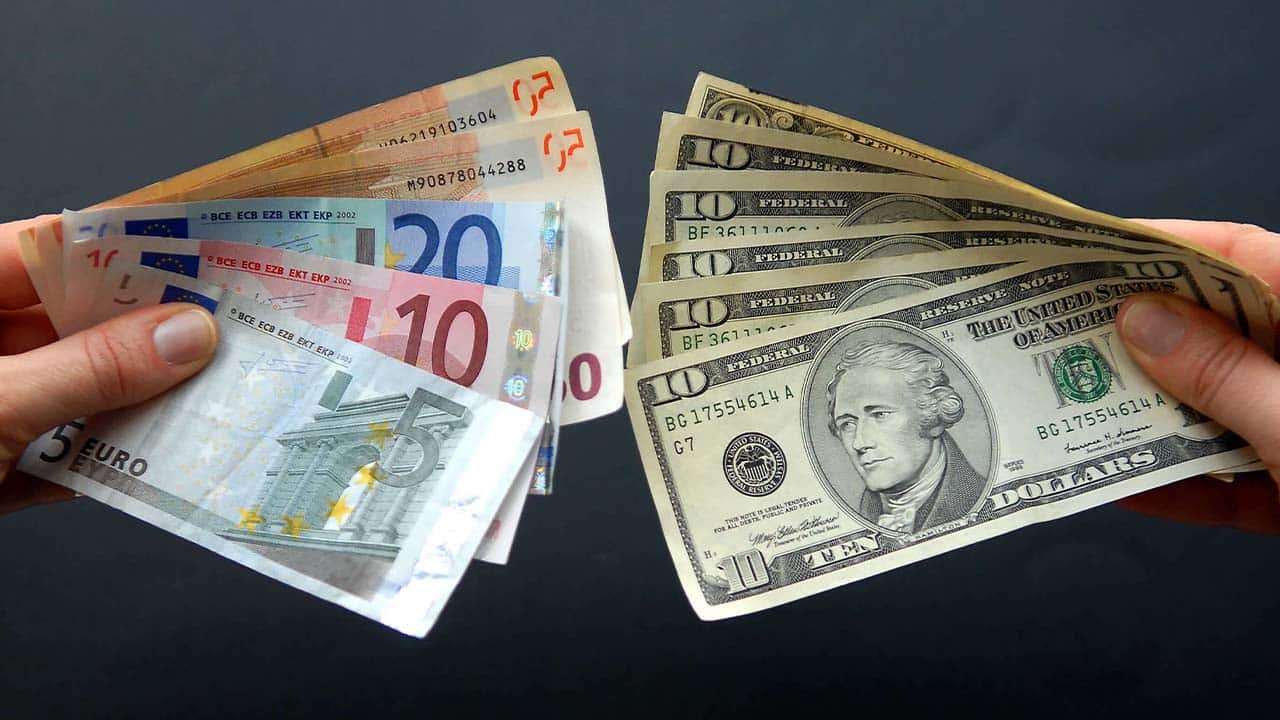
Tag: International Monetary Fund

  • Remittances to Pakistan decline by 19.3% to $2 billion in first month of fiscal year

    Remittances to Pakistan decline by 19.3% to $2 billion in first month of fiscal year

    Pakistan has experienced a notable decline in remittances during the first month of the current fiscal year, as data released by the central bank reveals a year-on-year drop of 19.3 per cent, amounting to $2 billion. This concerning trend was further accentuated by a month-on-month reduction of 7.3 per cent.

    In the month of July, remittance inflows from Pakistanis residing abroad amounted to $2.2 billion. The distribution of these remittances showed that Saudi Arabia held the top spot with a contribution of $486.7 million, followed by the United Arab Emirates with $315.1 million. The United Kingdom and the United States of America followed closely with $305.7 million and $238.1 million, respectively.

    Economic analysts anticipated this decline in remittances for the month of July, given the post-Eid ul Adha period. The reduction was expected, as Pakistani expatriates tend to increase their cash transfers back home during festive seasons. Interestingly, it seems that some of these remittance inflows have been diverted to the grey market due to more favourable exchange rates for dollars.

    Samiullah Tariq, the head of research at Pak-Kuwait Investment Company, shed light on this shift: “In my view, as this was the month after Eid ul Adha, flows were relatively subdued. Some Pakistanis are opting for unofficial channels to transfer money.” The continuous devaluation of the Pakistani currency is also impacting investment sentiment among overseas Pakistanis, discouraging them from contributing more significantly to the economy.

    The recent release of these remittance statistics coincides with the International Monetary Fund’s (IMF) approval of a $3 billion bailout package for Pakistan. The nation’s economy had been teetering on the edge of default due to mounting debt obligations. Governor Jameel Ahmad of the State Bank of Pakistan (SBP) reassured that the SBP remains committed to upholding its obligations, including maintaining a controlled difference between the interbank and open market exchange rates, as specified in the agreement with the IMF.

    Fahad Rauf, the head of research at Ismail Iqbal Securities, voiced his concern over the decline in remittances: “The extent to which remittances have declined is indeed worrying. Unofficial channels offering higher rates have played a role in this scenario.” He also highlighted the SBP’s efforts to attract more remittances through proposed changes in incentive schemes, including a 50 per cent increase in the reimbursement rate for Saudi Riyal conversions.

    The SBP’s latest monetary policy statement forecasts the current account deficit for fiscal year 2024 to range between 0.5 per cent and 1.5 per cent of the gross domestic product. This projection takes into account both evolving domestic and global economic conditions. The SBP remains optimistic about the prospects of multilateral and bilateral inflows following the IMF’s stand-by arrangement, which is expected to bolster external buffers and address short-term external financing requirements.

    As the nation navigates through these challenges, the market-determined exchange rate will continue to play a pivotal role as the first line of defence against external shocks, further supporting the buildup of reserves. With a cautious eye on global commodity prices and a moderate domestic economic recovery, Pakistan aims to manage its imports and strengthen its economic stability.
  • We’re not shocked: Salaried class pays 200% more tax than exporters, retailers

    We’re not shocked: Salaried class pays 200% more tax than exporters, retailers

    In the fiscal year 2022-23, Pakistan’s salaried class emerged as the leading contributor to the nation’s income tax, making a substantial contribution of Rs264.3 billion. Astonishingly, this amount was nearly 200 per cent higher than the combined income tax paid by the country’s exporters and largely undertaxed retailers.

    Data collected and released by the Federal Board of Revenue (FBR) unveiled that salaried individuals paid a total of Rs264.3 billion in taxes during the fiscal year, marking an impressive increase of over Rs75 billion or 40 per cent compared to the previous year. This rise was attributed to the imposition of up to a 35 per cent tax rate on their earnings.

    Ranked as the fourth-largest contributor to withholding taxes, following contractors, bank depositors, and importers, the salaried class has faced increased taxation in the latest budget. Despite grappling with this added burden alongside historically high inflation rates, the government once again raised taxes on salaried individuals earning more than Rs200,000 per month in the recent budget. In a surprising move, around 5,000 retailers were relieved from stricter registration conditions.

    It is noteworthy that during the preceding fiscal year, the FBR managed to collect over Rs2 trillion through withholding taxes, accounting for 61 per cent of the total income tax generated in the same period. However, concerns were raised over the ease of collecting withholding taxes, especially from non-filers at double rates, which has become a reliable revenue source for the FBR.

    The Salaried Class Alliance expressed apprehension over the prioritisation of additional taxation on existing taxpayers while allowing the informal sector to thrive. The highest income tax collections came from contractors, savings account holders, importers, salaried individuals, non-filers’ electricity bills, telephone & mobile phone users, and dividend income. According to Express Tribune, other significant contributors included taxes on property transactions, exports, foreign income fees, brokerage commissions, and car registrations.

    Comparatively, provisional figures revealed that exporters and retailers combined paid Rs175 billion less in taxes compared to the salaried class. Despite earning $27.7 billion during the last fiscal year, exporters contributed only Rs74 billion in taxes. Although their tax contribution increased by 17.4 per cent from the previous year, it did not match the rise in their income in rupee terms. Retailers, subject to a 0.5 per cent advance tax on sales, contributed a mere Rs15.6 billion, reflecting the lowest contribution among income groups. Surprisingly, despite accounting for approximately 19 per cent of the economy, retailers and wholesalers only contributed 0.4 per cent to the total income tax collection.

    The approach of the International Monetary Fund (IMF) came under criticism for disproportionately burdening the salaried class, which lacks representation in the corridors of power, unlike exporters and retailers.

    Lastly, tax collection from contractors and service providers reached an impressive Rs391 billion in the last fiscal year, marking the largest single-income tax collection head over which the FBR has no control. Additionally, profits on debt witnessed a remarkable 106 per cent increase, amounting to Rs320 billion, reflecting higher interest rates and increased savings. Importers also contributed significantly, paying Rs290 billion in income tax on various types of imports, ranking as the third-largest contributor to withholding taxes.

  • Pakistan Stock Exchange surges to 21-month high as KSE-100 index crosses 47,000 mark

    Pakistan Stock Exchange surges to 21-month high as KSE-100 index crosses 47,000 mark

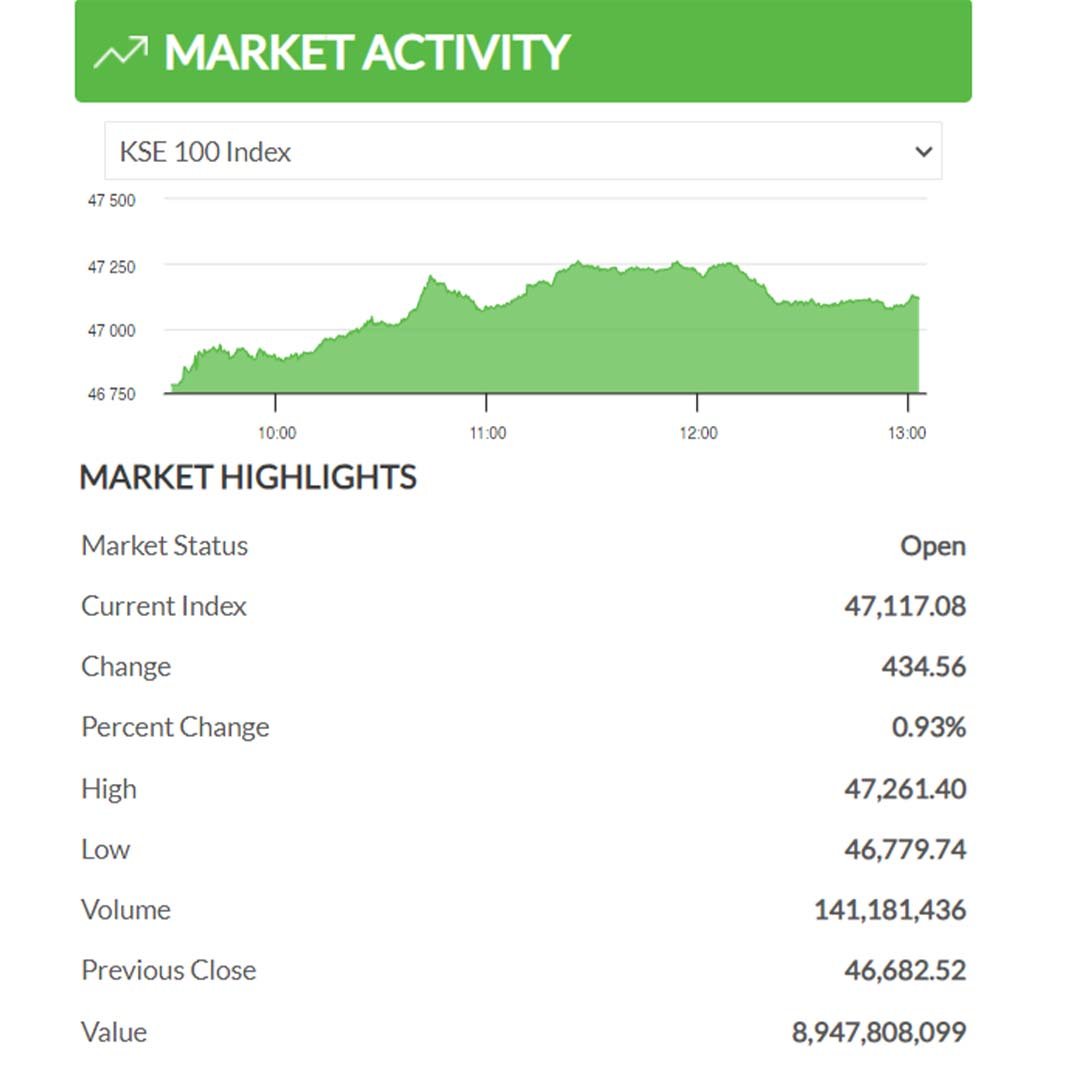
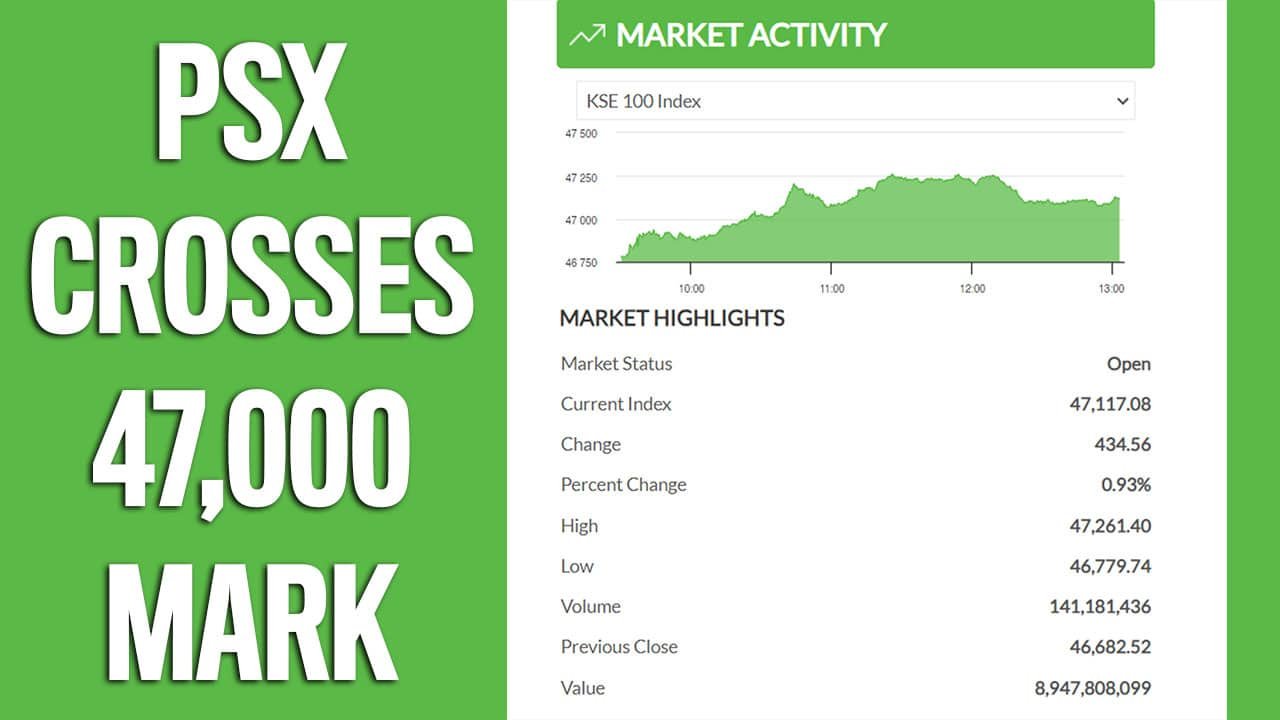
    The Pakistan Stock Exchange witnessed a significant surge as the benchmark KSE-100 index surpassed the 47,000 milestone on Thursday, reaching its highest point in 21 months. This remarkable upswing was fueled by positive market sentiment following the recent International Monetary Fund (IMF) deal.

    Notably, the bullish position was further fortified by impressive corporate performance, particularly within the index-heavy sectors. At 12:10 pm, the benchmark index surged by 560 points, settling at 47,242.9 points, marking its peak since November 8, 2021, as reported by Arif Habib Limited (AHL), a prominent brokerage firm.

    AHL emphasized that the market had recorded a noteworthy gain of 5,751 points (13.9 per cent) since the staff-level agreement with the IMF for the $3 billion Standby Agreement (SBA).

    This positive momentum was attributed to increased valuations after securing the IMF SBA facility, as explained by Tahir Abbas, AHL’s Head of Research, in an interview with Geo.tv. He highlighted that the current Price-Earnings Ratio (PER) of the KSE-100 stands at 3.7x, which is relatively lower compared to the lowest recorded during the previous financial crisis in 2008 (3.9x).

    Abbas asserted that the market remains attractive, and as a result, the positive momentum is expected to continue. Analyst Saad Ali, an expert in the capital market, attributed the market’s favorable performance to the combination of IMF optimism and the outlook for enhanced macro stability, which has been complemented by strong corporate results during the present result season. Despite facing challenging macroeconomic conditions, several banks and companies have managed to surpass expectations in terms of earnings and payouts.

    Last month, Pakistan signed a short-term deal with the IMF, a crucial step that helped the country avert a potential default and bolster its foreign exchange reserves. This move has played a pivotal role in supporting the current bullish trend in the stock market.

    In conclusion, with the positive impact of the IMF deal and encouraging corporate results, the Pakistan Stock Exchange’s benchmark KSE-100 index has achieved substantial growth, positioning itself at a 21-month high. The market outlook remains promising, and experts predict further gains ahead.

  • Pakistan Stock Exchange surpasses 46,000 mark for the first time in 15 months

    Pakistan Stock Exchange surpasses 46,000 mark for the first time in 15 months

    The Pakistan Stock Exchange’s (PSX) benchmark KSE-100 index experienced significant gains on Friday, rising by over 500 points and closing just below the 46,000 mark.

    The index reached 46,073.61 points at 3:47 pm, showing a notable increase of 675.30 points from the previous day’s closing of 45,398.31. However, by the end of the day, it closed at 45,920.73, up by 522.42 points or 1.15 per cent.

    According to Dawn, Ahsan Mehanti, the Director of Arif Habib Corporation, mentioned that foreign capital was actively buying shares in the energy sector. He attributed the stock market rally to favorable financial results, the Islamabad High Court’s ruling declaring the imposition of a super tax on various companies unlawful, and reports indicating the policy rate would remain unchanged.

    As a result of these factors, the index reached the 46,000 mark after a gap of 15 months, signaling an overall improvement in all sectors. Mehanti also pointed out the positive impact of the recently announced standby agreement with the International Monetary Fund (IMF).

    Looking ahead, if the market continues to close above 46,000, it is expected to see further growth. Amir Shehzad, Director of First National Equities Limited, referred to the recent market fluctuations as a “technical correction” and expressed optimism that the market could surpass the 47,000 point barrier in the coming week. He believed that maintaining an unchanged monetary policy by the central bank would likely have a positive effect on the market, possibly leading to new record levels.

  • IMF wants Pakistan to implement property and agriculture tax

    IMF wants Pakistan to implement property and agriculture tax

    The International Monetary Fund (IMF) has recently granted Pakistan a $3 billion loan, subject to certain conditions that require a second review.

    According to reports, the Washington-based institution has asked the Pakistani government to devise a plan for implementing taxes on the real estate and agricultural sectors, with the aim of bolstering the country’s revenue generation.

    The IMF perceives a potential for Pakistan to enhance its revenue through taxation of these two sectors.

    Should the plan devised by the Federal Bureau of Revenue (FBR) gain approval from the IMF, it will result in the release of a mini-budget. However, the decision to impose taxes on the property and agriculture sectors ultimately rests with the new government.

    Additionally, sources indicate that assistance will be sought from the World Bank to facilitate the taxation of these sectors.

    It is worth noting that Pakistan recently received the initial disbursement of $1.2 billion from the IMF.

    IMF officials emphasise that Pakistan must fulfill the conditions outlined in the agreement to achieve economic stability.

    Prime Minister Shehbaz Sharif has also assured the IMF Managing Director of the government’s commitment to implementing the agreement in its entirety.

  • Govt implements Rs4.96 per unit power tariff hike, aims to collect Rs3.28 trillion from consumers

    Govt implements Rs4.96 per unit power tariff hike, aims to collect Rs3.28 trillion from consumers

    The National Electric Power Regulatory Authority (Nepra) announced a significant increase of Rs4.96 per unit in the electricity base tariff for the fiscal year 2024, in response to a demand from the International Monetary Fund (IMF). This adjustment will result in the government collecting Rs3.281 trillion from power consumers across all distribution companies.

    Additionally, the government is actively working on raising gas rates, as the Oil and Gas Regulatory Authority (OGRA) has already determined a 45-50 per cent increase in gas prices on June 2, 2023.

    The implementation of the power tariff hike is scheduled to commence on July 1, with the tariff rising to Rs29.78 per unit from the current rate of Rs24.82 per unit.

    Customers utilising time-of-use (ToU) meters will be charged up to Rs49.35 per unit. During peak hours from 5pm to 11pm, they will pay Rs49.35 per unit, while during non-peak hours, the charge will be Rs33.03 per unit.

    This decision has imposed an additional burden on the residents of Karachi, as Nepra has also raised the monthly fuel charges adjustment for the month of May by Rs1.44 per unit, which will be reflected in the billing for July.

    However, the increase in the base tariff will be implemented differently for various categories. Some categories will experience a lower increase, while for others, the increase may reach up to Rs6 per unit, depending on the government’s decision.

    The power regulator has determined an average increase in the base tariff of Rs4.96 per unit. Apart from the new base tariff of Rs29.78 per unit, end consumers will also be required to pay a financing cost surcharge of Rs3.23 per unit from July 1.

    This surcharge aims to generate Rs335 billion to address the power sector’s debt and liabilities, which currently amount to Rs2.6 trillion. Furthermore, consumers will continue to pay the Tariff Rationalisation Surcharge of Rs0.47 per unit.

    Within the base tariff increase of Rs4.96 per unit, the payment for capacity charges has risen to 70 per cent, equivalent to Rs3.472 per unit, while 30 per cent accounts for energy prices.

    The new base tariff increase has been calculated considering a dollar value of Rs287, an inflation rate of 17 per cent, and a 7 per cent growth in electricity generation. As a result, consumers will pay capacity charges totaling Rs1.874 trillion, compared to Rs1.251 trillion in 2022-23.

    Unfortunately, the end electricity consumer in Pakistan is being burdened with additional costs to compensate for ongoing inefficiencies in the power sector, in addition to paying for the actual cost of electricity. These costs include tariff rationalisation charges, financing cost surcharges, electricity duty, PTV license fee, GST, income tax, extra tax, further tax, and sales tax.

    In reality, consumers are paying 31 per cent above the actual cost of electricity in the form of surcharges, duties, and taxes. Electricity Duty, a provincial duty, is levied on all consumers, ranging from 1.0 per cent to 1.5 per cent of Variable Charges. General Sales Tax (GST) is charged at a rate of 17 per cent on all consumers under the Sale Tax Act 1990.

    Income Tax is applicable to non-taxpayer consumers at varying rates depending on the tariff and electricity bill amount, and commercial consumers pay 5 per cent on bills up to Rs20,000 and 7.5 per cent on bills exceeding Rs20,000. Further tax of 3 per cent is charged from all consumers without a Sales Tax Return Number (STRN), except for domestic, agriculture, bulk consumers, and street light connections.

    The increase in power tariffs was a necessary requirement imposed by the IMF to provide financial assistance to Pakistan. The IMF has consistently urged the government to raise tariffs and eliminate power subsidies as part of its efforts to reduce the country’s fiscal deficit.

    However, Nepra attributes the tariff increase to factors such as low sales growth, rupee devaluation, high inflation, exorbitant interest rates, and the addition of new capacities.

  • Pakistan receives $1.2 billion deposit from IMF

    Pakistan receives $1.2 billion deposit from IMF

    The State Bank of Pakistan (SBP) has received a substantial deposit of $1.2 billion from the International Monetary Fund (IMF), offering a glimmer of hope to the economically strained nation that has been on the verge of default for an extended period.

    This deposit follows the approval by the IMF’s executive board, during a late-night session, of a nine-month programme under a $3 billion Stand-By Agreement (SBA). The agreement, reached after arduous negotiations over fiscal discipline lasting eight months, marks a significant milestone for Pakistan.

    Last month, Pakistan successfully reached a staff-level agreement with the IMF, securing a short-term pact that exceeded expectations in terms of funding for the country, which is home to 230 million people. This achievement is of particular importance given the acute balance of payments crisis that Pakistan faced, with its central bank reserves barely sufficient to cover a month’s worth of controlled imports.

    During a televised address from Islamabad, Finance Minister Ishaq Dar expressed that Pakistan will receive the remaining balance of the agreed amount following two reviews. The first review is scheduled for November, while the second review will take place in February.

    These reviews are crucial milestones that need to be met to ensure the disbursement of the funds by the IMF, thus supporting Pakistan’s pursuit of economic stability.

  • Pakistan successfully secures final IMF approval for $3 billion bailout

    Pakistan successfully secures final IMF approval for $3 billion bailout

    The International Monetary Fund (IMF) has officially granted approval to Pakistan for a 9-month Stand-By Arrangement (SBA) amounting to approximately $3 billion. This decision comes shortly after reaching a staff-level agreement with the country.

    In a statement, the IMF announced, “Today, the Executive Board of the International Monetary Fund (IMF) approved a 9-month Stand-By Arrangement (SBA) for Pakistan for an amount of SDR2,250 million (about $3 billion, or 111 percent of quota) to support the authorities’ economic stabilization program.”

    Earlier on the same day, Finance Minister Ishaq Dar confirmed that Pakistan had received $1 billion from the United Arab Emirates (UAE) as part of their financial commitment to assist Pakistan in securing the IMF bailout package. During a televised media address, the finance minister stated, “The UAE has deposited the amount into the State Bank account.”

    Additionally, Saudi Arabia had previously deposited $2 billion in the State Bank of Pakistan (SBP) account, fulfilling the IMF’s condition to bridge the external financing gap and bolster the country’s foreign reserves. This contribution aims to support the economic stability of Pakistan.

    Pakistan had signed a short-term IMF deal on June 30, under which the country was set to receive $3 billion over nine months, pending approval from the IMF’s board. With the Executive Board’s approval, an immediate disbursement of SDR894 million (approximately $1.2 billion) is authorised, as stated by the IMF.

    The remaining funds will be disbursed in phases throughout the duration of the programme, subject to two quarterly reviews, according to the IMF’s statement. The IMF acknowledges that Pakistan is currently facing a challenging economic situation due to external difficulties, devastating floods, and policy missteps, resulting in significant fiscal and external deficits, rising inflation, and depleted reserve buffers in the fiscal year 2023.

    The IMF sees the new SBA-supported programme as a means to address both domestic and external imbalances and provide a framework for financial support from multilateral and bilateral partners. Pakistan’s successful acquisition of the IMF bailout package was contingent upon implementing difficult economic measures, such as interest rate hikes and tax increases, to fulfill the IMF’s conditions.

  • State Bank of Pakistan’s foreign exchange reserves surge to $4.46 billion with $393 million increase

    State Bank of Pakistan’s foreign exchange reserves surge to $4.46 billion with $393 million increase

    The State Bank of Pakistan (SBP) has announced an increase of $393 million in its foreign exchange reserves, bringing the total to $4.46 billion. In an official statement, the central bank stated that this rise occurred on June 30, 2023. The boost in reserves is seen as a positive development for the country’s economy.

    At the same time, the overall liquid foreign reserves held by Pakistan now stand at $9.74 billion, with commercial banks accounting for $5.28 billion of that amount. These figures reflect the country’s efforts to stabilise its foreign reserves and strengthen its financial position.

    This increase in foreign exchange reserves is largely attributed to Pakistan’s recent agreement with the International Monetary Fund (IMF). The country signed a staff-level agreement with the IMF, amounting to $3 billion, for a duration of 9 months. The IMF’s “Stand-By Arrangement” with Pakistan has been successfully concluded, signaling a positive outlook for the nation’s economic stability.

    Nathan Porter, the IMF Mission Chief, commended Pakistan for its commitment to achieving its economic goals and acknowledged the parliament’s crucial role in this accomplishment. He emphasised that the staff-level agreement under the Stand-By Arrangement is a significant milestone.

    The agreement is now awaiting final approval from the IMF’s executive board, which is anticipated to occur in mid-July. Once approved, Pakistan will be eligible to receive the $3 billion loan from the IMF.

    In his remarks, Porter highlighted the parliament’s efforts to enhance tax revenues, an essential component of Pakistan’s economic growth. The parliament has taken noteworthy steps to increase funds allocated to the Benazir Income Support Programme and has also limited tax exemptions.

    These measures are expected to lead to an increase in tax revenues, which, in turn, could result in a primary surplus of 0.4 per cent for Pakistan’s economy. The additional funds generated through these increased tax revenues can then be directed towards crucial social sectors.

    Overall, the increase in foreign exchange reserves for the State Bank of Pakistan is an encouraging sign for the country’s economic stability. With the IMF agreement on the horizon and the parliament’s dedication to boosting tax revenues, Pakistan is poised to make significant strides in its economic development.

    The final approval of the agreement by the IMF’s executive board will mark a crucial milestone in Pakistan’s journey towards a more prosperous future.

  • Pakistani rupee gains Rs15 versus US dollar during intraday trade

    Pakistani rupee gains Rs15 versus US dollar during intraday trade

    In the aftermath of securing last-minute funding from the International Monetary Fund (IMF), the Pakistani rupee exhibited a substantial gain of Rs15 against the US dollar in the interbank market on Tuesday.

    As reported by the Forex Association of Pakistan, the local currency’s exchange rate appreciated to Rs271 around 10 am. It is worth noting that the rupee had closed at 285.99 against the dollar on June 27, with trading activities suspended due to the Eid holidays last week and a bank holiday on Monday.

    This positive development follows a previous record-high exchange rate of Rs290.93 reached on May 11. Since then, the dollar has experienced a considerable decline of more than Rs23.

    The anticipated 3 per cent appreciation of the rupee has been realised, but the sustainability of these gains will be verified in the days ahead. The government has indicated that the partial funds from the IMF deal will be disbursed by mid-July.

    Additionally, the government has expressed confidence in securing approximately $4 to $5 billion from Saudi Arabia, the United Arab Emirates, and the Islamic Development Bank. These additional funds would contribute to resolving the dollar liquidity issues.

    The strength and stability of the rupee are likely to be maintained if these payments materialise. However, any delays could potentially increase pressure on the currency.

    According to the government’s projections, Pakistan’s reserves are expected to increase to $14 billion by August. Should this estimation hold true, it is anticipated that the rupee will stabilise around the range of 270 to 280, as suggested by experts.