Tag: International Relations

  • Xi tells Blinken US, China should be ‘partners, not rivals’

    Xi tells Blinken US, China should be ‘partners, not rivals’

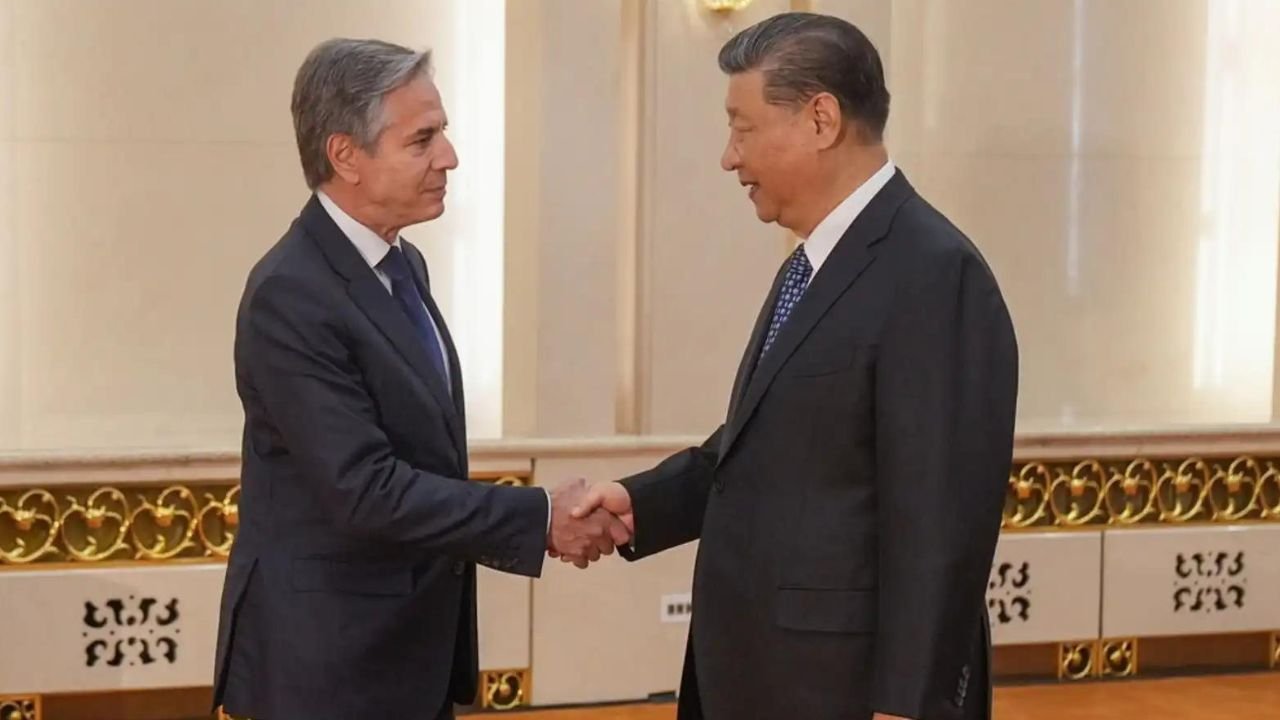
    Chinese President Xi Jinping on Friday told top US diplomat Antony Blinken that the world’s two biggest economies should be “partners, not rivals”, but that there were a “number of issues” to be resolved in their relations.

    Meeting Blinken in Beijing’s Great Hall of the People, Xi said the two countries had “made some positive progress” since he met with US President Joe Biden last year, according to state broadcaster CCTV.

    “There are still a number of issues that need to be resolved, and there is still room for further efforts,” Xi said.

    “I proposed three major principles: mutual respect, peaceful coexistence, and win-win cooperation,” the Chinese leader added.

    “The earth is big enough to hold the common development and… prosperity of China and the United States,” he continued.

    “China would be pleased to see a confident and open, prosperous and developing United States,” Xi said.

    “We hope the US can also take a positive view of China’s development,” he added.

    “When this fundamental problem is solved… relations can truly stabilise, get better, and move forward.”

  • Singapore makes Israeli embassy delete ‘insensitive’ Palestinian post

    Singapore makes Israeli embassy delete ‘insensitive’ Palestinian post

    Singapore made the Israeli embassy in the city-state take down an “insensitive” social media post about the Palestinians over the weekend after warning it could inflame tensions, the interior minister said Monday.

    The Israeli genocide in Gaza and deepening humanitarian crisis in the besieged strip since October 7 have divided opinion across the world.

    The post reportedly said Israel was mentioned 43 times in the Koran but Palestine — the name Palestinians give to what they hope will become their independent, sovereign state — was not, according to local media.

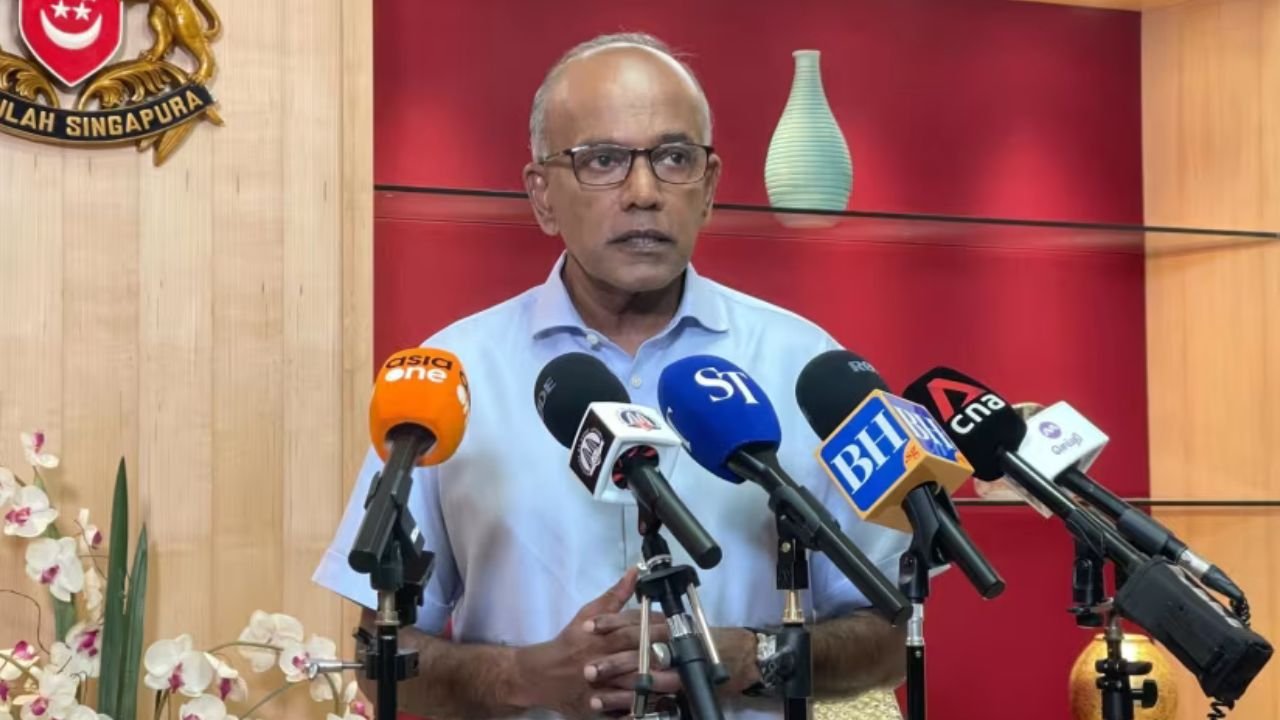
    Minister for Home Affairs K. Shanmugam said he asked Singapore’s foreign ministry to tell the Israeli embassy to remove the post made on Sunday after learning about it, which the mission immediately did.

    “That post on the Israeli embassy social media page is completely unacceptable. I was very upset when I was told about it,” Shanmugam told reporters, according to a transcript.

    “It is insensitive and inappropriate. It carries the risk of undermining our safety, security and harmony in Singapore.”

    Shanmugam said the post had been taken down.

    “Posts like these can… inflame tensions, and can put the Jewish community here at risk. The anger from the post can potentially spill over into the physical realm,” he added.

    The Israeli embassy was not immediately available for comment.

    Singapore has condemned the Hamas attacks on Israel but has also said that Israel’s military response “has now gone too far”.

    The health ministry in the Gaza Strip on Sunday put the total death toll in the territory at 32,226, most of them women and children.

  • Israel weakly counters South Africa’s strong stance in genocide case: What’s next?

    Israel weakly counters South Africa’s strong stance in genocide case: What’s next?

    On January 11-12, the International Court of Justice (ICJ) heard the genocide case filed against Israel by South Africa.

    On Day 1, South Africa’s legal team put forward its case, pointing at the atrocities being committed against Palestinians in Gaza by Israel.

    Israel is accused of committing genocidal acts during their military operations which included mass killings of Palestinians, bodily and mental harm, forced displacement and food blockade, destruction of the healthcare system, and preventing Palestinian births.

    On Day 2, Israel defended itself against the charges, arguing that South Africa “ignored” the incident of October 7 and that Israel had the right to defend itself, adding that the court should put provisional measures against South Africa, accusing it of having ties with Hamas. Israel did not submit any evidence to support its claims that Hamas was the cause of the attacks in Gaza whereas South Africa submitted video evidence of Israeli atrocities in Gaza.

    They also blamed Hamas for the high civilian death toll in Gaza, claiming that Israel did not bomb hospitals and that they enabled humanitarian aid.

    What’s next?

    Al Jazeera explains that even though South Africa’s case against Israel can take years, an “interim measure” intended to halt Israel’s attack in Gaza can be taken “within weeks”.

    If the interim measure is implemented, Israel will be legally obligated to put an end to its offences. And while the “court’s rulings are final”, it has no authority to impose them, nonetheless.

    On the other hand, if the court does not implement an interim measure, “it could still decide it has jurisdiction and proceed with the case”, adds Al Jazeera’s explainer.

  • Turkey detains 34 suspected of spying for Israel

    Turkey detains 34 suspected of spying for Israel

    Istanbul (AFP) – Turkey announced on Tuesday it had detained 34 people suspected of planning abductions and spying on behalf of Israel’s Mossad intelligence service.

    The raids came just weeks after President Recep Tayyip Erdogan warned of “serious consequences” should Israel try to target figures from Hamas living or working in Turkey.

    Unlike Israel, Turkey does not view Hamas as a terrorist organisation and has hosted the Islamic group’s political leaders for much of the past decade.

    A Turkish security source told AFP that most of the 34 people detained were foreign nationals whom Mossad recruited for “operations targeting Palestinians and their family members”.

    “We are determined to ensure that absolutely no foreign intelligence agency can operate on Turkish soil without proper authorisation,” the security source said.

    Turkish government released video footage showing armed security service agents breaking down doors and handcuffing suspects in their homes.

    The Istanbul public prosecutor’s office said 12 additional suspects remained at large.

    “There is an insidious operation and sabotage attempts being made against Turkey and its interests,” Erdogan said after the raids were announced.

    Breakdown in ties

    Relations between Turkey and Israel imploded following the outbreak of the war in Gaza nearly three months ago.

    Erdogan has turned into one of the world’s harshest critics of Israeli Prime Minister Benjamin Netanyahu.

    The Turkish leader last week compared Netanyahu to Adolf Hitler and demanded that Israel’s Western allies drop their support for the “terrorism” being conducted by Israeli troops in Gaza.

    Erdogan has also recalled Ankara’s envoy to Tel Aviv, and pushed for the trial of Israeli commanders and political leaders at the International Criminal Court in The Hague.

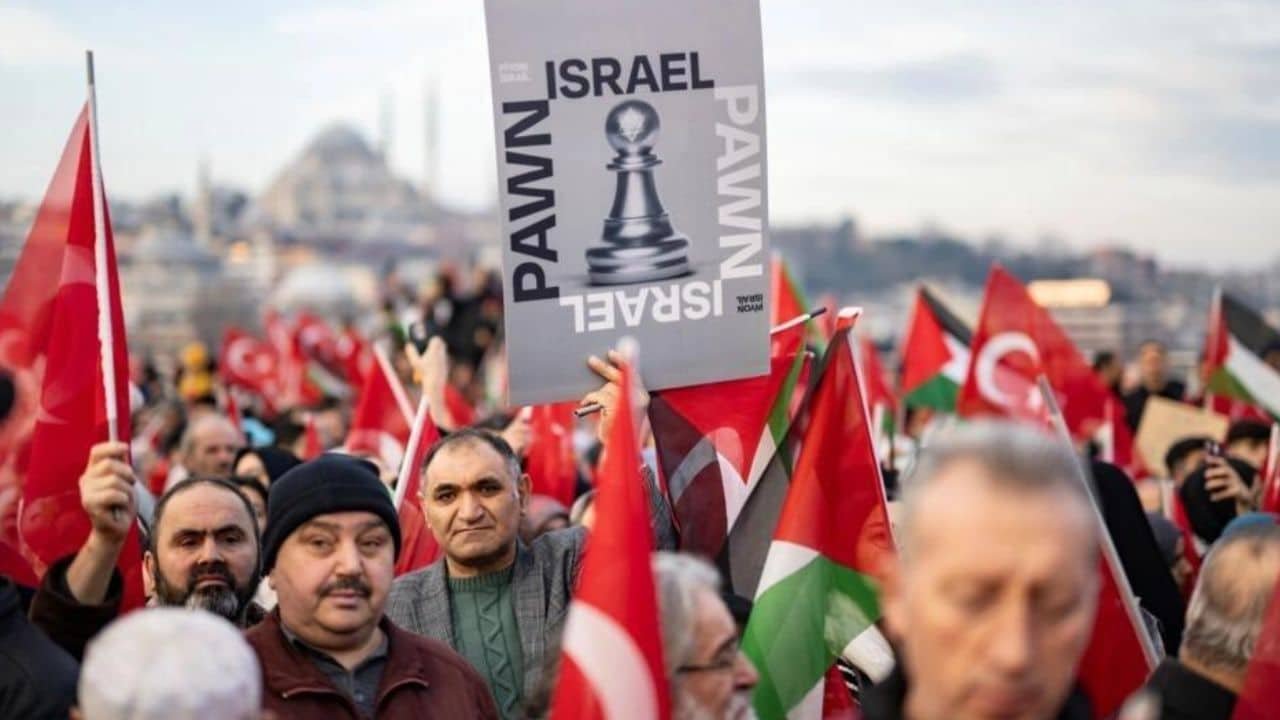
    The president’s ruling Islamic, conservative AKP party also led tens of thousands of protesters out on the streets of Istanbul on Monday for one of Turkey’s biggest rallies against the Israeli government of the entire war.

    The war in Gaza has put an end to a gradual thawing in Turkish-Israeli relations that culminated with the reappointment of ambassadors in 2022.

    Israel and Turkey resumed long-stalled talks about a major Mediterranean Sea natural gas pipeline project that could have reshaped geopolitical alliances across parts of the Middle East.

    Turkey won words of gratitude from Israel in 2022 for detaining a group of Turkish and Iranian nationals were allegedly planning to murder and kidnap Israeli tourists in Istanbul.

    Erdogan and Netanyahu met briefly on the sidelines of a United Nations meeting in New York in September and were discussing holding a formal summit this year.

    Periodic raids

    The Turkish MIT intelligence service conducts periodic raids against suspected Israel operatives working in major cities such as Ankara and Istanbul.

    Most are accused of conducting surveillance work on Palestinians living in Turkey.

    Istanbul served as one of Hamas’s foreign political offices until the outbreak of the Gaza war.

    Turkey informally asked Hamas leaders to leave, days after militants conducted raids into southern Israel on October 7.

    The Gaza health ministry says Israel’s relentless military campaign targeting Hamas has killed around 22,000 people in Gaza since October 7 – mostly women and children.

    UN agencies have voiced alarm over a spiralling humanitarian crisis facing Gaza’s 2.4 million people.

    Most have seen their homes destroyed and now face dire shortages of food, water, fuel and medicine, and are surviving in tents and shelters amid the rubble.
  • Pakistan set to host US officials for crucial bilateral talks 

    Pakistan set to host US officials for crucial bilateral talks 

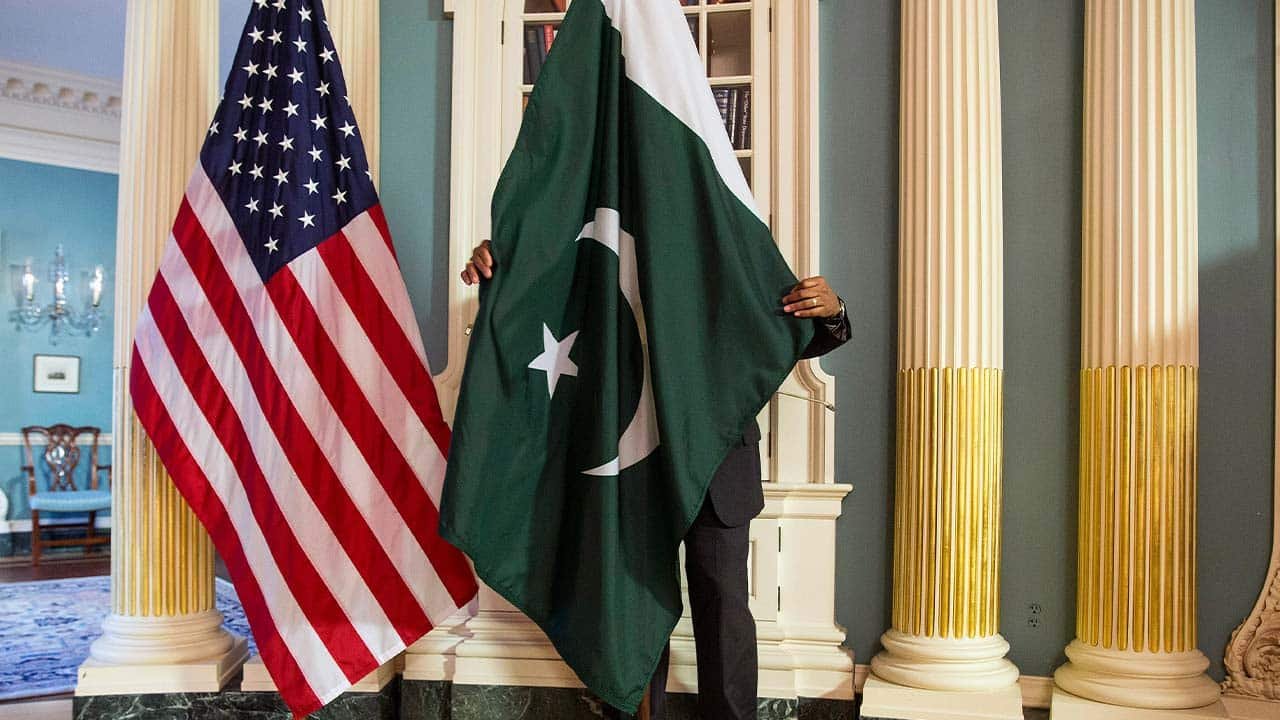
    In a confirmation made by the foreign office spokesperson on Sunday, Pakistan is set to host successive visits by senior US officials, marking a continuation of bilateral consultations between the two nations.  

    According to Mumtaz Zahra Baloch, the foreign office spokesperson, Pakistan and the United States are actively engaged in discussions on a spectrum of issues, prompting the need for reciprocal visits to facilitate and further these consultations. 

    Scheduled to commence on December 4, Assistant Secretary of State for the Bureau of Population, Refugees, and Migration, Julieta Valls Noyes, is expected to visit Pakistan until December 6.  

    Following her visit, the Special Representative for Afghanistan, Thomas West, is slated to be in Islamabad from December 7 to 9. Subsequently, Principal Deputy Assistant Secretary for Pakistan, Elizabeth Horst, is scheduled to visit from December 9 to 12. 

    The spokesperson for the foreign office emphasised that these visits are integral to the ongoing negotiations between Pakistan and the US, with a primary focus on addressing issues pertaining to Afghanistan. Notably, the discussions are not confined solely to matters related to Afghanistan but encompass a broader spectrum of bilateral concerns. 

    According to the US State Department, Julieta Valls Noyes will engage with senior government officials as well as representatives from non-governmental organisations and international partners.  

    The purpose of her visit is outlined as discussions on “shared efforts to protect vulnerable individuals and accelerate safe, efficient relocation and resettlement of Afghan refugees in the US immigration pipeline.” 

    These diplomatic engagements underscore the commitment of both nations to maintain an open dialogue and collaborate on multifaceted challenges, with a particular emphasis on the evolving situation in Afghanistan. 

  • Saudi Arabia will not use oil as a weapon to achieve ceasefire in Gaza

    Saudi Arabia will not use oil as a weapon to achieve ceasefire in Gaza

    Right before the October 7 attacks by Hamas on Israel followed by Israel’s declaration of war against the Palestinians resulting in a death toll of 10,5000+, Saudi Arabia and Israel were steering towards the establishment of ties despite their conflict of views over the Palestine issue.

    Saudi Crown Prince Mohammad bin Salman (MbS) reportedly asked the US for “security guarantees and access to civilian nuclear technology and advanced weapons in exchange for a deal.”

    Moreover, Saudi diplomats asserted that Israel must concur with the establishment of a Palestinian state as defined in the 2002 Saudi Peace Initiative. And while this particular demand was rejected by Israeli Prime Minister Benjamin Netanyahu and Jewish ministers in his government, a deal was almost at hand between the two countries.

    However, after October 7, people in support of Palestine across the world, particularly the Muslim world, have demanded from Saudi Arabia to take a stand against the atrocities committed by Israel on Palestinian soil — to use their power to put an end to the attacks.

    However, their concerns seem to have fallen on deaf ears.

    The Saudi Minister of Investment, Khalid bin Abdulaziz al-Falih, has remarked that the Kingdom is still willing to consider normalising relations with Israel, depending on a peaceful solution to the Palestinian issue.

    During a discussion session at the Bloomberg New Economy Forum held in Singapore, Falih responded to a question in regard to normalisation of ties between the two countries: “This matter was on the table, and it is still on the table, and it is clear that the recent withdrawal (from the talks) explains why Saudi Arabia is so determined to make a solution to the Palestinian conflict part of broader normalisation in [West Asia].”

    When asked if Saudi Arabia would use economic devices like oil to push for a ceasefire in the Gaza Strip, he reportedly laughed and replied: “This is not on the table today. Saudi Arabia is trying to achieve peace through talks that seek peace.”

    Falih also offered details of the three summits that Saudi Arabia is expected to host in the coming days which will be attended by Arab, African and Islamic countries, an effort to promote a “peaceful solution to the Israeli-Palestinian conflict”.

    In 1973, Saudi Arabia imposed an oil embargo on the United States and other countries for their support of Israel in the Yom Kippur War against Egypt and Syria.

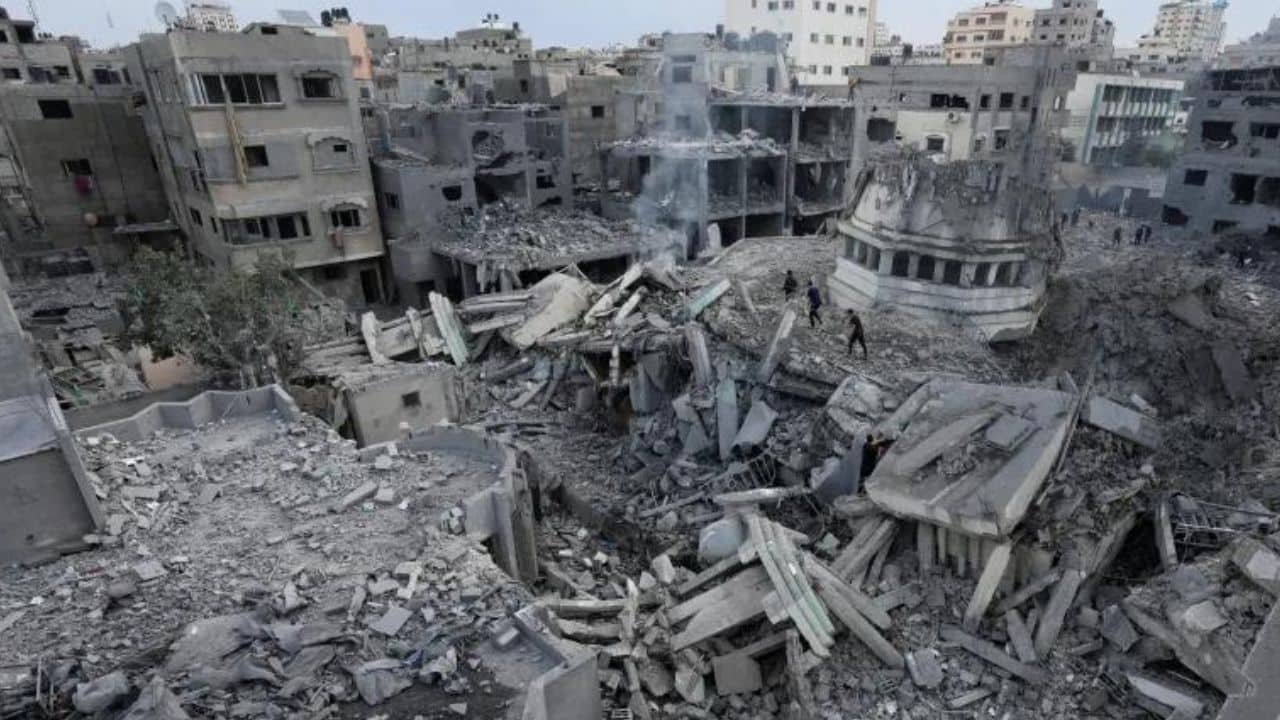
  • Wounded Gazans to cross Rafah border for treatment: What we know about day 26

    Wounded Gazans to cross Rafah border for treatment: What we know about day 26

    Jabalia refugee camp attack

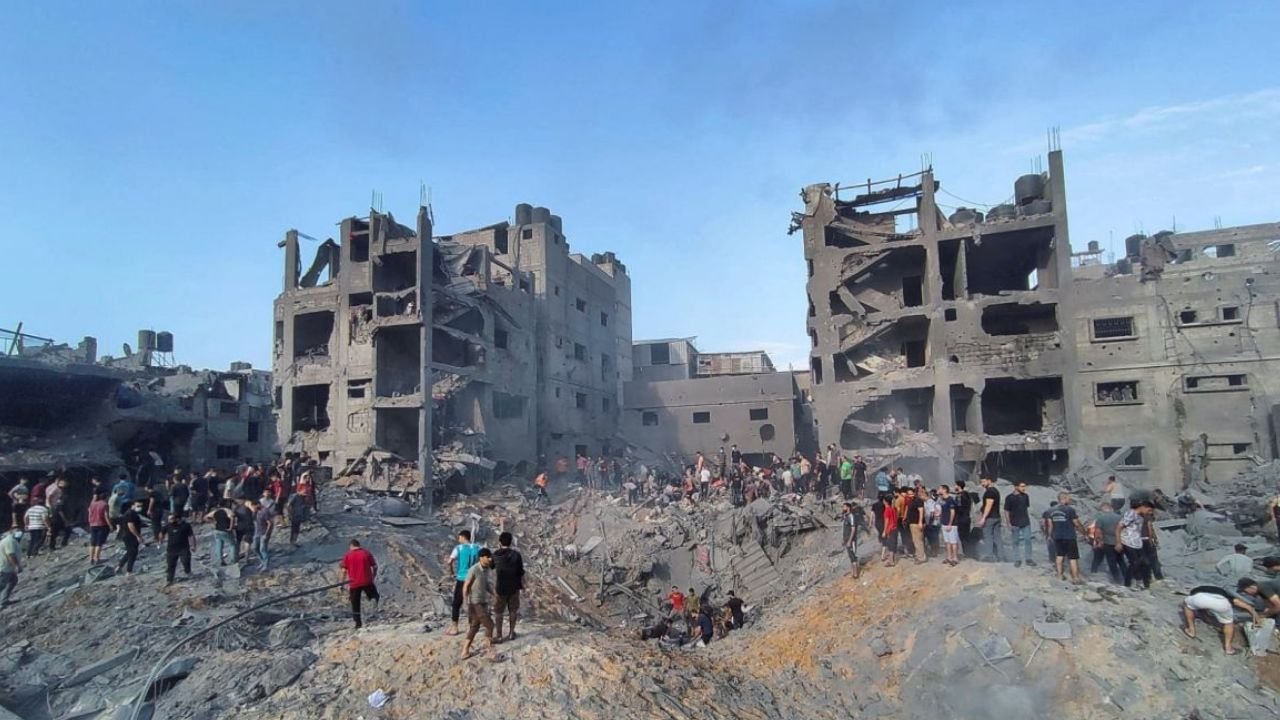
    On Tuesday, Israeli air strikes targeted the Jabalia refugee camp in northern Gaza — the largest refugee camp in Gaza sheltering children, women, and men.

    An IDF spokesman confirmed to Wolf Blitzer on CNN that an Israeli strike hit the Jabalia refugee camp, killing hundreds of civilians.

    “There was a very senior Hamas commander in that area,” Israeli army spokesperson Richard Hecht told CNN. “We’re looking into it and we’ll be coming out with more data as we learn what happened there.”

    As per reports, at least 50 have been killed so far while 400 have been injured.

    Wounded Gazans to cross Rafah border

    Rafah border will reportedly open today to allow wounded Palestinians into Egypt for treatment in hospitals.

    On Tuesday, AFP news reported that a large number of ambulances had gathered at Rafah and that according to Egyptian medical officials, “Medical teams will be present at the crossing to examine the cases … and determine the hospitals they will be sent to.”

    Additionally, a field hospital will be built to treat wounded Palestinians in Sheikh Zuweid — about 15 kilometres from Rafah.

    Telecommunication cut again

    Palestinian telecoms company has said that, “All communications and Internet services” with Gaza has been cut off.
    Paltel said there is a “complete interruption” of the services with the Gaza Strip.

    It said the interruption was caused by “International routes that were previously reconnected being cut off again”.

    Houthi attack on Israel

    Yemen’s Houthi militants have claimed to have launched a “large number” of ballistic missiles and drones targeting Israel, and warning of more attacks.

    Previously, on Tuesday morning, Israel military claimed to have destroyed an unidentified “aerial target” over the Red Sea.

    “There was no threat or risk to civilians,” they said.

  • ‘If Israel does not stop massacre of Palestinians, we cannot be there’: Colombia warns

    Colombian President Gustavo Petro has warned Israel about breaking off diplomatic ties if the country does not stop attacks in the Gaza Strip.

    Colombia recalled its ambassador to Israel on Tuesday.

    “I have decided to recall our ambassador to Israel for consultations. If Israel does not stop the massacre of the Palestinian people, we cannot be there,” Petro said on X.

    “Now the neo-Nazis want the destruction of the Palestinian people, freedom, and culture,” he wrote in X.

    “If we have to suspend foreign relations with Israel, we suspend them,” he said on X. “We do not support genocides.”

    His stance led to a reaction from US Embassy in Bogota: “We are dismayed to see Colombian President Gustavo Petro compare the Israeli government with Hitler’s genocidal regime. We strongly condemn your statements and ask that you condemn Hamas, a designated terrorist organization, for the callous murders of Israeli men, women and children.”

  • Bolivia cuts ties with Israel

    Bolivia cuts ties with Israel

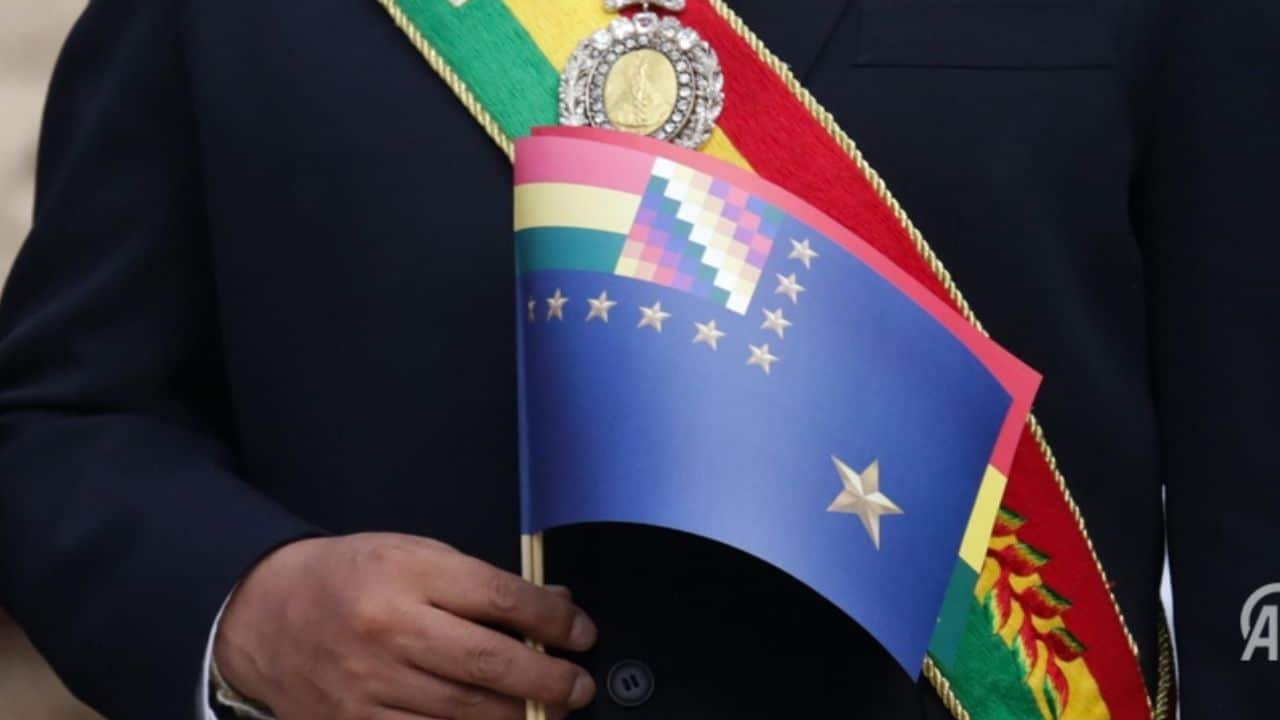
    In the light of the latest developments in the Gaza strip where Israel is proceeding with its military operations, killing more than 8,000 people, Bolivia’s government has announced on Tuesday that its breaking diplomatic ties with Israel.

    Bolivia “has decided to break diplomatic relations with the Israeli state in repudiation and condemnation of the aggressive and disproportionate Israeli military offensive taking place in the Gaza Strip,” Deputy Foreign Minister Freddy Mamani announced at a press conference.

    Bolivia also called for a cease-fire and an end to “the blockade that prevents the entry of food, water and other essential elements for life.”

    Interim Foreign Minister Maria Nela Prada asserted that the press conference had been held “in reference to the crimes against humanity being committed in the Gaza Strip against the Palestinian people.”

    Last time Bolivia had cut diplomatic ties with Israel was in 2009 under the leftist President Evo Morales, also in protest of atrocities committed by Israel in Gaza. But in 2020, the right-wing government of interim President Jeanine Anez reestablished ties.

    Morales, on social media, urged the current President Luis Arce to condemn Israel and to deem it a terrorist state.

    Previously, on Monday, Arce had a meeting with the Palestinian ambassador to Bolivia after which he had posted, “We reject the war crimes being committed in Gaza. We support international initiatives to guarantee humanitarian aid, in compliance with international law,”.

  • 120 premature babies are at risk: What do we know about day 16

    120 premature babies are at risk: What do we know about day 16

    Here is an update on day 16:

    • Israeli military claims to have attacked dozens of Hamas targets throughout last night, killing two Hamas fighters.

    “Throughout the day, dozens of tunnel shafts, munitions warehouses, headquarters and operational military bases were destroyed,” the army said, adding that mosques were also targeted as they were used by Hamas’s operatives.

    • Israeli forces have killed five more Palestinians in occupied West Bank, increasing the death toll to 90 since October 7, says Palestinian Ministry of Health.
    • The United Nations have reported that at least 120 premature babies in incubators are at risk after Israel cut fuel access into Gaza. “We have currently 120 neonates who are in incubators, out of which we have 70 neonates with mechanical ventilation, and of course this is where we are extremely concerned,” said UNICEF spokesperson Jonathan Crickx.

    Similarly, Palestinian Health Ministry has confirmed thay more than 1,700 children have been killed by Israeli attacks so far.

    • Israeli attacks in Gaza have also destroyed 31 mosques, according to Gaza’s Ministry of Endowments.
    • Wafa news agency has reported that the Israeli forces have arrested at least 58 Palestinians in the occupied West Bank this morning. Since October 7, more than 1,000 Palestinians have been arrested.