Tag: international trade

  • Gold prices dip by $8 internationally, Rs1,200 locally

    Gold prices dip by $8 internationally, Rs1,200 locally

    In a significant development in the precious metals market, the per-tola price of 24 karat gold experienced a notable decline, dropping by Rs1,200 on Saturday.

    According to the All Sindh Sarafa Jewellers Association, the precious metal was sold at Rs214,300, marking a decrease from its previous rate of Rs215,500 on the last trading day.

    Similarly, the price of 10 grammes of 24 karat gold exhibited a downward trend, declining by Rs1,028 to reach Rs183,728, as opposed to the earlier rate of Rs184,756. 

    Meanwhile, the prices of 10 grammes of 22 karat gold also saw a decrease, settling at Rs168,416 from Rs169,360, as reported by the Association.

    Notably, the per-tola and ten-gramme silver prices remained unchanged at Rs2,600 and Rs2,229.08, respectively, indicating stability in the silver market.

    The dip in local gold prices is mirrored on the international stage, as the global market reported a decrease of $8 in the price of gold.

    The international rate now stands at $2,045, down from the previous figure of $2,053, as outlined by the Association.

    This shift in prices is likely to have implications for investors, jewellers, and consumers alike, prompting a reassessment of investment strategies and purchase decisions in the coming days.

    Analysts are closely monitoring these fluctuations to gauge the market’s response and anticipate future trends in the precious metals sector.


  • Local gold market sees surge: Prices hit Rs217,900 per tola

    Local gold market sees surge: Prices hit Rs217,900 per tola

    On Monday, gold rates in Pakistan experienced a notable surge, mirroring an upward trend in the global market.

    The price of the precious metal reached Rs217,900 per tola in the local market, marking a gain of Rs450 within the day.

    According to data provided by the All Pakistan Gems and Jewellers Sarafa Association (APGJSA), the 10-gramme gold was traded at Rs186,814, reflecting an increase of Rs386.

    This upward trajectory follows a noteworthy rise of Rs950 per tola in gold prices on the preceding Saturday.

    The international gold rate exhibited a similar positive movement, reaching $2,075 per ounce on Monday with a $20 premium.

    This uptick of $7 in the global market was reported by APGJSA. Meanwhile, silver rates remained unchanged at Rs2,650 per tola.

    These fluctuations in precious metal prices highlight the dynamic nature of the market, influenced by both domestic and international factors.

    Investors and stakeholders continue to monitor these developments for their implications on the broader economic landscape.

  • Pakistan and Saudi Arabia reach consensus on long-awaited GCC free trade agreement

    Pakistan and Saudi Arabia reach consensus on long-awaited GCC free trade agreement

    Pakistan’s Commerce and Industries Minister, Dr Gohar Ejaz, led an official delegation to Saudi Arabia. The delegation included secretaries from the Ministry of Commerce, the Board of Investment (BOI), and officials from the Attorney General’s Office. 

    They engaged in discussions with the GCC Chief Negotiator to finalise the investment-related aspects of the Gulf Cooperation Council (GCC) Free Trade Agreement (FTA). Technical teams delved into details such as investment protection and facilitation. 

    Dr Ejaz expressed optimism about strengthening economic ties and highlighted the significance of the investment chapter. 

    The GCC FTA is anticipated to enhance trade, investment, and job opportunities between Pakistan and the GCC. 

    Both parties are considering a joint business forum to further promote economic collaboration, and Dr Ejaz expressed gratitude for the warm hospitality extended by the GCC.

  • Pakistan exports first batch of Changan Oshan X7 SUVs to Kenya and Tanzania

    Pakistan exports first batch of Changan Oshan X7 SUVs to Kenya and Tanzania

    Pakistan has made a significant foray into the global automobile market, marking a historic moment as it exported a batch of 14 SUV vehicles to Kenya and Tanzania, as reported by ARY News on Thursday.

    In a landmark achievement, Pakistan, through the collaboration of Master Changan Motors, a joint venture between Pakistan and China, has officially joined the league of car-exporting nations. This endeavour has solidified their position as the first automotive company to send SUV vehicles to foreign shores.

    The occasion was celebrated with a ceremonial event held in Karachi, commemorating the milestone of becoming the inaugural Pakistani-Chinese auto entity to export vehicles to two overseas destinations. Notably, the ceremony was attended by the Federal Secretary of Industries and Production, Asad Rehman.

    Rehnan also revealed the government’s intent to urge auto manufacturers to revise their car prices, especially in light of the notable depreciation of the US dollar (USD). He underlined the efforts in this direction by mentioning a recent newspaper advertisement released by an auto company, signaling its commitment to reducing vehicle prices.

    The export of the Oshan X7 SUV is a significant milestone for Pakistan as it ventures into the global automobile market, and this achievement carries even greater importance given the challenging economic conditions the country is currently facing.

    In a groundbreaking move, Pakistan’s collaborative effort with a Chinese automotive company, Master Changan Motors, marked their entry into the league of car exporters. They proudly achieved this milestone by sending the initial consignment of 14 SUV vehicles to Kenya and Tanzania.

    A special ceremony was organised in Karachi to celebrate the occasion, as it signified the first instance of a Pakistani-Chinese automotive company venturing into foreign vehicle exports.

    The Federal Secretary of Industries and Production, Asad Rehman was also present at the ceremony.

    During the ceremony, Asad Rehman conveyed the government’s intention to encourage auto companies to lower their car prices, given the significant decline in the value of the US dollar (USD).

    He also mentioned that an automotive firm had recently placed a newspaper advertisement advocating price reductions.

    Master Changan Motors, the Pakistan-Chinese automotive collaboration, proudly shipped its SUV model, the Oshan X7, to Kenya.

    This achievement is a notable milestone for Pakistan, considering the challenging economic circumstances it faces.

  • Pakistan expected to export cars to Kenya

    Pakistan expected to export cars to Kenya

    Master Changan Motors, a noteworthy Pakistani-Chinese collaboration, has initiated the export of its Oshan X7 mid-size crossover to Kenya.

    The sight of containers laden with Oshan X7 vehicles en route to the port in Karachi has confirmed this export venture.

    Reliable sources affirm that a substantial quantity of Oshan X7 SUVs will soon grace Kenyan roads.

    While the official announcement of this export endeavour is yet to be made, it is anticipated to be unveiled at a ceremony scheduled for October 12, hosted at their Karachi manufacturing facility.

    In the past, Changan Pakistan’s CEO, Danial Malik, articulated the company’s intention to export right-hand drive vehicles initially designed for the Pakistani market to various other regions.

    Historically, the parent company produced left-hand drive vehicles exclusively for its domestic clientele.

    Danial Malik also emphasised that Changan’s Pakistan-assembled vehicles would find their way to distributors in South Africa, Malaysia, Indonesia, and other countries where right-hand drive vehicles are customary.

    This development unfolds against a backdrop of considerable economic challenges confronting Pakistan, including soaring inflation and the burdensome cost of conducting business. Exacerbating the situation, interest rates are presently at historic highs, resulting in decreased demand for automobiles.

    Furthermore, car prices within Pakistan have surged significantly, amplifying the financial strain on hard-pressed consumers.

    In response, the government has been strongly encouraging the automotive sector, which is heavily reliant on imported materials, to bolster its exports. The initial objective was to achieve 2 per cent of the total imports, a target unmet in FY23.

    According to Samaa, in May 2022, Pakistan marked a milestone by exporting its first vehicle crafted by Master Changan Motors under the newly implemented Auto Industry Development and Export Policy (AIDEP 2021-26). Notably, Pakistan stands as the sole country outside China to manufacture the latest Changan Oshan X7 model.

    Concurrently, the Pakistan Automotive Manufacturers Association (PAMA) disclosed on October 11 that car sales in Pakistan had risen by 10 per cent in September compared to the preceding month, with a total of 8,312 units sold. 

    Nevertheless, this apparent short-term upturn can be attributed to improved access to raw materials, whereas the year-on-year data indicates a substantial 26 per cent decrease in sales for the corresponding period.

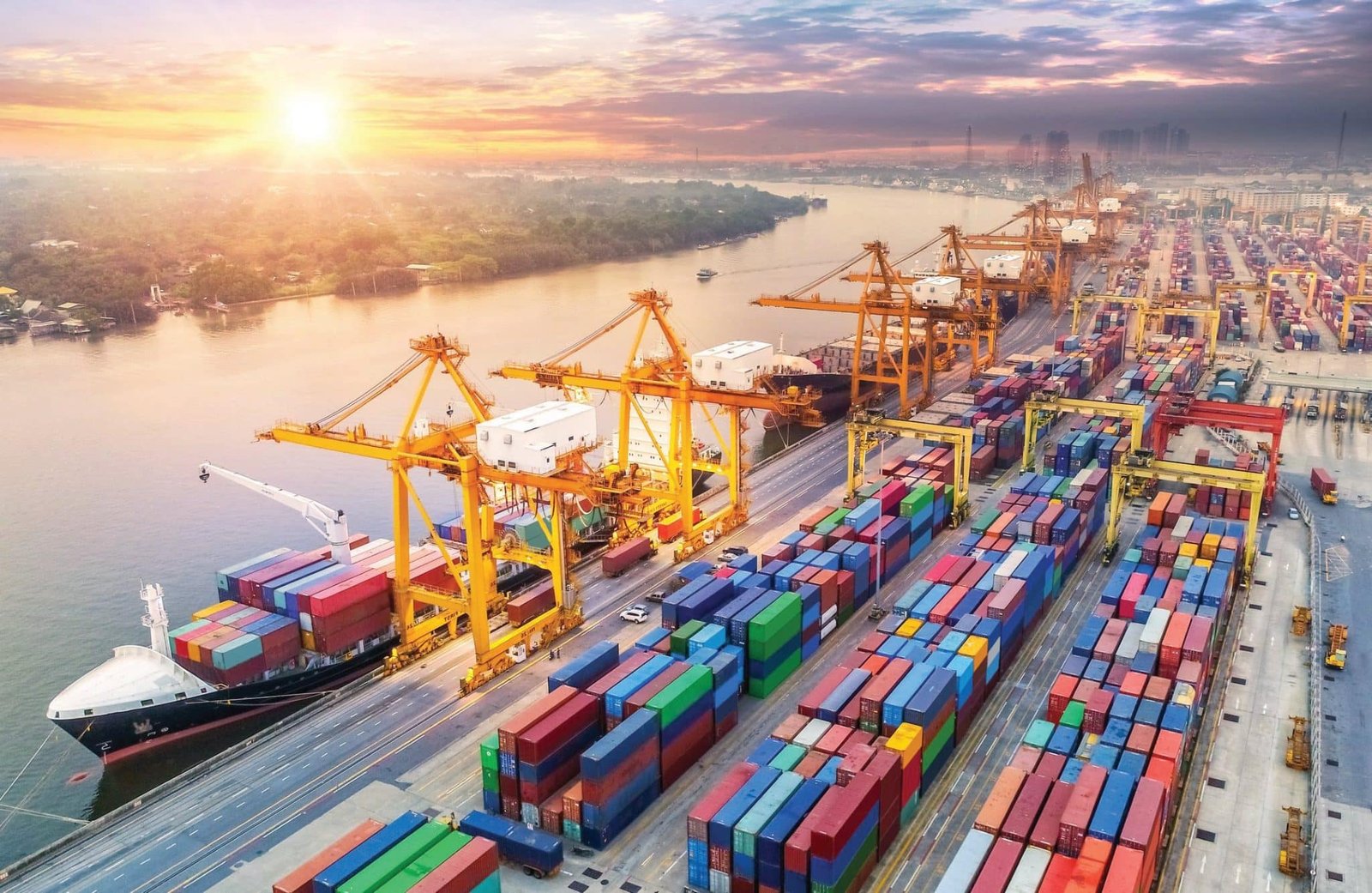
  • Pakistan’s imports drop sharply, leading to 42% reduction in trade deficit

    Pakistan’s imports drop sharply, leading to 42% reduction in trade deficit

    Pakistan’s trade deficit for the first three months of the fiscal year 2023–24 has notably contracted by 42.25 per cent to reach $5.29 billion. This remarkable reduction is primarily attributed to a significant decrease in imports, a direct consequence of carefully administered measures.

    Data released by the Pakistan Bureau of Statistics (PBS) reveals that the trade balance, which represents the difference between exports and imports, stood at a deficit of $5.29 billion for the period spanning July to September 2023–24. This is in stark contrast to the $9.16 billion deficit recorded during the same period in the preceding year.

    Both exports and imports experienced declines in this timeframe, with imports showing a more substantial decrease compared to exports, effectively narrowing the trade deficit. During these three months of 2023–24, Pakistan’s exports contracted by 3.8 per cent to $6.9 billion, despite facing significant currency depreciation when compared to the corresponding period in the previous year.

    Conversely, imports registered a notable decline of 25.4 per cent, totaling $12.19 billion in the July–September period, down from the $16.33 billion recorded in the same period of the previous fiscal year.

    For a more granular view, the PBS reported that in September 2023, Pakistan’s trade deficit further shrank by nearly 48 per cent to $1.489 billion, compared to $2.856 billion during the same month in the previous year. 

    Exports experienced a slight improvement of 1.1 per cent, reaching $2.47 billion in September 2023 compared to $2.44 billion in the same month the previous year, while imports significantly decreased by 25.5 per cent to $3.95 billion from $5.29 billion in the corresponding month last year.

    From a monthly perspective, the trade deficit contracted by 31.5 per cent compared to August 2023, with exports increasing by 4.2 per cent to $2.47 billion in September from $2.37 billion in the preceding month of August. Simultaneously, imports decreased by 12.9 per cent, amounting to $3.95 billion from $4.53 billion in the last month.

  • Govt attributes UAE’s fresh meat export ban to faulty refrigeration systems in containers

    Govt attributes UAE’s fresh meat export ban to faulty refrigeration systems in containers

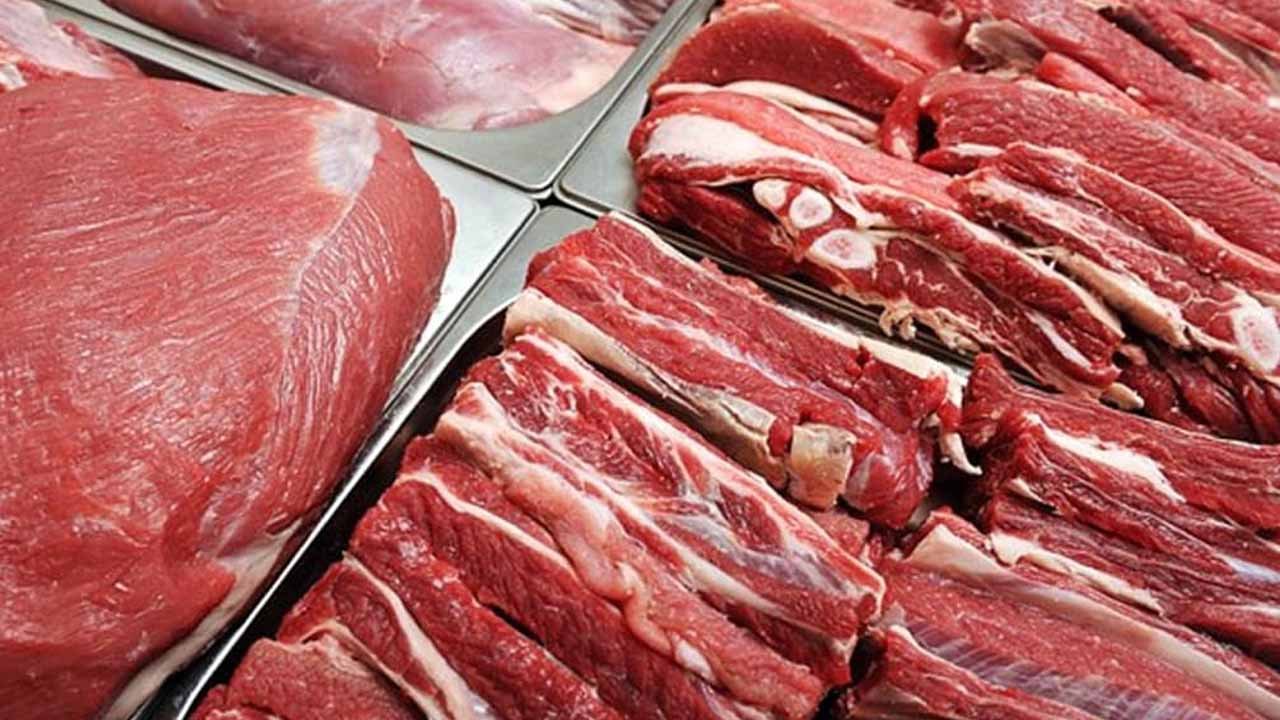
    The Trade Development Authority of Pakistan (TDAP) has attributed the United Arab Emirates’ (UAE) restriction on fresh chilled meat exports from Pakistan to issues with inefficient or non-functional refrigeration systems.

    The ban, effective October 10, 2023, was enacted in response to substandard fresh beef shipments detected in Dubai. TDAP revealed that subpar meat quality was linked to refrigeration problems in reefer containers, a responsibility of shipping lines. Exporters affected by the ban have filed claims against these shipping entities.

    According to Brecorder, the UAE’s Ministry of Climate Change and Environment revised its list of approved slaughterhouses for meat exports via sea routes, imposing specific requirements on shipments of fresh and chilled meat until October 10. Only vacuum-packed or modified-atmosphere-packed meat, conforming to specific shelf-life criteria, will be permitted via sea transport.

    Notably, this ban does not affect fresh and chilled meat shipments by air. TDAP is actively engaged in resolving the issue, with the Pakistani Consulate in Dubai collaborating with stakeholders to determine the cause. TDAP remains optimistic that constructive dialogue and cooperation will lead to a resolution, allowing the resumption of fresh chilled meat exports from Pakistan to the UAE.

  • Rice exports from Pakistan decline by 17.33% in first two months of current fiscal year 

    Rice exports from Pakistan decline by 17.33% in first two months of current fiscal year 

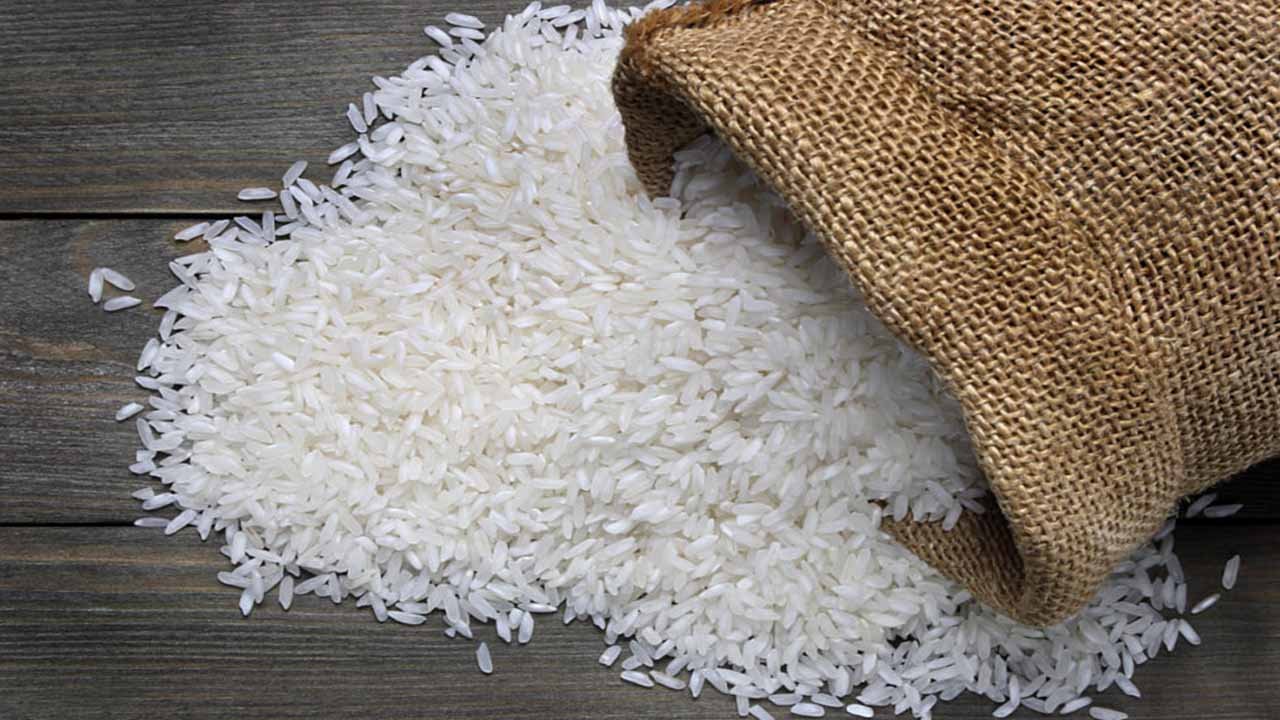
    During the initial two months of the current fiscal year, a total of 340,237 metric tonnes of rice, with a market value of $233.991 million, were exported. This marked a notable contrast with the previous year’s corresponding period, which recorded exports of 507,144 metric tonnes of rice valued at $283.056 million.  

    According to data provided by the Pakistan Bureau of Statistics, rice exports from July to August 2023 witnessed a 17.33 per cent decline in comparison to the same period in the previous year. 

    However, within this timeframe, Basmati rice exports experienced 8.29 per cent growth. Approximately 79,257 metric tonnes of Basmati rice, valued at $94.733 million, were exported, compared to the previous year’s figures of 84,709 metric tonnes at a cost of $87.480 million. 

    Concurrently, the nation achieved earnings of $39.338 million by exporting approximately 20,539 metric tonnes of fish and fish preparations, showing an improvement from the previous year when 15,922 metric tonnes of these products were exported, amounting to $38.086 million. 

    Read more: WhatsApp to introduce animated avatars for video calls soon 

    It is noteworthy that overall food group exports in the first two months of the current fiscal year registered a modest decrease of 1.65 per cent. The total value of food commodities exported during this period amounted to $711.748 million, contrasting with the previous year’s export value of $723.696 million for the same duration. 

    On the other hand, food group imports into the country during the initial two months of the current fiscal year witnessed a substantial decline of 26.91 per cent when compared to the corresponding period of the previous year. From July to August 2023, food imports decreased from $1.783 billion to $1.303 billion.