Tag: international trade

  • China lifts ban on seafood product imports from Pakistan

    China lifts ban on seafood product imports from Pakistan

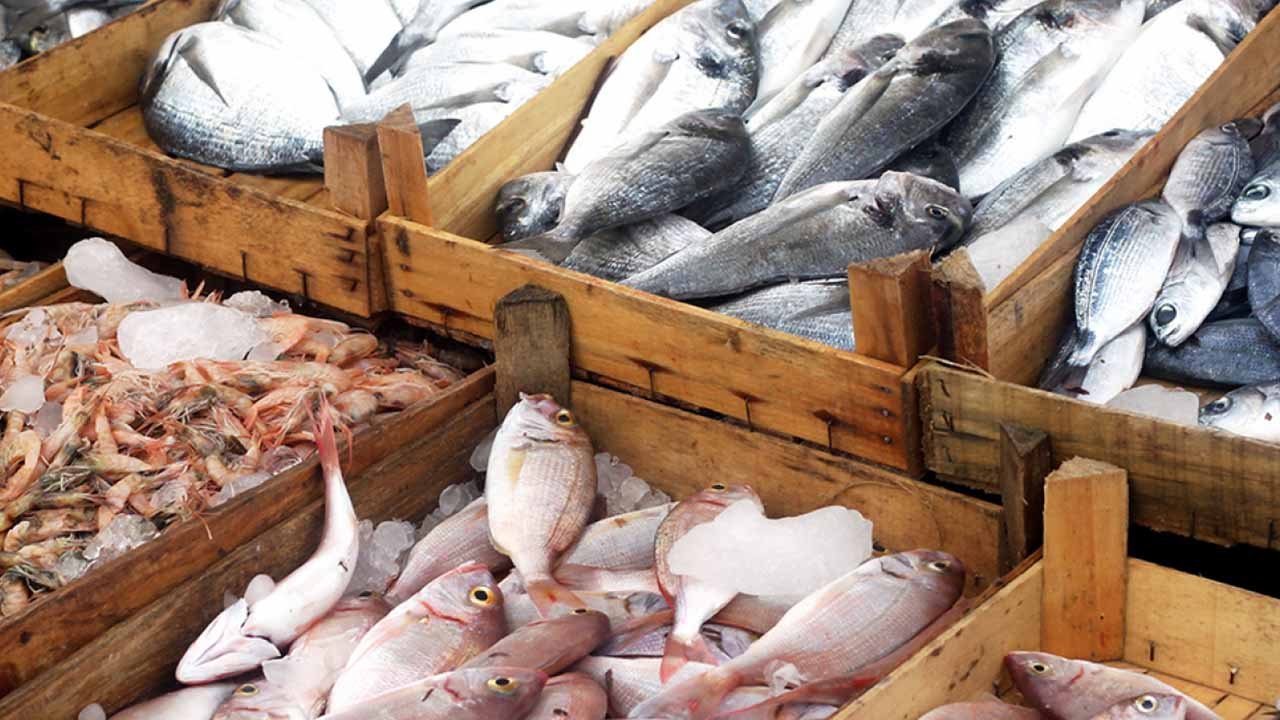
    China’s General Administration of Customs (GAC) has confirmed the resumption of aquatic product imports from Pakistan and several other countries, aiming to enrich the supply of domestic aquatic products and boost the stability of the seafood industry and supply chains. In a statement released on May 26, the GAC announced that imports from 20 overseas companies would be allowed.

    The GAC statement revealed that the 20 companies resuming exports to China are based in various countries, including Pakistan, Brazil, Malaysia, Spain, New Zealand, and Indonesia.

    This move comes after China suspended imports from eight overseas suppliers last year due to non-compliance with safety and hygiene controls, as well as inadequate adherence to COVID-19 control measures set by the United Nations Food and Agriculture Organization.

    Although industry experts told the Global Times that this recent change would not have a significant impact on overall supply in China, they acknowledged that the rise in seafood imports reflected a growing demand among Chinese consumers.

    Cui He, Director of the China Aquatic Products Processing and Marketing Alliance, stated that the increase in imports was driven by China’s expanding consumption patterns and its customers’ preference for quality aquatic products offered by some overseas companies.

    According to Geo, China’s seafood imports have been on the rise, primarily sourced from countries such as Russia, Australia, and Argentina, according to Cui. Last year, China experienced a 35 per cent surge in seafood imports, reaching a value of $19.13 billion, as reported by data from the International Trade Centre.

    The GAC emphasised its commitment to strengthening the management of imported food safety. While the resumption of imports from Pakistan and other countries is expected to contribute to the diversification of China’s aquatic product supply, the focus on ensuring the safety and quality of imported food remains a priority for Chinese authorities.
  • Pakistan commits to IMF bailout deal without fuel subsidy scheme

    Pakistan commits to IMF bailout deal without fuel subsidy scheme

    Pakistan has informed the International Monetary Fund (IMF) that it will not be implementing a fuel subsidy programme during ongoing negotiations for a $1.1 billion bailout for the country.

    The IMF has stated that it will continue to engage with the government on the loan, despite increasing political tensions.

    Prime Minister had previously proposed a fuel subsidy scheme in March, which would charge higher rates to affluent consumers to subsidise prices for the poor who have been hit hard by inflation.

    However, the government has now committed not to implement this programme in the current fiscal year or beyond. Instead, it will not introduce new tax exemptions and will allow a market-based exchange rate for the rupee currency.

    The IMF has said that Pakistan needs significant additional financing to complete the long-delayed ninth review of its bailout package.

    Obtaining commitments of significant additional financing is essential before the IMF approves the release of pending bailout funds that are crucial for Pakistan to resolve an acute balance of payments crisis.

    According to Dawn, the State Bank of Pakistan’s reserves fell to $4.38 billon on Thursday, which is barely a month’s worth of imports. The IMF has emphasised that Pakistan faces stagflation, large financing needs, and has been affected by several shocks, including severe floods.

  • Rupee depreciation may lead to an increase in petroleum prices, says Musadik Malik

    Rupee depreciation may lead to an increase in petroleum prices, says Musadik Malik

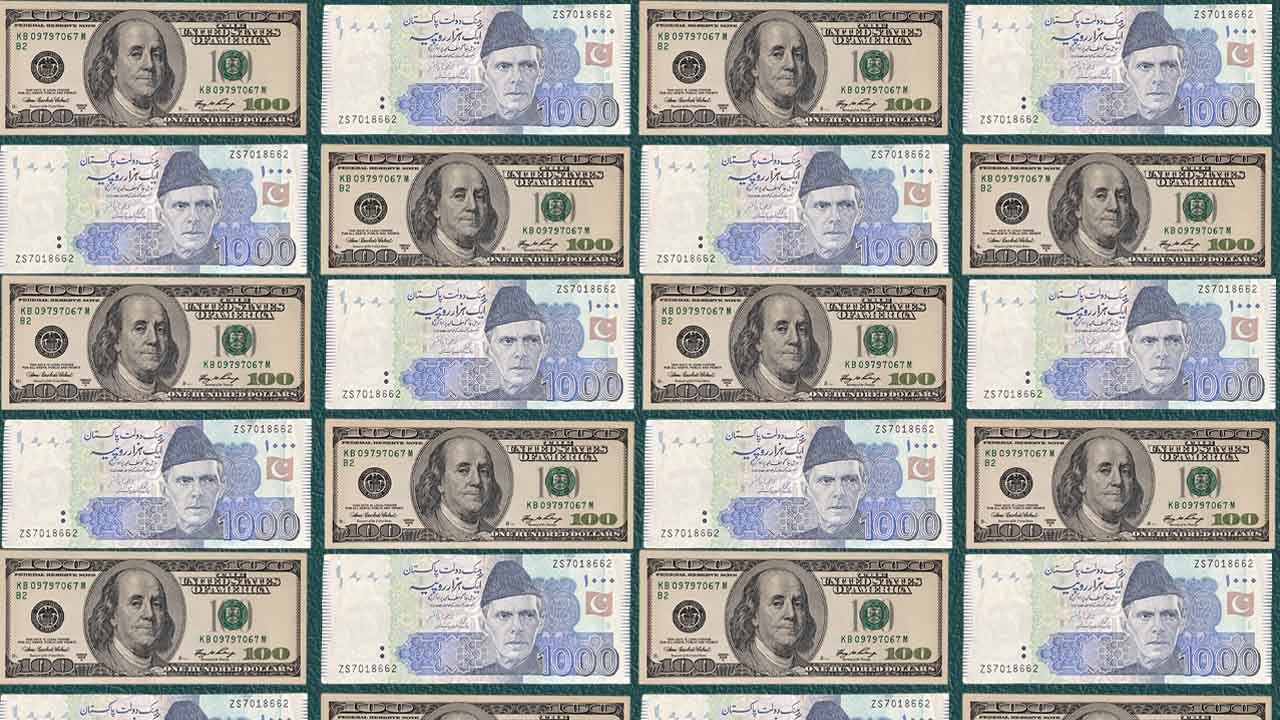
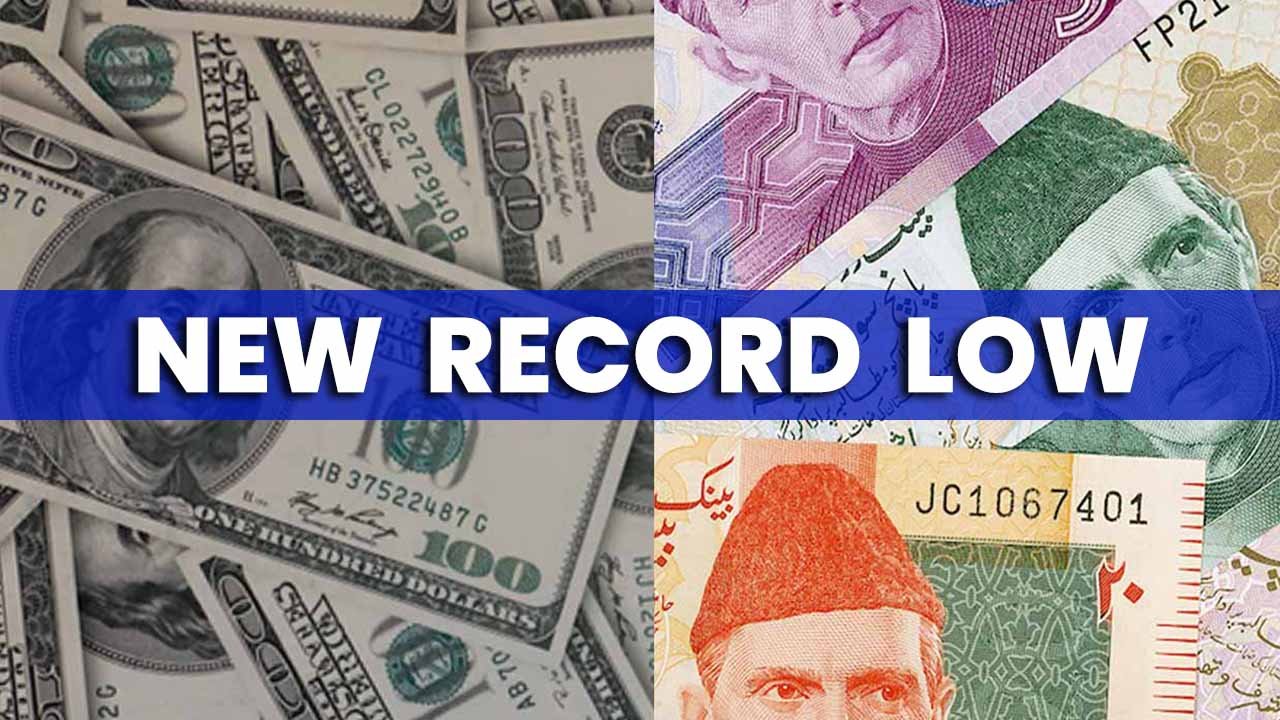
    Dr Musadik Malik, the State Minister for Petroleum, issued a warning on the potential increase of petroleum product prices due to the significant decline in the value of the Pakistani rupee against the US dollar.

    During an appearance on the Geo News program “Capital Talk” on Thursday, Dr Malik stated that the depreciation of the rupee could lead to an upsurge in the prices of petroleum products in the upcoming days. He also shared that the negotiations between Pakistan and Russia on oil imports were progressing well.

    According to Dr Malik, the sudden increase in the US dollar’s price was due to political instability, making it difficult to govern the country in such an uncertain environment. Notably, during the last fortnight’s review, Finance Minister Ishaq Dar announced a reduction in petroleum prices.

    As a result, the government cut the price of petrol by Rs5 per litre, setting it at Rs267 per litre, while the price of diesel remained steady at Rs280 per litre.

    In addition, the price of light diesel oil decreased by Rs12 per litre, bringing it down to Rs184.68 per litre. Furthermore, the cost of kerosene oil was reduced by Rs15 per litre, bringing its price to Rs187.73.