Tag: investment

  • Pakistani e-motorbike startup raises $1.2 million to manufacture budget-friendly e-bikes

    Pakistani e-motorbike startup raises $1.2 million to manufacture budget-friendly e-bikes

    Pakistani e-motorbike startup Zyp Technologies has raised $1.2 million in seed funding led by venture capital fund Indus Valley Capital.

    With this key investment, Zyp is driving mass-market adoption of electric mobility in Pakistan by addressing key hurdles to adoption including High upfront cost, Range anxiety, Long charging times.

    According to the official statement, the company aims to use this investment at its assembly line which is capable of manufacturing up to 8,000 e-motorbikes per year to meet demand. Depending on each variant in production, these bikes may cost in the region of Rs150,000-450,000.

    The startup also intends to build 4,000 charging stations across the country.

    Aatif Awan, founding partner at Indus Valley Capital, said, with its vision to electrify the 25 million motorbikes in Pakistan, Zyp is building one of the most important products Pakistan needs to help solve the trade imbalance and high inflation. 

    Zyp team has meticulously designed their electric motorbikes and battery swapping to perform well in the local environment, creating a remarkable indigenous solution we’re proud to back.

    Zyp founders joined forces with a mission to create Pakistan’s own homegrown automotive brand in the clean energy sector. 

    This dream team brings experience from Silicon Valley tech companies like Microsoft and Intel, as well as auto companies like Volvo and Land Rover, and startups like Retailo.
  • Huawei aims to boost Pakistan’s IT ecosystem: CEO and PM Kakar hold key talks

    Huawei aims to boost Pakistan’s IT ecosystem: CEO and PM Kakar hold key talks

    A delegation from Huawei Pakistan, under the leadership of its Chief Executive Officer (CEO), Ethan Sun, held a formal meeting with caretaker Prime Minister (PM) Anwaar ul Haq Kakar, wherein they engaged in discussions concerning potential investment opportunities in Pakistan. 

    During this high-level encounter, CEO Sun articulated the company’s keen interest in making investments in Pakistan’s Information Technology (IT) sector, a proposition that garnered appreciative acknowledgment from the PM. 

    Furthermore, the Huawei delegation provided comprehensive insights into their ongoing initiatives aimed at cultivating and elevating the IT ecosystem within Pakistan. 

    Of notable mention is Huawei’s establishment of approximately 100 IT centers within various universities across Pakistan, as officially documented.

    The PM, recognising the significance of Huawei’s endeavors, lauded the company’s commitment to advancing the field of IT in Pakistan.

    He expressed optimism regarding potential collaborations between Huawei and the government for the purpose of equipping the youth and women, particularly those residing in remote regions, with valuable skills in the domain of IT.

    According to Brecorder, PM Kakar extended a cordial invitation to Huawei, encouraging the company to consider establishing manufacturing facilities for mobile handsets within the borders of Pakistan.

  • Saudi Arabia to invest $25 billion in Pakistan over five years: PM Kakar

    Saudi Arabia to invest $25 billion in Pakistan over five years: PM Kakar

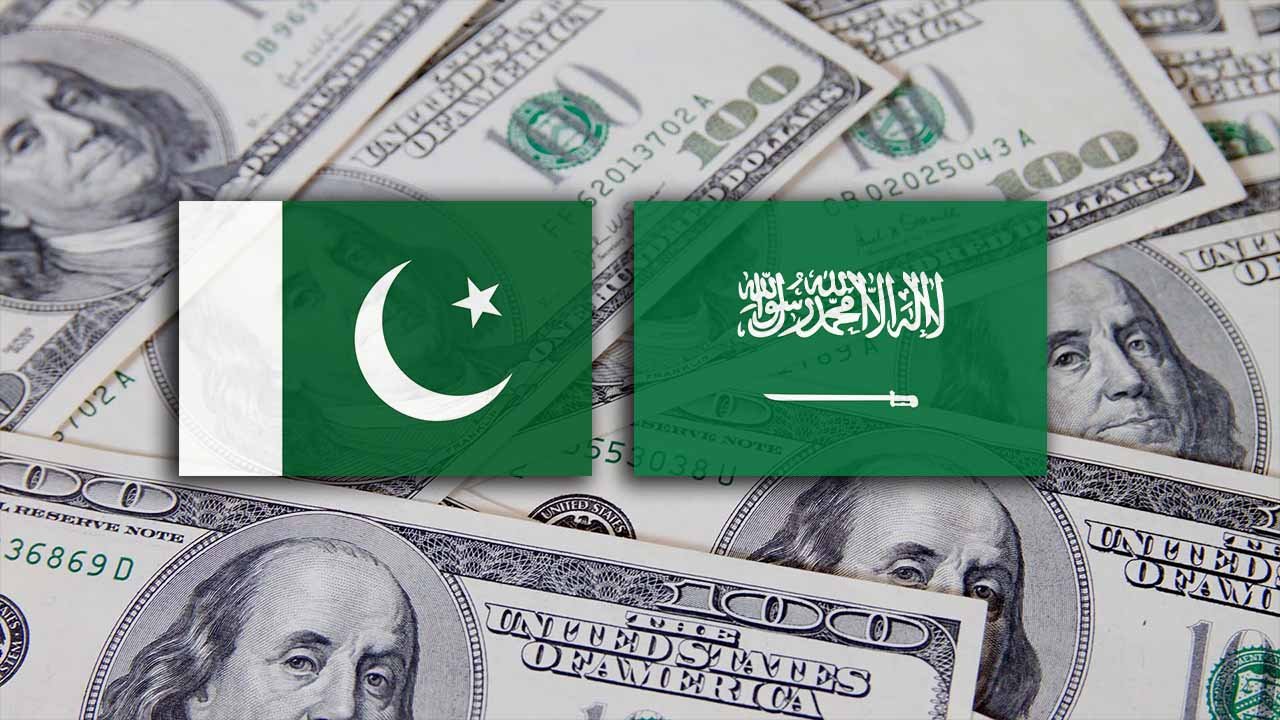
    On Monday, Interim Prime Minister Anwaar ul Haq Kakar announced that the Kingdom of Saudi Arabia (KSA) intends to invest a substantial sum of up to $25 billion in Pakistan over the next two to five years.

    During a media briefing, PM Kakar explained that Saudi Arabia’s investment focus will primarily encompass the mining, agriculture, and information technology sectors. This initiative aims to boost foreign direct investment in Pakistan, which is currently facing financial challenges. 

    If this investment materialises, it will mark the largest-ever commitment by Saudi Arabia to Pakistan. The country is grappling with a pressing need for funds to address its trade deficit and repay international loans in the ongoing fiscal year. 

    While specific projects earmarked for Saudi investment were not disclosed during the meeting, Barrick Gold Corp. expressed interest last month in partnering with Saudi Arabia’s wealth fund for the Reko Diq mine in Pakistan. 

    Kakar emphasised that Pakistan holds substantial untapped mineral resources valued conservatively at $6 trillion. Additionally, the government intends to expedite two privatisation transactions, likely involving state-owned power sector entities, within the next six months. There is also a plan to privatise another government-owned company, preferably outside the energy sector. 

    Read more: Business community finds hope as COAS Munir vows to tackle corruption and boost investment  

    It’s worth noting that privatisation efforts in Pakistan have faced challenges in the past, as the sale of state assets is a politically sensitive issue that previous elected governments have largely avoided. 

    Currently, Pakistan is navigating a challenging path to economic recovery under a caretaker administration, following the approval of a $3 billion loan plan by the International Monetary Fund in July, which prevented a sovereign debt default. Islamabad is confronted with a balance of payments crisis and requires substantial funds to rectify its trade deficit and settle outstanding debts. 

  • Gold price reaches Rs234,000 per tola, nearing new record high

    Gold price reaches Rs234,000 per tola, nearing new record high

    Gold prices in Pakistan continued to rise on Tuesday, influenced by the Pakistani rupee’s decline against the US dollar and an uptick in global prices. 

    According to the All Pakistan Gems and Jewellers Sarafa Association, the cost of 24-carat gold settled at Rs234,500 per tola, marking a substantial increase of Rs4,600. Similarly, the price of 10 grammes of gold rose by Rs3,944 to reach Rs201,046.

    It is expected that the price of gold might reach unprecedented levels due to the relentless and rapid decline of local currency against the greenback.

    The movement of gold prices in Pakistan closely follows the path of the US dollar due to the country’s reliance on gold imports. 

    The Pakistani rupee saw a notable decrease, falling to a new all-time low against the US dollar. It ended at Rs299.01 rupees per dollar, reflecting a decline of Rs1.88, as reported by the State Bank of Pakistan.

    Currency experts attribute the surge in gold prices to the recent depreciation of the rupee. 

    With growing concerns about the country’s economic situation, investors are turning to gold as a safe-haven asset. This shift has resulted in a significant increase of Rs12,700 per tola in just one week.

    Read more: PKR to USD rate

    Notably, the hike in gold prices coincided with political turmoil and a decrease in the local currency’s value, leading to an all-time high valuation of Rs240,000 per tola on May 10, 2023. On the international front, the price of gold saw a $10 increase, reaching $1,901 per ounce on Tuesday.

  • Pakistan invites Saudi Arabia to invest in key sectors like agriculture, IT, and energy

    Pakistan invites Saudi Arabia to invest in key sectors like agriculture, IT, and energy

    Prime Minister (PM) Shehbaz Sharif has extended a warm invitation to companies from Saudi Arabia, encouraging them to explore exciting investment prospects in various sectors such as agriculture, mining, technology, energy, and more.

    This friendly call was made during a meeting with Saudi Arabia’s Vice Minister for Foreign Affairs, Waleed Abdulkarim El Khereji, held in Islamabad.

    To boost economic partnerships, PM Shehbaz highlighted the creation of a Special Investment Facilitation Council (SIFC). This council is designed to simplify and speed up potential investments from countries in the Gulf Cooperation Council (GCC), with a special focus on enhancing collaborations with Saudi Arabia.

    PM Shehbaz also expressed heartfelt appreciation for Saudi Arabia’s timely financial support, particularly in the aftermath of natural disasters like floods. He acknowledged the Kingdom’s crucial role in helping Pakistan work towards a stable economy.

    He emphasised the importance of the visit by the Saudi delegation, underscoring the shared interest and eagerness on both sides to elevate their long-standing friendly relations to a practical and mutually beneficial economic partnership.

    In a significant earlier announcement, PM Shehbaz revealed plans to auction gifts from the Toshakhana. The funds generated from this auction will be directed towards the well-being of underprivileged individuals, especially those who are orphaned and vulnerable.

  • Chinese company ‘China Power’ plans to set up electric vehicle manufacturing plant in Sindh

    Chinese company ‘China Power’ plans to set up electric vehicle manufacturing plant in Sindh

    A delegation from the Chinese firm ‘China Power’ expressed keen interest in setting up an industrial plant in Sindh for the production of electric vehicles. The meeting between the company representatives and Sindh Minister for Information and Transport, Sharjeel Memon, took place in Karachi on Wednesday.

    Minister Memon warmly welcomed the company’s interest and assured them of the provincial government’s full support in facilitating investors and industrialists in the region. This move highlights the government’s commitment to promoting investment and boosting the manufacturing sector in Sindh.

    This is not the first time a Chinese company has shown interest in establishing a manufacturing plant in Karachi. Last year, another Chinese company agreed to establish Pakistan’s first intra-city bus manufacturing company in the city. This initiative aimed to make buses more affordable and accessible to the public.

    The announcement was made by Minister Memon following his meeting with the country manager of the bus company. The manufacturing plant, to be established on an 18-acre land, is expected to be operational within the next 20 months, with an annual production capacity of 500 buses.

    Minister Memon emphasised that the establishment of a public transport manufacturing plant remains a top priority for the provincial government, and efforts are being made to expedite the project. He further mentioned via his Twitter account that he had a detailed meeting with a leading Chinese bus manufacturing company, and they have agreed to initiate Pakistan’s first intra-city bus manufacturing plant in Karachi.

    The interest shown by ‘China Power’ and the previous commitment from the Chinese bus manufacturing company indicate growing confidence in the investment potential and business environment of Sindh. These ventures can not only enhance the local manufacturing sector but also contribute to the development of sustainable transportation options in Pakistan.

    Overall, the collaboration between Chinese companies and the provincial government of Sindh demonstrates a significant step towards fostering industrial growth and expanding the electric vehicle and public transportation sectors in the region.

  • Budget 2023-24: Finance Minister announces tax relief measures for IT sector and freelancers

    Budget 2023-24: Finance Minister announces tax relief measures for IT sector and freelancers

    In a recent announcement, the federal government has unveiled a series of measures aimed at fostering growth and investment in the freelancing and information technology (IT) sectors. The government has decided to implement a reduction in tax rates for investments in the IT sector, provide tax breaks to freelancers, and establish a favorable environment for investment by normalizing duty-free equipment provisions.

    During the budget presentation for the fiscal year 2023-24, Finance Minister Ishaq Dar highlighted the importance of the IT sector and its immense talent pool within the country. To support the growth of IT exports, the government plans to extend the current 0.25 per cent discounted income tax rate for the next three years.

    Recognizing the significance of banks in facilitating investment in the IT sector, the finance minister proposed a reduced tax rate of 20 per cent for banks involved in lending to this sector. This reduction aims to alleviate the burden on banks, as the existing tax rate for investments stands at 39 per cent.

    Additionally, the government has recommended providing Duty-Free Equipment privileges to incentivize investment in the IT sector. Moreover, the minister has suggested granting the industry the status of Small and Medium Enterprises (SMEs), enabling individuals to avail themselves of special and exclusive discounted income tax rates applicable to this sector.

    In a move to streamline processes for IT and IT-related services exporters, Minister Dar proposed the issuance of Automated Exemption Certificates to non-residents within 30 days. Furthermore, the government plans to reduce the Goods and Services Tax (GST) from 15 per cent to 5 per cent specifically for IT and ITeS services in the Islamabad Capital Territory (ICT).

    To support the freelancing community, Minister Dar recommended exempting individuals from the obligation of filing a sales tax return in order to benefit from the concessional rate of 0.25 per cent. Emphasizing the vital contribution of freelancers to the country’s foreign exchange earnings, the minister suggested that those whose IT and IT-enabled services exports were less than $24,000 in the previous fiscal year should be exempted from sales tax registration and allowed to file a simplified single-page income tax return.

    These measures underscore the government’s commitment to fostering a conducive business environment and encouraging investment in the freelancing and IT sectors, thereby facilitating economic growth and job creation.

  • Pakistan and Russia aim to strengthen bilateral relations in trade, investment, and energy sectors

    Pakistan and Russia aim to strengthen bilateral relations in trade, investment, and energy sectors

    In an effort to strengthen bilateral relations between Pakistan and Russia, Chairman Senate Muhammad Sadiq Sanjrani engaged in productive talks with Chairman of the Russian Duma, Mr Volodin, during a delegation-level meeting held in Moscow on Wednesday.

    The discussion encompassed various areas of mutual interest and emphasised the significance of parliamentary exchanges in fostering effective diplomacy.

    A press release issued by the Pakistan embassy in Moscow highlighted the consensus reached during the meeting. Both sides expressed their commitment to enhancing parliamentary interaction between the two nations. This step is expected to bolster bilateral ties and pave the way for increased cooperation in trade, investment, and energy sectors.

    Chairman Sanjrani reiterated Pakistan’s dedication to strengthening relations with Russia across all domains of mutually beneficial cooperation. Trade, investment, and energy were particularly emphasised as key areas for future collaboration.

    The significance of continued cooperation in international forums, such as the United Nations and the Shanghai Cooperation Organisation (SCO), was also acknowledged and agreed upon by both parties.

    During the talks, Chairman Sanjrani extended an invitation from the Speaker of the National Assembly of Pakistan to Chairman Volodin, inviting him to visit Pakistan. In a positive response, Chairman Volodin accepted the invitation, reflecting the willingness of both countries to further solidify their ties.

    The meeting between Chairman Senate Sanjrani and Chairman Volodin serves as a significant milestone in the diplomatic efforts between Pakistan and Russia. It highlights the mutual desire to strengthen bilateral relations and lays the groundwork for increased cooperation in various fields, including trade, investment, and energy.

    The forthcoming visit of Chairman Volodin to Pakistan is expected to further enhance the ties between the two nations and open new avenues for collaboration.

  • Gold price declines by Rs1,700 to Rs234,500 per tola amidst weakening rupee

    Gold price declines by Rs1,700 to Rs234,500 per tola amidst weakening rupee

    The price of gold in Pakistan continued its downward trend on Monday, having lost a cumulative sum of Rs1,100 per tola throughout the previous week. The All Pakistan Sarafa Gems and Jewellers Association (APSGJA) provided data indicating that the rate of 24-carat gold declined by Rs1,700 per tola and Rs1,457 per 10 grammes, reaching Rs234,500 and Rs201,046 respectively.

    On the international front, the price settled at $1,945 per ounce after a decrease of $1. The safe-haven bullion traded within a narrow range in the global market due to an agreement reached by US Democrats and Republicans to raise the federal debt ceiling, thereby averting a potential US default, which would have been unprecedented.

    Moreover, recent data suggested that the US Federal Reserve would raise interest rates for the 11th consecutive time in June. Consequently, the value of the US dollar surged, negatively impacting the gold price.

    These factors, coupled with ongoing political and economic uncertainty, high inflation, and currency depreciation, contributed to the volatility of the gold rate in Pakistan. As a result, individuals turned to purchasing the precious metal as a safe investment and a hedge.

    In the interbank market, the Pakistani rupee experienced a decrease of Re0.27 or 0.09 per cent against the US dollar on Monday, closing at Rs285.42, according to data from the State Bank of Pakistan.

    Furthermore, data shared by the jewellers’ association revealed a decline in the price of silver, which had remained relatively stable in the previous week. The rate of silver fell by Rs50 per tola and Rs42.87 per 10 grammes, reaching Rs2,850 and Rs2,443.41 respectively.

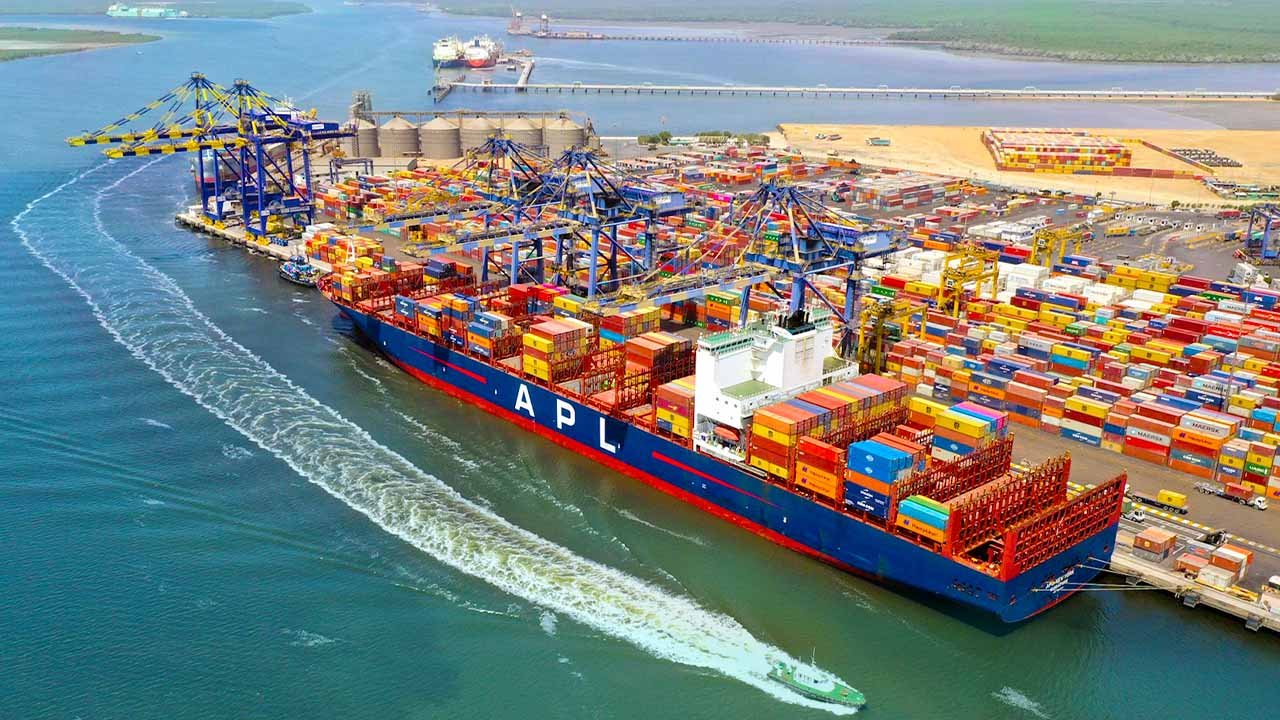
  • Major boost for Pakistan’s port infrastructure: Gulf countries to invest $500 million

    Major boost for Pakistan’s port infrastructure: Gulf countries to invest $500 million

    Maritime Affairs Minister Faisal Sabzwari revealed that a comprehensive agreement to secure a noteworthy investment of $500 million from Gulf countries is currently in the final stages of preparation. To facilitate this endeavor, an intergovernmental agreement policy will be presented to the law ministry on Monday.

    Its potential approval will lay the groundwork for direct foreign investment, in accordance with the conditions outlined by the International Monetary Fund (IMF).

    During an address to members of the Korangi Association of Trade and Industry (KATI), Minister Sabzwari informed them that Pakistan and the United Arab Emirates (UAE) are collaboratively operating under a government-to-government (G2G) agreement. This partnership is focused on three key projects, including the establishment of bulk terminals.

    As outlined in a press release by KATI, Mr Sabzwari revealed plans to develop industrial parks spanning 1,250 acres within Port Qasim. These parks will provide a range of facilities designed to attract foreign investors.

    Mr Sabzwari acknowledged that there have been no tariff increases at the port, although the implementation of digitalization is still pending. Additionally, limitations on leases have been imposed. He added that terminal charges have recently been adjusted from 60 cents to 80 cents, resulting in a modest 1.5 per cent increase in production costs for industrialists.

    Furthermore, the minister highlighted the successful consultations conducted with various stakeholders, including container operators, to mitigate demurrage charges and penalties at the port. As a result, Karachi Port has eradicated all penalties associated with these charges.

    According to Dawn, the minister also announced the acquisition of a maritime vessel for transporting edible oil, thus expanding the fleet at Karachi port. In addition to this development, approval has been granted for the construction of a beach wall at Karachi Fish Harbour, aimed at promoting tourism and recreational activities. Furthermore, plans have been set in motion to establish a laboratory dedicated to marine fisheries.

    Previously, KATI President Faraz-ur-Rehman stressed the importance of regulating shipping companies and proposed the implementation of a system for demurrage charges and penalties based on the value of containers. He suggested that this system should be made accessible online, similar to the shipping booking system WeBoC.

    Zubair Chayya, Deputy Patron-in-Chief of KATI, expressed that Pakistan, with its extensive 1,400-kilometre-long coastline and abundant marine resources, including highly sought-after fish species, should prioritize utilizing the coastal region for tourism, thereby reaping substantial economic benefits.