Tag: investment

  • PSX surpasses 43,000-mark on hopes of inflows from friendly countries

    PSX surpasses 43,000-mark on hopes of inflows from friendly countries

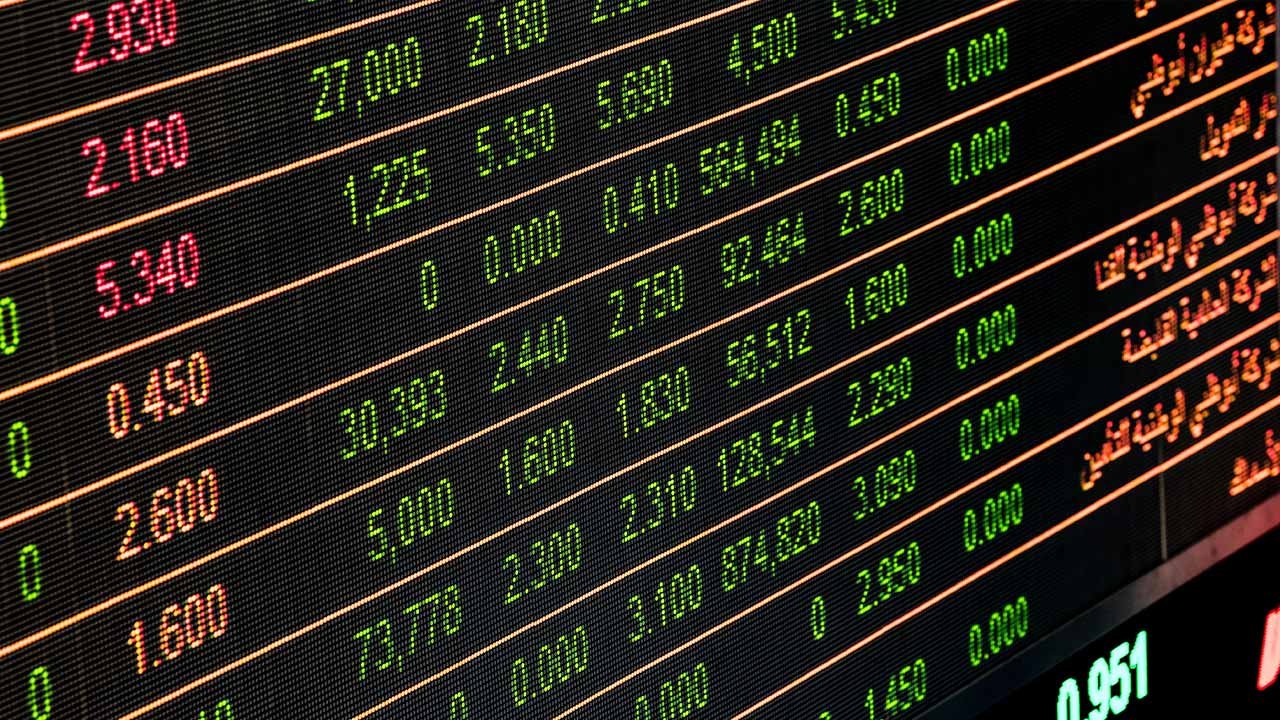
    The news that the country will get a financial package from friendly countries led to another bullish session at the Pakistan Stock Exchange on Friday.

    The benchmark index started the pre-Friday prayer session in the green, according to Arif Habib Ltd, but lacklustre activity caused the index to drop 96.39 points at the end of the session.

    However, as trading started again, the benchmark recovered. Following Finance Minister Ishaq Dar’s announcement of a $13 billion package from China and Saudi Arabia, investors started looking for equities. While significant activity was seen in the oil and exploration sector, volumes overall remained stable.

    The KSE-100 index settled at 43,092.95 points, up 191.68 points or 0.45 per cent from the preceding session.

    The trading volume decre­ased 20.8 per cent to 232.8m shares while the traded value went down 25.4 per cent to $34.4m on a day-on-day basis.

    Stocks contributing significantly to the traded volume included Cnergyico PK Ltd (21.1m shares), WorldCall Telecom Ltd (17.9m shares), TPL Properties Ltd (15.1m shares), Pakistan Refinery Ltd (14.8m shares) and Oil and Gas Development Company Ltd (12.5m shares).

    Sectors that contributed to the index performance were exploration and production (129.3 points), technology and communication (98.4 points), oil marketing (22.8 points), tobacco (13.1 points) and food and personal care products (12.8 points).

  • Kya log waqai mehngai se tang aa kar apna sona baich rahay hain?

    Kya log waqai mehngai se tang aa kar apna sona baich rahay hain?

    From meeting hospitalisation expenses to paying hefty electricity bills, Pakistanis are increasingly selling their gold jewellery to tide over inflation in Pakistan.

    This trend has been fueled by mounting expenses, such as expensive food products, rising petroleum prices, education fees, medical expenses, and house rents, in the face of low income. According to multiple sources in the jewellers’ association, there has been an upsurge in the number of people selling off gold as compared to buyers, in recent months.

    Several social media posts indicated that people were compelled to sell their gold in order to pay for their electricity bills after the government imposed hefty Fuel Cost Adjustment (FCA) charges in monthly electricity bills.

    The FCA was added to the electricity bills for the month of August, drawing protests from citizens who demanded the government immediately withdraw the FCA as it was an injustice to the consumers and they did not have the capacity to pay outrageous electricity bills.

    The Current contacted several jewellers in Lahore to uncover whether people were actually selling gold to pay their electricity bills.

    According to the owner of a renowned gold shop in Liberty Lahore, when inflation is high, people’s only alternative is to sell any gold they may have. “There are undoubtedly more sellers because gold prices have reached an all-time high at this time. Comparatively, there are noticeably more sellers than purchasers. Another reason for selling gold is to combat inflation.”

    When asked if locals were really selling gold to pay their power bills, the goldsmith responded, “People sell gold for many different purposes outside merely paying their electricity bills. A lot of people sell their gold in order to invest in more lucrative assets, this may not necessarily be about bills. A number of individuals sell gold in order to invest in real estate or build their own houses.”

    Owing to overall inflation, gold prices had hit an all-time high, but since last week, they have been steadily declining. The latest drop in gold prices also prompted people to sell their gold as it was the ideal time to get the best price and acquire other assets, as they could later buy gold at a lower price after its price is stabilised.

    The majority of gold jewellers in the vicinity of Lahore’s posh area asserted that this unquestionably occurs at a time when the country’s economy is unstable and consumers are left with no choice but to sell the assets they have been saving for years to utilise in crises.

    Another jewellery store owner in Lahore’s less well-off area admitted that “This happens,” but added that “Not everyone is willing to discuss their personal and financial concerns or reveal causes why they are selling gold and what they need money for. People visit our shops for reasons other than just paying their electricity bills, such as emergencies or the urgent need for cash to cover healthcare expenses.”

    Investors frequently turn to gold as a safe haven when the economy is struggling or when there are conflicts on an international scale. For investors looking for a safe investment with a proven track record of profitability, gold appears to be an attractive alternative in light of rising inflation and the stock market trading far below its highs.

  • Majority of property owners in London are Indians, followed by English and Pakistani people

    Majority of property owners in London are Indians, followed by English and Pakistani people

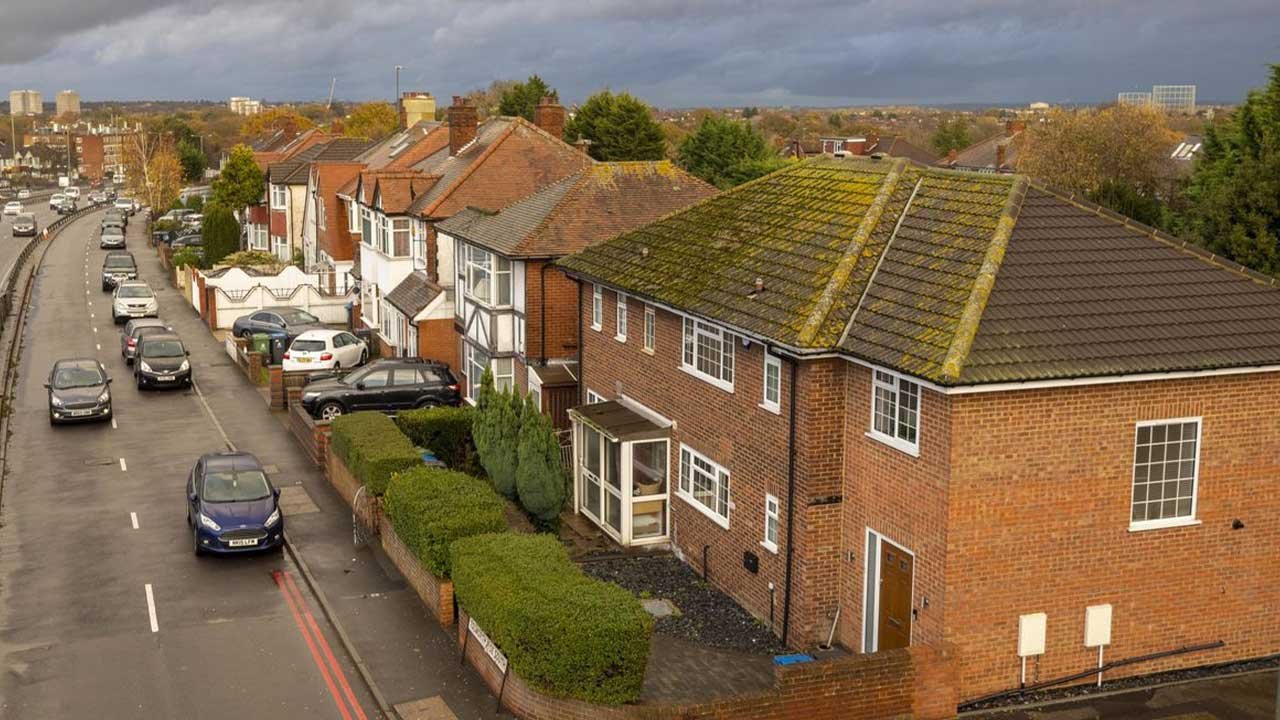
    Indians are among the people who own the most real estate in the capital of the United Kingdom (UK), London, more than the English themselves.

    According to London-based residential developer Barratt London, the largest group of property owners in London are Indians, who are represented by those who have lived in the UK for generations, NRIs, investors from other countries, students, and families who travel to the UK for education. English and Pakistani people are next in number.

    These Indian investors, who reside in both the UK and India, are prepared to spend anywhere between GBP 290,000 and GBP 450,000 for a one, two, or three-bedroom property in London, the nation’s capital.

    “We are seeing a strong demand from Indian investors looking to purchase properties in London and invest in the stable and long-term property market. Outside of London, most of our products are sold to UK residential buyers, who buy these properties and live in them,” Stuart Leslie – International Sales and Marketing Director for Barratt London, told Financial Express.

    In London, 30 per cent of sales are made to pure investors (those who want to use the apartments as rentals), and 30 per cent of those buyers come from foreign markets.

    “This year we have seen a growth in the percentage of Indian homebuyers, who make up 7-8 per cent of the overseas market players. We are really reacting to where the demand is coming from rather than speculating and looking for business,” Stuart Leslie said.

    According to a Knight Frank survey, 10 per cent of India’s UHNWIs intend to purchase a new home in 2022, and they prefer to invest in domestic real estate, followed by homes on the UK, UAE, and US foreign markets.

    London is well-liked by Indian investors and homebuyers because it is a hub for finance and education and one of the major international entry points for investors.

    Additionally, it makes sense for Indian homebuyers to look at the real estate market in London given that the cost per square foot is roughly comparable between London and Mumbai and that the two cities also share a similar legal framework, making transactions simpler.

    “The reason why Indians are comfortable with buying property is because of the market fundamentals and confidence along with a history of Indians investing in houses in London. They’re eager to invest in the UK residential markets because they are getting better returns owing to the exchange rates and market presence presently. It is relatively a safer market in comparison to the UAE or India,” he said.

    In addition to being a “stable market” for residential real estate, the UK has advantages over other international potential markets, such as good weather and quicker travel times.

    Many families and students, especially those from India, relocate to the UK for educational opportunities. According to Stuart Leslie, the number of Indian students applying to UK colleges and universities has surged by 128 per cent in just one year.

    Therefore, there are several reasons why Indians have traditionally preferred to invest in the UK, including the country’s high-quality educational institutions, business-friendly environment, cosmopolitan mindset, language familiarity, and expanding investment opportunities.

    Currently, there is a demand for finished or nearly finished projects since people are looking to move quickly after the pandemic. Barratt London’s common price range for real estate is between GBP 390,000 and GBP 450,000.

    “This is not a price which people normally associate with the London market but with tier-II or tier-III cities. This makes people want to own properties in London rather than smaller cities of the UK,” he said.

  • Lahore Development Authority seals illegal commercial buildings

    Lahore Development Authority seals illegal commercial buildings

    On Thursday, the LDA’s Town Planning Wing carried out a massive operation against unpaid commercial fees and illegal commercial activity throughout the city.

    LDA DG Chaudhry Muhammad Ali Randhawa, who directed the operation, stated that illegal construction and commercial activity would not be tolerated and that action would be taken against them.

    The operation on Thursday involved sealing off illegal and unapproved commercial buildings and business centres in the neighbourhoods of Gulshan Ravi, Ferozepur Road, Multan Road, and LDA-controlled areas.

    According to chief town planner Shakeel Anjum Minhas, legal notices have already been sent to the building owners, directing them to correct the irregularities. He stated that “action will be taken against the buildings if the LDA notices are not implemented” and threatened to seal any structures that did not stop any illegal activity or respond to the notice.

    Director Shafqat Niaz Kang and Chief Town Planner Shakeel Anjum Minhas oversaw the operation. The Enforcement Wing and a large police presence were also present during the operation.

    Two officers were appointed and transferred as a result of LDA DG’s orders. While Assistant Director Muhammad Haris Ali, who was a Deputy Director in the Town Planning Wing, was posted to the Directorate of State Management (Private Housing Schemes) at his own pay scale, Assistant Director Tayyab Ali was appointed in the Directorate of State Management (Private Housing Schemes) at the Chief Town Planner LDA’s discretion.

  • Offices of illegal housing society sealed by CDA

    Offices of illegal housing society sealed by CDA

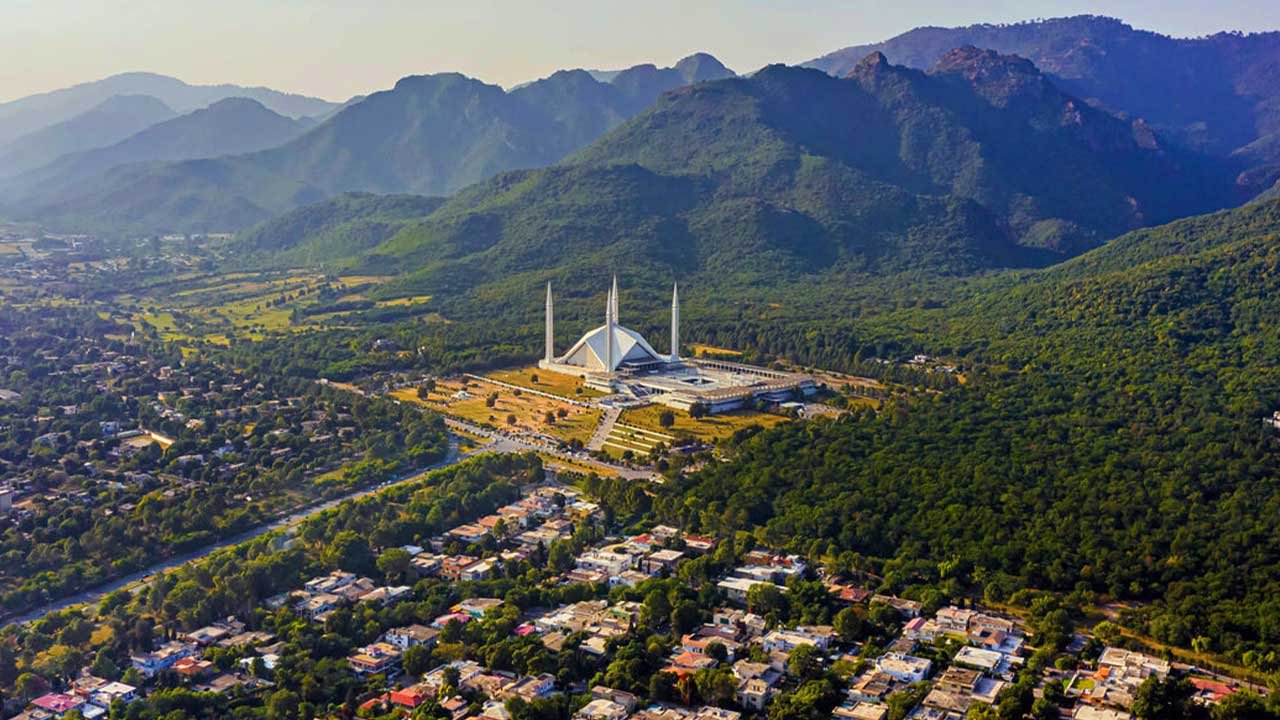
    The Capital Development Authority’s (CDA) Planning Wing sealed the management offices of an illegal housing society along the Islamabad Expressway on Thursday, preventing the sale, acquisition, and transfer of plots.

    Since neither the layout design for this housing society was approved nor the management received an NoC, the planning division of the CDA has already declared all stages of this housing society to be illegal.

    Along with physically shutting the office, CDA’s Director of Regional Planning also issued a letter in this regard, according to The News.

    According to the letter, despite warnings about the housing society’s management’s illegal behaviour, the management proceeded to sell and transfer plots, which prompted the authorities to take enforcement action.

    Due to violations of the CDA Ordinance 1960, ICT Zoning Regulations 1992, and ICT Building Control Regulations 2020, the housing society’s offices have been sealed.

    The PTCL, Islamabad Electric Supply Company, and Sui Gas Northern Gas Company have also been advised by the CDA planning wing not to offer their services during all stages of the private housing society.

    A dozen unauthorised housing societies in the Rawalpindi district were also sent notifications by the Rawalpindi Development Authority (RDA) in a similar development.

    New Metro City, Smart City, Prism Town, Capital Valley, Life Residencia, Seven Enclave, Manan City, Lake View City, Faha Fatima, Park Zameen Town, Hawks Melbourne City, and Kashmir Valley have all received notices from RDA’s Metropolitan Planning and Traffic Engineering (MPTE) Directorate.

    The Punjab Private Housing Schemes and Land Subdivision Rules 2010 were used to issue the notices. These societies have been requested by the RDA to produce mortgage deeds, surrender deeds, and NOCs. Otherwise, they will be the target of legal action.

  • Residential buildings make up 80 per cent of Pakistanis’ wealth: Study

    Residential buildings make up 80 per cent of Pakistanis’ wealth: Study

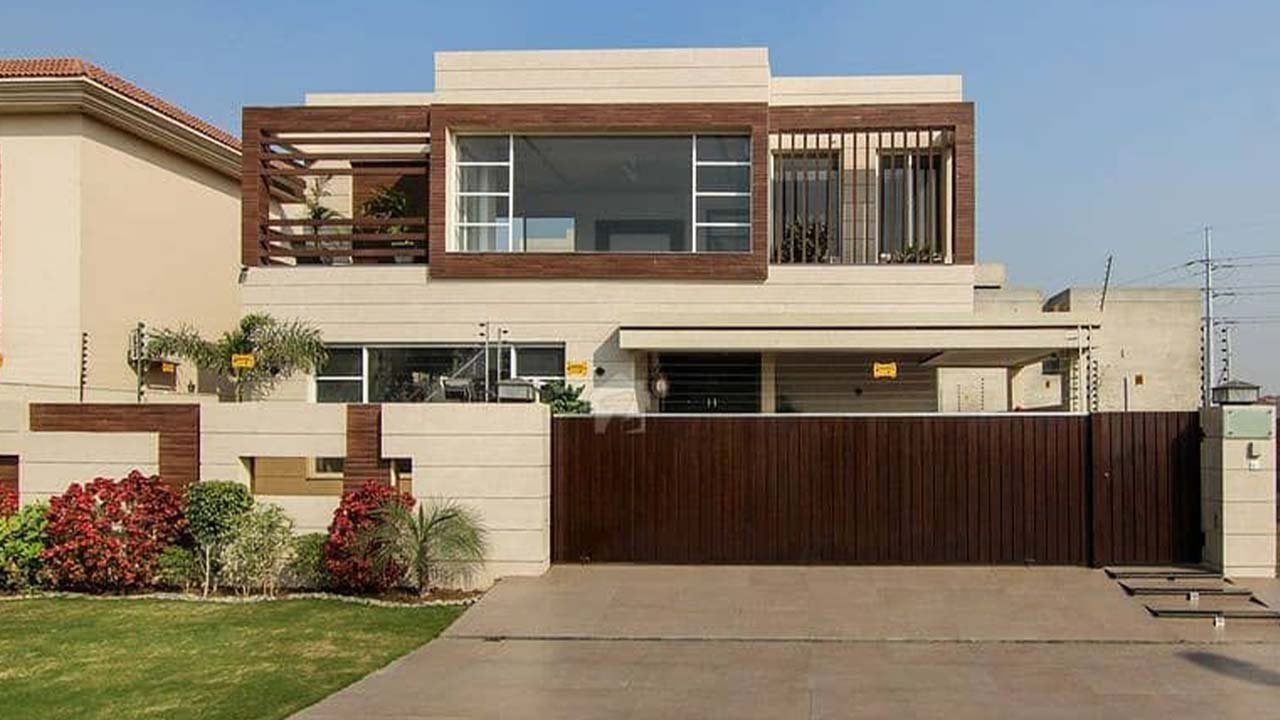
    Almost 80 per cent of the wealth accumulated by Pakistani households by the time they are 60 to 65 years old is made up of residential buildings, according to a recent World Bank study.

    Between the ages of 25 and 65, the net worth of the typical Pakistani household increases by 60 months’ worth of consumption (5 years).

    According to a DAWN report, residential housing makes up the majority of this growth, whereas other types of wealth like land, durables, business and farm values, and financial assets stagnate over time. Early in life, asset accumulation is slower; it picks up between the ages of 40 and 65.

    According to a study titled “Life Cycle Savings in a High-Informality Setting — Evidence from Pakistan” published earlier this week, financing elderly consumption will be a significant challenge in the future due to a combination of factors including population ageing, deteriorating family and village risk-sharing networks, and low formal pension coverage.

    When compared to other investment options, real estate and land are a safe bet, as evidenced by the fact that households save primarily in these areas. According to the study, housing may be a way to permanently store resources in a way that makes them difficult for other family members to steal or use against them.

    According to the study, it might also be a result of a lack of access to other reliable, safe, and high-return long-term saving options. Participation in alternative saving methods may be hindered by low levels of financial literacy, numeracy, and familiarity with formal banking institutions.

    The study emphasised that Pakistan has expanded financial inclusion much more slowly than other nearby countries and that these barriers must be removed.

    Despite being a safe investment, housing is relatively illiquid, which depletes funds for short-term consumption smoothing. Only 3 per cent of Pakistani adults (15 and older) report being able to rely on savings for emergency funds, while 49 per cent claim it is impossible to come up with emergency funds.

    According to 41 per cent of people ages 15 and older, family or friends are typically the primary source of emergency funds; 25 per cent report borrowing for medical expenses.

    Theoretically, policies that permit more real estate assets to be used as collateral for loans made through formal financial institutions could lessen the need for liquid precautionary savings and free up funds for retirement savings. However, these programmes might also promote excessive debt and result in evictions.

    Scarcity of other secure, liquid savings options may also restrict the income potential of self-employment. Although self-employed people have similar levels of education to wage workers, they are typically older. Nearly half of self-employed people lack education.

    Given that the majority of self-employed businesses are started with their own capital, the older age of the self-employed may indicate that the first working years are spent acquiring start-up capital. Only 11 per cent of people aged 15 and older, according to Findex surveys, borrow money to launch or grow a business.

    According to the study, expanding options for secure long-term savings outside of the housing through the use of government-sponsored or subsidised old-age savings instruments could lead to greater independence in old age and lessen the burden on younger families.

    The study found that the average net worth accumulation accelerates around the age of forty, roughly in the middle of the working years. We demonstrate that active saving likely plays a significant role, even though some of this accumulation may reflect patterns in inheritances.

    Around that time, household income growth starts to outpace household consumption growth, and the saving rate rises by 20 percentage points between ages 40 and 65. This suggests that people in that age range may benefit most from programmes designed to encourage formal saving.

  • After five days of losses, British stocks holding firm

    After five days of losses, British stocks holding firm

    A day after economic slowdown fears dragged the major British stocks to their sixth straight session of losses, UK equities stabilised on Tuesday, with some positive momentum from financial sectors and some excellent earnings announcements.

    By 0712 GMT, the FTSE 100 had up 0.6 per cent, with shares in British bank HSBC up 2.6 per cent providing the biggest boost to the blue-chip index.

    Following volatile crude prices, oil majors BP Plc and Shell Plc climbed 1.5 per cent and 0.8 per cent, respectively.

    After finishing at its weakest level in more than three months on Monday, the domestically focused mid-cap FTSE 250 index gained 0.7 per cent. Paragon Banking increased by 4.7 per cent after raising its expectations for 2022 and indicating robust new lending growth.

    FirstGroup jumped 1.2 per cent when the transportation company reported a higher yearly profit and restarted dividend payments, as passenger numbers on its buses increased after COVID-19 limitations were relaxed.

    Crest Nicholson rose 6.1 per cent after projecting an adjusted profit before tax of between 135 and 140 million pounds for fiscal year 2022. In 2021, the housebuilder made an adjusted profit of 107.2 million pounds.

  • Gold gains Rs2,800, reaching Rs142,000 per tola

    Gold gains Rs2,800, reaching Rs142,000 per tola

    Keeping in view the rates maintained by the All Sindh Sarafa Jewelers Association, the price of gold per tola jumped Rs2,800 in the local market on Monday, bringing it to Rs142,000.

    Today, at 4 pm, the precious yellow metal was trading at $1,854 per ounce on the international market.

    Pakistan, as a price-taker, follows the trend in the world market for gold and other precious metals. Gold and other precious metals, such as silver, are priced in ounces around the world.

    Chairman of the Pakistan Gems Jewelry Traders and Exporters Association (PGJTEA), Akhtar Tesori, said the gold jewellery market has suffered as gold prices have risen in the country.

    According to him, the country’s commodities prices have reached new highs in recent years due to devaluation of the local currency against the green back and increases in the price of international gold.

  • Microsoft reduces profit estimation due to market volatility

    Microsoft reduces profit estimation due to market volatility

    Microsoft slashed its fourth-quarter profitability and earnings projections on June 2, becoming the latest U.S. corporation to notify of the impact of a stronger dollar.

    An aggressive Federal Reserve and increased geopolitical tensions have driven the dollar up 14 per cent against a basket of currencies in the last year, forcing companies like Coca-Cola Co and Procter & Gamble to lower their expectations for the rest of the year.

    A stronger dollar generally consumes the earnings of multinational corporations that have extensive global operations and convert foreign currencies into dollars. Microsoft has lowered its sales forecast for all three segments, which include Windows products, cloud services, and personal computing.

    Corporate hedging activity has increased as more businesses seek to protect their revenues from the impact of market volatility in the face of rising inflation. It’s indeed common for businesses to preserve themself from unusual currency transitions, however, the intensity comes after years of low forex fluctuation when market volatility had little impact on income.

    Revenue for the quarter is expected to be between $51.94 billion and $52.74 billion, down from a previous range of $52.40 billion to $53.20 billion. Microsoft reduced its profit forecast from $2.28 to $2.35 per share to between $2.24 and $2.32 per share.

    Considering Refinitiv data, analysts expect earnings per share of $2.33 on revenue of $52.87 billion. In April, the company forecasted double-digit revenue growth for the next fiscal year, owing to increased demand for its office software and cloud services as economies reopen and businesses shift to a hybrid model that allows employees to work from both the office and from home.

  • ‘Beloved brother’ Shehbaz in Turkey, trade to be expanded from $1bn to $5bn

    ‘Beloved brother’ Shehbaz in Turkey, trade to be expanded from $1bn to $5bn

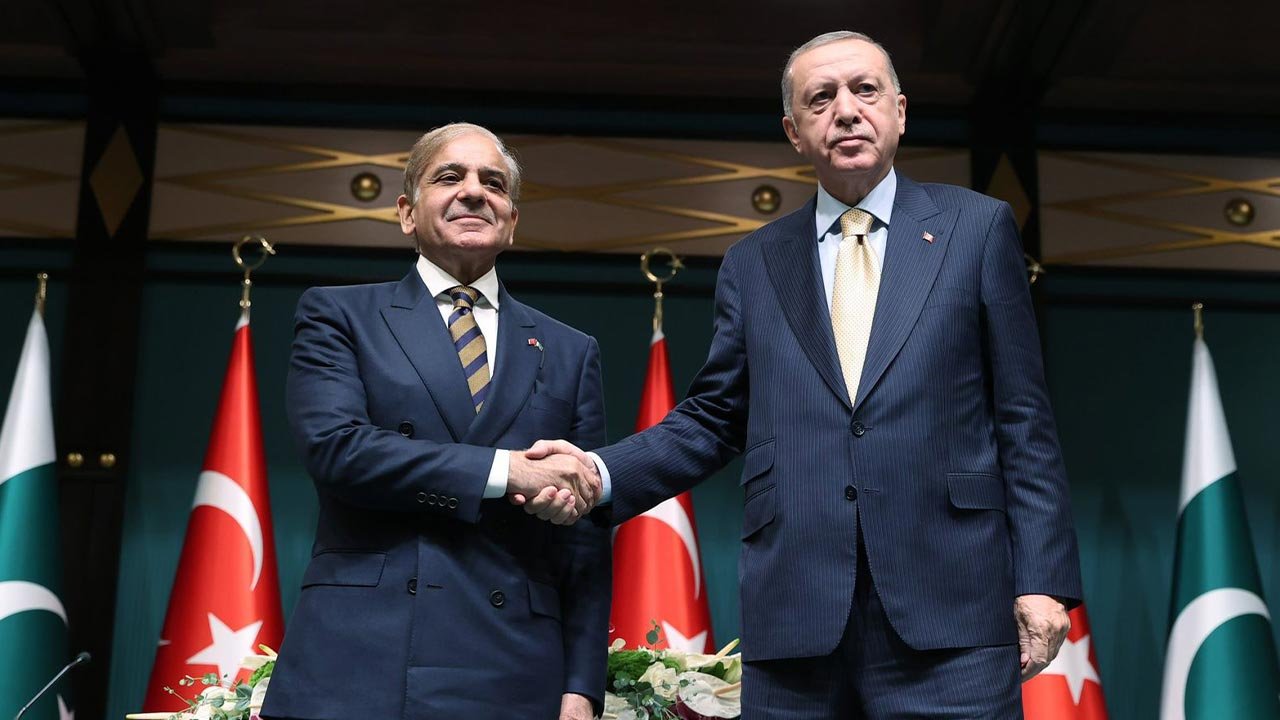
    Prime Minister (PM) Shehbaz Sharif’s formal visit to Turkey, according to Turkish Foreign Minister Mevlut Cavusoglu, will bring bilateral ties a “new dimension”.

    After a meeting in Ankara, he made the remarks, “On the 75th anniversary of our diplomatic ties, we hosted my beloved brother Shehbaz Sharif, Prime Minister of the Islamic Republic of Pakistan. We are prepared to further develop Türkiye-Pakistan relations in light of the two nations’ shared history, friendship, and potential,” Cavusoglu stated on Twitter.

    PM Shehbaz arrived in Istanbul on Tuesday for a three-day official visit, his first since becoming the PM of Pakistan in April.

    According to a Foreign Ministry statement, the premier stressed the significance of growing bilateral trade volume to $5 billion over the next three years.

    “The Prime Minister noted that the bilateral relations were exceptionally warm as the people of the two countries shared special bonds that dated back centuries,” the ministry said in a statement.

    He also emphasised the two countries’ shared interests on a number of regional and international issues, according to the report.

    He said Islamabad aimed to strengthen bilateral trade and cultural ties with Ankara in his address to the Turkey-Pakistan Business Council on Tuesday evening.