Tag: investment

  • Germany to strengthen trade and investment ties with Pakistan

    Germany to strengthen trade and investment ties with Pakistan

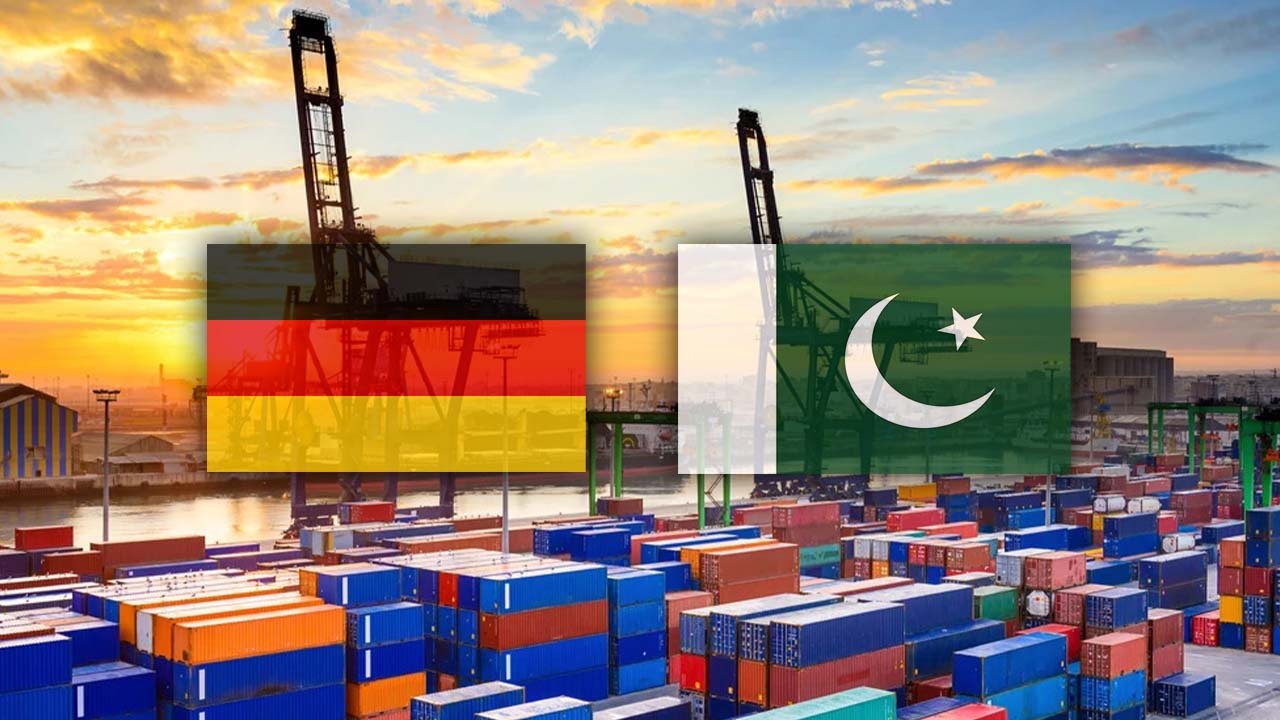
    In a recent meeting with Federal Minister of Commerce and Investment Syed Naveed Qamar, German Minister of State for Foreign Affairs Dr Tobias Lindner expressed his hope that Germany and Pakistan would further strengthen and expand bilateral relations, particularly in trade and investment.

    Both countries discussed multiple aspects of bilateral ties, along a great emphasis on improving trade and financial collaboration to sustain economic growth in a post-Covid pandemic world. The duo agreed to exchange business envoys to look into the prospect of B2B cooperation in renewable power, farming, food security, autos, and technical assistance.

    The Commerce Minister praised Germany for its constant support for Pakistan’s GSP Plus scheme. He emphasized the importance of GSP Plus in widening bilateral trade and offering Pakistan a level playing field in the European segment.

    He also clarified that the scheme has served as a precursor for essential progressive social changes, particularly those relating to women’s empowerment. The German Minister convinced his nation’s continued and forthcoming assistance for the GSP Plus Scheme.

  • Gold prices in Pakistan hit historic high of Rs143,600 per tola

    Gold prices in Pakistan hit historic high of Rs143,600 per tola

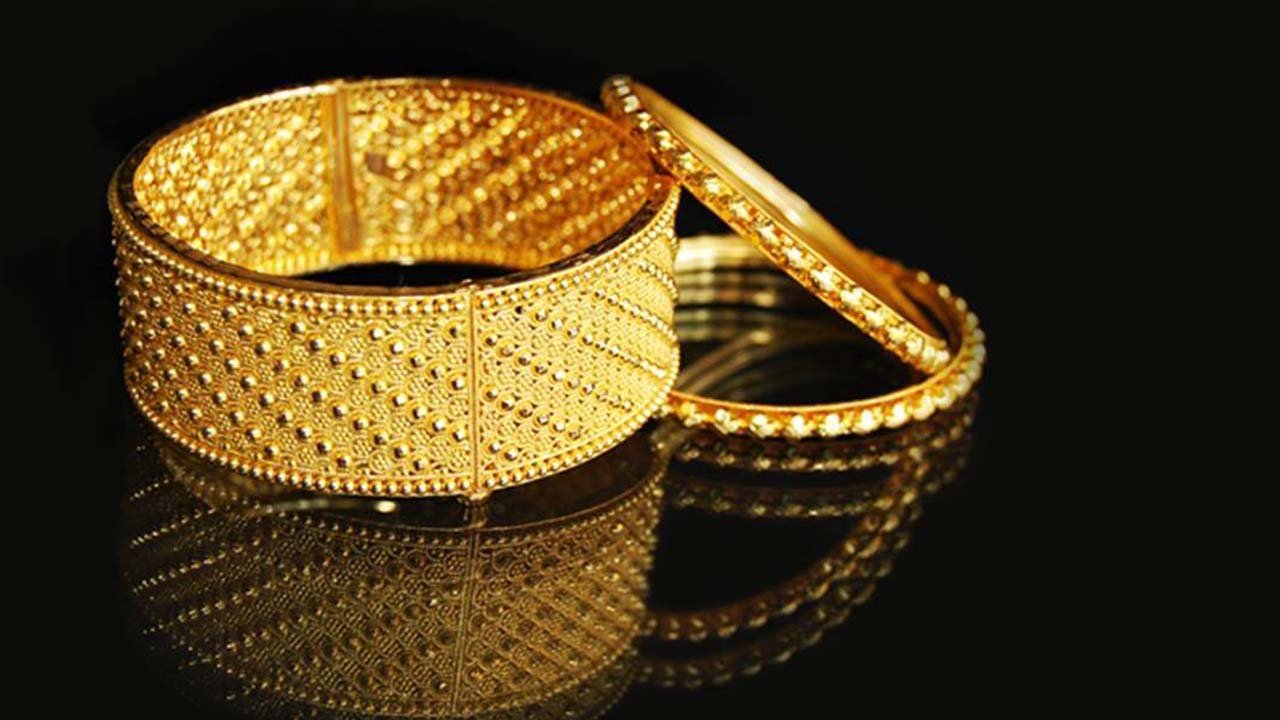
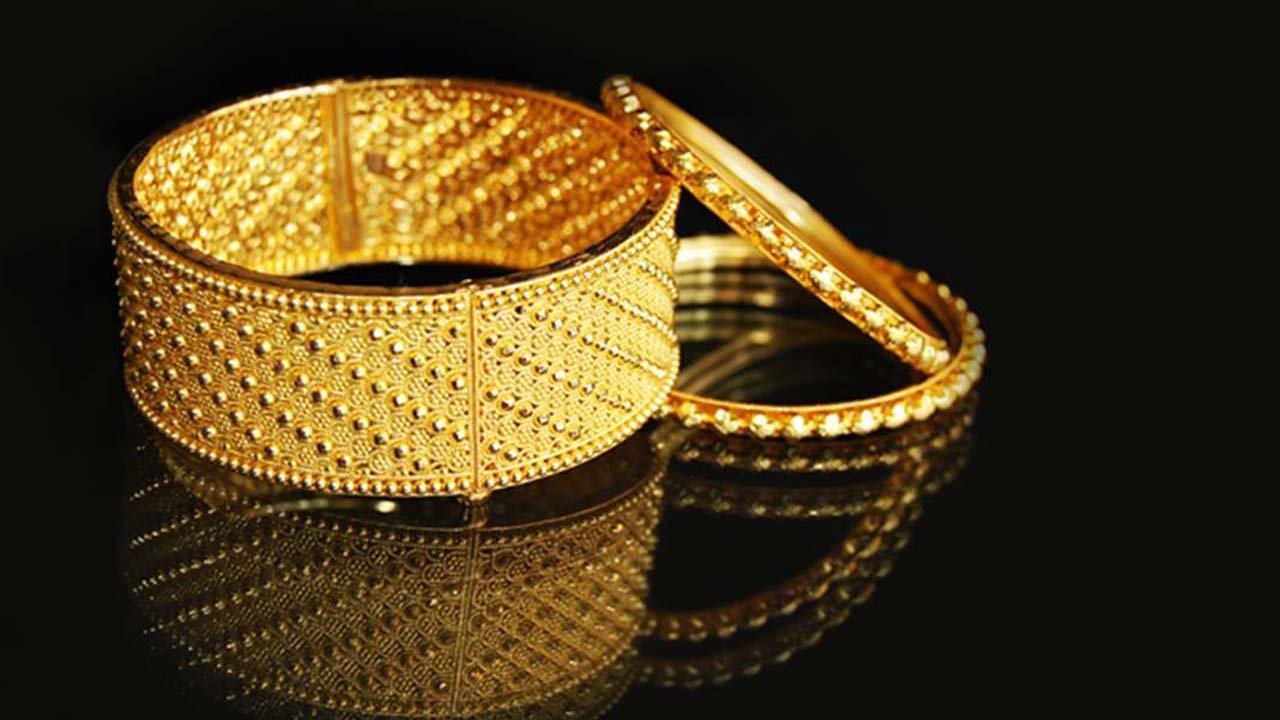
    Gold prices in Pakistan continued to rise as the Pakistani currency fell deeper versus the US dollar, pushing the precious metal to a high of Rs143,600 per tola.

    The price of gold per tola increased by Rs1,950 per tola, as per the All Sindh Sarafa Jewellers Association (ASSJA). Moreover, the price per 10 gramme jumped by Rs1,672 to Rs123,114.

    Following yesterday’s gain of Rs1,950 per tola, the gold price has risen by Rs5,250 in the last four days (Friday-Tuesday).

    During the current economic crisis, gold has resurfaced as a secure investment, and consumers have been eagerly buying gold to preserve their savings against inflation.

    The rupee’s collapse, which reached an all-time low of Rs201.41 versus the US dollar in the interbank market, compelled the gold trading body to drastically raise the bullion price.

    The price of yellow metal fell by $4 per ounce on the international market to settle at $1,858. When compared to the Dubai market, gold prices in Pakistan are roughly Rs1,500 lower.

  • ‘Stablecoin’ crashes, bitcoin set for a record losing run

    ‘Stablecoin’ crashes, bitcoin set for a record losing run

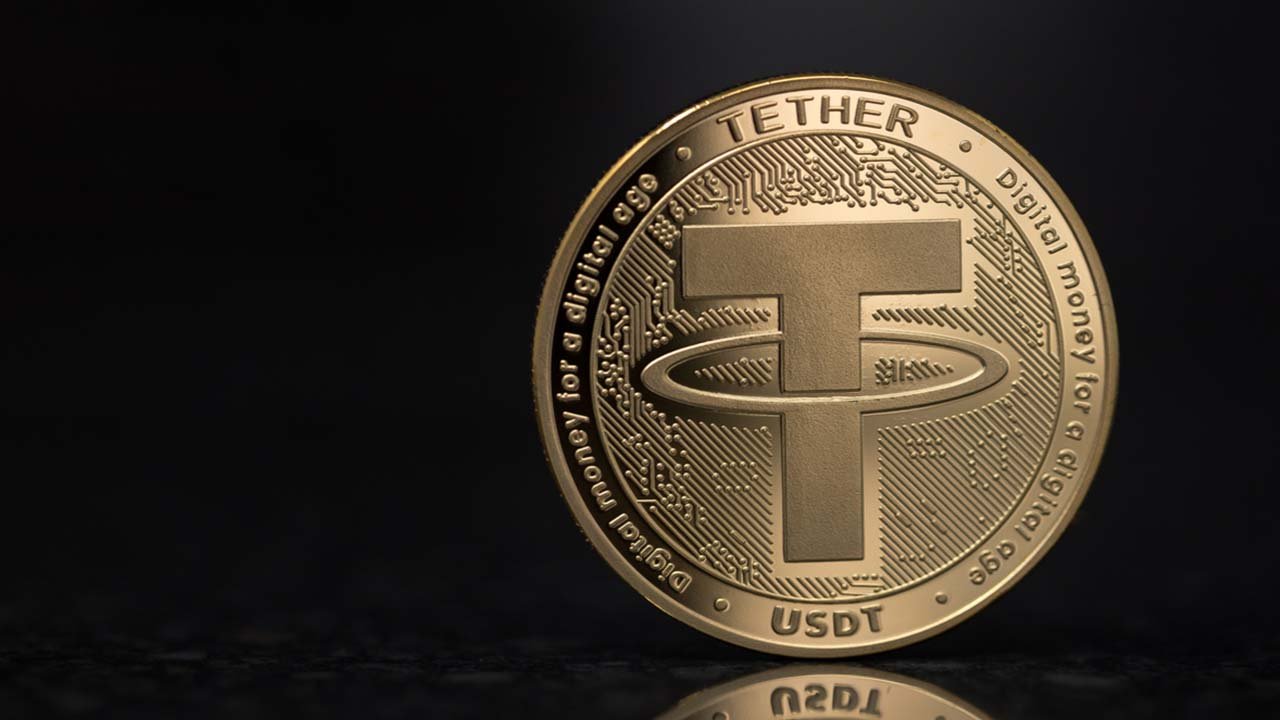
    Following the collapse of TerraUSD, a so-called stablecoin, resonated across markets, cryptocurrencies suffered significant losses on Friday, with bitcoin trapped below $30,000 and on track for a record losing streak.

    Concerns about high inflation and rising interest rates have prompted widespread dumping of hazardous investments, including crypto assets.

    However, sentiment is particularly shaky, as tokens that were intended to be tethered to the dollar have failed.

    Bitcoin, the most valuable cryptocurrency by market capitalization, attempted a recovery early in the Asian session, rising 2 per cent to $29,500, a recovery from a 16-month low of roughly $25,400 on Thursday.

    It is still trading well below week-ago levels of around $40,000 and is on track for a record sixth consecutive weekly loss unless weekend activity improves.

    “I don’t believe the worst is gone,” Scottie Siu, investment director at Axion Global Asset Management, a Hong Kong-based firm that manages a crypto index fund, said. “I believe there will be further decline in the days ahead”.

    “I believe what we need to see is a significant drop in open interest, so that speculators are forced out, and then the market will stabilise”.

    Read more: Pakistan’s cement exports fell by 82.15 per cent in April 2022

    This week, TerraUSD (USDT) lost its 1:1 peg to the dollar, as its method for maintaining stability, which relied on another virtual token, failed under selling pressure.

  • Pakistan’s cement exports fell  by 82.15 per cent in April 2022

    Pakistan’s cement exports fell by 82.15 per cent in April 2022

    Owing to unpredictable economic and political conditions, cement sales remained weak last month and between July and April 2021-22 (10MFY22), according to All Pakistan Cement Manufacturers Association (APCMA).

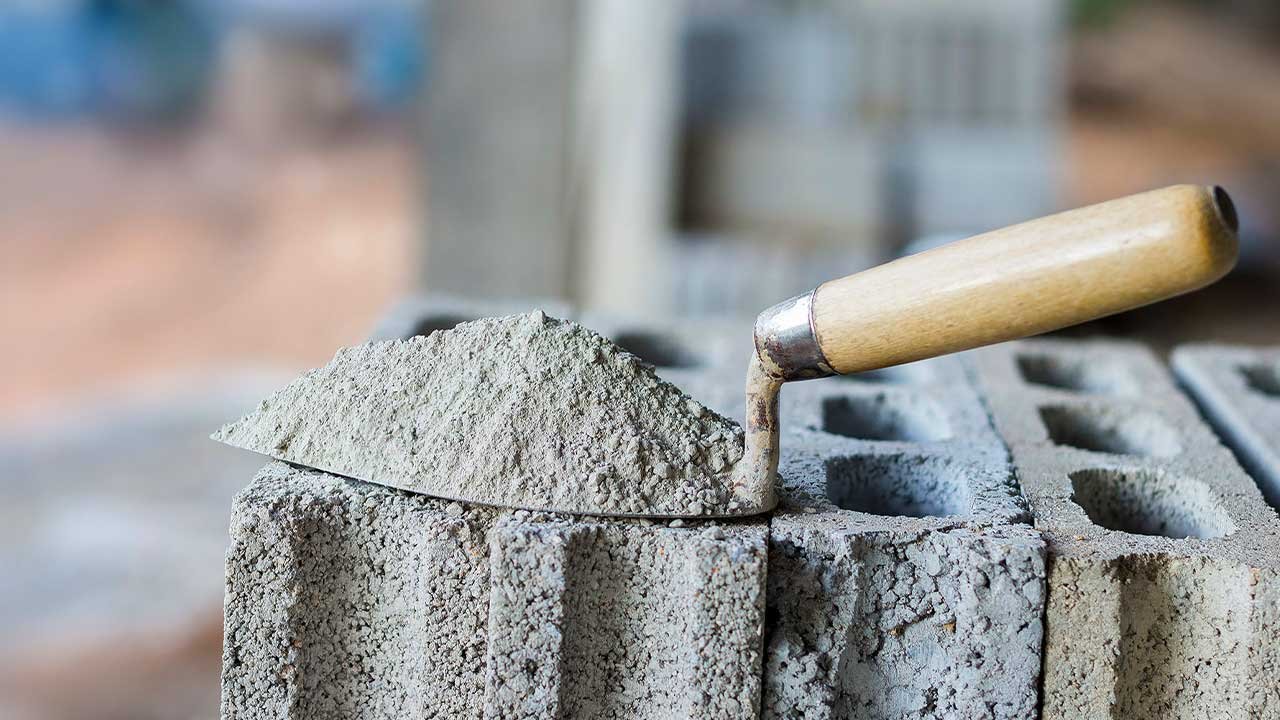
    The sector shipped 3.37 million tonnes of local cement in April 2022, down 17 per cent from 4.06 million tonnes in April 2021, while exports dropped 82.15 per cent from 877,163 tonnes in April 2021 to 156,613 tonnes in April 2022.

    As a result, overall cement sales including local and exports plummeted by 28.6 per cent in April 2022 to 3.52 million tonnes, down from 4.94 million tonnes in April 2021, as per APCMA data.

    North-based cement mills sold 2.8 million tonnes in domestic markets in April 2022, down 17 per cent from 3.3 million tonnes in April 2021. Exports from northern mills declined 75.22 per cent in April 2021, from 250,072 tonnes to 61,971 tonnes.

    According to data from the State Bank of Pakistan (SBP), banks granted Rs180 billion in housing loans in 10MFY22, with Rs57 billion disbursed over the same time. Housing loan applications of Rs409 billion had been received by banks.

    The political and economic instability of March had begun to deter investors in the construction industry, as seen by the APCMA’s domestic April sales figures.

    Read more: CNG prices pushed to Rs140 per kg for sales tax collection

    Moreover, high lending rates of 12.25 per cent effective April 7 and the risk of further rate hikes will impact construction activity, while consumers are already under pressure due to increased living costs, with the CPI for April at 13.37 per cent.

    Owing to record high prices for steel bars, cement, and other construction supplies, people are also cautious to make new investments in building new homes.

  • Gold prices go up by Rs350 per tola to Rs130,300

    Gold prices go up by Rs350 per tola to Rs130,300

    The price of gold in the local market soared by Rs350 per tola (11.7 gramme) on April 13. All Pakistan Jewellers Manufacturers Association stated that the precious yellow metal is currently trading at Rs130,300 per tola.

    Accordingly, the cost of 10 gramme of gold jumped by Rs300 to Rs111,711. Silver prices in the local market as of April 13, remained constant at Rs1,520 and Rs1,303.15.

    Gold prices touched a one-month high in the international market as surging consumer costs bolstered its desirability as an inflation hedge, while investors seemed to ignore the Federal Reserve’s imminent interest rate hike and a healthier dollar.

    By 12:40 pm. ET (1640 GMT), spot gold had risen 0.6 per cent to $1,978.81 per ounce, after reaching its highest level since March 14 at $1,979.95. Gold futures in the United States (US) increased 0.3 per cent to $1,982.6.

    Read more: Car sales up by 53.7 per cent in 2022, despite repeated price hikes

    Bullion prices surged $22 per ounce on the global market, settling at $1,977 per ounce. When compared to the Dubai market, gold prices in Pakistan are approximately Rs5,000 cheaper.

  • SBP determined to curb inflation, improve foreign exchange reserves

    SBP determined to curb inflation, improve foreign exchange reserves

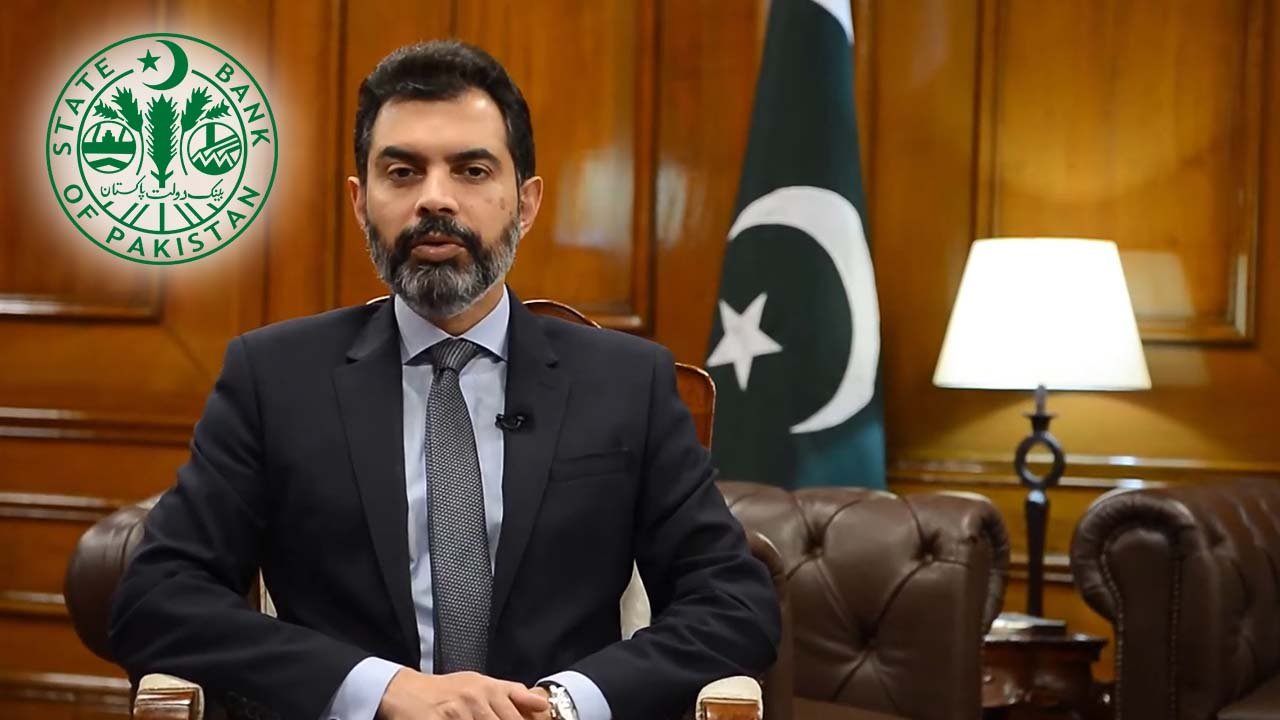
    In a recent interview, the Governor of the State Bank of Pakistan (SBP), Dr. Reza Baqir expressed concern over the continuous deterioration in foreign exchange reserves but remained optimistic that a renewal of loans will be witnessed in the near future, which, coupled with SBP’s initiatives, will enhance market confidence.

    He claimed that the decline in reserves is “clearly alarming, but we are convinced that the central bank’s initiatives will prevent further deterioration”.

    According to data issued by the central bank on April 7, the reserves massively declined by $728 million to $11.32 billion as of April 1.

    The decline, according to SBP, is primarily attributable to debt repayment and government payments linked to the settling of an arbitration judgment.

    In addition to this, the currency even hit new lows in the week, forcing the SBP to intervene by boosting the policy rate, declaring a 100 per cent cash margin on 177 commodities with instant effect, and hiking the markup percentage by 2.5 per cent for borrowing under the Export Finance Scheme (EFS).

    In response to the Monetary Policy Committee’s (MPC) recent rate hike, Baqir stated that the move was made to tackle growing inflation and lessen external pressures. “The foreign exchange market has been under a lot of pressure for more than a month. A number of factors contributed to it: first, there was political uncertainty; second, our reserves were drained due to debt payments”.

    Consequently, the Pakistani rupee ended its devaluation run on April 8, and the KSE-100 Index witnessed positive sentiment, ending the day with an impressive gain of 658 points.

    The SBP Governor also discussed the skyrocketing petrol prices, which remain elevated because of the Russia-Ukraine conflict, adding more pressure on the local currency.

    The central bank made a determined decision after analyzing the statistics to lower inflation, improve foreign exchange reserves, and boost business confidence.

  • Tesla’s CEO Elon Musk to join Twitter board after investing $2.9 billion in the platform

    Tesla’s CEO Elon Musk to join Twitter board after investing $2.9 billion in the platform

    Elon Musk, the world’s richest man, has been chosen for Twitter’s board of directors, just one day after it was confirmed that he is the social media platform’s largest shareholder, holding a 9.2 per cent stake.

    On April 5, Twitter’s CEO Parag Agrawal said he was excited to announce Musk’s membership to the company’s board of directors. 

    Tesla’s CEO, whose personal wealth is assessed to be $289 billion, about $100 billion greater than the second richest person on the planet, Amazon founder Jeff Bezos, has a history of publishing controversial tweets.

    Musk was a “passionate believer and intense critic” of the platform, according to Agrawal, and it was exactly what Twitter needed to render it stronger in the long run.

    Surprisingly, Musk has a Twitter following of more than 80 million, and he was already looking forward to collaborating with the company “to make big improvements” to the social media platform in the near future.

    Twitter on Tuesday stated that Musk had agreed to serve as a class two director with a term terminating at the company’s annual meeting of shareholders in 2024.

    Musk bought a nearly $3 billion (£2.3 billion) share in Twitter on Monday, which is more than four times the 2.25 per cent share held by the platform’s co-founder, Jack Dorsey.

    However, Musk would not be able to own more than 14.9 per cent of Twitter’s outstanding shares, either alone or as part of a group, for as long as he was a board member and for 90 days later, according to the firm.

    The CEO of Tesla and SpaceX, who ranks among the Top 10 most popular users on Twitter with 80.4 million followers, paid $2.89 billion for the stake on Friday at Twitter’s closing share price.

    Twitter shares rose another 5 per cent Tuesday morning after soaring more than 27 per cent on Monday after reports of Musk’s stock purchase.

  • Friendship ended with India, now China is Iran’s best friend?

    Friendship ended with India, now China is Iran’s best friend?

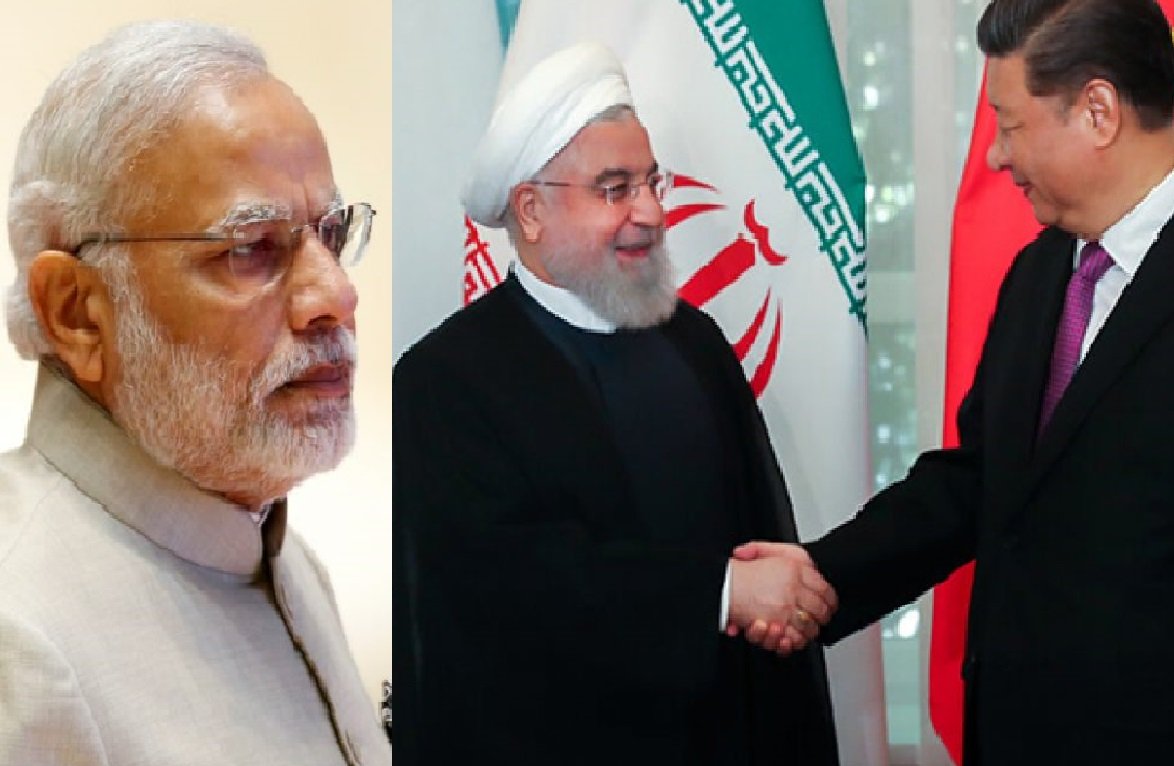
    After being “dropped” from a key rail project in southeastern Iran along the border with Afghanistan, India is also set to lose an ambitious gas field project in the country that had been in the pipeline for the past 10 years. 

    India’s Ministry of External Affairs has said in a statement that Tehran would develop the Farzad-B gas field in the Persian Gulf region “on its own” and might engage India “appropriately at a later stage”.

    Last week, Masoud Karbasian, managing director of National Iranian Oil Company (NIOC), told reporters that a new operator had been roped in to develop the gas field, replacing India’s ONGC.

    The field, estimated to possess 21.7 trillion cubic feet of natural gas reserves, 12.8 trillion cubic feet of natural gas and 212 million barrels of gas condensates, was discovered in 2008 by a consortium of three Indian companies — ONGC, Oil India Limited and Indian Oil Corporation.

    According to the deal, the Indian side was supposed to develop the field but they abruptly stopped work in 2012, following the intensification of sanctions against Iran.

    After sanctions were eased in 2015 following the signing of a nuclear deal between Iran and Western countries, India showed its willingness to return to the project.

    However, things again fell apart amid the reinstatement of US sanctions on Iran in May 2018, which further “discouraged” India from making headway in the project, said sources familiar with the issue who requested not to be named.

    “By May 2018, the two sides had made tremendous progress and agreed on key details of the project,” the sources said. “However, the US sanctions played the spoilsport.”

    The two sides had disagreements among themselves as well, particularly on the number of pipelines to be laid and financial investment in the development plan, according to reports.

    In May 2019, Iran’s oil minister, Bijan Namdar Zanganeh, said his ministry had devised a plan to finance the development of the Farzad-B gas field.

    The NIOC had asked the Indian side to submit a financial plan for the field’s development. However, Tehran was “not impressed” with the plan and asked for a new one, said the sources. India had reportedly made a $5.5 billion investment plan

    In August 2019, after slow progress by the Indian side to submit a new plan, Karbasian said Iran would proceed with another operator for the project.

    India’s External Affairs Ministry, however, said the “follow-up bilateral cooperation” was impacted by “policy changes on the Iranian side”.

    This was, however, not the only blow that Iran has served to India as just earlier this week it had “dropped” India from a rail project after the Indian side showed reluctance to start work due to US sanctions.

    The memorandum of understanding to construct the 628-kilometre railway line from the port city of Chabahar to Zahedan was first discussed between the two sides in May 2016.

    It came on the sidelines of the signing of a trilateral agreement between India, Iran and Afghanistan to develop a transport and trade corridor from India to Afghanistan through the Chabahar port in southeast Iran. The port has been operational since 2016 and has been exempted from US sanctions.

    India’s External Affairs Ministry dismissed the reports that Iran excluded it from the rail project as “speculative,” saying Tehran was to “nominate an authorised entity to finalise outstanding technical and financial issues”. The matter, it said, was “still awaited”.

    “IRCON was appointed by [the] Government of India to assess the feasibility of the project. It was working with CDTIC, an Iranian company under their Ministry of Railways in that regard. IRCON has completed the site inspection and review of the feasibility report,” the ministry said in a statement on Thursday, referring to the state-run Indian infrastructure firm undertaking the project.

    “Detailed discussions were thereafter held on other relevant aspects of the project, which had to take into account the financial challenges that Iran was facing. In December 2019, these issues were reviewed in detail at the 19th India-Iran Joint Commission Meeting in Tehran.”

    An official from Iran’s Ports and Maritime Organisation has also denied the reports. However, he said Iran “has not inked any deal with India” for the construction of the Chabahar-Zahedan railroad.

    Both the developments come amid China-India tensions over a territorial dispute in the Ladakh region and as Beijing, sensing America’s internal political difficulties amid social justice protests and poor COVID-19 response, reportedly approves a $400 billion economic and security deal with Tehran.

    In addition to massive infrastructure investments, the agreement envisions closer cooperation on defense and intelligence sharing, and is rumored to include discounts for Iranian oil. If finalised, China would gain massive influence in this geopolitically critical region.

    The US is likely to push back against this partnership, which threatens its security and energy interests in the Middle East and Eurasia. According to Forbes, it is an open secret that Washington’s foreign policy interests constantly clash with those of Tehran and Beijing.
  • Saudi Arabia’s energy company ‘Aramco’ worth’s $1.7 trillion after a historic IPO

    Saudi Arabia’s energy company ‘Aramco’ worth’s $1.7 trillion after a historic IPO

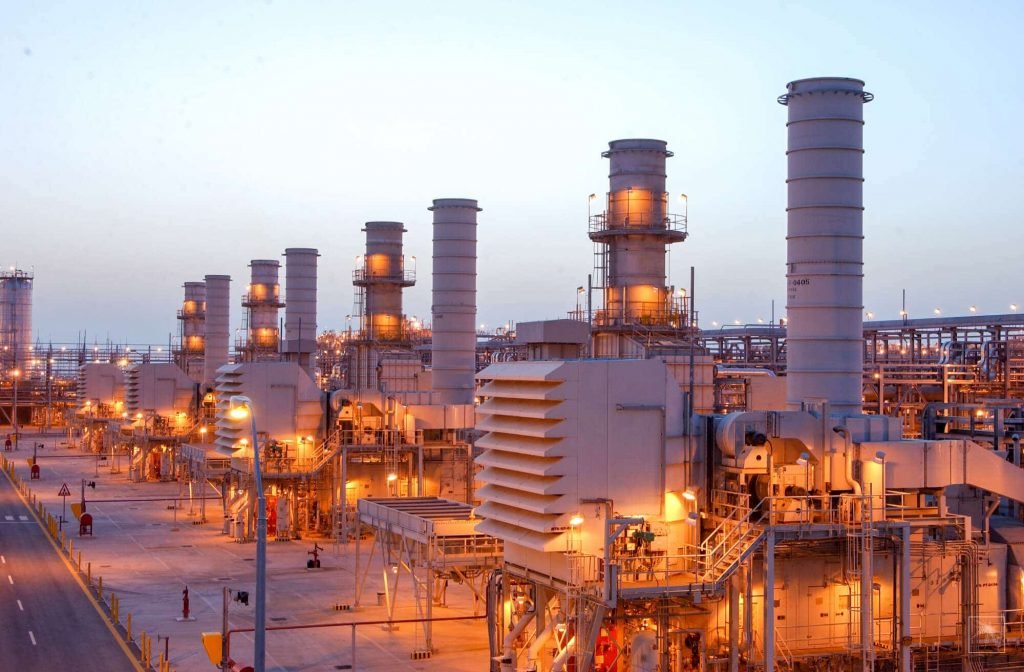
    Saudi Arabia has recently turned Aramco (Arabian-American Oil Company) in publicly owned enterprise. By making it a public entity – that investors can buy and sell shares in the stock market.

    Shaybah

    In the Initial Public Offering (IPO) phase, the worth of the company has plunged to $1.88 trillion that break all the records of the recent decades.

    The offering price of Armaco shares were 32 Riyals ($8.53) and people bought the shares of $25.6 billion – eclipsing Alibaba’s $25 billion IPO of 2014.

    Moreover, seconds after the debut on Riyadh’s Tadawul exchange, the price per stock rose to 35.2 riyals. This development further boosted the energy giant’s valuation.

    Haradh Gas Plant (Aramco)

    On the launch ceremony, the Chairman of Aramco Yasir Al-Rumayyan said “Today the kingdom of Saudi Arabia is no longer the only shareholder of the company. More than five million shareholders have joined including citizens and residents, in addition to Gulf countries and international investment institutions. The kingdom is immensely proud of this day.”

    It was the strategy of Crown Prince Mohammad Bin Salman to overhaul the oil-reliant economy.

    The IPO process had put the energy giant’s value at $1.7 trillion, far ahead of other firms in the trillion-dollar club, including Apple and Microsoft.

    The listing of Aramco, with its huge capital value, boosts the Saudi bourse — known as Tadawul — to the ranks of the world’s top ten.

  • IN DATA: ‘Pakistan’s economy has crashed 13 times in 60 years,’ says Economist Atif Mian

    In an article in the New York Times, Economist Atif Mian discusses what has led to the persisting economic crisis, and what can save Pakistan’s economy.

    SWIPE RIGHT: Atif Mian’s key points

    His key points include the facts that Pakistan’s volume of exports has not risen since 2005 and the government is running on borrowed money right now, but people are ready for a change. He states that Pakistan elected Imran Khan because they want a change in their daily life.

    Delving a little deeper into what Mian mentioned and the links that he provided in his article, the following infographics show the state of Pakistan’s economy.

    World Bank rankings on Pakistan ease of doing business.

    Pakistan, since 2005, has remained an increasingly difficult place to invest in. The ranking in 2020 is 108, which means that ease of doing business has gotten better as compared to 2015 — when it stood at 138. The best time to invest in Pakistan was 2005, when the ranking was even better — at 65. The lower the World Bank’s ranking, the easier the time is to invest in Pakistan.

    The level of investment by private and public sectors during the 1980s and up until 2015

    The graphic above shows that the best time for public and private investment in Pakistan in relation to the Gross Domestic Product (GDP) — any country’s total value of goods produced and services. The best time to invest in Pakistan was in the early 1990s and has been declining ever since.

    Foreign Investment in Pakistan, India and Bangladesh during the years

    The chart above shows that Pakistan had the highest amount of foreign investment in 2004, but it has been declining ever since (with a minimal boost in 2008).

    https://public.flourish.studio/visualisation/1079785/
    Pakistan has performed the least compared to other countries in Asia

    As compared to other countries in Asia, Pakistan’s investment status is the lowest, especially in recent times.