Tag: Investor Sentiment

  • Oil prices drop again on concerns over China’s economic changes

    Oil prices drop again on concerns over China’s economic changes

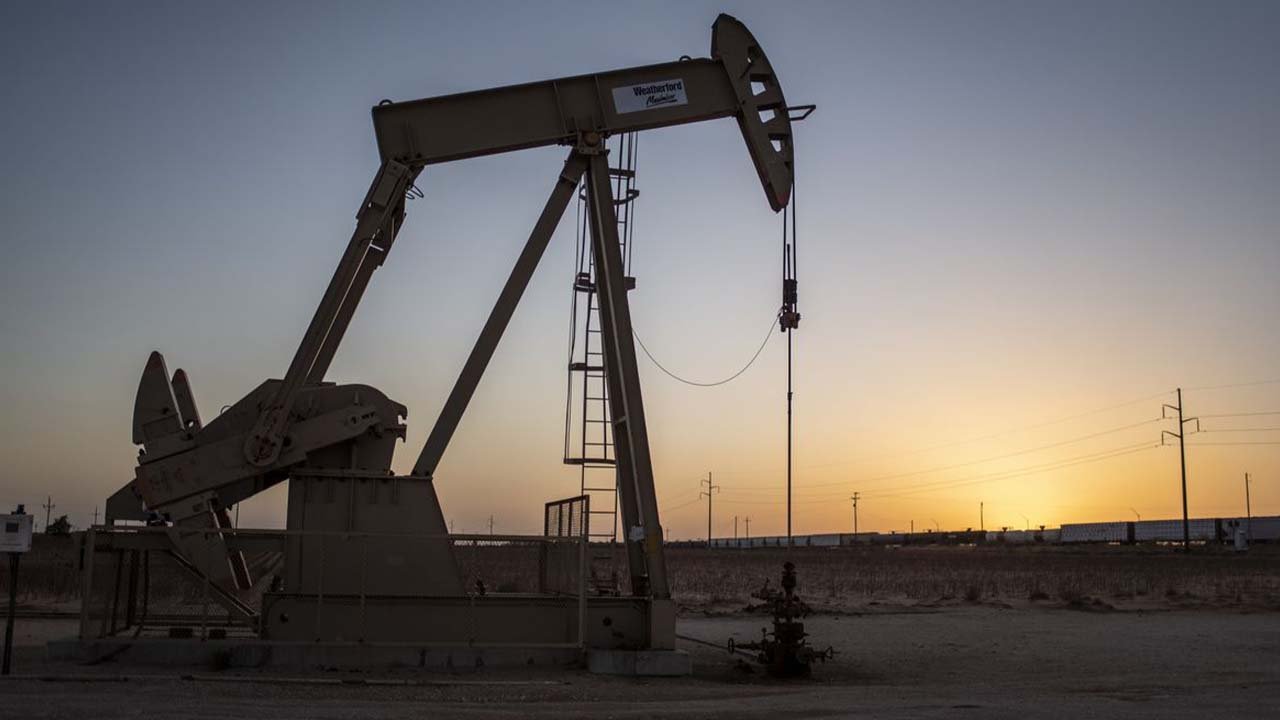
    In the wake of growing apprehensions over reduced oil consumption in China, a key player in the global oil market, oil prices witnessed a consecutive decline for the second day.

    The current market scenario reveals Brent crude trading at $82.16 per barrel, marking a 0.52 per cent decrease, while West Texas Intermediate crude (WTI) is trading at $77.9 per barrel, down by 0.6 per cent from the previous close.

    China, a significant oil consumer, declared its commitment to overhaul its economic development model and address industrial overcapacity concerns.

    Alongside these initiatives, China set its economic growth target for 2024 at approximately 5 per cent, a figure consistent with last year’s goal and in alignment with analysts’ predictions, according to Reuters.

    However, achieving this growth target may prove challenging this year, as analysts point out that China’s favourable base effect in 2023, resulting from the pandemic-affected 2022, may not be replicable. This potential hurdle has raised concerns and could impact investor sentiment.

    China, being the world’s largest crude importer, also announced intentions to intensify the exploration and development of oil and natural gas resources.

    Simultaneously, there is a commitment to tighten control over fossil fuel consumption, reflecting the nation’s dual focus on energy development and environmental responsibility.

    While anxieties regarding China’s demand outlook contributed to the downward pressure on oil prices, other factors provided support.

    Major oil producers’ decisions to reduce output and geopolitical tensions arising from the Israel-Gaza conflict played a role in sustaining crude prices.

    Over the weekend, the Organisation of the Petroleum Exporting Countries and its allies (OPEC+) extended their voluntary oil output cuts of 2.2 million barrels per day (bpd) into the second quarter.

    This decision aimed to bolster prices amidst global growth concerns and increased production outside the OPEC+ alliance.
  • PSX faces record single-day plunge, shedding 2,534 points 

    PSX faces record single-day plunge, shedding 2,534 points 

    On Tuesday, Pakistan Stock Exchange’s (PSX) KSE-100 index experienced a significant downturn, plummeting by 2,534 points, or 4.11 per cent, culminating in a closure at 59,171—a record for the largest single-day drop in absolute points. 

    Since its zenith on December 13, the index has incurred a substantial loss of 7,923 points, reflecting an 11.81 per cent decline.

    The market correction intensified during today’s session, attributed to pronounced selling pressures in the final week of the year, compounded by prevailing political uncertainty. 

    In the latest session, the index showcased a wide trading range of 2,607.74 points, registering an intraday high of 61,634.55 (down by 70.54 points) and a low of 59,026.81 (down by 2,678.28 points). The total volume of the KSE-100 index reached 396.481 million shares.

    Within Tuesday’s session, 5 out of the 100 index companies closed higher, 91 closed lower, 1 remained unchanged, and 3 were untraded. 

    The decline of the KSE-100 index was particularly influenced by sectors such as oil and gas exploration companies (-508.87 points), commercial banks (-386.15 points), power generation and distribution (-271.96 points), cement (-211.88 points), and fertiliser (-194.77 points).

  • Pakistani rupee bounces back strongly after hitting all-time low of Rs300 against dollar

    Pakistani rupee bounces back strongly after hitting all-time low of Rs300 against dollar

    On Friday, the Pakistani rupee saw a significant recovery after hitting an all-time low of Rs300 against the US dollar the previous day. The local currency gained Rs12.43 per US dollar in the interbank market to trade at Rs286.50.

    This recovery can be attributed to two major developments that occurred over the last few hours. Firstly, the currency gained strength as demand from importers decreased, following the release of oil payments a day earlier.

    Secondly, the Supreme Court declared the arrest of Imran Khan, the Chairman of the Pakistan Tehreek-e-Insaf (PTI), illegal and ordered his immediate release. These two developments, combined with an improved political situation, resulted in the sharp recovery of the rupee.

    The demand for US dollars was high the previous day when the rupee hit an all-time low because imports had to retire their payments. However, the demand was relatively less on Friday, coupled with the improved political situation, which led to the sharp recovery.

    Despite the uncertainties surrounding the International Monetary Fund (IMF) programme sparking default concerns, the currency market did not react negatively to Finance Minister Ishaq Dar’s press conference, where he claimed that Pakistan would not default even if there was no IMF programme.