Tag: investors

  • PTI will protest countrywide against inflation, Khan warns government

    PTI will protest countrywide against inflation, Khan warns government

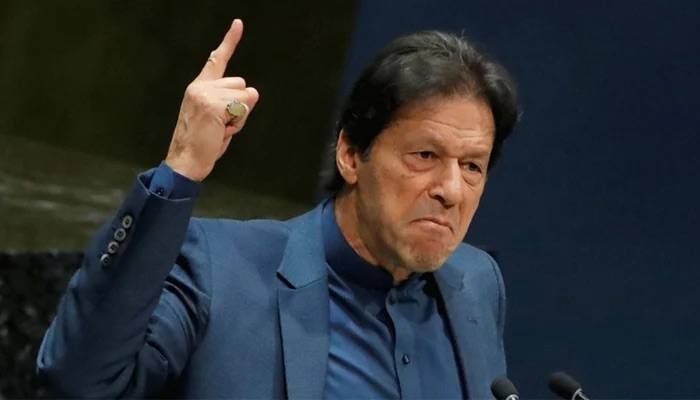
    Incarcerated former prime minister and founding chairman of Pakistan Tehreek-e-Insaf (PTI) Imran Khan, has warned the government that his party will launch countrywide protests if power and gas tariffs are increased.

    While talking to journalists in Adiala jail, Imran said that a country’s economy can’t stabilise if a government is not formed with the votes of the people.

    The former prime minister said that imposing more taxes will destabilise the country’s economy in the months of June and July. He further explained that as a big chunk of tax money went into paying off debt, it made investors hesitant to invest in Pakistan.

  • April was Bitcoin’s worst month since late 2022 as investors took profits

    April was Bitcoin’s worst month since late 2022 as investors took profits

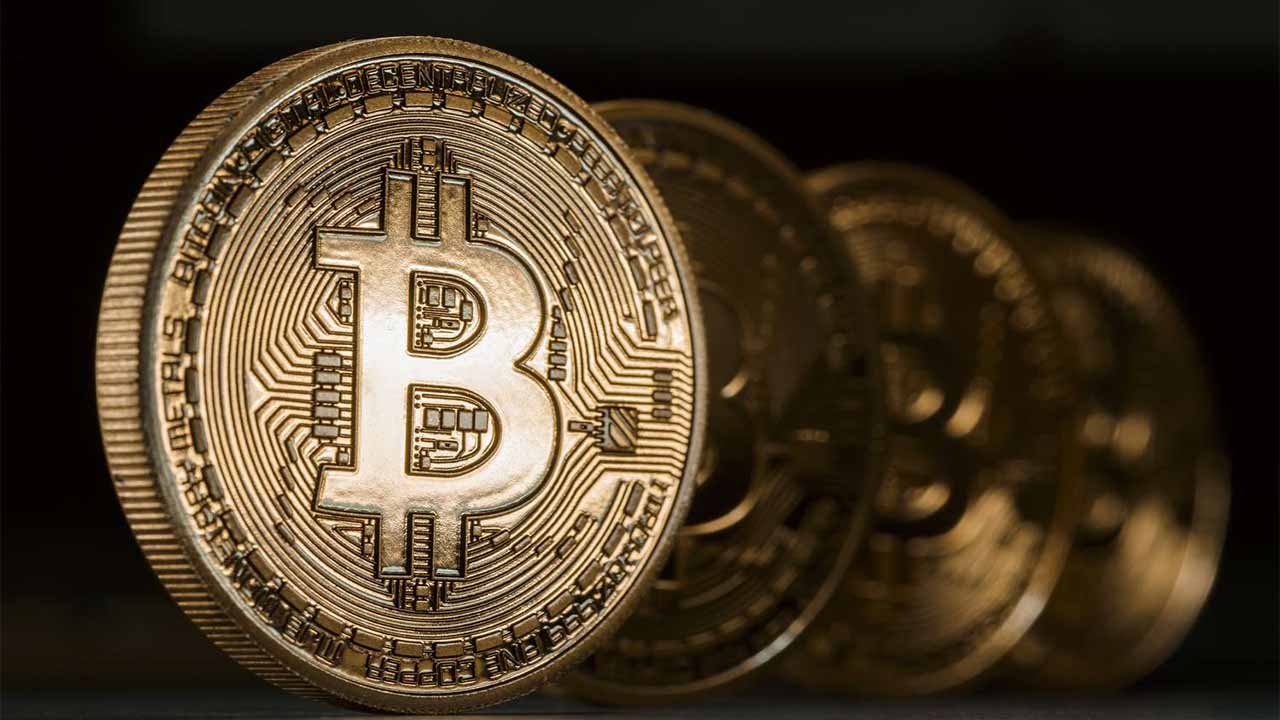
    Bitcoin experienced a significant downturn for the third day in a row on Wednesday, capping off its worst monthly performance in April since late 2022.

    This downward trend comes as investors shifted their focus away from cryptocurrencies in anticipation of the Federal Reserve’s upcoming interest rate decision.

    The world’s most traded cryptocurrency fell nearly 16 per cent throughout April as investors cashed in their gains from a recent rally.

    Bitcoin had reached record highs, topping $70,000, but the recent slide has taken the price to $57,055, a 4.7 per cent drop and its lowest point since late February.

    Ether, the second-largest cryptocurrency by market cap, also saw a decline, falling 3.6 per cent to $2,857, its weakest level since February.

    The sharp downturn has pushed bitcoin into bear market territory, with its current price sitting 22 per cent below its March peak of $73,803.

    Despite this, Bitcoin has still achieved a 35 per cent increase so far in 2024 and has doubled its value compared to the same time last year.

    This surge in value was largely driven by significant investments in newly launched exchange-traded funds (ETFs) at the beginning of the year.

    According to Matteo Greco, a research analyst at Fineqia, the recent decline in bitcoin’s price is due to profit-taking by investors who entered the market during the downturns of 2022 and 2023.

    Additionally, ETF investors, who saw their shares appreciate significantly in early 2024, also contributed to the sell-off as they locked in profits.

    Looking at the broader economic landscape, the Federal Reserve is not expected to change interest rates later this week.

    However, a growing consensus among investors suggests that the central bank may refrain from cutting rates altogether in 2024.

    This uncertainty has cast a shadow over interest rate-sensitive assets, including cryptocurrencies, emerging market stocks, bonds, and even commodities. Investors are adjusting their portfolios accordingly.

    The 10 largest U.S. spot bitcoin ETFs have seen their biggest weekly outflow since their inception earlier this year, highlighting the impact of shifting investor sentiment on the cryptocurrency market.

    As the market reacts to both macroeconomic factors and investor behavior, the coming days will be crucial in determining whether this downtrend continues or stabilizes.

  • Gold price hits new record high of Rs218,300 per tola as Pakistani rupee crashes

    Gold price hits new record high of Rs218,300 per tola as Pakistani rupee crashes

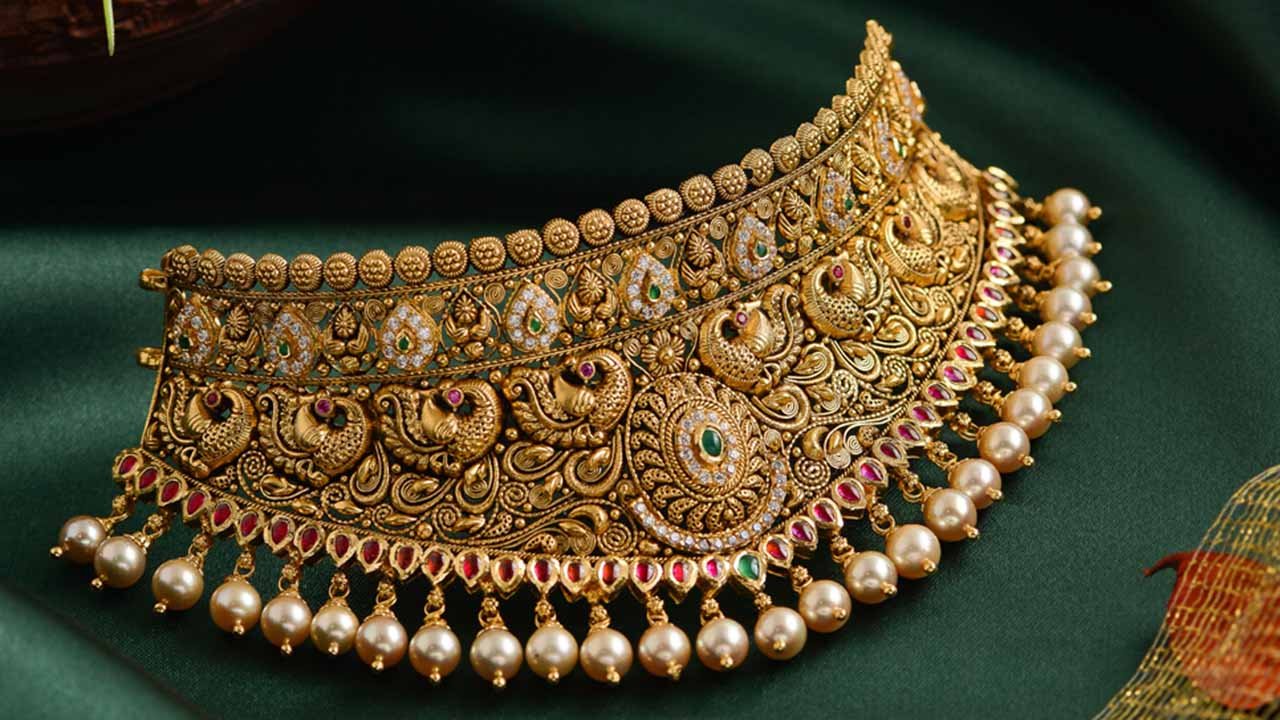
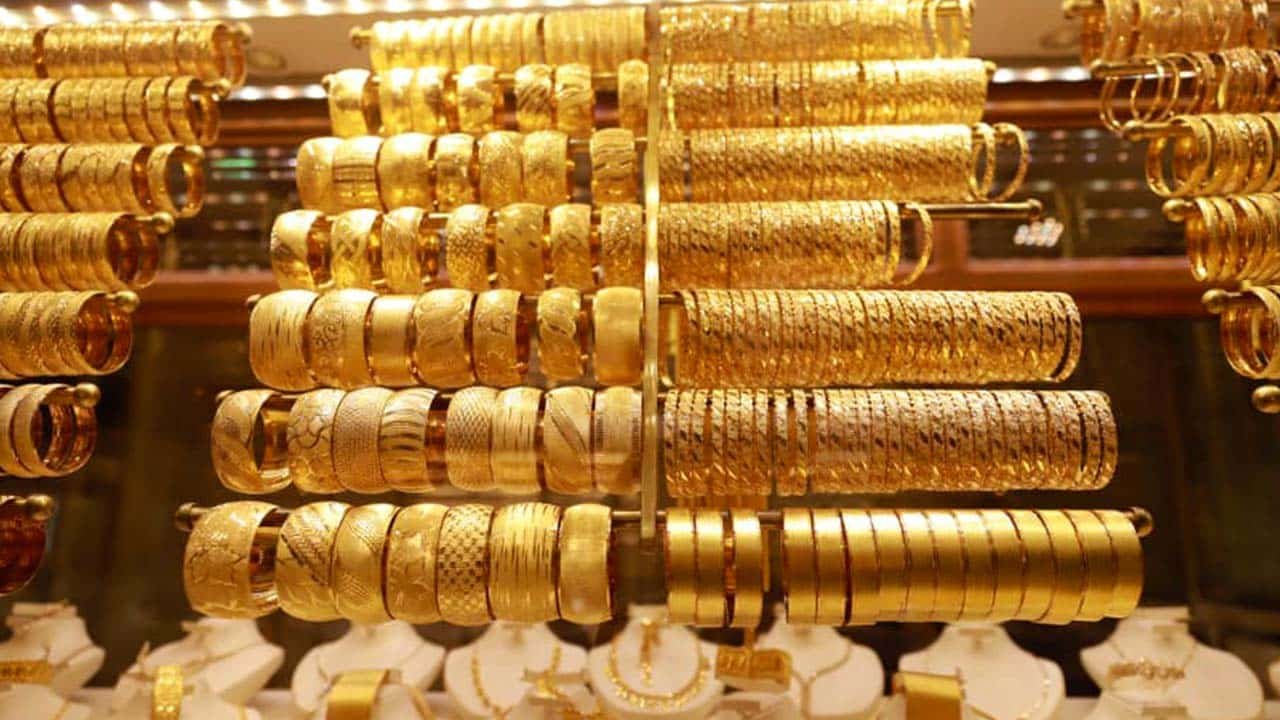
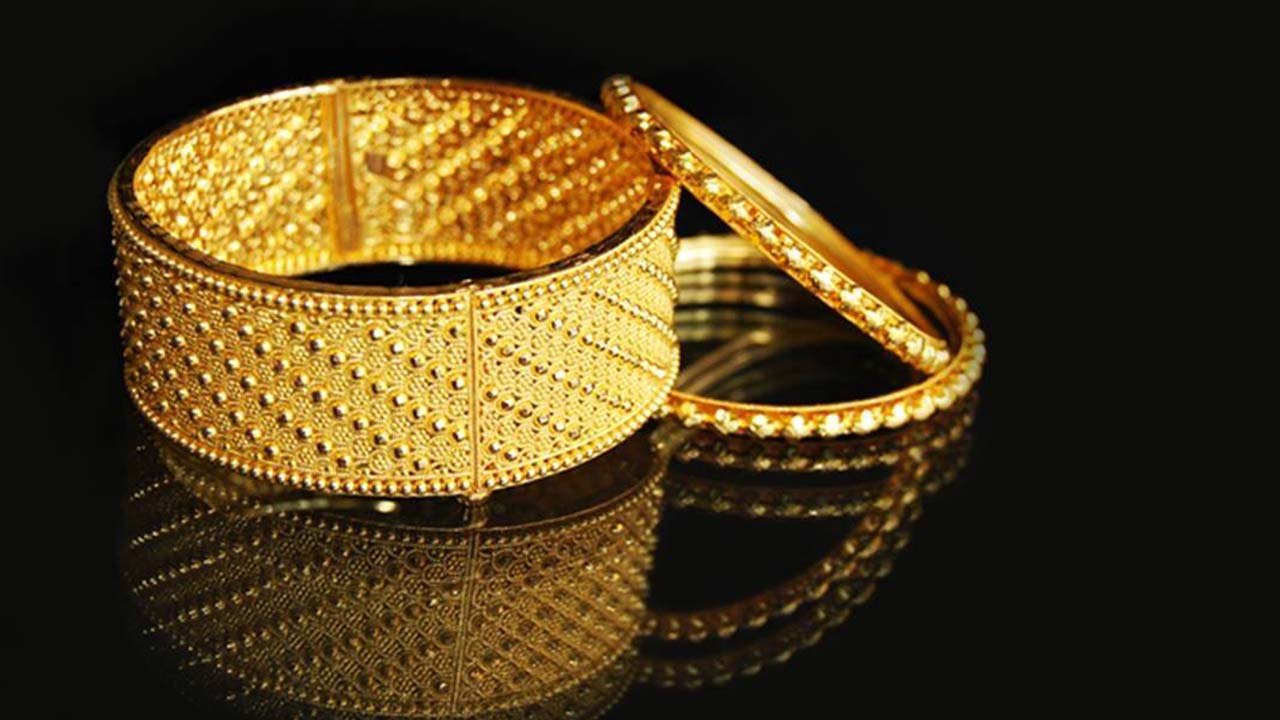
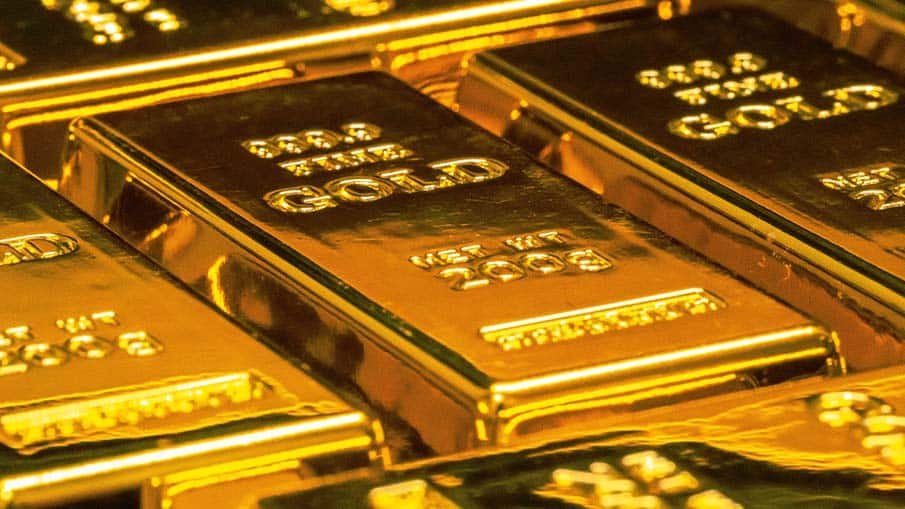
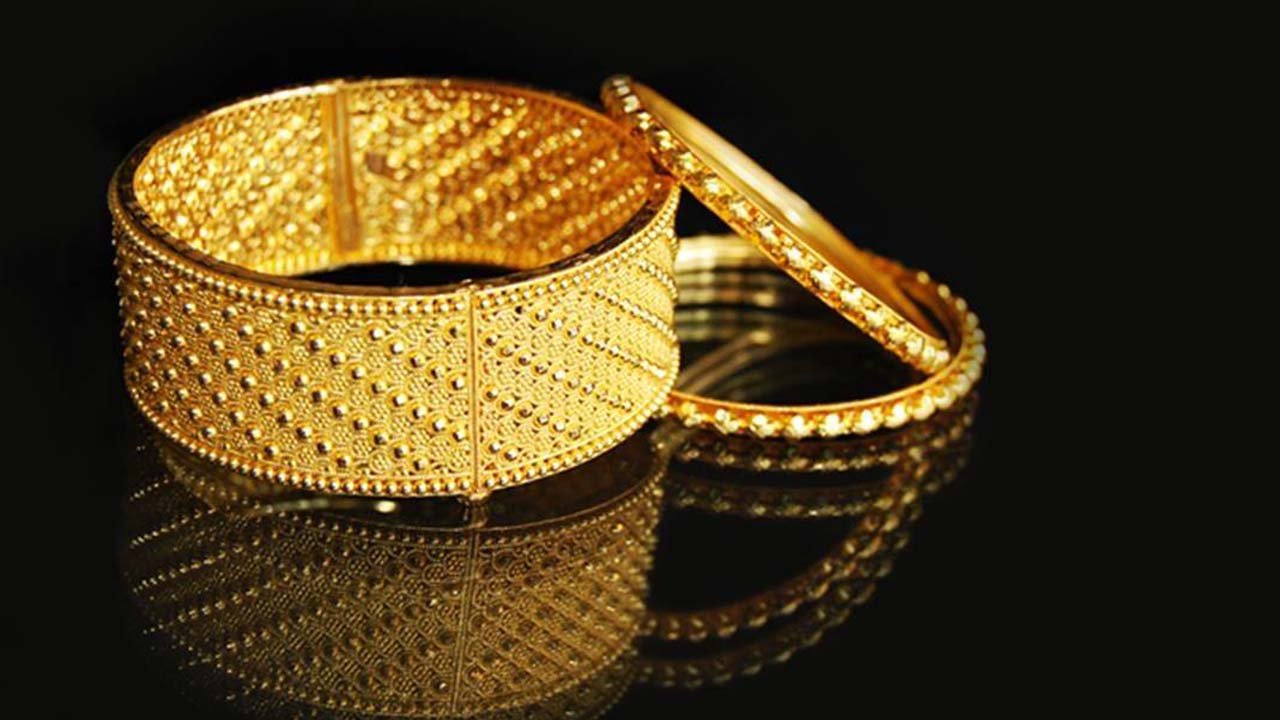
    The price of gold in Pakistan has surged to an all-time high, surpassing the Rs218,000 mark, as the country’s local currency slumped to a historic low against the US dollar. The All-Pakistan Sarafa Gems and Jewellers Association (APSGJA) has released data showing that the price of gold (24 carats) rose by Rs600 per tola and Rs514 per 10 grammes, settling at Rs218,300 and Rs187,157, respectively.

    The rise in the price of the yellow metal was in line with the movement of the rupee, which fell Rs1.34 or 0.46 per cent to Rs288.43 against the US dollar in the interbank market, and an increase in weekly inflation. Weekly inflation rose 0.92 per cent week-on-week and 44.49 per cent year-on-year during the seven-day period ending on April 6, as the prices of sugar and chicken surged due to Ramadan and likely hoarding.

    Gold is often seen as a hedge against inflation and its value increases as the purchasing power of the dollar declines, as well as due to seasonal demand during the holy month of Ramadan. During the week, investors’ attention shifted towards the precious metal as economic tensions continue to rise amid the International Monetary Fund (IMF) reviewing external financing commitments from friendly countries before it releases bailout funds. According to Geo, the delay in the revival of the programme has had a negative impact on the currency market, which in turn is bolstering demand for gold.

    The APSGJA also mentioned that the price of gold in Pakistan is Rs5,000 per tola “undercost” as compared to the Dubai market, indicating that the Pakistani gold market is currently cheaper than the global market.

    Meanwhile, silver prices in the domestic market have also surged to historic highs, with an increase of Rs40 per tola and Rs34.30 per 10 grams, settling at Rs2,520 and Rs2,160.5, respectively. In the international market, the price of gold dropped by $1 per ounce, settling at $2,001.

  • Gold price soars to an all-time high of Rs217,700 per tola amid economic tensions

    Gold price soars to an all-time high of Rs217,700 per tola amid economic tensions

    The price of gold has soared to an all-time high following a significant slump in the rupee against the dollar, with the country struggling to secure external financing. The data released by the All-Pakistan Sarafa Gems and Jewellers Association (APSGJA) shows that the price of gold (24 carats) has spiked by Rs3,100 per tola and Rs2,656 per 10 grammes, settling at Rs217,700 and Rs186,643 respectively.

    The gold rush is in line with the movement of the rupee, which has fallen 2.44 or 0.85 per cent against the US dollar in the interbank market, and an increase in weekly inflation. Inflation has shot up 0.92 per cent week-on-week and 44.49 per cent year-on-year during the seven-day period that ended on April 6th. Prices of sugar and chicken have surged due to Ramzan, and hoarding has caused a likely uptick in inflation.

    Gold is often seen as a hedge against inflation, increasing in value as the purchasing power of the dollar declines. Plus, it’s the season of Ramzan, which brings with it a surge in demand for the precious metal. Investors’ attention has shifted towards gold as economic tensions continue to rise, with the International Monetary Fund (IMF) reviewing external financing commitments from friendly countries before it releases bailout funds. The delay in the revival of the program has negatively impacted the currency market, which is boosting demand for gold.

    The APSGJA also noted that the price of gold in Pakistan is Rs5,000 per tola “undercost” compared to the Dubai market. Thus, the Pakistani gold market is cheaper than the global market. Meanwhile, silver prices in the domestic market have also jumped to historic highs, increasing by Rs30 per tola and Rs25.72 per 10 grams to settle at Rs2,480 and Rs2,126.20, respectively.

    In the international market, the price of gold dropped $6 per ounce, settling at $2,002. Nevertheless, gold’s rise in Pakistan is set to bring a lot of excitement to the local market.

  • Gold price increases to Rs208,300 per tola as investors adopt cautious approach amid uncertainties

    Gold price increases to Rs208,300 per tola as investors adopt cautious approach amid uncertainties

    The price of gold in Pakistan soared by 2 per cent on Saturday, according to data from the All-Pakistan Sarafa Gems and Jewellers Association. The political unrest in the country has left investors uncertain about the economy, prompting them to seek safe-haven assets such as gold.

    The price of gold (24 carats) increased by Rs4,100 per tola and Rs3,516 per 10 grammes, reaching Rs208,300 and Rs178,584, respectively. In the week ending March 18, gold gained Rs9,600 per tola, or 4.8 per cent, as it rose during all six trading sessions, despite the little appreciation of the Pakistani rupee against the US dollar.

    The precious metal is expected to remain attractive to investors as they adopt a cautious approach.

    The price of silver also rose by Rs100 per tola and Rs85.73 per 10 grammes to settle at Rs2,250 per tola and Rs1,929 per 10 grammes, respectively. Meanwhile, in the international market, gold prices surged by over 2 per cent due to banking crises shaking global markets, putting bullion on track for its biggest weekly rise in three years. The price per ounce settled at $1,989 after an increase of $53. This rise in gold prices was also driven by bets for a less aggressive Federal Reserve in its fight against inflation.

    Gold is currently Rs11,500 per tola “undercost” in Pakistan compared to the Dubai market, making it cheaper for investors to buy. According to experts, gold is surging on fears that more bad banking news could appear over the weekend and hopes that the FED will pause its rate hikes next week.

    With political and economic uncertainties looming in Pakistan, gold is likely to shine as investors seek a low-risk profile.

  • Highest single-day fall: Gold price drops by Rs9,000 to Rs201,500 per tola

    Highest single-day fall: Gold price drops by Rs9,000 to Rs201,500 per tola

    As the rupee marginally strengthened against the US dollar and investors closely followed the US Federal Reserve’s interest rate rise decision and policy outlook, the price of gold in Pakistan saw its worst one-day decline.

    The price of gold (24 carats) fell by Rs9,000 per tola and Rs7,716 per 10 grammes to settle at Rs201,500 and Rs172,754, respectively, according to data issued by the All-Pakistan Sarafa Gems and Jewellers Association (APSGJA).

    The jewellers’ association also claimed that local gold in Pakistan was “overcost” by Rs2,500 per tola when compared to the bullion market in Dubai.

    The price of gold has fallen as demand has decreased as investors appear to have abandoned the safe-haven commodity in favour of the dollar, which is now freely available on the open market following the lifting of the dollar cap.

    As a result of the events surrounding the negotiations with the International Monetary Fund (IMF), the Pakistani rupee began to show signs of recovery today, rising by about Rs2 to settle at Rs267.89.

    However, investors were only buying gold bars, not jewellery, which had lowered goldsmiths’ profit margins and put the labour force at risk of losing jobs as jewellery manufacturers turned to other careers in the lack of work.

  • Gold price hits all-time high of Rs195,500 per tola after removal of an unofficial dollar cap

    Gold price hits all-time high of Rs195,500 per tola after removal of an unofficial dollar cap

    Gold prices in Pakistan continued their record-breaking spree as the price of 24-carat gold reached an all-time high of Rs195,500 after gaining Rs4,900.

    In addition, the price of 10 grammes also witnessed an increase of Rs4,201 to settle at Rs167,610, according to the All-Pakistan Sarafa Gems and Jewellers Association (APSGJA).

    Moreover, the bullion rate in the international market reached $1,936 after a surge of $11.

    The Pakistani rupee (PKR) on Thursday dropped drastically to approach an all-time low, days after exchange companies abolished the cap on the rupee-dollar exchange rate.

    The sudden hike in yellow metal prices comes as the weakening rupee pushed investors to the safety of bullion to hedge against intensifying economic turmoil in the country.

    On Thursday, the local currency crashed to approach another historic low, as it dropped to Rs255.43 versus the US dollar in the interbank market, sliding Rs24.54 or 9.61 per cent from Wednesday’s close, according to the State Bank of Pakistan.

  • Apple CEO Tim Cook requests and receives a 40% salary cut

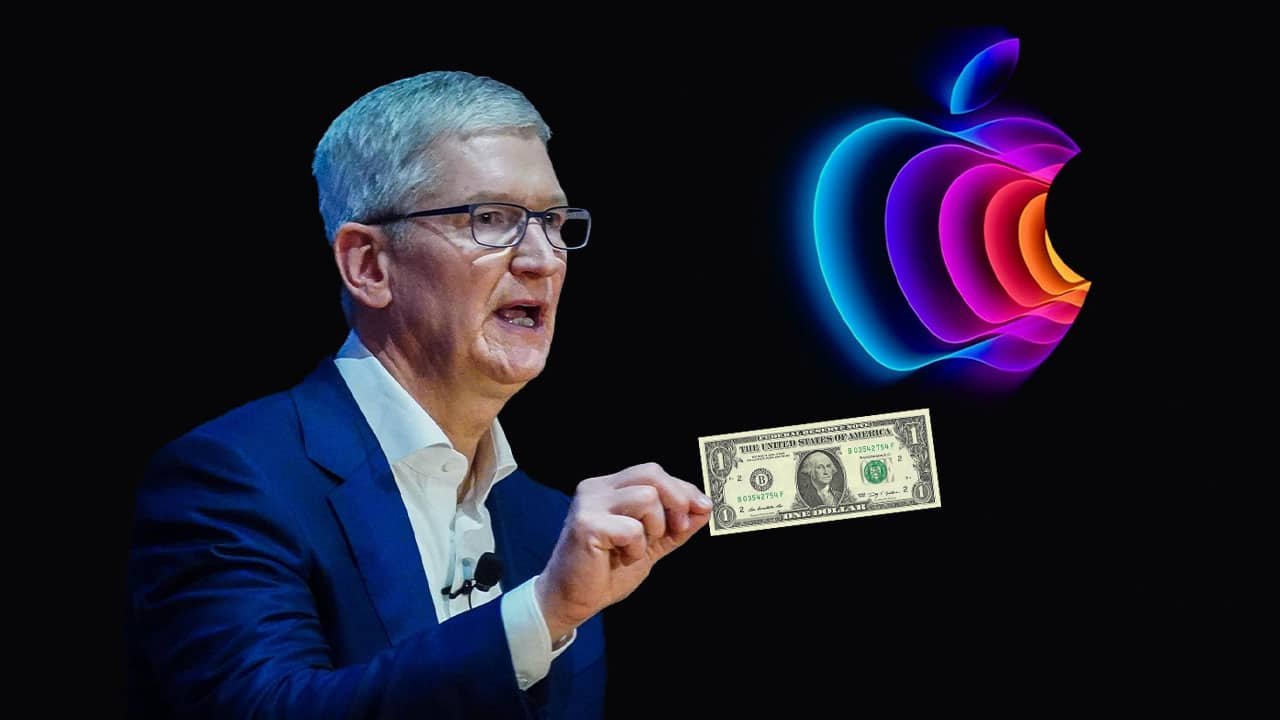
    Apple CEO Tim Cook requests and receives a 40% salary cut

    Apple chief executive Tim Cook will see his annual salary package trimmed by up to 40 per cent this year.

    According to reports, Cook asked for a reduction in pay after receiving criticism from shareholders.

    He received a total “target compensation” from Apple’s compensation committee of $49 million for 2023.

    According to details, a global economic slowdown and supply chain issues caused the iPhone manufacturer’s shares to drop precipitously in 2022.

    “The Compensation Committee balanced shareholder feedback, Apple’s exceptional performance, and a recommendation from Cook to adjust his compensation in light of the feedback received,” Apple said in a filing with a US financial watchdog.

    Still, Cook’s annual basic salary will remain unchanged at $3 million, as well as a bonus of up to $6 million.

    The biggest difference in his salary package is how he will be awarded shares in the company.

    The company granted him $75 million worth of shares in 2022, half of which were based on how well Apple performed on the stock market.

    For this year his stock award target has been slashed to $40 million, with three-quarters of that dependent on share performance.

    The target for Cook’s compensation for 2022 was $84 million, although his actual total pay for last year was $99.4 million. That figure included $630,600 in personal security costs and $712,500 for his use of a private jet.

    Earlier, Apple shareholders were asked by a top investor advisory group to vote against Cook’s pay package.

    In a letter to investors, Institutional Shareholder Services (ISS) said there are “significant concerns” over the “design and magnitude” of the package.

    According to reports, Cook’s pay was surprisingly 1,447 times more than the wage of an average Apple employee.

    Cook became Apple’s chief executive in August 2011, just weeks before the death of co-founder Steve Jobs.

    The 62-year-old’s personal wealth stands at around $1.7 billion, according to Forbes.

  • Elizabeth Holmes sentenced for more than eleven years in prison for fraud startup

    Elizabeth Holmes sentenced for more than eleven years in prison for fraud startup

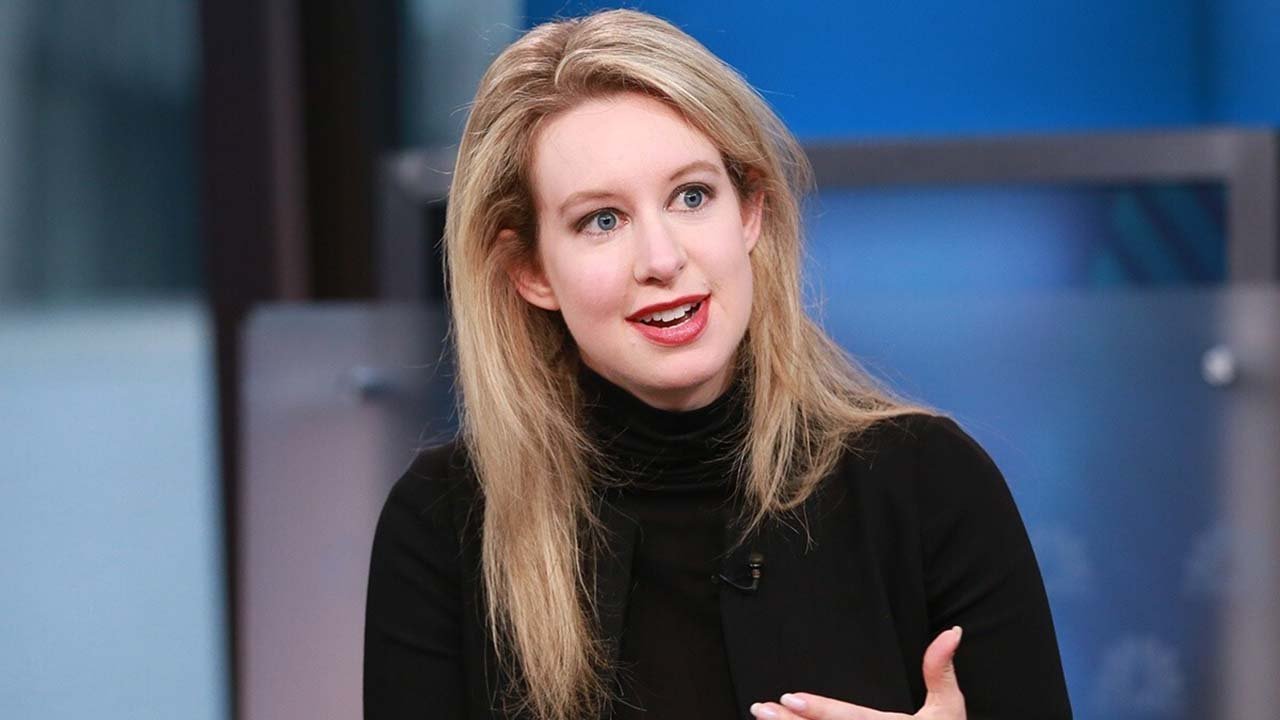
    Elizabeth Holmes, the founder of Theranos, was found guilty of cheating investors in her now-defunct blood-testing firm, which had a $9 billion valuation at the time, and a California judge sentenced her to 11 years and three months in prison.

    In San Jose, California, US District Judge Edward Davila sentenced Holmes on three charges of investor fraud and one count of conspiracy. Holmes, 38, was found guilty by a jury in January after a three-month trial.

    According to Al Jazeera, Holmes’s surrender was scheduled for April by the judge. Her attorneys are anticipated to ask the judge to keep her out on bail while she files an appeal.

    Before the judge imposed the sentence, Assistant US Attorney Jeff Schenk said that a 15-year term would “make a statement that the aims don’t justify the means.”

    However, Holmes’ attorney Kevin Downey argued at the hearing that, unlike someone who committed a “big crime,” Holmes was not driven by money.

    Holmes pleaded with the judge not to make her a “martyr to public passion” in court filings, asking for a more moderate sentence of 18 months of home detention followed by community service.

    Theranos’ technology and financial standing, according to the prosecution, were misrepresented throughout the trial by Holmes, who claimed that the company’s miniature blood testing device could perform a variety of tests using just a few drops of blood. Prosecutors said that the business used covertly purchased standard machines from other businesses to do patients’ tests.

    Prosecutors had stated that a 15-year term was essential to dissuade Holmes and others from fraud prior to her sentencing.

    Her misdeeds, according to them, “undermined the trust and integrity” that Silicon Valley’s startup ecosystem depends on.

    According to court documents, the federal probation agency had suggested a nine-year prison term.

    Forbes dubbed Holmes the world’s youngest female self-made billionaire in 2014 when she was 30 and her stake in Theranos was worth $4.5bn.

    However, the firm failed after a series of Wall Street Journal stories published in 2015 cast doubt on its technology.

    Prosecutors contended that Holmes, rather than letting Theranos collapse, lied to investors about the company’s technology and finances.

    In her testimony in her own defense, Holmes stated that she had thought her claims to be true at the time.

    Holmes was exonerated on four counts that claimed she defrauded patients who paid for Theranos tests, despite the fact that she was found guilty on the other four.

    Davila had turned down Holmes’ attempts to have her convictions overturned, stating that the evidence presented at trial supported them.

    Holmes can appeal those decisions and her sentencing to the 9th US Circuit Court of Appeals now that the sentence has been given.
  • PSX witnesses recovery as KSE-100 index surpasses 41,000-mark

    PSX witnesses recovery as KSE-100 index surpasses 41,000-mark

    The week started off well for shares at the Pakistan Stock Exchange (PSX), with analysts attributing the rise to the Pakistani rupee’s robust rebound, which was supported by a drop in global oil prices.

    By 10:45 AM, the benchmark KSE-100 index had risen 411 points, or 1.01 per cent, to 41,031 points.

    The PSX had optimistic activity in early trade, according to Ahsan Mehanti of Arif Habib Corporation, as a result of a higher rupee and the impending appointment of a new finance minister, which is expected to stabilise economic uncertainties.

    At 10 AM, the Pakistani rupee was trading at Rs235.5 per US dollar, up Rs4.15 from earlier today.

    Furthermore, Ishaq Dar is scheduled to return to Pakistan today and take charge as Pakistan’s finance minister. Senior PML-N officials met Miftah Ismail on Sunday after he submitted his resignation. Dar’s appointment as finance minister was announced by Nawaz Sharif and PM Shehbaz, according to a statement issued following the meeting.

    Amir Shehzad, the director at First National Equities Limited, concurred with Mehanti’s assessment, stating that the sentiment that built in anticipation of Dar’s return and the optimism that the situation would get under control was the main driver of the index’s advances and a reason for increased investor confidence.

    The industry with the greatest potential to raise the index’s point total, according to Shehzad, is cement.

    Raza Jafri, Head of Research at Intermarket Securities, stated that the KSE-100 was recovering as a result of a number of factors, including lower oil prices, the West’s apparent willingness to consider Pakistan’s requests for debt restructuring, and the belief that Senator Dar might be able to control the PKR.

    No negative political developments over the weekend are also fostering positive sentiments, he continued.

    In light of the terrible floods, which are estimated to have cost $30 billion in losses, PM Shehbaz had last week made a plea to the globe and wealthy nations for an immediate debt relief.