Tag: iPad

  • Apple may cut off iPhone X and older iPad models from iOS 17 compatibility list

    Apple may cut off iPhone X and older iPad models from iOS 17 compatibility list

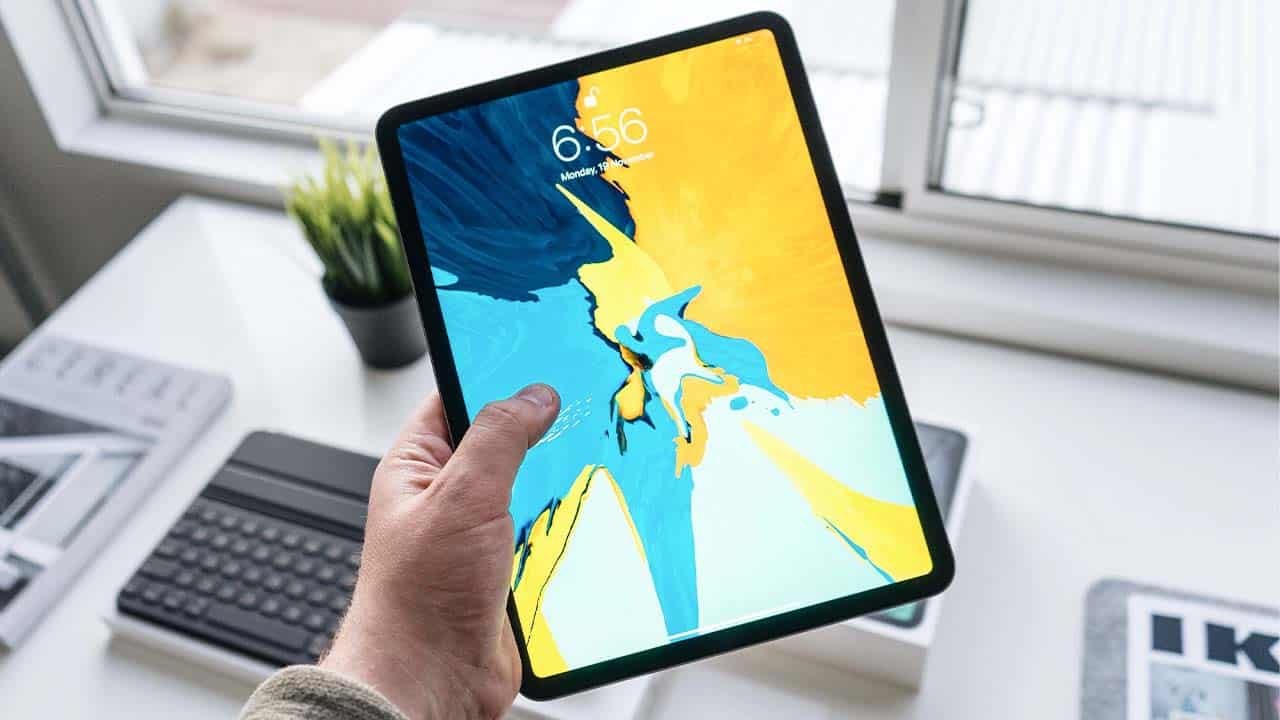
    According to French tech website iPhoneSoft, Apple’s upcoming operating system iPadOS 17 will no longer support the first-generation 9.7-inch and 12.9-inch iPad Pro models, as well as the fifth-generation iPad. This news corroborates earlier reports from a source with a reliable track record for predicting upcoming software updates. If the information is accurate, only the following devices will be compatible with iPadOS 17 when it is released in the fall: iPad Pro (2017 and later), iPad Air (third generation and later), iPad (sixth generation and later), and iPad mini (fifth generation and later).

    It’s important to note, however, that being on Apple’s compatibility list doesn’t guarantee that the device will fully support all features of the software. For instance, iOS 15 is compatible with all devices that can run iOS 14, but not all features will be available on older iPhones.

    In terms of iPhone compatibility, there are conflicting reports. The same source that leaked information about the iPad models that will be dropped from iPadOS 17 claimed that iOS 17 will also drop support for the iPhone 8, iPhone 8 Plus, and iPhone X. However, another anonymous leaker, who has shared accurate information in the past, disputed this claim. According to this second source, all iPhones that support iOS 16 will also support iOS 17, including devices powered by A11 chipsets like the iPhone X and iPhone 8/8 Plus.

    Last year, iOS 16 and iPadOS 16 discontinued support for several devices, including the iPhone 6s, iPhone 6s Plus, iPhone 7, iPhone 7 Plus, original iPhone SE, final iPod touch, second-generation iPad Air, and fourth-generation iPad mini. Apple is expected to announce iOS 17 during its WWDC keynote on June 5th.

  • Apple CEO Tim Cook to meet India’s PM Modi during store opening

    Apple CEO Tim Cook to meet India’s PM Modi during store opening

    Tim Cook, the CEO of Apple, is scheduled to meet India’s Prime Minister, Narendra Modi, and the country’s deputy IT minister as part of his visit to inaugurate the tech giant’s first retail store in India.

    Cook’s visit to Mumbai and New Delhi to open the first official company-owned outlets in the country highlights Apple’s growing interest in India, despite only having a 3 per cent market share.

    The company has been expanding iPhone assembly through contract manufacturers and increasing its exports. Cook will meet Modi on Wednesday in New Delhi, and he is also expected to meet India’s deputy IT minister, Rajeev Chandrasekhar.

    Apple and the IT ministry did not immediately respond to requests for comment, while Modi’s office declined to comment. Cook’s meetings with Indian officials come as Apple focuses more on India, which is the world’s second-largest smartphone market.

    According to data from the India Cellular and Electronics Association, iPhones accounted for more than 50 per cent of the $9 billion worth of smartphones exported from India between April 2022 and February 2023.

    On Monday, Apple opened its first store in Mumbai, but only for a private event where bloggers and tech analysts reviewed the store layout and design. The Mumbai store is located in the Reliance Jio World Drive mall, which is home to luxury clothing and jewellery brands like Michael Kors, Kate Spade, and Swarovski. It is 20,800 square feet, far larger than the planned Delhi outlet, according to local registration documents.

    Apple has sold its products in India through resellers or e-commerce websites such as Amazon. The Mumbai store will open to the public from Tuesday, while a second store will be inaugurated inside a New Delhi mall on Thursday.

    In India, iPhones are assembled by three of Apple’s contract manufacturers – Foxconn, Wistron Corp, and Pegatron Corp. Apple plans to assemble iPads and AirPods in India as well.

  • Apple is reportedly considering transferring some of its iPad production to India

    Apple is reportedly considering transferring some of its iPad production to India

    According to two sources close to the Indian government, India is looking into ways to transfer some of Apple’s iPad production from China. The tech behemoth is reportedly in constant communication with authorities. Although no specific plans have been established, if the initiative is successful, Apple’s presence in the country would expand.

    Apple said earlier this year that it has started producing the premium iPhone 14 in southern India. For a number of years, the tech giant has produced the country’s older iPhone models.

    Following nationwide protests that have taken place over the past two weeks in response to Beijing’s tough zero-Covid policy, the tech giant has announced plans to diversify more of its supply chain away from China. Apple issued a warning in early November that iPhone shipments will be delayed as a result of the Chinese government’s lockdowns, and experts have been lowering their expectations for the important holiday shopping period.

    Over the weekend, The Wall Street Journal claimed that Apple is aggressively exploring to move production out of China to other Asian nations, including Vietnam and India.

    Even so, sources warn that similar ambitions in India could be slowed down by a shortage of highly skilled workers and people with experience in creating complicated products like the iPad. The backdrop of foreign policy, with rising hostilities between China and India, is particularly unhelpful. Due to recent territorial disputes between the two nations, the military presence near the China-India border has increased.

    10 per cent of Apple iPhones, according to Gene Munster of Loop Ventures, are produced in India, but he anticipates a gradual increase in output.

    “I think in five years, 35 per cent will be manufactured in India,” added Munster. “I think Apple will add iPhone production to other countries outside of India and China in the next five years. Perhaps Vietnam, Malaysia and the USA.” In a note to clients, Piper Jaffray’s Harsh Kumar wrote: “While Apple has made efforts to move production out of China, in our opinion, India still accounts for less than 5.”

  • Apple may launch iPhone 14 series on September 7

    Apple may launch iPhone 14 series on September 7

    Apple is planning to launch the iPhone 14 at its next product reveal event on September 7, according to Bloomberg.

    Finally, Apple fans now have a date to mark on the calendar as the tech giant generally hosts a major event in the first half of September.

    The event will be streamed live, just like the previous ones Apple has held during the COVID-19 pandemic.

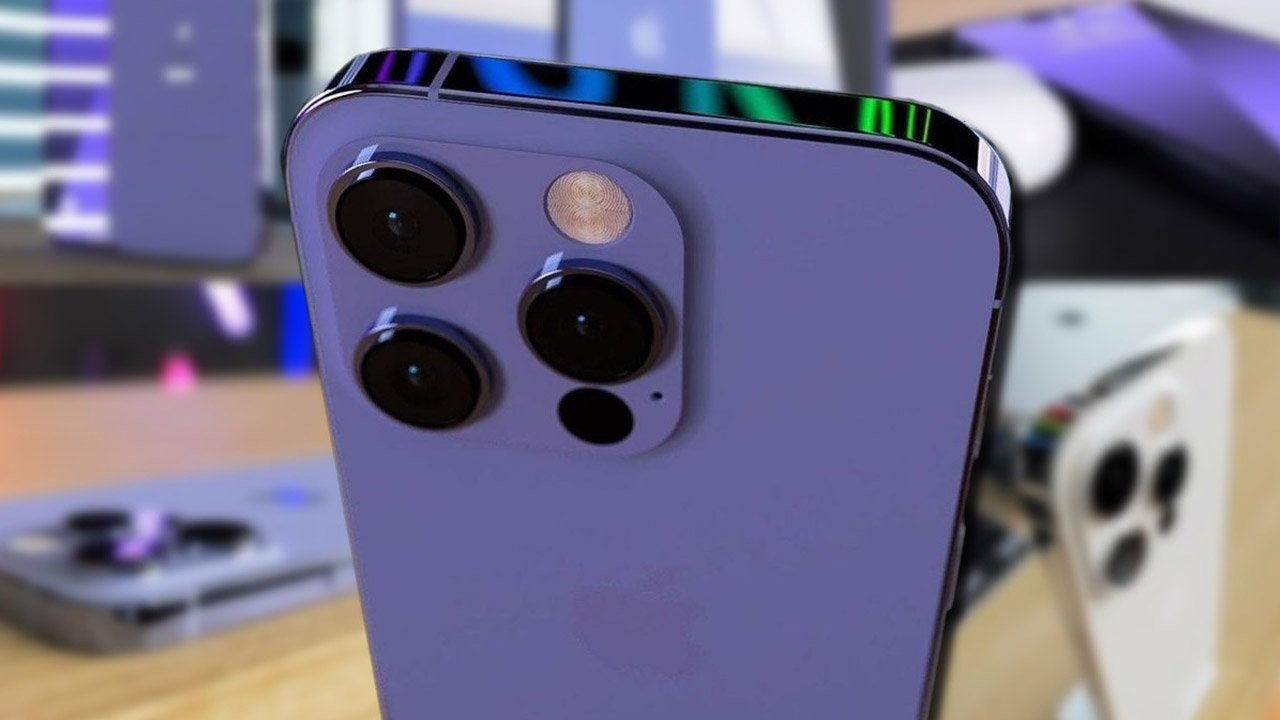
    The iPhone 14 lineup, which is supposed to comprise the standard iPhone 14, a new big-screen iPhone 14, an iPhone 14 Pro, and an iPhone 14 Pro Max, will reportedly be unveiled by Apple at the event.

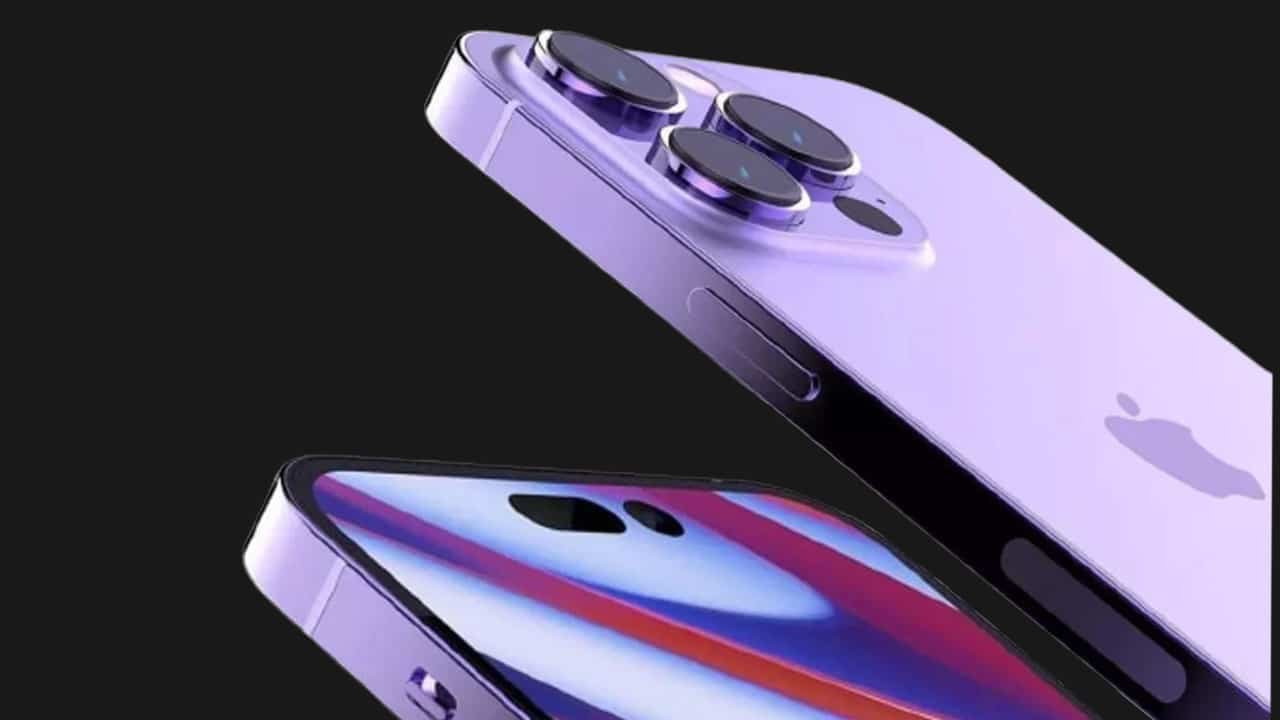
    The Pro phones are reported to receive some of the more extravagant enhancements, including an always-on display, the newest A-series processor, and the removal of the notch in favour of a pill-shaped hole-punch cutout.

    The iPhones that are unveiled at the event have in the past gone on sale soon after. Store employees have reportedly been asked to get ready for a launch of some sort on September 16.

    You might want to get your wallet ready if you’re planning to upgrade.

    At the presentation, the Cupertino-based company is also anticipated to introduce new Apple Watch models, as well as an upgraded rugged model and an upgraded Apple Watch SE.

    Other products that Apple might unveil at the upcoming event include a new entry-level iPad without a headphone jack, the next generation of the AirPods Pro, which might support uncompressed audio, and more.

  • Here’s why iOS 16 is going to be the finest upgrade ever

    Here’s why iOS 16 is going to be the finest upgrade ever

    On paper, Apple’s iOS 16, the iPhone’s next big software upgrade, appears to be innovative and super secure. iOS 16, which was previewed at Apple’s annual conference, would bring enhancements to communication, personalisation, and privacy. This contains significant upgrades to the lock screen, Messages app, and photos on your iPhone.

    The developer beta for iOS 16 is already available, with a public beta version expected in July. iOS 16 will be released this fall, most likely alongside the much-anticipated iPhone 14. The new software is also compatible with iPhone 8 and subsequent models.

    “Embarrassing errors are a thing of the past,” Apple Senior Vice President of Software Engineering Craig Federighi said as he unveiled three of the Messages app’s most requested additions.

    For starters, you’ll be able to edit sent texts in iOS 16. So, if you find a typo after sending a message, you’ll be able to correct it later. In the message’s status, a small “edited” shows.

    Next, and perhaps the best feature, you can recall a sent message right away. If you mistakenly send an incomplete message, you can utilise the Undo Send feature to prevent it from being read, making your friends and family think you’re crazy.

    Finally, you may flag unread messages and threads. When you don’t have time to answer a message right away but want to make sure you don’t forget about it later, this could be a useful tool.

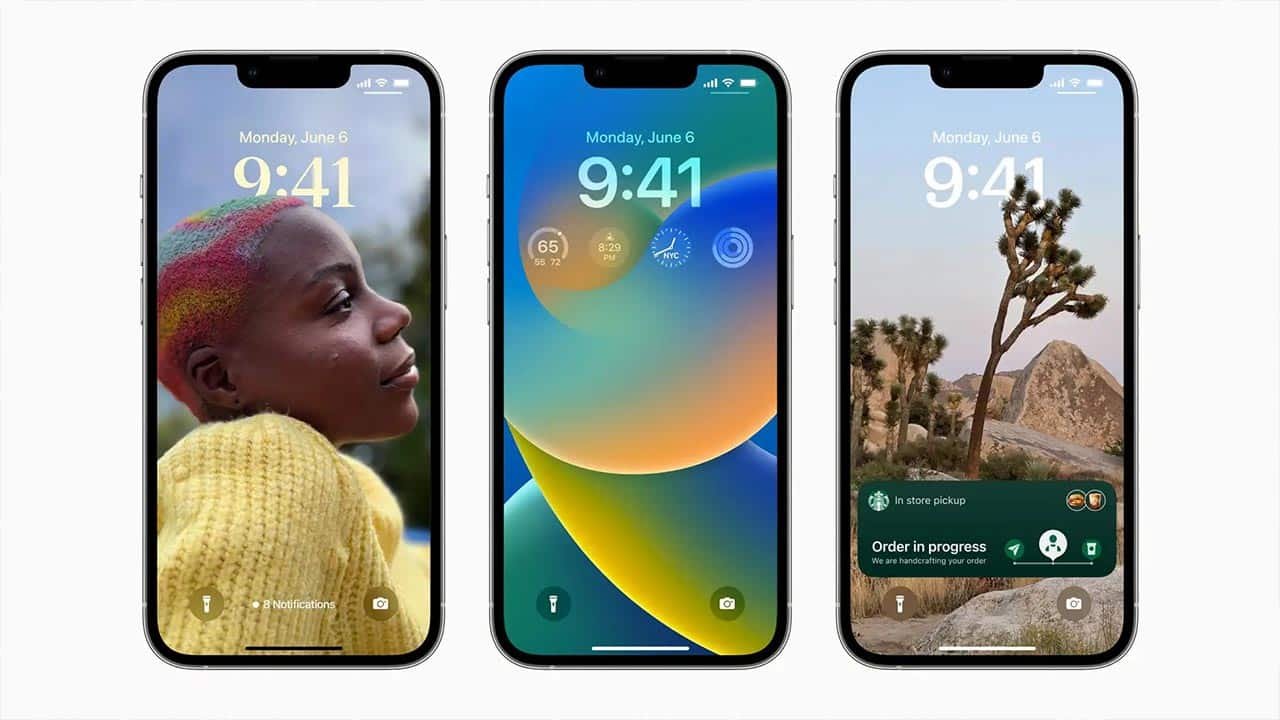
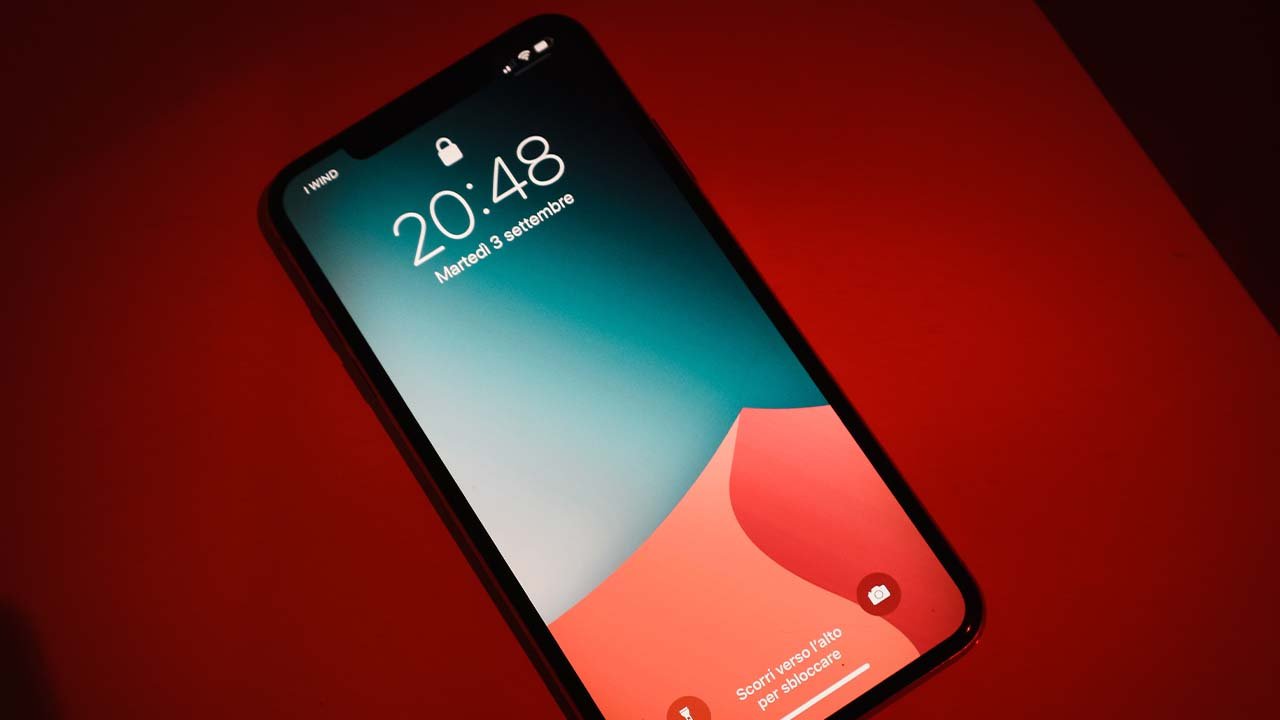
    The lock screen is one of the first things you see when you open your iPhone, especially if it has Face ID. The iPhone’s lock screen receives the most significant improvement yet with iOS 16. To edit your lock screen, press and hold. You can swipe through a variety of different styles.

    Each design alters the background photo’s colour filter as well as the typeface on the lock screen, ensuring that everything is in sync. This appears to be Apple’s response to Google’s Material You, which debuted with Android 12.

    You can also change the typefaces for the time and date, as well as add lock screen widgets like a calendar, temperature, and activity rings. On the Apple Watch lock screen, the widgets are similar to complications.

    You can also create many personalised lock screens with various widgets and switch between them with a simple swipe. There’s even a photo-shuffle feature that changes the photographs on your lock screen automatically.

    An always-on display was one feature we thought Apple would provide. It’s a feature found on practically all Android phones, as well as the Apple Watch. There’s a chance it’ll be released alongside the iPhone 14.

    As alerts might sometimes obscure the photo on your lock screen, iOS 16 pushes notifications to the bottom of your screen. Instead of being gathered into a list, they show as a vertical carousel as you receive them. This not only looks better, but it should also make one-handed use of your iPhone much easier.

    Another issue with notifications is addressed in iOS 16. You may receive a series of notifications from one app in a sequence, such as the score of a basketball game. Instead of experiencing a succession of interruptions, a new tool for developers called Live Activities makes it easy to remain on top of things happening in real-time from your lock screen.

    Sporting events, workouts, and even the progress of an Uber ride should be easier to monitor with Live Activities.

    Visual Look Up in iOS 15 analyses photographs and can recognise objects such as flora, landmarks, and pets. This is taken to the next level with iOS 16. You may remove a photo’s subject. Interestingly, It’s just a tap-and-hold tool for removing the background from a photo.

    Safety Check is a programme that tries to assist people who are in violent relationships. It’s a new service that is designed to assist those who are in violent situations. It allows you to check and change who has access to your iPhone’s location information, passwords, messages, and other apps.

    Several changes have been made to the focus mode. The first uses widgets and lock screen appearance to apply Focus behaviours. So you could have one lock screen for when Work Focus is turned on and another for when you’re working out.

    Moreover, Apple has added Focus filters to apps that apply your iPhone’s Focus mode. For example, depending on which Focus mode is active, you can limit which tabs are displayed in Safari.

  • Apple unveils all-new MacBook Air, powered by new M2 chip

    Apple unveils all-new MacBook Air, powered by new M2 chip

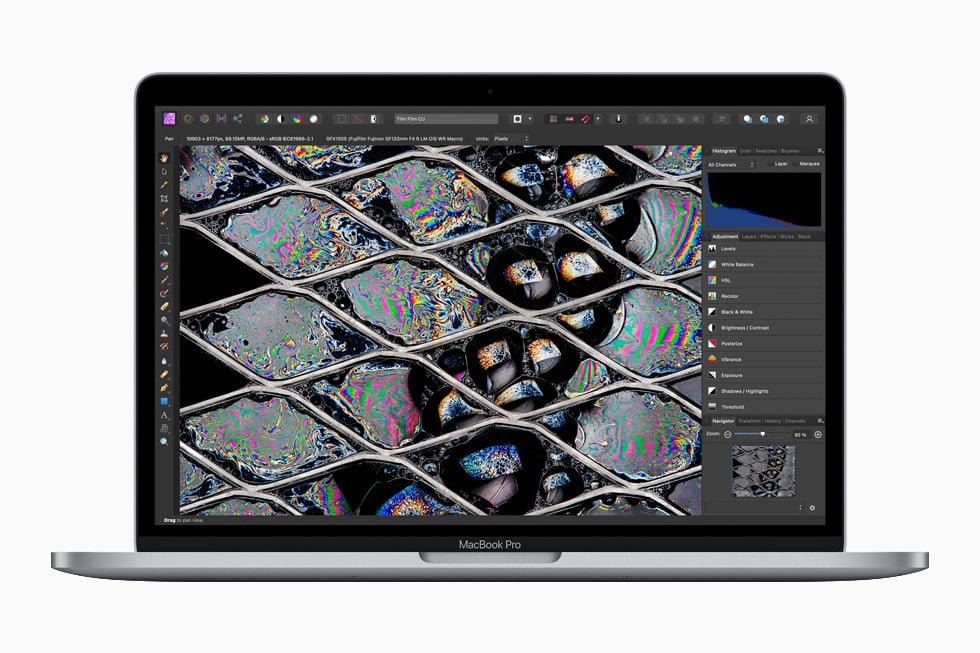
    At Apple’s Worldwide Developers Conference (WWDC), on May 6, the tech giant unveiled a new MacBook Air model.

    The MacBook Air is Apple’s most popular notebook, and the new design is expected to improve Mac sales in the coming quarters.

    As per Canalys, the Mac product line has been growing substantially in recent years, with shipments increasing by nearly 28 per cent in 2021 vs just under 15 per cent for the total market.

    Apple’s Mac lineup has witnessed increasing sales, owing to the pandemic forcing people to buy laptops to work or go to school from home, as well as Apple’s decision to using its own CPUs rather than Intel’s, which has considerably extended battery life.

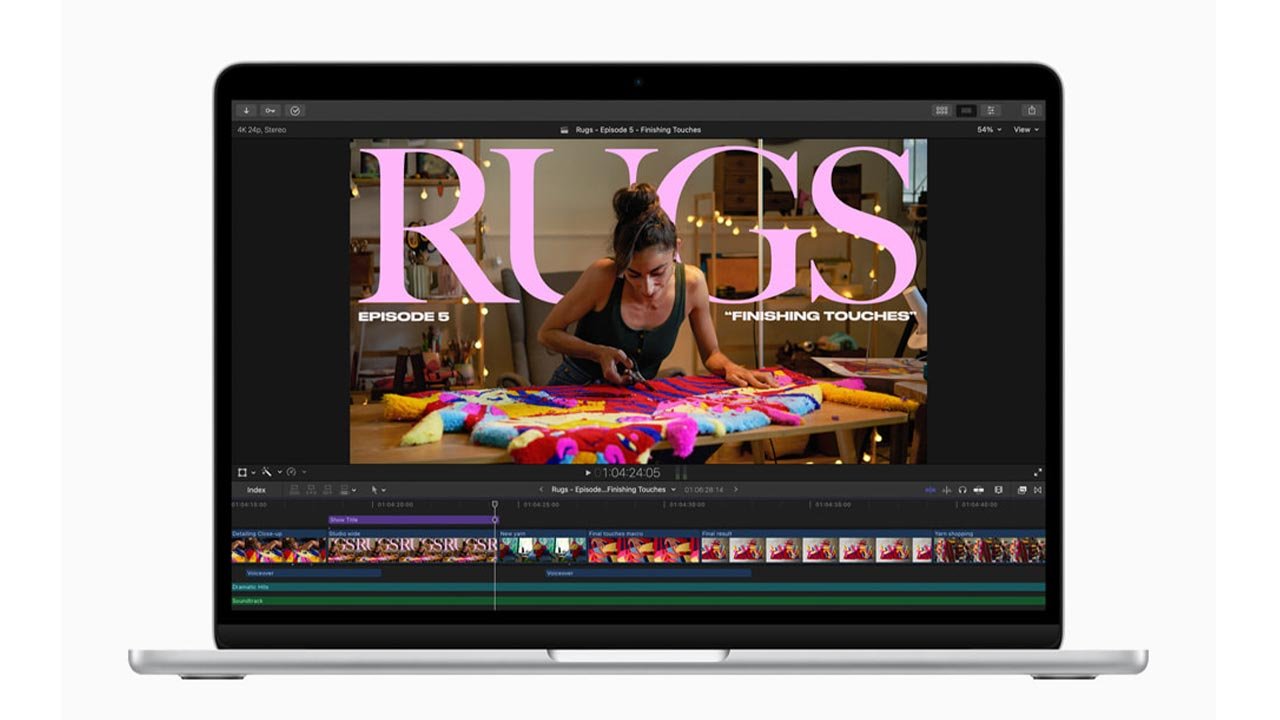
    The new MacBook Air is still a slim and light laptop, weighing in at 2.7 pounds, but it has a new style that includes a continuous thickness rather than the tapering wedge form that has been popular in recent years.

    The M2 chip, which was revealed Monday and would be quicker and more power-efficient than Apple’s previous chip, is at its heart. It comes with two USB-C Thunderbolt ports for connecting monitors and peripherals, as well as a headphone jack and a MagSafe magnetic charging connector.

    The 13.6-inch screen has been somewhat increased, but there is now a cutout around the camera, similar to the notch on iPhones. The videoconferencing camera has been improved to provide better colour and quality.

    Apple’s conventional silver, grey, and gold tones, as well as a new matte black called Midnight, are all available on the new model.

    Pricing

    The new MacBook Air costs more than the previous model, starting at Rs242,000 ($1,199) vs Rs200,000 ($999)  for the previous model, which is still on sale. The most powerful configuration costs Rs503,000 ($2,499).

    In recent weeks, the company has had difficulty maintaining Macs in stock due to substantial production disruptions caused by Covid lockdowns in Shanghai, China.

    A 13-inch MacBook Pro was also unveiled, but it was not ready for testing on Monday. Both new MacBooks will be available in July, according to Apple.

  • iPhone 14 may feature lock screen display and widgets

    iPhone 14 may feature lock screen display and widgets

    Several rumours are presently circulating the internet about the forthcoming iPhone’s traits and powers. According to some reports, Apple may forego the notch this time around in favour of a larger display.

    As nothing has been confirmed so far, and most predictions are a little overstated, all such leaks should be taken with a pinch of salt.

    There have been no official reports about when the new iPhone will be released. We already know that Apple will host WWDC 2022 on June 6th. It is also expected to release iOS 16, the next major software version for the iPhone.

    It will most likely introduce iOS 16, iPadOS 16, watchOS 9, and macOS 13 at its upcoming event.

    The company hasn’t revealed a date for its fall event, which is usually when the next iPhone is unveiled. Apple usually holds its annual autumn iPhone event in September, with releases following soon after.

    On the first or second of September, Apple usually announces its new iPhones. Last year, the iPhone 13 series made its official premiere on Tuesday, September 14th, with preorders beginning on Friday, September 17th, and the phones going on sale on September 24th.

    Apple’s fall event for the iPhone 14 could take place on Tuesday, September 6, or Tuesday, September 13. Because iPhones normally go on sale for presale on Fridays of the same week.

    iPhones are normally released a week and a half after Apple makes an announcement. Specific model introduction dates are sometimes staggered, especially when introducing a new design or size. As a result, it’s feasible that the iPhone 14 lineup will have multiple release dates.

    For the time being, however, the additional features that these operating systems will bring are unknown. According to a source, Apple may include the ability to include lock screen widgets, support for always-on displays, and much more.

  • Apple to offer subscription-based service for selling iPhone, iPad, MacBook

    With a new subscription-based service, Apple is planning to launch a new method to buy iPhones as well as other Apple gear. Which will allow apple customers to pay a monthly subscription fee and receive an iPhone of their choice, as well as free upgrades when new products are released.

    This plan will differ from Apple’s and carriers’ current installment programmes, as it will be a pre-decided or custom monthly fee plan rather than the cost of the phone divided by 12, 24, and 36 months of installments.

    All applications including Apple Music, Apple TV+, Apple Arcade, iCloud+, Apple News+, and Apple Fitness+ will all be included in the iPhone subscription service, which will be linked to users’ existing Apple ID accounts.

    It may also offer bundle free Apple Care and even Apple One services, such as Apple Music, Apple TV+, Apple Arcade, iCloud+, Apple News+, and Apple Fitness+.

    The new subscription service may start by the end of this year with iPhones and eventually expand to the rest of Apple’s gadgets including iPads, Apple Watch, and the MacBook.

    Subscription-based selling of phones is not entirely new as Google already operates its Pixel Pass program in the US which lets customers choose between the Google Pixel 6 or Pixel 6 Pro offered with Google’s own first-party services at very affordable monthly charges.

  • VIVO to launch its first-ever tablet by next month

    VIVO to launch its first-ever tablet by next month

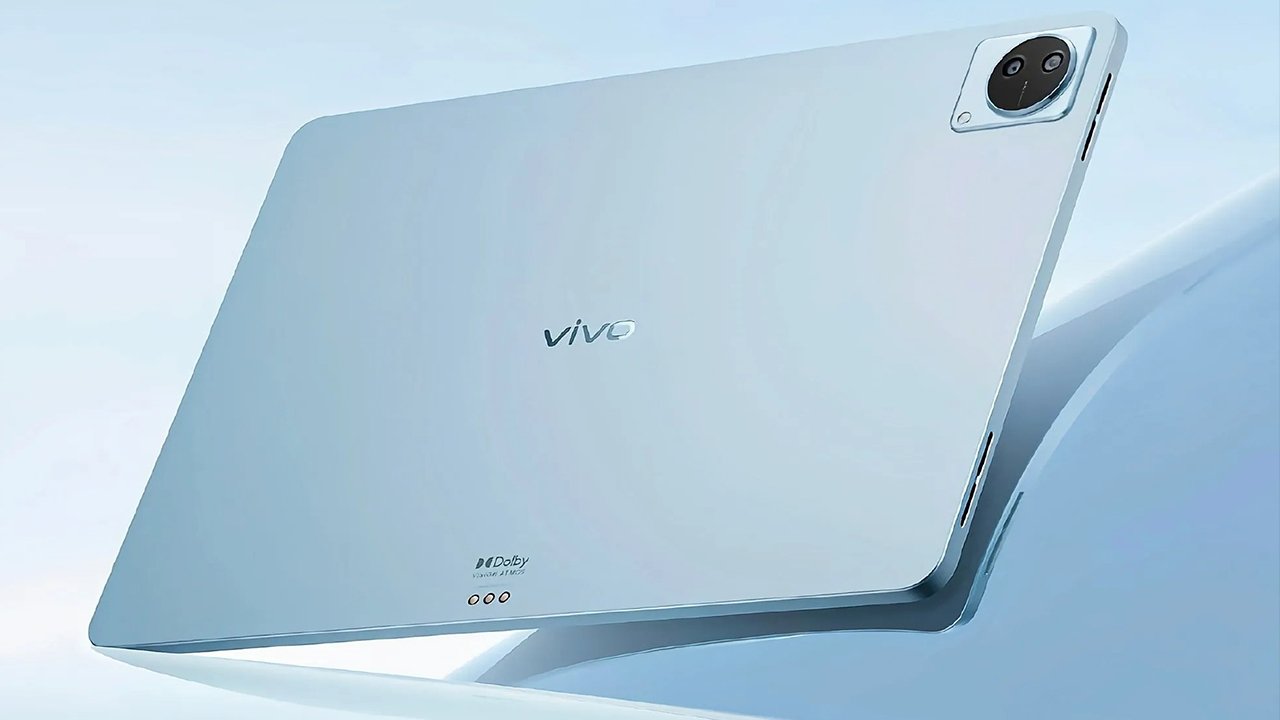
    The smartphone maker ‘vivo’ has finally revealed that it is launching its first tablet in the next month. Two of its products including vivo X Note and vivo X Fold were already expected to launch in the coming days.

    A new feature offered in the upcoming tablet is that it will have stylus support, which will be the company’s first-ever pointing tool.

    The device itself will be equipped with an 8 MP front camera and dual cameras at the back with 13 MP and 8 MP modules, accompanied by a LED flash.

    It will be offered with a Bluetooth magnetic keyboard, however, it is hard to say if the company will include it in the box, as it seems like an additional accessory. The vivo pad comprises four speakers for an enhanced audio experience with two microphones on the top and right.

    Coming towards the operating system (OS), the pad is likely to use vivo’s Ocean OS, with the latest android underneath. Keeping in view the leaked renders, the pad is likely to have an 11-inch O-LED display with Dolby Vision for crisp and vibrant visuals, linked to Dolby Atmos for an excellent audio surround.

    As per many credible reports, the Pad will most probably launch within a month. Hopefully, we may get to know about all of its key features in the coming days or at vivo’s upcoming launch event.

  • Facebook will now ask iOS users to allow data tracking for ‘better ads experience’

    Facebook will now ask iOS users to allow data tracking for ‘better ads experience’

    As per details, Facebook has started urging iPhone and iPad users to allow data tracking. The social media giant said that users should allow this for a better and personalized ads experience.

    Apple recently decided to ramp up privacy of its users, and gave users an option if they want to allow social media applications to track their data.

    Both companies are in some sort of war with each other, a war that has been raging for more than one decade now.

    The founder and CEO of Facebook Mark Zuckerberg recently termed Apple Inc. as the biggest competitor, and he said that the new privacy policy of Apple will cause “damage to the business of millions of users.”

    The very next day CEO of Apple Tim Cook, during a data privacy conference in Brussels, said: “If a business is built on misleading users, on data exploitation, on choices that are no choices at all, it does not deserve our praise. It deserves reforms.”

    The battle focuses on a unique device identifier on every iPhone and iPad called the Identifier for Advertisers (IDFA). Companies that sell mobile advertisements, including Facebook, use this ID to help target ads and estimate their effectiveness.

    With the latest iOS 14 update, each app that wants to use the tracker will have to seek permission from the user. Consequently, it will make the mobiles ads less effective.

    Facebook has already started warning investors that these changes will affect the business, and now the company is testing the effects of the new updates.

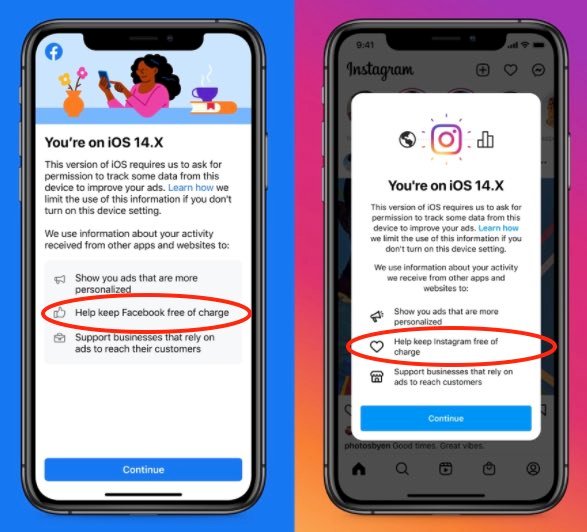
    Besides, form today when users will open the app, they will see a message box that will tell users why they must allow Facebook to track their data.

    “Allow Facebook to use your app and website activity?” and claims that Facebook uses that information to “provide a better ads experience.” It will then offer users a choice between “Don’t Allow” and “Allow.”

    No matter which selection users make on the Facebook prompt, if they choose not to allow tracking on the Apple pop-up, that choice will be final, and Facebook will honour it.