Tag: iphone 14

  • Apple may launch iPhone 14 series on September 7

    Apple may launch iPhone 14 series on September 7

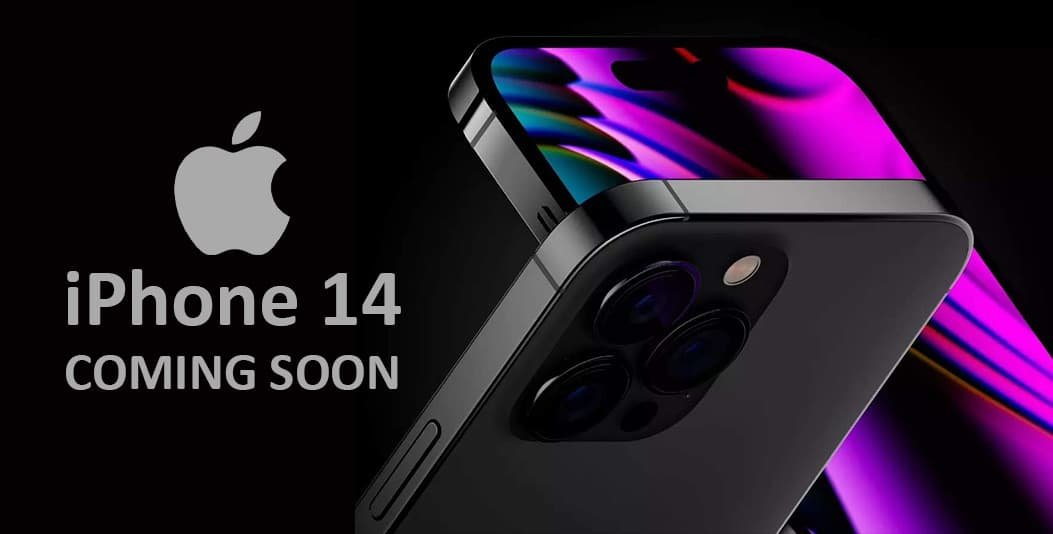
    Apple is planning to launch the iPhone 14 at its next product reveal event on September 7, according to Bloomberg.

    Finally, Apple fans now have a date to mark on the calendar as the tech giant generally hosts a major event in the first half of September.

    The event will be streamed live, just like the previous ones Apple has held during the COVID-19 pandemic.

    The iPhone 14 lineup, which is supposed to comprise the standard iPhone 14, a new big-screen iPhone 14, an iPhone 14 Pro, and an iPhone 14 Pro Max, will reportedly be unveiled by Apple at the event.

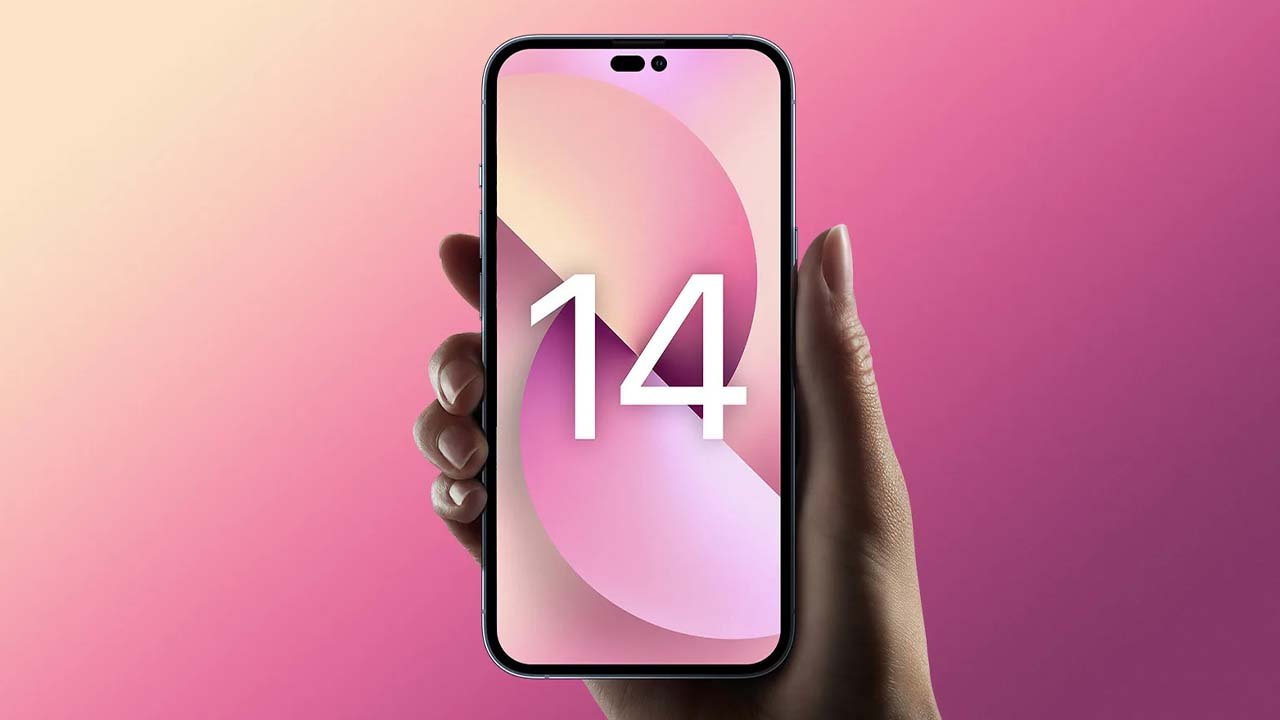
    The Pro phones are reported to receive some of the more extravagant enhancements, including an always-on display, the newest A-series processor, and the removal of the notch in favour of a pill-shaped hole-punch cutout.

    The iPhones that are unveiled at the event have in the past gone on sale soon after. Store employees have reportedly been asked to get ready for a launch of some sort on September 16.

    You might want to get your wallet ready if you’re planning to upgrade.

    At the presentation, the Cupertino-based company is also anticipated to introduce new Apple Watch models, as well as an upgraded rugged model and an upgraded Apple Watch SE.

    Other products that Apple might unveil at the upcoming event include a new entry-level iPad without a headphone jack, the next generation of the AirPods Pro, which might support uncompressed audio, and more.

  • Here’s how to maintain iPhone’s battery health and charge faster

    Here’s how to maintain iPhone’s battery health and charge faster

    Although using a wall charger is the simplest way of charging a phone, there are a variety of other methods that might be either better or worse. The answer largely relies on the type of charger you use, the location where you charge it, and the settings and features you have enabled or disabled on your phone.

    These tips and methods will help you charge your iPhone effectively and efficiently so that it charges more quickly than previously. If you need to charge your iPhone faster and save your battery health, there are a few things you must know.

    How to charge faster

    A fast charger, which consists of a 20-watt power adapter and a USB-C to Lightning connector, is the quickest way to charge your iPhone. You can quickly charge your phone from zero to roughly 50 per cent battery in about 30 minutes if you have an iPhone 8 or later. You can fully charge it if you have an hour to spare.

    If you’re pressed for time, always use the fast charger since it can increase your battery by double digits with just 10 minutes of fast charging.

    Only the cable is now included when you purchase a new phone from Apple. However, you can still buy the company’s 20-watt power adapter from either Apple or online stores. Apple claims that other fast-charging power bricks are also compatible, although an iPhone 12 and later cannot be fast-charged without at least a 20-watt power brick.

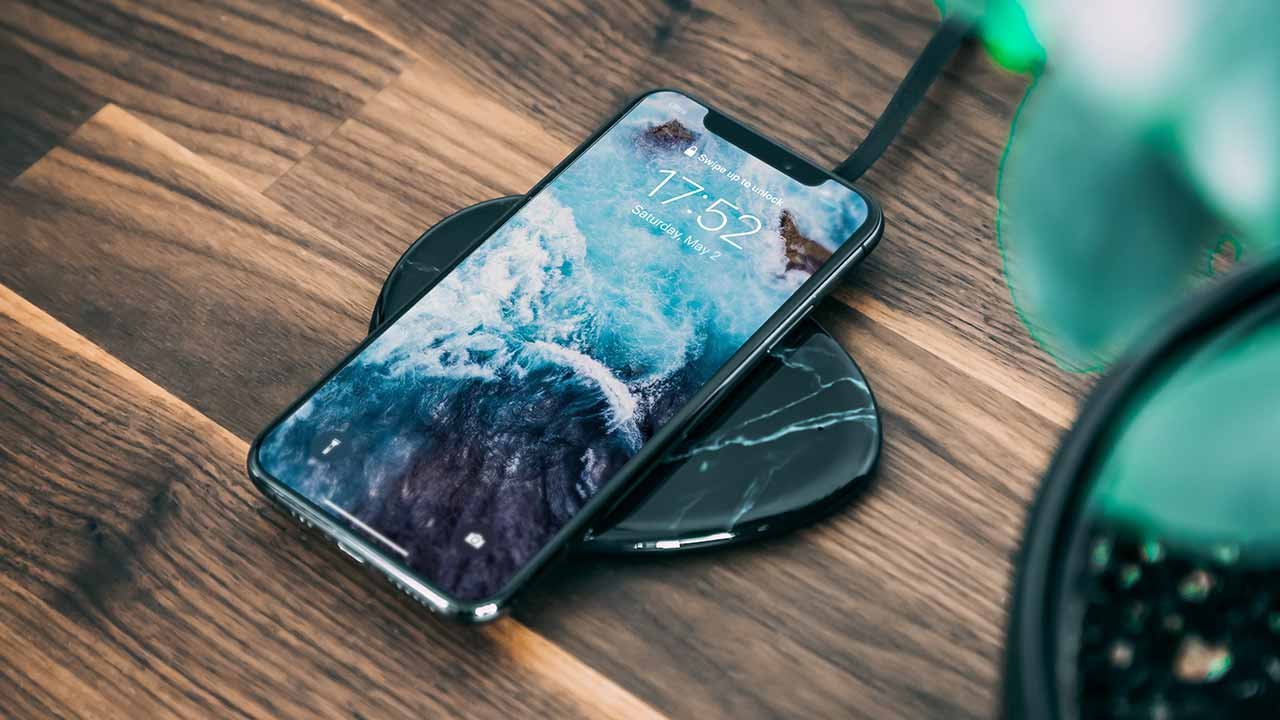
    Another way to charge your iPhone is using Apple’s MagSafe charger and a 20-watt power supply, but in order to take advantage of the faster 15-watt wireless charging, you must possess either an iPhone 12 or an iPhone 13. If your iPhone is dead, wireless charging should restore it to roughly 30 per cent battery in about 30 minutes.

    How to maintain iPhone’s battery health

    Charge at cooler places

    Batteries made of lithium-ion material are vulnerable to high temperatures. Apple has also disclosed the acceptable temperature range for iOS devices’ comfort zones.

    The suggested operating range is from 32°F to 95°F (0°C to 35°C). However, it is not practically feasible because many locations have temperatures that are far higher than the acceptable operating range. Therefore, to keep your phone warm, you may either use thick cases or keep it out of the sun on a hot day.

    Additionally, because it raises room temperature, avoid leaving your iPhone in enclosed areas with little airflow, such as vehicles. Many individuals leave their phones in the glove box or other hot areas of their vehicles, which elevates the temperature of the device. 

    Simply said, heat kills batteries because it permanently reduces their capacity. Extreme cold momentarily compromises the health of the battery.

    Please make sure to charge your iPhone in “comfortable temperature zones” as charging in high ambient temperatures is not advised.

    Do not let iPhone overheat

    Heat destroys batteries, as was previously indicated. Consequently, watch out that your iPhone doesn’t get too hot while it’s charging. Apple claims that unlike extreme cold conditions, which only temporarily lowers battery capacity, heat permanently damages battery capacity.

    The chemicals in the battery’s interior structure may alter due to heat, which could further harm the voltage indication. A malfunctioning voltage indication won’t be able to regulate the current flow to prevent overcharging of the iPhone, which will lead to battery and iPhone damage.

    Use original or certified chargers only 

    The use of charging accessories that are not approved by Apple is one of the most frequent causes of poor iPhone battery health. Always check to see if the adapter and charging cord are MFi approved.

    Made for iPod, Made for iPhone, and Made for iPad are together referred to as MFi. Apple only allows businesses to use the MFi branding on their products once they pass the company’s strict device and facility tests. Therefore, be sure to carefully check the charging accessories for the MFi logo.

    A tiny authentication chip, for instance, is present in each lighting cable adaptor and notifies the iPhone when it is MFi approved. When iPhone discovers a cable that is not MFi approved, it otherwise displays a pop-up.

    Enable Optimised Battery Charging

    With iOS 13, optimized battery charging was added, extending the life of your battery and enhancing its overall health. It makes predictions about when your iPhone will need to be charged for a longer amount of time using machine learning to learn from your everyday charging habits.

    For instance, many people have the practice of overnight charging their iPhones. In order to ensure that the iPhone is fully charged by the time you wake up, the machine learning algorithm will use data from previous charging and unplugging operations. This is done by the algorithm to ensure that the iPhone charges more quickly.

    When the function is activated, the scheduled time by which the iPhone will be fully charged is displayed. To immediately charge it to 100 per cent, select “Charge Now” from the menu.
  • Leaks reveal iPhone 14 could be the best model ever

    Leaks reveal iPhone 14 could be the best model ever

    While a number of smartphone manufacturers are cutting back on their flagship shipments, Apple is quite confident about its upcoming range of the iPhone 14.

    The Cupertino-based business has reportedly informed its vendors that the iPhone 14 series will sell more units than it had planned, increasing the total number of units it will make from 90 million to 95 million.

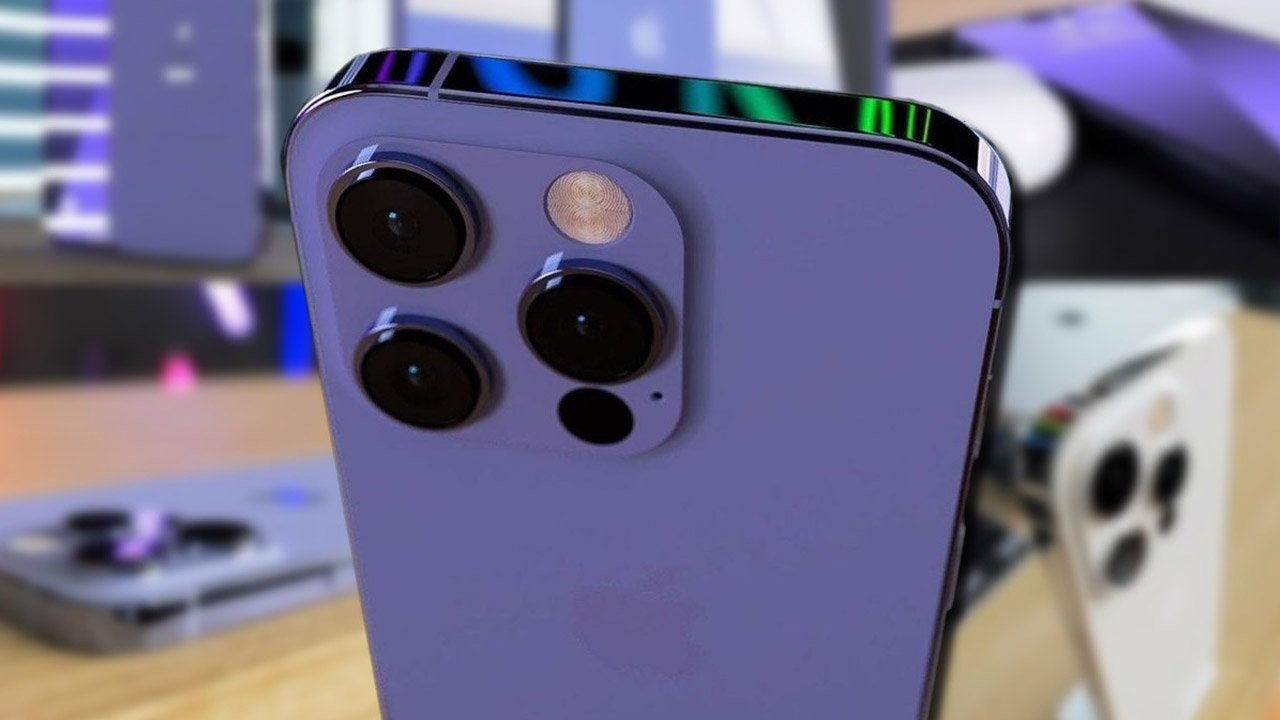
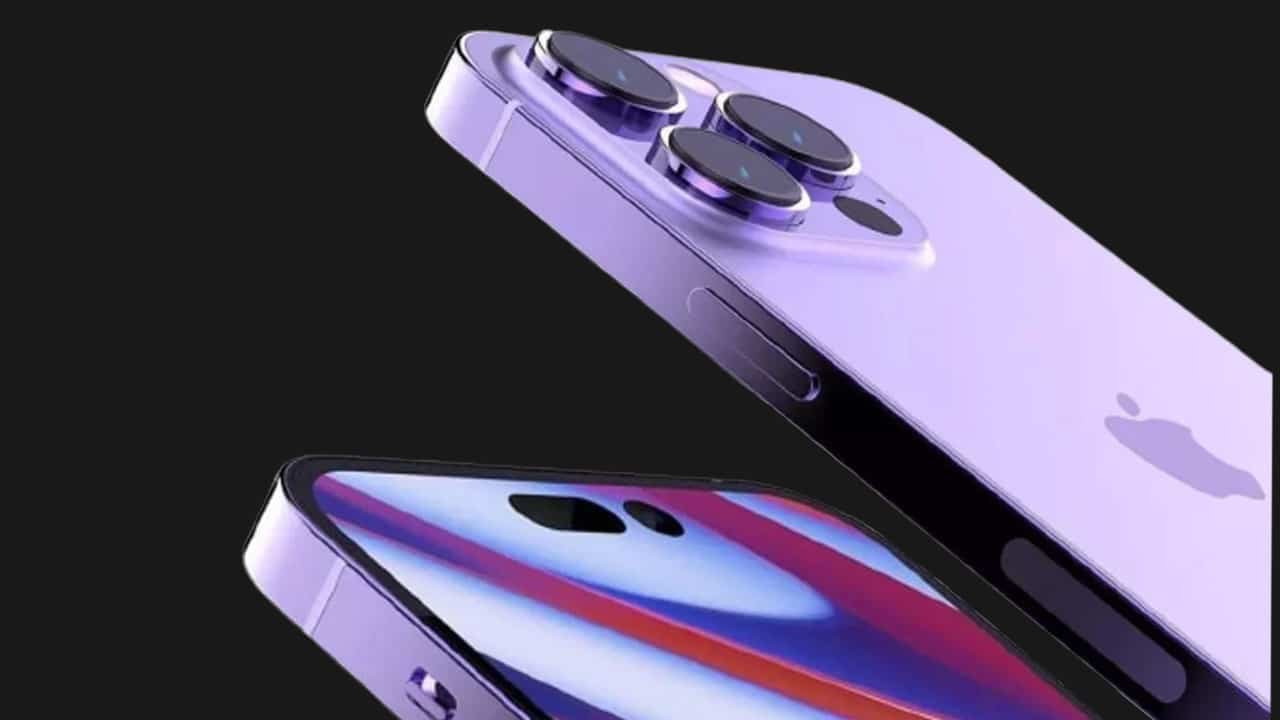
    The iPhone 14 may be the best iPhone ever made for a number of reasons, as the higher-end iPhone 14 Pro and Pro Max models are rumored to come with some significant changes, including improved camera capabilities with a new 48MP lens, a new pill-shaped and hole-punch notch replacement, and a faster A16 chip.

    According to a recent article from the Taiwan Economics Times, Apple anticipates that the iPhone 14 series would perform better than expected in terms of sales.

    As a result, it has instructed its suppliers to create and ship 5 per cent more iPhones than originally anticipated, or 95 million units instead of the first expected 90 million.

    The highest-end iPhone 14 Pro Max will have the greatest stock, according to the report, which cites sources. This shouldn’t be shocking considering how popular the iPhone 13 Pro Max was as well.

    As a result of the current political confrontations between China and Taiwan, earlier reports from July hinted that the projected September release of the iPhone 14 series might be delayed.

  • Apple facing issues in production of iPhone 14

    Apple facing issues in production of iPhone 14

    The release of the iPhone 14 has been eagerly anticipated by Apple fans worldwide, but according to Apple analyst Ming-Chi Kuo, the flagship has a coating crack quality problem.

    The coating crack, according to the analyst, was intended to be used in the phone’s rear cameras, but since it is defective, the tech company has been having production problems.

    This coating crack issue is posing a risk to the tech giant, since it may delay the shipment of the iPhone 14 lineup, which is scheduled to hit stores this fall. Given how important the problem is, Apple has contracted with a new coating supplier; this time, a Taiwanese company called “Largan” will help the tech giant with the iPhone 14’s camera lenses.

    Ming-Chi Kuo recently tweeted that “Apple had transferred about 10 million lens orders from Genius to Largan to avoid affecting iPhone 14 shipments.” This indicates that the tech giant has stopped purchasing lens coating from “Genius” and will do so permanently if that company can’t resolve its coating crack quality problem.

    While highlighting a different issue with the production of the iPhone 14, Kuo wrote that a variety of panel and memory suppliers are experiencing component shortages.

    Despite this, Kuo claimed that the issue will be easily resolved because Apple has brought in a large number of suppliers to fill the component gap.

    “I have learned that recently some iPhone 14 panel and memory suppliers have experienced supply issues”, however indicating little to no impact he added that “other suppliers can fill the supply gap.”

    Apple is doing everything it can to keep up with demand, manufacture, and deliver the iPhone 14 by the projected date despite a number of production issues. Once available, the iPhone 14 is anticipated to outsell the iPhone 13 and surpass its all-time high revenue of $448 billion.

  • Apple may launch its eSIM-only iPhone 14 variant this year

    Apple may launch its eSIM-only iPhone 14 variant this year

    People may soon switch to phones with eSIM instead of physical SIM slots as more carriers and phone makers worldwide adopt the standard.

    The upcoming iPhone 14 series from Apple may only be available with eSIMs in some markets, according to a report in The Wall Street Journal.

    However, it is not anticipated that the tech giant will completely abandon physical SIM variants in favour of eSIM-only models for all of its iPhones. Apple appears to be analysing public reaction to the new eSIM-only models.

    According to reports, Apple has already alerted a number of significant US carriers to get ready for the arrival this Fall of its eSIM-only iPhone models. The primary benefit of removing the SIM slot from a phone is the release of limited interior physical space that can be used for other components. Another aspect that will help users is security, as telecoms can simultaneously send security updates to millions of users.

    Speaking of Pakistani users, this is both good and bad news since some folks are used to physical sim variants because they are straightforward and simple to use, whereas you must visit carrier franchises to obtain an e-sim and the setup is a little different from using a sim card.

  • Here’s why iOS 16 is going to be the finest upgrade ever

    Here’s why iOS 16 is going to be the finest upgrade ever

    On paper, Apple’s iOS 16, the iPhone’s next big software upgrade, appears to be innovative and super secure. iOS 16, which was previewed at Apple’s annual conference, would bring enhancements to communication, personalisation, and privacy. This contains significant upgrades to the lock screen, Messages app, and photos on your iPhone.

    The developer beta for iOS 16 is already available, with a public beta version expected in July. iOS 16 will be released this fall, most likely alongside the much-anticipated iPhone 14. The new software is also compatible with iPhone 8 and subsequent models.

    “Embarrassing errors are a thing of the past,” Apple Senior Vice President of Software Engineering Craig Federighi said as he unveiled three of the Messages app’s most requested additions.

    For starters, you’ll be able to edit sent texts in iOS 16. So, if you find a typo after sending a message, you’ll be able to correct it later. In the message’s status, a small “edited” shows.

    Next, and perhaps the best feature, you can recall a sent message right away. If you mistakenly send an incomplete message, you can utilise the Undo Send feature to prevent it from being read, making your friends and family think you’re crazy.

    Finally, you may flag unread messages and threads. When you don’t have time to answer a message right away but want to make sure you don’t forget about it later, this could be a useful tool.

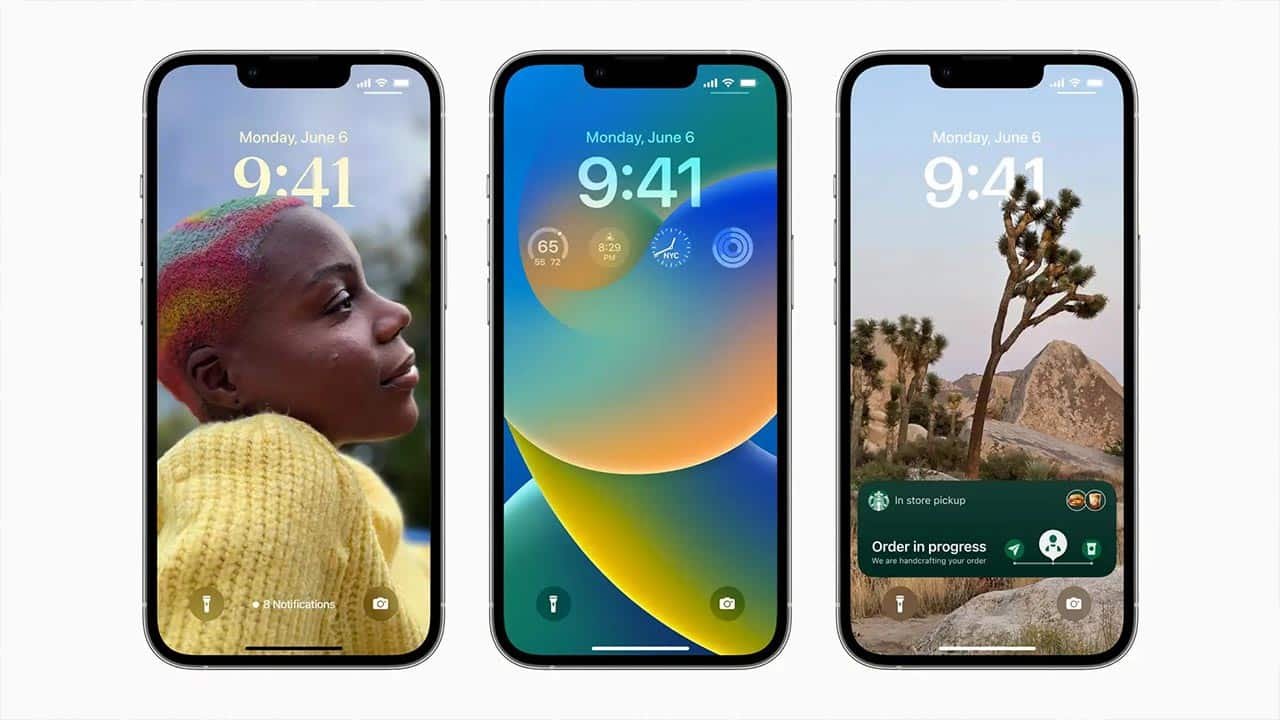
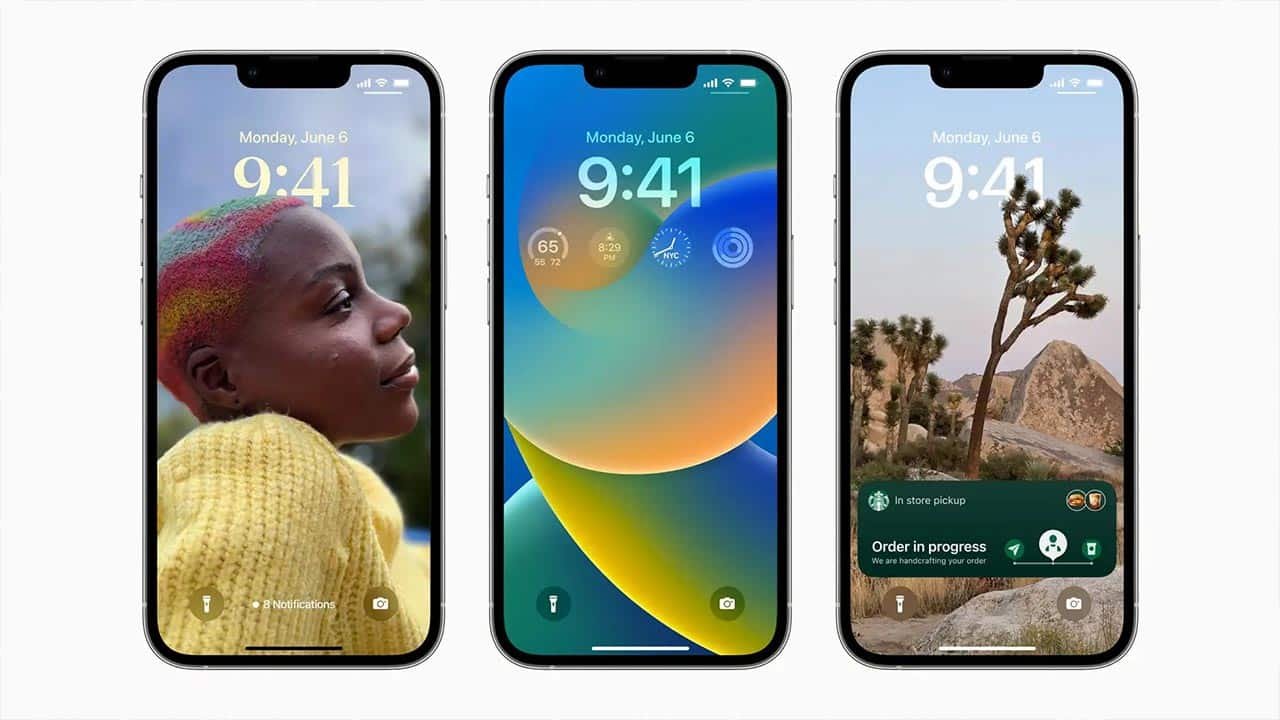
    The lock screen is one of the first things you see when you open your iPhone, especially if it has Face ID. The iPhone’s lock screen receives the most significant improvement yet with iOS 16. To edit your lock screen, press and hold. You can swipe through a variety of different styles.

    Each design alters the background photo’s colour filter as well as the typeface on the lock screen, ensuring that everything is in sync. This appears to be Apple’s response to Google’s Material You, which debuted with Android 12.

    You can also change the typefaces for the time and date, as well as add lock screen widgets like a calendar, temperature, and activity rings. On the Apple Watch lock screen, the widgets are similar to complications.

    You can also create many personalised lock screens with various widgets and switch between them with a simple swipe. There’s even a photo-shuffle feature that changes the photographs on your lock screen automatically.

    An always-on display was one feature we thought Apple would provide. It’s a feature found on practically all Android phones, as well as the Apple Watch. There’s a chance it’ll be released alongside the iPhone 14.

    As alerts might sometimes obscure the photo on your lock screen, iOS 16 pushes notifications to the bottom of your screen. Instead of being gathered into a list, they show as a vertical carousel as you receive them. This not only looks better, but it should also make one-handed use of your iPhone much easier.

    Another issue with notifications is addressed in iOS 16. You may receive a series of notifications from one app in a sequence, such as the score of a basketball game. Instead of experiencing a succession of interruptions, a new tool for developers called Live Activities makes it easy to remain on top of things happening in real-time from your lock screen.

    Sporting events, workouts, and even the progress of an Uber ride should be easier to monitor with Live Activities.

    Visual Look Up in iOS 15 analyses photographs and can recognise objects such as flora, landmarks, and pets. This is taken to the next level with iOS 16. You may remove a photo’s subject. Interestingly, It’s just a tap-and-hold tool for removing the background from a photo.

    Safety Check is a programme that tries to assist people who are in violent relationships. It’s a new service that is designed to assist those who are in violent situations. It allows you to check and change who has access to your iPhone’s location information, passwords, messages, and other apps.

    Several changes have been made to the focus mode. The first uses widgets and lock screen appearance to apply Focus behaviours. So you could have one lock screen for when Work Focus is turned on and another for when you’re working out.

    Moreover, Apple has added Focus filters to apps that apply your iPhone’s Focus mode. For example, depending on which Focus mode is active, you can limit which tabs are displayed in Safari.

  • Apple unveils all-new MacBook Air, powered by new M2 chip

    Apple unveils all-new MacBook Air, powered by new M2 chip

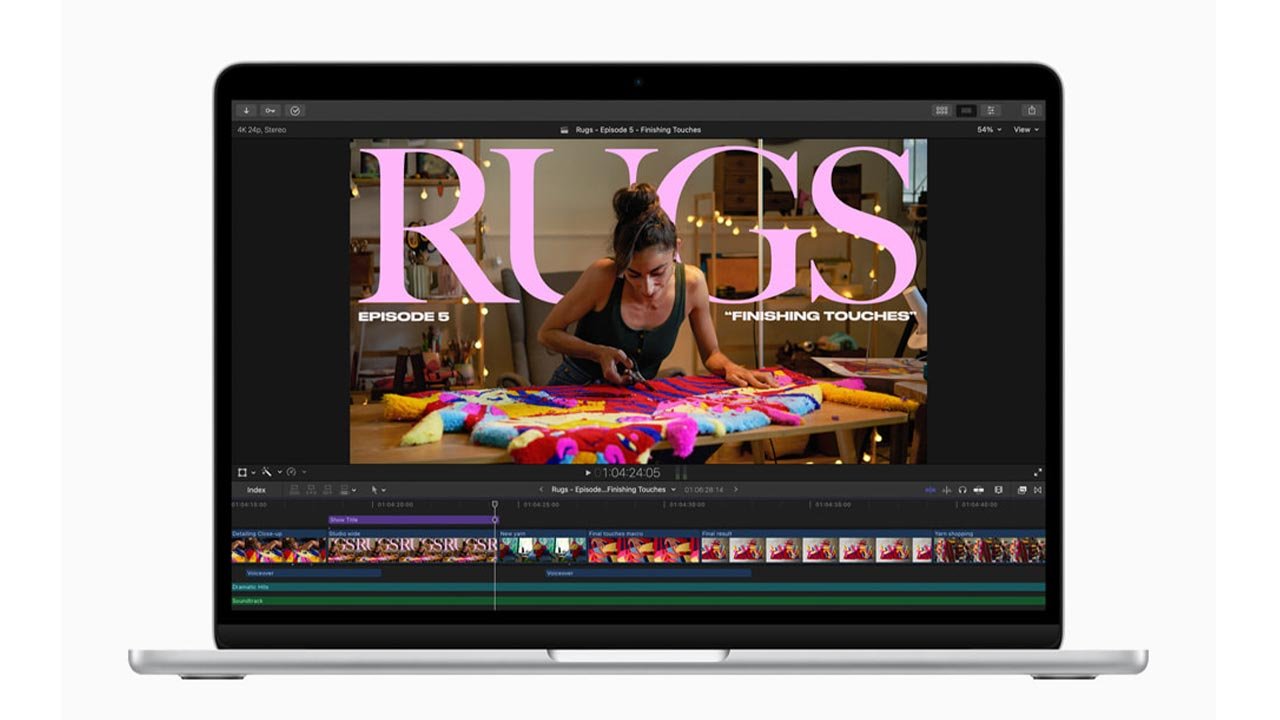
    At Apple’s Worldwide Developers Conference (WWDC), on May 6, the tech giant unveiled a new MacBook Air model.

    The MacBook Air is Apple’s most popular notebook, and the new design is expected to improve Mac sales in the coming quarters.

    As per Canalys, the Mac product line has been growing substantially in recent years, with shipments increasing by nearly 28 per cent in 2021 vs just under 15 per cent for the total market.

    Apple’s Mac lineup has witnessed increasing sales, owing to the pandemic forcing people to buy laptops to work or go to school from home, as well as Apple’s decision to using its own CPUs rather than Intel’s, which has considerably extended battery life.

    The new MacBook Air is still a slim and light laptop, weighing in at 2.7 pounds, but it has a new style that includes a continuous thickness rather than the tapering wedge form that has been popular in recent years.

    The M2 chip, which was revealed Monday and would be quicker and more power-efficient than Apple’s previous chip, is at its heart. It comes with two USB-C Thunderbolt ports for connecting monitors and peripherals, as well as a headphone jack and a MagSafe magnetic charging connector.

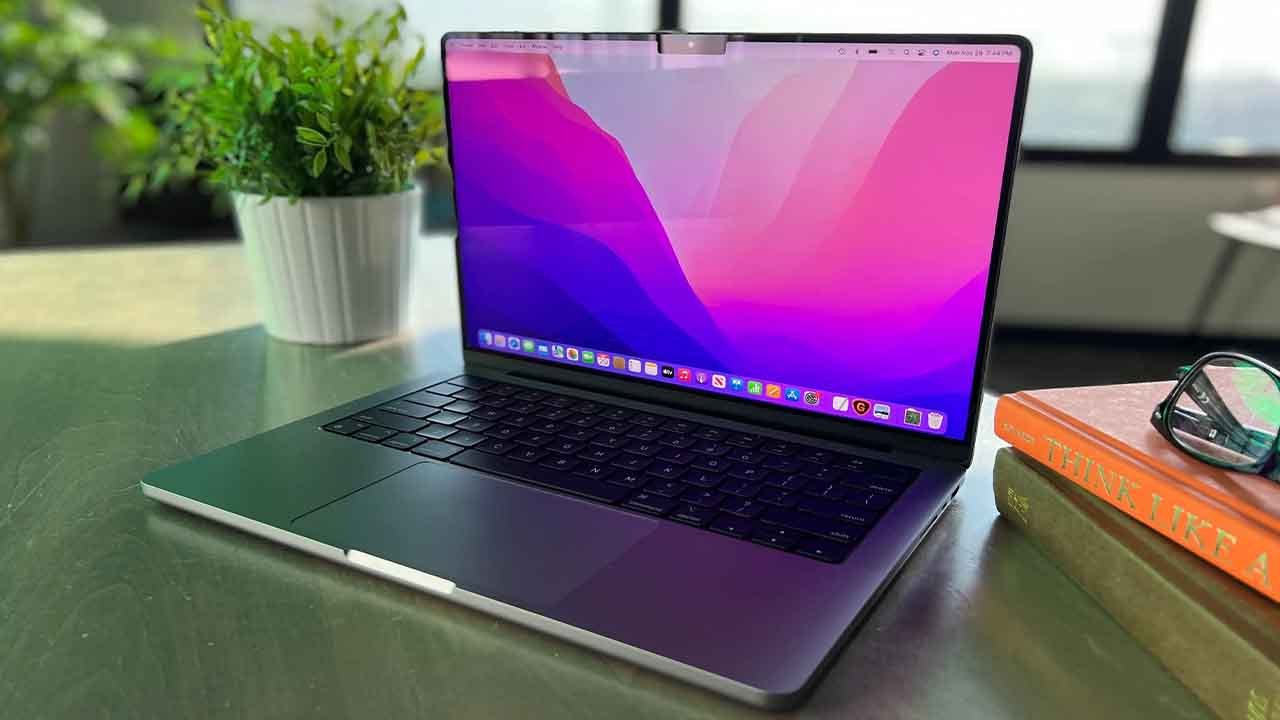
    The 13.6-inch screen has been somewhat increased, but there is now a cutout around the camera, similar to the notch on iPhones. The videoconferencing camera has been improved to provide better colour and quality.

    Apple’s conventional silver, grey, and gold tones, as well as a new matte black called Midnight, are all available on the new model.

    Pricing

    The new MacBook Air costs more than the previous model, starting at Rs242,000 ($1,199) vs Rs200,000 ($999)  for the previous model, which is still on sale. The most powerful configuration costs Rs503,000 ($2,499).

    In recent weeks, the company has had difficulty maintaining Macs in stock due to substantial production disruptions caused by Covid lockdowns in Shanghai, China.

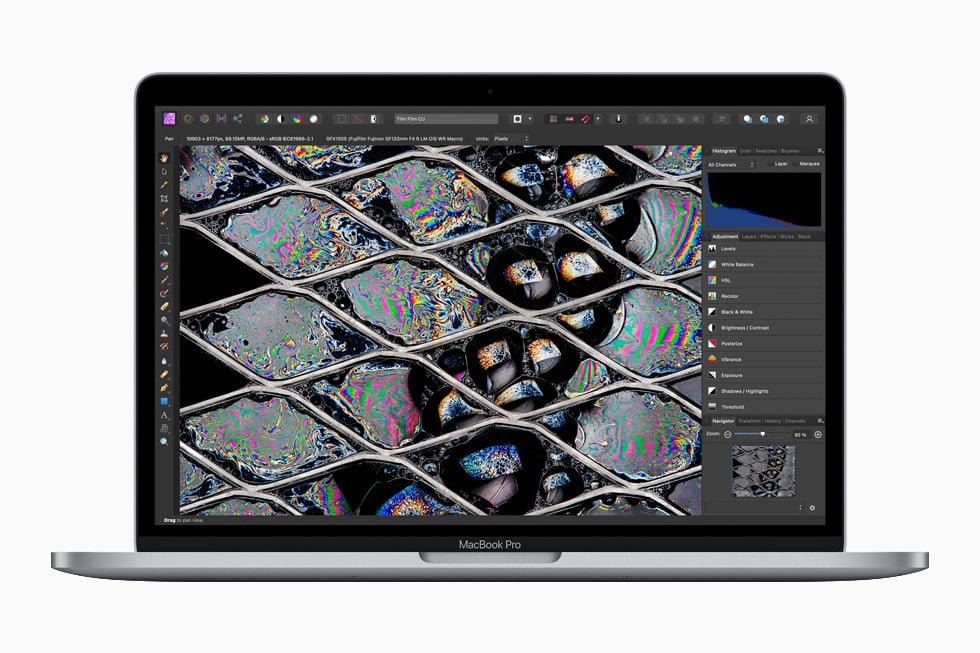
    A 13-inch MacBook Pro was also unveiled, but it was not ready for testing on Monday. Both new MacBooks will be available in July, according to Apple.

  • iPhone 14 may feature lock screen display and widgets

    iPhone 14 may feature lock screen display and widgets

    Several rumours are presently circulating the internet about the forthcoming iPhone’s traits and powers. According to some reports, Apple may forego the notch this time around in favour of a larger display.

    As nothing has been confirmed so far, and most predictions are a little overstated, all such leaks should be taken with a pinch of salt.

    There have been no official reports about when the new iPhone will be released. We already know that Apple will host WWDC 2022 on June 6th. It is also expected to release iOS 16, the next major software version for the iPhone.

    It will most likely introduce iOS 16, iPadOS 16, watchOS 9, and macOS 13 at its upcoming event.

    The company hasn’t revealed a date for its fall event, which is usually when the next iPhone is unveiled. Apple usually holds its annual autumn iPhone event in September, with releases following soon after.

    On the first or second of September, Apple usually announces its new iPhones. Last year, the iPhone 13 series made its official premiere on Tuesday, September 14th, with preorders beginning on Friday, September 17th, and the phones going on sale on September 24th.

    Apple’s fall event for the iPhone 14 could take place on Tuesday, September 6, or Tuesday, September 13. Because iPhones normally go on sale for presale on Fridays of the same week.

    iPhones are normally released a week and a half after Apple makes an announcement. Specific model introduction dates are sometimes staggered, especially when introducing a new design or size. As a result, it’s feasible that the iPhone 14 lineup will have multiple release dates.

    For the time being, however, the additional features that these operating systems will bring are unknown. According to a source, Apple may include the ability to include lock screen widgets, support for always-on displays, and much more.

  • Apple to launch new Macs with next-generation M2 chips

    Apple to launch new Macs with next-generation M2 chips

    Apple is planning to release the next-generation Apple Silicon chip for its laptops, almost two years after introducing the first Macs using its own silicon. The company is presently testing third-party programmes on at least nine new Mac models equipped with an M2 processor.

    Unreleased Macs have been spotted in app logs, to sources familiar with the situation, implying that Apple is currently conducting final tests on the new PCs before revealing them to the public. The new M2 processor will be used in all new Macs, which are slated to be released later this year.

    A MacBook Air, MacBook Pro, and Mac mini with an M2 chip; new MacBook Pros with the M2 Pro and M2 Max chips; and a Mac Pro with an Apple Silicon chip ‘successor to the M1 Ultra processor’. Apple has been working on the new Macs for a while now.

    Surprisingly, it appears that Apple is still testing a new Mac mini with the M1 Pro CPU seen in the current MacBook Pro generation. Apple had planned to release high-end versions of the present Mac mini with the M1 Pro and M1 Max CPUs, according to 9to5Mac’s sources, but they were likely canceled to make way for the Mac Studio.

    Read more: Elon Musk offers $43 billion to acquire Twitter

    The Studio Display firmware contains references to a new Mac mini model, thus it’s probable that at least some of these Macs will be released soon. Apple could unveil two new Macs in June at WWDC 2022.

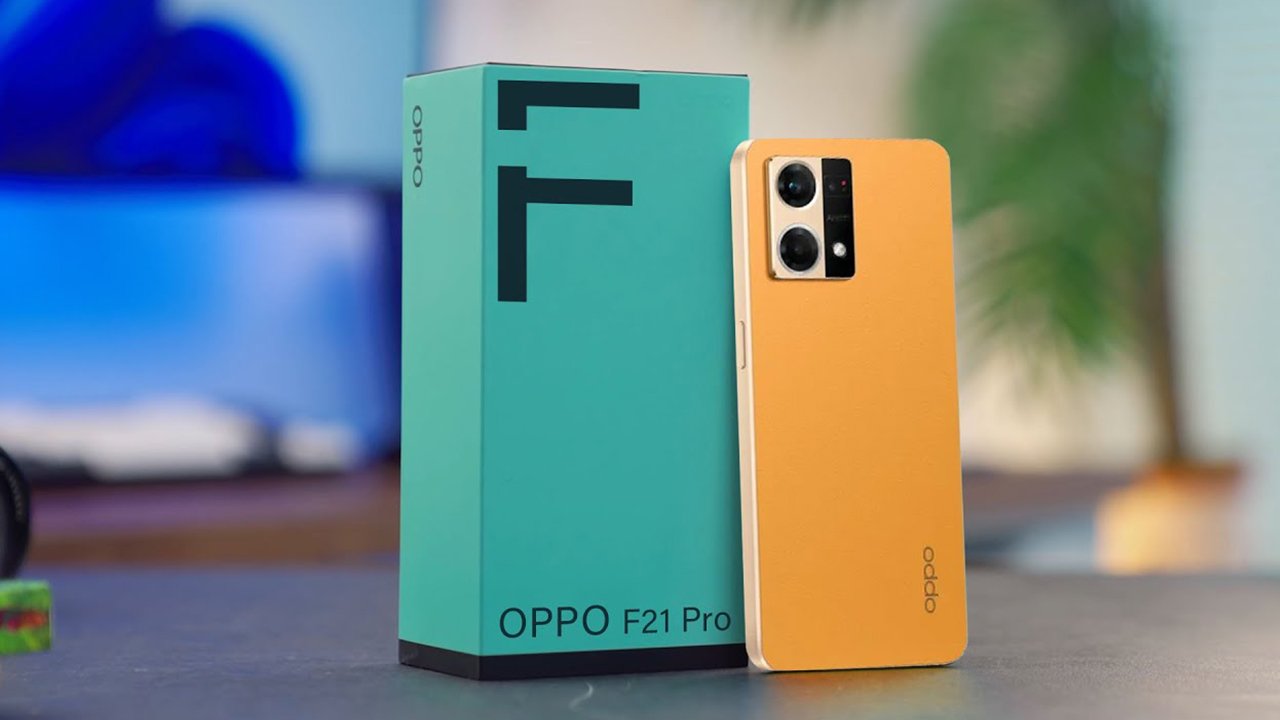
  • Oppo Pakistan to launch F21 pro with Sony’s “DSLR-like camera” on April 11

    Oppo Pakistan to launch F21 pro with Sony’s “DSLR-like camera” on April 11

    The Oppo F21 Pro will be released in Pakistan on April 11 at 4:30 pm, according to Oppo’s official website where it also exhibited the handset’s official design.

    According to rumors, the F21 Pro 4G is a rebranded Reno7 with Snapdragon 695 processor which may or may not be true as it is expected to come up with a newer chip.

    The phone will be available in Sunset Orange and Cosmic Black, according to the company. The latter has a Fibreglass-Leather design that “doubles as a frameless battery cover to make the phone thin, light, and sturdy”.

    To maintain fidelity and longevity, the leather-like material was put through rigorous stress tests using rubbing alcohol, rubber erasers, and even denim swatches.

    The Sunset Orange is only 7.54mm thick, while the Cosmic Black is 7.49mm thick, according to Oppo. Both are 175 grammes and features a 2.5D glass display.

    The device will have a 6.43-inch FHD+ AMOLED screen with a 90Hz refresh rate. It will run ColorOS 12.1, which is based on Android 11, and will be powered by a 4,500mAh battery with 33W SUPERVOOC fast charging.

    It will be equipped with a triple camera system, including a 64MP main rear camera, a 2MP macro lens camera, and a 2MP depth camera.

    In addition, an orbit light can be seen around one of the camera sensors that notify users of incoming notifications, calls, and other events. A 32 MP lens will be used on the front-facing camera from Sony.

    Oppo Pakistan wrote on its website, “Exclusively designed by OPPO and built with Sony hardware, the IMX709 front camera image sensor allows you to capture bright and clear images in the low light environment”.

    It sounds weird that the firm has placed the high-end camera on the front since it would have been better for the phonemaker’s sales and worth if the Sony camera had been placed at the back.

    Read more: Suzuki Pakistan increases bike prices by up to Rs15,000

    However, further information or official specifications of the upcoming ‘budget-flagship’ smartphone will be revealed in the next week.