Tag: iPhone 16

  • Apple reportedly testing Samsung-made camera sensor for iPhone 16

    Apple reportedly testing Samsung-made camera sensor for iPhone 16

    Apple is reportedly testing advanced CMOS image sensors (CIS) from Samsung, which could feature in the iPhone 16 later this year. According to The Elec, Apple is conducting a final quality assessment of these sensors, provided by Samsung System LSI, the logic business unit of Samsung.

    Traditionally, Apple has relied exclusively on Sony for its CIS needs. However, recent developments suggest a strategic shift away from the Japanese supplier due to concerns about reliability and the desire to integrate new technologies into its camera systems.

    This change in direction comes after Apple encountered issues with Sony last year. In response, Apple asked Samsung to develop new image sensors in 2023 when Sony failed to deliver in a timely manner, complicating the launch schedule for the iPhone 15.

    If Samsung successfully passes the current quality tests, it will mark the first time the company supplies CIS for an iPhone. The new sensors from Samsung boast a more advanced three-wafer stack design, compared to the two-stack design used in current and previous iPhone models. These three wafers separately house the photodiode, transistors, and analog digital converter logics, which allows for higher pixel density, reduced noise, and smaller pixel sizes.

    In a CIS, the photodiode converts light into electrical signals, while four transistors are responsible for transferring, amplifying, reading, and erasing these signals. The separation of these components into three wafers enhances the sensor’s performance.

    Additionally, the new technology uses wafer-to-wafer hybrid bonding, which directly attaches the wafers through a copper pad, eliminating the need for signal-transferring bumps. This results in a smaller CIS with faster data transfer speeds.

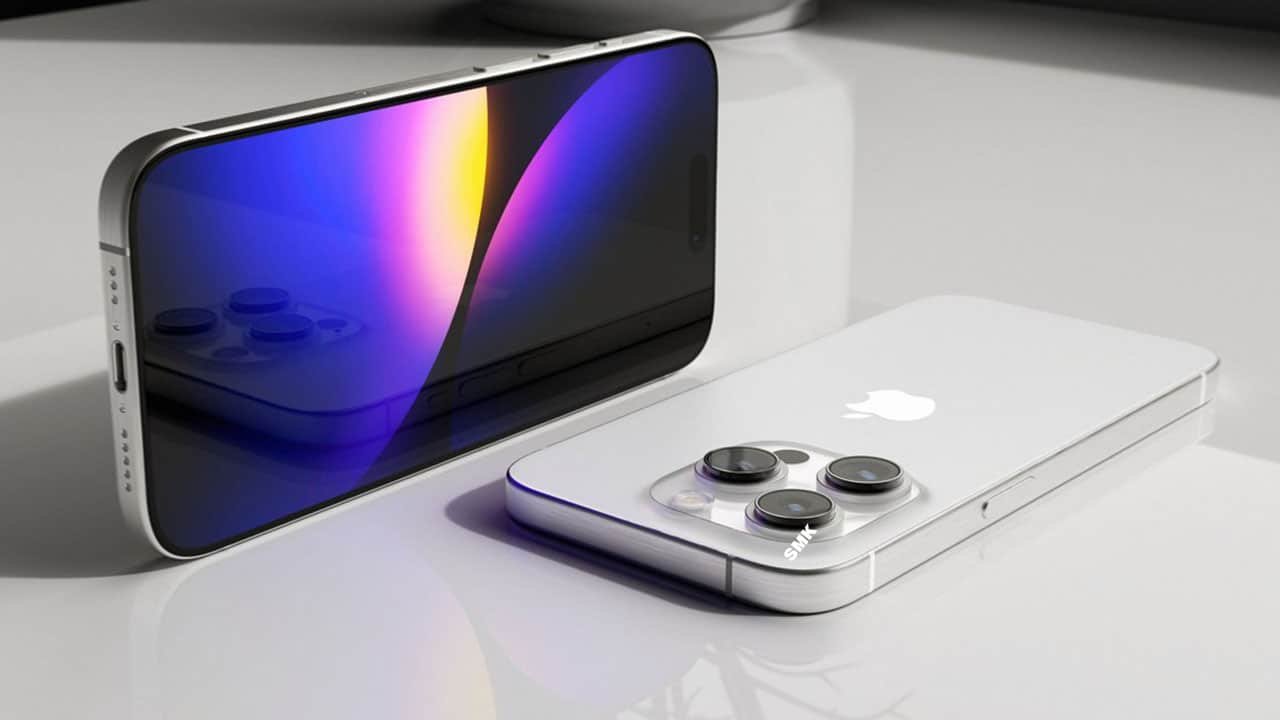
    The iPhone 16 lineup is expected to be announced in the autumn, featuring new camera capabilities, including a dedicated “Capture” button and a 48-megapixel Ultra Wide camera.

  • Apple in talks with OpenAI, Google to integrate AI into iPhones

    Apple in talks with OpenAI, Google to integrate AI into iPhones

    In a move that could reshape the future of iOS, Apple is exploring partnerships with major technology firms to integrate artificial intelligence (AI) into its iPhone line, according to reports from Engadget.

    The Cupertino-based company is reportedly in discussions with Sam Altman’s OpenAI to incorporate generative AI technologies into its iOS operating system.

    However, OpenAI isn’t the only player on Apple’s radar. The company is also engaged in talks with Google to potentially license Gemini, the tech giant’s AI model, for use in iOS 18.

    According to Bloomberg, Apple could finalise agreements with both companies, suggesting a comprehensive approach to AI integration in its upcoming products.

    Meanwhile, Apple is also building its own language models to support various features in iOS 18, indicating a multi-faceted strategy towards AI.

    Although Apple has remained largely silent about its AI developments, there have been subtle hints suggesting that the company is preparing for a significant announcement.

    During a company meeting in February, Apple’s chief executive, Tim Cook, mentioned that the company is continuing to invest in artificial intelligence and expressed excitement about sharing more details later in the year.

    He also highlighted that the recently launched MacBook was the “world’s best consumer laptop for AI.” Cook’s remarks further fueled speculation that Apple is gearing up to unveil AI-centric laptops and desktops in the near future.

    As Silicon Valley dives deeper into the AI arms race, Apple’s moves to partner with leading AI developers and build in-house AI capabilities could set the stage for significant advancements in the iPhone’s functionality and user experience.

    Tech enthusiasts and industry watchers are now eagerly awaiting Apple’s official announcements, which could provide more clarity on the company’s AI strategy and the future of its product lineup.

  • Leaks suggest iPhone 16 Pro Max will feature a 6.9-inch display

    Leaks suggest iPhone 16 Pro Max will feature a 6.9-inch display

    New images purportedly showcasing dummy models of the upcoming iPhone 16 and iPhone 16 Pro have surfaced, offering enthusiasts a tantalising glimpse into the potential design evolution.

    Shared initially on the Chinese platform Baolin Video and subsequently disseminated by a Weibo user, these visuals have ignited speculation among tech aficionados.

    Pro models to get bigger

    One notable revelation from the leaked images is the difference in size between the standard and Pro variants. Reports suggest that the iPhone 16 Pro and iPhone 16 Pro Max are poised to expand to 6.3 and 6.9 inches, respectively. In contrast, the iPhone 16 and iPhone 16 Plus are anticipated to maintain the familiar 6.1 and 6.7-inch dimensions reminiscent of recent iPhone iterations.

    Redesigned aesthetics

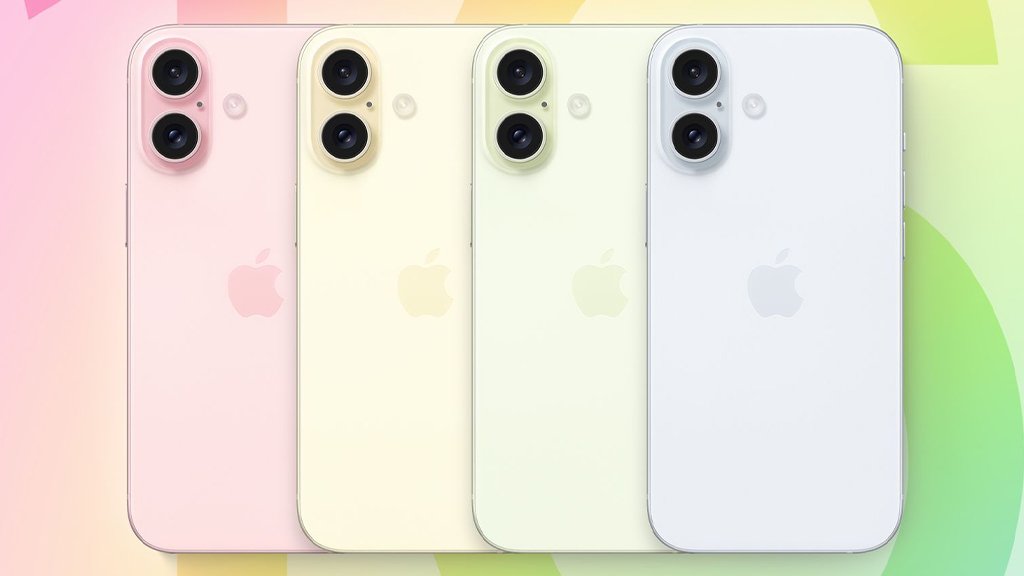
    While the dimensions of the standard iPhone 16 models remain consistent, discernible alterations adorn their backs and sides. Notably, the dummy models feature a redesigned camera block, housing vertically aligned lenses. This adjustment is believed to accommodate spatial video recording capabilities, a feature currently exclusive to the iPhone 15 Pro and iPhone 15 Pro Max.

    Innovative button configuration

    The leaked images also shed light on an intriguing departure from convention: the replacement of the traditional mute slider with an action button on the left edge of the iPhone 16 dummy. This transition mirrors the existing configuration found solely on the iPhone 15 Pro models. Moreover, speculation abounds regarding the elongated nature of the Action button, a potential ergonomic enhancement over its predecessor.

    Introducing the capture button

    A noteworthy addition visible on both dummy models is the introduction of a capture button—a dedicated key located beneath the power button, speculated to function as a camera shutter button. Unlike conventional physical buttons protruding from the device’s frame, the capture button is purportedly an inductive or capacitive mechanism seamlessly integrated into the side rail.

    Anticipated revelations and continued speculation

    As the tech community eagerly awaits the official unveiling, these leaks offer but a glimpse into the myriad innovations anticipated with Apple’s next-generation iPhones. With the expected launch window in early September looming on the horizon, enthusiasts can anticipate a deluge of further revelations.

    Among the speculated enhancements are a more robust chipset tailored to support cutting-edge generative AI functionalities and the integration of 48MP ultrawide cameras for the Pro variants.

  • iPhone 16 batteries to be primarily manufactured in India

    iPhone 16 batteries to be primarily manufactured in India

    In a strategic manoeuvre aimed at reducing its reliance on China, Apple has reportedly communicated a strong preference for manufacturing iPhone 16 batteries in India.

    As part of this initiative, an existing Indian battery supplier has been encouraged to scale up production, while Chinese suppliers, including Desay and Simplo Technology, have received directives to establish battery factories within India.

    Additionally, Japanese battery supplier TDK is gearing up for its own production facility in the country.

    This significant shift in strategy deviates from the original decision made by Steve Jobs to centralize most of Apple’s manufacturing operations in China, a move that was previously lauded as a key achievement by Tim Cook during his tenure as COO. 

    The change reflects a growing recognition of the strategic risks associated with being overly dependent on a single country, evident in events such as the COVID-19 pandemic and ongoing geopolitical tensions between the US and China.

    The multifaceted rationale behind this move includes concerns about the impact of global events on manufacturing capacity, the unpredictability of trade relations between major economies, and the reputational challenges posed by close associations with a country facing human rights criticisms.

    Apple’s decision aligns with a broader industry trend of diversifying manufacturing locations to mitigate risks associated with geopolitical and economic uncertainties.

    Notably, the company aims to prioritise Indian production for iPhone 16 batteries, with local government support evident in a Japanese supplier, TDK, establishing a significant facility in Manesar, Haryana.

    While this facility is expected to begin production in 2025, post-iPhone 16 release, it signifies a strategic commitment to bolstering the electronics manufacturing ecosystem in India.

    Apple’s move underlines the industry’s evolving approach to supply chain management in response to a dynamic global landscape.

  • Apple reportedly plans to launch a pricier iPhone ‘Ultra’ next year

    Apple reportedly plans to launch a pricier iPhone ‘Ultra’ next year

    Apple has traditionally released four iPhone models annually — Mini, Standard, Pro, and Pro Max. However, last year the Mini was replaced with a Plus model and this lineup is expected to remain the same this year.

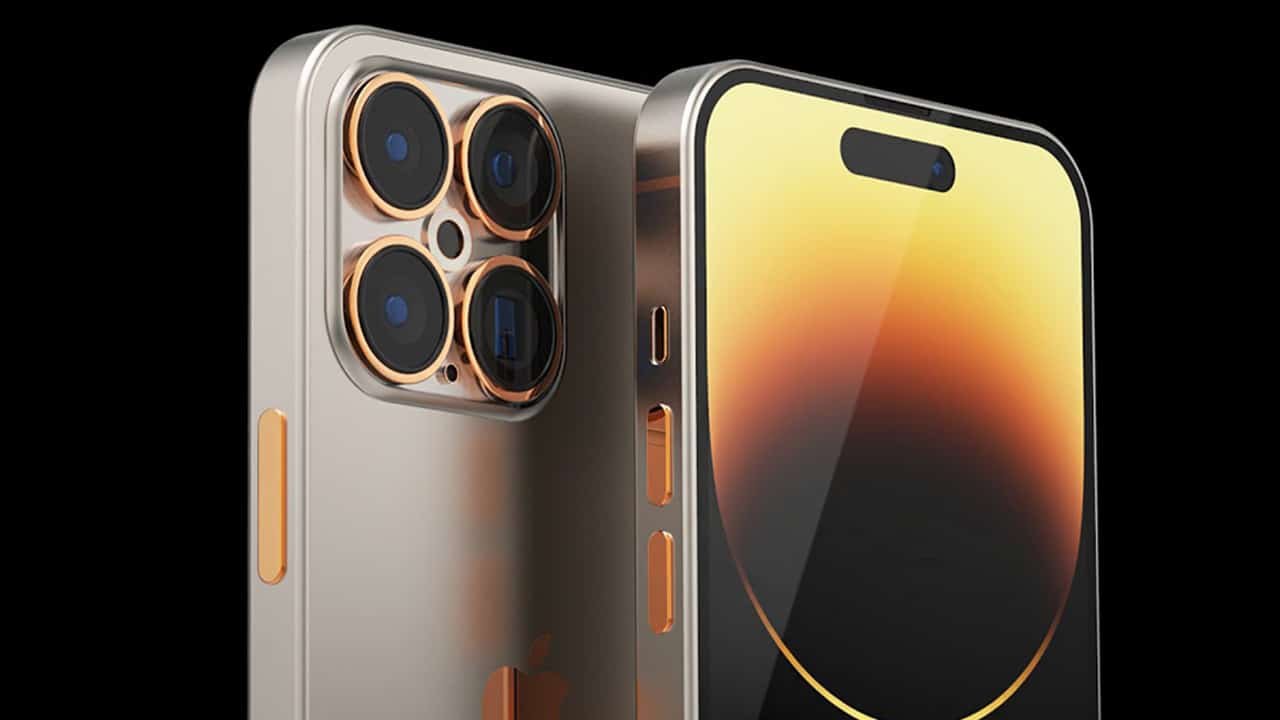
    According to a report from Mark Gurman at Bloomberg, Apple plans to revamp its lineup in 2024 and introduce an iPhone Ultra, which is said to be a top-of-the-line device more powerful than the Pro Max. This means that the iPhone 16 series will feature this new model from the Cupertino-based company.

    According to recent reports, the highly anticipated iPhone Ultra model will not replace the Pro Max in the current iPhone lineup. Instead, both the Pro Max and the new Ultra model are expected to be part of the next year’s iPhone offerings.

    The iPhone Ultra, rumored to feature a titanium build, offers a distinct selling point in a market dominated by devices built with alternative materials. While the use of titanium is expected to bring a premium feel to the device, it may also result in a higher price point.

    In addition to its superior build, the iPhone Ultra is expected to come equipped with several hardware upgrades, including improved camera capabilities, a faster processing chip, a larger display, and possibly a portless design, eliminating the need for a Lightning or USB-C port. These cutting-edge features position the iPhone Ultra as a standout device in a highly competitive market.