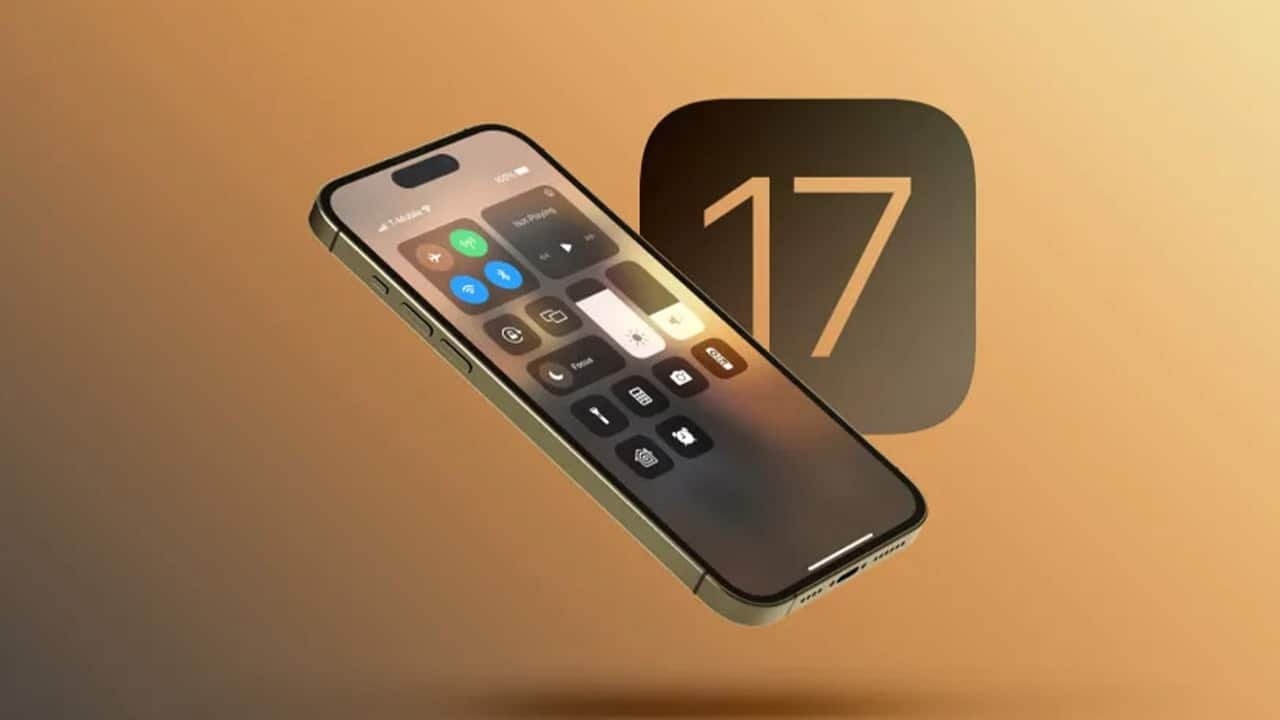
Apple has gained a reputation for its commitment to providing software and security updates for its iPhones for at least five years. The company’s annual Worldwide Developers Conference (WWDC) serves as a platform for introducing the latest iPhone operating system, and this year is no exception. On June 5, Apple is set to showcase iOS 17, which is rumored to bring a range of exciting features and user interface (UI) changes.
One highly anticipated addition to iOS 17 is app sideloading. This feature will allow users to install applications from sources other than the official App Store. While it offers more flexibility, it also raises concerns about security and app quality. However, Apple has likely taken steps to ensure that sideloading is implemented responsibly to maintain a safe user experience.
Alongside app sideloading, iOS 17 is expected to introduce significant UI changes. The control center will become fully customizable, empowering users to tailor it to their preferences. Additionally, customizable widgets will enable users to personalise their home screens further. These UI changes aim to enhance user satisfaction and provide a more tailored and intuitive experience.
Now, let’s take a closer look at the iPhones that are likely to be compatible with the iOS 17 update and what users can expect from this upcoming software release.
iPhone XS/XS Max and iPhone XR
The iPhone XS/XS Max and iPhone XR are expected to be compatible with iOS 17. However, due to hardware limitations, these devices might receive a limited set of features. Nonetheless, users can still enjoy the benefits of the latest software improvements.
iPhone 11, 11 Pro, and 11 Pro Max
All models in the iPhone 11 series are likely to be eligible for the iOS 17 update. Similar to the XS/XR series, these devices might not support all the new features brought by the latest iPhone OS. Nevertheless, users can still benefit from the performance enhancements and security updates.
iPhone 12, 12 mini, iPhone 12 Pro, and 12 Pro Max
Owners of the iPhone 12 series can rejoice as all four models are expected to be fully compatible with iOS 17. Despite being nearly three years old, these devices will likely receive most of the new features introduced in the latest software release, showcasing Apple’s commitment to long-term support.
iPhone 13, 13 mini, iPhone 13 Pro, and 13 Pro Max
Just like the iPhone 12 series, the iPhone 13 lineup will also be fully compatible with iOS 17. This means that users of these devices can enjoy all the new features, even on older hardware. It’s a testament to Apple’s dedication to delivering a consistent experience across its product line.
iPhone SE (2022)
The Apple iPhone SE (2022) stands out as the only iPhone with Touch ID that will support the iOS 17 update. Powered by the A15 Bionic processor, the iPhone SE 3rd Gen is expected to receive most of the new features alongside the iPhone 13 series, ensuring a modern and feature-rich experience for users who prefer Touch ID.
iPhone 14 and iPhone 14 Plus
As the latest models in Apple’s lineup, the iPhone 14 and iPhone 14 Plus will be fully compatible with the iOS 17 update. Being at the forefront of technological advancements, these devices are likely to take full advantage of the latest iOS release, offering users the most cutting-edge features and improvements.
iPhone 14 Pro and iPhone 14 Pro Max
The iPhone 14 Pro and iPhone 14 Pro Max are expected to have the highest percentage of compatibility with iOS 17. Equipped with Dynamic Island and more powerful processors.