Tag: iPhone

  • NAB summons Khan and wife on March 9 in Toshakhana case

    NAB summons Khan and wife on March 9 in Toshakhana case

    The National Accountability Bureau (NAB) has summoned Pakistan Tehreek-e-Insaf (PTI) Chairman Imran Khan and his wife Bushra Bibi on March 9 in connection with the Toshakhana reference.

    The anti-graft watchdog’s Rawalpindi branch summoned the PTI chief hours after NAB Chairman Aftab Sultan tendered his resignation after reportedly refusing to “toe the line”.

    In its notice to Khan, NAB wrote: “The competent authority has taken cognizance of an offence allegedly committed by the accused persons under the provisions of NAO, 1999.”

    The questions on gifts included in the notice are on six Rolex watches and an iPhone given by the Chief of Staff of the Qatari Armed Forces.

    On November 19, NAB had taken notice of the alleged non-disclosure of the actual value of gifts received by the former prime minister, his wife, and other cabinet members.
  • Imported mobiles priced above $500 to become more expensive under proposed GST of 25%

    Imported mobiles priced above $500 to become more expensive under proposed GST of 25%

    The Federal Board of Revenue (FBR) has put forward a proposal to significantly augment the sales tax on imported mobile phones.

    This proposal is part of the Finance (Supplementary) Bill, 2023, which incorporates amendments to the Ninth Schedule of the Sales Tax Act 1990, specifically focusing on mobile phones.

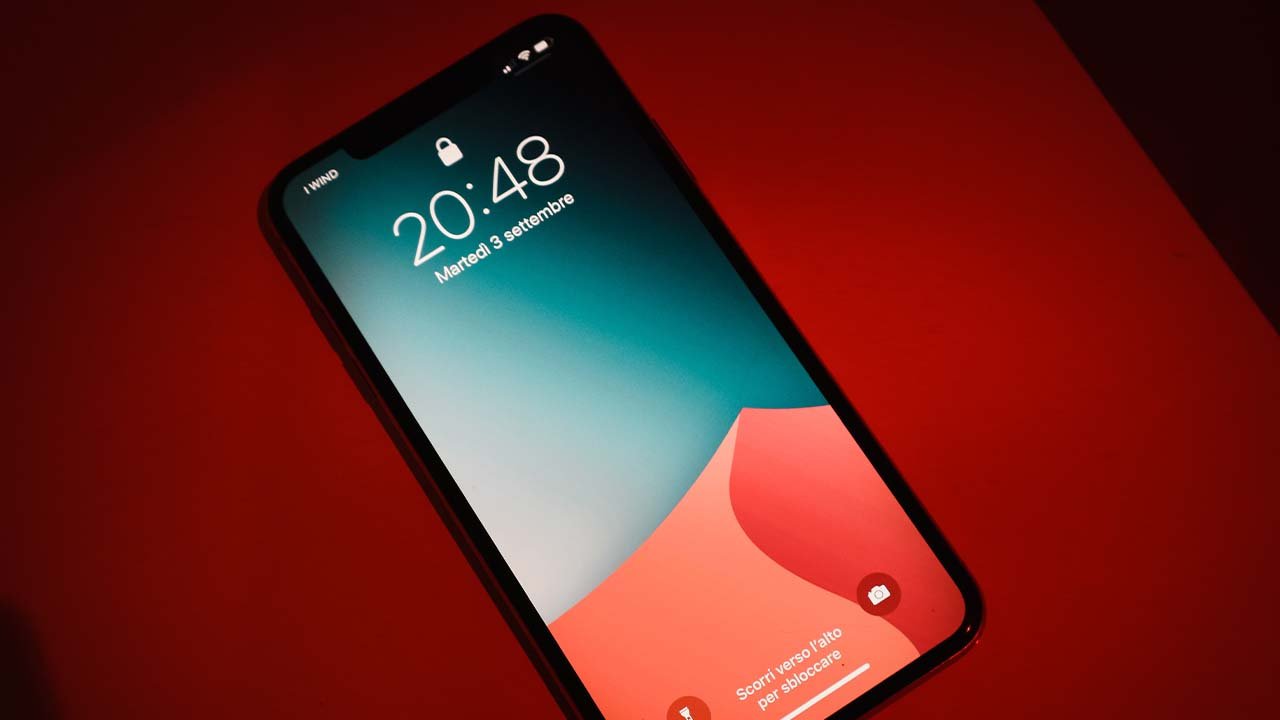
    As per the proposed bill, a sales tax of 25 per cent would be applicable on premium mobile phones that are imported and have a value of more than Rs132,000 ($500).

    The proposed amendment entails an increase in sales tax from 17 per cent to 18 per cent for imported mobile phones with an import value ranging from Rs53,000 ($200) to Rs132,000 ($500).

    It is noteworthy that this range includes two distinct categories within the Ninth Schedule, namely $200-$350 and $350-$500.

    It has been announced that the sales tax rate for imported mobile phones with a value up to $200 will remain unchanged. No proposed changes have been put forward for this import value category.

  • Huawei to copy iPhone 14 Pro’s Dynamic Island cutout design for its next smartphone

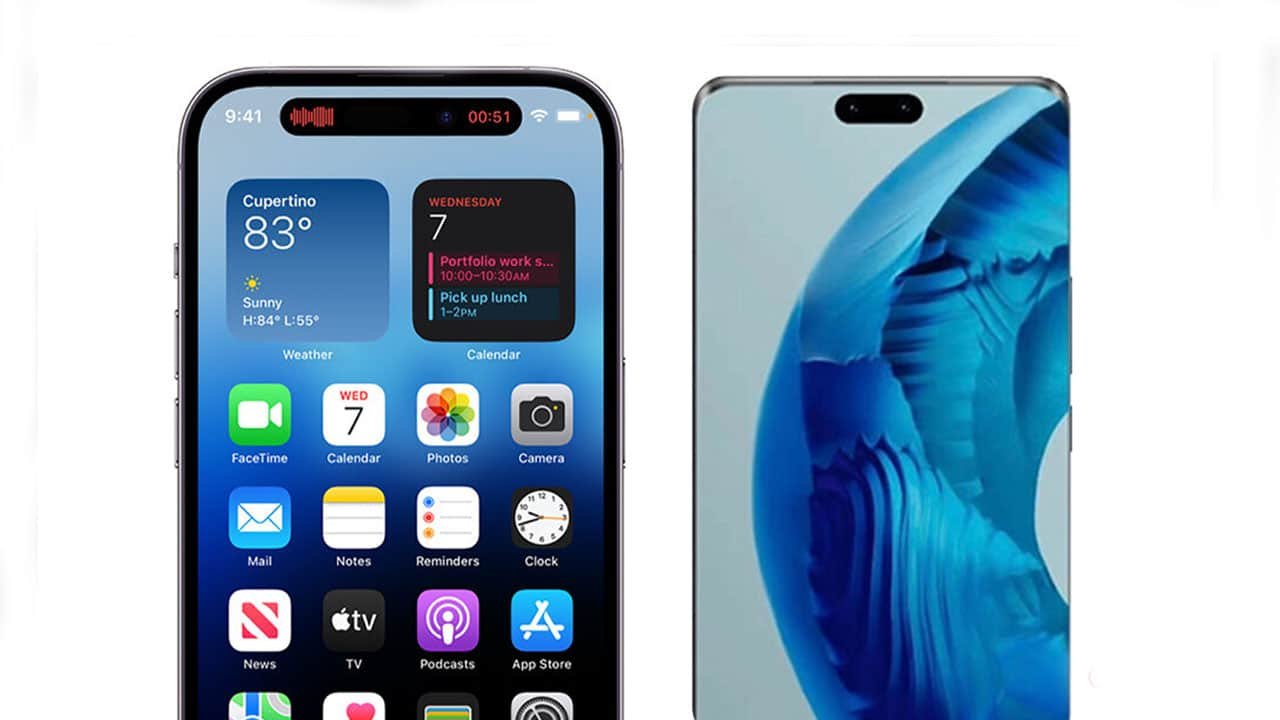
    Huawei to copy iPhone 14 Pro’s Dynamic Island cutout design for its next smartphone

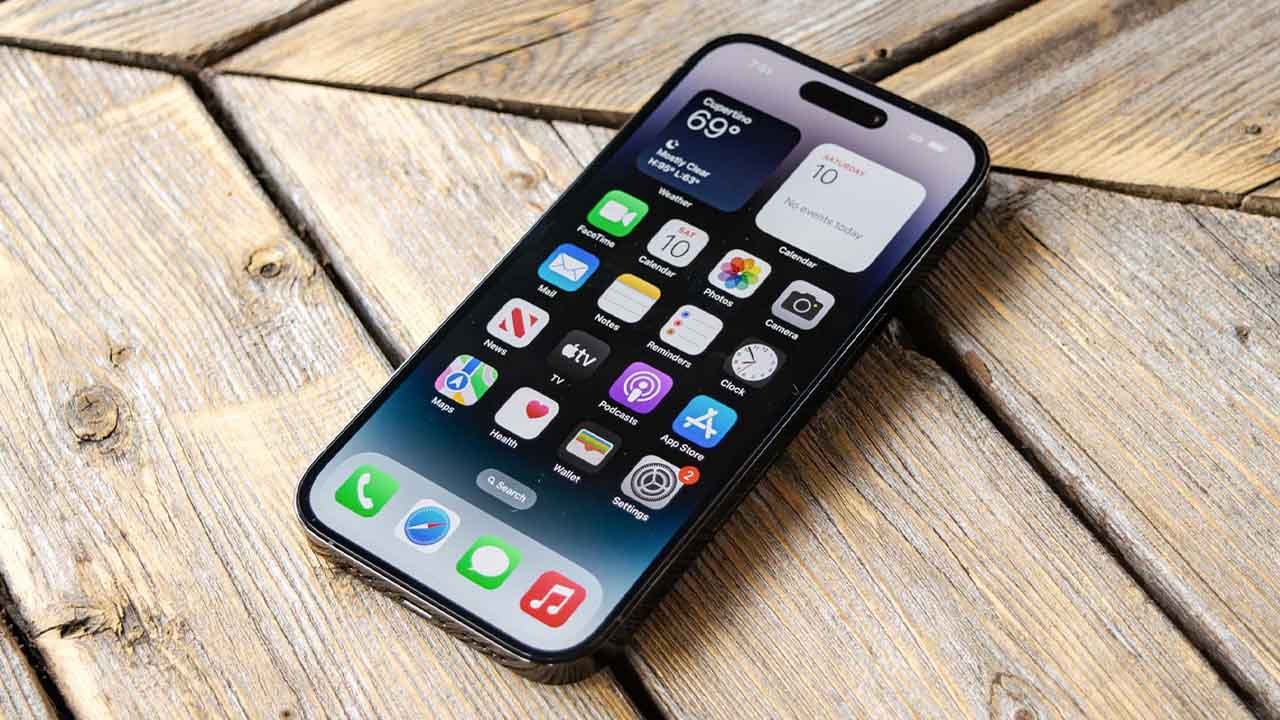
    The iPhone 14 series was introduced in September of last year and marked a significant change for Apple. Unlike previous releases which typically had a similar design, the company decided to eliminate the notch in its Pro models and replace it with the “Dynamic Island.”

    This new cutout houses the front camera and Face ID sensors, and was well-received by users. Other manufacturers were inspired by this change and started working on similar designs.

    Huawei was one of the first companies to follow suit, and the Huawei Nova 11 series will feature a new pill-shaped cutout screen. This is a first for the Chinese tech giant, which has used various punch-hole techniques in the past. The most popular of these was a single hole or pill-shaped camera placement in the top left corner of the screen. However, for the first time, Huawei will position its cameras in the middle, similar to Apple’s “Dynamic Island.”

    Nova 11 series is also set to launch with the XMAGE camera system, which is expected to offer a better photography experience for users. The Dynamic Island feature is expected to have similar functionality to Apple’s, but no further details have been announced at this time. It is likely that the phone will run on HarmonyOS, as with other current Huawei models.

  • Apple reportedly plans to launch a pricier iPhone ‘Ultra’ next year

    Apple reportedly plans to launch a pricier iPhone ‘Ultra’ next year

    Apple has traditionally released four iPhone models annually — Mini, Standard, Pro, and Pro Max. However, last year the Mini was replaced with a Plus model and this lineup is expected to remain the same this year.

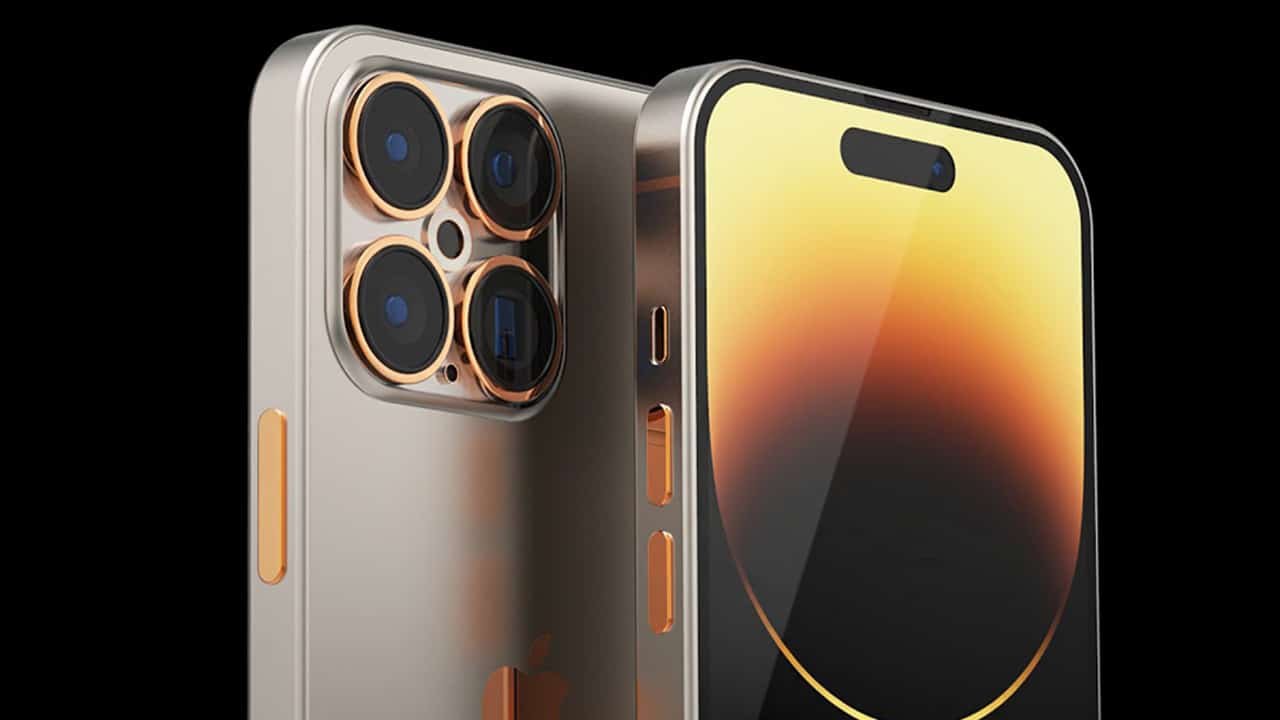
    According to a report from Mark Gurman at Bloomberg, Apple plans to revamp its lineup in 2024 and introduce an iPhone Ultra, which is said to be a top-of-the-line device more powerful than the Pro Max. This means that the iPhone 16 series will feature this new model from the Cupertino-based company.

    According to recent reports, the highly anticipated iPhone Ultra model will not replace the Pro Max in the current iPhone lineup. Instead, both the Pro Max and the new Ultra model are expected to be part of the next year’s iPhone offerings.

    The iPhone Ultra, rumored to feature a titanium build, offers a distinct selling point in a market dominated by devices built with alternative materials. While the use of titanium is expected to bring a premium feel to the device, it may also result in a higher price point.

    In addition to its superior build, the iPhone Ultra is expected to come equipped with several hardware upgrades, including improved camera capabilities, a faster processing chip, a larger display, and possibly a portless design, eliminating the need for a Lightning or USB-C port. These cutting-edge features position the iPhone Ultra as a standout device in a highly competitive market.

  • WhatsApp will stop working on older smartphones after December 31

    WhatsApp will stop working on older smartphones after December 31

    Every year, WhatsApp discontinues support for specific devices that are considered obsolete. After December 31, the Meta-owned messaging platform will no longer be available on more than 40 smartphones, including two older iPhones.

    WhatsApp is discontinuing support for devices and operating systems that are rarely used and quite old. The messenger currently supports Android 4.1 and higher, iOS 12 and higher, and KaiOS 2.5.0 and higher.

    GizChina has compiled a list of 49 phones that will no longer be able to operate WhatsApp after December 31.

    Apple: iPhone 5, iPhone 5c

    Samsung: Galaxy Ace 2, Galaxy Core, Galaxy S2, Galaxy S3 mini, Galaxy Trend II, Galaxy Trend Lite, Galaxy Xcover 2

    LG: LG Enact, Lucid 2, Optimus 4X HD, Optimus F3, Optimus F3Q, Optimus F5, Optimus F6, Optimus F7, Optimus L2 II, Optimus L3 II, Optimus L3 II Dual, Optimus L4 II, Optimus L4 II Dual, Optimus L5, Optimus L5 Dual, Optimus L5 II, Optimus L7, Optimus L7 II, Optimus L7 II Dual, Optimus Nitro HD

    Sony: Xperia Arc S, Xperia miro, Xperia Neo L

    Huawei: Ascend D, Ascend D1, Ascend D2, Ascend G740, Ascend Mate, Ascend P1

    Given that the majority of individuals use the latest recent smartphones, very few people may be impacted by WhatsApp’s expiration. However, it’s time to upgrade if your phone is on the aforementioned list.

  • Apple may allow third-party app stores on iOS to make the iPhone more open

    Apple may allow third-party app stores on iOS to make the iPhone more open

    To meet EU standards outlined in the Digital Markets and Services Act, Apple intends significant improvements to iOS and other services.

    According to Mark Gurman from Bloomberg, Apple will redesign its platform to “open up key elements,” allowing users of the iPhone and iPad to download applications from third party app stores and websites.

    Only the 27 European Union member states are expected to experience the changes, which would pave the way for a potential expansion of the services to other areas.

    As corporations have time until 2024 to completely comply with the Digital Markets Act, plans for the changes are probably going to launch with iOS 17 in 2023. The implementation also includes adding new web browsing engines to iPhones and iPads as well as expanding access to the NFC chip, camera, Find My Network, and AirTag.

    Gurman noted that even if developers choose not to make their apps available through the App Store, Apple still intends to charge them.

    Both the Digital Markets Act and the Digital Services Act aim to enhance privacy protection, foster fair competition, and do away with some intrusive targeted advertising. The first act, which is meant to provide improved interoperability with less significant competing services, is where Apple’s activities mostly come under.

    Let’s say Cupertino chooses not to follow the regulation when it becomes effective on January 1, 2024. In that situation, regulators may impose a penalty equal to 10 per cent of the entire global turnover, up to 20 per cent for recurrent infractions.

  • Twitter to relaunch its subscription service on Monday at higher price for Apple users

    Twitter to relaunch its subscription service on Monday at higher price for Apple users

    After many failed attempts, Twitter announced on Saturday that its subscription service, which features a procedure for platform account authentication, will be relaunched on Monday.

    “We’re relaunching TwitterBlue on Monday — subscribe on web for $8/month or on (Apple’s) iOS for $11/month to get access to subscriber-only features, including the blue checkmark,” the company tweeted.

    In an attempt to prevent impersonation and false information, Twitter now only allows organisations and public figures to use the blue checkmark that signifies their accounts have been verified.

    Elon Musk announced his plan to diversify Twitter’s revenue source beyond advertising after purchasing the firm in October. He would do this by implementing additional payment methods for premium services.

    Ten days after Musk assumed leadership at the beginning of November, the first version was released, but there was a stir when several phoney accounts that claimed to represent businesses or celebrities started to appear.

    The version was abruptly halted.

    As part of the new deal, Twitter will once more assess accounts that want blue checkmarks, according to the company. Later in the week, the checkmark will change from grey for government organisations to gold for companies.

    Additionally, subscribers will have access to features like the ability to download higher-quality videos and modify tweets after they are published.

    “Thanks for your patience as we’ve worked to make Blue better,” the company tweet said.

    Musk first stated that Twitter Blue will be back by the end of November but then revealed a few days later that the project had been put on hold temporarily as specialists worked to create a method to combat impersonation.

  • Twitter Blue will reportedly cost $11 for iPhone users instead of $7.99

    Twitter Blue will reportedly cost $11 for iPhone users instead of $7.99

    Twitter plans to increase the pricing of its Twitter Blue subscription product to $11 from $7.99 if paid for through its iPhone app and to $7 if paid for on the website.

    According to The Information, the move was likely in response to Apple’s 30 per cent cut on any payments made by users via apps on the iOS operating system.

    According to the report, the lower cost on the website was also likely to encourage more customers to join up there rather than on their iPhones. If prices will also change for the Android OS was not mentioned.

    Musk, who gained ownership of Twitter in October, is going to roll out the micro-blogging site’s verified service with different coloured checks for individuals, companies, and governments after a bungled initial launch led to a surge in users impersonating celebrities and brands on the website.

    Requests for comment from Twitter, Apple, and Google—which owns the Android operating system—were not immediately responded to.

    Musk cited a number of issues with Apple in a series of tweets last week, including the 30 per cent fee the iPhone manufacturer charges software developers for in-app purchases.

    Additionally, he posted a meme that said he would be prepared to “go to war” with Apple rather than pay the commission.

    Musk later met Tim Cook, the CEO of Apple, at the company’s offices. Musk then tweeted that the misunderstanding regarding Twitter’s removal from Apple’s app store had been cleared up.

  • Apple is reportedly considering transferring some of its iPad production to India

    Apple is reportedly considering transferring some of its iPad production to India

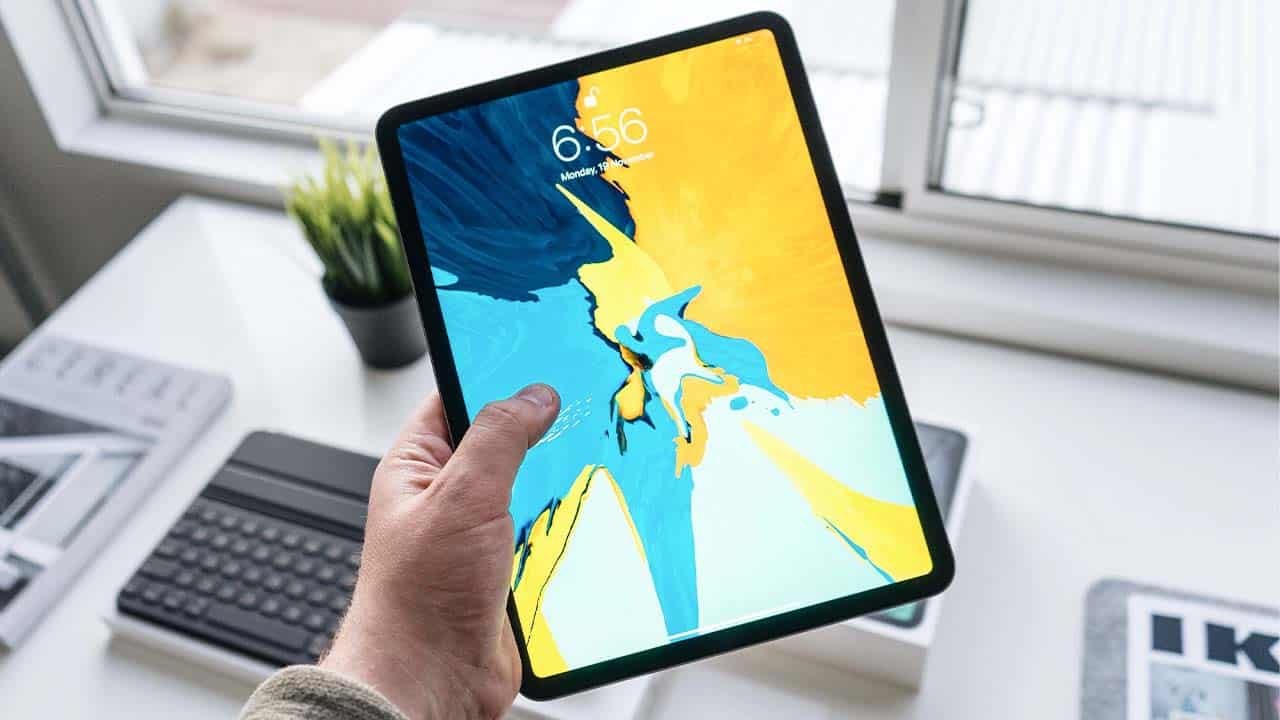
    According to two sources close to the Indian government, India is looking into ways to transfer some of Apple’s iPad production from China. The tech behemoth is reportedly in constant communication with authorities. Although no specific plans have been established, if the initiative is successful, Apple’s presence in the country would expand.

    Apple said earlier this year that it has started producing the premium iPhone 14 in southern India. For a number of years, the tech giant has produced the country’s older iPhone models.

    Following nationwide protests that have taken place over the past two weeks in response to Beijing’s tough zero-Covid policy, the tech giant has announced plans to diversify more of its supply chain away from China. Apple issued a warning in early November that iPhone shipments will be delayed as a result of the Chinese government’s lockdowns, and experts have been lowering their expectations for the important holiday shopping period.

    Over the weekend, The Wall Street Journal claimed that Apple is aggressively exploring to move production out of China to other Asian nations, including Vietnam and India.

    Even so, sources warn that similar ambitions in India could be slowed down by a shortage of highly skilled workers and people with experience in creating complicated products like the iPad. The backdrop of foreign policy, with rising hostilities between China and India, is particularly unhelpful. Due to recent territorial disputes between the two nations, the military presence near the China-India border has increased.

    10 per cent of Apple iPhones, according to Gene Munster of Loop Ventures, are produced in India, but he anticipates a gradual increase in output.

    “I think in five years, 35 per cent will be manufactured in India,” added Munster. “I think Apple will add iPhone production to other countries outside of India and China in the next five years. Perhaps Vietnam, Malaysia and the USA.” In a note to clients, Piper Jaffray’s Harsh Kumar wrote: “While Apple has made efforts to move production out of China, in our opinion, India still accounts for less than 5.”

  • Workers protest, beaten at biggest iPhone factory in China

    Workers protest, beaten at biggest iPhone factory in China

    Workers at the world’s biggest Apple iPhone factory were beaten and detained in protests over pay amid anti-virus controls, as tensions mounted over Chinese efforts to combat a renewed rise in infections.

    Hundreds of workers may be seen marching down a road in daylight in videos posted on Weibo and Twitter that AFP has confirmed. Some of the workers are being confronted by riot police and those wearing hazmat suits.

    A man with blood on his face was shown in a nighttime video as someone off-camera yelled, “They’re striking people, hitting people. Do they possess morals? Geolocation data that displayed recognisable features, such as a building and barricades close to staff housing on the factory compound, helped AFP verify that video in part.

    In another video, testing booths for Covid-19 were destroyed, and a car was on its side.

    In one daytime video, a loudspeaker could be heard stating, “All workers kindly return to their lodging, do not mix with a small minority of unlawful elements,” as multiple fire trucks were parked near residential buildings and were encircled by police wearing hazmat suits.

    Wide swaths of the population in China have grown weary and resentful as a result of the country’s relentless zero-Covid policy; some have spent weeks being locked up in industries and universities or unable to leave their homes.

    By Wednesday noon, the Weibo hashtag “Foxconn riots” appeared to be blocked, but some text posts discussing extensive demonstrations at the factory were still accessible.

    Requests for comment on the most recent unrest from AFP went unanswered from Foxconn or Apple.

    In the place of the fleeing workers, the firm has offered large bonuses and other incentives for employees who stayed as the local government bussed in fresh labourers in a bid to keep the factory afloat.

    Apple this month admitted the lockdown had “temporarily impacted” production ahead of the holiday season at the Zhengzhou factory, the Taiwanese company’s crown jewel that churns out iPhones in quantities not seen anywhere else.

    Foxconn is China’s biggest private sector employer, with over a million people working across the country in about 30 factories and research institutes.

    China is the last major economy wedded to a strategy of extinguishing Covid outbreaks as they emerge, imposing lockdowns, mass testing and lengthy quarantines despite the widespread disruption to businesses and international supply chains.

    The policy has sparked sporadic protests throughout China, with residents taking to the street in several major Chinese cities to vent their anger against snap lockdowns and business closures.