Tag: Iran

  • US, Israel warn of response to Iranian missile attack

    US, Israel warn of response to Iranian missile attack

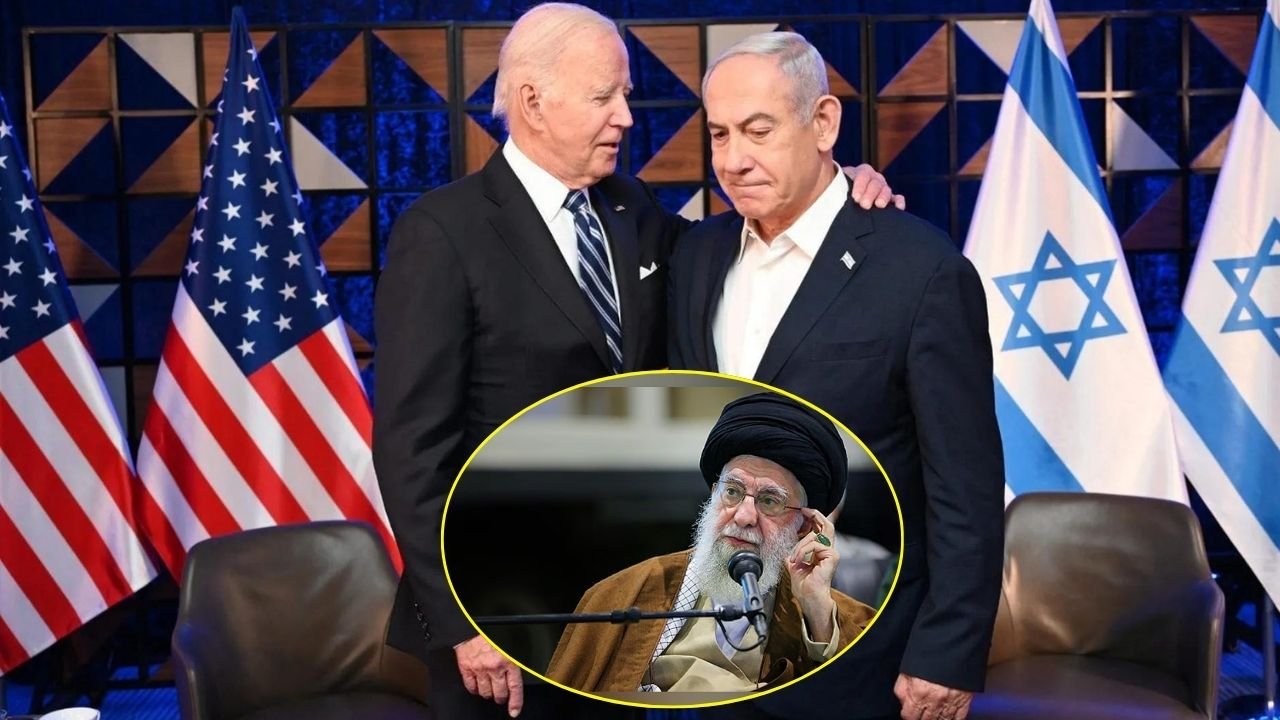
    The United States said it was discussing a joint response after Iran fired a barrage of missiles at Israel, warning Tehran of “severe consequences”.

    Israel vowed it would make Iran “pay” after the attack late Tuesday, with most of the missiles intercepted, and pledged to immediately strike “the Middle East powerfully”.

    Tehran, in turn, threatened to strike infrastructure across Israel if its territory was attacked.

    President Joe Biden said the United States was “fully supportive” of Israel after the missile attack, adding that he would discuss a response with Israeli Prime Minister Benjamin Netanyahu.

    Asked by reporters what the response towards Iran would be, Biden replied: “That’s in active discussion right now.”

    Missiles shot down

    Sirens sounded across Israel after Iran unleashed the missiles, most of which were intercepted by Israeli air defences or by allied air forces.

    Iranian state media reported 200 missiles were fired at Israel, including hypersonic weapons for the first time, which the Revolutionary Guards said had targeted “three military bases” around Tel Aviv and others elsewhere.

    Iran’s Foreign Minister Abbas Araghchi posted on social media platform X that Tehran’s “action is concluded unless the Israeli regime decides to invite further retaliation”.

    The Revolutionary Guards earlier said the attack was in response to Israel’s killing of Hezbollah leader Hassan Nasrallah last week, as well as the death of Hamas leader Ismail Haniyeh in a Tehran bombing widely blamed on Israel.

    Israeli medics reported two people lightly injured by shrapnel. In the occupied West Bank, a Palestinian was killed in Jericho “when pieces of a rocket fell from the sky and hit him”, the city’s governor, Hussein Hamayel, told AFP.

    It was Iran’s second direct attack on Israel after a missile and drone attack in April in response to a deadly Israeli air strike on the Iranian consulate in Damascus.

    ‘Severe consequences’

    US Defense Secretary Lloyd Austin slammed an “outrageous act of aggression” by Iran, while Biden’s National Security Advisor Jake Sullivan told reporters there would be “severe consequences”.

    Netanyahu said, “Iran made a big mistake tonight and will pay for it.”

    Iran reacted by threatening to fire “with bigger intensity” if its territory is attacked, with Major General Mohammad Bagheri warning Tehran would target “all infrastructure” in Israel.

    Following the missile barrage, Israeli military spokesman Rear Admiral Daniel Hagari vowed the air force “will continue to strike (tonight) in the Middle East powerfully”.

    The military subsequently announced it was bombarding Hezbollah targets in Beirut, with a Lebanese security source telling AFP that Israel had hit the city’s southern suburbs at least five times overnight.

    UN chief Antonio Guterres led international calls to stem the “broadening conflict in the Middle East”, saying in a statement: “This must stop. We absolutely need a ceasefire.”

    While Iran-backed groups across the region had already been drawn into the Gaza genocide, sparked after October 7, Tehran had largely refrained from direct attacks on its regional enemy.

    Iranian President Masoud Pezeshkian said his country had exercised its “legitimate rights” and dealt “a decisive response… to the Zionist regime’s aggression”.

    Israel, Iraq and Jordan — which lie between Iran and Israel — closed their airspace, as did Lebanon before reopening.

    US boosts forces

    The escalation came after the Israeli military said early Tuesday that troops had started “targeted ground raids” in south Lebanon, across Israel’s northern border.

    The move came despite growing calls for de-escalation after a week of air strikes that killed hundreds in Lebanon.

    Lebanon’s health ministry said later that the latest Israeli strikes had killed a further 55 people on Tuesday.

    Lebanon’s disaster management agency said 1,873 people had been killed since Israel and Hezbollah began trading cross-border fire after the Gaza genocide started a year ago.

    Iran has said Nasrallah’s killing would bring about Israel’s “destruction”, though its foreign ministry said Monday that Tehran would not deploy any troops to confront Israel.

    The Pentagon said Washington was boosting its forces in the Middle East by a “few thousand” troops.

    Deadly strikes on Gaza

    In Lebanon, the UN peacekeeping mission said the Israeli offensive did not amount to a “ground incursion”, and Hezbollah denied that any troops had crossed the border.

    There was no way to immediately verify the claims, which came as Israel struck south Beirut, Damascus and Gaza.

    Israel says it seeks to dismantle Hezbollah’s military capabilities and restore security to northern Israel, where tens of thousands have been displaced by nearly a year of cross-border fire.

    Hezbollah, which suffered heavy losses in a spate of attacks last month, said it targeted Israeli military bases on Tuesday.

    In Gaza, the civil defence agency said Israeli bombings killed 19 people on Tuesday.

    The Israeli military said troops opened fire Tuesday on “dozens” of Palestinians in central Gaza they saw as an “immediate threat”. At least some were hit, it added.

    While the death toll in Israel stands at 1205, more than 41,638 people in Gaza have been killed so far since last year.

    ‘Lost my home’

    Hezbollah began low-intensity strikes on Israeli troops a day after October 7, which triggered Israel’s devastating assault on Gaza.

    The escalating violence in Lebanon has killed more than 1,000 people since September 17, Health Minister Firass Abiad said.

    Lebanese Prime Minister Najib Mikati said there could be as many as one million people displaced from their homes in the country, with authorities registering almost 240,000 crossings into Syria since September 23.

    In central Beirut, Youssef Amir, displaced from southern Lebanon, said: “I have lost my home and relatives in this war, but all of that is a sacrifice for Lebanon, for Hezbollah”.

    Beirut resident Elie Jabour, 27, told AFP that despite opposing Hezbollah “politically… I support them defending the border”.
  • 28 killed as bus carrying Pakistan pilgrims crashes in Iran: State media

    28 killed as bus carrying Pakistan pilgrims crashes in Iran: State media

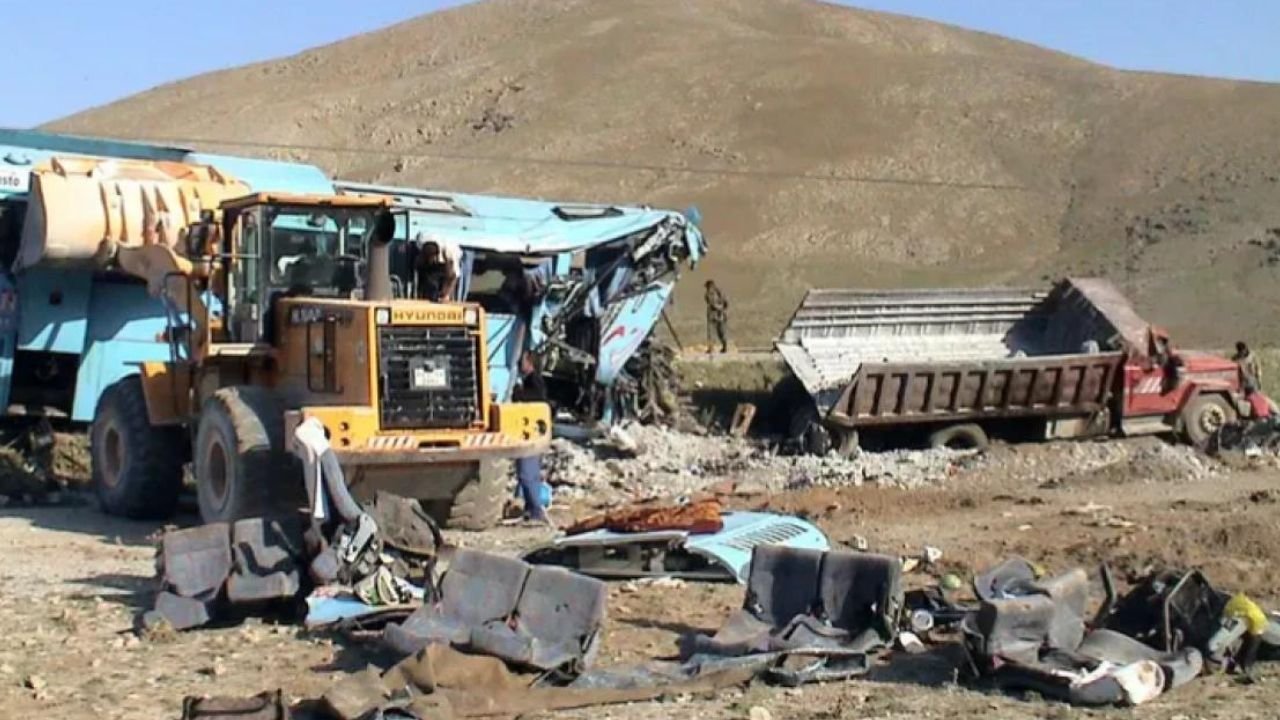
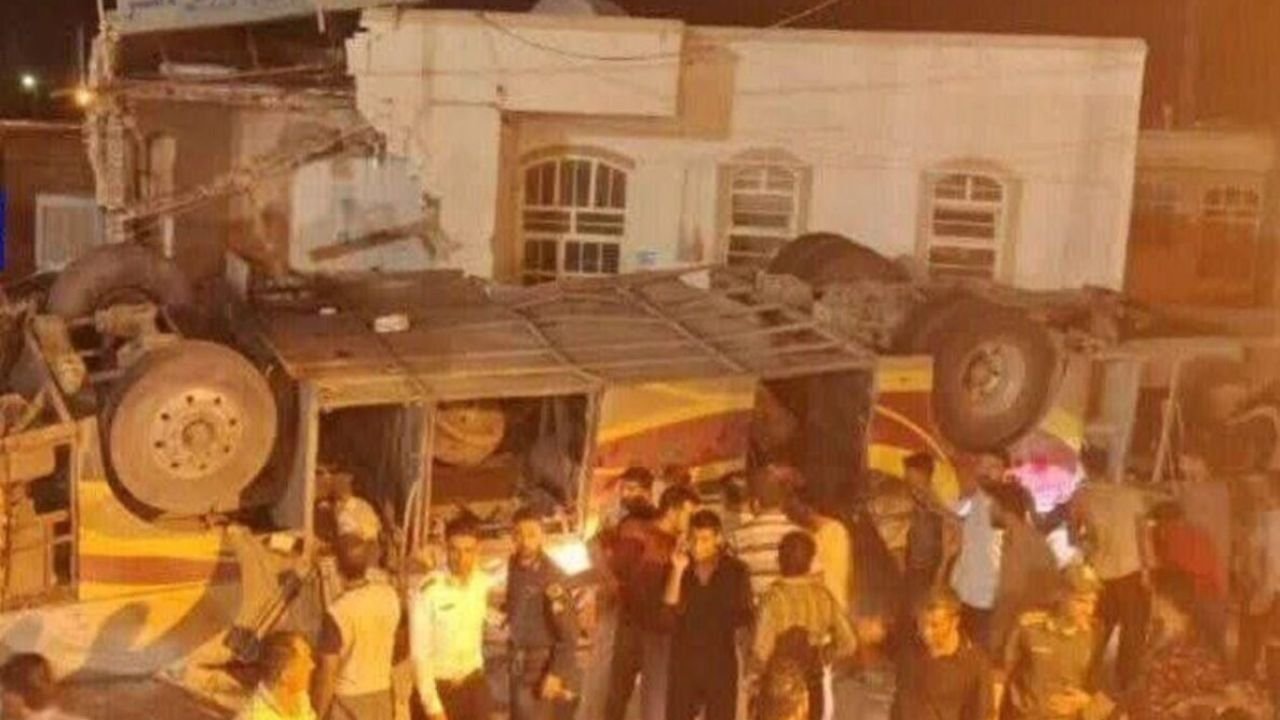
    At least 28 Pakistani pilgrims travelling to Iraq for a Shiite Muslim ritual were killed as their bus crashed in central Iran, state media reported early Wednesday.

    “A bus carrying 51 Pakistani pilgrims overturned and caught fire in front of Dehshir-Taft checkpoint in the central province of Yazd on Tuesday night,” state television reported.

    “28 people have been killed and 23 injured so far with the possibility of the death toll increasing,” it added.

    Yazd province crisis management chief Ali Malek-zadeh told the broadcaster that some of the injured were in critical condition.

    “Of the 23 injured, six have already been discharged from hospital, while the condition of seven others is critical,” Malek-zadeh said.

    “The dead consisted of 11 women and 17 men,” he added.

    The Pakistani pilgrims were headed through Iran to Iraq to attend the Arbaeen commemoration, one of the biggest events of the Shiite calendar which marks the 40th day of mourning for Imam Hussein, the grandson of the Prophet Mohammed.

    Last year, some 22 million pilgrims attended the commemoration in the Iraqi shrine city of Karbala, where Hussein and his brother Abbas are buried, according to official figures.

  • Iranian women shot, paralysed for defying hijab rules

    Iranian women shot, paralysed for defying hijab rules

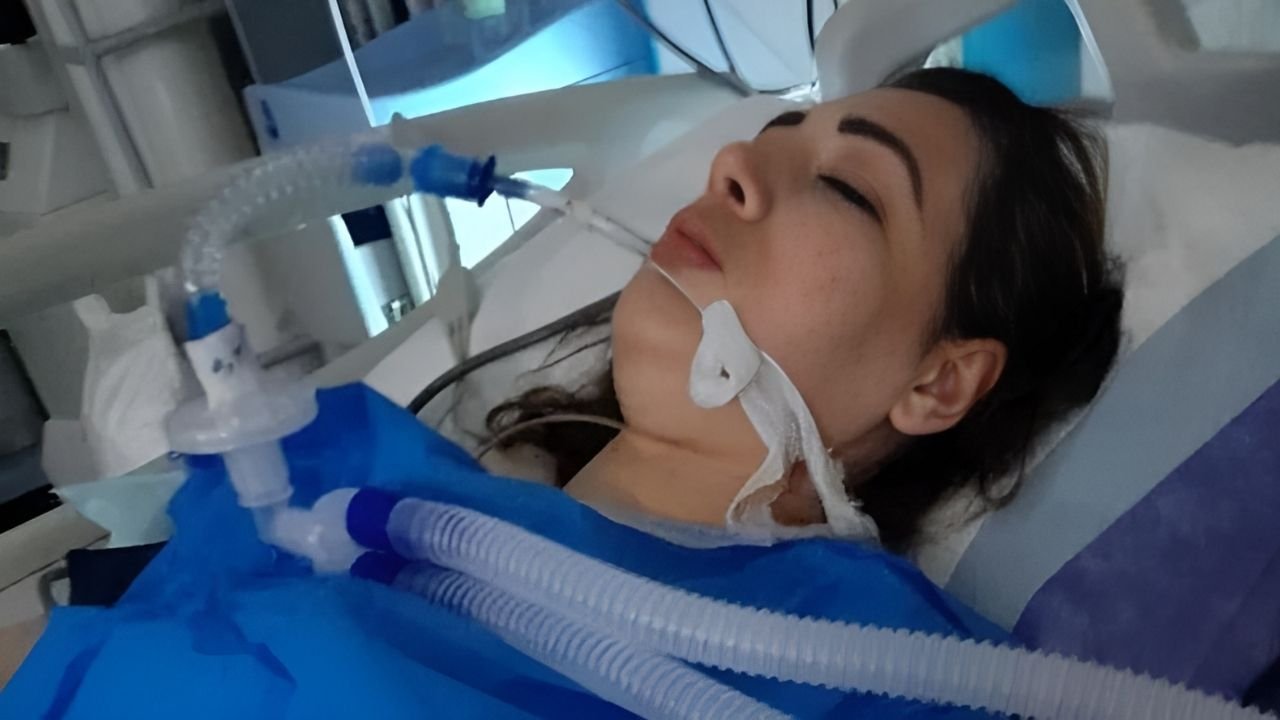
    The Iranian police have shot Arezoo Badri over allegedly violating country’s hijab rules.

    ‘’She is paralysed from the waist down and doctors have said it will take months to determine whether she will be permanently paraplegic or not’’, said a BBC source

    Mother of two, Badri was heading home with her sister when the police stopped her car to check whether she was complying with the hijab law. When the car did not stop, the police first shot the tires and then opened fire, targeting the driver’s side, according to the state-run news agency in Iran.

    ‘’The bullet entered her lung and severely damaged her spinal cord and the bullet was only removed after 10 days’’, the source said

    Both police and BBC sources confirm that the car window was tinted.

  • Iran rejects accusations implicating it in plot to kill Trump

    Iran rejects accusations implicating it in plot to kill Trump

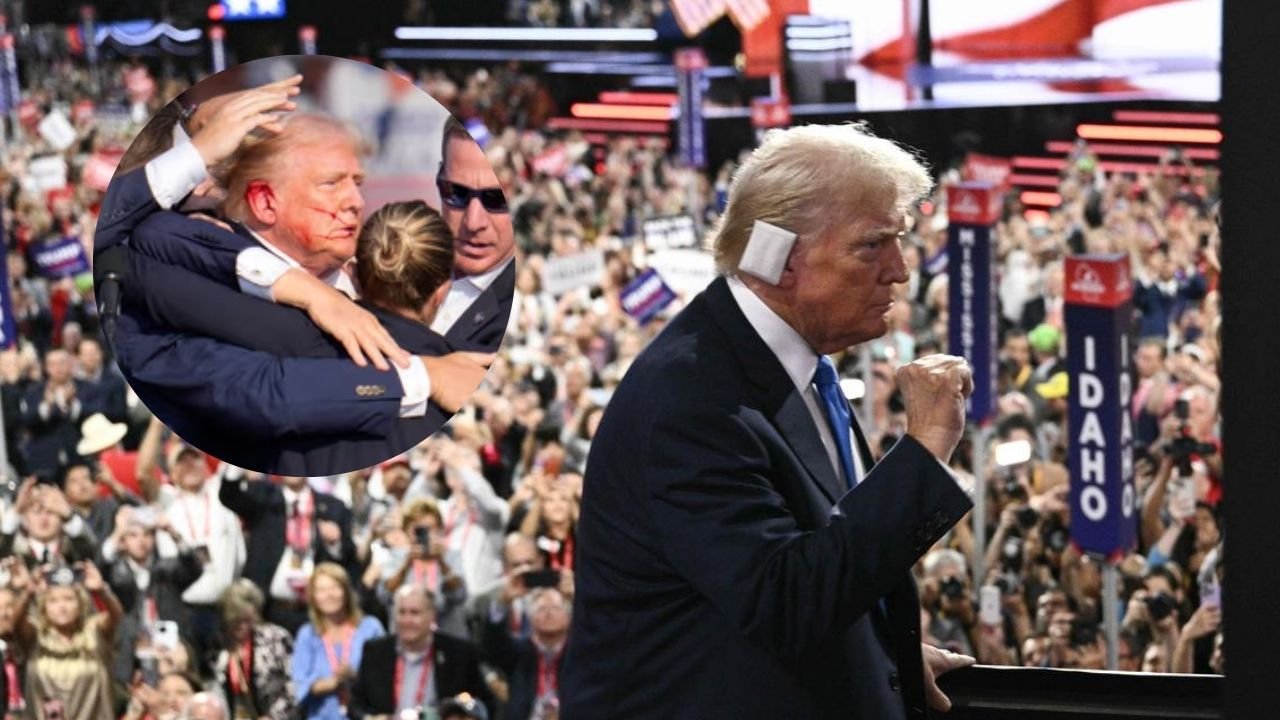
    Iran on Wednesday rejected what it called “malicious” accusations by US media implicating it in a plot to kill former US president Donald Trump.

    CNN reported Tuesday that US authorities received intelligence from a “human source” weeks ago on an alleged Iranian plot against the former president, prompting his protection to be boosted. Other US outlets also reported the alleged plot.

    CNN said the alleged plot was not linked to Saturday’s shooting at a Trump campaign rally in Pennsylvania, in which the former president was wounded and a supporter killed.

    The US National Security Council said it had been “tracking Iranian threats against former Trump administration officials for years” after Tehran threatened revenge for the 2020 killing of Revolutionary Guards commander Qasem Soleimani in a US drone strike in neighbouring Iraq.

    Iran’s mission to the United Nations called the accusations “unsubstantiated and malicious”.

    Foreign ministry spokesman Nasser Kanani said Iran “strongly rejects any involvement in the recent armed attack against Trump”.

    He added however that Iran remains “determined to prosecute Trump over his direct role in the assassination of General Qasem Soleimani”.

    Soleimani headed the foreign operations arm of Iran’s Revolutionary Guards, overseeing Iranian military operations across the Middle East.

    Trump ordered his killing in a drone strike just outside Baghdad airport.

  • Government to block passports of over 2,000 ‘beggars’

    Government to block passports of over 2,000 ‘beggars’

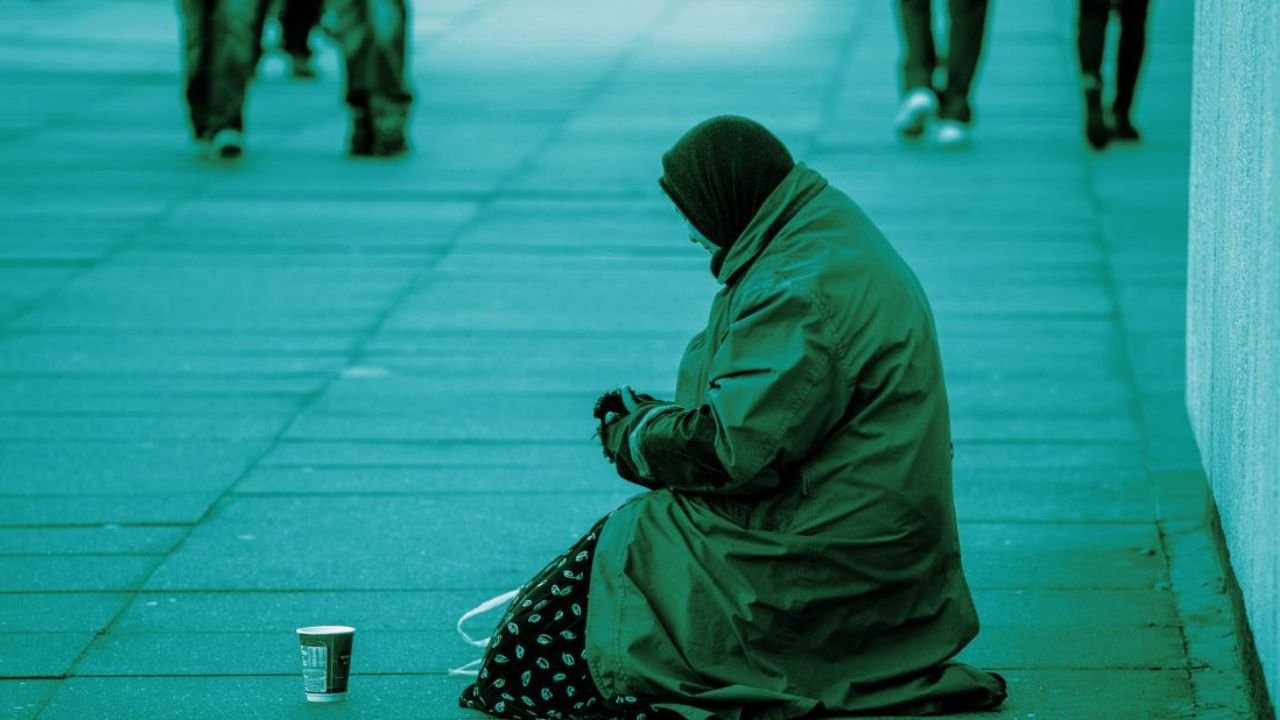
    The federal government has decided to block the passports of more than 2,000 Pakistani beggars operating in foreign countries.

    The Director General (DG) of Immigration and Passports has requested details from the Ministry of Foreign Affairs regarding these beggars. The Ministry will obtain lists of these beggars from its missions worldwide.

    Passports of Pakistanis engaged in begging in foreign countries will be blocked for seven years.

    The government has also decided to block the passports of agents who facilitate the movement of beggars abroad.

    Most beggars travel to Saudi Arabia, Iran, and Iraq for Umrah and pilgrimage purposes.

    Data on individuals travelling abroad for begging purposes has been compiled.

    The Ministry of Interior and the Ministry of Foreign Affairs are developing a coordinated policy.

  • Iran reformist Pezeshkian wins presidential election

    Iran reformist Pezeshkian wins presidential election

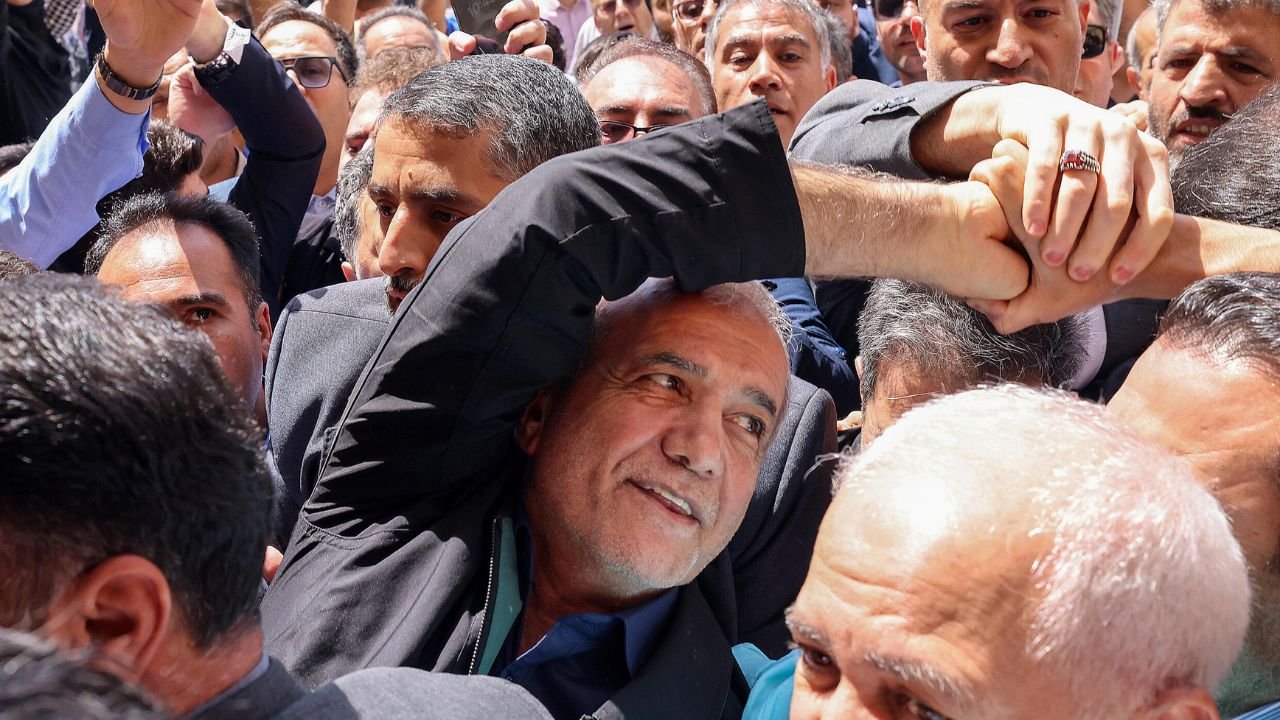
    Tehran (AFP) – Masoud Pezeshkian, Iran’s only reformist candidate in the latest presidential election, has risen from relative obscurity to become the ninth president of the Islamic republic.

    Pezeshkian, 69, won around 53.6 percent of the vote in a runoff election against the ultraconservative Saeed Jalili.

    In the first round of Iran’s snap elections on June 28, Pezeshkian led the polls against three other conservative figures, stunning supporters and rivals alike.

    Pezeshkian’s victory has raised the hopes of Iran’s reformists after years of dominance by the conservative and ultraconservative camps.

    He will replace late ultraconservative president Ebrahim Raisi who died in a May helicopter crash.

    “The difficult path ahead will not be smooth except with your companionship, empathy, and trust. I extend my hand to you,” Pezeshkian said in a post on X, after on Tuesday saying he would “extend the hand of friendship to everyone” if he won.

    In the lead-up to the elections, Iran’s main reformist coalition threw its weight behind Pezeshkian, with former presidents Mohammad Khatami and the moderate Hassan Rouhani declaring support for his bid.

    Pezeshkian takes over the presidency amid heightened regional tensions over the Gaza war, a dispute with the West over Iran’s nuclear programme and domestic discontent over the state of Iran’s sanctions-hit economy.

    ‘Out of isolation’

    The outspoken heart surgeon had publicly criticised the Raisi government over its handling of the death in custody of Iranian Kurd Mahsa Amini, who had been arrested for allegedly violating the Islamic republic’s strict dress code for women.

    In a post on Twitter, now known as X, at the time, he called on the authorities to “set up an investigation team” to look into the circumstances behind her death.

    In recent campaigning, he has maintained his stance, criticising the enforcement of mandatory hijab laws which require women to cover their head and neck in public since shortly after the 1979 Islamic revolution.

    “We oppose any violent and inhumane behaviour towards anyone, notably our sisters and daughters, and we will not allow these actions to happen,” he said.

    He also vowed to ease internet restrictions and to involve ethnic minorities in his government.

    Pezeshkian was born in 1954 to an Iranian father of Turkic origin and a Kurdish mother in the city of Mahabad in the northwestern province of West Azerbaijan.

    He has represented Tabriz in Iran’s parliament since 2008, served as health minister in Khatami’s government, and supervised sending medical teams to the war front during the Iran-Iraq conflict between 1980 and 1988.

    In 1993, Pezeshkian lost his wife and one of his children in a car accident. He never remarried and raised his remaining three children — two sons and a daughter — alone.

    Campaigning on behalf of Pezeshkian was Mohammad Javad Zarif, Iran’s combative former foreign minister who helped secure the landmark 2015 nuclear deal with world powers, which fell through three years later.

    Pezeshkian has called for reviving the accord — which sought to curb Tehran’s nuclear activity in return for sanctions relief — to get Iran “out of isolation”.

    “If we manage to lift the sanctions, people will have an easier life while the continuation of sanctions means making people’s lives miserable,” he said during a televised interview.

    Pezeshkian will be tasked with applying state policy outlined by the supreme leader Ayatollah Ali Khamenei, who wields ultimate authority in the country.

  • Slow art: the master illuminator of Tehran

    Slow art: the master illuminator of Tehran

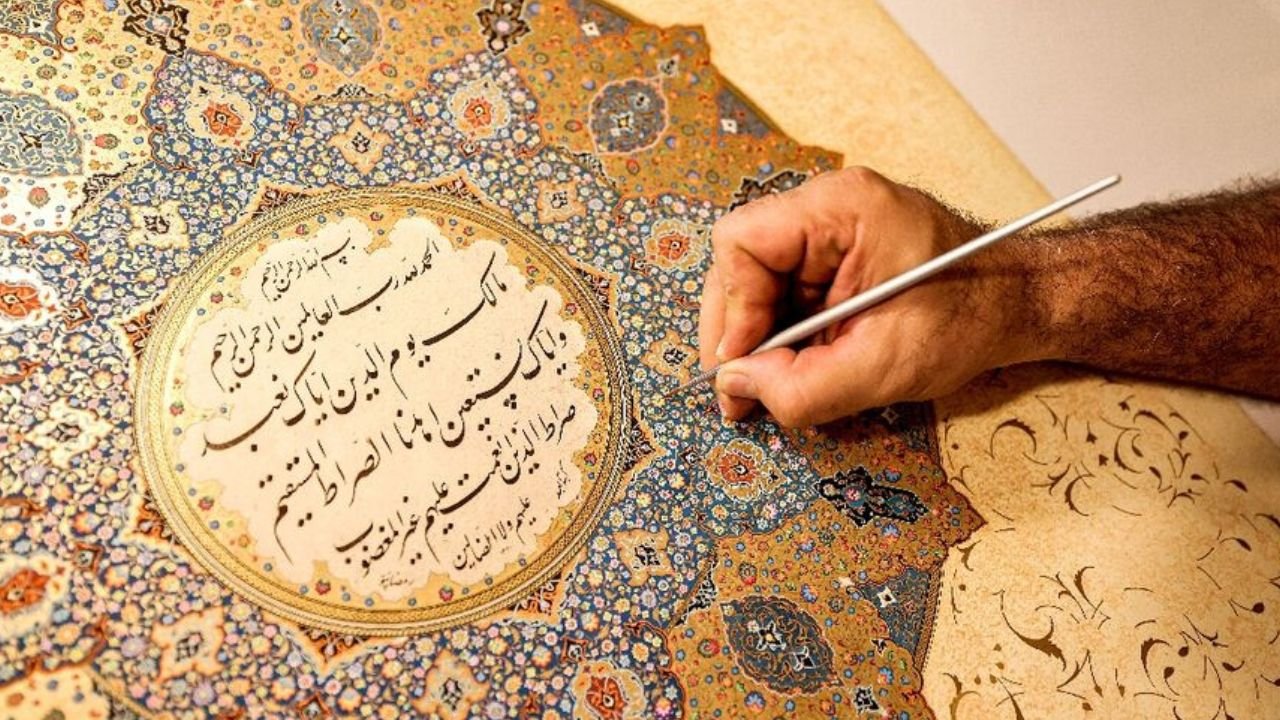
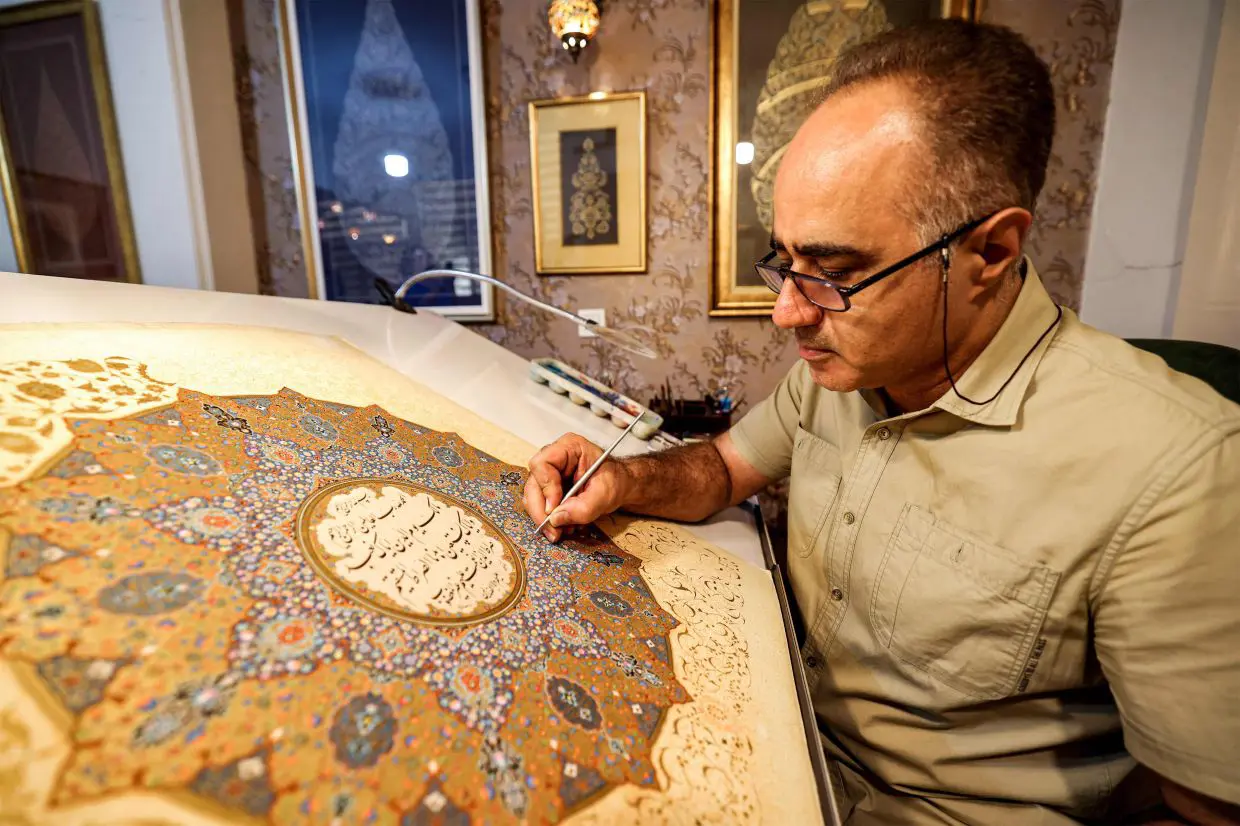
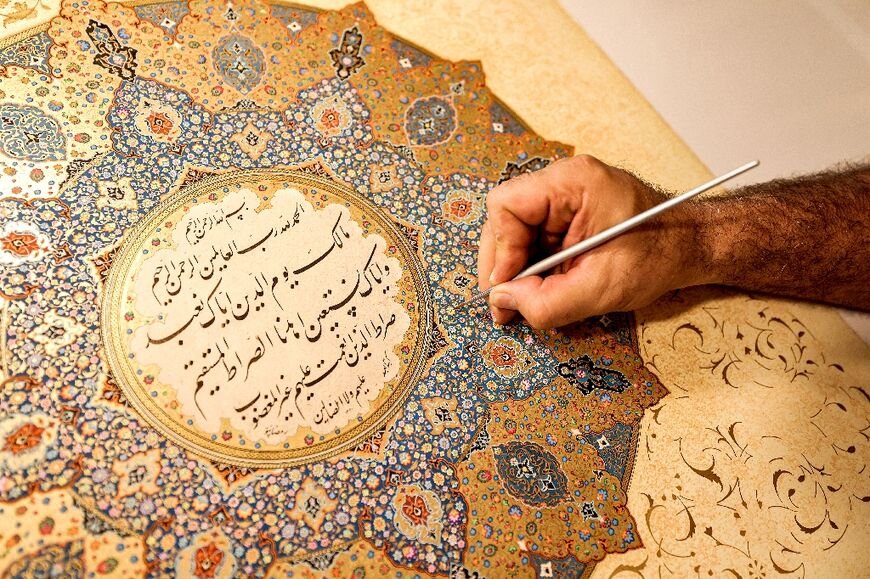
    Iranian artist Mohammad Hossein Aghamiri sometimes labours for six months on a single design, very carefully — he knows a single crooked line could ruin his entire artwork.

    In the age of AI-assisted graphic design on computer screens, the centuries-old tradition of Persian illumination offers an antidote to rushing the creative process.

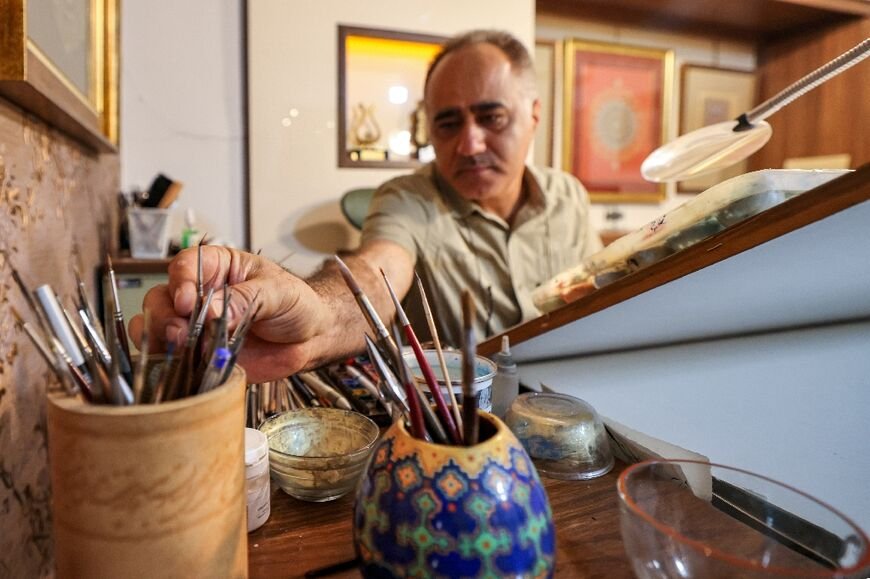
    Aghamiri’s fine brush moves natural pigments onto the paper with deliberate precision as he creates intricate floral patterns, religious motifs and elegantly flowing calligraphy.

    The exquisite artwork has for centuries embellished literary manuscripts, religious texts and royal edicts as well as many business contracts and marriage certificates.

    Aghamiri, 51, is one of Iran’s dozen or so remaining masters of the ancient illumination art of Tazhib, which was inscribed last year on UNESCO’s list of intangible heritage.

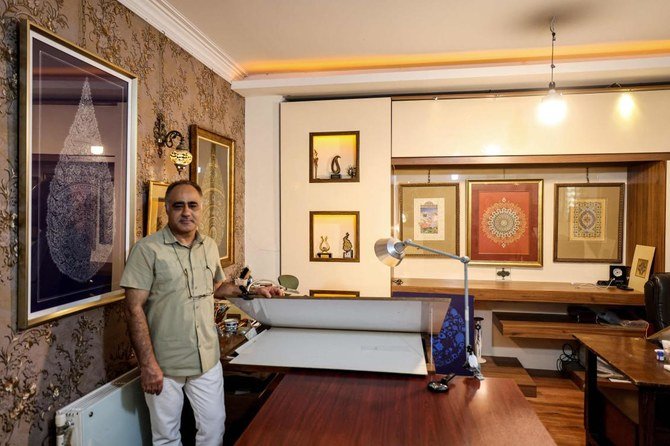
    “It is a very unique job that requires a lot of patience and precision,” Aghamiri, a veteran of the craft with over 30 years’ experience, told AFP in his downtown Tehran studio.

    “It’s not accessible to everyone.”

    Tazhib’s non-figurative and geometric flourishes have traditionally adorned the margins of holy books and epic poems.

    The artform dates back to the Sassanid era in pre-Islamic Iran but flourished after the seventh century advent of Islam, which banned human depictions.

    Aghamiri says it often takes him months to finish one design and that a single misplaced stroke that disrupts its symmetrical harmony can force him to start over.

    – Global workshops online –

    When AFP visited, he was working on a so-called shamsa design, a symbolic representation of the sun, about 50 centimetres across with intertwined abstract, geometric and floral patterns.

    He said he started the piece over four months ago and aimed to finish it within six weeks, using natural pigments such as lapis lazuli, saffron, gouache and pure gold, from China.

    “Gold has a very strong visual appeal,” said Aghamiri. “It’s expensive and it enhances the perceived value of the work.”

    Aghamiri hails from a family of artists and artisans with a rich history in Iranian craft traditions including calligraphy, miniature painting and carpet design.

    His work has been showcased in museums in Iran and in nearby Arab countries of the Gulf region where interest in Oriental and Islamic art continues to grow.

    “Eighty percent of my works are sold in the region, especially in the Emirates and Qatar” as well as in Turkey, he said.

    In recent years, Aghamiri garnered interest abroad and even began teaching the ancient art online to students from across the world, notably the United States.

    Soon, he also hopes to hold workshops in Britain for his craft, which he says is fundamentally different from European illumination art, which flourished in the Middle Ages.

    European designs, he said, are more figurative and can depict human faces, animals and landscapes, and often illustrate biblical scenes.

    UNESCO labelled the Persian art of illumination as part of the Intangible Cultural Heritage of Humanity in December 2023, at the request of Iran as well as Turkey, Azerbaijan and Uzbekistan.

    “Twenty years ago, I didn’t have much hope” for the future of Persian illumination, said Aghamiri. “But things have changed, and I see that this art is becoming more and more popular.”

  • Polls open in Iran for presidential election

    Polls open in Iran for presidential election

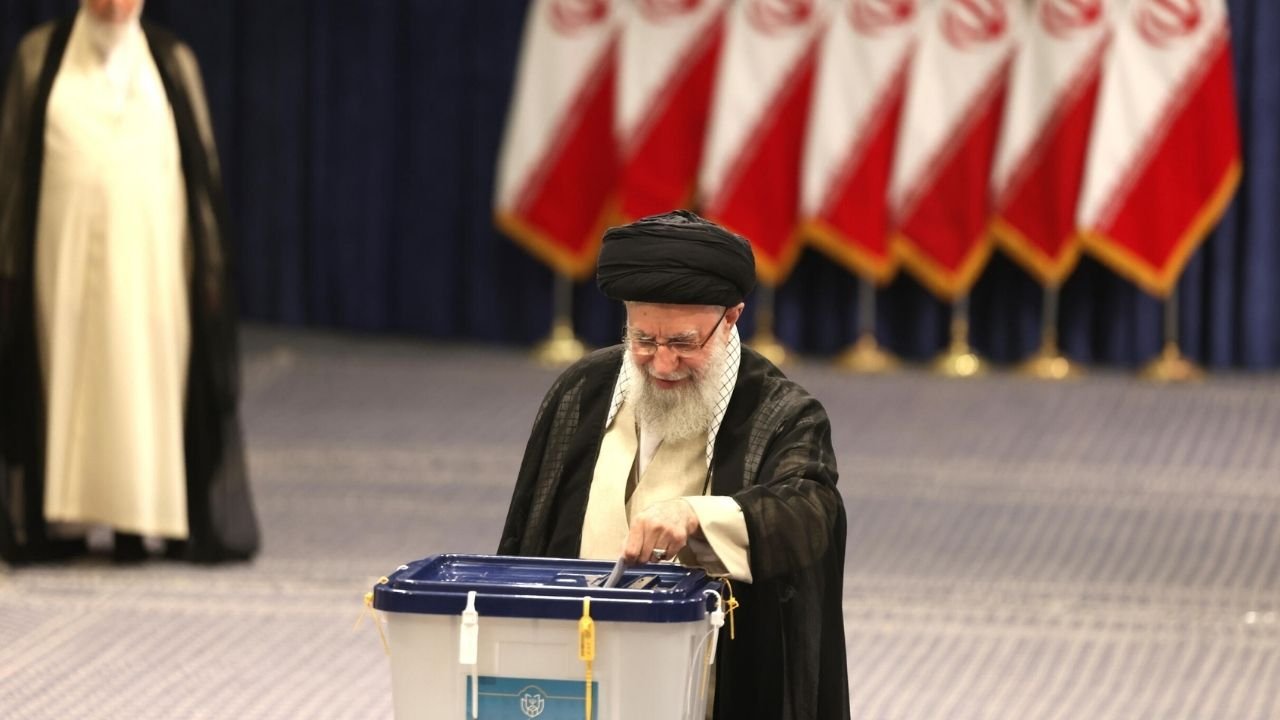
    Tehran (AFP) – Polls in Iran opened on Friday for a presidential election following the death of ultraconservative president Ebrahim Raisi in a helicopter crash last month.

    Ultimate political power in Iran is held by Khamenei, the supreme leader.

    Khamenei insisted this week that “the most qualified candidate” must be “the one who truly believes in the principles of the Islamic Revolution” of 1979 that overthrew the US-backed monarchy.

    The next president, he said, must allow Iran “to move forward without being dependent on foreign countries”.

    However, Khamenei also said that Iran should not “cut its relations with the world”.

    During campaign debates, Jalili criticised the moderates for having signed the 2015 nuclear accord which promised Iran sanctions relief in return for curbs on the programme.

    Jalili said the deal, which the United States withdrew from in 2018 under then-president Donald Trump, “did not benefit Iran at all”.

    Pezeshkian has urged efforts to salvage the agreement and lift crippling sanctions on the Iranian economy.

    “Are we supposed to be eternally hostile to America, or do we aspire to resolve our problems with this country?” he asked.

    The contentious issue of the compulsory head covering for women also emerged during the campaign, almost two years since a vast protest movement swept the country after the death in custody of Mahsa Amini, 22.

    An Iranian Kurd, Amini had been arrested for an alleged violation of the country’s strict dress code for women.

    In the televised debates, all candidates distanced themselves from the sometimes heavy-handed police arrests of women refusing to wear the hijab head covering in public.

    Pourmohammadi, the only clerical candidate, said that “under no circumstances should we treat Iranian women with such cruelty.”

  • After Raisi’s funeral, Iran’s focus turns to vote for successor

    After Raisi’s funeral, Iran’s focus turns to vote for successor

    After Iran mourned President Ebrahim Raisi, who died in a recent helicopter crash, the nation’s focus turns to an election next month for his successor, with the conservative camp seeking support from Ayatollah Ali Khamenei.

    The lead-up to the early vote on June 28 has opened up the field to a broad range of hopefuls from all political parties. The big question for them is how many candidacies will survive the vetting process in the Islamic republic.

    President Raisi, who had more than a year left of his first term, died on May 19 alongside his foreign minister Hossein Amir-Abdollahian and six others when their helicopter crashed into a fog-shrouded mountainside.

    They were laid to rest in multi-day funeral rites drawing mass crowds of mourners.

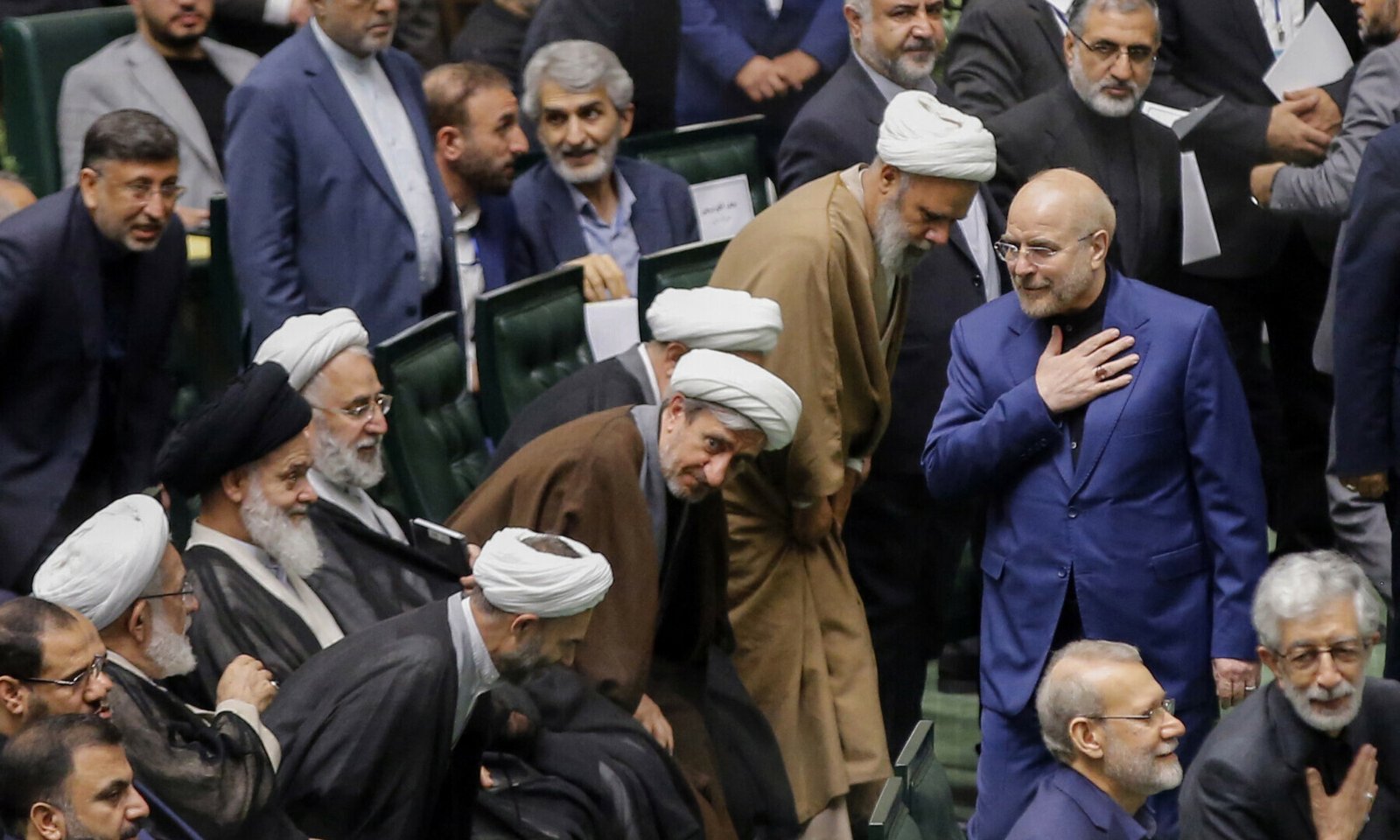
    Iran’s Parliament Speaker Mohammad Bagher Qalibaf (R) greets lawmakers during the inauguration session for the new Parliament in Tehran on May 27, 2024. — AFP

    The June vote will be held during a turbulent time, as the Gaza war rages between Israel and Hamas, and amid continued diplomatic tensions over Iran’s nuclear programme.

    Khamenei, who has the final say in all matters of state, has assigned Raisi’s vice president, Mohammad Mokhber, 68, to assume interim duties for the next few weeks and organise the June election.

    Among other hopefuls, former nuclear negotiator Saeed Jalili was one of the first to announce his candidacy.

    Other contenders include moderate former foreign minister Mohammad Javad Zarif, and centrist Ali Larijani, who served as the speaker in parliament.

    Ex-president Mahmoud Ahmadinejad has so far kept voters guessing and said he is “checking the conditions to decide whether to register”.

    Under Iran’s election process, candidates will have several days to formally register, starting on May 30.

    The final list, however, will depend on the outcome of the validation process by the conservative-dominated Guardian Council following a June 3 registration deadline.

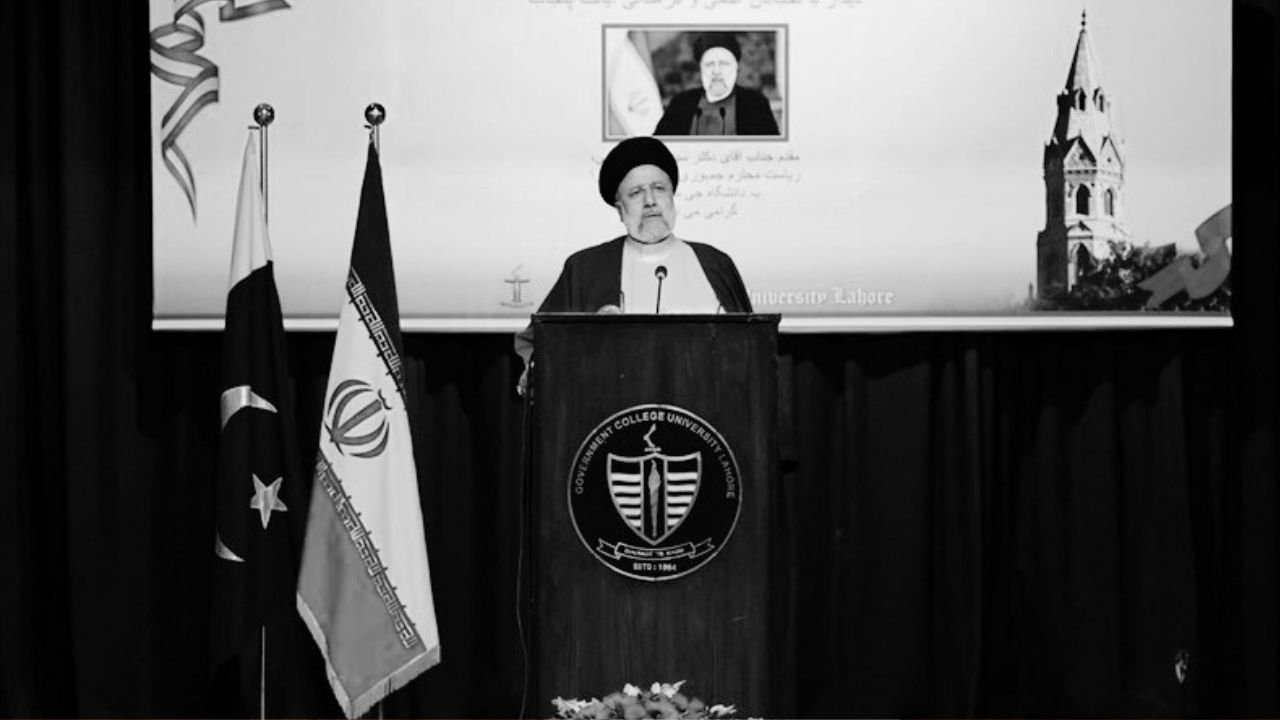
  • Khodâhâfez Raisi – Remembering the Iranian President live on GCU’s stage

    Khodâhâfez Raisi – Remembering the Iranian President live on GCU’s stage

    Ebrahim Raisi is no more. Newspapers and various other outlets have published countless obituaries both coming from the tainted western lens and that of religiously coloured frame. I, on the other hand, want to present an account of listening to Raisi’s speech once and was inspired by the depth of his words and the resolution in his tone.

    “If Israel violates the sovereignty of the Iranian state again, the reaction will be different and who knows the Zionist regime will not exist,” the one who said these words is now buried in a freshly dug grave in Mashhad but certainly not forgotten.

    Ebrahim Raisi (1960-2024) said these words in front of the students and teachers at Government College University Lahore, my alma mater. It was surreal, to witness a head-of-state speak in the prestigious Bukhari Auditorium. While the security and arrangements made it all very unapproachable, when he arrived it was warm and almost palpable.

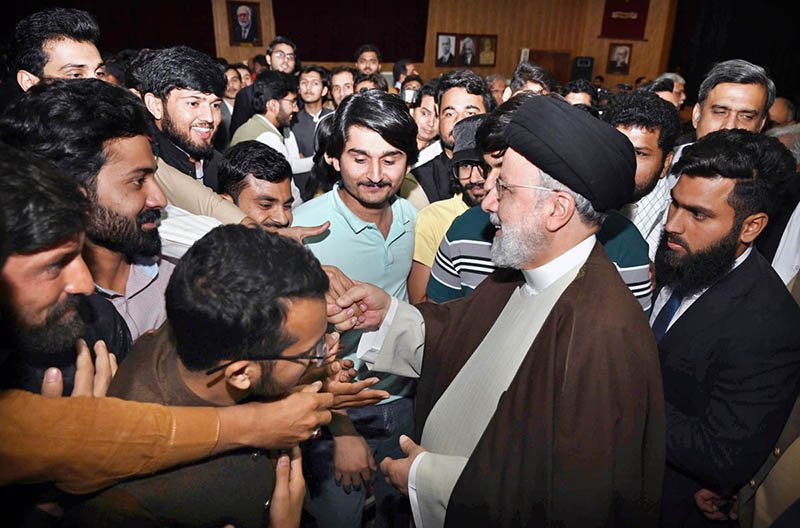
    APP41-230424
    LAHORE: April 23 – President of the Islamic Republic of Iran Dr. Seyyed Ebrahim Raisi shaking hand with students during his visit the Government College University (GC) Lahore. APP/MTF/MAF/TZD

    April 23 was the day I went to the university after a long time, not just to attend an esteemed ceremony but also covering it for The Current. The day was bright and because it was a public holiday in the city, I reached GCU Lahore almost gliding through the air early in the day at 8:30 am.

    A crowd of selected people, all ready to bear witness to history in the making could be seen under the gothic lady.

    Although no gadget was allowed inside, I managed to grab a pen and paper and took notes of the speech which is a piece of literature in true sense of the word. References of Iqbal’s poetry with the messages of the reawakening of youth made it worth lending an ear to.

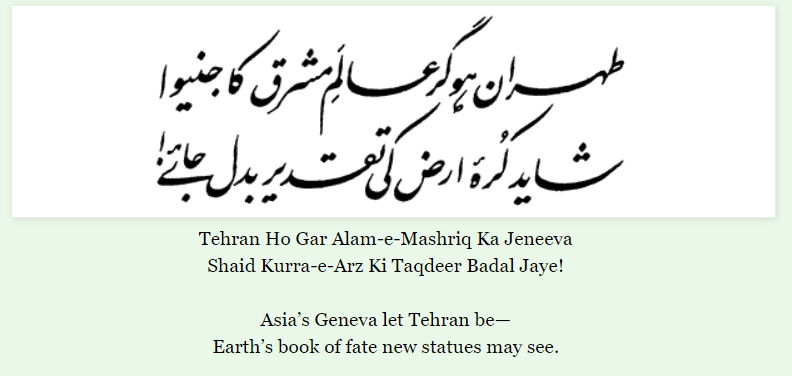
    The Vice Chancellor started her address paying tribute to the resilient power and the great potential held by the land of Persians. In Allama Iqbal’s words. “Tehran ho gar Alam e Mahriq ka Geneva, Shayed Kurra-e-Arz ki Taqdeer badal jaye.” The verse implies that if Tehran becomes the Geneva of the East, the fate of the world will surely change.

    It turned out that Iranian President Raisi was not just fully familiar with the work of our national poet but remembered him as Iqbal Lahori for his work in Persian. He was pleased to be present in the institution where Iqbal studied and taught; and to be in Lahore, the city from where the revolution against oppressive colonial rule started.

    While he stressed about the hybridization of knowledge and faith as the key to success in life, he stressed on Iqbal being the best example as someone who combined both excellently. As he moved on, like an expert orator, he felt the pulse of the audience and drew a comparison between the East and West. We believe the people of the East are higher than that of the West because of how they understand the “creation of knowledge”, Raisi quoted the Supreme Leader of Iran, Ayatollah Ali Khamenei.

    He laid out his vision by saying, “The West is somehow trying to have a monopoly in the field of knowledge and Science, but we the people of East can change that.” He emphasised the role of universities in imparting a deeper understanding of the current situation and the pivotal role of faith along with seeking knowledge.

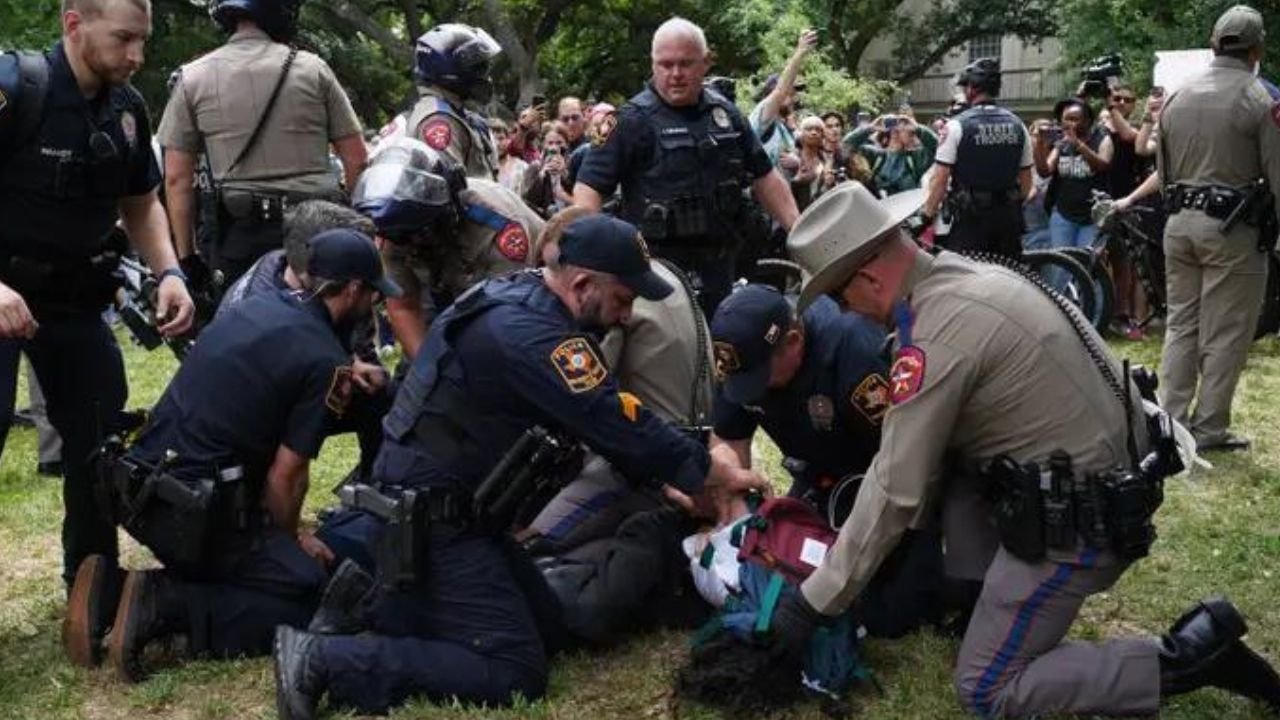
    He substantiated his argument by pointing out how the West claims to have championed freedom of speech and human rights but the brutal ways with which University students setting up protests and encampments in Europe and America against Israeli occupation of Gaza are dealt with is a testimony to the innate contradiction between the claim and the practice.

    “Today the liberation of Palestine is not just an issue of the Islamic world but of the world as well,” he said in a passionate tone and with this the audience was totally invested and they were applauding him even before the interpreter translated his words. Raisi predicted that hate is brewing in the hearts of people against United States and this Zionist regime in Palestinian territory and this will take revenge from them.

    We are usually so used to of seeing leaders just chanting out popular things and hardly something literary Raisi gave the audience a minor jolt as he quoted 12th-century Muslim philosopher Ibn Arabi precisely from the text Fusus ul Hikam where he brought up the killing of children by Pharaoh only to prevent the birth of Prophet Moses. However, Allah was with Moses. Meanwhile, the nation of Moses was being created. He said that the same will be translated with Israel killing Palestinian children relentlessly.

    He spoke like a warrior, someone who has stayed resilient in the worst of pressure. “If you stand against our nation, we will stand against yours”, Raisi said affirmatively. As he moved towards the end he put an emphasis on the support of Palestine as the common point of relation between Pakistan and Iran.

    Coming full circle, Raisi left his mark with his final words which I quoted in the beginning. There are problems and issues of governance in every state of the world but what stands out is the resilience and the will to face opposition with head held high. With his words, Raisi inspired students to stand tall in the worst of situations and stand on the right side of history. The memory will forever be etched in my mind.