Tag: Iran

  • Noor Bukhari pays tribute to late Iranian President Raisi

    Noor Bukhari pays tribute to late Iranian President Raisi

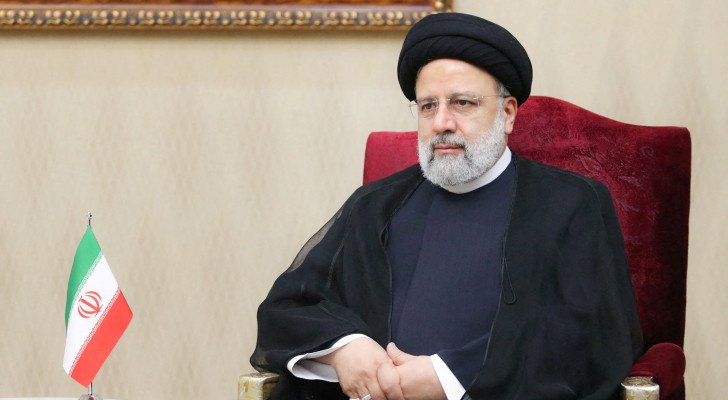
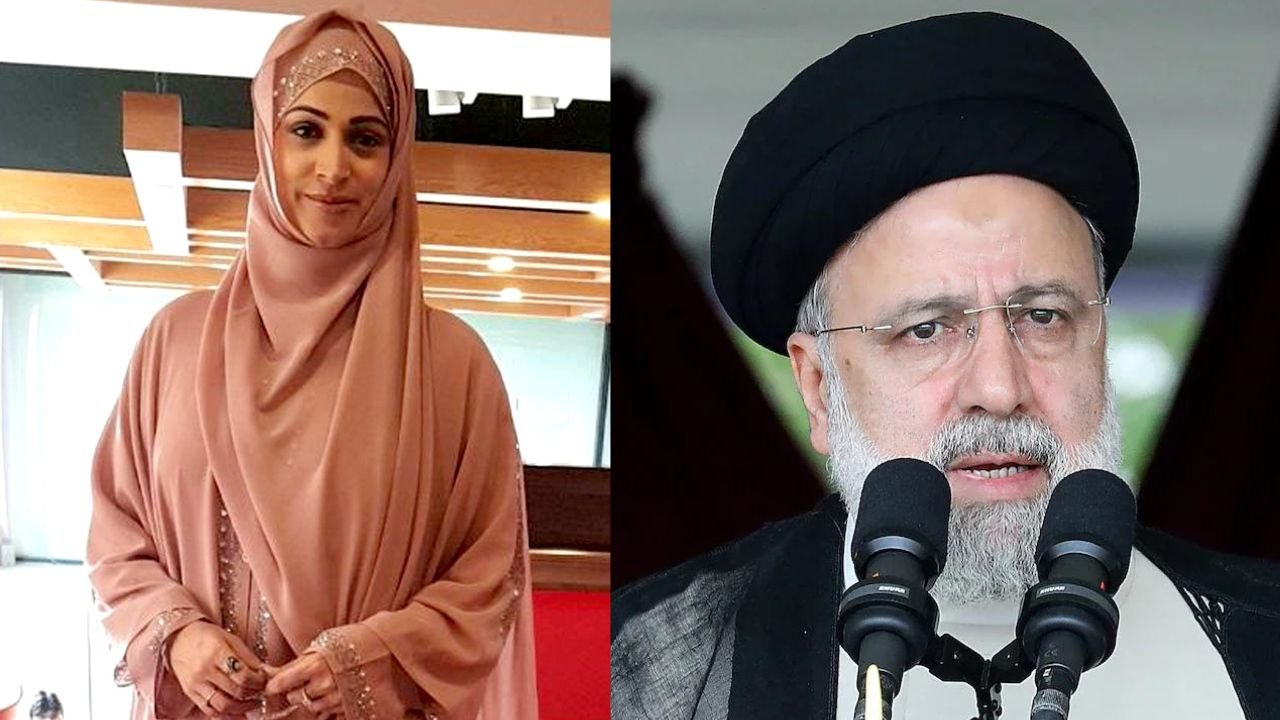
    Former actress Noor Bukhari has paid tribute to Iran’s President Seyyed Ebrahim Raisi who died in a helicopter crash this week.

    Noor Bukhari posted a photo of the late Iranian president on her Instagram account, writing in the caption, “Syed Qurbani de gaya hai … ab khair any waali hai ummah ke liye. Want ke yazeed countdown started”
    (A Syed has sacrificed himself; now good news is coming for the Muslim Ummah, and the countdown for Yazid has begun.)
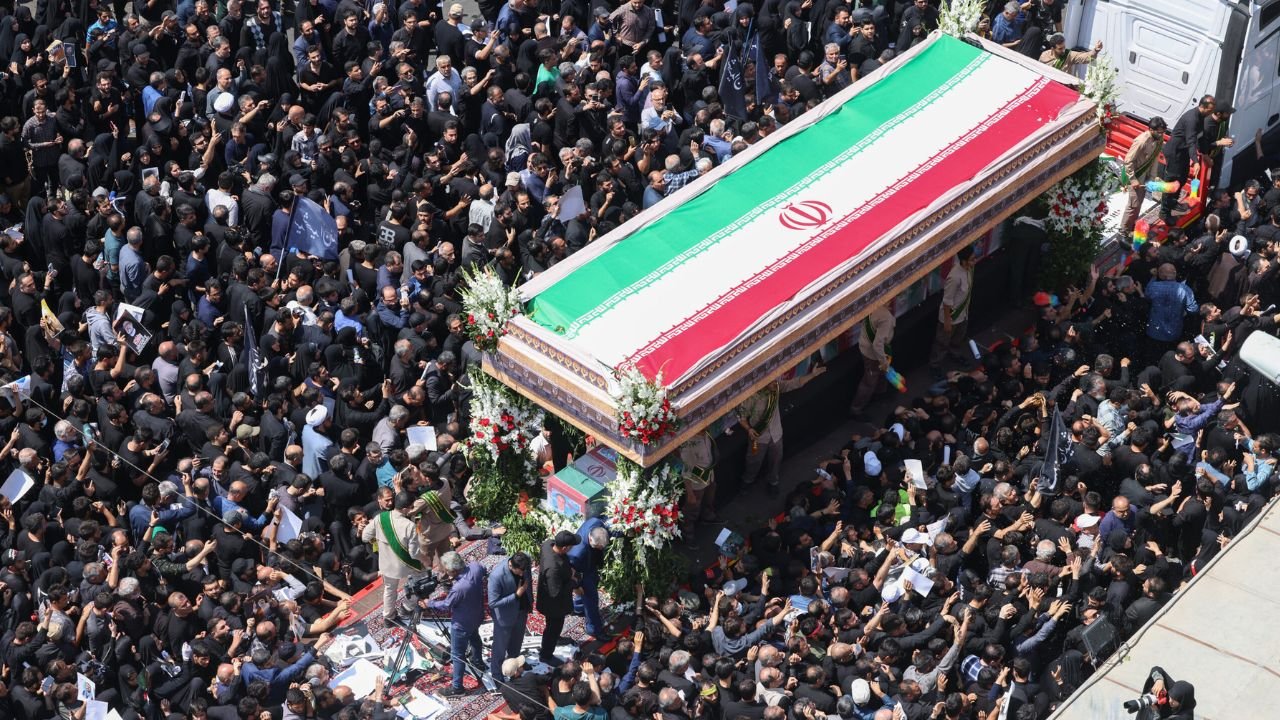
    Raisi’s funeral was held today in his hometown after two days of processions attended by thousands of mourners.

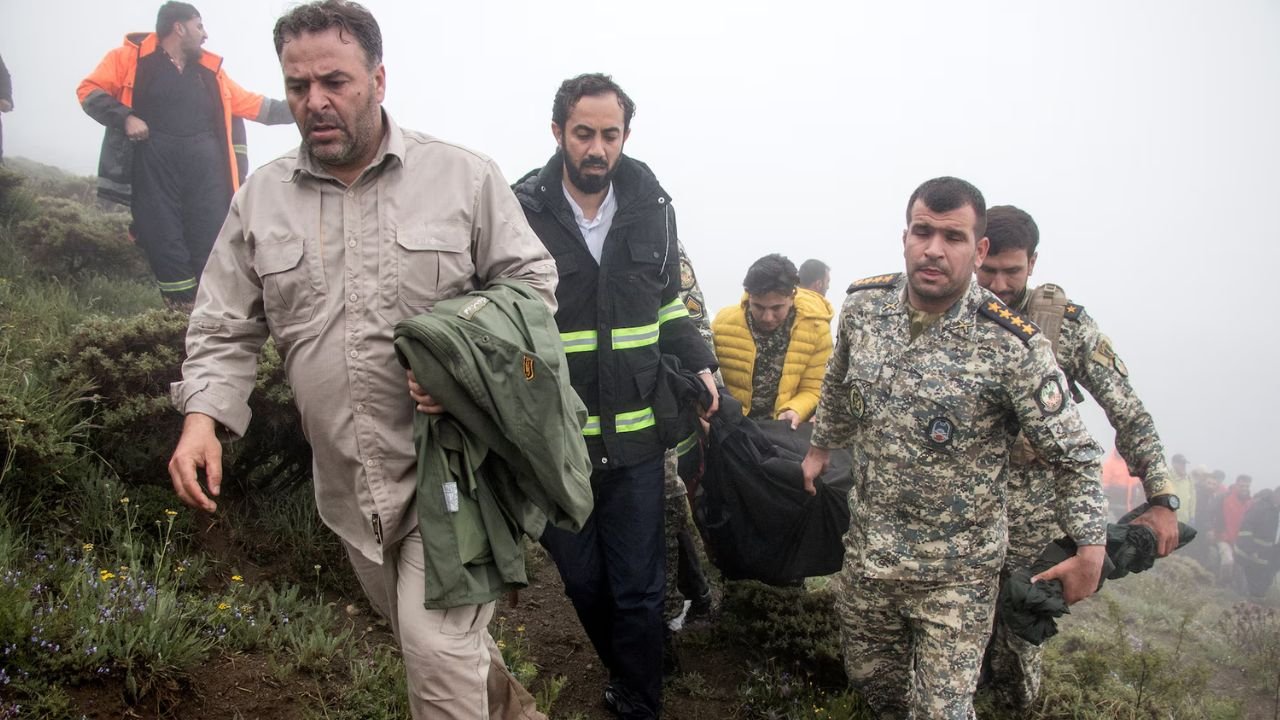
    Raisi, 63, died on Sunday alongside his foreign minister and six others when their helicopter crashed in the country’s mountainous northwest while returning from a dam inauguration.
    His final resting place will be at the holy shrine of Imam Reza, a key Shiite mausoleum in the northeastern city of Mashhad, where the ultra-conservative president was born.

  • Iran’s Raisi to be laid to rest in home town

    Iran’s Raisi to be laid to rest in home town

    Iran’s president Ebrahim Raisi, who was killed in a helicopter crash, will be buried Thursday in his hometown after two days of funeral processions attended by thousands of mourners.

    Raisi, 63, died on Sunday alongside his foreign minister and six others when their helicopter crashed in the country’s mountainous northwest while returning from a dam inauguration.

    His final resting place will be at the holy shrine of Imam Reza, a key Shiite mausoleum in the northeastern city of Mashhad, where the ultra-conservative president was born.

    Images published by Iranian media on Wednesday showed officials in Mashhad preparing for the final day of funerary rites.

    Large photos of Raisi, black flags and Shiite symbols were erected throughout the streets of Iran’s second city, particularly around the Imam Reza shrine.

    Massive crowds had gathered for a funeral procession on Wednesday in the capital Tehran to pay their final respects to the president, whom officials and media dubbed a “martyr”.

    Supreme leader Ayatollah Ali Khamenei — whom Raisi had been widely expected to succeed — led prayers for the late president, kneeling before the coffins of the eight people killed in the crash.

    Among them was foreign minister Hossein Amir-Abdollahian, who will also be buried Thursday in the shrine of Shah Abdol-Azim in the town of Shahr-Rey south of the capital.

    – June 28 election –

    Tunisian President Kais Saied and Qatari Emir Tamim bin Hamad al-Thani attended an afternoon ceremony for Raisi on Wednesday in which around 60 countries took part, said state news agency IRNA.

    Member countries of the European Union were among the absentees of the ceremony, while some non-member countries, including Belarus and Serbia had their representatives.

    Khamenei, who wields ultimate authority in Iran, has declared five days of national mourning and assigned vice president Mohammad Mokhber, 68, as caretaker president until a June 28 election for Raisi’s successor.

    A presidential election in Iran had not been expected until next year, and Sunday’s crash has caused some uncertainty as to who will succeed Raisi, with some expressing concern about the upcoming president.

    “How do I find someone like him? I’m really worried about that,” said 31-year-old cleric Mohsen at Wednesday’s funeral in Tehran. “As far as I know, we don’t have anyone of his stature.”

    Raisi was elected president in 2021, succeeding the moderate Hassan Rouhani at a time when the economy was battered by US sanctions imposed over Iran’s nuclear activities.

    The ultra-conservative’s time in office saw mass protests, a deepening economic crisis and unprecedented armed exchanges with arch-enemy Israel.

    After his death, Russia and China sent their condolences, as did NATO, while the UN Security Council observed a minute’s silence.

    Messages of condolence also flooded in from Iran’s allies around the region, including the Syrian government as well as Hamas and Hezbollah.

  • Before Raisi, other leaders killed in aviation crashes

    Before Raisi, other leaders killed in aviation crashes

    Iranian President Ebrahim Raisi, whose death in a helicopter crash was announced Monday, is the latest major political leader to die in an aviation crash. Here are some of the best known among the others:

    2024: Former Chilean president Sebastian Pinera

    On 6 February 2024, former Chilean president Sebastian Pinera (in office from 2010-2014, and then 2018-2022), died in a helicopter crash at Lago Ranco, a vacation site 920 kilometres (570 miles) south of the capital Santiago.

    2010: Poland’s president Lech Kaczynski

    On 10 April 2010, a Tupolev 154 with 96 people aboard including Polish President Lech Kaczynski and senior political and military figures, crashed while trying to land in thick fog at an airport near Smolensk in western Russia.

    There were no survivors. The crash was attributed to bad weather as well as errors by the Polish pilots and Russian air traffic controllers.

    2005: Rebel leader turned Sudanese vice-president John Garang

    On 30 July 2005, John Garang, the former separatist rebel leader who became vice-president of Sudan, died when his helicopter crashed in Sudan on a flight back from Uganda.

    2004: Macedonian President Boris Trajkovski

    Macedonia’s president Boris Trajkovski was killed along with eight others when his plane crashed on February 26 2004, as it prepared to land in thick fog in the southern Bosnian town of Mostar.

    1994: Presidents Juvenal Habyarimana of Rwanda and Cyprien Ntaryamira of Burundi

    On 6 April 1994, a Falcon 50 transporting Rwandan president Juvenal Habyarimana and his Burundi counterpart Cyprien Ntaryamira was shot down over Kigali by at least one missile.

    The attack is considered the spark that unleashed the genocide of Tutsis that left at least 800,000 dead, according to the United Nations.

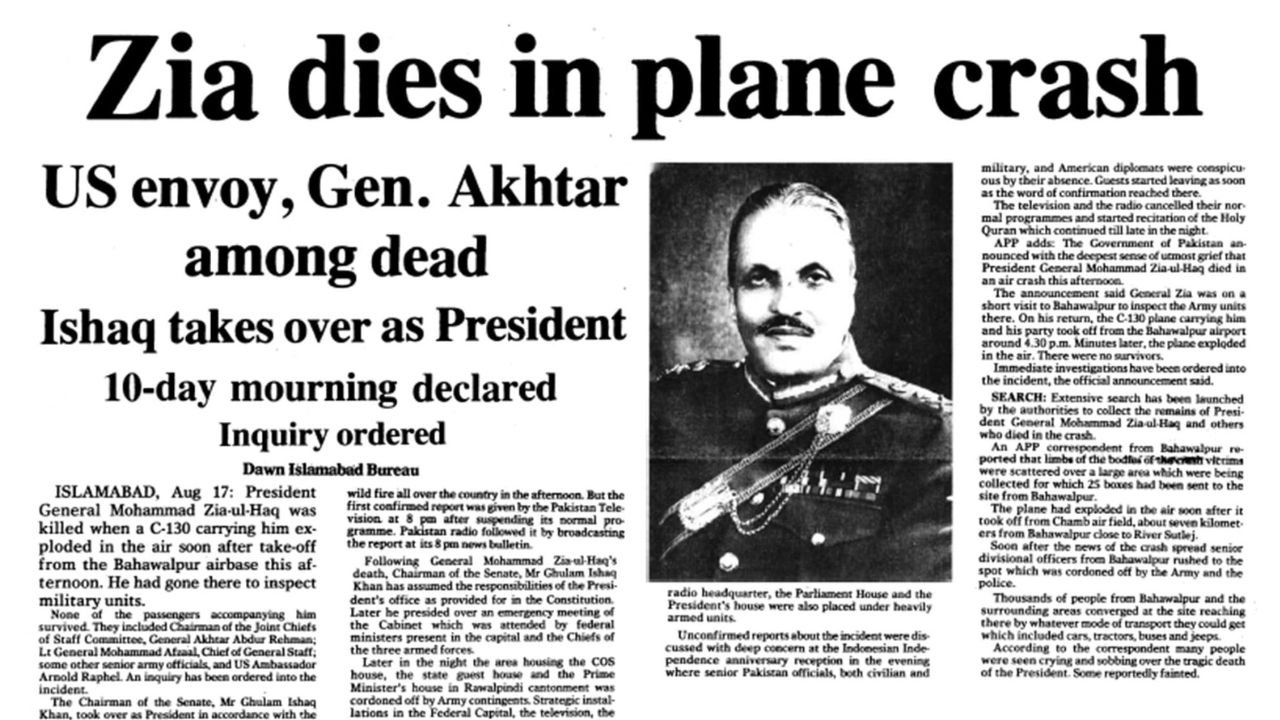
    1988: Pakistani President Zia ul-Haq

    Pakistan’s president Zia ul-Haq was among the victims of a 17 August 1988 plane crash near Bahawalpur, in the country’s east.

    1986: Mozambique President Samora Machel

    On 19 October 1986, Mozambique’s first president Samora Machel died when his Tupolev 134 went down in the north-east of South Africa.

    1961: UN Secretary General Dag Hammarskjold

    On September 17 or 18 of 1961, a plane carrying the UN Secretary General Dag Hammarskjold crashed in Northern Rhodesia, now Zambia, while attempting to negotiate a ceasefire between warring factions in the former Belgian Congo. The cause of the crash has never been established.

    doc-ang/lch/gv/rox/gv/db

    © Agence France-Presse

  • US says Iran sought help over president crash

    US says Iran sought help over president crash

    Washington (AFP) – The United States said Monday that arch-enemy Iran sought assistance over a helicopter crash that killed president Ebrahim Raisi, as Washington meanwhile offered condolences despite saying he had “blood on his hands.”

    The State Department said Iran, which has had no diplomatic relations with Washington since the aftermath of the 1979 Islamic revolution, reached out afer Raisi’s aging chopper crashed in foggy weather Sunday.

    “We were asked by the Iranian government for assistance,” State Department spokesman Matthew Miller told reporters.

    “We said that we would be willing to assist — something that we would do with respect to any government in this situation,” he said.

    “Ultimately, largely for logistical reasons, we were unable to provide that assistance.”

    He declined to go into detail or describe how the two countries communicated. But he indicated Iran was seeking help in the immediate aftermath to find the helicopter of Raisi, who died along with his foreign minister, Hossein Amir-Abdollahian, and seven others.

    The crash came after the United States and Iran reportedly held their latest quiet talks in Oman aimed at increasing stability following open clashes between Iran and Israel.

    The State Department in a statement offered “official condolences” over the deaths.

    “As Iran selects a new president, we reaffirm our support for the Iranian people and their struggle for human rights and fundamental freedoms,” it said.

    President Joe Biden’s administration described condolences as standard and not showing support for Raisi, who as a judge presided over mass executions of politicial prisoners and under whose presidency authorities have cracked down on mass protests led by women.

    “This was a man who had a lot of blood on his hands,” National Security Council spokesman John Kirby told reporters, saying Raisi was responsible for “atrocious” abuses.

    Kirby said, however, that “as in any other case, we certainly regret in general the loss of life and offered official condolences as appropriate.”

    The United States has often but not always offered condolences in the past to leaders it opposed with such messages sent over Joseph Stalin, Kim Il Sung and Fidel Castro.

    But the condolence message, along with similar words from European nations, brought anger to some opponents of the clerical state who saw Raisi’s death as reason to celebrate.

    Masih Alinejad, a women’s rights activist who US investigators say was the target of an assassination plot in New York engineered by Tehran, wrote on X, formerly known as Twitter, “Your condolences only pour salt on the wounds of the oppressed.”

    No ‘security impact’

    Defense Secretary Lloyd Austin indicated that US forces have not changed their posture after the crash in Iran, where decisions are ultimately made by the supreme leader, Ayatollah Ali Khamenei.

    “I don’t necessarily see any broader regional security impact,” Austin told reporters.

    He preemptively denied any US role and said there was no reason to think it was anything other than an accident.

    “The United States had no part to play in that crash. That’s a fact, plain and simple,” Austin said.

    “It could be a number of things — mechanical failure, pilot error, you name it,” he said.

    Iran’s military ordered an investigation. It has often in the past blamed security incidents on Israel and the United States, which both in recent years have struck Iranian targets.

    Former foreign minister Mohammad Javad Zarif blamed the crash on continued US sanctions which have impeded the sale of aviation parts.

    Asked about Zarif’s remark, Miller said: “Ultimately, it’s the Iranian government that is responsible for the decision to fly a 45-year-old helicopter in what was described as poor weather conditions, not any other actor.”
  • PM Shehbaz declares day of mourning after Iranian President’s death

    PM Shehbaz declares day of mourning after Iranian President’s death

    Pakistan’s Prime Minister Shehbaz Sharif declared a day of mourning after Iranian media reported that president Ebrahim Raisi had died in a helicopter crash.

    “Pakistan will observe a day of mourning and the flag will fly at half mast as a mark of respect for President Raisi and his companions and in solidarity with Brotherly Iran,” Shehbaz posted on X, formerly Twitter.

    “I along with the government and people of Pakistan extend our deepest condolences and sympathies to the Iranian nation on this terrible loss,” he added.

    “The great Iranian nation will overcome this tragedy with customary courage.”

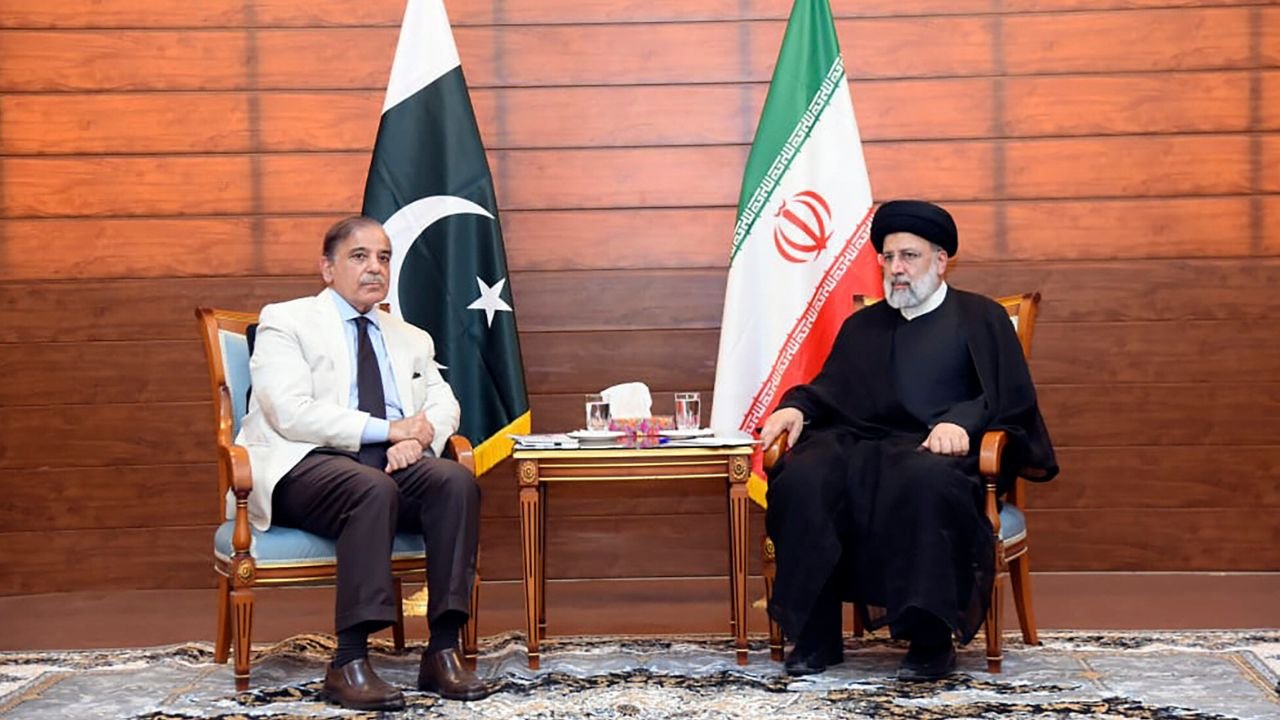
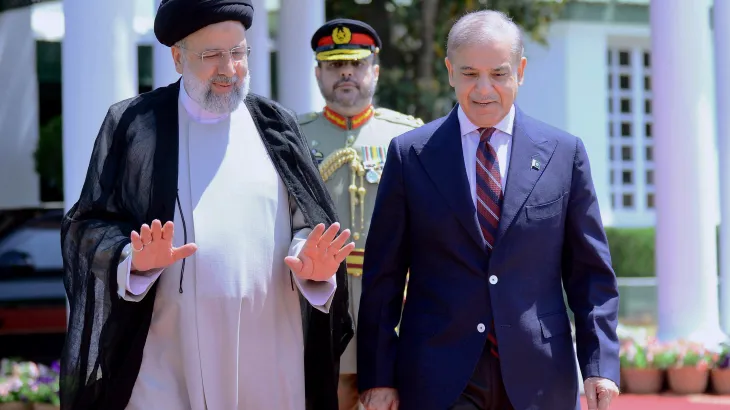
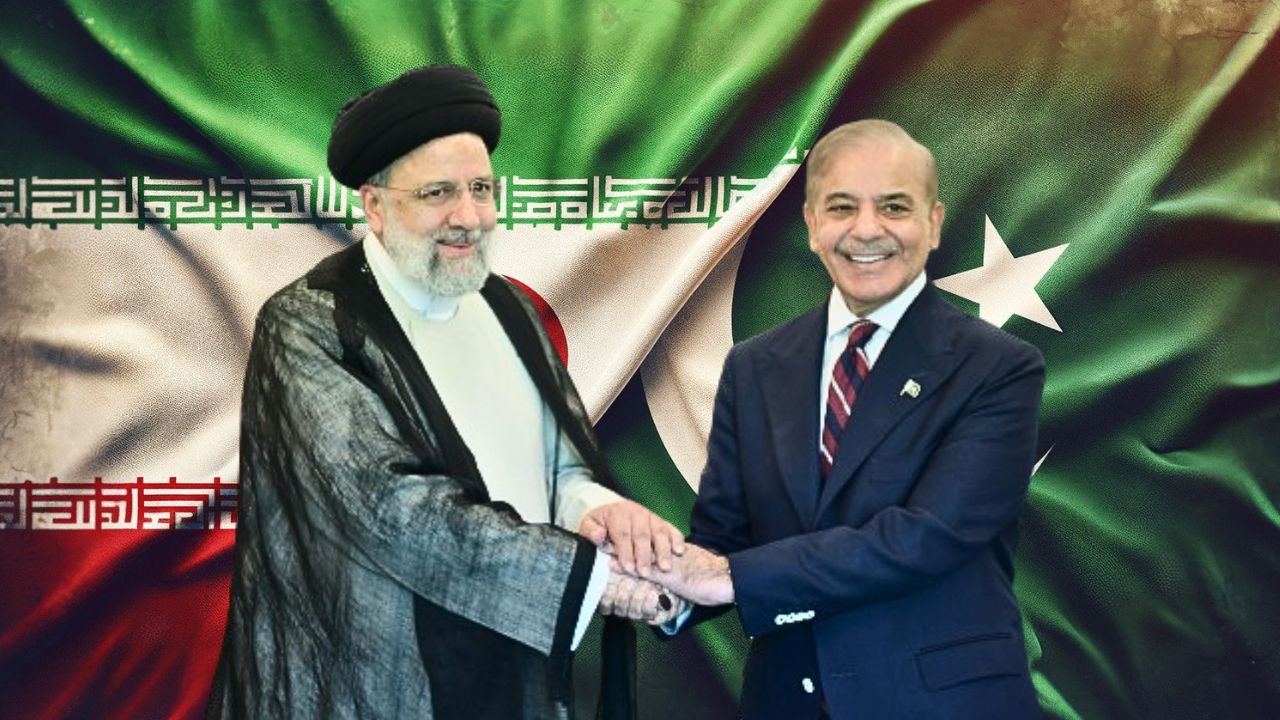
    The Pakistani leader hosted Raisi in Islamabad for a three-day visit in April in a bid to mend ties between the neighbours after they traded deadly strikes earlier this year.

  • Iranian President Raisi killed in helicopter crash

    Iranian President Raisi killed in helicopter crash

    Iran’s President Ebrahim Raisi, and his foreign minister Hossein Amr-Abdollahian, have been killed in a helicopter crash on Sunday night in the north of the country near the border with Azerbaijan, State Television has confirmed.

    Rescue teams finally reached the site of the helicopter crash where dense fog and adverse weather conditions impeded rescue and recovery efforts.

    “Upon finding the helicopter, there was no sign of the helicopter passengers being alive as of yet,” state TV reported. The helicopter carrying the head of the state crashed during President Raisi’s return flight to Tabriz after he and Azerbaijani President Ilham Aliyev inaugurated the Qiz Qalasi Dam on the border.

    Iran’s Supreme Leader Ayatollah Ali Khamenei urged calm and assured his people that there would be no disruption in the country’s governance.

    Vice President Mohammad Mokhbar is expected to become the new President now, Al Jazeera has reported.

    Raisi became president in 2021.

  • Iraqi court suspends Kurdistan election preparations

    Iraqi court suspends Kurdistan election preparations

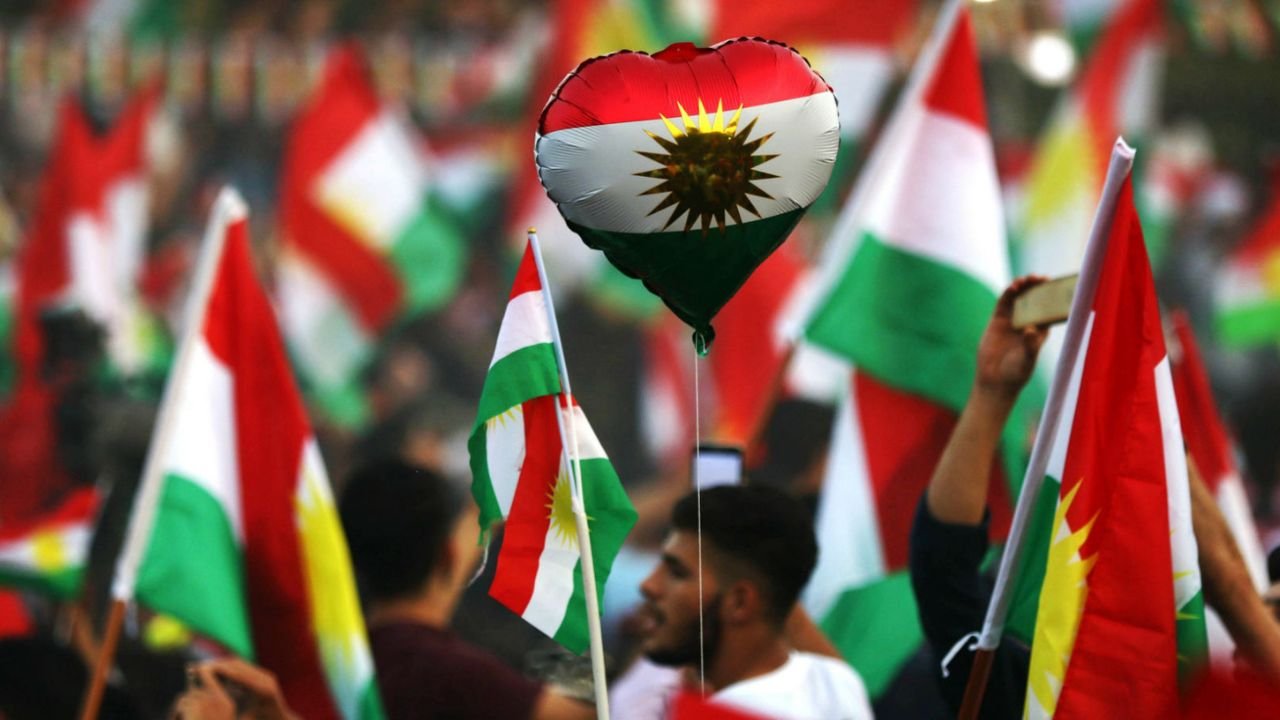
    Iraq’s highest court on Tuesday temporarily suspended preparations for June 10 parliamentary elections in the autonomous northern Kurdistan region, a source of tension between the two main Kurdish parties.

    The Federal Supreme Court suspended procedures related to “the registration of lists of candidates”, while it decides on another case linked to legislative elections in Kurdistan, a statement on the court’s website said.

    Kurdistan’s prime minister, Masrour Barzani, had filed an appeal to the supreme court arguing the “unconstitutionality” of the division of electoral constituencies planned for the vote.

    While awaiting a verdict, Barzani requested “a halt and suspension of the procedures of the electoral commission”.

    “The proceedings are suspended from today until the verdict,” an electoral commission source told AFP, speaking on condition of anonymity.

    The suspension comes amid a long-running conflict between the region’s two historic parties, the Kurdistan Democratic Party (KDP) and the Patriotic Union of Kurdistan (PUK).

    The court issued a ruling in February to reduce the number of seats in the Kurdish parliament from 111 to 100, effectively eliminating a quota reserved for Turkmen, Armenian and Christian minorities.

    In response, Barzani’s KDP said it would boycott legislative polls and did not register candidates.

    Since then the KDP pushed for postponement of the June 10 elections, which had initially been scheduled for October 2022, but were pushed back several times.

    The PUK has opposed any delay in holding the elections.

    Tuesday’s verdict comes as Kurdistan’s president, Nechirvan Barzani, is visiting Iranian leaders in Tehran, after meeting senior politicians in Baghdad.

    The KDP is the largest party in the outgoing parliament, with 45 seats against 21 for the PUK.

    The Kurdistan region has been autonomous since 1991, and presents itself as an oasis of stability favourable to foreign investment in Iraq.

    However, activists and opposition figures denounce what they say is corruption, repression of dissident voices and arbitrary arrests in the region.

  • Iran sentences man to death for posts during 2022 protests

    Iran sentences man to death for posts during 2022 protests

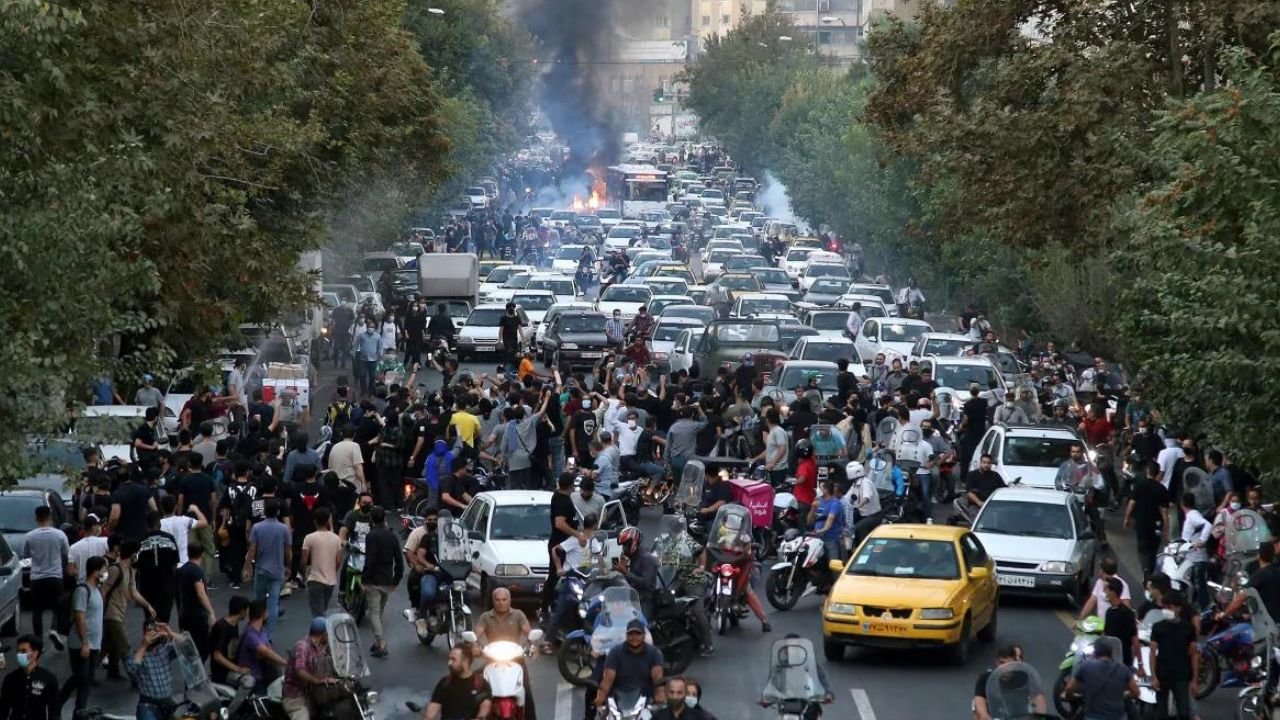
    An Iranian court has sentenced a man to death over content he posted online during 2022 protests over the death in custody of an Iranian-Kurdish woman, the judiciary said Tuesday.

    Iran was gripped by months-long protests over the death of Mahsa Amini, 22, after she was arrested for an alleged breach of the strict dress code for women.

    The judiciary’s Mizan Online website said Mahmoud Mehrabi was found guilty of posting content that included guidance on how “to use homemade weapons and called for the destruction of public property”.

    He was convicted of “inciting people to commit killings and insulting religious sanctities”, it added.

    Lawyer Babak Farsani said Mehrabi was found guilty of the capital offence of “corruption on earth”. He can appeal against the sentence before the Supreme Court.

    The months-long protests sparked by Amini’s death saw hundreds of people killed in street clashes, including dozens of security personnel.

    Thousands were arrested as authorities moved to quell what they branded foreign-instigated “riots”.

    Last month, an Iranian court sentenced popular rapper Toomaj Salehi to death for supporting the demonstrations.

    Nine men have been executed in protest-related cases involving killings and other violence against security forces.

    Amnesty International says Iran executed 853 people in 2023, the highest total since 2015.

  • Iran ready to share tech expertise with Islamabad, says Iranian President Raisi

    Iran ready to share tech expertise with Islamabad, says Iranian President Raisi

    After visiting Lahore and Karachi, Iranian President Ebrahim Raisi said that Tehran is ready to share its strengths in industry, science, and technology with Pakistan. He made the remarks during his three-day official visit to Pakistan.

    While speaking at a ceremony in Karachi’s Chief Minister House, he pointed out that despite challenges, Iran made progress in these fields and was prepared to share this knowledge with Pakistan.

    “I am here with a message of peace and prosperity for the Pakistani nation from the people of Iran and its leadership,” he said, adding, “The governments on both sides are willing to remove all obstacles to expanding trade between the two countries and in this regard, several options were discussed [in his recent meetings Pakistani leadership].”

    The Iranian President also said that the trade partnership will make the relationship between the two countries stronger, stressing that no power on earth “can affect the historical ties between the two countries.”

  • US isn’t happy, warns Pakistan of sanctions after Iran President visit

    US isn’t happy, warns Pakistan of sanctions after Iran President visit

    The United States State Department on Tuesday warned, without naming Pakistan, against the “potential risk of sanctions” amidst the background of a recent memorandum of understanding (MoU) between Pakistan and Iran, following the visit of Iranian President Ebrahim Raisi to Pakistan.

    “We advise anyone considering business deals with Iran to be aware of the potential risk of sanctions,” said a State Department spokesperson.

    The spokesperson also mentioned the beneficial economic ties between Pakistan and the United States and said that the US remains Pakistan’s biggest export market.

    “We have also been a leading investor in Pakistan for the past 20 years. Pakistan’s economic success is in both of our interests, and we look forward to continuing our partnership,” they added, stressing the significance of economic relations between both countries.

    Previously, the US warned Pakistan of sanctions after it signalled that it would complete the Iran-Pakistan gas pipeline.

    Meanwhile, Iranian President Raisi revealed that both Pakistan and Iran have agreed to increase the trade volume to $10 billion in coming years.