Tag: Iran

  • Iran counts ballots in vote seen favouring conservatives

    Iran counts ballots in vote seen favouring conservatives

    Tehran, Iran – Iran began counting ballots on Saturday after a vote for parliament and a key clerical body, with local media estimating a low turnout and conservatives expected to dominate.

    Friday’s elections were the first since widespread protests triggered by the September 2022 death in police custody of Mahsa Amini, 22, an Iranian Kurd. She had been arrested for allegedly violating the Islamic republic’s strict dress code for women.

    Iran has also been badly affected by international sanctions that have led to an economic crisis since the last elections in 2020.

    State TV reported early Saturday the “start of vote counting” after polling stations closed at midnight. Voting hours had been extended several times during the day, the official IRNA news agency reported.

    A record figure of 15,200 hopefuls were competing for seats in the 290-member parliament. Another 144 candidates sought a place in the 88-member Assembly of Experts, which is exclusively made up of male Islamic scholars.

    The Assembly selects or, if necessary, dismisses Iran’s supreme leader. Many potential candidates for the chamber were disqualified.

    Local Fars news agency estimated turnout at “more than 40 percent”, among 61 million eligible voters.

    President Ebrahim Raisi welcomed the voters’ “enthusiastic” participation as “another historic failure to (Iran’s) enemies,” according to IRNA.

    Iran considers the United States, its Western allies and Israel enemies of the state and accuses them of seeking to intervene in its internal affairs.

    Reformist daily Ham Mihan ran an opinion piece titled “The Silent Majority”, which said turnout was “estimated to be lower than” in previous elections.

    Iran’s 2020 parliament was elected during the Covid pandemic with a turnout of 42.57 percent — the lowest since the 1979 Islamic Revolution.

    A state TV poll had found more than half of respondents were indifferent about this year’s elections.

    Candidates for parliament are vetted by a body, the Guardian Council, whose members are determined by the supreme leader.

    The present parliament is dominated by conservatives and ultra-conservatives, and analysts expected a similar makeup in the new assembly.

    Despite Supreme leader Ayatollah Ali Khamenei’s appeal for people to cast ballots, many Iranians were split on whether or not to do so.

    Former reformist president Mohammad Khatami was among people who avoided the poll, according to a coalition of parties called the Reform Front.

    In February the conservative Javan daily quoted Khatami as saying Iran is “very far from free and competitive elections.”

    rkh-ap/it

    © Agence France-Presse

  • Iran Launches Imaging Satellite From Russia

    Iran Launches Imaging Satellite From Russia

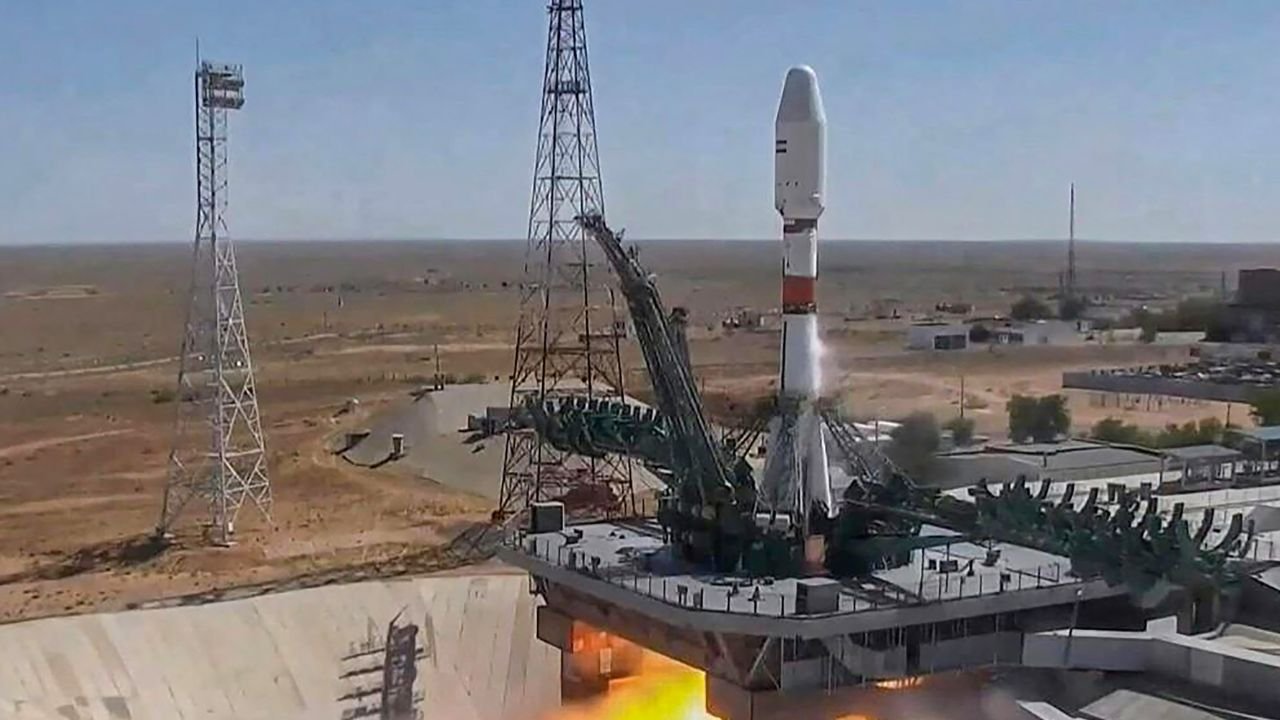
    Iran announced on Thursday the launch of a remote sensing and imaging satellite into orbit from Russia, according to state media.

    The launch of “Pars-I” with the Russian Soyuz-2.1b launcher was broadcast live by state television in Iran.

    The satellite was launched “from Russia’s Vostochny launch base”, some 8,000 kilometres (5,000 miles) east of Moscow, according to the official IRNA news agency.

    Iran’s telecommunications minister Issa Zareppur said “Pars-I” was “fully domestically developed” in Iran, which he said carried out a dozen satellite launches over the past two years.

    In January, Iran said it simultaneously launched three satellites into orbit, nearly a week after the launch of a research satellite by its Revolutionary Guards.

    Western governments including the United States have repeatedly warned Iran against such launches, saying the same technology can be used for ballistic missiles, including ones designed to deliver a nuclear warhead.

    Iran has countered that it is not seeking nuclear weapons and that its satellite and rocket launches are for civil or defence purposes only.

    In August 2022, Russia launched Iran’s remote-sensing Khayyam satellite into orbit from Kazakhstan amid controversy that Moscow might use it to boost its surveillance of military targets in its war in Ukraine.

    Moscow has sought to strengthen its alliances with other countries ostracised by the West, including Iran, which has been accused of supplying Moscow with armed drones for its offensive in Ukraine.

    This month, the United States said it would soon impose new sanctions on Iran over its backing for Russia’s invasion of Ukraine.

    Tehran denies the allegations.

  • ‘If you harm an American, we will respond,’ says Biden after launching airstrikes in Syria and Iraq

    ‘If you harm an American, we will respond,’ says Biden after launching airstrikes in Syria and Iraq

    The President of the United States of America, Joe Biden, has cautioned, “If you harm an American, we will respond,” as US forces attacked more than 80 targets in Iraq and Syria in a wide-ranging air assault on sites belonging to Iran-linked fighter groups and Tehran’s Revolutionary Guard.

    The US president said the strikes had been launched in retaliation for the drone strike that killed three US troops in Jordan earlier in the week, adding: “Our response began today. It will continue at times and places of our choosing,” reports The Guardian.

    The US military’s Central Command said it had struck with more than 125 bombs in an attack that took place around midnight local time in what was described as the first of multiple attacks against the groups.

    “US military forces struck more than 85 targets, with numerous aircraft to include long-range bombers flown from the United States,” Centcom said in a statement. The raids were aimed at facilities believed to be controlled by Iran’s Islamic Revolutionary Guards Corps (IRGC) Quds Force and affiliated militia groups.

    John Kirby, the White House national security spokesman, said the strikes lasted about 30 minutes. “These responses began tonight. They’re not going to end tonight. So there will be additional responses. There will be additional action that we will take, all designed to put an end to these attacks and to take away capability by the IRGC.”

    The 85 targets were grouped in seven different locations: four in Syria and three in Iraq, according to US officials. Lt Gen Douglas Sims, director for operations on the joint staff, said the timing of the strikes was determined by the weather.

    “The initial indications are that we hit exactly what we meant to hit with a number of secondary explosions associated with the ammunition and logistics locations,” Sims said, although this could not be verified.

    On Thursday, the US said it blamed Islamic Resistance in Iraq, a coalition of Iran-linked militias, for the deadly drone attack last weekend on the remote Tower 22 logistics base in Jordan, near the border with Syria and Iraq. Three US army reservists were killed after living quarters were struck at night and more than 80 wounded.

  • Iran executes four men convicted of spying for Israel

    Iran executes four men convicted of spying for Israel

    Iran executed four men at dawn on Monday after they were convicted of collaborating with the country’s arch-foe Israel on a plan to sabotage an Iranian defense site, according to the judiciary.

    The four defendants, identified as Mohammad Faramarzi, Mohsen Mazloum, Wafa Azarbar, Pejman Fatehi, were arrested in July 2022 and accused of plotting to carry out out an operation against a Ministry of Defense centre in the central province of Isfahan, according to the judiciary’s Mizan Online website.

    “The death sentence of four members of a group affiliated with the Zionist spy organisation, who were arrested… for plotting a bombing operation in Isfahan, was carried out this morning,” Mizan Online reported.

    According to Iran, the men had been recruited by Mossad, Israel’s intelligence service, “about a year and a half before the operation”.

    They were sent to African countries for “training courses in the military centres” where Mossad officers were present, the judiciary added.

    The men were sentenced to death in September 2023.

    In August 2023, Iran claimed to have foiled a “very complex” Mossad-initiated project to “sabotage” its ballistic missile industry. A few months earlier, in February, Teheran accused Israel of being responsible for a drone attack on a military site in Isfahan.

    The two countries have been engaged in a shadow war for decades, with Iran regularly accusing Israel and its ally the United States of inciting unrest.

  • Iran launches three satellites into orbit

    Tehran, Iran: Iran on Sunday said it simultaneously launched three satellites into orbit, nearly a week after the launch of a research satellite by the Revolutionary Guards drew Western criticism.

    “Three Iranian satellites have been successfully launched into orbit for the first time,” state TV reported.

    The satellites were carried by the two-stage Simorgh (Phoenix) satellite carrier and were launched into a minimum orbit of 450 kilometres (280 miles), it added.

    The Mahda satellite, which weighs around 32 kilogrammes and was developed by Iran’s Space Agency, is designed to test advanced satellite subsystems, the official IRNA news agency said.

    The other two, Kayhan 2 and Hatef, weigh under 10 kilogrammes each and are aimed to test space-based positioning technology and narrowband communication, IRNA added.

    Last week, Iran’s Islamic Revolutionary Guard Corps sent the research satellite Soraya into space.

    Britain, France, and Germany condemned that launch in a statement rejected by Iran as “interventionist”.

    Western governments including the United States have repeatedly warned Iran against such launches, saying the same technology can be used for ballistic missiles, including ones designed to deliver a nuclear warhead.

    Iran has countered that it is not seeking nuclear weapons and that its satellite and rocket launches are for civil or defence purposes only.

    The Islamic republic has struggled with several satellite launch failures in the past.

    The successful launch of its first military satellite into orbit, Nour-1, in April 2020 drew a sharp rebuke from the United States.

    Tehran has been under crippling US sanctions since Washington’s 2018 withdrawal from a landmark nuclear deal which granted Iran sanctions relief in return for curbs on its nuclear activities designed to prevent it from developing an atomic warhead.

    Iran has always denied any ambition to develop nuclear weapons capability, insisting that its activities are entirely peaceful.

  • A step towards restoring friendship: Iran’s foreign minister to visit soon

    A step towards restoring friendship: Iran’s foreign minister to visit soon

    Following Operation Marg Bar Sarmachar, Pakistan and Iran have mutually agreed that ambassadors of both countries will return to their respective posts by January 26, 2024 and the Iranian Foreign Minister is going to visit on January 29, 2024.

    In a joint statement issued on Monday, the Foreign Office said that at the invitation of Foreign Minister Jalil Abbas Jilani, his Iranian counterpart Hossein Amir Abdollahian will undertake a visit to Pakistan on January 29.

    In a post on X, Pakistan’s Ambassador to Iran Mudassir Tipu said he was “so delighted that leaderships of both Pakistan and Iran so deftly handled a challenging moment astutely- swiftly putting relations back on track”.

    Along with that the Foreign Office (FO) said on Monday that Iran’s foreign minister Hossein Amir Abdollahian would visit Pakistan on January 29.

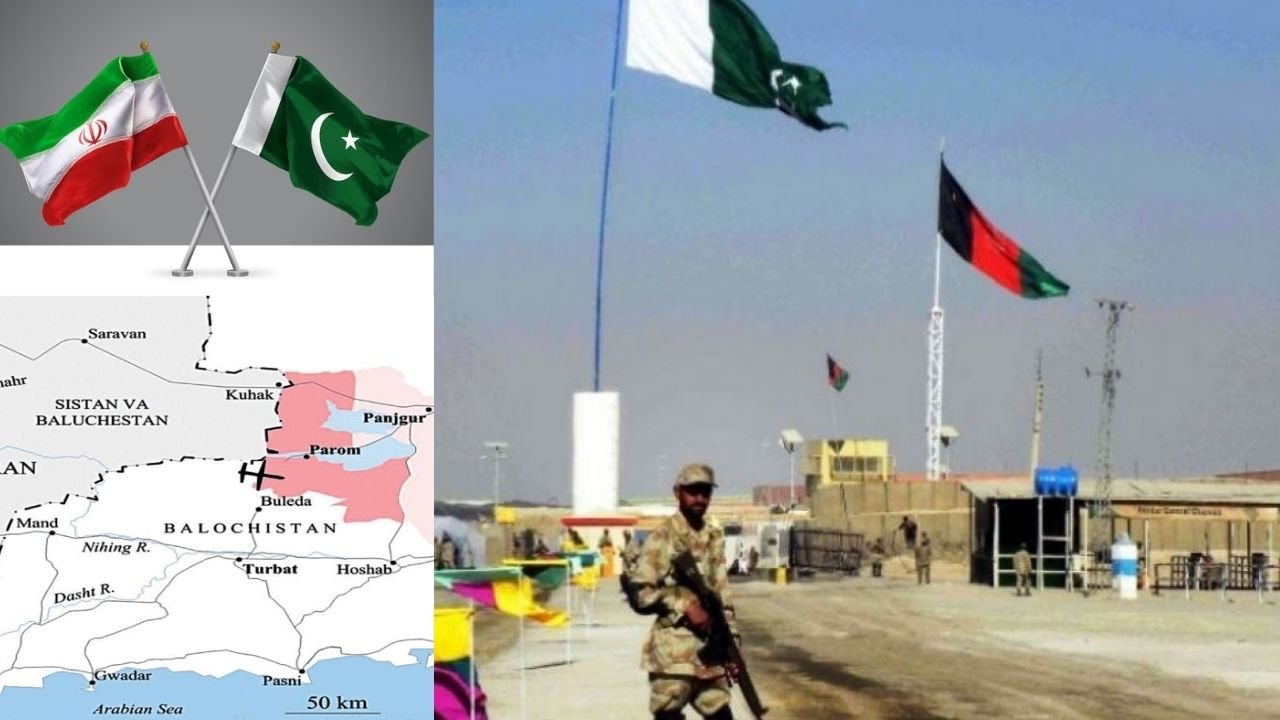
    The visit comes days after tensions escalated between the two countries following an Iranian air strike in Pakistan, leading Islamabad to strike terrorist hideouts in the neighbouring country’s Sistan-Baluchestan province.

    “Following the telephone conversation between the foreign ministers of Pakistan and the Islamic Republic of Iran, it has been mutually agreed that ambassadors of both countries may return to their respective posts by January 26, 2024,” the FO said in a statement.

    The FO said that the Iranian foreign minister would travel to Pakistan on Jan 29 at the invitation of FM Jilani.

    Previously, Pakistan has targeted terrorist hideouts inside Iran in response to the violation of Pakistan’s sovereignty by the Iranian Revolutionary Guard that killed two children and injured three girls.

    Hideouts used by terrorist organisations namely Balochistan Liberation Army and Balochistan Liberation Front were successfully struck in an intelligence based operation, code name ‘Marg Bar Sarmachar’, ISPR has stated in a recently released statement.

    According to a statement by the Foreign Office (FO), a number of terrorists were killed during the intelligence-based operation codenamed ‘Marg Bar Sarmachar’. Meanwhile, Iran’s IRNA news agency reported that nine people, including seven “non-Iranian nationals”, were killed in the strike targeting a village near the city of Saravan.

    The Khorasan Diary reported, that “7 BLF millitants involved in attacks in Pakistan have been killed/injured in Pakistan’s strikes in Iran.”

    In a video posted, it can be seen the damage caused by Pakistani Strikes in approximately 200 kilometres away from PAK-Iran border.

    Publication The Khorasan Diary also claimed that Jaishul Adal, the same militant group, Iran claimed to have targeted has taken the responsibility for the attack on Saravan Corps of Sistan Wa Baluchistan province, Colonel Hossein Ali Javadanfar, adding that the security official was assassinated along with two of his guards.”

    Previously, The Iranian strikes were part of a series of attacks carried out by the country in recent days in Syria and Iraq as a response to recent terrorist attacks on its territory. They have heightened concerns about regional stability, particularly amid ongoing conflicts in the Middle East.

    Pakistan undertook a series of highly coordinated and specifically targeted precision military strikes against terrorist hideouts in Siestan-o-Baluchistan province of Iran. A number of terrorists were killed during the Intelligence-based operation – codenamed ‘Marg Bar Sarmachar’, says the official statement released by the Foreign Office of Pakistan.

    “Last night’s unprovoked and blatant breach of Pakistan’s sovereignty by Iran is a violation of international law and the purposes and principles of the Charter of the United Nations,” FO Spokesperson Mumtaz Zahra Baloch said in a statement on Wednesday.

    A context to the response by the Foreign Office

    Foreign Ofiice of Pakistan provided a detailed context to Operation Marg Bar Sarmachar.

    “Over the last several years, in our engagements with Iran, Pakistan has consistently shared its serious concerns about the safe havens and sanctuaries enjoyed by Pakistani origin terrorists calling themselves Sarmachars on the ungoverned spaces inside Iran. Pakistan also shared multiple dossiers with concrete evidence of the presence and activities of these terrorists. However, because of lack of action on our serious concerns, these so-called Sarmachars continued to spill the blood of innocent Pakistanis with impunity. This morning’s action was taken in light of credible intelligence of impending large-scale terrorist activities by these so called Sarmachars,” the statement read.

    The Foreign Office described the action as a part of its resolve to “defend its national security against all threats.” Moreover it mainatianed that “Pakistan fully respects the sovereignty and territorial integrity of the Islamic Republic of Iran. The sole objective of today’s act was in pursuit of Pakistan’s own security and national interest which is paramount and cannot be compromised.”

    Strict monitoring of Air Space

    Geo News’ Azaz Syed quotes Civil Aviation Authority that amid the escalation of tensions in Islamabad-Tehran ties, Pakistan has started strict monitoring of all flights from the West including Iran.

    Meeting of Foreign Minister with Iranian Counterpart

    Caretaker Foreign Minister Jalil Abbas Jilani Wednesday told his Irani counterpart that no country should follow its path of launching an attack on a neighbouring nation’s soil against the menace of terrorism unilaterally.

    “No country in the region should tread this perilous path,” Jilani told Iran’s FM Hossein Amir-Abdollahian during a telephone call hours after Tehran claimed it had targeted “terrorists” in Pakistan.

    Iranian response

    There is a group called Jaishal Adal, which is an Iranian terrorist group that have taken refuge on Pakistan-Iran border. Several times we have talked to Pakistani security officials that this group killed our security personnel and we responded by killing Iranian terrorist on Pakistani soil. I have spoken to my Pakistani counterpart, the Foreign Minister of Pakistan, we do respect the sovereignty of Pakistan but we don’t allow our national security be compromised and be played with. We have no hesitations when it comes to our national interest and those terrorist groups inside Pakistan and those affiliated with Israel” the Iranian Foreign Minister Hossein Amir Abdollahian said while speaking in Davos at The World Economic Forum.

    India
    India in a statement from the Ministry of External Affairs said, “This is a matter between Iran and Pakistan. Insofar as India is concerned, we have an uncompromising position of zero tolerance towards terrorism. We understand actions that countries take in their self-defence.”

    China

    China, close partners of Iran and Pakistan, urged restraint, with foreign ministry spokeswoman Mao Ning saying both should “avoid actions that would lead to an escalation of tension”.

    United States of America

    The United States, meanwhile, condemned the Iranian strikes in Pakistan, Iraq and Syria, with State Department spokesman Matthew Miller saying Tehran had violated the “sovereign borders of three of its neighbours in just the past couple of days”.

    To read more: Pakistan expels Iranian ambassador from Pakistan, suspends all high level visits in response to Iranian attack on Pakistan

  • Pakistan expels Iranian ambassador from Pakistan, suspends all high level visits in response to Iranian attack on Pakistan

    Pakistan expels Iranian ambassador from Pakistan, suspends all high level visits in response to Iranian attack on Pakistan

    Pakistan confirmed on Wednesday that Iran carried out an air strike on its territory that killed two children and injured three girls after Tehran launched attacks in Iraq and Syria against what it called “anti-Iranian terrorist groups”.

    As of yet, Pakistan has expelled Iranian ambassador from Pakistan, and has suspended all high level visits in response.

    Iran offered no immediate official comment but its state-run Nour News agency said the attack destroyed the Pakistan headquarters of the jihadist group Jaish al-Adl (Army of Justice).

    However, Iran’s semi-official Tasnim news agency that, “Two key strongholds of the Jaysh al-Dhulm (Jaish al-Adl) terrorist group in Pakistan” were “specifically targeted and successfully demolished by a combination of missile and drone attacks”, cites Dawn.

    Tasnim reported that the “focal point of this operation was the region known as Kouh-Sabz (green mountain)” in Balochistan.

    Local authorities said they had also received information about such an attack but had no further details at the time of going to print. Reports from the area suggested that a missile hit a mosque, partially damaging it and injuring some people.

    In its statement, the foreign office described the incident as an “illegal act”.

    Formed in 2012, Jaish al-Adl is blacklisted by Iran as a terrorist group and has carried out several attacks on Iranian soil in recent years.

    The strike came after Iran launched missile attacks on “spy headquarters” and “terrorist” targets in Syria, and in Iraq’s autonomous Kurdistan region.

    The Iranian strikes add to multiple crises across the Middle East, with Israel waging a war against Hamas in Gaza and pro-Palestinian Huthi rebels in Yemen attacking commercial vessels in the Red Sea.

  • Defiant Houthis to continue targeting Israel-linked ships despite US, UK airstrikes

    Defiant Houthis to continue targeting Israel-linked ships despite US, UK airstrikes

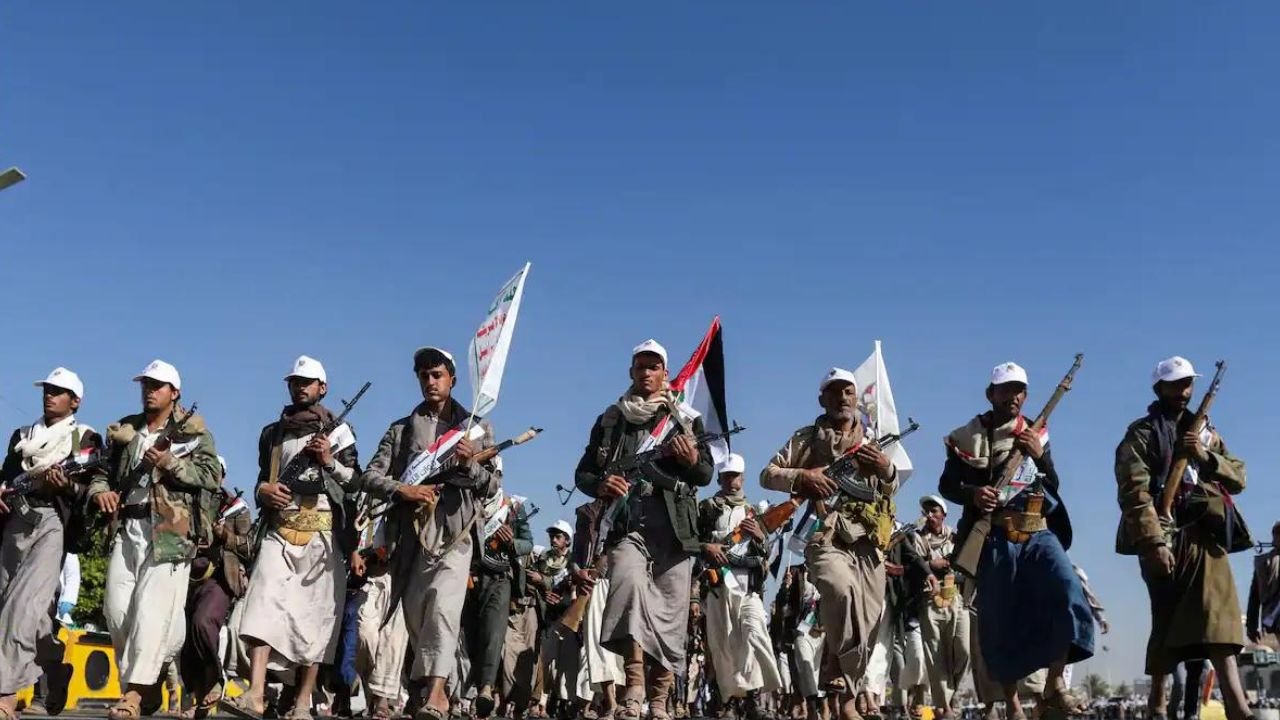
    Heavy US and British air strikes pounded targets in Yemen early on Friday after weeks of attacks on Red Sea shipping by Houthi forces acting in solidarity with Gaza.

    Yemen’s Houthi, however, have vowed to continue targeting Israel-linked ships in the Red Sea despite overnight air strikes by the US and Britain, their spokesman said on Friday.

    “We affirm that there is absolutely no justification for this aggression against Yemen, as there was no threat to international navigation in the Red and Arabian Seas, and the targeting was and will continue to affect Israeli ships or those heading to the ports of occupied Palestine,” Mohammed Abdulsalam posted on X, formerly Twitter.

    The Houthis have carried out a growing number of attacks Israel-linked shipping in the key international trade route since the intensified attacks on Gaza since October 7.

    Friday’s strikes targeted an airbase, airports and a military camp, the Houthi rebels’ Al-Masirah TV station said.

    “Our country was subjected to a massive aggressive attack by American and British ships, submarines and warplanes,” Huthi Deputy Foreign Minister Hussein Al-Ezzi said, according to official media.

    “America and Britain will have to prepare to pay a heavy price and bear all the dire consequences of this blatant aggression,” he said.

    A joint statement by the United States, Britain, Australia, Bahrain, Canada, Denmark, Germany, the Netherlands, New Zealand and South Korea said the “aim remains to de-escalate tensions and restore stability in the Red Sea”.

    “But let our message be clear: we will not hesitate to defend lives and protect the free flow of commerce in one of the world’s most critical waterways in the face of continued threats,” it said.

    The Huthis said there was “no justification” for the air strikes and warned that attacks on Israel-linked shipping would continue.

    Yemen’s neighbour Saudi Arabia, which is trying to end its involvement in a nine-year war with the Houthis, urged against escalation.

    “The Kingdom of Saudi Arabia is following with great concern the military operations,” a foreign ministry statement said, calling for “self-restraint and avoiding escalation”.

  • Iran blames Israel, US for deadly blasts near grave of Guards general Soleimani

    Iran blames Israel, US for deadly blasts near grave of Guards general Soleimani

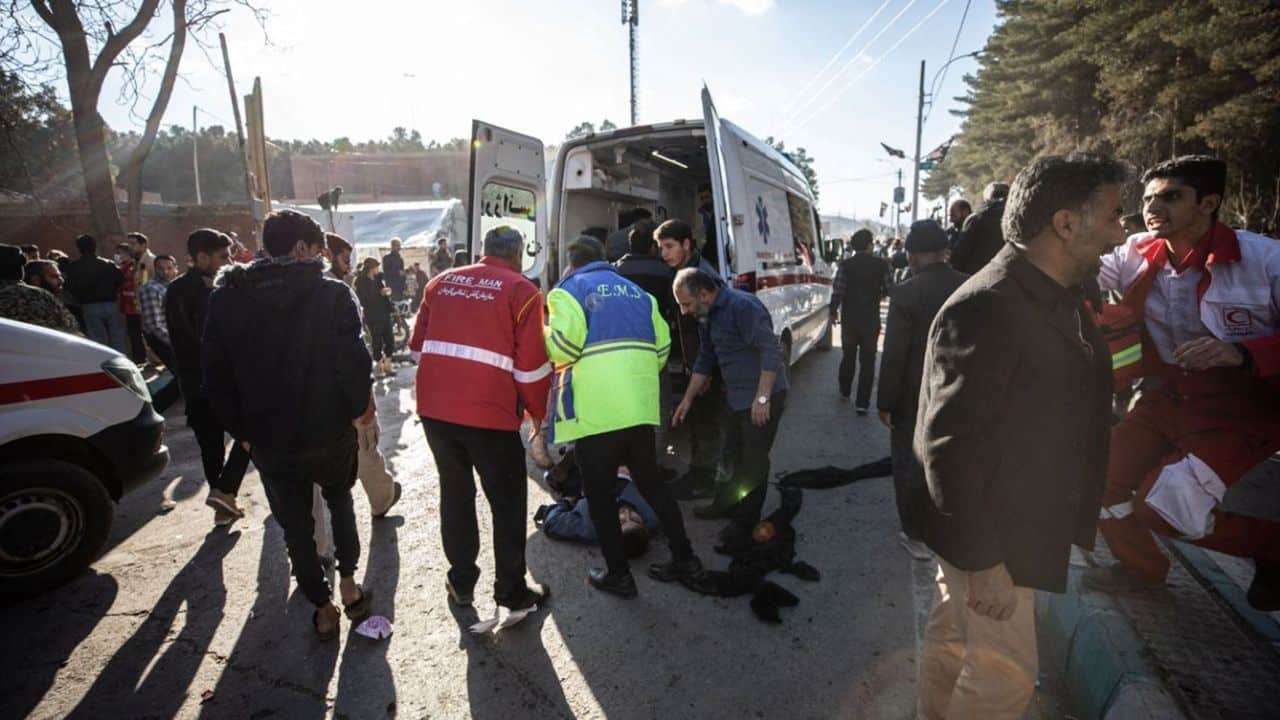
    Iran blamed Israel and the United States on Wednesday for twin bomb blasts that killed more than 100 people in the country’s south, ripping through a crowd commemorating Revolutionary Guards general Qassem Soleimani four years after his death in a US strike.

    The two explosions – labelled a “terrorist attack” by state media and regional authorities – came amid high Middle East tensions over the Israel-Hamas war in Gaza and the killing of a Hamas senior leader in Lebanon on Tuesday.

    The unclaimed attacks, which sparked fears of a widening conflict in the region, rattled global markets, where oil prices jumped more than three percent and sparked global condemnation.

    “Washington says USA and Israel had no role in terrorist attack in Kerman, Iran. Really? A fox smells its own lair first,” the Iranian president’s political deputy, Mohammad Jamshidi, wrote on X, formerly Twitter.

    “Make no mistake. The responsibility for this crime lies with the US and Zionist regimes (Israel) and terrorism is just a tool,” he added.

    The United States had earlier rejected any suggestions that it or ally Israel were involved while Israel declined to comment.

    “The United States was not involved in any way … We have no reason to believe that Israel was involved in this explosion,” State Department spokesman Matthew Miller said.

    Asked about the blasts, Israeli army spokesman Daniel Hagari said: “We are focused on the combat with Hamas”.

    Iran’s supreme leader Ayatollah Ali Khamenei blamed “evil and criminal enemies” of the country for the attack and vowed a “harsh response”.

    President Ebrahim Raisi, who scrapped a visit to Turkey on Thursday, condemned the “heinous” crime as Iran declared Thursday a national day of mourning.

    The blasts, about 15 minutes apart, struck near the Martyrs Cemetery at the Saheb al-Zaman Mosque in Kerman, Soleimani’s southern hometown, as supporters gathered to mark his killing in a 2020 US drone strike in Baghdad.

    Tehran’s official news agency IRNA quoted Interior Minister Ahmad Vahidi as saying that “according to forensic statistics, the number of martyrs from this incident has been announced as 84 so far”.

    The death toll was also confirmed by the head of Iran’s emergency services, Jafar Miadfar, who said an earlier tally of 95 was due to the fact that some bodies had been dismembered and counted “several times”.

    Miadfar said 284 people had been injured and “195 are still hospitalised”.

    Three paramedics who rushed to the scene after the first explosion were among those killed, said Iran’s Red Crescent.

    IRNA said the first explosion took place around 700 metres from Soleimani’s grave while the other was around 1 kilometre away.

    Tasnim news agency, quoting what it called informed sources, said that “two bags carrying bombs went off” and “the perpetrators … apparently detonated the bombs by remote control”.

    Online footage showed panicked crowds scrambling to flee as security personnel cordoned off the area.

    ‘Shocking cruelty’ 

    State television showed bloodied victims lying on the ground and ambulances and rescue personnel racing to help them.

    “We were walking towards the cemetery when a car suddenly stopped behind us and a waste bin containing a bomb exploded,” an eyewitness was quoted as saying by the ISNA news agency.

    “We only heard the explosion and saw people falling.”

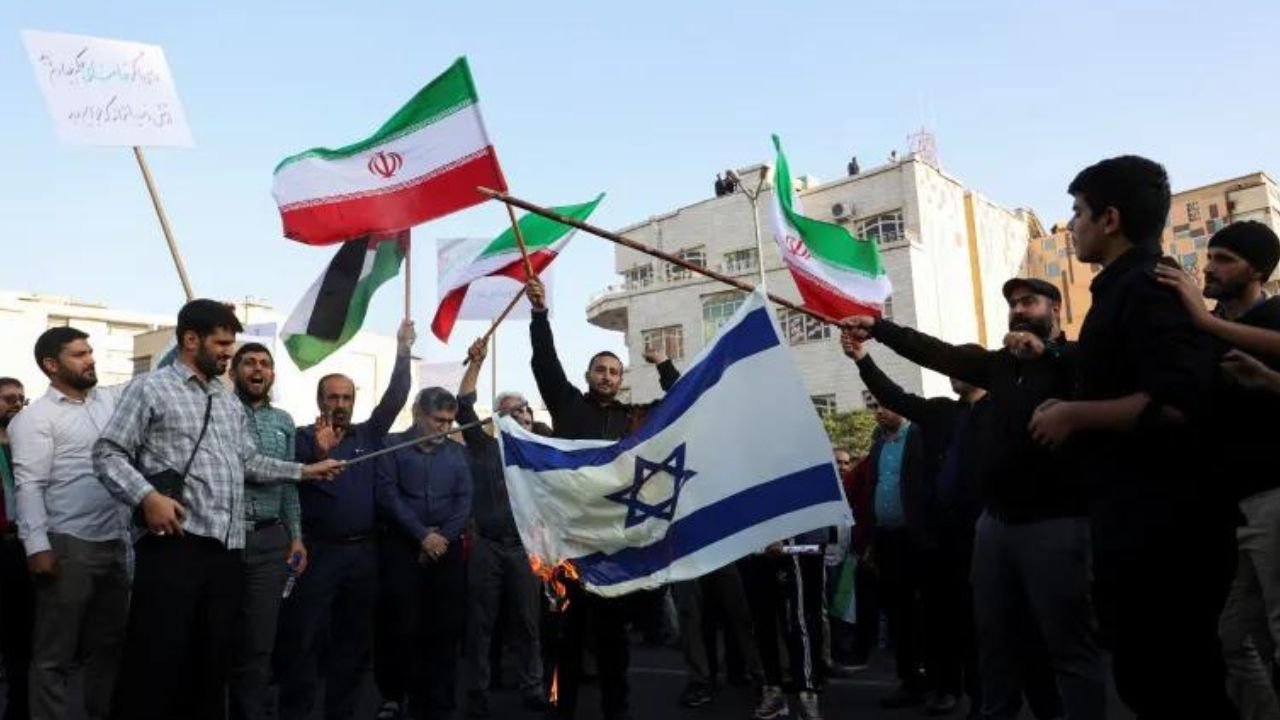
    By nightfall, crowds returned to the Martyrs Cemetery in Kerman chanting: “Death to Israel” and “Death to America”.

    In Tehran, thousands gathered at the Grand Mosalla Mosque to pay tribute to Soleimani.

    “We condemn today’s bitter terrorist incident … I hope the perpetrators of the crime will be identified and punished for their actions,” Soleimani’s daughter, Zeinab, said.

    Soleimani headed the Quds Force, the foreign operations arm of the Islamic Revolutionary Guards Corps, overseeing military operations across the Middle East.

    The United Nations, European Union, and several countries including Saudi Arabia, Jordan, Germany and Iraq denounced the blasts.

    UN chief Antonio Guterres “strongly condemns” the blasts, his office said, and the EU said: “This act of terror has exacted a shocking toll of civilian deaths and injuries.”

    The EU’s top diplomat, Josep Borrell, said that he spoke to Iranian Foreign Minister Hossein Amir-Abdollahian to “convey condolences” and “condemned this terrorist attack in the strongest terms and expressed solidarity with the Iranian people”.

    Russian President Vladimir Putin wrote to Raisi and Khamenei that “the killing of peaceful people visiting the cemetery is shocking in its cruelty and cynicism”.

    Iran ally Hamas denounced the “criminal attack” while the Saudi foreign ministry in Riyadh voiced “solidarity with Iran in this painful event”.

    The blasts came a day after Hamas deputy leader Saleh al-Arouri – an Iran ally – was killed in a strike, which Lebanese officials blamed on Israel, in a southern Beirut suburb that is a stronghold of Iran-backed armed group Hezbollah.

    Wednesday’s bomb blasts were Iran’s deadliest since a 1978 arson attack at the Cinema Rex in the southwestern city of Abadan, which killed at least 377 people, according to AFP archives.

    Previous plots 

    Iran has long fought a shadow war of killings and sabotage with archenemy Israel while also battling various jihadist and other militant groups.

    In September, the Fars news agency reported that a key “operative” affiliated with the Islamic State (IS) group, in charge of carrying out “terrorist operations” in Iran, had been arrested in Kerman.

    In July, Iran’s intelligence ministry said it had disbanded a network “linked to Israel’s spy organisation” that had been plotting “terrorist operations” across Iran, IRNA reported.

    The alleged plots included “planning an explosion at the grave” of Soleimani, it said.

    Soleimani, whom Khamenei years ago declared a “living martyr”, was widely regarded as a hero in Iran for his role in defeating IS in both Iraq and Syria.

    Long seen as a deadly adversary by the United States and its allies, Soleimani was one of the most important powerbrokers across the region, setting Iran’s political and military agenda in Syria, Iraq and Yemen.

  • Iran executes murderer of Ayatollah Abbas Ali Soleimani

    Iran executes murderer of Ayatollah Abbas Ali Soleimani

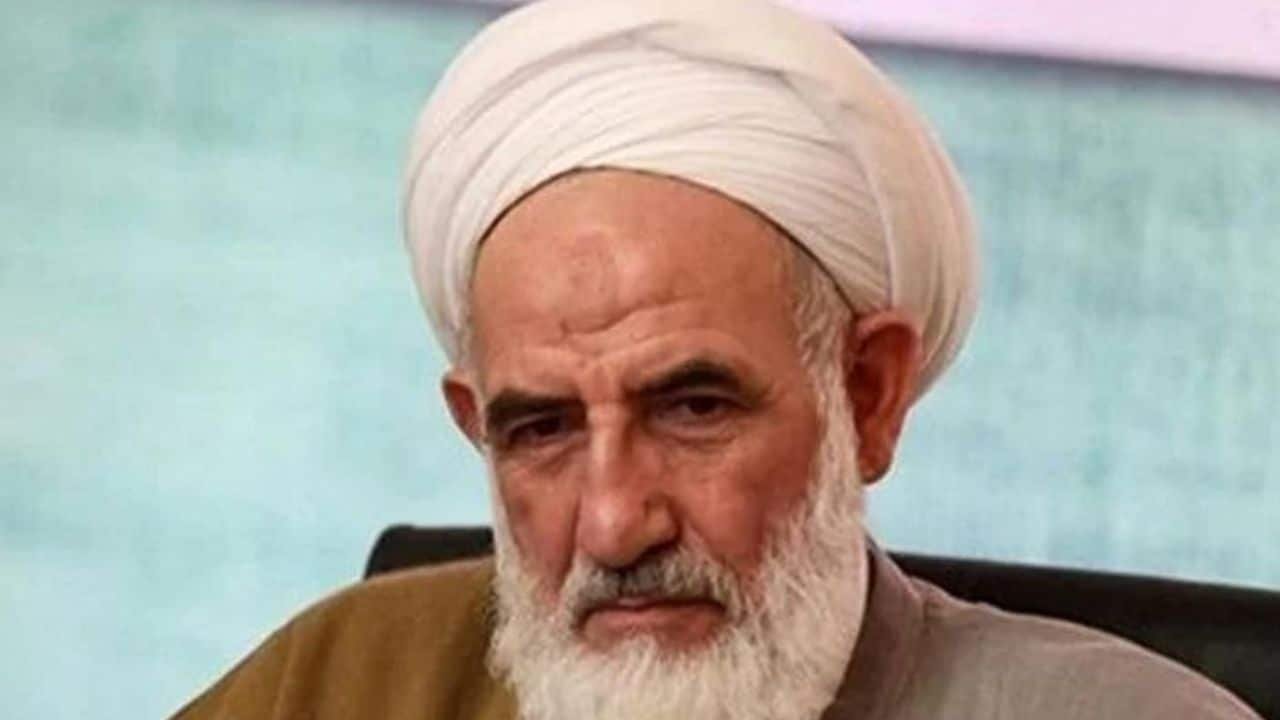
    Iranian authorities executed a man convicted of killing a powerful cleric in April, the judiciary said Wednesday.

    Ayatollah Abbas Ali Soleimani, a member of the Assembly of Experts that selects the country’s supreme leader, was killed on April 26 in a bank in Babolsar city in the northern province of Mazandaran.

    The murderer, who has not been named, was a security guard at the bank. CCTV footage published by local media showed him shooting the cleric from behind as he was sitting in a chair.

    “The sentence of qesas (Islamic law of retribution) for the murderer of Martyr Ayatollah Abbas Ali Soleimani was carried out today after being approved by the country’s Supreme Court,” a local official said, according to the judiciary’s Mizan Online website.

    Under Islamic law, the sentence of qesas can be dropped if the victim’s family agrees to spare the convict.

    Soleimani, 75, was previously a representative of Supreme Leader Ayatollah Ali Khamenei and led Friday prayers in the cities of Kashan and Zahedan.

    The 88-strong Assembly of Experts is tasked with supervising, dismissing, and electing the supreme leader. It is headed by ultra-conservative 96-year-old cleric Ahmad Jannati.

    Its members are elected for eight-year terms, but candidates are closely vetted.

    In April 2022, two clerics died in a knife attack in Iran’s second city of Mashhad. A 21-year-old suspected jihadist, Abdolatif Moradi, was hanged two months later for the crime.

    Rights group Amnesty International says Iran executes more people than any country except China.

    It has executed more than 600 people so far this year, already the highest figure in eight years, according to a report last month by the Norway-based Iran Human Rights group.