Tag: Iran

  • Detained Iran protesters raped, sexually assaulted: Amnesty

    Detained Iran protesters raped, sexually assaulted: Amnesty

    Members of the Iranian security forces raped and used other forms of sexual violence against women and men detained in the crackdown on nationwide protests that erupted from September 2022, Amnesty International said Wednesday.

    Amnesty said in a report it had documented 45 such cases of rape, gang rape or sexual violence against protesters. With cases in more than half of Iran’s provinces, it expressed fear these documented violations appeared part of a “wider pattern.”

    “Our research exposes how intelligence and security agents in Iran used rape and other sexual violence to torture, punish and inflict lasting physical and psychological damage on protesters, including children as young as 12,” Amnesty’s secretary general Agnes Callamard said.

    The London-based organization said it had shared its findings with the Iranian authorities on November 24 “but has thus far received no response.”
    The protests began in Iran in September 2022 after the death in police custody of Mahsa Amini, 22. Her family says she was killed by a blow to the head but this has always been disputed by the Iranian authorities.

    After rattling Iran’s clerical leadership, the movement lost momentum by the end of that year in the face of a fierce crackdown that left hundreds dead, according to rights activists, and thousands arrested, according to the United Nations.

    Amnesty said 16 of the 45 cases documented in the report were of rape, including six women, seven men, a 14-year-old girl, and two boys aged 16 and 17.

    Six of them — four women and two men — were gang raped by up to 10 male agents, it said.

    It said the sexual assaults were carried out by members of the Revolutionary Guards, the paramilitary Basij force, agents of the intelligence ministry, as well as police officers.

    The rapes on women and men were carried out with “wooden and metal batons, glass bottles, hosepipes, and/or agents’ sexual organs and fingers,” it said.

    As well as the 16 rape victims, Amnesty said it documented the cases of 29 victims of other forms of sexual violence such as the beating of breasts and genitals, enforced nudity, and inserting needles or applying ice to men’s testicles.

    It said it collected the testimony through interviews with the victims and other witnesses, conducted remotely via secure communications platforms.

    “The harrowing testimonies we collected point to a wider pattern in the use of sexual violence as a key weapon in the Iranian authorities’ armory of repression of the protests and suppression of dissent to cling to power at all costs,” said Callamard.

    One woman, named only as Maryam, who was arrested and held for two months after removing her headscarf in a protest, told Amnesty she was raped by two agents during an interrogation.

    “He (the interrogator) called two others to come in and told them ‘It’s time’. They started ripping my clothes. I was screaming and begging them to stop.

    “They violently raped me in my vagina with their sexual organs and raped me anally with a drink bottle. Even animals don’t do these things,” she was quoted by the group as saying.

    A man named as Farzad told Amnesty that plain clothes agents gang raped him and another male protester, Shahed, while they were inside a vehicle.

    “They pulled down my trousers and raped me. I couldn’t scream out. I was really being ripped apart… I was throwing up a lot, and was bleeding from my rectum when I went to the toilet,” said Farzad who was released without charge a few days later.

    Amnesty said most victims did not file complaints against the assault for fear of further consequences, and those who did tell prosecutors were ignored.

    “With no prospects for justice domestically, the international community has a duty to stand with the survivors and pursue justice,” said Callamard.

  • Iranian delegates walked out of UN climate

    Iranian delegates walked out of UN climate

    AFP – Tehran, Iran: Iranian delegates walked out of UN climate talks in the United Arab Emirates on Friday in protest over the presence of Israeli representatives, state media reported.

    The Iranian side considered Israel’s presence at COP28 “as contrary to the goals and guidelines of the conference and, in protest, it left the
    conference venue”, said Energy Minister Ali Akbar Mehrabian, who headed the Iranian delegation, quoted by the official news agency IRNA.

    The move came only hours after a seven-day truce between Israel and Hamas expired and hostilities between the two resumed in Gaza.

    IRNA had said late Thursday that Iranian President Ebrahim Raisi would not take part in the talks and Mehrabian would instead attend the summit.

    Delegates from nearly 200 countries are under pressure to step up efforts to limit global warming at COP28, but the Israel-Hamas conflict now in its
    eighth week is casting a shadow over the summit.

    UAE Foreign Minister Abdullah bin Zayed Al Nahyan had invited Raisi to attend COP28 during talks with his Iranian counterpart Hossein Amir-Abdollahian in June, IRNA said.

    But the Iranian president had decided not to attend “due to the invitation of the Zionist regime (Israel) officials”, the news agency said.

    In a phone call with his UAE counterpart, Amir-Abdollahian said “the presence… of Israel in this meeting deserves serious consideration” in
    light of its alleged “war crimes and genocide”.

  • The fallen kings of crypto

    The fallen kings of crypto

    Binance boss Changpeng Zhao has become the most powerful cryptocurrency figure to fall in a two-year period chaotic even by the standards of the notoriously volatile industry. 

    Zhao stepped down as CEO of Binance — the largest crypto exchange in the world — after he and the company pleaded guilty on Tuesday to sweeping US money laundering violations and agreed to fines of more than $4 billion.

    Here are three of the highest-profile crypto executives who have fallen foul of the law since last year:

    Changpeng ‘CZ’ Zhao

    Born in China in 1977, Zhao moved with his family to Canada in the 1980s and later got a degree in computer science from McGill University, according to his profile in the Bloomberg Billionaires Index.

    Zhao Changpeng, chief executive officer of Binance, speaks during a Bloomberg Television interview in Tokyo, Japan, on Thursday, Jan. 11, 2018. The world’s biggest cryptocurrency exchange keeps getting bigger. Binance.com is adding “a couple of million” registered users every week, with 240,000 people signing up in just an hour on Wednesday, said Zhao. Photographer: Akio Kon/Bloomberg

    He founded Binance in 2017 in Shanghai, and led the company’s explosive growth into the world’s biggest cryptocurrency exchange.

    An outspoken celebrity in the crypto world with 8.7 million followers on X, Zhao became the richest known figure in the nascent industry. His net worth peaked at around $65 billion in 2022, according to a Forbes index.

    With the prestige and wealth came increased scrutiny of Binance’s operations, as prominent crypto firms around the world began to buckle under a wave of criminal investigations.

    The United States accused Zhao and Binance of multiple violations, including knowingly allowing transactions to militant groups such as the Islamic State and in barred jurisdictions such as North Korea and Iran.

    On Tuesday, they pleaded guilty. The firm has agreed to total penalties of nearly $4.4 billion, while he will pay $50 million, according to court documents.

    Zhao resigned as CEO of Binance and while he will reportedly retain his shares in the company, he has been banned from any involvement in its business. He is expected to face sentencing later.

    Forbes listed his net worth as $10.2 billion as of Wednesday.

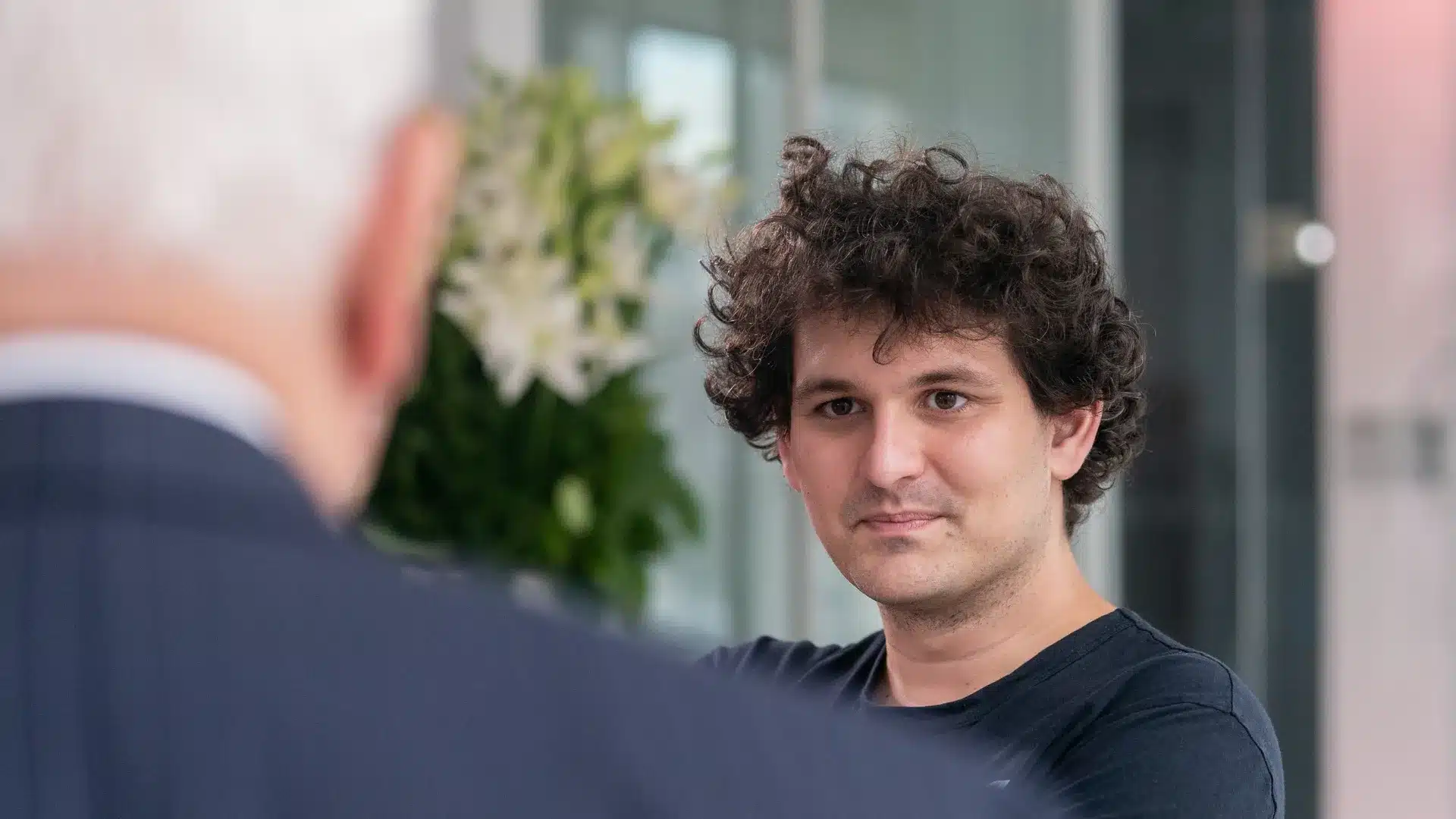
    Sam Bankman-Fried

    If Zhao was the richest and most powerful person in crypto, Sam Bankman-Fried was easily the most famous.

    Born to Stanford University professors, Bankman-Fried graduated from MIT with a degree in physics.

    In 2019, he founded FTX, which skyrocketed to become the world’s second-largest crypto exchange.

    Along the way, Bankman-Fried built up his image as the unofficial ambassador for the cryptocurrency industry, with high-profile appearances in the media and even the US Congress.

    At one point in 2022, he had a net worth of $24 billion, according to Forbes.

    But he had been walking a dangerous path — his team used customers’ money for everything from buying posh real estate to covering risky moves by affiliate Alameda Research.

    It all came crashing down when these moves were revealed in the media in November 2022. Within hours, rival CZ Zhao said Binance would sell all the FTX tokens it held.

    It sparked a stunning collapse of FTX and Bankman-Fried’s empire, his fame turning to notoriety.

    Arrested in the Bahamas in January, he was found guilty this month of what US prosecutors described as “one of the biggest financial frauds in American history”. He faces up to 110 years in prison.

    During his trial, the 31-year-old admitted to making “mistakes” but denied trying to defraud anyone.

    Do Kwon

    South Korean entrepreneur Do Kwon co-founded Terraform Labs in 2018, developing the cryptocurrencies TerraUSD and Luna.

    Do Kwon, co-founder and chief executive officer of Terraform Labs, poses in the company’s office in Seoul, South Korea, on Thursday, April 14, 2022. Kwon is counting on the oldest cryptocurrency as a backstop for his stablecoin, which some critics liken to a ginormous Ponzi scheme. Photographer: Woohae Cho/Bloomberg via Getty Images

    The Stanford grad successfully marketed them as the next big thing in crypto, attracting billions in investments and global hype.

    Media reports in South Korea described him as a “genius”.

    But in May last year, the value of these currencies — marketed as “stablecoins” — plummeted, wiping out around $40 billion in investments and sending a shock wave through the rest of the industry.

    It led to more than $500 billion in further losses on global crypto markets, industry data suggested.

    Experts said Do Kwon — whose full name is Kwon Do-kyung — had marketed a glorified Ponzi scheme.

    Brash and outspoken on social media, Do Kwon left South Korea before the collapse and spent months on the run.

    He was arrested in Montenegro this year after being caught trying to catch a flight using fake Costa Rican travel documents.

    He faces multiple criminal charges in the United States and South Korea.

  • ‘I walked to my home, spent a week in silence, biggest moment of my life’: Trump claims Khan was delighted about Iran operative death

    ‘I walked to my home, spent a week in silence, biggest moment of my life’: Trump claims Khan was delighted about Iran operative death

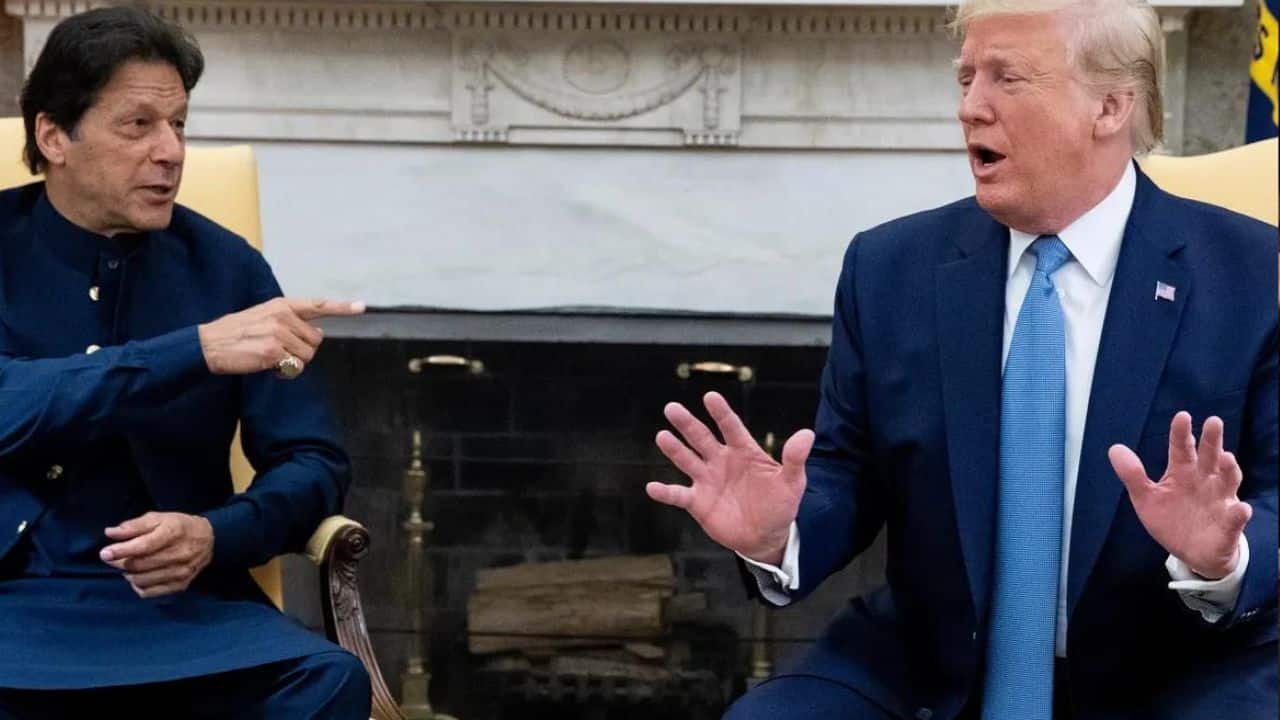
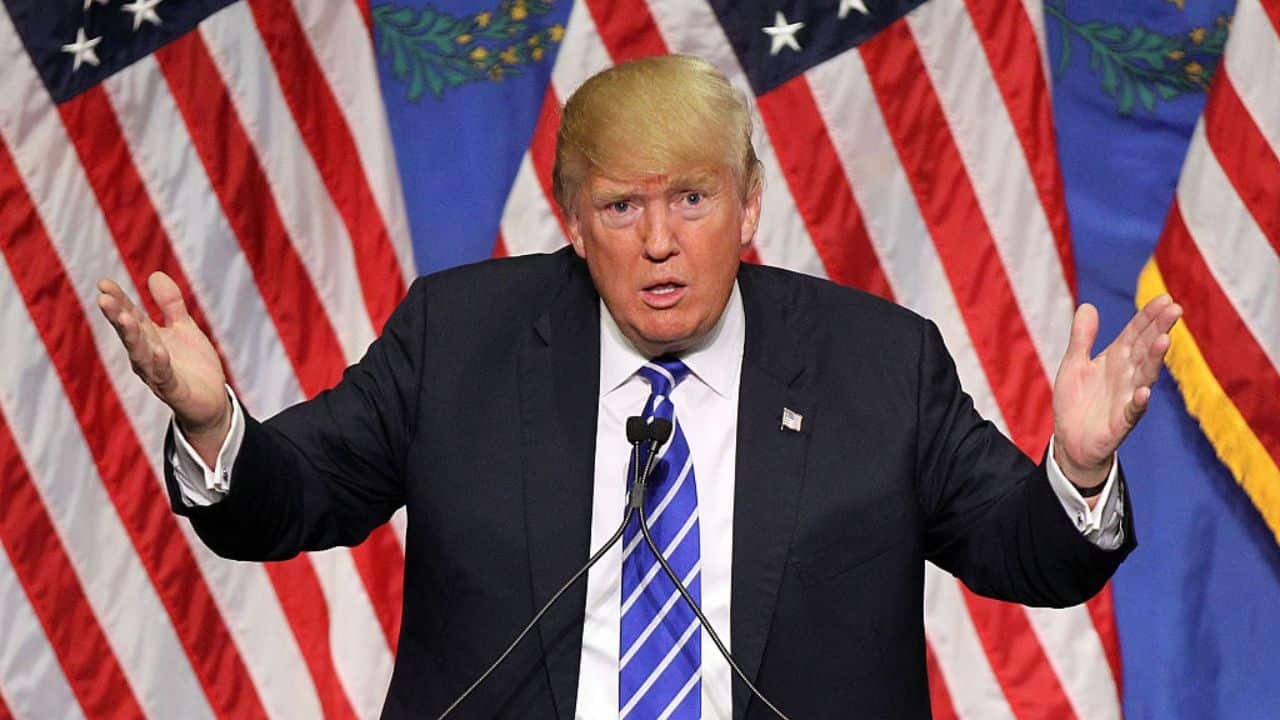
    Former American President Donald Trump is revealing about the killing of Iran’s master operative General Qassem Soleimani in 2020 just before COVID took over the world.

    Trump said that former Prime Minister Imran Khan ‘rejoiced’ at the killing.

    “There was a Khan, a great cricket player, he became the head of Pakistan, he said it was the single biggest thing I can ever remember happening in my life when Soleimani was killed,” Trump said.

    He further claimed that Khan said, “I left my office, I walked to my home, I stayed in my home in solitude for one week, It was the biggest event that ever happened to me. He was the biggest cricket player. That’s like being a great NFL player or a great baseball player. He was said to be just about the best handsome guy. He became the boss, Pakistan.”

    Trump was addressing a campaign rally in Houston, Texas, a city with a large Pakistani diaspora population.

    However, Trump’s claim of Imran Khan going into seclusion seems to be untrue. Journalist Omar Warraich pointed out in a X thread that Khan addressed a rally in his hometown Mianwali, the very next day and did not mention Soleimani’s assassination in the speech.

    Trump’s claim that Imran Khan walked from his office, the Prime Minister Secretariat, to his home, Bani Gala, also seems to be untrue. It has never been reported that Khan ever walked home, a distance of roughly 15 kilometers.

    The United States assassinated Qasem Soleimani with a drone strike in Baghdad on January 3, 2020. Soleimani was an Iranian general, the country’s most powerful commander, widely considered to be the most important person in Iran after Supreme Leader Ayatollah Khamenei.

    Soleimani was the leader of the Revolutionary Guards’ Quds Force, a pivotal figure in managing Iran’s campaign to drive U.S. forces out of Iraq, and built up Iran’s network of proxy armies across the Middle East. Washington accused Soleimani of masterminding attacks by Iranian-aligned militias on U.S. forces in the region.

  • Iranian teen has expired after allegedly being beaten up over violation of hijab laws

    Iranian teen has expired after allegedly being beaten up over violation of hijab laws

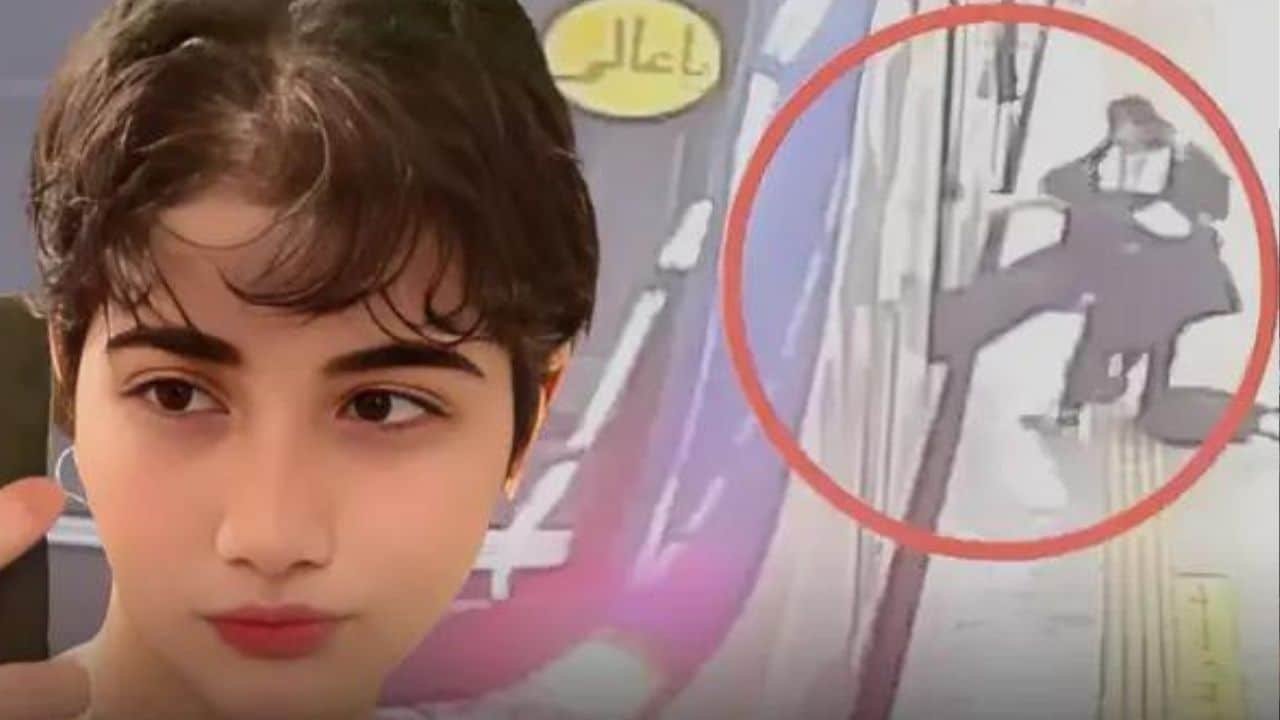
    Update : “Armita Garawand, a student in Tehran, died an hour ago after intensive medical treatment and 28 days of hospitalisation in intensive care,” reported the Borna news agency affiliated with the youth ministry.

    The 17-year-old ethnic Kurd, who was declared “brain dead” a week ago, had been hospitalised at Fajr Hospital in Tehran since October 1 after she fell unconscious on the metro.

    In September, lawmakers voted in favour of toughening the penalties, which include jail sentences of up to 10 years for women who violate the dress code.

    The reformist daily Ham Mihan called on the authorities to “allow independent media to investigate” the incident in order to persuade the public.

    Previously it was reported that Armita Geravand, a 16 year old in Tehran, is allegedly the latest victim of Iranian morality police. In a controversial incident that took place in a metro station, she is likely to be “brain-dead” as reported by state-media. 

    Iranian authorities have vehemently denied any such claims of altercation on the Tehran Metro station with the female policers. They say that the girl collapsed due to low blood pressure. 

    Humanitarians such as Kurdish-Iranian Hengaw groups have claimed otherwise of the reason behind the teenager’s collapse. They made her hospitalisation public, showing her pictures in an unconscious state and alleging that the teen had not undergone any operations owing to her fragile health condition. She was admitted to the hospital on October 1 and since then she has been in a critical condition under a tight security presence. Her mother was also reportedly arrested around the hospital but was released afterwards. Her father has told the Hengaw group that he has been informed by the medical team that “her brain is no longer functioning and there is no hope of recovery.”

    As for the footage published by Iranian  Media it can be seen that an unconscious body has been dragged out of the train by the female officers. Amnesty International has opined that there is “mounting evidence of a cover-up” because the analysis shows that the footage has been edited with the frame rate increased and over three minutes of footage is missing. They believe that the family and friends affirming state narrative are saying this under duress. They have not been allowed to visit her and even the journalist who went in to report was detained briefly. 

    The stringent hijab laws in Iran became a point of controversy with the death of 22 year old Mahsa Amini, last year in September 2022. The extremely controversial and unfortunate near-dead condition of this young girl has further raised concerns. 

    Just a couple of days ago, two Iranian Journalists were sentenced to long periods of imprisonment on charges of covering the protests held all across the country after Amini’s death. 

    To read more: https://thecurrent.pk/iran-sentences-two-women-journalists-for-covering-mahsa-aminis-protests/

  • Iran sentences two women journalists for covering Mahsa Amini’s protests

    Iran sentences two women journalists for covering Mahsa Amini’s protests

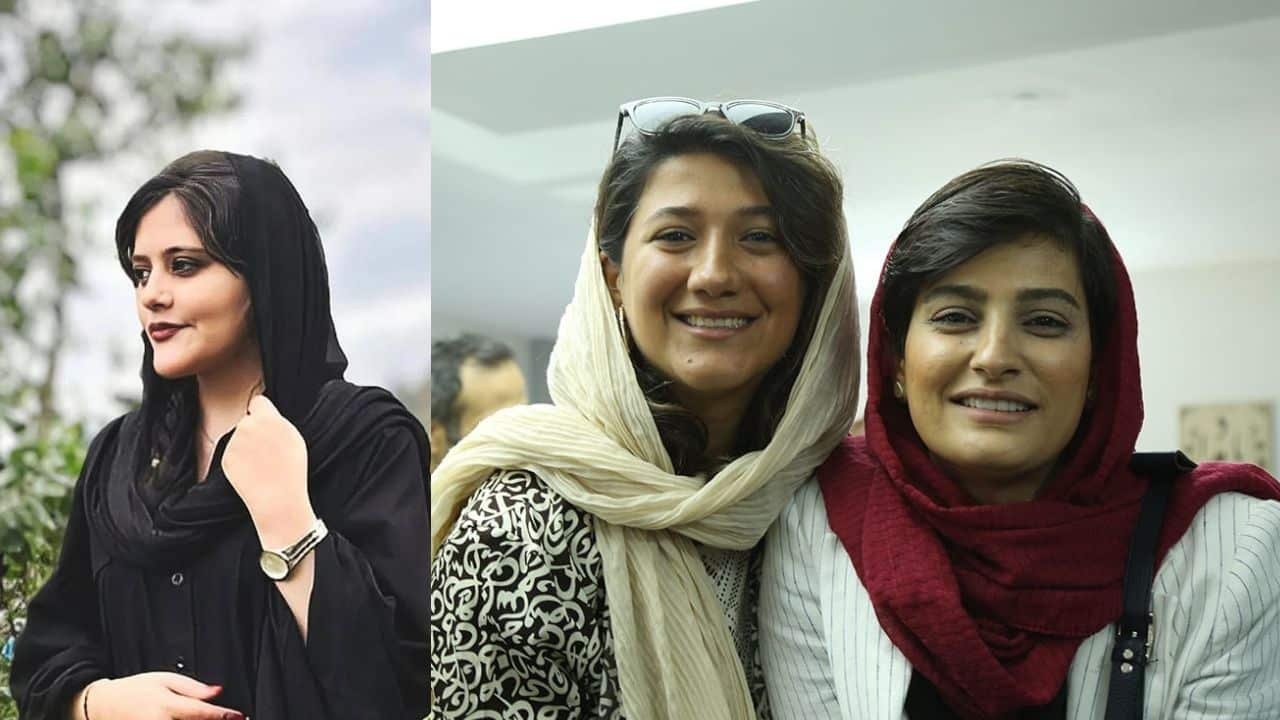
    Two female journalists in Iran have been sentenced to a long period of imprisonment on national security charges after they covered Mahsa Amini protests.

    In September 2022, 22-year-old Mahsa Amini was taken into custody by Iran’s morality police for violating ‘Islamic dress code’ and refusing to wear a hijab. She died in police custody. Huge protests then burst out across the country.

    Days after the protests, Niloofar Hamedi and Elaheh Mohammadi were arrested while their trials started in May.

    Both were reporting for reformist newspapers.

    Hamedi had posted an image on social media of Amini’s parents holding each other and crying at the hospital where she died, while Mohammadi reported on her funeral from Amini’s hometown.

    According to the official news website of the Iranian judiciary, Hamedi and Mohammadi will serve sentences of 13 years and 12 years in prison, respectively.

    Hamedi’s preliminary sentence is seven years in prison for “cooperating with the hostile government of the United States” whereas Mohammadi has received six years for the same offence.

    They both received an additional five years in prison for “collusion to commit crimes against the country’s security” and a one-year sentence for “propaganda against the establishment of the Islamic Republic of Iran”.

    Hamedi has also been sentenced to a two-year ban on “membership in political parties or groups, being active on social media, or working in media,” reports Al Jazeera.

    “In the cases of both aforementioned individuals, there is proven evidence of links with some entities and individuals linked with the US government, which was done knowingly and in following anti-security policies,” the judiciary website said.

    The sentences, however, are subjected to appeal and thus, can be reduced.

  • Donald Trump thinks Hezbollah is ‘very smart’

    Donald Trump thinks Hezbollah is ‘very smart’

    While lambasting Joe Biden and Benjamin Netanyahu, former President of the United States of America, Donald Trump appreciated Hezbollah for being “very smart”. While speaking to a rally of supporters in Florida, Trump did not hold back and even called the Israeli Defence Minister a “jerk” for stating on national TV that he hopes they don’t attack from the North because they did the following morning. He said that these “statements are passed when you’re doing a con-job and fully prepared but in actual you were not. Israel was not prepared.”

    Earlier he claimed to have read Biden’s security papers where it was mentioned that he hopes Hezbolllah does not attack from the North because that is the most vulnerable spot. He praises the group’s intelligence that they (Hezbollah) are all very smart and they know the weak-spots.

    He carried on by accusing Iran of being a potentially big, vicious force that Israel is fighting and he advised the latter to straighten themselves up.

    He reminisced about the time he was disappointed by Israel when Netanyahu let them (USA) down while countering Iran-hinting at the target killing of General Qasim Sulemani-he still wants Israel to get it right this time.

    Trump’s criticism of Biden is not a surprise but in his interview to Fox News he asserted that, “We have to protect Israel, there’s no choice.” He goes on by saying “He(Netanyahu) is hurt very badly, he was not prepared and Israel was not prepared. And under Trump they wouldn’t have to be prepared…”

    His statements have invited a lot of criticism from various fronts. “[I]t is absurd that anyone, much less someone running for President, would choose now to attack our friend and ally, Israel, much less praise Hezbollah terrorists as ‘very smart,’” Florida Gov. Ron DeSantis said in a post on X, formerly known as Twitter.

    White House called these statements as “dangerous and unhinged.”

    Former New Jersey governor Chris Christie called Trump “a fool” for his remarks on Hezbollah and Netanyahu.

    This has infuriated people and Trump knows it when he said that the media comes at him for calling President XI of China “smart” too but he remarks nonchalantly, that he “gotta say” what he has to say.

  • Jailed Iranian activist Narges Mohammadi wins Nobel Prize

    Jailed Iranian activist Narges Mohammadi wins Nobel Prize

    A jailed Iranian women’s rights advocate, Narges Mohammadi, is the winner of the 2023 Nobel Peace Prize for her fight against the oppression of women and advocacy for social reform.

    She was awarded the prestigious prize on Friday, while she is till behind bars, for her efforts to promote human rights and freedom for all”, as stated by the Norwegian Nobel Committee.

    “Her brave struggle has come with tremendous personal costs. Altogether, the regime has arrested her 13 times, convicted her five times, and sentenced her to a total of 31 years in prison and 154 lashes,” head of the Norwegian Nobel Committee, Berit Reiss-Andersen, said in Oslo during the announcement.

    51-year-old Mohammadi is an Iranian human rights activist who has played a leading role in the campaign for women’s rights and the abolition of the death penalty in the country.

    She is currently serving a number of sentences in Tehran’s Evin prison, adding up to about 12 years of jail, including charges of spreading anti-state propaganda.

    Mohammadi is the deputy head of the Defenders of Human Rights Center, a non-governmental organisation led by Shirin Ebadi, the 2003 Nobel Peace Prize laureate.

    The New York Times approached her after she was named the winner. “I will continue to fight against the relentless discrimination, tyranny and gender-based oppression by the oppressive religious government until the liberation of women,” she stated.

    “I also hope this recognition makes Iranians protesting for change stronger and more organised. Victory is near.”
    On the contrary, Tehran has accused the Nobel committee of politicising the issue of human rights.

    “The action of the Nobel Peace Committee is political move in line with the interventionist and anti-Iranian policies of some European governments,” Nasser Kanaani, a spokesperson for Iran’s Foreign Ministry, said.

    “The Nobel Peace committee has awarded a prize to a person convicted of repeated law violations and criminal acts, and we condemn this as biased and politically motivated,” he added in a statement carried by state media.

  • Four Pakistani beggars went to Saudi Arabia under guise of Umrah

    Four Pakistani beggars went to Saudi Arabia under guise of Umrah

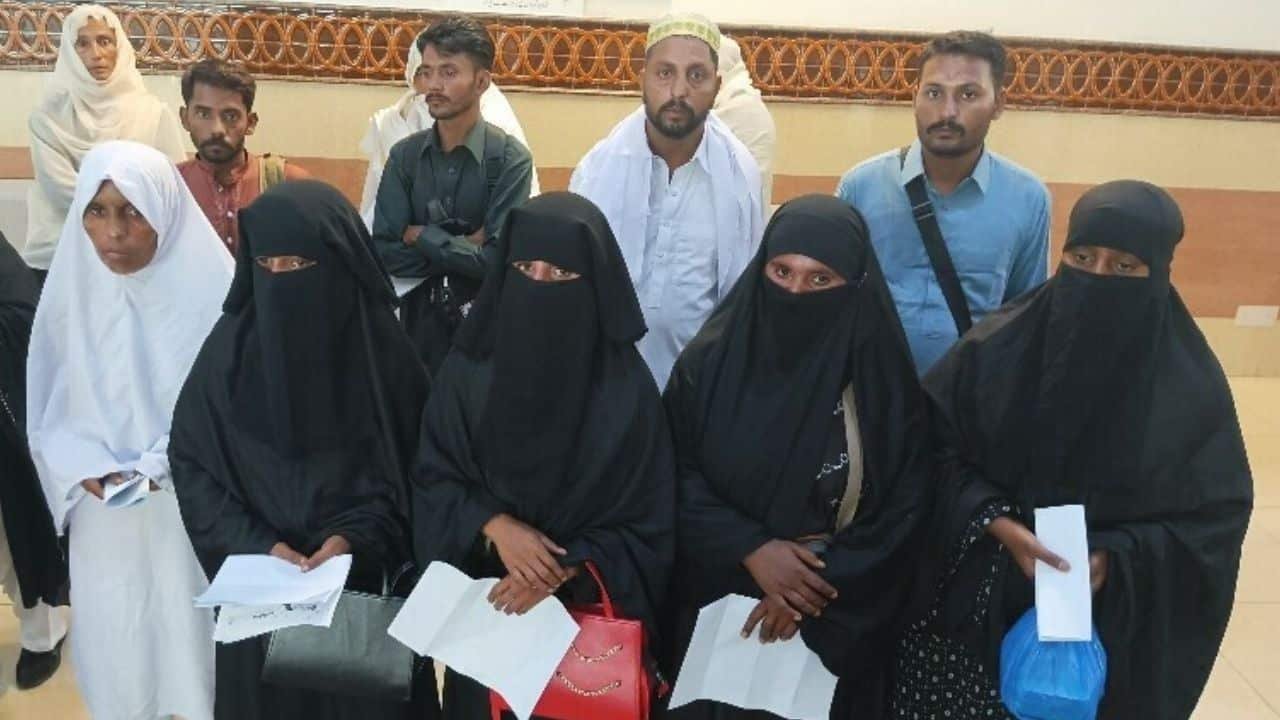
    The Anti-Human Trafficking Circle Lahore of the Federal Investigation Agency (FIA) has arrested four suspects who went to Saudi Arabia to beg under the guise of Umrah.

    Among the four suspects were two women and two men.

    According to the spokesperson of FIA, the accused were offloaded by FIA Immigration at Lahore Airport. They had reportedly gone to Saudi Arabia, Iran and Iraq several times to beg, and were to be received by Pakistani agents on arrival in Saudi Arabia.

    Half of the money earned through begging was to be given to the agent.

    So far, a case against the accused and the agents has been registered while investigations are underway.

  • Iran’s ‘morality police’ back in action 10 months after nationwide protests 

    Iran’s ‘morality police’ back in action 10 months after nationwide protests 

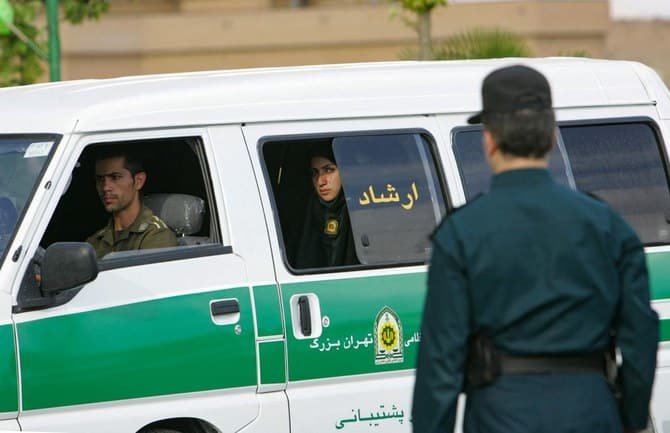
    Iran’s notorious morality police have resumed patrolling the streets of the country, after policing efforts had been scaled back following nationwide protests that broke out across the country last year. 

    Following the death of 22-year-old Kurdish woman Mahsa Amini while she was held in police custody, tens of thousands of Iranians took to the streets to protest, in what some analysts say was the ‘biggest challenge‘ posed against the government since the 1979 Islamic Revolution.

    During the mass protests, which lasted for months, the morality police were largely absent from Iranian streets, refraining from highly confrontational methods of enforcing mandatory hijab laws that were imposed shortly after the ‘79 revolution. There were even some reports – later denied – that they had been disbanded.

    The protests largely died down earlier this year, after a brutal crackdown in which more than 500 protestors were killed and nearly 20,000 detained by authorities. 

    Saeid Montazeralmahdi, the spokesperson for the Iranian law enforcement force, confirmed on Sunday that police patrols were now operational on foot and with vehicles to crack down on people whose head covering is not deemed appropriate in the Islamic Republic, according to Al-Jazeera.

    The Guardian reported that in Tehran, morality police has been seen patrolling the streets in marked vans.

    For the past few months, morality police have also been employing surveillance cameras with face-recognition software to identify hijab violators. The violators are given warnings, fines, or sent to appear in court.

    Mahsa Amini was detained last year on September 13th, on accounts of violating the draconian dress code law the Iranian government has in place, which mandates women wearing the hijab. According to authorities, Mahsa Amini was not wearing her hijab ‘properly’.

    Witnesses reported that she was beaten by morality police after her arrest in Tehran. The morality police maintain that Mahsa Amini suffered a heart attack and died. 

    Demonstrators initially gathered outside Kasra hospital in Tehran, where Amini was being treated. Human rights groups reported that security forces deployed pepper spray against protesters and that several were arrested.

    This year alone, there have been many high-profile hijab related incidents, including an incident in Mashadd, where a man dumped yoghurt on two women for not wearing the hijab properly. All three parties were arrested by authorities.