Tag: Iran

  • KYA BOLA? (Dec 3): ‘Nawaz Bais-e-Ibrat’, ‘NAB Ko Maanty He Nahi’, ‘Dubai Py Hamlay Ki Dhamki’

    KYA BOLA? (Dec 3): ‘Nawaz Bais-e-Ibrat’, ‘NAB Ko Maanty He Nahi’, ‘Dubai Py Hamlay Ki Dhamki’

    Following are some snippets that stood out from Urdu newspapers on December 3, 2020, which The Current takes no responsibility for.

    ‘Nawaz Bais-e-Ibrat’

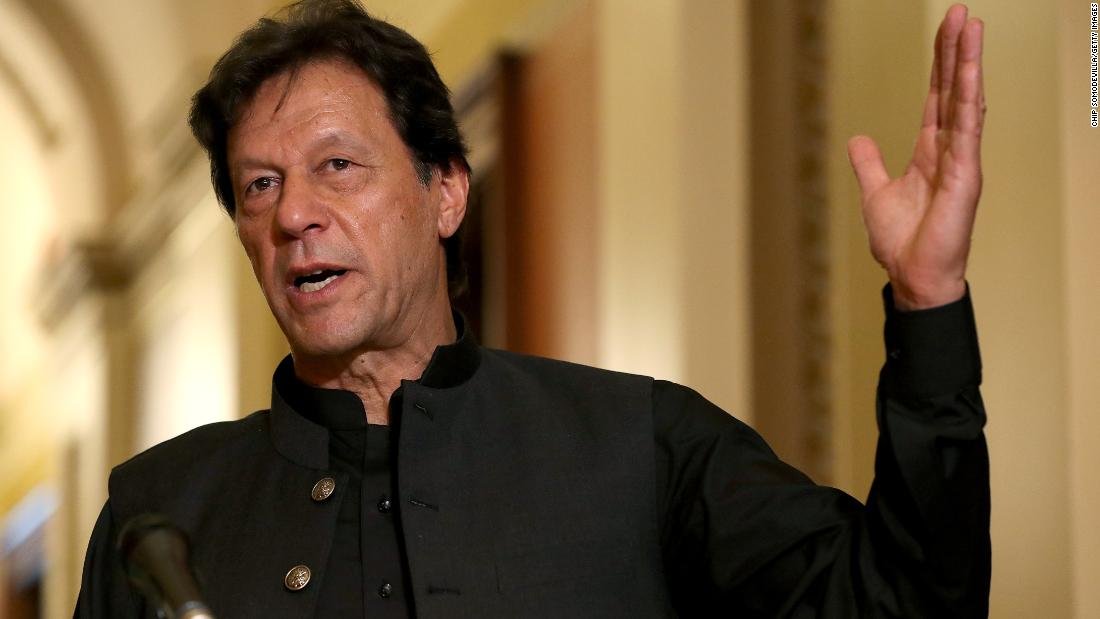
    Daily Jang has quoted Prime Minister Imran Khan as saying: “Nawaz aur Zardari per Allah ka azaab aaty dekha, jo hamary lye nishan-e-ibrat ha. Apni zindagi mai dekha ky in ki halat kya hui. Kabhi jail ja rahy hain, kabhi bahir aa rahy hain.”

    ‘NAB Ko Maanty He Nahi’

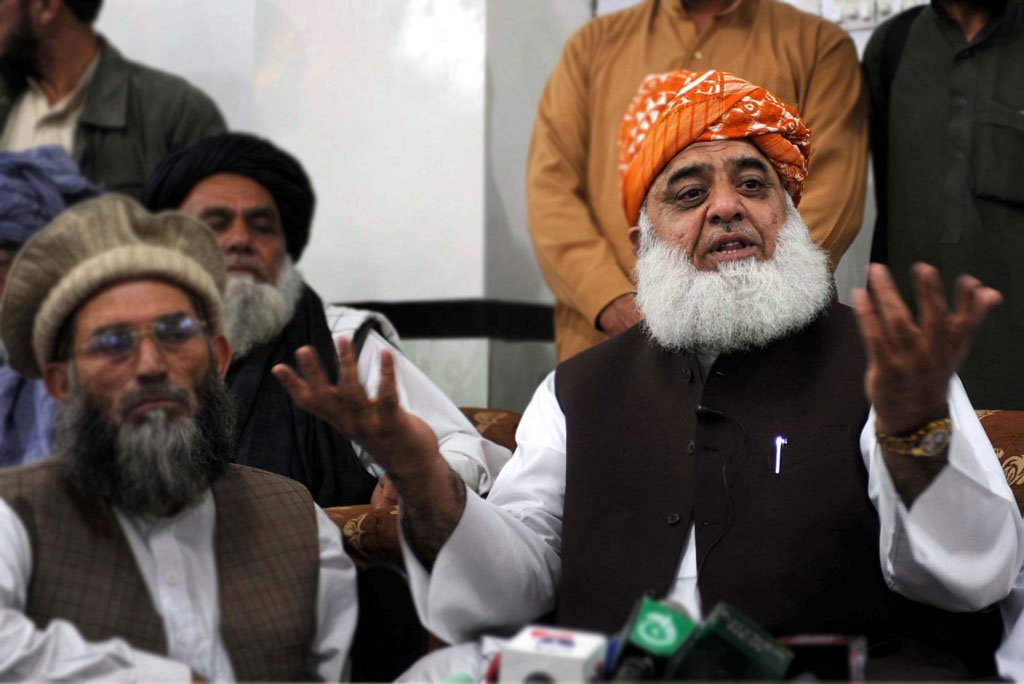
    JUI-F chief Maulana Fazlur Rehman has refused to appear before NAB, saying the notice sent by NAB has no legal standing. Daily Jang reported: “Jab hum NAB jesy idary ko he tasleem nahi karty tou us ky notice ki bhi koi qanooni heysiat nahi. Aesy nafsiati hathkandoon sy maroub hony wali nahi hum.”

    Dubai Py Hamla?

    Dunya News has reported that Iran has warned the United Arab Emirates of retaliation if the US used its soil to attack Tehran. According to the newspaper: “Iran ny UAE ko dhamki di ha k Amreeki hamly ki soorat mai Dubai ko nishana bnaya jaye ga.”

  • Friendship ended with India, now China is Iran’s best friend?

    Friendship ended with India, now China is Iran’s best friend?

    After being “dropped” from a key rail project in southeastern Iran along the border with Afghanistan, India is also set to lose an ambitious gas field project in the country that had been in the pipeline for the past 10 years. 

    India’s Ministry of External Affairs has said in a statement that Tehran would develop the Farzad-B gas field in the Persian Gulf region “on its own” and might engage India “appropriately at a later stage”.

    Last week, Masoud Karbasian, managing director of National Iranian Oil Company (NIOC), told reporters that a new operator had been roped in to develop the gas field, replacing India’s ONGC.

    The field, estimated to possess 21.7 trillion cubic feet of natural gas reserves, 12.8 trillion cubic feet of natural gas and 212 million barrels of gas condensates, was discovered in 2008 by a consortium of three Indian companies — ONGC, Oil India Limited and Indian Oil Corporation.

    According to the deal, the Indian side was supposed to develop the field but they abruptly stopped work in 2012, following the intensification of sanctions against Iran.

    After sanctions were eased in 2015 following the signing of a nuclear deal between Iran and Western countries, India showed its willingness to return to the project.

    However, things again fell apart amid the reinstatement of US sanctions on Iran in May 2018, which further “discouraged” India from making headway in the project, said sources familiar with the issue who requested not to be named.

    “By May 2018, the two sides had made tremendous progress and agreed on key details of the project,” the sources said. “However, the US sanctions played the spoilsport.”

    The two sides had disagreements among themselves as well, particularly on the number of pipelines to be laid and financial investment in the development plan, according to reports.

    In May 2019, Iran’s oil minister, Bijan Namdar Zanganeh, said his ministry had devised a plan to finance the development of the Farzad-B gas field.

    The NIOC had asked the Indian side to submit a financial plan for the field’s development. However, Tehran was “not impressed” with the plan and asked for a new one, said the sources. India had reportedly made a $5.5 billion investment plan

    In August 2019, after slow progress by the Indian side to submit a new plan, Karbasian said Iran would proceed with another operator for the project.

    India’s External Affairs Ministry, however, said the “follow-up bilateral cooperation” was impacted by “policy changes on the Iranian side”.

    This was, however, not the only blow that Iran has served to India as just earlier this week it had “dropped” India from a rail project after the Indian side showed reluctance to start work due to US sanctions.

    The memorandum of understanding to construct the 628-kilometre railway line from the port city of Chabahar to Zahedan was first discussed between the two sides in May 2016.

    It came on the sidelines of the signing of a trilateral agreement between India, Iran and Afghanistan to develop a transport and trade corridor from India to Afghanistan through the Chabahar port in southeast Iran. The port has been operational since 2016 and has been exempted from US sanctions.

    India’s External Affairs Ministry dismissed the reports that Iran excluded it from the rail project as “speculative,” saying Tehran was to “nominate an authorised entity to finalise outstanding technical and financial issues”. The matter, it said, was “still awaited”.

    “IRCON was appointed by [the] Government of India to assess the feasibility of the project. It was working with CDTIC, an Iranian company under their Ministry of Railways in that regard. IRCON has completed the site inspection and review of the feasibility report,” the ministry said in a statement on Thursday, referring to the state-run Indian infrastructure firm undertaking the project.

    “Detailed discussions were thereafter held on other relevant aspects of the project, which had to take into account the financial challenges that Iran was facing. In December 2019, these issues were reviewed in detail at the 19th India-Iran Joint Commission Meeting in Tehran.”

    An official from Iran’s Ports and Maritime Organisation has also denied the reports. However, he said Iran “has not inked any deal with India” for the construction of the Chabahar-Zahedan railroad.

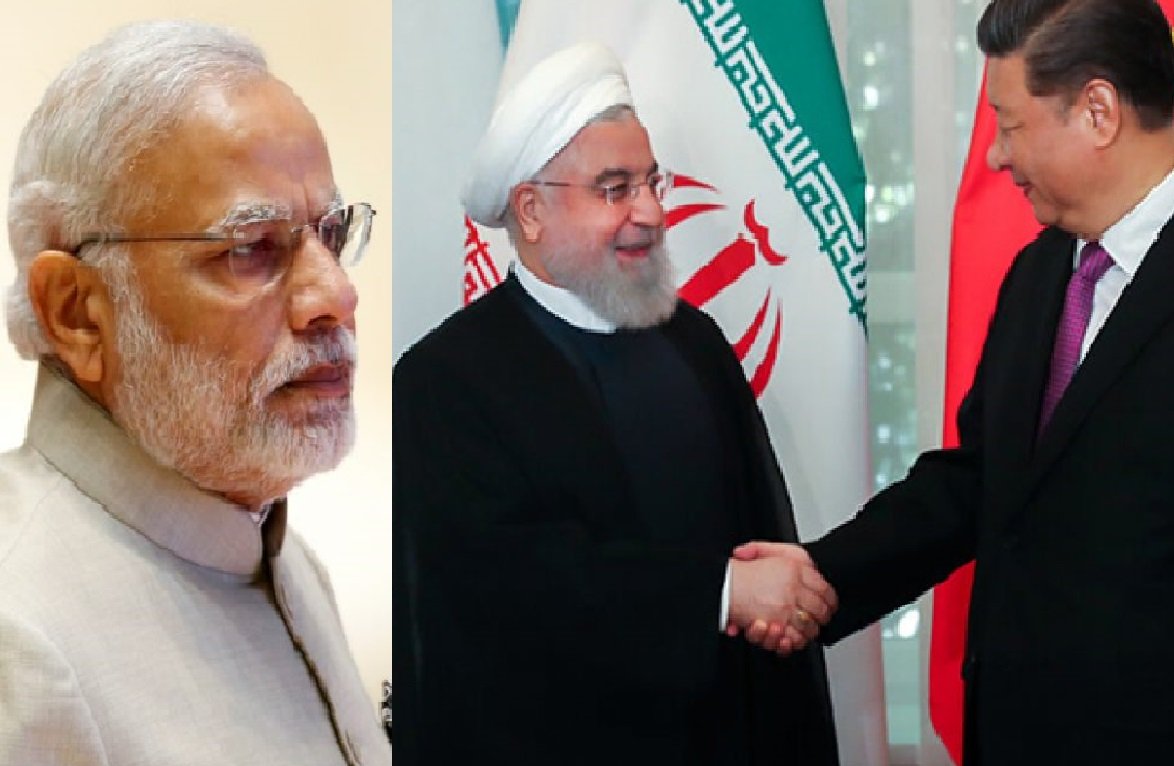
    Both the developments come amid China-India tensions over a territorial dispute in the Ladakh region and as Beijing, sensing America’s internal political difficulties amid social justice protests and poor COVID-19 response, reportedly approves a $400 billion economic and security deal with Tehran.

    In addition to massive infrastructure investments, the agreement envisions closer cooperation on defense and intelligence sharing, and is rumored to include discounts for Iranian oil. If finalised, China would gain massive influence in this geopolitically critical region.

    The US is likely to push back against this partnership, which threatens its security and energy interests in the Middle East and Eurasia. According to Forbes, it is an open secret that Washington’s foreign policy interests constantly clash with those of Tehran and Beijing.

  • Projection: August likely to be the worst month for Pakistan with one million coronavirus cases

    Projection: August likely to be the worst month for Pakistan with one million coronavirus cases

    The effects of poorly managed or no lockdowns at all are raising their ugly heads as Pakistanis has reached the 14th position in the global ranking of countries most affected by the new coronavirus — COVID-19 — with 165,062 cases, while it now ranks 6th among nations with the most number of active cases around the globe, as per Worldometers.

    The World Health Organization (WHO) earlier this year warned that South Asia could become yet another new epicenter of the pandemic, however, despite the warning and rapidly increasing number of coronavirus cases, Prime Minister (PM) Imran Khan has only announced the imposition of “smart lockdowns” with only certain areas in worst-hit cities being put under restrictions.

    The decision was taken keeping in view the consequent struggles of the poor, whom the government believes might not be able to survive a complete lockdown and its effects on the already deteriorating economic conditions.

    While experts, including Dr Attaur Rahman of PM’s task force, believe the government has already failed to deal with the pandemic and is grossly under-reporting both COVID-19 fatalities and infections, the virus is yet to peak — by the end of July or August –, data suggests.

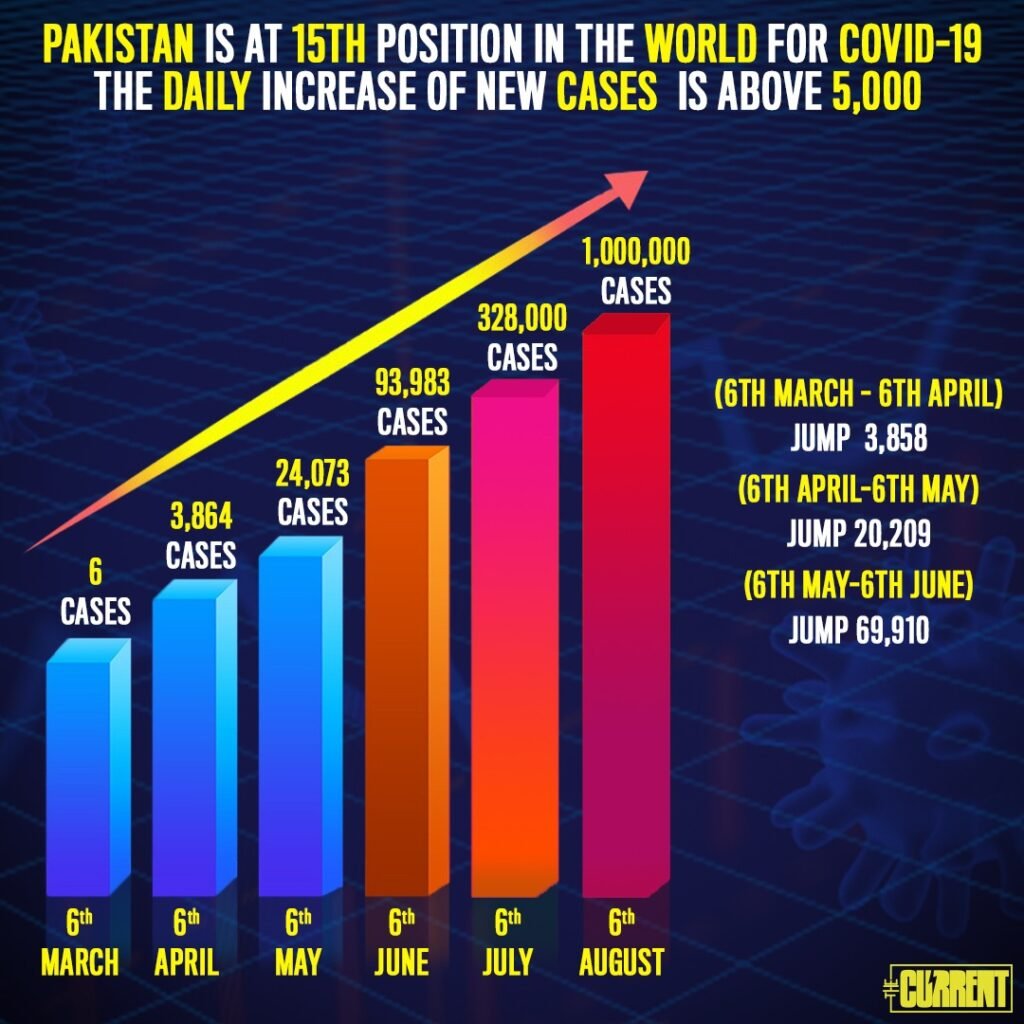
    An analysis by The Current showed that before lockdown restrictions were eased in Pakistan ahead of Eidul Fitr, the highest number of confirmed coronavirus cases stood at 24,648 during the first week of May. The figure then crawled up to 122,574 by June 11, while the number of coronavirus cases as of this moment stands past 165,000 with thousands of cases being reported every day despite a low testing capacity.

    It is estimated that the actual number of infections is very high with Lahore alone having more than 2 million cases by now.

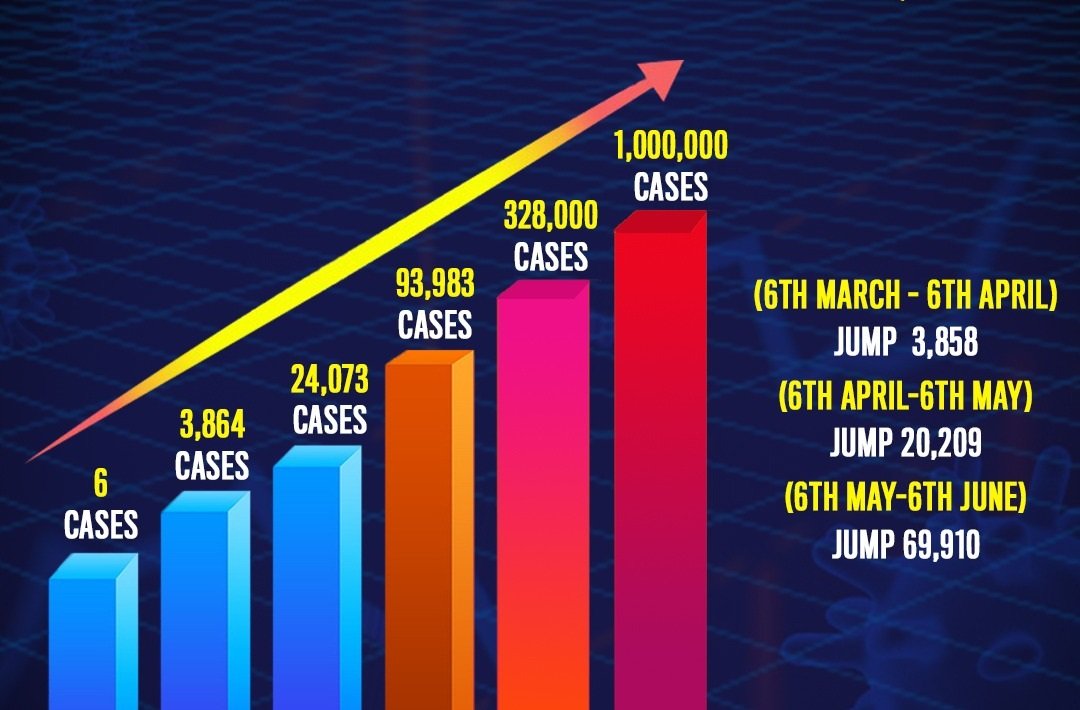
    Pakistan has experienced its largest month-wise jump since the pandemic began, with 69,910 cases being reported between May 6 to June 6. Earlier, 3,858 COVID-19 cases were recorded between March 6 and April 6 while 20,209 were reported between April 6 to May 6.

    According to projections, the figure is likely to reach a million by August 6 if strict lockdowns aren’t imposed and social distancing guidelines are not followed.

    A comparison with the best and worst managed lockdowns from across the globe also puts things into perspective.

    Country Outcome
      New Zealand
    Prime Minister Jacinda Ardern announced a strict lockdown on March 25 when 100 people had tested positive and no deaths had been reported.   After a 76-day lockdown, New Zealand lifted all restrictions, declaring the country ‘corona free’ but borders remain closed. No new case for more than two weeks has been reported in the country except three suspected ones.
    Wuhan
    The capital of Hubei province of China was the origin of the deadly virus, where 11 million residents were locked up at their homes since January. After an effective 77-day lockdown, Hubei reports zero COVID-19 infections and the country has reported zero coronavirus deaths since January.        

    On the other hand:

    Country Outcome
    India
    On March 25, India imposed a countrywide lockdown that was called a curfew by PM Narendra Modi. The development had come when 519 confirmed cases and 10 deaths had been reported across India.   A bit over two months later, with India easing lockdowns and shopping malls, restaurants as well as temples being re-opened, it has become the country with 4th highest number of coronavirus cases in the world.
    Iran
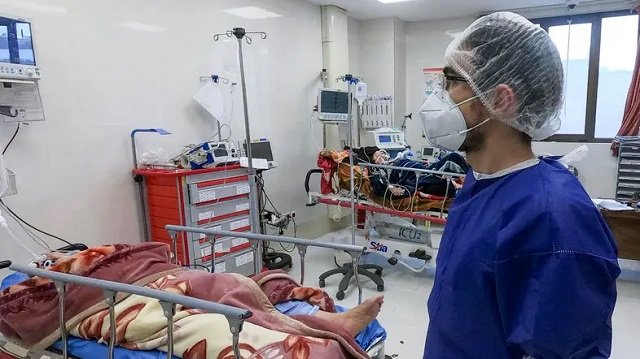
    Iran shut schools, postponed events and discouraged travel since the country reported its first COVID-19 death in February. Despite these measures, the number of deaths and infections continued to grow until a countrywide lockdown was imposed in March.   With the lockdown being eased from mid-April to May 26 when everything was reopened, including shopping malls, parks, religious shrines, restaurants and historical sites, the number of deaths has jumped to nearly 10,000 with over 200,000 infections.

    By the time this report was filed, Sindh topped the chart with most infections in Pakistan (62,269), with Punjab trailing behind at 61,678, Khyber Pakhtunkhwa (KP) at 20,182, Islamabad at 9,941, Balochistan 8,998 and Gilgit-Baltistan and Azad Jammu Kashmir (AJK) at 1,225 and 769 infections, respectively.

  • Iranian hackers attack 3 major Pakistani telecom companies

    Iranian hackers attack 3 major Pakistani telecom companies

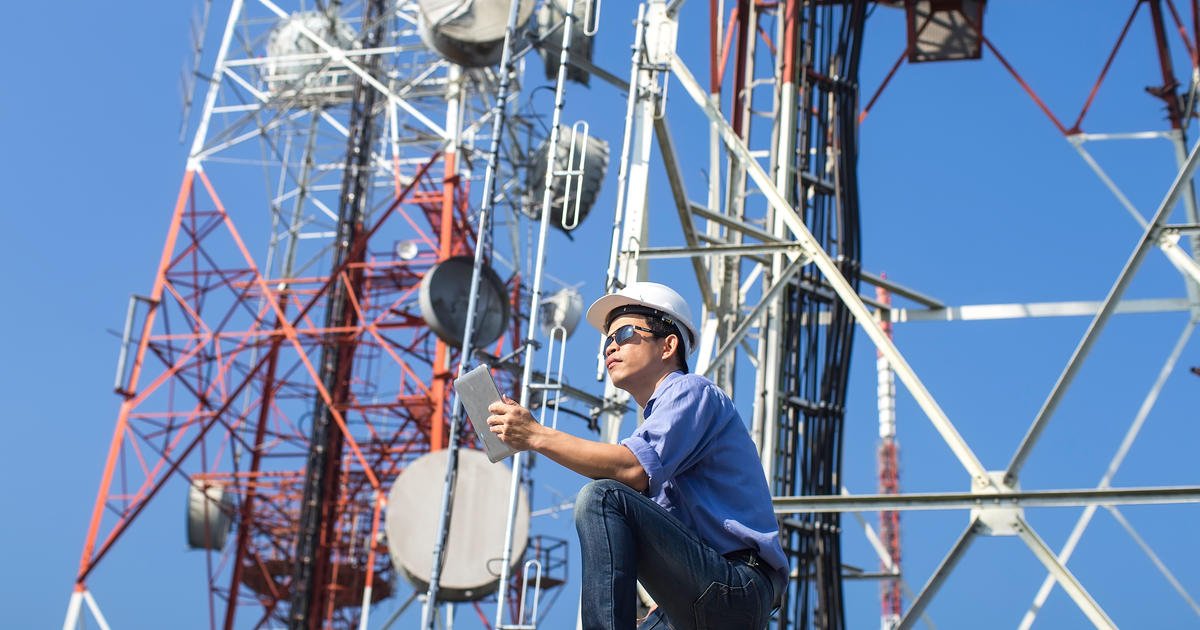
    A group of Iranian hackers has targeted three telecom firms in Pakistan and breached data servers, revealed a cyber security company, Symantec.

    While the report does not reveal the names of the companies that were targeted, it discloses that the group uses virtual “tunnels” to stay connected to the victims’ machines without a trace.

    Using virtual tunnel technique, they can also access other machines on the same network to extract valuable information.

    Jon DiMaggio, senior cyber threat analyst at Symantec explained, Iranian “Greenbug” is capable to breach telecom network repeatedly. “As we would close one door, they would attempt to come back from another.”

    Besides, this is not the first time a hacker group has been involved in cyberattacks against telecom companies. According to Symantec, 18 different groups linked to various governments around the globe targeted telecom firms in 2019.

    Telecom companies will always get these cyberattacks because they have valuable information in their databases, says Symantec. Big telecom companies like AT&T and Verizon have heavily invested in protection against cyberattacks, however, not all companies have the same resources.

    The reports recommended firms to keep their systems up to date with the latest security tools and features. There are tools that can automatically eliminate vulnerabilities from the databases of companies.

  • Over 700 dead after consuming poison to cure COVID-19

    Over 700 dead after consuming poison to cure COVID-19

    More than 700 people have died after ingesting toxic methanol, thinking it can cure the new coronavirus — COVID-19.

    According to Al Jazeera, the incident took place in Iran where the national coroner’s authority says that alcohol poisoning has killed 728 Iranians between February 20 and April 7 amid the coronavirus outbreak as compared to last year’s 66 fatalities from the same.

    An adviser to the Iranian Health Ministry, Hossein Hassanian, said that the difference in death tallies is because some alcohol poisoning victims died outside of hospital.

    Some 200 people died outside of hospitals, Hassanian was quoted as saying.

    Iran is facing the worst coronavirus outbreak in the Middle East with 5,806 deaths and more than 91,000 confirmed case.

    Methanol cannot be smelled or tasted in drinks. It causes delayed organ and brain damage. Symptoms include chest pain, nausea, hyperventilation, blindness and even coma.

    In Iran, the government mandates that manufacturers of toxic methanol add an artificial color to their products so the public can tell it apart from ethanol, the kind of alcohol that can be used in cleaning wounds. Ethanol is found in alcoholic beverages, though its production is illegal in Iran.

    READ: Britain, France, Germany bypass US sanctions to send medical aid to virus-hit Iran

    Some bootleggers in Iran use methanol, adding a splash of bleach to mask the added color before selling it as drinkable. Methanol also can contaminate traditionally fermented alcohol.

    The consumption of alcohol is generally prohibited in Iran. However, minority Christians, Jews and Zoroastrians can drink alcoholic beverages in private.

    Following the coronavirus outbreak, Iran’s government announced it would issue permission for new alcohol factories quickly.

    Iran has currently some 40 alcohol factory that have been allocated for pharmaceutical and sanitising items.

    The report comes days after United States (US) President Donald Trump raised the possibility of injecting disinfectant into patients, causing an international uproar with manufacturers, doctors and government agencies rushing out warnings against consuming disinfectants like bleach.

  • Doctors worldwide are dancing as coronavirus patients recover

    As doctors and other healthcare workers continue to fight against COVID-19 on the frontlines and are treating patients around the world, they are also keeping the spirits high amid all coronavirus panic and fear. Doctors across the world are dancing to celebrate the recovery of their patients.

    Here a few video clips from different countries that will lighten your mood at least for some time.

    They are not only dancing, but people from different professions also applauding each other for their services in this difficult time.

  • Britain, France, Germany bypass US sanctions to send medical aid to virus-hit Iran

    Britain, France, Germany bypass US sanctions to send medical aid to virus-hit Iran

    Britain, France and Germany have for the first time used a complex financial system that bypasses United States’ (US) sanctions to send medical aid to Iran, raising hopes of salvaging the 2015 Iran nuclear deal, Telegraph reported.

    The German Foreign Ministry said the medical goods were now in Iran and added that the Instex trade mechanism and its Iranian counterpart would now work on more transactions and on enhancing the system.

    Britain, Germany and France had earlier offered a $5.5 million package to Iran to help fight coronavirus there and said they would also send medical material, including equipment for laboratory tests, protective body suits and gloves.

    Washington’s major European allies opposed the decision by US President Donald Trump in 2018 to abandon the nuclear deal, under which international sanctions on Iran were lifted in return for Tehran accepting curbs on its nuclear programme.

    The European trade vehicle was conceived as a way to help match Iranian oil and gas exports against purchases of EU goods. However, those ambitions have been toned down, with diplomats saying that, realistically, it will be used only for smaller trade, for example of humanitarian products or food.

    The three European powers are shareholders in the Instrument In Support Of Trade Exchanges, or Instex, and hope other states will join later.

  • Coronavirus makes its way to Indian military as soldier tests positive

    Coronavirus makes its way to Indian military as soldier tests positive

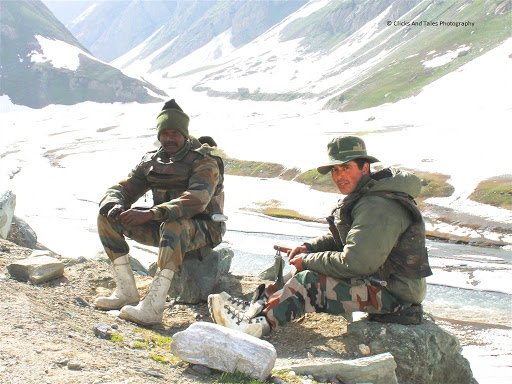
    An Indian Army soldier, posted in the mountainous region of Ladakh, has tested positive for the novel coronavirus, The Economic Times reported on Wednesday.

    According to reports, the soldier’s father had returned from Iran on February 27. At the time, the soldier was on leave. He rejoined his post on March 2.

    After returning to Ladakh, his father was quarantined at a local hospital where he tested positive for COVID-19 on March 6. A day later, the soldier was quarantined. On Monday, he also tested positive for the virus.

    During his quarantine period, the soldier was staying in his native village and helping his family. His sister, wife and two children have also been placed in quarantine.

    The soldier and all his colleagues were placed in isolation after the former tested positive.

    Earlier on Wednesday, another army official attached to the College of Military Engineering in Pune has been asked to self-quarantine after he showed symptoms of flu.

    As of now, 147 people have tested positive in India.

    To contain the spread of the coronavirus, India’s Health Ministry has announced a temporary travel ban from the European Union (EU), United Kingdom (UK) and Turkey.

  • 254 Indian Shia pilgrims have reportedly tested positive for coronavirus

    254 Indian Shia pilgrims have reportedly tested positive for coronavirus

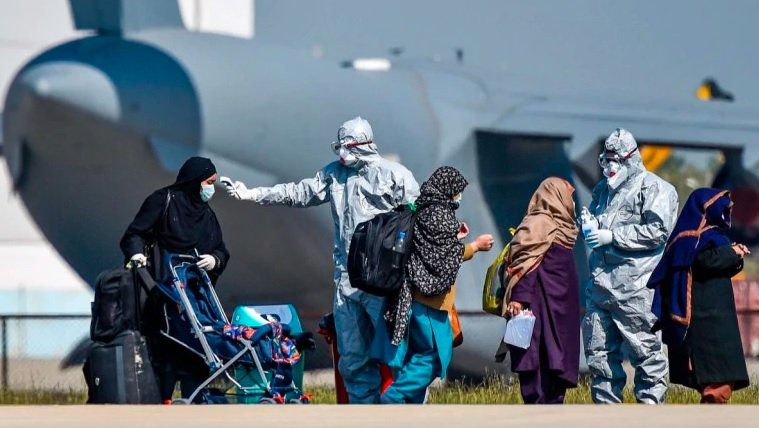
    Indian journalist Sidhant Sibal tweeted that a number of Indians pilgrims from Union territory of Ladakh in the central city of Qom in Iran have been confirmed with Coronavirus.

    “Indian mission in Iran & local authorities are reaching out to them,” she wrote in her tweet.

    Another Indian journalist Aditya Raj Kaul tweeted:

    In response to these reports by the Indian media, Indian External Affairs Ministry officials on Tuesday said they cannot confirm whether more than 250 Indians in Iran have tested positive for coronavirus but acknowledged that they were aware of such a list of people being circulated.

    MEA Additional Secretary Dammu Ravi was asked several times about Indians in Iran testing positive.

    “Of course in a situation like that, you will find some positive cases among the Indian pilgrims given the extensive spread of virus in Iran,” Ravi told the media.

    “Rest assured that every care is being taken by mission in cooperating and coordinating with the government of Iran for safety of Indians there. The ambassador is giving a lot of attention to them,” he said.

    “Cannot confirm that over 250 Indians in Iran have tested positive for coronavirus and whether the list that is being circulated is authentic or not ,” he said in response to a question about media reports claiming that more than 250 Indians in Iran have tested positive for the virus.

    He, however, said that it was not possible that all the tests of the Indian pilgrims would have come out negative as they were located in Qom.

    Video of MEA briefing:

    According to Bloomberg, India could become the next global hotspot for virus cases, with experts warning containment measures that proved successful elsewhere in Asia may not work in the world’s second-most populous country.

  • VIDEO: ‘Moment when Ukraine plane was hit by Iranian missile’

    VIDEO: ‘Moment when Ukraine plane was hit by Iranian missile’

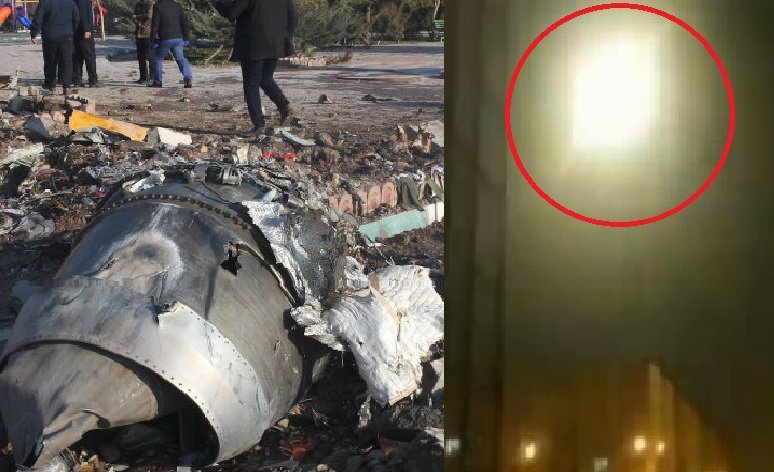
    A newly-surfaced video released by The New York Times and CNN among other foreign media outlets, appears to show the moment a Ukrainian airliner was hit by a missile before crashing not far from Iran’s airport in Tehran on Wednesday, Al Jazeera reported.

    Ukrainian International Airlines’ Kyiv-bound flight PS752 crashed minutes after takeoff from the Imam Khomeini International Airport in Tehran on Wednesday amid escalating tensions between the United States (US) and Iran.

    All 176 passengers on board were killed in the crash that came as Iran fired missiles at US forces in Iraq.

    WATCH VIDEO:

    The video is consistent with statements made by Canadian, US and UK officials, who said intelligence indicated that an Iranian missile brought down the airliner. They, however, say it may have been a mistake.

    Iran, on the other hand, rejects the same and blames engine failure for the crash.

    While it is unclear why the person was recording a video at the time, reports say it is possible that two missiles were fired, prompting the person filming to start recording. The New York Times also reported that the person started filming after hearing “some sort of shot fired”.