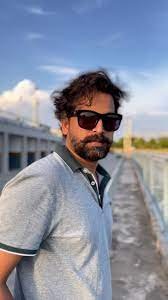
Actor Hamza Ali Abbasi has opened up about his journey to rediscovering Islam, revealing how deep, personal questioning led him to embracing his faith.
Talking on Hamza Sheikh Sabherwal podcast, he revealed the pivotal moments that shaped his spiritual transformation.
The host asked him, “I want to know if your life was always like this from the beginning, or if you have a transformation story?”
Hamza Ali Abbasi replied, “I have a very simple and boring transformation story, there’s nothing sensational in it. Often, when people turn toward God, there’s usually a significant event, like someone’s passing, an accident, or a realization. But for me, there wasn’t anything like that. In my teenage years, I had a very rational question that felt necessary to answer: I’m alive now, but one day I will die.”
The Alif actor continued: “From all around, I would hear talk of every kind of religion, not just Islam but Christianity, Judaism, and all religions and that God exists. Most importantly, the concept of the hereafter. Learning about these concepts, that I would be accountable before God, and the result of that would be either paradise or hell, these are big matters, not small ones. I wanted to know if there was any truth to these concepts or not, and if there was, to what extent.”
Reflecting on his mindful journey, Abbasi admitted that his pursuit of answers led him to questioning faith.
“For me, it was important to ask these questions and equally important to find answers to them. I had no interest in discussing religious matters, I’d say it was my compulsion, my necessity. This pursuit of answers initially pushed me towards some form of agnosticism,” the megastar recalled.
Talking about his faith and accountability, the Pyaaray Afzal actor explained, “If there’s no truth in these concepts, then life in this world is all there is. Then it’s just ‘YOLO’, you only live once. In that case, whatever benefit there is here is the only benefit, and whatever loss is here is the only loss. But if there’s any truth in these concepts, then all my efforts and, this is a very rational approach, all my efforts should focus on success in that accountability.”
Hamza Ali Abbasi is set to make his comeback in the highly anticipated drama serial ‘Faraar’ written by Mustafa Afridi and directed by Syed Wajahat Hussain and Musaddiq Malek. The drama will air on 17 November on Green Entertainment.
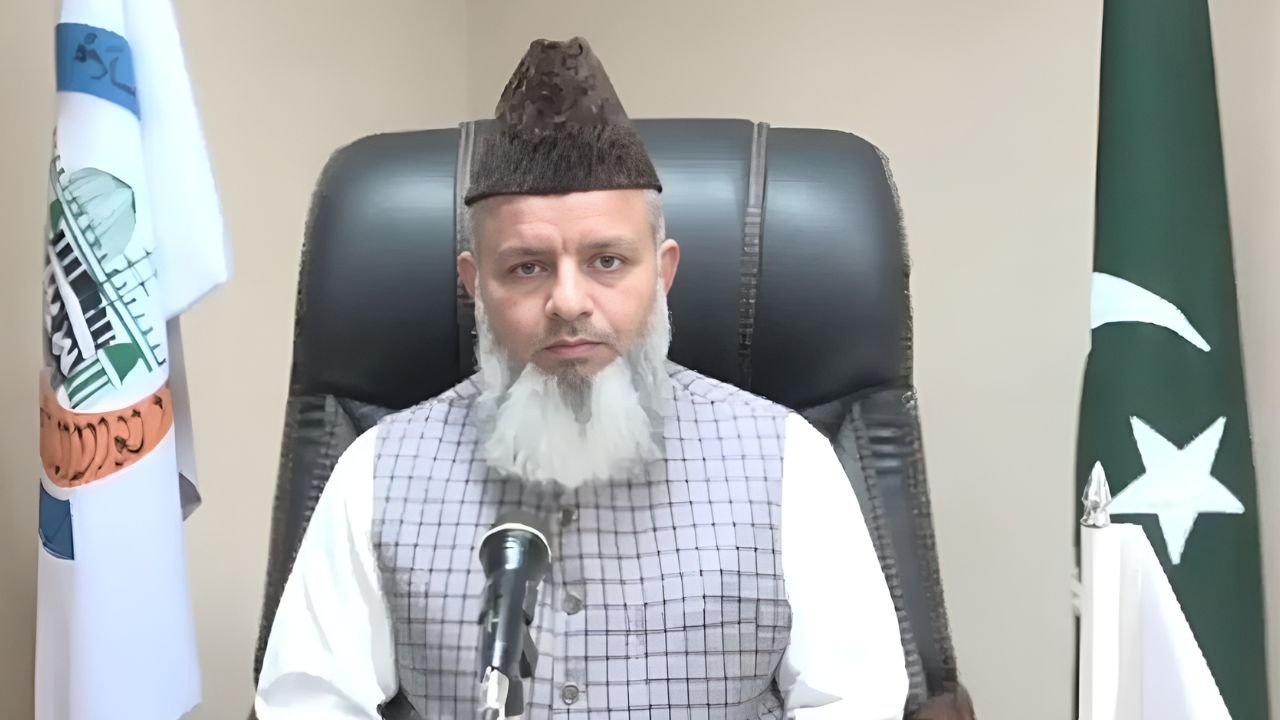
Chairman of the Council of Islamic Ideology (CII), Dr. Raghib Hussain Naeemi, has stated that declaring a person liable for death (wajib-ul-qatl) is unlawful and unjust.
Dr. Naeemi declared in a statement that such emotional actions undermine the purpose of protecting Prophethood. No individual, group, or organisation is permitted to execute anyone through a judicial process, issue fatwas, or give orders.
A statement from the office of the Chairman of CII emphasised that Pakistan, as an Islamic state, maintains a legal system with permanent penalties for all types of crimes, administered by courts following prescribed procedures.
The Council has repeatedly stressed that incitement, issuing fatwas of takfir, and making threats against government officials, the state, or ordinary citizens contradict the clear teachings of the Quran and Sunnah.
The statement further asserts that in a unified declaration by Pakistan’s esteemed scholars and muftis from all schools, it is affirmed that religious scholars and muftis have an official duty to impart religious knowledge and address moral issues, providing Shariah-based solutions. However, the determination of whether someone has committed blasphemy or uttered blasphemous statements falls within the jurisdiction of the state, its government, and the judiciary.
The recent Supreme Court ruling is also said to permit scholarly discourse in case of disagreements. The Islamic Ideological Council itself has expressed its dissent in a scholarly and reasoned manner regarding this issue. Additionally, no individual is authorised to pass judgement on others’ faith or issue fatwas based on arbitrary interpretations.
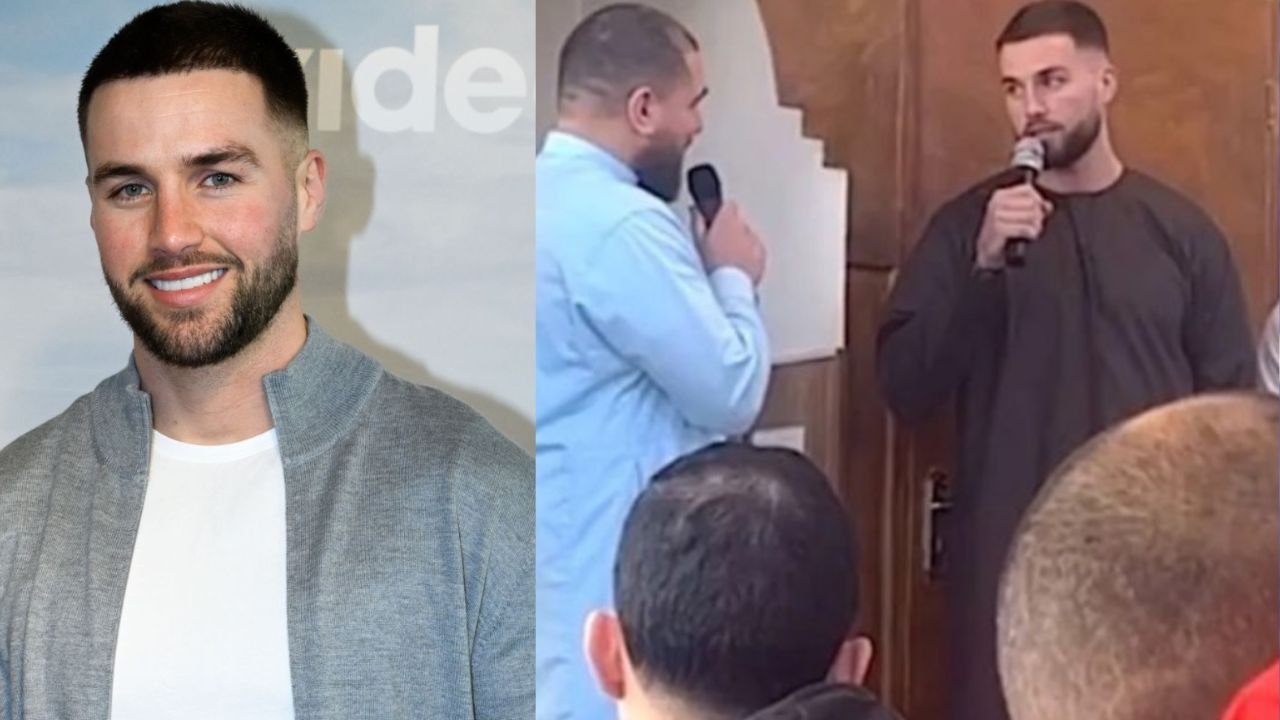
Dutch model and singer Donny Roelvink has embraced Islam, joining the growing number of people converting to the faith. Donny’s journey towards Islam began after a series of life-altering experiences, starting with a severe accident during a shoot that left him with broken ribs and a punctured lung. Following this ordeal, he was diagnosed with cancer and underwent treatment.
These challenging experiences led Donny to seek spirituality, ultimately leading him to Islam. He observed Ramzan this year and recently took his Shahadah, marking his official entry into the Muslim community. Pictures of Donny taking his Shahadah in the mosque circulated on social media platforms, garnering widespread attention.
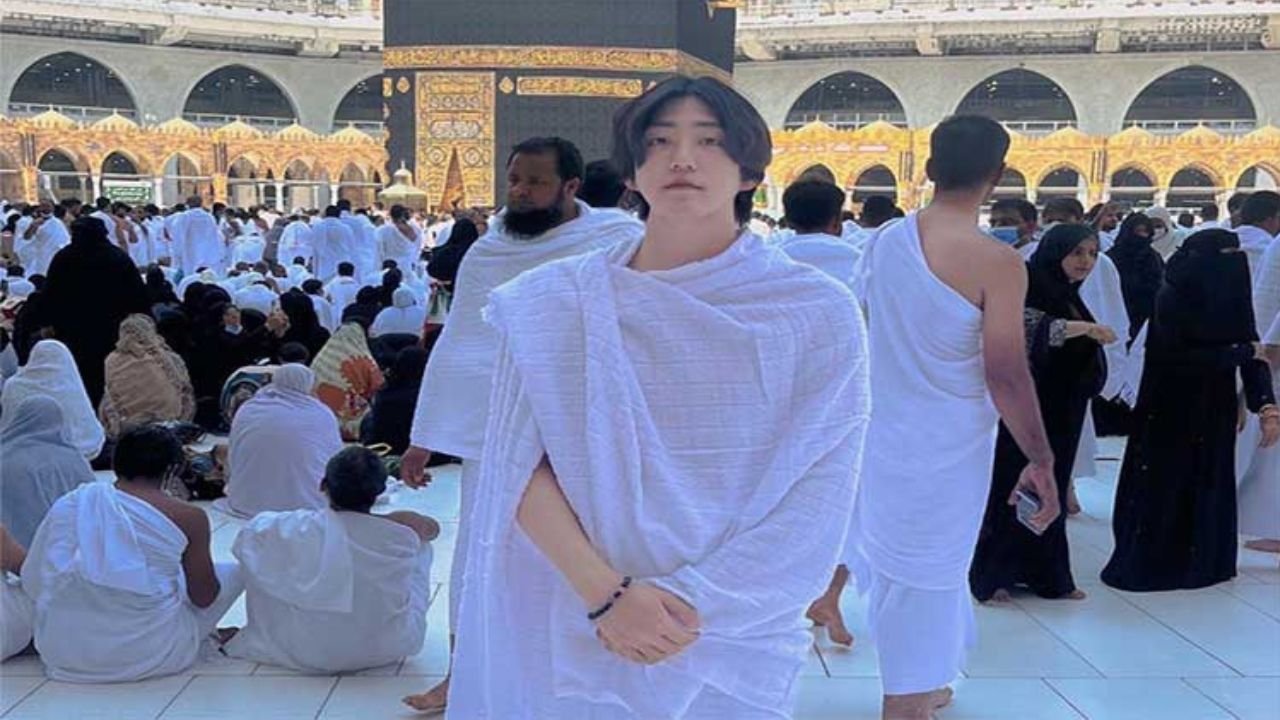
Famous South Korean pop singer and YouTuber, Daud Kim, who became a Muslim five years ago, said he’s going to build a mosque in Incheon. Taking to Instagram, Kim shared pictures of the land he purchased for the mosque and the contract.
“At last, with your support, I’ve signed a contract for the land to build a mosque in Incheon.”
“This place will soon be a mosque. I can’t believe this day has come,” he wrote in his post. He plans to build a place for prayers and an Islamic podcast studio for Da’wah to Koreans. Kim said, “I think this is a really big step. There will be tough times, but I believe I can do it. I’ll keep working until every street in Korea hears the beautiful Azan. I’ll do my best,” Kim promised.
“To build the mosque, I need financial support. If you want to help, please donate here. Thank you very much,” Kim said.
Daud Kim, who used to be called Kim Kyun-woo and went by the name Jay Kim, is a singer, actor, and YouTuber from South Korea. In September 2019, Kim made a YouTube video saying he had become a Muslim. He often talked about wanting to go to Makkah and Madina. In Ramadan 2022, Kim went for Umrah.
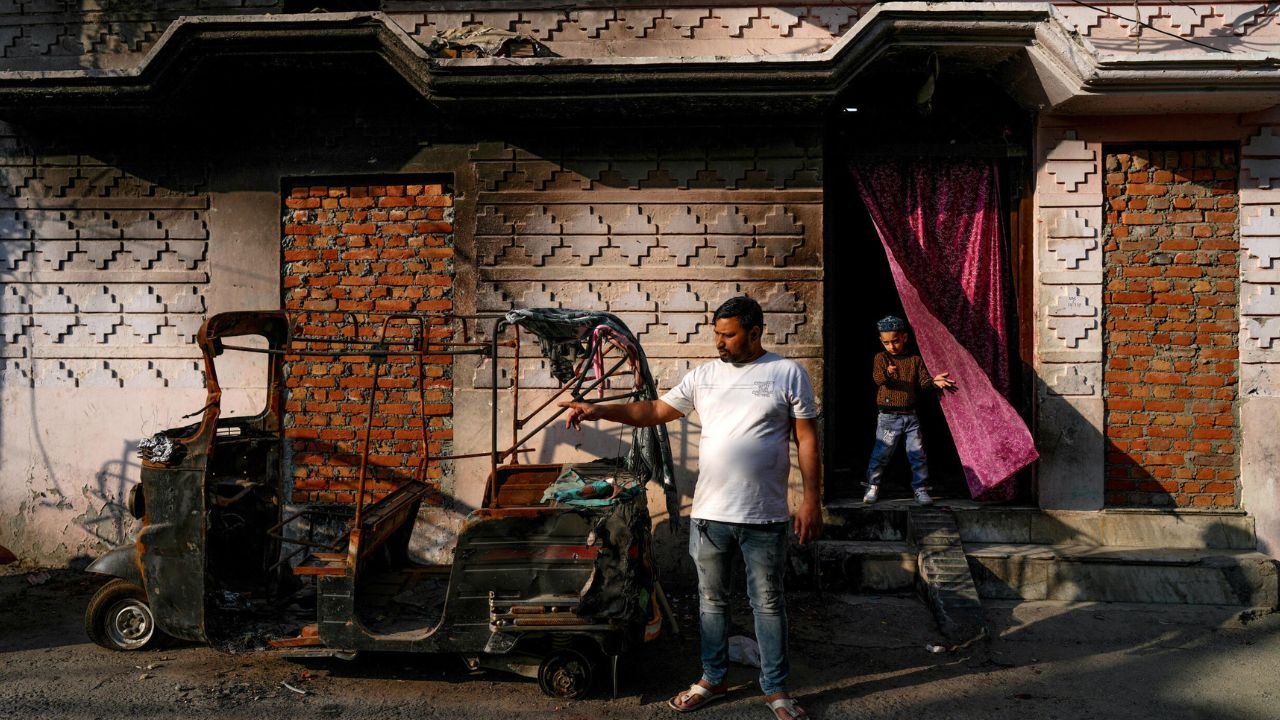
Haldwani (India) (AFP) – After his brother was murdered in anti-Muslim riots, Pervez Qureshi watched the videos he believes incited the killers, part of a wave of hatred being fomented on social media ahead of India’s elections.
India has a long and grim history of sectarian clashes between the Hindu majority and its biggest minority faith, but analysts warn increasingly available modern technology is being used to deliberately exploit divisions.
“Videos and messages were shared on Facebook and WhatsApp which contained inflammatory language and incitement to violence,” Qureshi told AFP, recalling the attack on his brother Faheem in February in the northern city of Haldwani in Uttarakhand state.
“It poisoned the atmosphere.”
Nearly 550 million more Indians have access to the internet than when Prime Minister Narendra Modi came to power a decade ago, according to figures from the Internet and Mobile Association of India.
Modi’s Hindu-nationalist Bharatiya Janata Party (BJP) is widely expected to win a third term in elections that begin on April 19.
Part of his popularity can be attributed to his party’s masterful online campaign team, staffed by thousands of volunteers who champion his good deeds and achievements.
Modi’s use of social media “awakens nationalism and patriotism among the youth in every corner of the country”, said Manish Saini, a youth leader of a BJP “IT Cell” in Uttarakhand state, who works online to reach voters.
‘Atmosphere of hatred’
Critics however accuse the BJP’s sophisticated social media apparatus of also fanning the flames of division.
Haldwani community leader Islam Hussain said tensions were already high before February’s violence, after months of incendiary social media posts calling Muslims “outsiders”.
“It was said that due to the increasing population of Muslims, the social demography of Uttarakhand is changing”, Hussein said.
“Right-wing social media cells have a big role in creating an atmosphere of hatred against Muslims.”
Clashes erupted after the authorities said a mosque had been built illegally, and a Muslim group gathered to prevent its demolition.
Some hurled stones at police officers, who beat them back with batons and tear gas.
Hindu residents gathered to cheer on the police clampdown, chanting religious slogans and throwing rocks at the crowd.
Footage of the riots spread swiftly on social media.
Egged on by online calls to mobilise, Hindu mobs rampaged through the streets.
“It’s time to teach them a lesson,” read the caption to one of dozens of inflammatory posts, many of which remain online.
“The time has come to beat Muslims.”
Qureshi said his brother Faheem, 32, was killed by Hindu neighbours after they first torched his car.
‘Triggers an incident’
But Saini, coordinator for the BJP’s youth wing, said the online team he leads does not encourage violence — and is under strict instruction not to “write anything against anyone’s religion”.
He said his colleagues had mobilised quickly on the day riots broke out to provide information, not to stir up trouble.
“When we got the news, we immediately started preparing graphics, videos and text messages to reach people with the correct and accurate information related to the incident,” he said.
He said the initial violence was clashes between police and a Muslim group — and blamed Modi’s opponents for instigating riots to tarnish the government’s image.
Critics disagree.
Raqib Hameed Naik, from research group Hindutva Watch, said that the BJP’s IT Cell had generated anger towards minorities, by promoting the government’s Hindu-nationalist agenda.
Naik, who documents hate speech against religious minorities, said the social media messages spreading during the Haldwani violence followed a pattern seen in previous riots.
“First, hate speech against Muslims by a Hindu activist or politician creates an atmosphere… then the hate speech triggers an incident,” Naik said.
Afterwards, online Hindu-nationalist campaigners “hold Muslims responsible” for the violence, he added.
Mymensingh (Bangladesh) (AFP) – Kicked out of other prayer services, members of Bangladesh’s transgender hijra community have been welcomed at a new mosque in the Muslim-majority nation with the promise of worship without discrimination.
The humble structure — a single-room shed with walls and a roof clad in tin — is a new community hub for the minority, who have enjoyed greater legal and political recognition in recent years but still suffer from entrenched prejudice.
“From now on, no one can deny a hijra from praying in our mosque,” community leader Joyita Tonu said in a speech to the packed congregation.
“No one can mock us,” added the visibly emotional 28-year-old, a white scarf covering her hair.
The mosque near Mymensingh, north of the capital Dhaka on the banks of the Brahmaputra river, was built on land donated by the government after the city’s hijra community were expelled from an established congregation.
“I never dreamt I could pray at a mosque again in my lifetime,” said Sonia, 42, who as a child loved to recite the Koran and studied at an Islamic seminary.
But when she came out as hijra, as transgender women in South Asia are commonly known, she was blocked from praying in a mosque.
“People would tell us: ‘Why are you hijra people here at the mosques? You should pray at home. Don’t come to the mosques,’” Sonia, who uses only one name, told AFP.
“It was shameful for us, so we didn’t go,” she added. “Now, this is our mosque. Now, no one can say no.”
‘Like any other people’
Hijra have been the beneficiaries of growing legal recognition in Bangladesh, which since 2013 has officially allowed members of the community to identify as a third gender.
Several have entered Bangladeshi politics, with one transgender woman elected mayor of a rural town in 2021.
But hijra still struggle for basic recognition and acceptance, lacking property and marriage rights.
They are also often discriminated against in employment and are much more likely to be victims of violent crime and poverty than the average Bangladeshi.
Hardline Islamist groups have also lashed out at the recognition of transgender Bangladeshis in school textbooks, leading rallies to demand the government abandon its push to include them in the curriculum.
Mufti Abdur Rahman Azad, founder of a hijra charity, told AFP that the new mosque was the first of its kind in the country.
A similar endeavour planned in another city was stopped last month after a protest by locals, he added.
Dozens of local hijra women donated time and money to build the Dakshin Char Kalibari Masjid for the Third Gender, which opened this month.
It also has a graveyard, after a local Muslim cemetery last year refused to bury a young hijra woman inside its grounds.
The mosque’s imam, Abdul Motaleb, 65, said that the persecution of the hijra community was against the teachings of his faith.
“They are like any other people created by Allah”, the cleric told AFP.
‘No one can be denied’
“We all are human beings. Maybe some are men, some are women, but all are human. Allah revealed the Holy Koran for all, so everyone has the right to pray, no one can be denied.”
Motaleb said that other Bangladeshis could learn from the faith and strength of the hijra.
“Since I have been here at this mosque, I have been impressed by their character and deeds,” he said.
The new mosque is already tackling prejudice. Local resident Tofazzal Hossain, 53, has offered Friday prayers there for a second week in a row.
He said living and praying with the hijra community has changed his “misconceptions” about them.
“When they started to live with us, many people said many things,” he told AFP.
“But we’ve realised what people say isn’t right. They live righteously like other Muslims”.
Tonu hopes to expand the simple mosque to be big enough to cater for more people.
“God willing, we will do it very soon,” she told AFP.
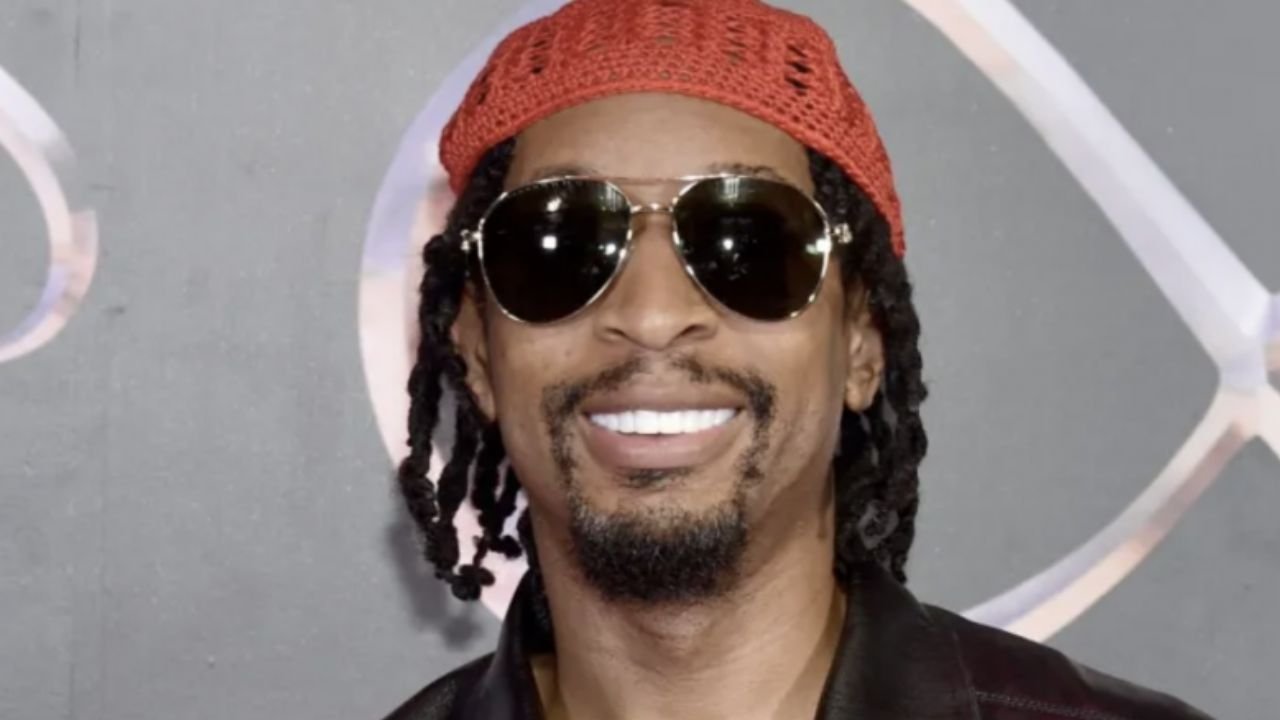
Famous American rapper and producer Lil Jon has recently embraced Islam during the holy month of Ramazan.
According to international media reports, American rapper and producer Lil Jon accepted Islam in the King Fahd Mosque in Los Angeles, California, on March 15, just before the Friday prayers.
A video of the American singer reciting the kalma is going viral on social media, where he can be seen reciting in both Arabic and English under the guidance of the mosque’s Imam.Lil Jon has been receiving congratulations from Muslims on social media for becoming a Muslim. He expressed his gratitude in a special post on Instagram, saying, “Alhamdulillah, I am thankful to all my brothers and sisters who sent me positive messages and expressed selfless love.”
Born in June 1972 in Atlanta, Georgia, the singer’s real name is Jonathan H. Smith. He became famous in the early 2000s for his significant role in creating new genres of hip-hop music.
After American author and social activist Sean King, Lil Jon is the second American celebrity to convert to Islam during the first week of Ramadan.
January 20 marked the date when a landmark verdict from a session court in Karachi changed the landscape of the judicial approach in terms of intimate partner violence.
It has been precisely two weeks since the court announced in “The State vs Javed” that the “ocular version is also supported by the medical evidence which shows that the victim was a habitual passive agent of sodomy.” Sher Bano from Karachi lodged a complaint against her husband Javed at the police station about him subjecting her to sodomy despite her attempts to stop her. About two months after their marriage, she informed her mother-in-law, who didn’t say anything to him, she said, adding that then she disclosed her ordeal to her sister and brother, after which she lodged an FIR against her husband on November 23, 2022.
Garnering a fierce debate online, this also raised a couple of questions in my mind. If this was a case of sodomy, then why is it dubbed as a marital rape? Or are they both linked? I contacted Barrister Haya Zahid from the Legal Aid Society to hear her explain the legal complexities around these terms. Haya was welcoming and answered all my questions which helped me shape this article. Legal Aid Society has now been working for the last one decade. It started as a free legal aid clinic for the marginalized sections of society, especially women and children, and has now spread all over Sindh. In the last few years, they have proceeded with over a hundred cases of sexual violence, most including charges of sodomy and rape.
Haya’s works mostly surround policy and reform. Staying true to the mission statement to connect vulnerable and disempowered end users of justice with effective and expedient services for the delivery of justice, she runs the legal aid clinic efficiently and effectively. Her team includes 33 lawyers providing free services across Sindh. For instance, she is working on Fatima from Ranipur’s case, and her team is documenting the delays and lapses of the legal system. Apart from compiling research-based data, they are training judges and prosecutors. They even assist prosecutors, as they did in The State vs Javed case, Advocate Behzad Akbar from Legal Aid Society was writing arguments for the public prosecutor because they must proceed as sexual violence is a crime against the state. They train prosecutors for such cases, helping them in preparing the case.
“The reason we are all very excited is that in the current scenario in Pakistan, intimate partner violence is more common than rapes conducted by strangers” she started by setting the premise. “Spousal sexual abuse is physically and mentally more damaging. Women usually have tended to remain silent. According to our records, they come to our legal aid office to find out what they can do and most of them opt to tread the path of obtaining ‘khula’ which is accompanied by economic disadvantages. The majority of them do not pursue cases for protection against domestic violence let alone speaking about the intimate partner violence that they go through.”
Haya made it a point to mention that most of their clients of sodomy have been male children. Their parents feel less stigmatized in fighting for justice compared to the parents of female children. Sher Bano’s plea was refreshing in a way that she very soon left her husband after the marriage, informed her family about what she had to face and that this is not normal and fought the good fight. She put up with all the medical and legal requirements and despite certain minor discrepancies in her testimony, the judge had to take a broader approach as the claims were substantiated.
The State vs Javed
In the case the victim Sher Bano filed a case against her husband after approximately four months of marriage because he used to commit oral and anal sex despite her disapproval. She confided in her mother-in-law but was ignored. She eventually took the matter home, consulted a doctor and with the support of her family, lodged an FIR against her husband. She remained steadfast during the trial as the husband and his sisters accused her of being in love with someone else and therefore wrongly blamed his husband for sodomizing her. They even tried to use piles, which she suffered from, as an excuse to prove her claim wrong. Her grit is as Haya said, “music to the ears” because she emerged victorious.
What is Marital Rape in Pakistan’s constitution?
High Court Advocate Nimra Arshad in an explainer recorded by Dawn News sheds light on the term. There is still no such term as Marital Rape defined by the law but after the Criminal Law Amendment Act 2021, the definition of rape was broadened in Article 375 of Pakistan Penal Code. Previously, the implication of the law was that rape is when a man has non-consensual sex with a woman who is not his wife but now the definition involves non-consensual sex between a man and a woman irrespective of what relation they share.
The punishment is laid out in Article 376 of PPC which can be a death sentence or life imprisonment for 10-25 years.
Criticism over three-year punishment
Barrister Haya Zahid explained that rape has more punishment in law as compared to sodomy. Because the primary abuse in this case, proven in front of the court, is sodomy, the case proceeded in line with the Criminal Law Amendment Act 2021. This law is pivotal in this case as the definition of rape was totally reformed in this amendment and was hence used in this case. According to an amendment in article 375, a person is said to have committed rape if the person penetrates his penis, inserts, or manipulates any object or part of the body to any extent into the vagina, mouth, urethra or anus of another person against their will, without consent, or consent being taken with coercion. Considering this a case of sodomy, it was still treated as marital rape because the victim was in a spousal relation with the offender and their marriage was intact when she filed the case. Resultantly, the court declared that the accused was not able to prove his point of any personal enmity that the victim (the wife) had an affair with somebody else and therefore, she implicated him falsely. “The prosecution has, thus succeeded in proving the charge against the accused only under section 377 Pakistan Penal Code beyond a reasonable shadow of doubt, therefore this point is answered accordingly,” the final verdict declared.
“This has become a seminal case where conviction of a spouse took place for sexual abuse,” Haya said enthusiastically.
They can recontest the conviction of three years which is much less than that of rape, but this may damage the case as it would be put to trial again and because the victim has gone through a lot, this will be draining for her too.
Response over conviction
Social media is mostly celebrating the verdict. BOL Network contacted LAS, and Advocate Safia Lakho represented them in their morning session where she not only explained the proceedings of the case but explained how this case will be a trailblazer in the legal history of Pakistan. “So many women, oblivious of the law itself, silently enduring the pain daily, have got to know about their rights through this judgment and it is a great achievement indeed,” she said.
However, some critics are saying this is not a case of marital rape, this is sodomy. Haya reinstated, “The definition of rape has changed as per law; this is rape happening in the context of a spousal relationship which is the highest form of intimate partner violence that there can be. We are acknowledging it as the first ever conviction of marital rape under the changed definition of rape which is in place since 2021”.
Interpretation of the verdict in the Islamic context
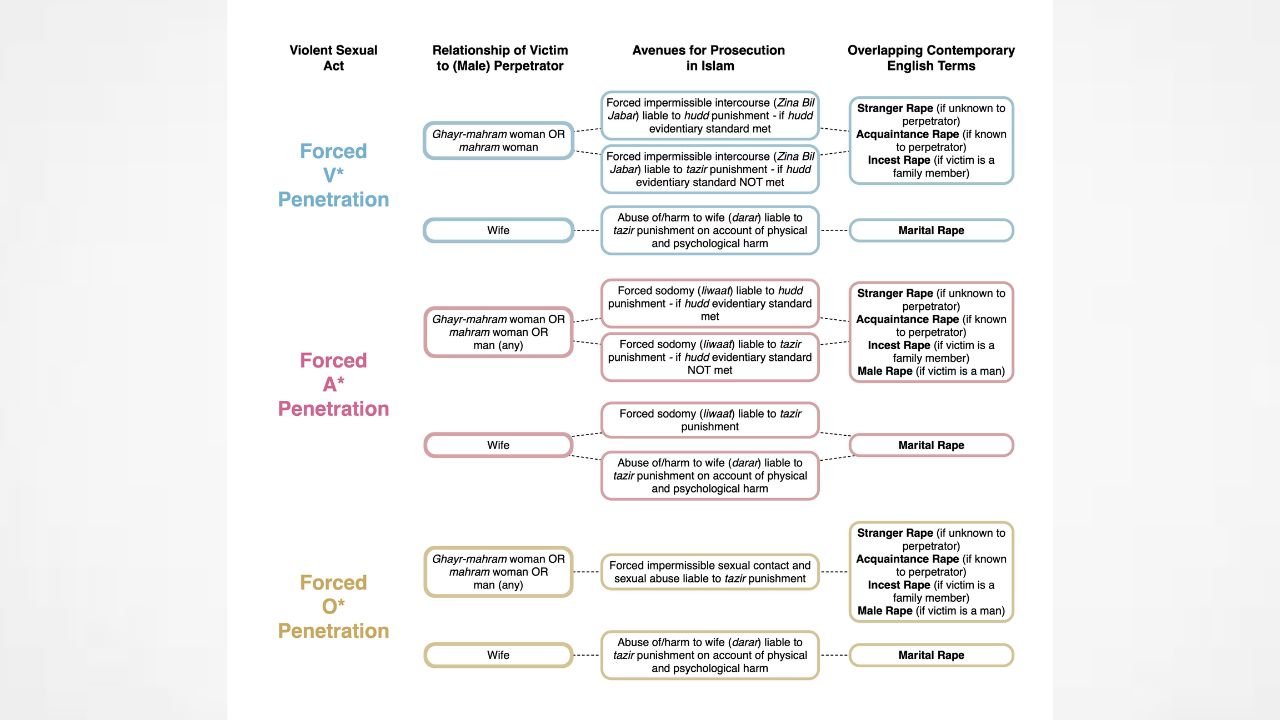
To understand the popular claims and interpretations used by the masses to either condemn or appreciate the conviction of marital rape I talked to multiple scholars including Mufti Mohammad Sohail Ahmad who is an MPhil in Usool-e-Din (Principles of Religion) from International Islamic University, Islamabad, now serving in Nottingham, UK. He delineated the basic principles as laid by the main text of the Qur’an: In Islamic schools of thought, there are two ways to go about it: Hadd and Tazir.
Hadd is equivalent to a death sentence, implying that strict action needs to be taken for the severity of the crime. Tazir on the other hand is a punishment for an offence that is culpable, and this is to be decided by the ruler or a judge according to the severity of the crime. It is strongly impermissible for a man to have sexual intercourse with his wife when she is menstruating. The other thing that is frowned upon by the laws of Islam is sodomy or unnatural sex- a crime strongly punishable by Islam.
Three-quarters of Islamic schools of thought consider Hadd to be implemented in cases of sodomy.
Image taken from @_Abdullah_Salehon X
The other scholar I consulted was Dr. Fazal-e-Hannan who is a PhD from Punjab University, Lahore and is serving as Sheik-ul-Hadith in Jamia Nazamia, Lahore. The unanimous response lays out the condemnation of the act of sodomy and applause for the verdict of the court. “It is good precedent set by the court,” Mufti Sohil Ahmad asserted, “making most of the latest medical and technological advancement to identify these crimes is a welcome change in Pakistan.”
As for the fact of a man forcing himself over his wife and inflicting pain upon her, they agreed that it is liable for a punishment. Islam stresses that husbands ought to be kind and considerate about the emotional, mental, and physical state of the wife. Allah says, “and live with them in kindness” [Quran 4:19] It is even stressed by the Prophet (SAW) as he said: “Be kind to your wives.” [Al-Bukhari and Muslim].
Javed Ahmed Ghamidi, in one of his lectures, emphasized that the relationship of a husband and wife is mutual and there is no other opinion about it.
However, the bottom line is that there are protocols of Islam that need to be followed for sexual intimacy. If violated, then needs to be dealt with accordingly.
Repudiation of implied consent theory
Advocate Nimra Arshad in her explainer describes that many people use religion to describe their chauvinistic views about the concept of marital rape whereas Islam is the same religion which provides women the protection, kindness and care they deserve in a marriage and if that is not given, there is a reasonable exit available too.
Pakistan’s law is essentially an extension of British law as proposed by Sir Matthew Hale who believed that a marriage perpetually gives man consent to treat his wife as a property. This implied consent theory is long been amended in the UK under Sexual Offences Act 2003 where spousal rape now falls under sexual assault, but the remnants of that law are very much intact in our country.
Final thoughts
Sher Bano has paved the way for women to not submit to unjust and violent behaviour in the name of marriage. This case also highlights the importance of support of the family which makes a woman invincible, especially in a society like ours. As much as raising awareness is the duty of the state, it is equally a compulsion for it to ensure the safety of citizens by making pertinent, pragmatic, and bold laws. Not recognizing marital rape as the highest form of intimate partner violence is a fact that remains in place till today.
Renowned Pakistani director Parmesh Adiwal recently embraced Islam. Previously belonging to the country’s Hindu community, Adiwal has directed popular projects such as Punjab Nahi Jaungi and Ishrat Made In China, where he served as the co-director.
But his talent doesn’t stop there! He’s also directed music videos, including the OST of the drama serial Masters, and worked with amazing artists like Amjad Sabri, Maya Khan, Sarah Khan, and Urwa Hocane. Not to mention his iconic TV commercials.
The ace director shared photos from his Umrah experience on Instagram, where friends and colleagues like Feroze Khan and Humayun Alamgir offered support. Parmesh Adiwal’s Muslim name is Muhammad. His friend has shared a picture of the director from Khana Kaaba.
Saudi Arabia has granted approval to Pakistan’s request, ensuring equal quotas for all private Hajj tour operators during the upcoming pilgrimage scheduled to take place between June 26 and July 1, 2024.
Saudi Arabia has reinstated Pakistan’s pre-coronavirus Hajj quota, allowing 179,210 pilgrims, and has lifted the previous age limit of 65 years for pilgrimage.
Anticipating the participation of approximately 90,000 Pakistani pilgrims under the government scheme, an equal number will opt for private tour operators to fulfil this religious obligation.
The revised scheme for private Hajj operators entails the formation of 180 groups, each comprising 500 people.
Each private Hajj operator is now permitted to facilitate 100 pilgrims, resulting in diverse groups of pilgrims utilising services from five different operators.
In a separate announcement, applications for Hajj 2024 under the government scheme are open from November 27 to December 12, 2023. Notably, there are no age restrictions for Hujjaj (pilgrims), and all applicants must possess a valid CNIC and a Machine-Readable Passport valid until December 16, 2024. Additionally, possessing a mandatory bank account is a prerequisite for all applicants.
Pakistan is currently in talks with airlines to lower airfares for Hajj flights. Simultaneously, negotiations are ongoing with a mobile company to digitize Hajj 2024 through a dedicated cellphone app, showcasing efforts to enhance accessibility and streamline the pilgrimage experience.