Tag: islamabad

  • Police brutality, again

    Pakistan is no stranger to incidents of police brutality but there are events that leave the entire nation shell-shocked.

    Five officials of Islamabad Police’s Counter-Terrorism Department (CTD) were arrested after they gunned down a 21-year-old boy, Usama Satti, in cold blood near Srinagar Highway, G-10 sector in the federal capital.

    This incident has led the nation to question why ours is a trigger-happy police force.

    Earlier today, Senate’s Human Rights Committee Chairperson Senator Mustafa Nawaz Khokhar tweeted, “Heart goes out to the family of young Usama. Can’t imagine what his parents and loved ones must be going through. Although judicial inquiry has been ordered, will take it up in HR committee too. Use of deadly assault weapons should b the last resort. Fatal error of judgement.”

    Social media trends asking for justice for Satti as well as arresting Interior Minister Sheikh Rasheed started trending following the young man’s brutal killing.

    In a report published by Human Rights Watch (HRW) in 2016 on police in Pakistan, the rights group noted that successive Pakistani governments have for decades failed to reform an under-resourced and under-equipped police force or hold abusive police to account. 

    Two years ago in January 2019, police officials killed several members of the same family in Sahiwal town on suspicion of terrorism. At that time, Prime Minister (PM) Imran Khan not just condemned the killings but he also promised police reforms so as to avoid torture and extrajudicial killings.

    An anti-terrorism court acquitted all six personnel of the CTD who were allegedly involved in the Sahiwal incident. The Punjab government did challenge the acquittal but such is the state of justice in this country that an encounter in broad daylight in front of young children could not garner any justice for the victims’ family.

    Two years ago in January 2019, police officials killed several members of the same family in Sahiwal town on suspicion of terrorism. At that time, Prime Minister Imran Khan not just condemned the killings but he also promised police reforms so as to avoid torture and extrajudicial killings. An anti-terrorism court acquitted all six personnel of the CTD police who were allegedly involved in the Sahiwal incident. The Punjab government did challenge the acquittal but such is the state of justice in this country that an encounter in broad daylight in front of young children could not garner any justice for the victims’ family.

    Police reforms were one of the key promises made by PM Imran and his party, the ruling Pakistan Tehreek-e-Insaf (PTI), when they came to power in 2018. Unfortunately, we have not seen any substantive move towards the same. It is important now more than ever that the government starts walking the talk because such incidents occur due to lack of accountability. We cannot continue to live in fear of a trigger-happy police force that can kill at will without any consequences.

    After police reforms in Khyber Pakhtunkhwa (KP) by the PTI government during its last tenure, we had high hopes that the PTI’s federal government would emulate the KP Police Act, 2017 in other provinces where it is in power, especially Punjab. We hope that the government would now do so at an urgent basis. 
  • Authorities to restore historic mosque near Lotus Lake

    Authorities to restore historic mosque near Lotus Lake

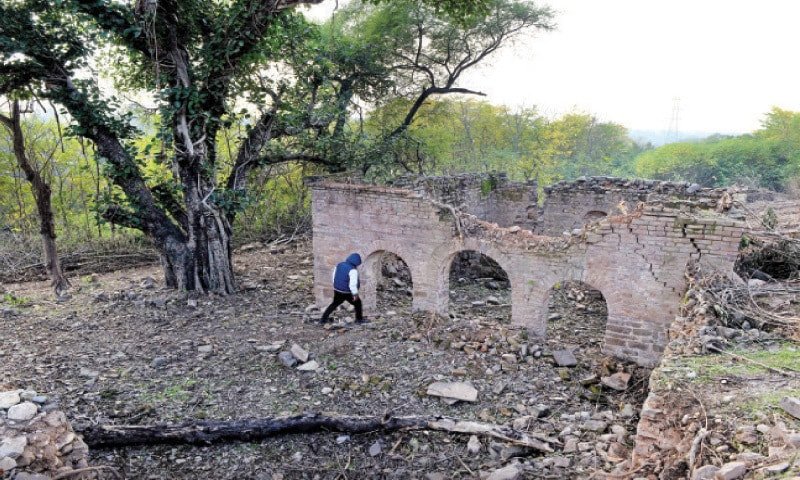
    City managers have decided to restore a historic mosque near Lotus Lake in Shakarparian.

    According to details, the mosque is believed to be over 100 years old. It was a  worship place for villagers of Pairan, who migrated from the area in the 1960s during Islamabad’s development.

    Like Pairan, many villagers from Islamabad moved to Rawalpindi and other parts of the capital after getting compensation from Capital Development Authority (CDA) for their homes and land.

    “During construction of Lotus Lake, when we carried out cleanliness operation and removed bushes etc., we found an abandoned mosque,” said Environment Director Irfan Niazi, adding construction material of the mosque suggested that it was built over 100 years ago. The banyan tree located in the mosque’s courtyard is believed to be 500 years old.

    CDA Chairman Amer Ali Ahmed said that the authority will restore this historical mosque. “I have already directed my team to take steps for restoration of this mosque, which is also our heritage,” he said.

    He further said that the construction of the lake is in its last stage and will soon be a new facility for tourists.

    There was a natural lotus lake in the area which diminished during the construction of a cultural complex between 2004-5. CDA is now constructing the lake at a new place near the Natural History Museum. The new Lotus Lake is 100ft long and 68ft wide.

  • PIA offers 30% discount on domestic flights

    PIA offers 30% discount on domestic flights

    Pakistan International Airlines (PIA) has reduced its fares for domestic flights by 30% to facilitate passengers during the winter holidays. The airline has introduced special fares on domestic flights operating between Karachi, Lahore, Islamabad, Quetta, Faisalabad, Sialkot and Peshawar from December 3 (Thursday) onwards.

    Passengers would now be able to travel between these cities on a one-way minimum fare of Rs8,500 and a round trip minimum fare of Rs17,000. Previously, charges were Rs12,275 and Rs24,600 for the same.

    PIA Spokesperson Abdullah Khan said that the purpose of discounted fares is to facilitate the people travelling to their homes during holidays. He said people can benefit from these fares on a first come first serve basis.

  • Islamabad bans indoor dining in hotels, restaurants

    Islamabad bans indoor dining in hotels, restaurants

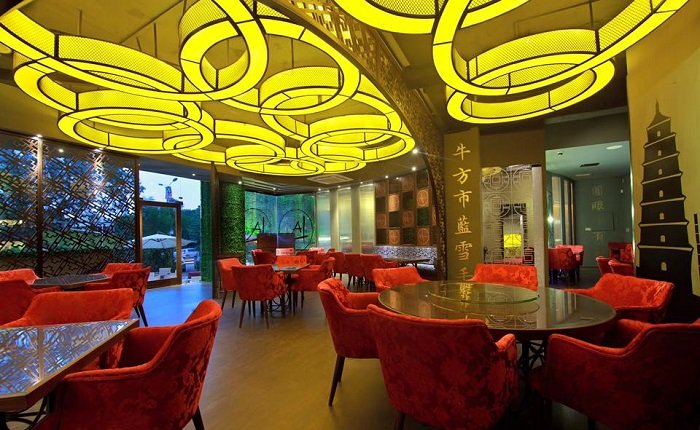
    The Capital Administration has imposed a ban on indoor dining in restaurants and hotels on Tuesday after a surge in COVID-19 cases.

    Deputy Commissioner Islamabad Mohammad Hamza Shafqaat said the order was issued in pursuant to decisions of the National Command and Operation Centre (NCOC) and under the Epidemic Diseases Act. He added that restaurants and hotels will be allowed to serve food in an outdoor setup and takeaway.

    The deputy commissioner said all assistant commissioners and subdivisional magistrates would remain in the field to ensure the ban is implemented.

    The city recorded six more deaths and 283 positive cases in the last 24 hours.

  • Islamabad to get a ‘car cinema’ next month

    Islamabad to get a ‘car cinema’ next month

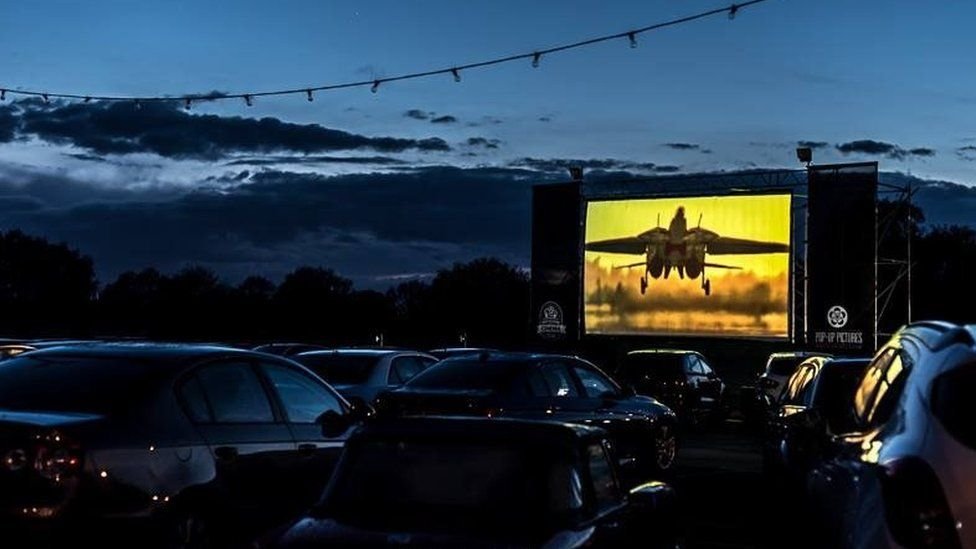
    Islamabadis are in for a treat as the Capital Development Authority (CDA) plans to open a drive-in cinema in the city next month.

    Deputy Commissioner Islamabad Hamza Shafqaat shared the news while responding to a Twitter user, who suggested that a car cinema should be opened in Islamabad given the rise in COVID-19 cases.

    “Sir given, we have Covid-19 on the rise and there can’t be any big gathering in the city, how about DC office plan a car theatre every weekend in F9 until things are back to normal. Food vendors can put stalls and serve in cars,” said Twitter user Faizan Khan.

    Replying to his tweet, DC Islamabad hinted that the Islamabad administration is planning to launch a car cinema next month.

    Later, the official Twitter account of CDA Islamabad tweeted that that authority is working towards setting up an “open-air cinema of international standards” in the city.

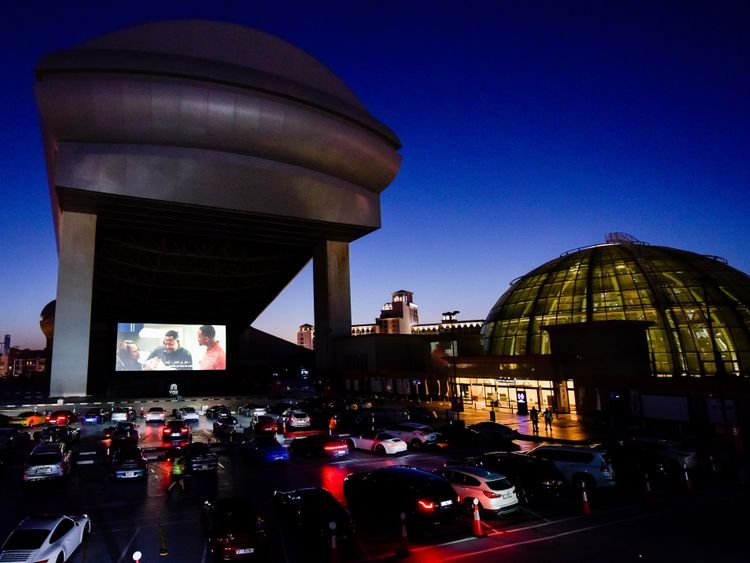
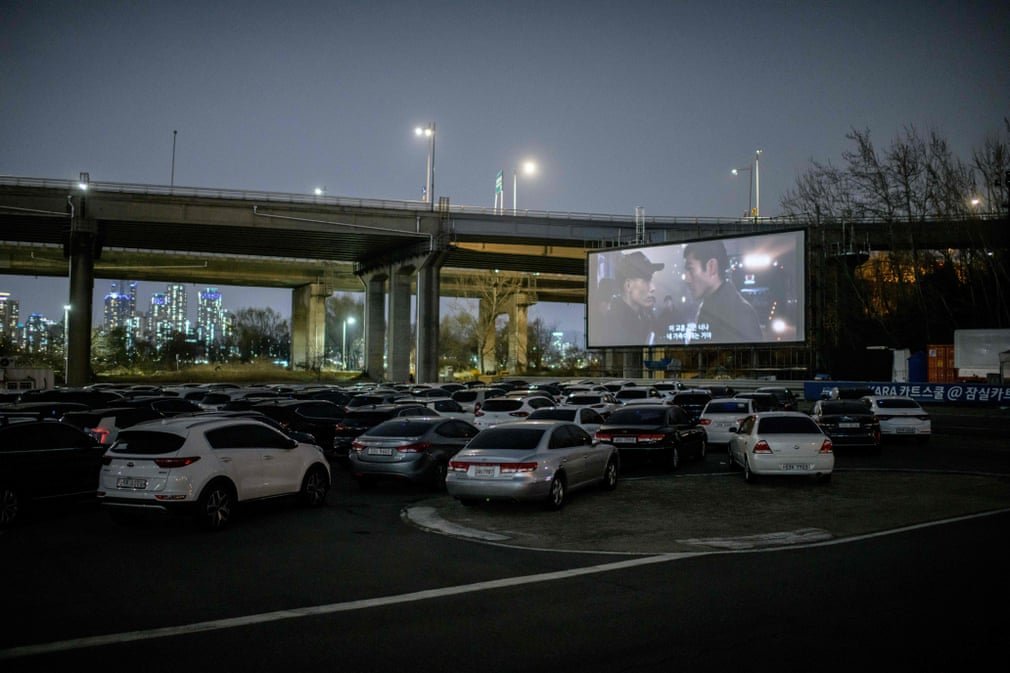
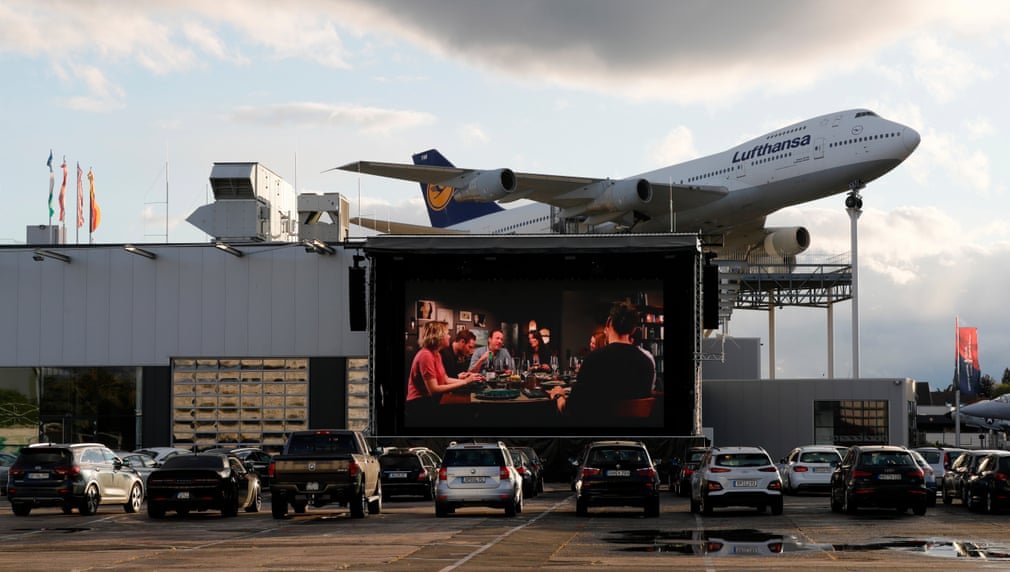
    Drive-in cinemas have gained popularity during the COVID-19 pandemic as people are forced to maintain physical distance. Several countries around the world have set up car cinemas to keep their citizens entertained during the lockdown while following SOPs.

    International airport in Lithuania
    Dortmund, Germany
    Marl, Germany
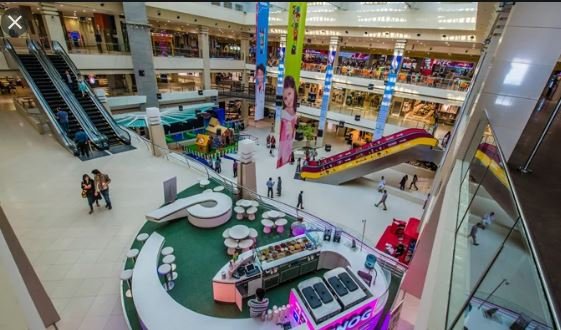
    Mall of the Emirates, Dubai
    Austin, Texas
    Seoul, South Korea
     A technical museum in Speyer, Germany
  • COVID-19: Shopping malls, restaurants, shops & marriage halls to close by 10 pm

    COVID-19: Shopping malls, restaurants, shops & marriage halls to close by 10 pm

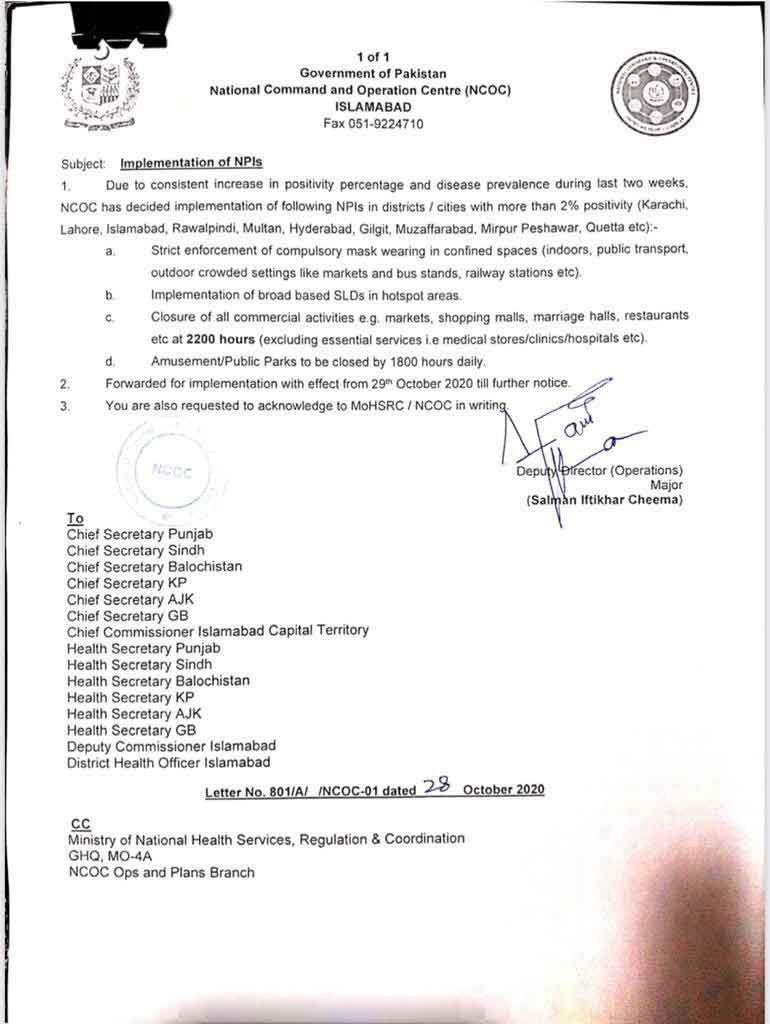
    The National Command and Operation Centre (NCOC) has announced new coronavirus restrictions for cities and districts where COVID-19 cases have increased.

    According to a notification issued by the NCOC, all shopping malls, restaurants, shops and marriage halls are to shut by 10 pm from Thursday. The authority also directed public parks and recreational spots to be closed by 6 pm from Thursday.

    The cities where there restrictions have been imposed include Karachi, Lahore, Islamabad, Rawalpindi, Multan, Hyderabad, Gilgit, Muzaffarabad, Mirpur, Peshawar and Quetta.

    Meanwhile, the NCOC has also made it mandatory to wear face masks in confined spaces (indoors, public transport, outdoor crowded settings like markets and bus stands, railway stations, etc) and ordered the provincial governments to take strict actions against violators. The government has also said that those violating the order will be fined Rs6,000 to Rs35,000 and punishment of six-month imprisonment.

    NCOC Chairman Asad Umar also appealed to the people to take the virus seriously and follows the SOPs.

    It has emerged that a rise in coronavirus cases was recorded up to 80 percent in eleven major cities including Karachi, Islamabad, Rawalpindi, Lahore, Quetta, Multan, Hyderabad, Gilgit and Muzaffarabad.

    Pakistan has reported 331,108 coronavirus cases so far with with 3.08% positivity rate.

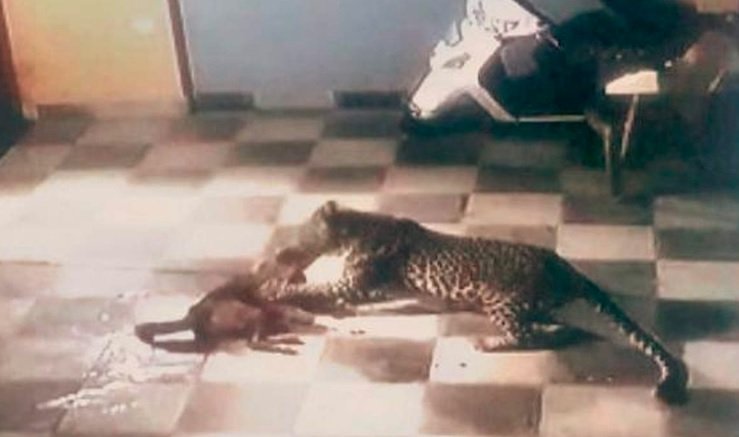
  • VIDEO: Leopard spotted near Margalla Hills in Islamabad

    VIDEO: Leopard spotted near Margalla Hills in Islamabad

    Tourists spotted a leopard roaming around Margalla Hills road late Tuesday night while they were enroute to Daman-e-Koh.

    A video recorded by one of the travellers shows the leopard walking on the side of road, hide in the bushes then come back to the road. 

    As per reports, the Islamabad Wildlife Management Board said that the leopard belongs to Margalla Hills National Park. 

    Read more – Fact Check: Did a leopard really attack a pet dog in Islamabad?

    Authorities said the wild cats often make their way to the roads late at night and warned people travelling to Daman-e-Koh and Pir Sohawa to be careful. Leopards often make their way out on roads late at night.

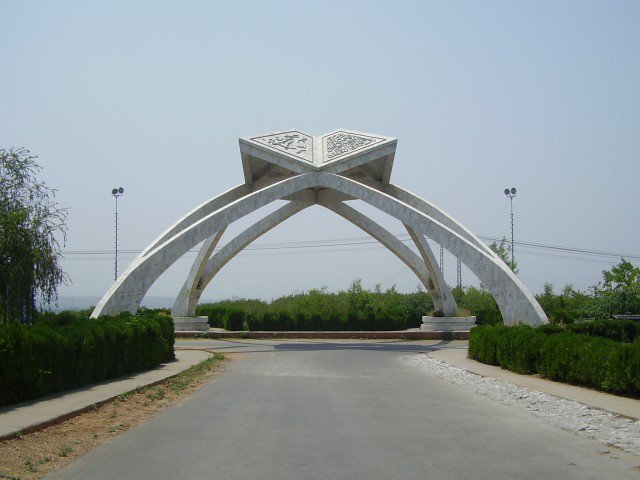
  • Quaid-e-Azam University temporarily closed after COVID-19 cases emerge

    Quaid-e-Azam University temporarily closed after COVID-19 cases emerge

    The Quaid-e-Azam University in Islamabad was temporarily closed on Monday after five coronavirus cases were reported in different departments.

    As per reports, the university’s administration has issued a notification in this regard.

    The move comes after District Health Officer (DHO) had dispatched a letter to the university administration instructing to seal concerned departments.

    “As per the guidelines issued by the Ministry of National Health Services Regulatory and Coordination, due to these five coronavirus cases on the campus, all academic and research activities are hereby shifted to online till November 6,” reads the notification.

    The university administration has also directed students to vacate hostels unless from remote areas.

    707 new cases of the coronavirus were reported across the country during the last 24 hours, soaring the national tally of infections to 328,602.

  • 10 streets in Islamabad sealed after surge in COVID-19 cases

    10 streets in Islamabad sealed after surge in COVID-19 cases

    The capital administration has sealed 10 streets in seven residential sectors after coronavirus cases surged in the city.

    Deputy Commissioner Islamabad Hamza Shafqaat took to Twitter to announce the COVID-19 hot spots, adding that “only people with jobs in essential services and negative COVID-19 certificate will be allowed to leave” in those areas.

    Islamabad has reported 19,012 coronavirus cases so far.

  • Face masks ‘helping criminals escape arrest’ in Islamabad

    Face masks ‘helping criminals escape arrest’ in Islamabad

    With face masks becoming the norm in these COVID-19 times, criminals are misusing them to hide their identity while carrying out their crimes.

    According to reports, criminals are making use of face masks to easily blend in with customers at malls or banks. Because of these masks, they are also able to evade CCTV cameras.

    “If it were pre-COVID 19, I could have averted the happening by finding veiled people chasing me. But now it is normal. They looted me and sped away. One had face mask while the other wore a helmet,” shared APP senior reporter Ishtiaq Ahmed who was robbed of Rs800,000 in Islamabad on September 23 in broad daylight.

    He said the mask provided a perfect cover to the robbers, adding that they can hold up any bank or shop with their covered faces and escape unchecked as the police rarely bother to confiscate the bikes carrying no or non-standard number plates.

    In another robbery of Rs1.5 million in Islamabad on September 30, a masked man was seen inside a bank who apparently intimated his assistants on phone having witnessed a man leaving the bank with a cash bag.

    “Earlier the bandanna or mask was a risky proposition for criminals. Nowadays it is normal but scary too. We can’t distinguish between customers and criminals,” a bank employee said.

    Talking to APP, a senior police officer, who did not want to be named, said though the crime increase had nothing to do with face mask. However, he agreed that it made it easier for the criminals to blend in.

    He agreed that under anti-COVID SOPs, a provision could be created to allow security staff outside banks or malls to ask visitors to remove face mask at the entrance to allow cameras to capture the face.

    He also said that other than face coverings, criminals or suspected people could also be singled out through their body language, movement or confidence when questioned.

    Not only in Pakistan, criminals’ wearing surgical masks is an issue getting global attention with some countries also pondering to revise SOPs or making specialised security arrangements to keep the criminals from entering establishments.

    The installation of vestibules, the use of high-quality cameras and identification software are being used to identify the face behind masks. In America, police have directed people, to note some special sign of the masked criminals like shoes or jacket brand, belt, socks color, face scars, or tattoos to make identification easier.