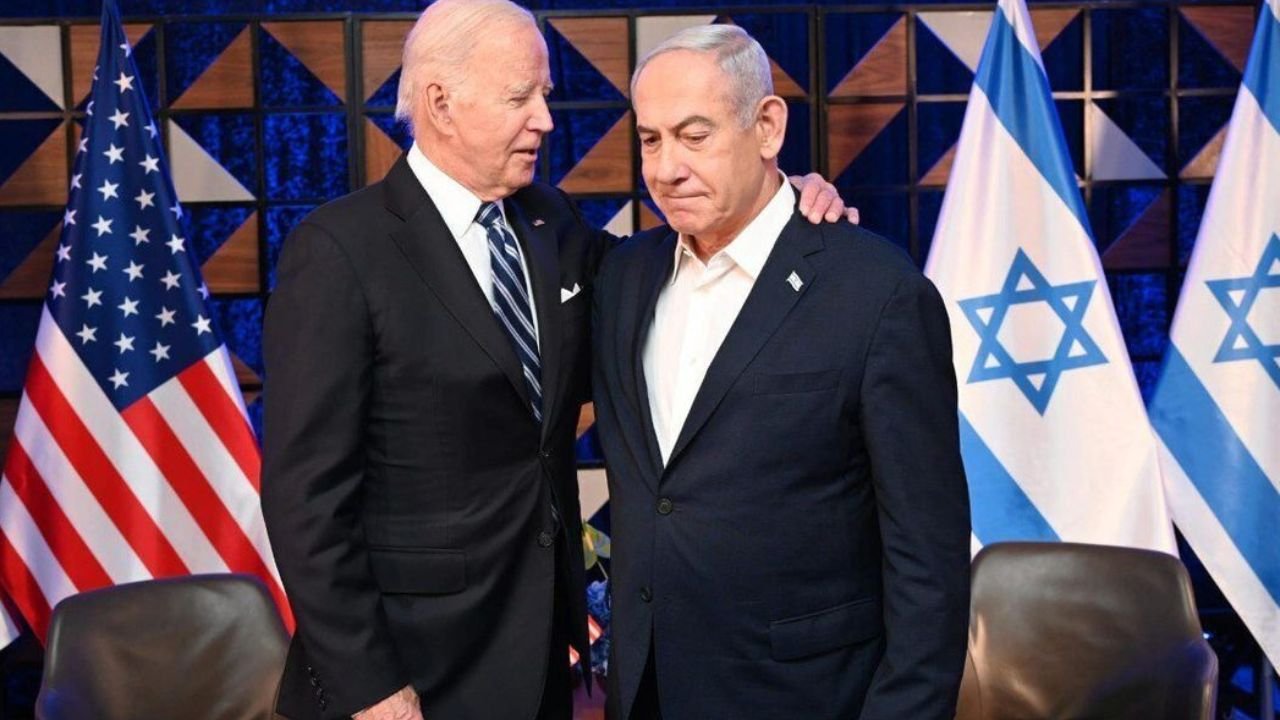
Peace activists are urging US voters considering candidates for November’s presidential election to instead write “ceasefire” on their ballots in protest over Joe Biden’s handling of the Israeli attacks on Gaza.
“Vote Ceasefire” — a coalition of local anti-war groups — says the effort allows Americans to give voice to their anger at the Democratic president over the mounting toll of civilian deaths in Gaza as Israel responds to the October 7 Hamas attacks.
Voters in New Hampshire will pick their preferred candidate in either the Democratic or Republican nominating contests on Tuesday but the push is aimed at progressives wishing to put the White House on notice.
“For the last three months, as the world has watched the war in Gaza continue to worsen, the Biden administration has refused all demands to call for a ceasefire and to end US support for Israel,” the campaign posted on X, formerly Twitter.
“So we’re taking our fight to the place Democrats care about the most — the polls. While Joe Biden will almost certainly win the Democratic nomination later this year, he must know that the road to get there will be long and hard if he refuses to listen to his constituents.”
“Vote Ceasefire” organizers have not indicated what kind of turnout would constitute a success for the campaign and it is unclear how much affect it will have.
Biden himself is not on the ballot and is largely ignoring the contest, after New Hampshire officials clashed with the national party over scheduling.
A separate campaign is urging supporters to write Biden’s name on the ballot in exactly the same manner that “Vote Ceasefire” is promoting.
The outcome will not affect the nomination process in any case, as the Democratic National Committee has declared the New Hampshire primary illegitimate.
Biden is expected to win the nomination comfortably.
“I’m doing this as over 80 percent of Democratic voters are in favor of a ceasefire for Gaza and are opposed to the continuing slaughter of civilian men, women and children in Palestine, with the United States-supplied weapons,” campaign volunteer and former Democratic state representative Chris Balch said in a video posted to X.
But self-help author Marianne Williamson, who is on the Democratic ballot, said the “Vote Ceasefire” campaign was doing nothing to help the citizens of Gaza.
“A way to actually help create a ceasefire would be to vote for a candidate who has called for one from the very beginning,” she posted in response to the campaign’s social media statements.
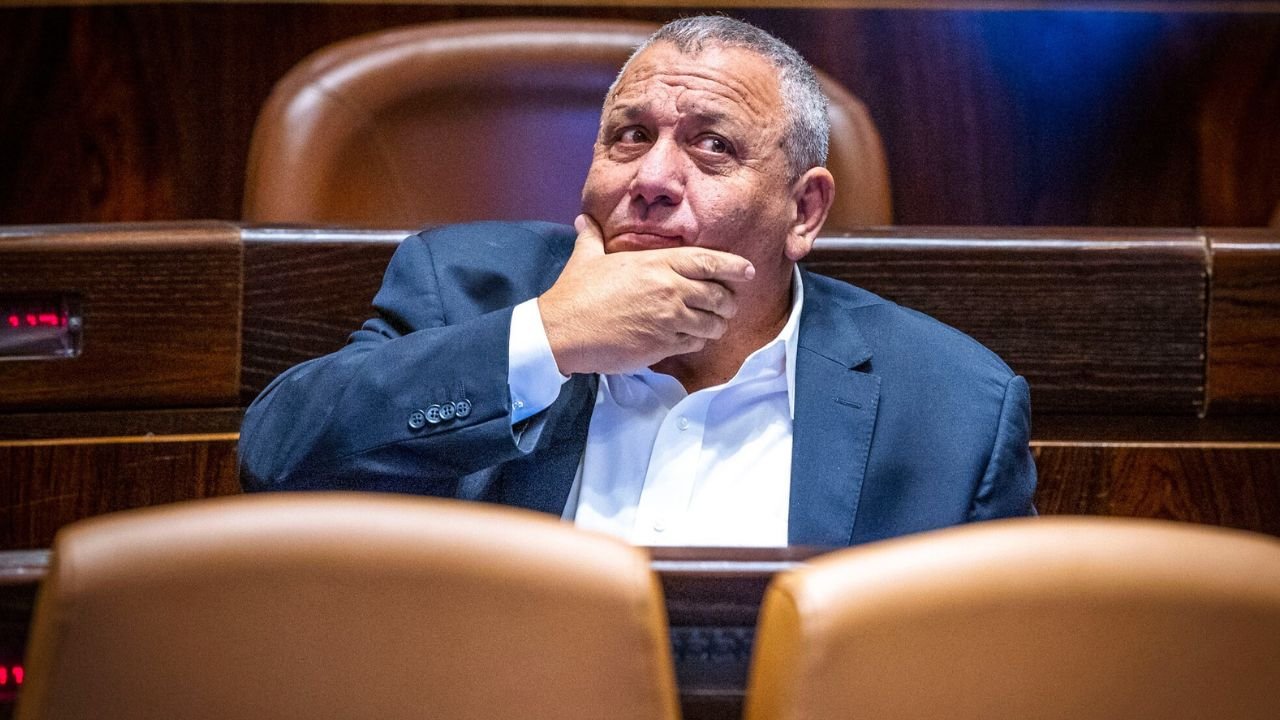
A member of the Israeli war cabinet, Gadi Eisenkot, has told Prime Minister Benjamin Netanyahu in a meeting to “stop lying” to himself.
The Times of Israel has reported that while addressing the cabinet, Eisenkot stated, “We have to stop lying to ourselves, to show courage, and to lead to a large deal which will bring home the hostages. Your time is running out, and each day that passes endangers their lives.”
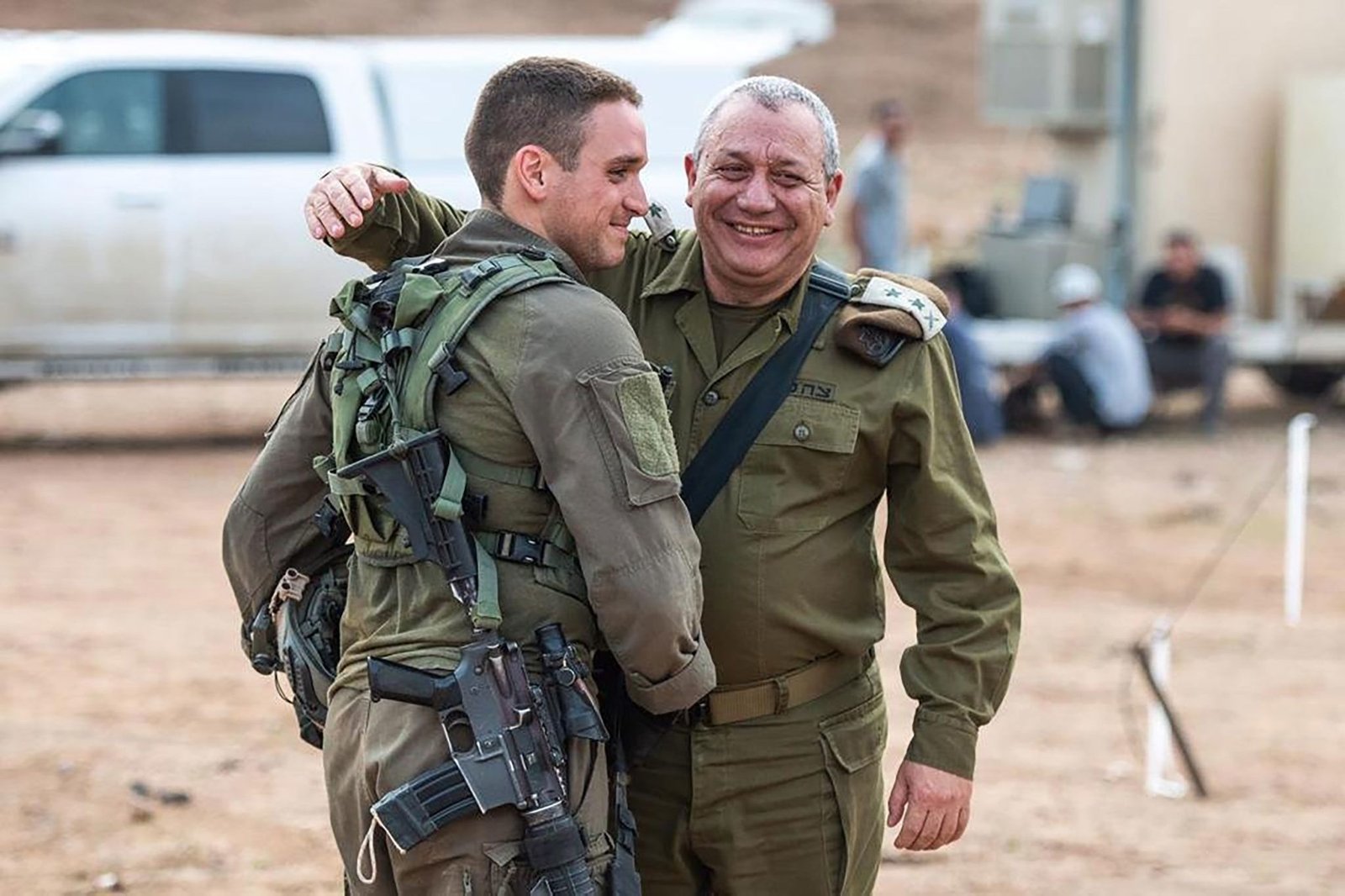
The minister’s son and nephew were both killed fighting in Gaza, leading him to believe that Israel’s leaders are lying to themselves.
Gadi Eisenkot with his deceased son.
However, Netanyahu and Defense Minister Yoav Gallant dismissed the criticism, reiterating their belief that only added military pressure will lead to such a deal.
Many of the hostages held by Hamas in the Gaza Strip are likely to have been killed, a spokesman for the group said Sunday, blaming the Israeli leadership for their fate.
“The fate of many of the enemy’s hostages and detainees has become unknown in recent weeks and the rest have all entered the tunnel of the unknown due to the Zionist aggression,” Abu Obeida said in a televised statement.
“Most likely, many of them were killed recently, the rest are in great danger every hour and the enemy’s leadership and army bear full responsibility.” Abu Obeida said the group’s allies from the “axis of resistance” had informed Hamas they would “expand their attacks” against Israeli troops in the coming days.
“After 100 days of battle… this is the enemy’s leadership, gulping down pain and wading through the mud of failure and setback,” he said.
Famous actors from ‘Game of Thrones’ read excerpts from South Africa’s case filed at the International Court of Justice (ICJ) against Israeli genocide of Palestinians.
Among dozens of readers were the megahit series’ stars Charles Dance, Lena Heady, Liam Cunningham, and Carice van Houten. Other notable names include Hollywood veteran Susan Sarandon, comedy film star Steve Coogan, Tobias Menzies, and Tunde Adebimpe.
Game of Thrones stars and other actors read South Africa’s case file charging Israel with genocide at the #ICJpic.twitter.com/iRkHvoFVb3
Cersei Lannister (Lena Headey), with co-stars from Game of Thrones and other actors, read South Africa’s case file charging Israel with genocide at the #ICJpic.twitter.com/1MzdCgAi9A
The actors read excerpts in support of South Africa’s charges against Israel. The hearing of the first day, January 11, was not aired by the mainstream western media when South Africa laid out its case.
The case put in motion by South Africa in The Hague, Netherlands, called for the court to look into the genocide being committed by Israel against Palestinians and impose emergency measures, putting a stop to the offensives at urgent basis.
100 days back, on October 7, 2023, Hamas took Israel by surprise in a move that came as a consequence of more than seventy years of occupation, killings, destruction, and displacement of the Palestinians.
Israel took this instance of response as an excuse to go all out in attempts to exterminate Gazans from their land: On October 8, Israeli prime minister Benjamin Netanyahu declared war against Hamas and butchered, internally displaced, detained, and tortured thousands of Palestinians in Gaza as well as the Occupied West Bank.
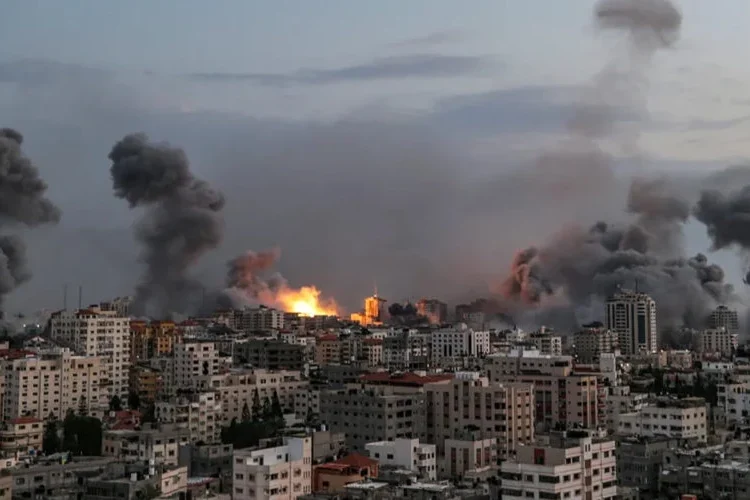
Since October 7 alone, more than 23,600 people have been killed and more than 58,000 wounded in Israeli attacks on Gaza.
Widespread use of and access to social media across the world has exposed Israeli atrocities against the Palestinians more than ever. A number of Palestinians have been reporting from the targeted strip, giving the world insights to the heights of atrocities touched by the Israeli military.
As the Irish lawyer Blinne Ní Ghrálaigh, representing South Africa in the International Court of Justice (ICJ) in The Hague on January 11 deemed it as “The first genocide in history where its victims are broadcasting their own destruction in real time in the desperate, so far vain hope that the world might do something.”
Nonetheless, the international community has collectively failed to ensure a ceasefire amidst all the loss and blatant violation of human rights..
While the breaches and enormities by Israel are innumerable and immeasurable to say the least, here are some of the most important moments and developments to have taken place the past 100 days.
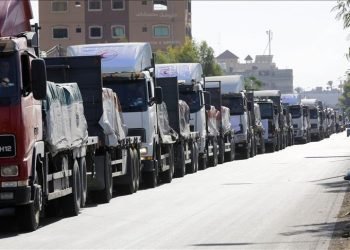
Israel had declared a “complete siege” on Gaza on October 9 2023, hindering the supply of electricity, food, water and fuel into the strip. While a few aid trucks were permitted on 21 October 2023, the aid has been inadequate, and starkly lower than the quantity sent before October 2023.
Additionally, fuel imports are “well below the minimum requirements for essential humanitarian operations”.
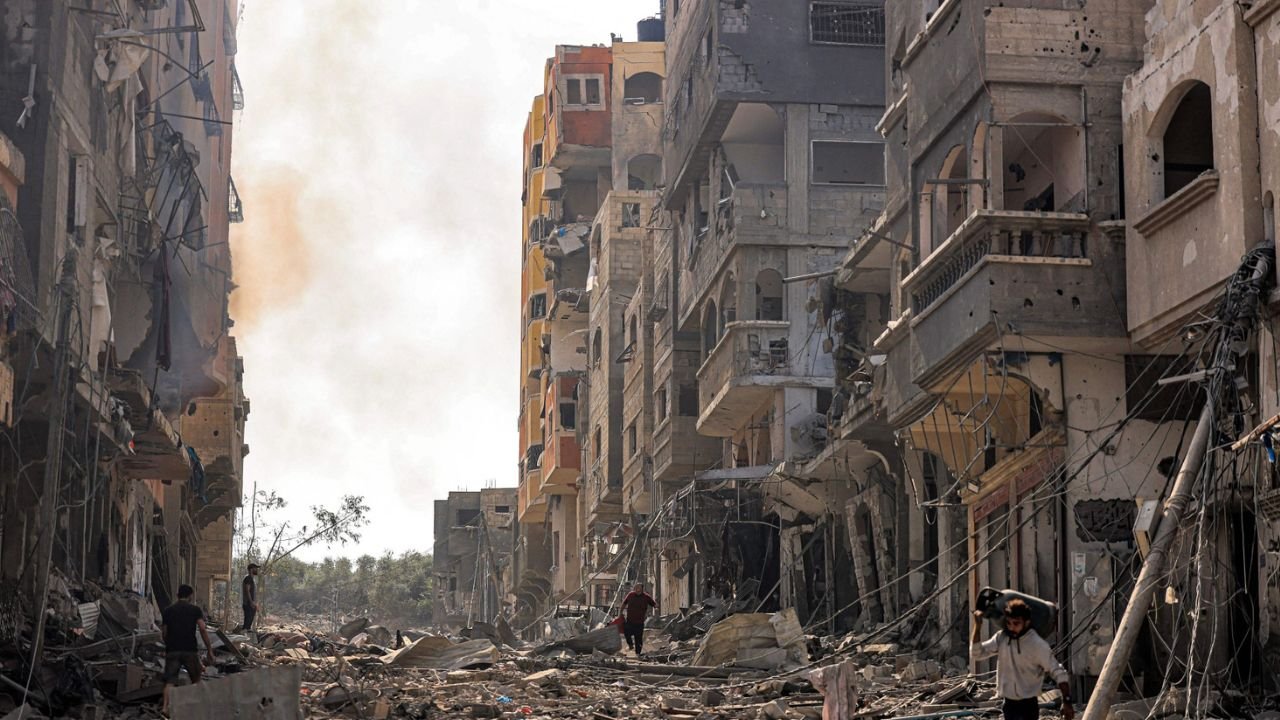
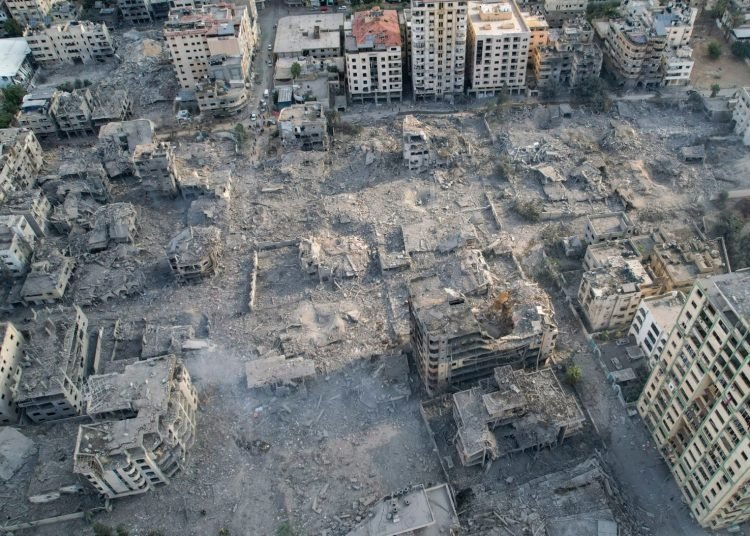
The UN Secretary-General has asserted that the level of destruction in Gaza is now so catastrophic that “[t]he conditions for the effective delivery of humanitarian aid no longer exist . . . But even if sufficient supplies were permitted into Gaza, intense bombardment and hostilities, Israeli restrictions on movement, fuel shortages, and interrupted communications, make it impossible for UN agencies and their partners to reach most of the people in need.”
No Facilities
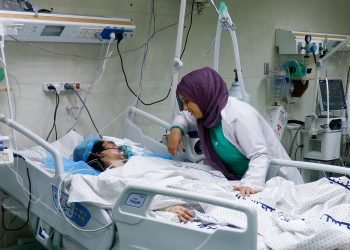
The majority of Gazan hospitals are out of order due to the Israeli air raids and the blockade. According to WHO, 15 out of Gaza’s 36 hospitals are partially functional; nine in the south and six in the north.
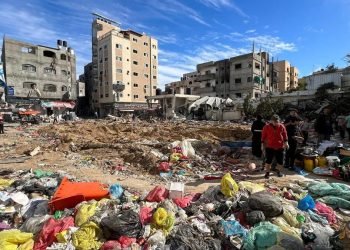
Additionally, there is lack of electricity, desalination facilities, and bakeries to shut down and contributed to telecommunications blackouts.
Looming Fears of Famine and Diseases
Credit: Reuters
Due to lack of health facilities and access to water and sanitation, WHO has warned that Gaza is now heading towards proliferation of disease. As of January 1, nearly 200,000 respiratory infections and tens of thousands of cases of scabies, lice, skin rashes, and jaundice were reported whereas the number of diarrhoea cases among children under five has increased 20-fold since October 7.
Additionally, the World Health Organization has warned that “[a]n unprecedented 93% of the population in Gaza is facing crisis levels of hunger, with insufficient food and high levels of malnutrition” and that “[a]t least 1 in 4 households are facing ‘catastrophic conditions’:
“Israeli forces are deliberately blocking the delivery of water, food and fuel, while wilfully impeding humanitarian assistance, apparently razing agricultural areas, and depriving the civilian population of objects indispensable to their survival,” Human Rights Watch has stated.
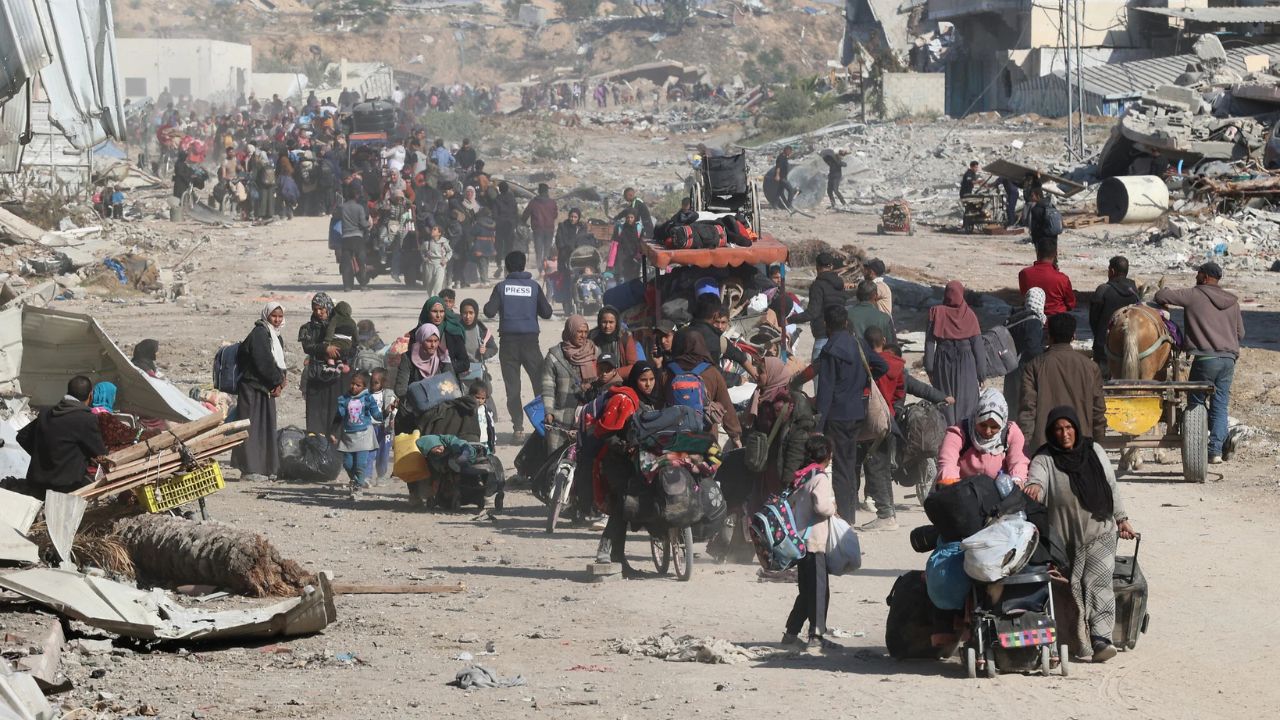
Internally Displaced
Among the total population of 2.3 million, 1.9 million Palestinians — approximately 85 per cent of the total population — have been internally displaced. People living in Northern Gaza were initially forced to flee their homes on short notice for “safety” to the south, but they were bombed again in the so-called safe south, and were once again forced to flee to
further south or the south west, and have been to live in makeshift tents with no water, sanitation or other facilities.
This situation has thus been declared as the Second Nakba as it resembles the ethnic cleansing of Palestinians by the Israelis in 1948.
Women of Gaza
Credit: Al Jazeera
The United Nations has estimated 50,000 pregnant women presently living in Gaza, with more than 180 births taking place every day despite the lack of health facilities.
Similarly, women have also resorted to norethisterone tablets (that are usually prescribed in times of severe menstrual bleeding, endometriosis, and painful periods) as they are internally displaced, living in poor conditions among a large number of people with no privacy, and having no access to water or menstrual hygiene products like sanitary napkins and/or tampons.
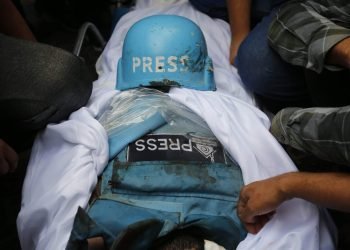
November was deemed as the deadliest month for journalists when at least 50 were killed. According to the Committee to Protect Journalists (CJP), as of January 11, 79 journalists and media workers have been killed among whom are 72 Palestinian, 4 Israeli, and 3 Lebanese whereas three journalists are reported missing and 21 arrested.
Additionally, multiple assaults, threats, cyberattacks, censorship, and killings of family members have also been recorded.
Moreover, literary figures like Heba Abu Nada and Dr Refaat Alareer, who were vocal against Israel, have also been killed in targeted attacks.
Hostages
Hamas took Israeli hostages on October 7 in order to prompt Israel to return Palestinian hostages who have been in Israeli captivity since years.
While Israel has portrayed Hamas as barbaric, Israeli hostages released have had different stories to tell. Danielle Aloni and her daughter Emilia were held hostage by Hamas for 49 days and on their release on November 24, Aloni wrote a “thank you” letter to Hamas saying, “I thank you from the bottom of my heart for your extraordinary humanity shown towards my daughter, Emilia.”
Similarly, in an interview, Hin and Ajam, another mother-daughter duo, told that they were kept together and that the militants were respectful to them, taking every precaution to make them comfortable.
On the contrary, Palestinians have returned from Israeli captivity physically and mentally tortured while some have reportedly died in detention.
Back in December, Israeli troops even “mistakenly” killed three Israeli hostages in the course of combat with Hamas in the Gaza Strip on Friday.
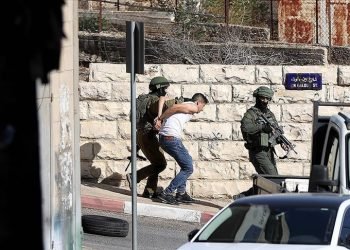
As of January 11, the arrests of Palestinians in the Occupied West Bank reached up to 5,810 since October 7.
According to figures released in December, at least 8,800 Palestinians, including 80 women, were held at Israeli prisons.
These arrests are reportedly “marked by abuse, severe beatings, and threats against detainees and their families, in addition to widespread acts of sabotage and destruction of citizens’ homes”. Many are even targeted and shot by the Israeli soldiers.
Additionally, in November 2023, it was reported that around 390,000 Palesinians jobs were lost — 182,000 in Gaza and 208,000 in the occupied West Bank.
In December, the US State Department approved the emergency sale to Israel of nearly 14,000 rounds of tank ammunition — a sale of 13,981 high-explosive 120mm tank cartridges and related equipment worth $106.5 million.
The State Department said the secretary of state had determined that “an emergency exists that requires the immediate sale to the Government of Israel” of the weaponry, thereby waiving the normal requirement of Congressional review.
Israel vs Middle East
Since the war began, Hezbollah, a close ally of the Palestinian group Hamas, and Israel have been engaged in intense fighting.
In December, The United States announced a 10-nation coalition to end Houthi attacks on ships transiting the Red Sea, with Britain, France, Bahrain and Italy among countries joining the “multinational security initiative.”
The U.S. and British Air Force, in fact, have launched airstrikes against Yemen in retaliation which the American president Joe Biden called it a success, adding that he will “not hesitate to direct further measures to protect our people and the free flow of international commerce as necessary.”
On the other hand, Israel and Hezbollah have been exchanging fires across the Lebanese border, the West Bank since 7 October.
On Day 60 since October 7, United Nations Secretary-General António Guterres, in a rare move, invoked Article 99 of the UN Charter “to bring to the attention of the Security Council a matter, which in my opinion, may aggravate existing threats to the maintenance of international peace and security.” He also reiterated his call in the letter he sent to the rotating president of the Council for a “humanitarian ceasefire” and urged the Council to “avert a humanitarian catastrophe.”
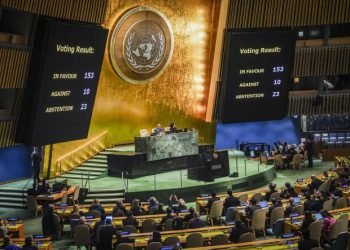
Nonetheless, like any other UN action, it was merely a political move with no legal implications — same as the UN Resolutions calling for a ceasefire in Gaza the past few months since October 7. With more than 100 countries voting in support of the ceasefire, the resolution ended in vain since the US and a couple of its allies chose to vote against it.
On the other hand, while powerful Muslim countries have sided with Palestine, their support has, however, been shallow. For instance, in November, the Saudi Minister of Investment, Khalid bin Abdulaziz al-Falih, remarked that the Kingdom was still willing to consider normalising relations with Israel, depending on a peaceful solution to the Palestinian issue. And when asked if Saudi Arabia would use economic devices like oil to push for a ceasefire in the Gaza Strip, he reportedly laughed and replied: “This is not on the table today. Saudi Arabia is trying to achieve peace through talks that seek peace.”
South Africa vs Israel
Credit: Al Jazeera
South Africa filed a case in the International Court of Justice (ICJ) in The Hague, Netherlands, asking the court to look into the genocide being committed by Israel against Palestinians.
The imposition of charges did not only pertain to the crimes perpetrated during the last few months since October 7 that have killed more than 23,000 people till now, but also the 75-year long apartheid, 56-year hostile occupation, and 16-year blockade on Gaza.
Israel was accused of committing genocidal acts during their military operations which included mass killings of Palestinians, bodily and mental harm, forced displacement and food blockade, destruction of the healthcare system, and preventing Palestinian births.
It is, however, pertinent to note, that while this case can take years, an “interim measure” intended to halt Israel’s attack in Gaza can be taken “within weeks”. If the interim measure is implemented, Israel will be legally obligated to put an end to its offences. And while the “court’s rulings are final”, it has no authority to impose them, nonetheless.
On the other hand, if the court does not implement an interim measure, “it could still decide it has jurisdiction and proceed with the case”.
Post-war Gaza Plans
Israel’s defence minister publicly presented proposals for the post-war administration of Gaza i.e. after it has dismantled Hamas’s “military and governing capabilities” and secured the return of hostages.
According to the minister, after the objectives are achieved — for which the proposal sets no timeline — Palestinian “civil committees” will begin assuming control of the territory’s governance.
“Hamas will not govern Gaza, (and) Israel will not govern Gaza’s civilians,” the plan said, while offering little concrete detail.
“Palestinian bodies will be in charge, with the condition that there will be no hostile actions or threats against the State of Israel.”
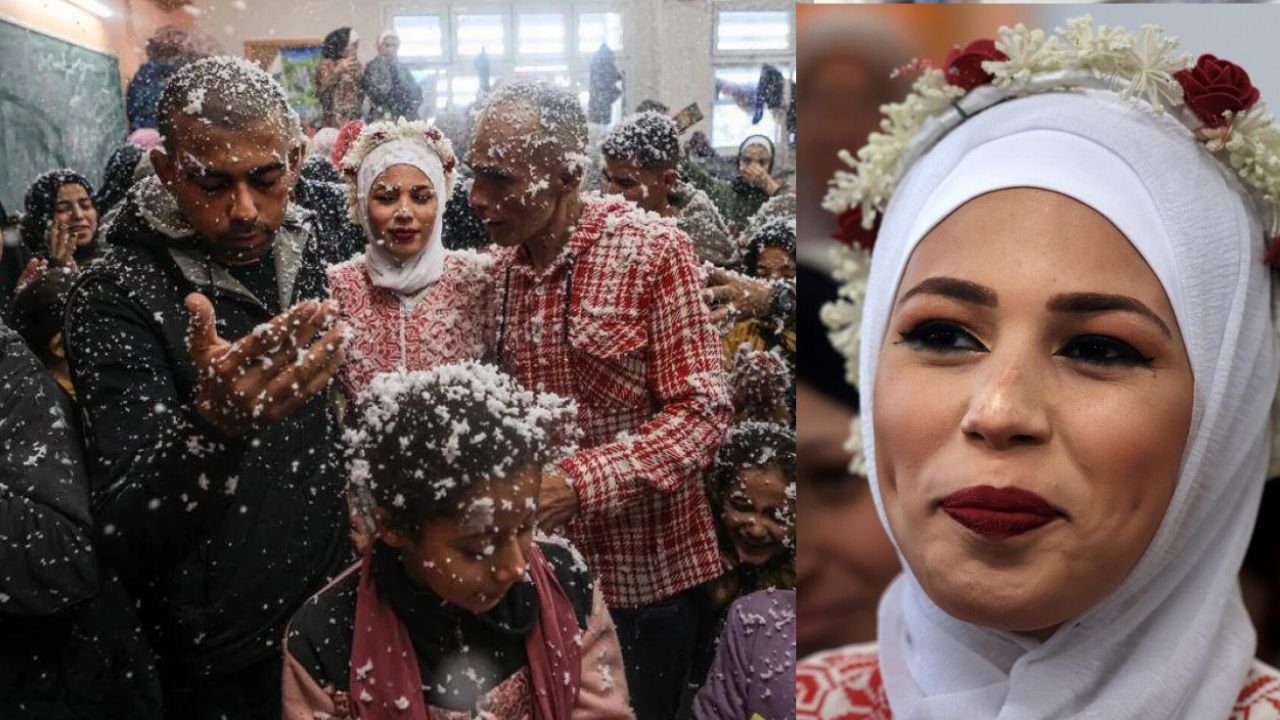
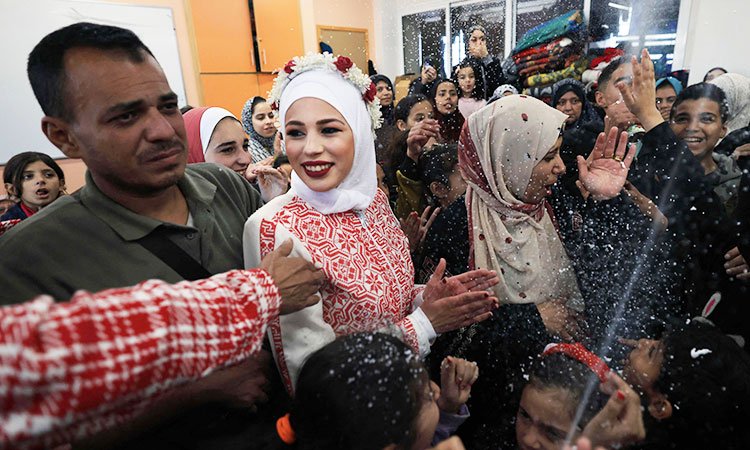
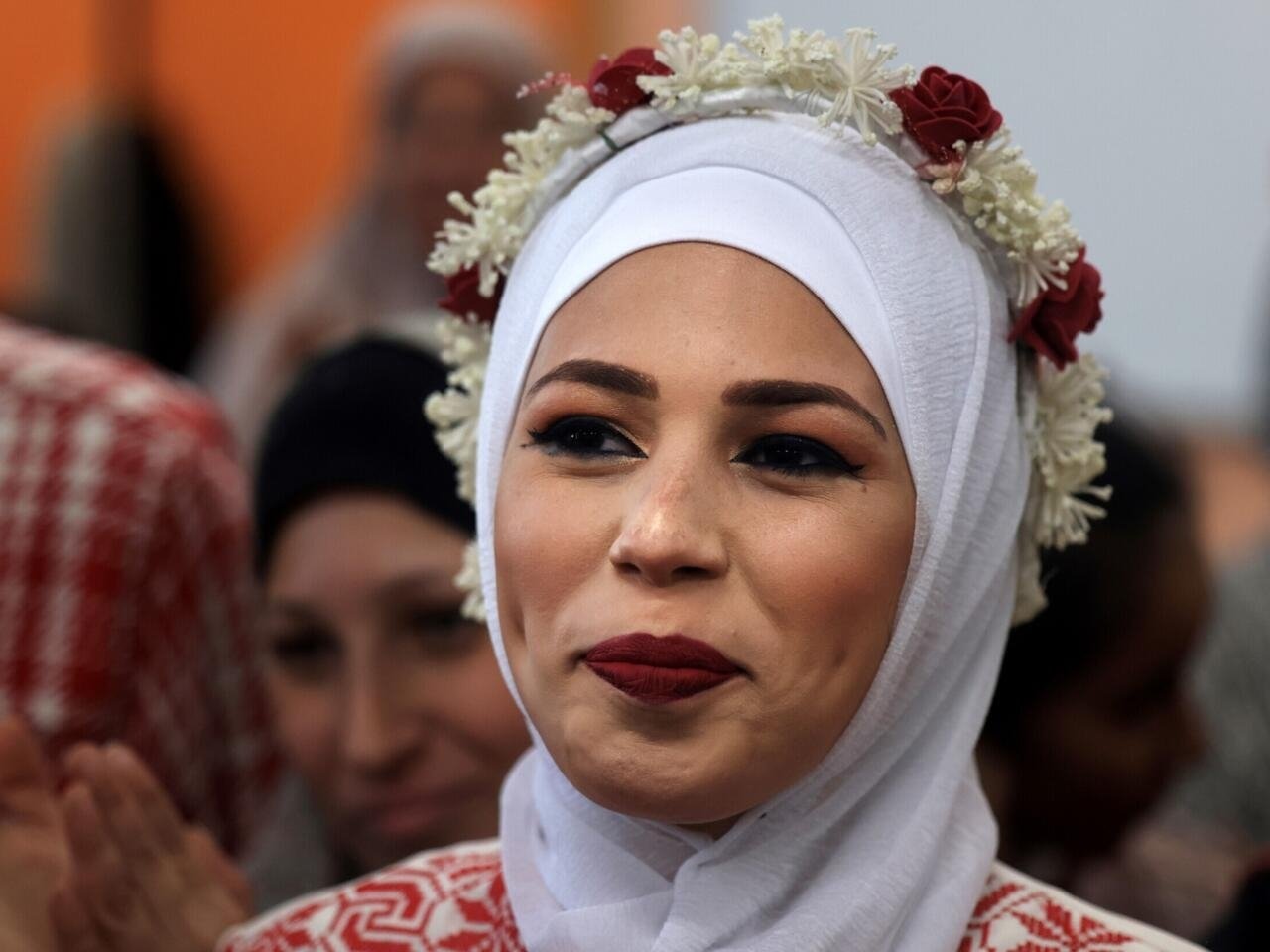
Surrounded by family and friends, clapping and cheering, Gaza woman Afnan Jibril beams a brilliant smile on her wedding day, determined to celebrate even as war rages.
“We are a people that love life, despite death, murders and destruction,” said her father, Mohamed Jibril.
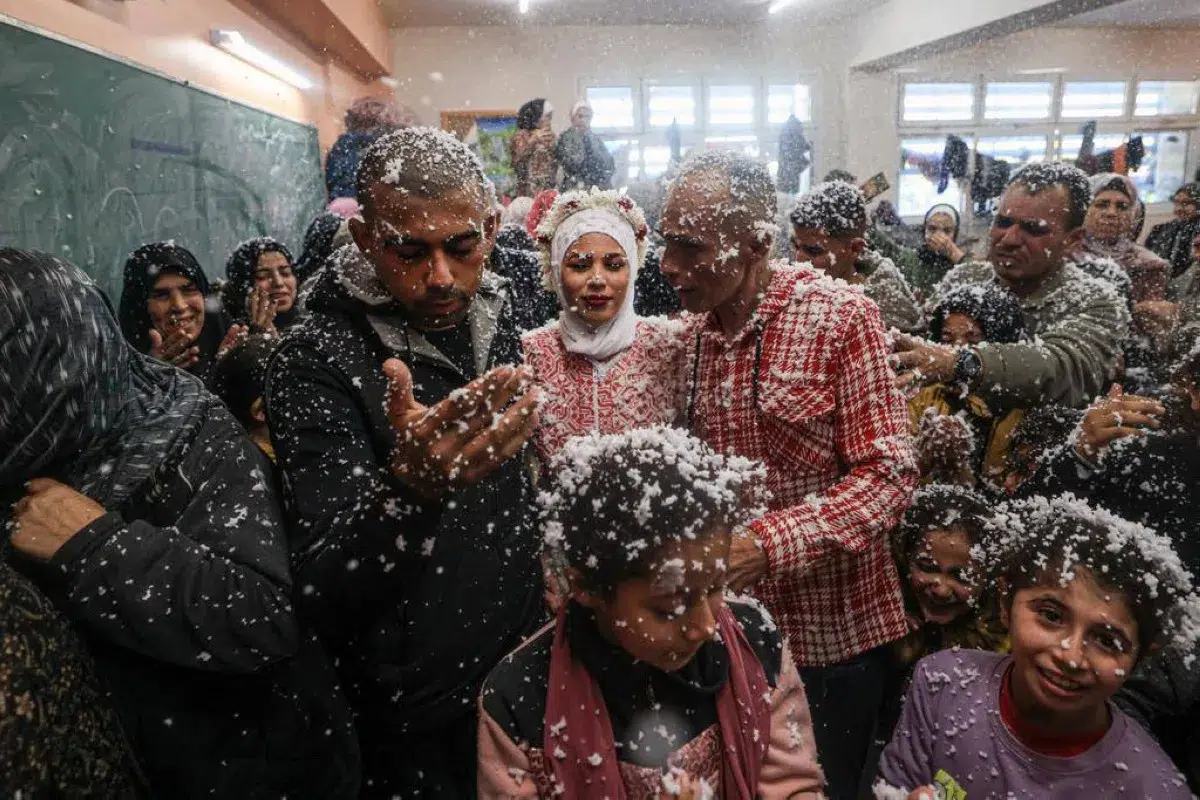
Relatives were gathered on Friday for the wartime wedding in a tiny room at an abandoned school building in the besieged Gaza Strip’s southern city of Rafah, near the frontier with Egypt.
The city has suffered daily Israeli bombardment, and the families of both bride and groom are among hundreds of thousands of Palestinians who have fled the fighting further north.
“The usual preparations for marriage are not possible, and traditional ceremonies are not feasible,” said the bride’s father. “However, clothes are available, although they are scarce and expensive.”
Afnan, 17, donning a crown of flowers and pristine white dress with stark red embroidery, and her partner Mustafa Shamlakh, 26, want to make the most of their rare chance to celebrate.
They dance and laugh as guests spray white mousse around the room.
But eventually they have to face reality.
Israel’s relentless military campaign, triggered by attacks by Palestinian militants, has killed at least 23,843 people, mostly women and children, in Gaza, according to the health ministry in the Hamas-run territory.
The war began when Hamas militants launched an unprecedented attack on October 7, which resulted in about 1,140 deaths in Israel, mostly civilians, according to an AFP tally based on official figures.
The newlyweds make up part of another grim tally — those displaced by the violence, which UN estimates put at 1.9 million Palestinians out of a total population in Gaza of 2.4 million.
“The house where the groom was supposed to live was destroyed,” Ayman Shamlakh, the groom’s uncle, told AFP.
As the war went on, both families felt there was nothing to be gained from waiting and they agreed to the marriage.
After the school celebration, the couple head for a ceremony set to take place in a tent.
As they dive into a waiting black SUV, surrounded by a massive crowd of well-wishers, it almost looks like any other wedding day.
“We are all living through the same tragedy,” said Ayman Shamlakh. “However, we must continue to live, and life should go on.”
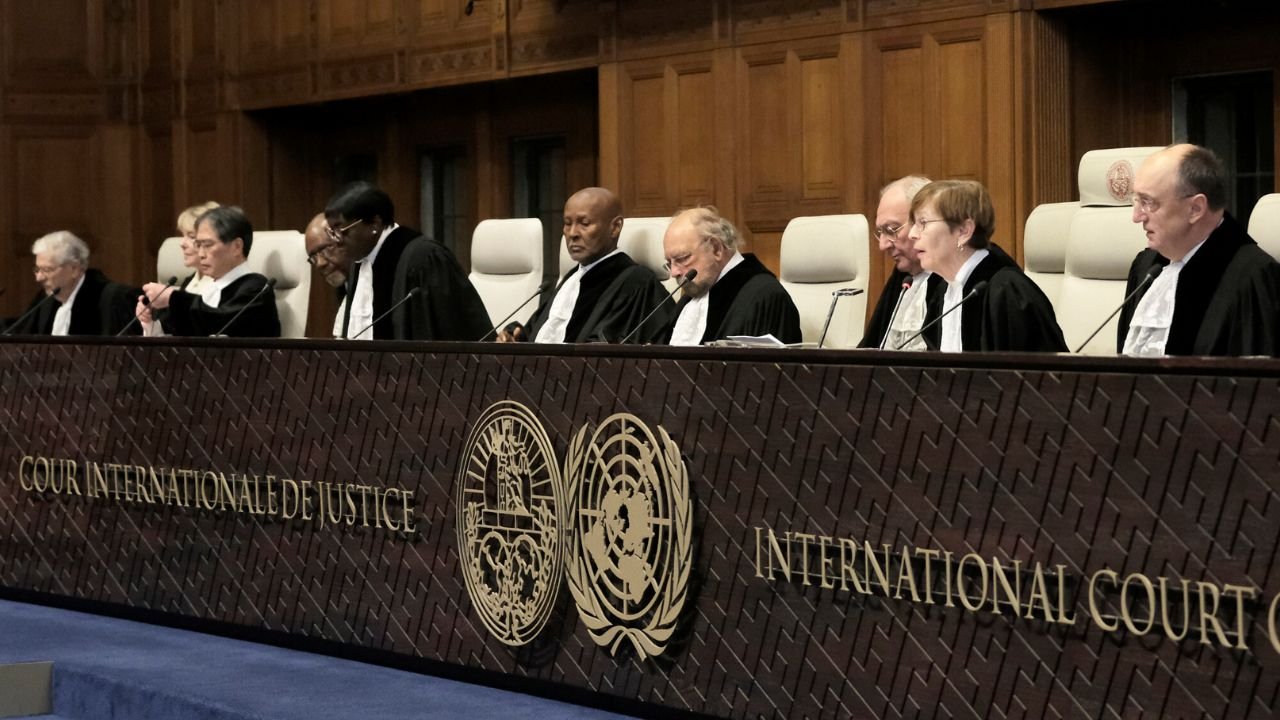
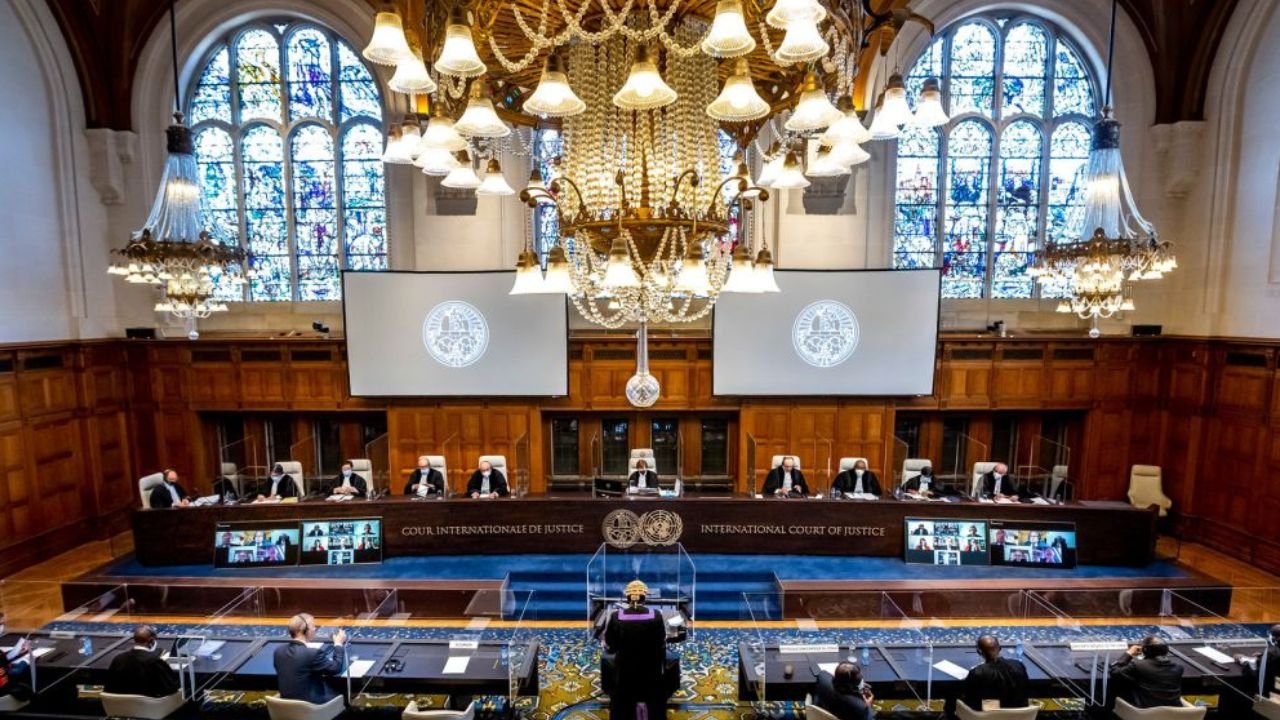
On January 11-12, the International Court of Justice (ICJ) heard the genocide case filed against Israel by South Africa.
On Day 1, South Africa’s legal team put forward its case, pointing at the atrocities being committed against Palestinians in Gaza by Israel.
Israel is accused of committing genocidal acts during their military operations which included mass killings of Palestinians, bodily and mental harm, forced displacement and food blockade, destruction of the healthcare system, and preventing Palestinian births.
On Day 2, Israel defended itself against the charges, arguing that South Africa “ignored” the incident of October 7 and that Israel had the right to defend itself, adding that the court should put provisional measures against South Africa, accusing it of having ties with Hamas. Israel did not submit any evidence to support its claims that Hamas was the cause of the attacks in Gaza whereas South Africa submitted video evidence of Israeli atrocities in Gaza.
They also blamed Hamas for the high civilian death toll in Gaza, claiming that Israel did not bomb hospitals and that they enabled humanitarian aid.
What’s next?
Al Jazeera explains that even though South Africa’s case against Israel can take years, an “interim measure” intended to halt Israel’s attack in Gaza can be taken “within weeks”.
If the interim measure is implemented, Israel will be legally obligated to put an end to its offences. And while the “court’s rulings are final”, it has no authority to impose them, nonetheless.
On the other hand, if the court does not implement an interim measure, “it could still decide it has jurisdiction and proceed with the case”, adds Al Jazeera’s explainer.
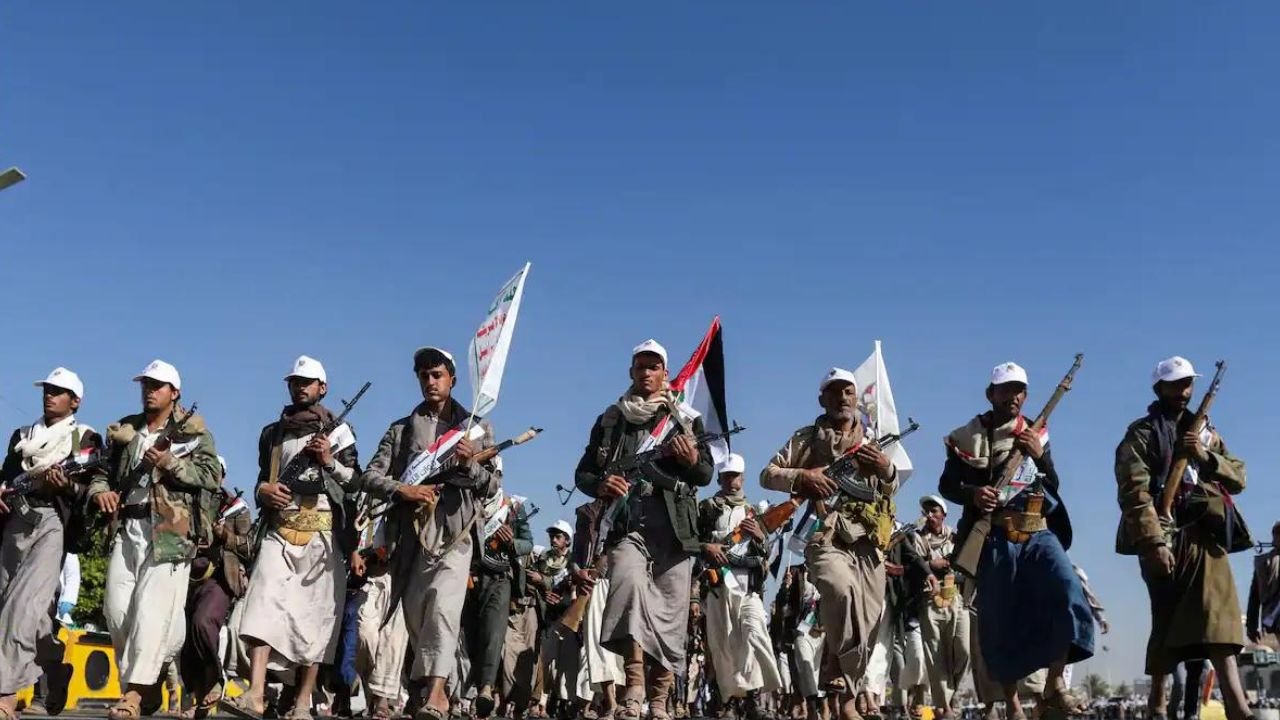
Heavy US and British air strikes pounded targets in Yemen early on Friday after weeks of attacks on Red Sea shipping by Houthi forces acting in solidarity with Gaza.
Yemen’s Houthi, however, have vowed to continue targeting Israel-linked ships in the Red Sea despite overnight air strikes by the US and Britain, their spokesman said on Friday.
“We affirm that there is absolutely no justification for this aggression against Yemen, as there was no threat to international navigation in the Red and Arabian Seas, and the targeting was and will continue to affect Israeli ships or those heading to the ports of occupied Palestine,” Mohammed Abdulsalam posted on X, formerly Twitter.
The Houthis have carried out a growing number of attacks Israel-linked shipping in the key international trade route since the intensified attacks on Gaza since October 7.
Friday’s strikes targeted an airbase, airports and a military camp, the Houthi rebels’ Al-Masirah TV station said.
“Our country was subjected to a massive aggressive attack by American and British ships, submarines and warplanes,” Huthi Deputy Foreign Minister Hussein Al-Ezzi said, according to official media.
“America and Britain will have to prepare to pay a heavy price and bear all the dire consequences of this blatant aggression,” he said.
A joint statement by the United States, Britain, Australia, Bahrain, Canada, Denmark, Germany, the Netherlands, New Zealand and South Korea said the “aim remains to de-escalate tensions and restore stability in the Red Sea”.
“But let our message be clear: we will not hesitate to defend lives and protect the free flow of commerce in one of the world’s most critical waterways in the face of continued threats,” it said.
The Huthis said there was “no justification” for the air strikes and warned that attacks on Israel-linked shipping would continue.
Yemen’s neighbour Saudi Arabia, which is trying to end its involvement in a nine-year war with the Houthis, urged against escalation.
“The Kingdom of Saudi Arabia is following with great concern the military operations,” a foreign ministry statement said, calling for “self-restraint and avoiding escalation”.
South Africa on Thursday accused Israel of breaching the UN Genocide Convention, arguing that even the deadly October 7 Hamas attack could not justify such alleged actions, as it launched a landmark case at the top UN court.
Pretoria has lodged an urgent appeal at the International Court of Justice (ICJ) to force Israel to “immediately suspend” its military operations in Gaza.
Israel has dismissed the case as “atrocious” and “preposterous” and vowed to set out a robust defence on Friday.
“No armed attack on a state territory, no matter how serious… can provide justification for or defend breaches of the convention,” said Pretoria’s Justice Minister Ronald Lamola.
“Israel’s response to the October 7 attack has crossed this line and given rise to the breaches of the convention,” he added.
The Gaza war erupted when Hamas launched its unprecedented attack, which resulted in about 1,140 people killed in Israel, mostly civilians, according to an AFP tally based on official figures.
Israel has responded with a relentless military campaign that has killed at least 23,357 people, mostly women and children, according to Gaza’s health ministry.
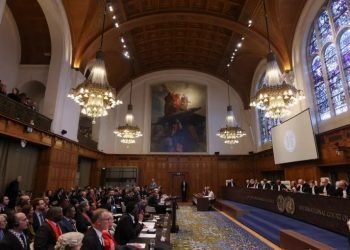
A world away from the death and destruction in Gaza and Israel, robed lawyers battled it out over technical legal arguments in the Peace Palace in The Hague.
South Africa argues Israel is breaking its commitments under the UN Genocide Convention, a treaty signed in 1948 in the wake of the Holocaust.
Top lawyer for South Africa Adila Hassim said Israel’s bombing campaign aimed at the “destruction of Palestinian life” and had pushed Palestinians “to the brink of famine”.
“Genocides are never declared in advance, but this court has the benefit of the past 13 weeks of evidence that shows incontrovertibly a pattern of conduct and related intention that justifies a plausible claim of genocidal acts,” she said.
As a fellow signatory to the treaty, South Africa can take Israel to the ICJ, which rules on disputes between countries and is often described as the “World Court”.
The ruling African National Congress (ANC) has long been a firm supporter of the Palestinian cause, often linking it to its own historic struggle against the white-minority government, which had cooperative relations with Israel.
South Africa has acknowledged the “particular weight of responsibility” of accusing Israel of genocide. It “unequivocally” condemned the Hamas attacks that sparked off the war in Gaza.
‘Atrocious and preposterous’
Israel President Isaac Herzog has already hinted at his country’s likely defence against what he called an “atrocious and preposterous… claim”.
“We will present proudly our case of using self defence… under international humanitarian law,” he said.
Herzog said the Israeli army was “doing its utmost under extremely complicated circumstances on the ground to make sure that there will be no unintended consequences and no civilian casualties”.
The United States is backing its ally Israel, with the State Department describing the charges as “unfounded”.
“In fact, it is those who are violently attacking Israel who continue to openly call for the annihilation of Israel and the mass murder of Jews,” said State Department spokesman Matthew Miller.
As it is an urgent procedure, the ICJ could rule in a matter of weeks.
Its rulings are final and cannot be appealed. However, countries do not always follow the court’s verdicts — the ICJ has ordered Russia to stop its invasion of Ukraine, for example.
But a court ruling against Israel would certainly increase political pressure on the country, with many speculating it could serve as a pretext for sanctions.
Cecily Rose, assistant professor of public international law at Leiden University, noted the court did not have to rule on the fundamentals of the case at this stage — that issue will likely take years.
“Instead, the court would only be evaluating whether there is a risk of irreparable prejudice to rights held under the Genocide Convention, in particular the right of the Palestinians in Gaza to be protected from acts that threaten their existence as a group,” Rose told AFP.
Dutch police kept rival demonstrations apart in The Hague. Hundreds of pro-Israeli protesters waving flags marched through the streets while a smaller group of pro-Palestinian supporters brandished placards saying: “End Israel apartheid.”
Pro-Israeli protester Ada Deyl, an 80-year-old pensioner, said: “I think it’s a shame that Israel — who is doing all the right things and is attacked by Hamas — is now facing a lawsuit.”
On the other side, Zohar Janovitch, 40, alleged that Israeli leaders had “explicitly expressed their disregard for the lives of Palestinian civilians.”
A case in the International Court of Justice (ICJ) has been put in motion by South Africa in The Hague, Netherlands, asking the court to look into the genocide being committed by Israel against Palestinians.
The imposition of charges do not only pertain to the crimes perpetrated during the last few months since October 7 that have killed more than 23,000 people till now, but also the 75-year long apartheid, 56-year hostile occupation, and 16-year blockade on Gaza.
The hearing will take place on January 11th and 12th in which a 15-judge panel will hear and deliberate the case.
South Africa filed an 84-page suit with the court on December 29, quoting proofs and references of atrocities being committed by Israel in Gaza, asking the Court – a United Nations body established for settling interstate discords – to pronounce Israeli breaches of responsibilities under international law since October 7.
“No armed attack on a State’s territory no matter how serious — even an attack involving atrocity crimes — can, however, provide any possible justification for, or defence to, breaches of the 1948 Convention on the Prevention and Punishment of the Crime of Genocide (‘Genocide Convention’ or ‘Convention’), whether as a matter of law or morality.”, read an excerpt from the suit.
While the rulings are intended to be “binding”, a number of countries do not recognise its results. To give an example, the previous ICJ rulings of Russia invasion of Ukraine, and China’s claims in the South China Sea, were disregarded by China and Russia, consequently affecting ICJ’s credibility.
Additionally, an NGO called Protect Palestine, an Action Guide, writes that according to experts, while South Africa “will make a strong case, it still may not be enough to rule against Israel. Israel will likely continue claims that “Hamas is embedded with civilians”, and that they “try to warn civilians”.
The votes for and against, however, can pave the way to additional challenges for Israel and further affect the legal global standing of the country.
Who is supporting South Africa’s ICJ case against Israel?
The 57-member bloc known as the Organization of Islamic Countries (OIC) which includes Saudi Arabia, Iran, Pakistan and Morocco; Malaysia; Turkey; Jordan; Bolivia; The Maldives; and Namibia.
A number of advocacy groups and civil society groups across the world including Terreiro Pindorama in Brazil, Asociación Nacional de Amistad Italia-Cuba in Italy, and Collectif Judeo Arabe et Citoyen pour la Palestine in France.
Previously, Bolivia had filed a request to International Criminal Court (ICC) Prosecutor Karim Khan alongside South Africa, Bangladesh, Comoros, and Djibouti to probe into the matter in Palestine.