
Tag: JIO

  • Billionaire Mukesh Ambani buys Dubai’s most expensive villa for $163 million

    Billionaire Mukesh Ambani buys Dubai’s most expensive villa for $163 million

    India’s second-richest man is expanding his Dubai real estate portfolio with the acquisition of a new beachfront mansion, shattering his previous record for the most expensive residential real estate transaction in the city in a couple of months.

    According to reports, Mukesh Ambani purchased the Palm Jumeirah property from the family of Kuwaiti tycoon Mohammed Alshaya last week for approximately $163 million.

    Starbucks, H&M, and Victoria’s Secret have local franchises owned by Alshaya’s company. Ambani, whose net worth is $84 billion, is the chairman of Reliance Industries Ltd., the largest firm in India by market value.

    The tycoon has been buying up properties abroad and is increasingly searching for second residences in the west. According to Bloomberg, Ambani is looking into purchasing a home in New York and Reliance spent $79 million last year purchasing Stoke Park, a renowned country club in the United Kingdom.

    According to Bloomberg, the $80 million mansion that Ambani bought earlier this year is only a short stroll from his most recent purchase in Dubai. Until another mansion on the palm-shaped island sold for $82.4 million, that transaction represented the largest residential sale in the history of the city.

    This Thursday, the Dubai Land Department reported a $163 million real estate transaction in Palm Jumeirah without identifying the purchaser. Reliance’s spokesman declined to comment, and Alshaya’s representatives did not respond to calls for comment.
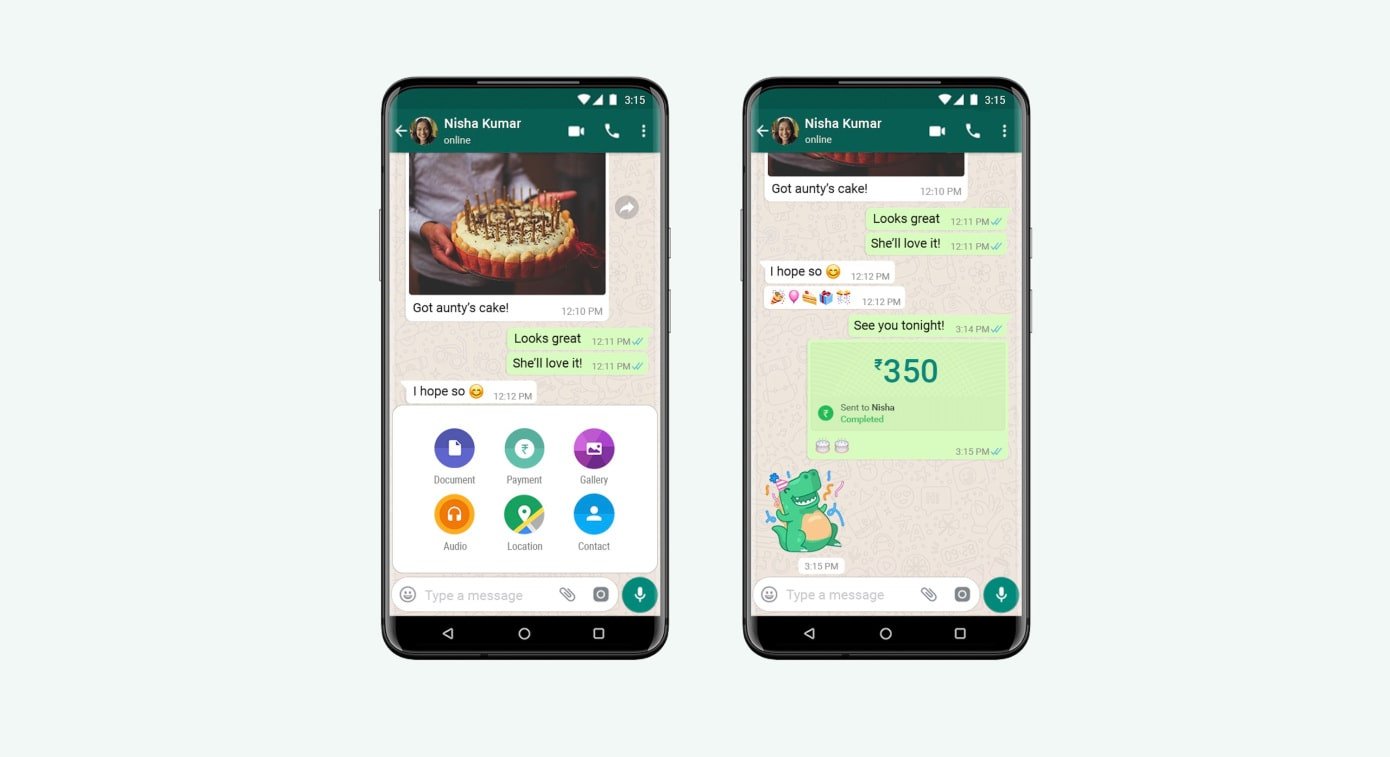
  • WhatsApp rolls out payment services in India

    WhatsApp rolls out payment services in India

    WhatsApp began testing its payment services in India with one million users in 2018, and now they are rapidly expanding the feature to capture the world’s second-largest economy.

    The Facebook-owned company said on Friday that it is rolling out payments in ten regional languages in the latest stable version of WhatsApp on Android and iOS.

    The company made the announcement when National Payments Corporation of India (NPCI), the body that runs the Unified Payment Interface (UPI) system, approved to roll out the feature in the Indian market.

    Like Google, Samsung and several other firms, WhatsApp has built its payments service in collaboration with large banks in India.

    NPCI said WhatsApp, which has accumulated over 400 million users in India, can expand payments to its users in a “graded-manner”, and to start with, it can only roll out the payments service to 20 million users and has to work with multiple banking partners.

    WhatsApp said that they are already working with leading banks like ICICI, HDFC, Axis, Jio Payment, and the State Bank of India.

    Google and Walmart are currently dominating the mobile payments market in India; together they have almost 80% of the UPI market share.

    UPI’s popularity has diminished the relevance of several firms in India, including SoftBank and Alibaba-backed Paytm that spent years building mobile wallets. Unlike UPI apps, mobile wallets are not interoperable with other mobile wallets and levy a small fee to consumers.

    “With UPI, India has created something truly special and is opening up a world of opportunities for micro and small businesses that are the backbone of the Indian economy. India is the first country to do anything like this. I’m glad we were able to support this effort and work together to help achieve a more digital India. I want to thank all our partners who’ve made this possible. When people can access financial tools, they’re more empowered to support themselves and others or start a business. Long term, we need more innovation that gives people control over their money, and making payments easier is a small step that can help,” said Mark Zuckerberg, Chief Executive Officer (CEO) of Facebook, in a video posted on Friday.

    Facebook itself has made a big push in e-commerce in the past year. And if WhatsApp gains traction with payments, it could open more avenues for its parent firm.