Tag: JN.1 variant

  • JN.1 : New Covid variant spreading in Pakistan

    JN.1 : New Covid variant spreading in Pakistan

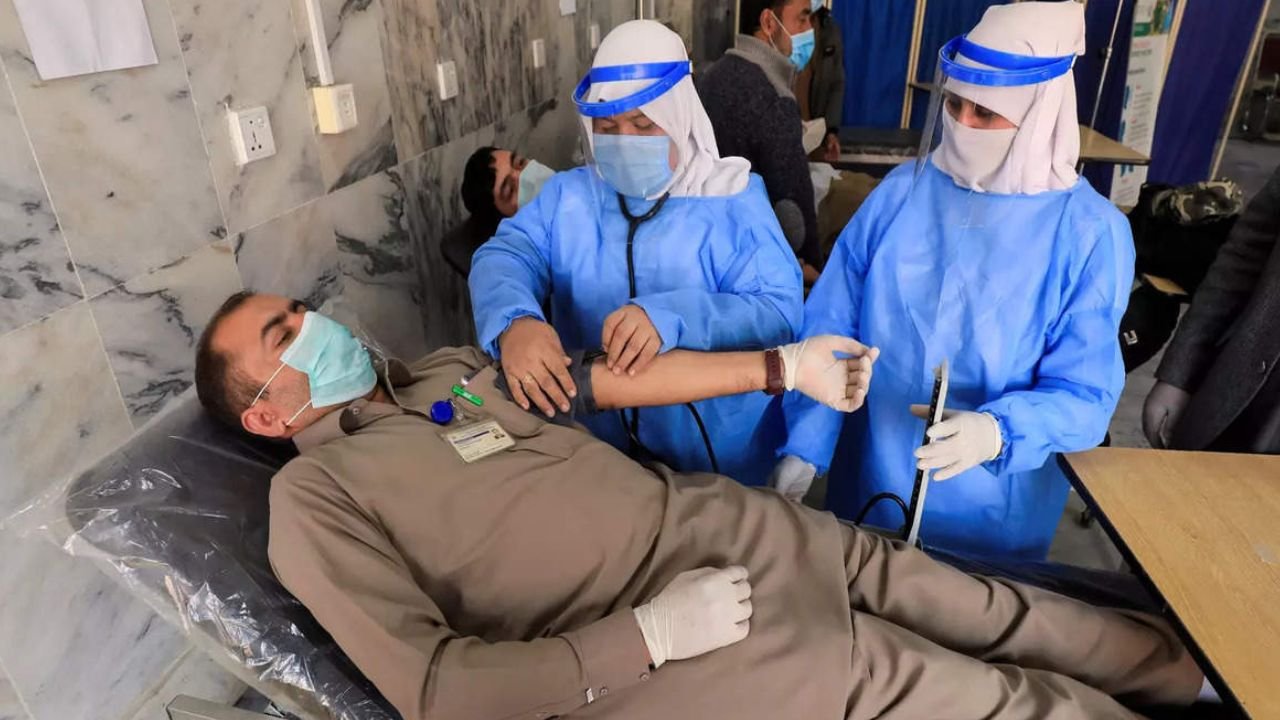
    The emergence of a new coronavirus variant, JN1, a subvariant of Omicron, has raised concerns as four cases were confirmed on Sunday in Pakistan.

    A spokesperson for the Ministry of Health confirmed that all four patients had recovered without encountering any complications, reports the Express Tribune.

    Amid global attention on the new strain, the World Health Organization (WHO) has classified JN1 as a “variant of interest.” Presently, WHO assesses the risk to public health from this strain as low based on existing evidence.

    Dr Nadeem Jan, the caretaker health minister, has said that authorities are closely monitoring the situation, adding that approximately 90 per cent of Pakistan’s population has received vaccination against Covid-19, a critical measure in combatting the spread of such variants.

    As winter brings its challenges, Dr Jan reiterated the importance of preventive measures, urging the public to continue wearing masks, maintaining social distancing, and following health guidelines to curb the spread of COVID-19 and other infectious diseases.

    A few days ago, the federal government decided to secure 500,000 doses of a COVID-19 vaccine in response to the potential resurgence of the new variant observed in multiple countries.

    The procurement strategy for Pfizer vaccines from the US was devised based on recommendations from the Emergency Operation Centre’s (EOC) technical advisory group.

    Previously, the Sindh Health Department confirmed the presence of a new variant of COVID-19 in two passengers arriving from overseas at Karachi Airport. However, it had clarified that no cases of the variant have been reported within the Sindh province.
  • Covid testing of foreign arrivals starts again in Pakistan

    Covid testing of foreign arrivals starts again in Pakistan

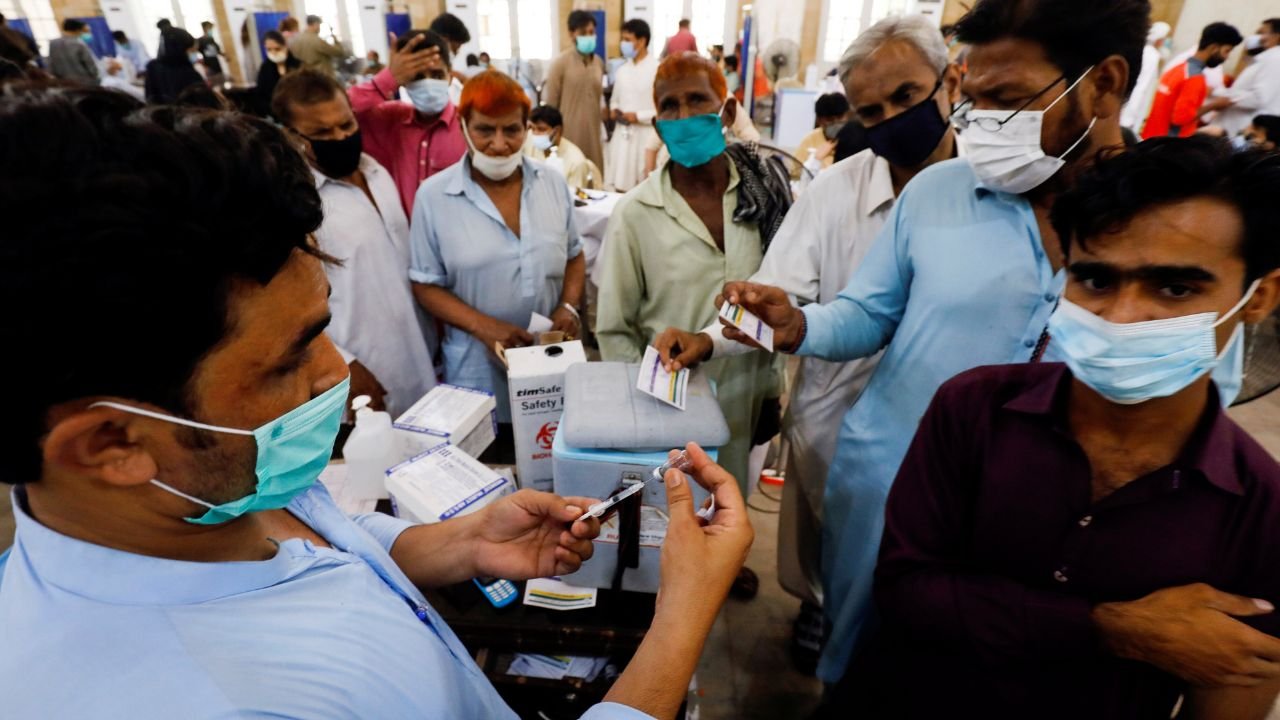
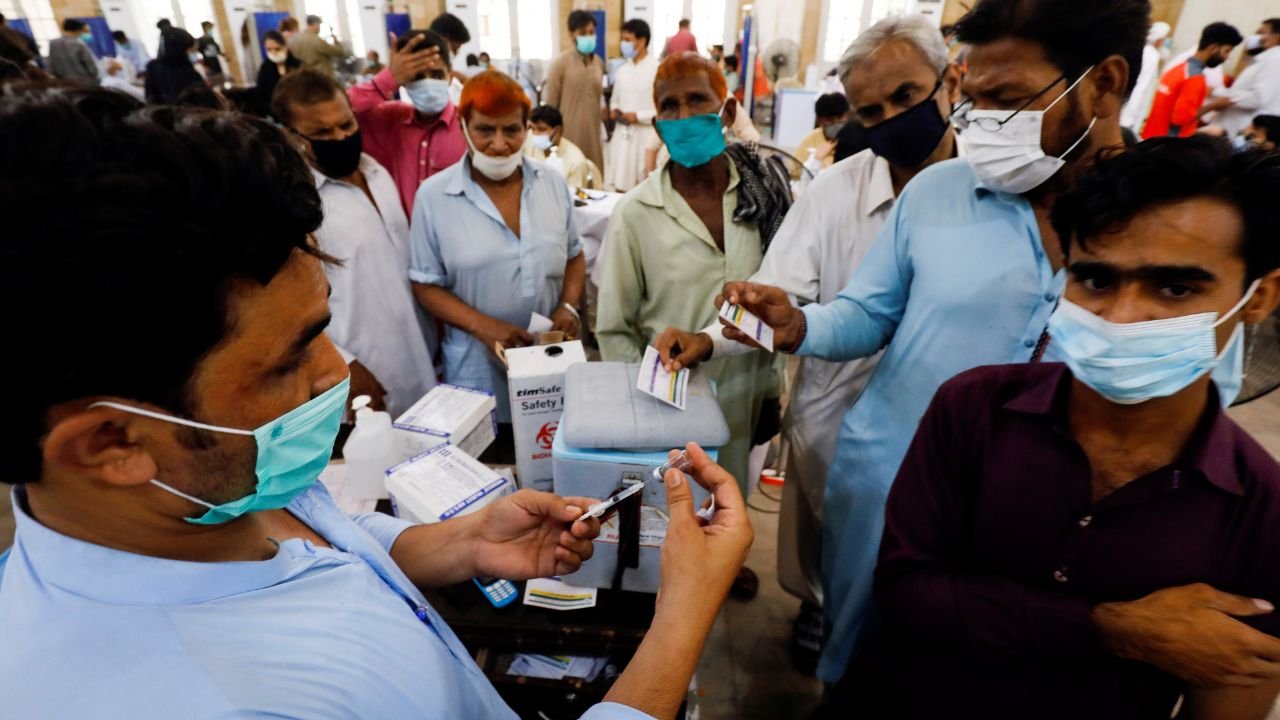
    The National Institute of Health (NIH) has provided COVID-19 testing kits to the Border Health Services Department in Islamabad, reports Geo.

    According to the officials of the Federal Ministry of Health, 40,000 rapid diagnostic kits have been given to the Border Health Services Department.
    The authorities told Geo that COVID testing of those coming from abroad has started at many airports including Islamabad. Two percent of the passengers coming from abroad will be subjected to mandatory Covid testing.

    Officials said that genome sequencing of a few detected Covid cases is also being carried out.

    Testing kits have not yet arrived at Multan and Faisalabad International Airports.

    Meanwhile, a new sub-variant of the Omicron strain of coronavirus named JN.1 has health experts on alert, as it has been classified as a “variant of interest” by the World Health Organisation (WHO) due to its fast-growing spread. A staggering fifty percent increase in COVID-19 infections has been observed worldwide.

  • JN.1: World Health Organization warns about fastest growing variant of Covid-19

    JN.1: World Health Organization warns about fastest growing variant of Covid-19

    A new sub-variant of the Omicron strain of coronavirus named JN.1 has alerted experts across the global health industry, as it has been classified as a “variant of interest” by the World Health Organisation (WHO) due to its fast-growing spread.

    COVID-19 cases involving the JN.1 variant have been found in many countries across the world, including India, China, the United Kingdom, and the United States.

    Although WHO has stated that the risk to the public is currently low, it warns that COVID-19 and other infections could rise this winter.

    The virus behind COVID-19 is constantly evolving, with new variants arising, Omicron being the globally dominant one.

    Meanwhile, WHO is closely monitoring several variants linked to Omicron, including JN.1, but none are considered concerning at the moment.
    However, JN.1 is the fastest-growing variant of COVID-19, accounting for 15-29 percent of infections in the US, according to the US Centres for Disease Control and Prevention.

    It is also the fastest-growing in the UK, accounting for around 7 percent of positive coronavirus tests, according to the UK Health Security Agency.
    Therefore, it is important to continue monitoring all available data on this and other variants to ensure that appropriate measures are taken to control the spread of the virus.

    “It is anticipated that this variant may cause an increase in Sars-Cov-2 [coronavirus] cases amid a surge of infections of other viral and bacterial infections, especially in countries entering the winter season,” the WHO’s risk assessment says.

    There is still limited evidence on how capable JN.1 is of getting around the immunity offered by vaccines, the WHO says.

    WHO reports no increased illness rates with this variant compared to previous ones, but more studies are needed to understand its health impact due to a decrease in countries reporting COVID-19 data.

    Meanwhile, WHO has advised people to take precautionary measures to prevent infections and severe disease by wearing a mask in crowded areas, covering up coughs and sneezes, cleaning their hands regularly, and staying up to date with coronavirus and flu vaccinations, especially if vulnerable.
    Additionally, WHO advises people to stay home if they are ill and get tested if they have symptoms.