Tag: journalism

  • Exclusive: ‘Not the first time he’s apologised,’ Gharidah Farooqi reveals interaction with Dr Omer Adil

    Exclusive: ‘Not the first time he’s apologised,’ Gharidah Farooqi reveals interaction with Dr Omer Adil

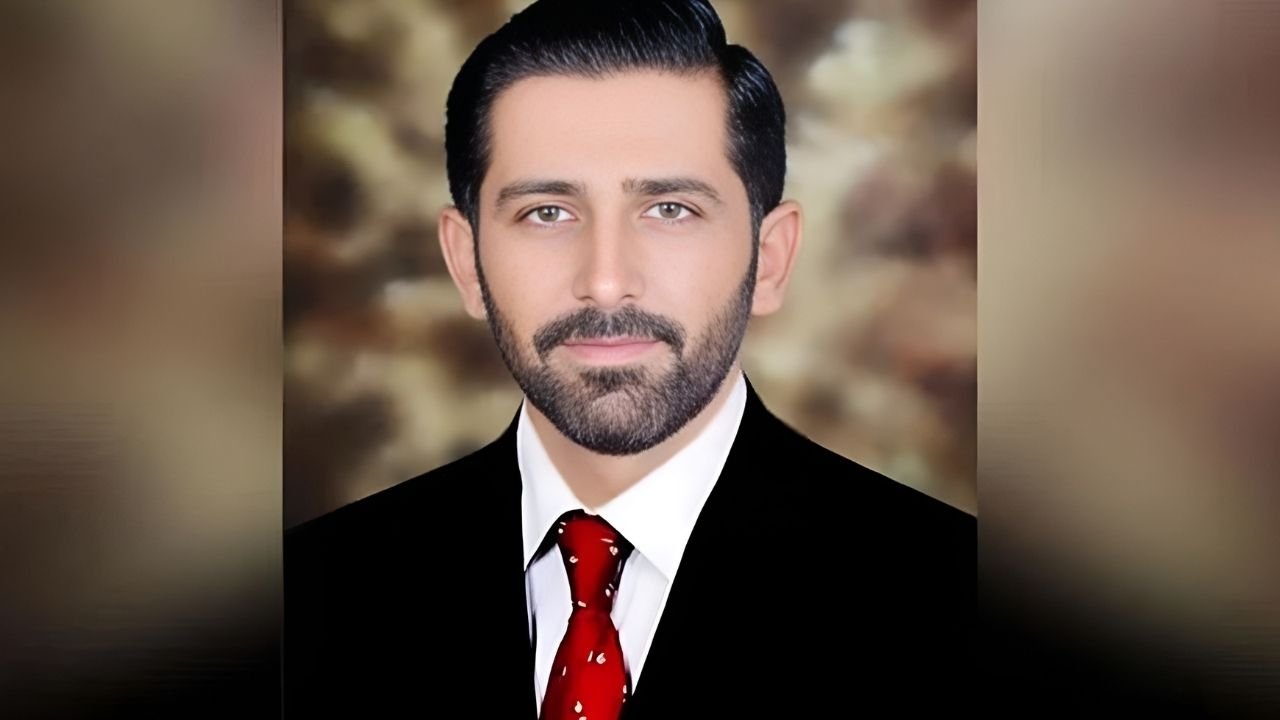
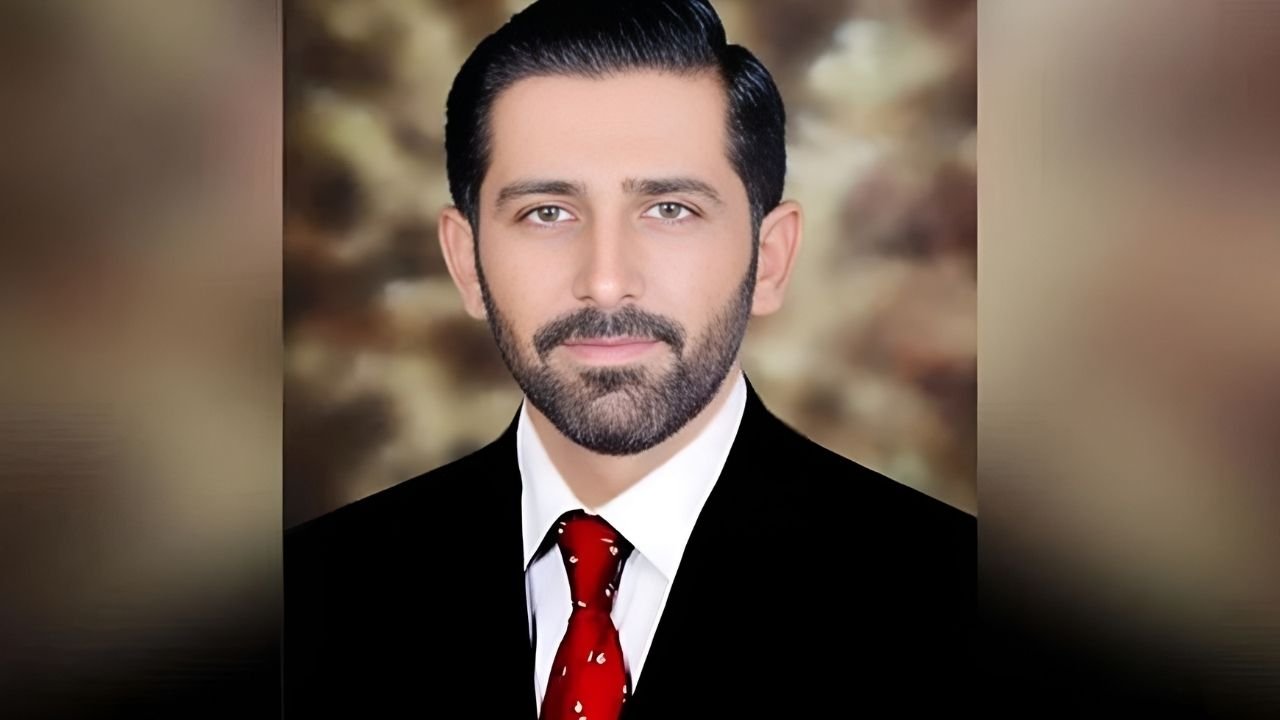
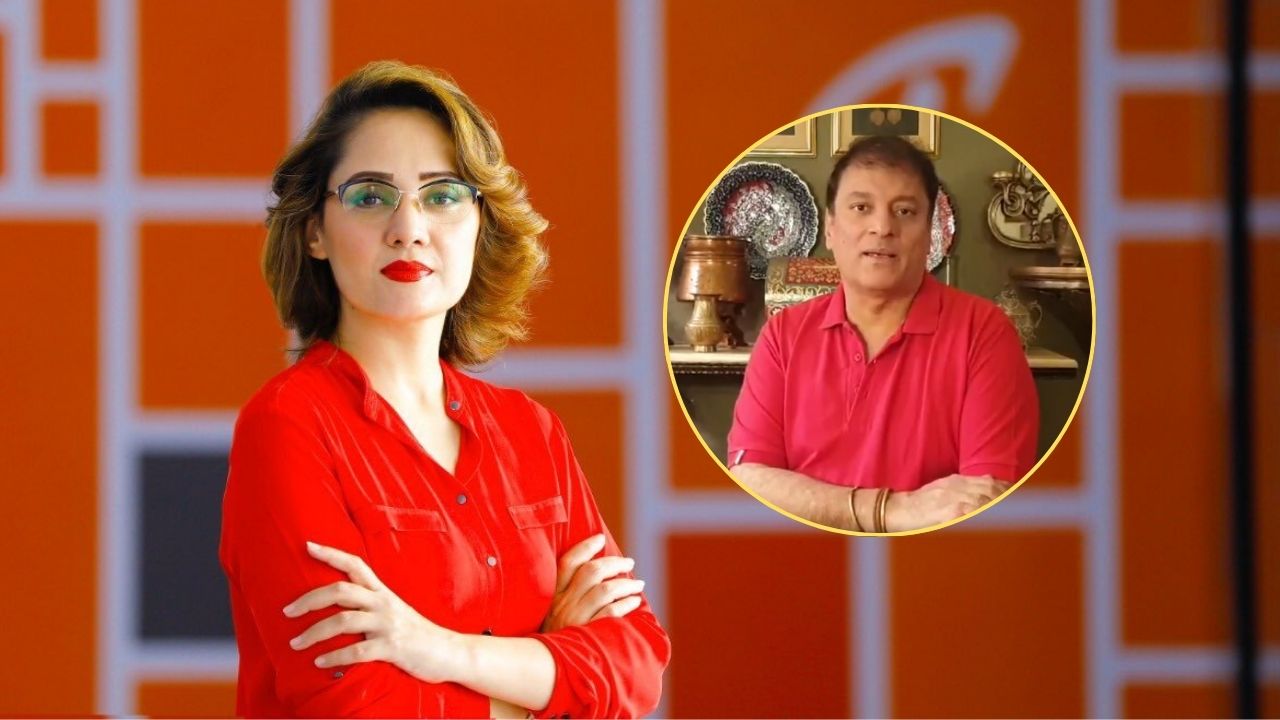
    One month after passing misogynistic remarks against renowned television anchor Gharidah Farooqi, Dr Omer Adil has publicly apologised.

    On a podcast hosted by Zohaib Butt, Dil Ki Baat, in July, film critic and orthopaedic surgeon Adil claimed that female anchors in Pakistan’s media industry are “handpicked by a seth or somebody else to go and host a stupid program”, adding that they are treated extraordinarily in comparison to their male counterparts.

    He made these comments during a segment of the podcast that primarily targeted Gharidah Farooqi and used derogatory language, including vulgar abuse. He further claimed that the producers had ‘no guts’ to criticise women anchors for their mistakes.

    This was followed by a massive backlash from the journalist community across Pakistan, particularly women who are, time and again, subjected to harassment and sexist commentary. 

    On August 6, Gharidah Farooqi updated on X (formerly Twitter) that Dr. Adil had been arrested by the Federal Investigation Agency (FIA). 
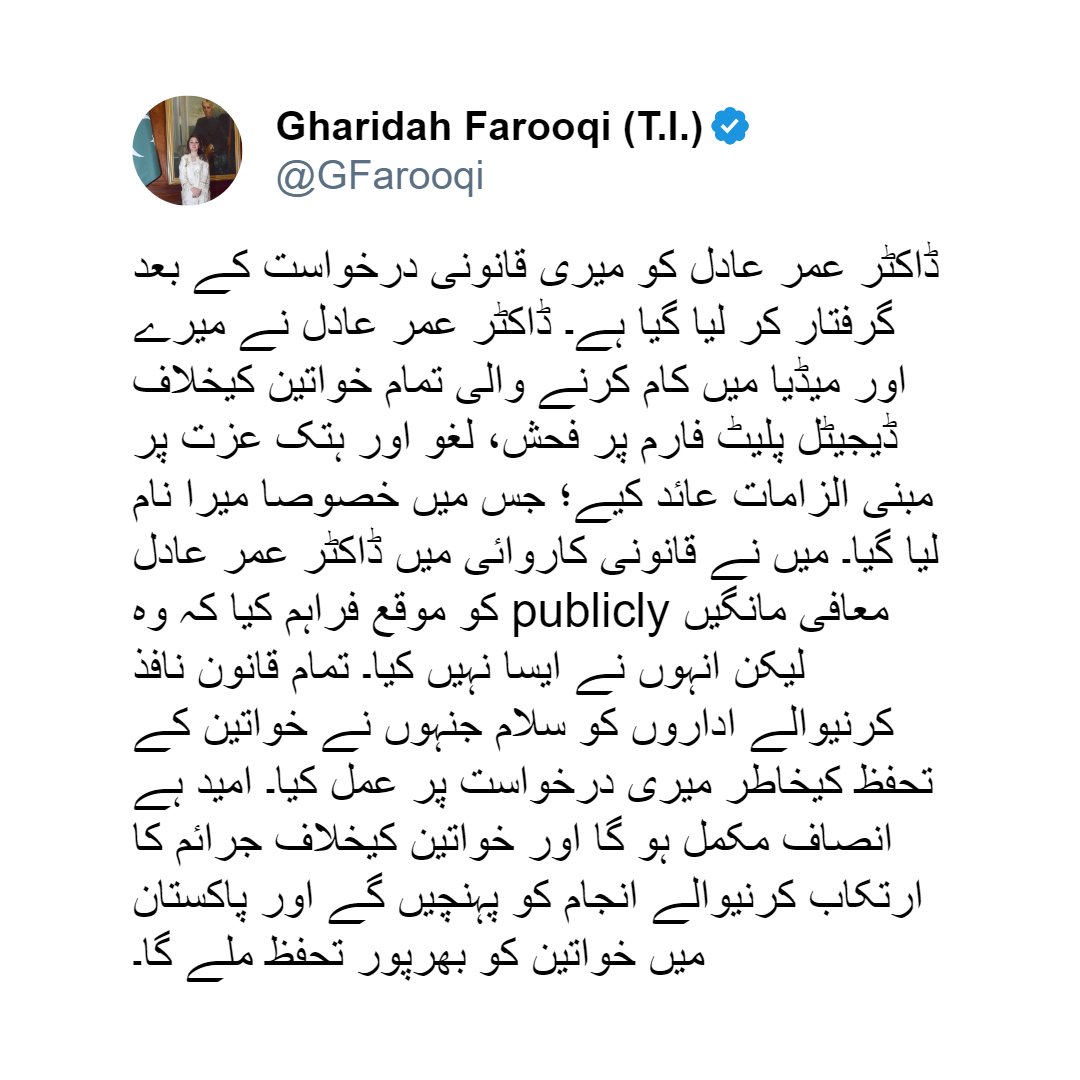
    On August 24, Dr Omer Adil posted an “unconditional, wholehearted and sincere apology” to Gharidah Farooqi.

    But speaking with The Current, Gharida Farooqi revealed that it is not the first time that Omer Adil apologised to her.

    “Dr. Umar Adil contacted me many weeks ago, shortly after he was granted bail following his arrest by the FIA after I filed a complaint. He called and apologised for about 20 to 30 minutes, insisting that he had been trapped and ended up saying things in the podcast that he did not intend.

    He seemed to be playing the victim,” she recalls.

    Gharidah then demanded that he issue an apology on his official YouTube channel for a duration equal to the time he spent making those offensive remarks on the podcast, to which he agreed.

    The apology, however, was delayed due to alleged technical issues. During this time, he posted a brief video but then vanished again.

    Although the case was receiving widespread attention, the FIA only detained Adil after Farooqi filed a complaint, which ultimately led to his public apology.

    Fight against digital violence

    Ghareeda Farooqi has long been subjected to online violence. From rape threats to even death threats, she has been targeted by “malicious campaigns”.

    “I have been fighting against not just cyberbullying but cyberviolence against myself since 2014. I was the first female journalist who was made the victim of digital violence against women, as well as planned campaigns organised by political parties”, she says.

    Women Press Freedom has documented at least a dozen organised troll campaigns against Gharida, reportedly the “highest number of organised digital violence we have ever documented against a journalist in the region” after Indian journalist Rana Ayyub.

    “People have forged videos and pictures using my face, including pornographic content,” she recalls.

    “So far, I have filed almost ten complaints with the FIA; not even one has been addressed, and no culprit has been arrested.”

  • ‘It’s not possible’; Reporting in internet-challenged Pakistan

    ‘It’s not possible’; Reporting in internet-challenged Pakistan

    With the primary shift from newspapers to television channels and now to digital media applications, the dissemination of information has become increasingly competitive for newsrooms, with the latest updates just a click away.

    “Delays can be managed with newspapers, but today everything is in your hands—specifically, mobile phones,” says Raees Ansari, Bureau Chief of Geo News in Lahore.

    “Every single second is crucial in reporting now; some footage needs to be sent and put on air instantly. But due to poor network conditions and slow WhatsApp, content is not being sent on time, which is affecting our professional activities,” he reveals.

    Over the past week, internet users across Pakistan have reported network disruptions, with WhatsApp, Facebook, and Instagram experiencing slowdowns, hindering online activities. The Pakistan Telecommunication Authority (PTA) has denied any connection between these issues and the alleged firewall installation.

    Since the ban on X (formerly Twitter) on February 17, 2024, many have turned to Virtual Private Networks (VPNs). The ongoing disturbances, however, have complicated internet usage, which is crucial for a number of professions.

    Sumaira Raja, an investigative reporter, who is mostly found out on the field, complains of encountering issues with not only the internet but also phone signals which often prevents her from conveying news on time.

    “I also experience delays with receiving beepers, as head office frequently reports that the number is not available due to poor signals. This situation makes it very difficult to do my job. I’ve tried using a VPN, but it hasn’t worked,” Raja says.

    Sports journalist Faizan Lakhani recalls when javelin champion Arshad Nadeem returned to Pakistan on August 17 after winning the gold medal at the Paris Olympics, all the visuals sent through WhatsApp by reporters were delayed, and they struggled to download them unless they used a VPN.

    “This situation is very challenging and affects our workflow. When reporters are working on a story or covering an event, they need to stay connected with the desk. We usually rely on voice notes to pass instructions, but since we started encountering this issue, we are struggling with that method too,” he says.

    “We have been told that the network disruption is because of the firewall installation. While things are becoming easier around the world, it has been getting harder for us. Everything is happening with the help of technology and the current situation is a major challenge.” says Ansari.

    What’s happening?

    A highly placed source in the IT industry identifies that filtering of content delivery networks (CDNs) through Firewall is causing content to be routed via internet backbone rather than CDNs.

    “This means that around 4 TBs of internet traffic previously served through CDNs, hosted in Pakistan, is becoming ineffective. When all traffic goes on backbone bypassing CDNs, it’s causing massive slowdown at many western destinations that’s happening now,” he explains.

    Recently, Fiverr, an online marketplace for freelance services, warned clients that Pakistani freelancers may experience delays due to internet issues and the use of VPNs to change their locations.

    “Brace for impact. God save the internet in Pakistan”, says the IT expert.

    Background

    It all started on February 17, 2024, about a week into the new government, when X (formerly Twitter) was banned.

    Initially, amid the uproar, the government remained silent on the matter while the Pakistan Telecommunication Authority (PTA) seemed aloof until the High Courts of Sindh and Islamabad intervened. The PTA eventually admitted that the ban on X was imposed on the orders of the Ministry of Interior based on reports from intelligence agencies.

    The government eventually justified the ban by attributing it to national security concerns, citing ‘digital terrorism‘ and online propaganda as among the threats.

    Earlier in August, Provincial Information Minister Azma Bokhari stated that the government is not against social media but wants to focus on rules and regulations, which, if enforced, could lead to the removal of the ban on X.

    The disruption has now extended beyond X, affecting other widely used apps along with the internet.

    Ironically, since the February 2024 election, the new government has emphasised the need to grow the tech industry in Pakistan.

    In March, Lahore Knowledge Park (a science park) was handed over to the Punjab Central Business District Development Authority with the approval of Chief Minister Punjab Maryam Nawaz, with the goal of establishing Pakistan’s largest IT city.

    In June, Prime Minister Shehbaz Sharif visited Shenzhen— the tech hub in China— in hopes of future collaboration. Ironically, he posted on X (Twitter), expressing how “impressed” he was by the “city’s skyline and development that symbolizes modern-day China.”

    Given the lack of proper infrastructure in the country amid burgeoning surveillance, how will Pakistan evolve in the rapidly transforming digital world? It remains to be seen – but likely we won’t be able to download it.

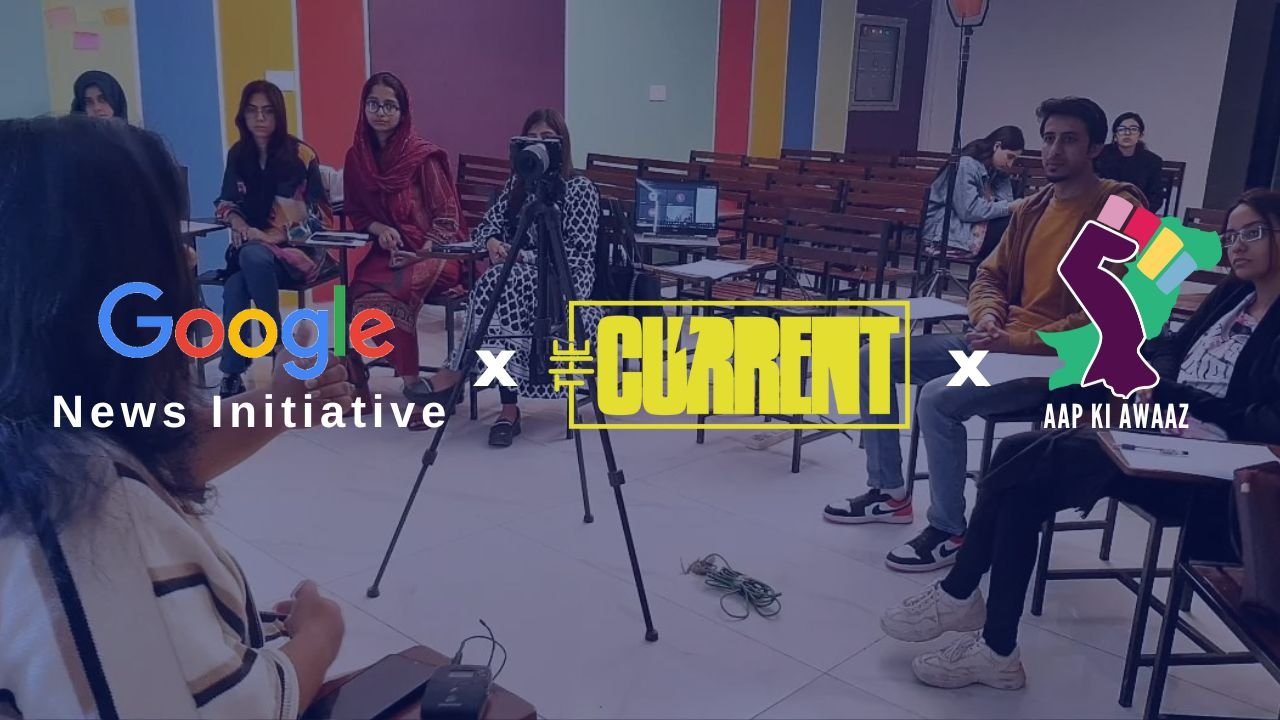
  • ‘Inspiring Pakistan’s youth’; The Current featured on the Google News Initiative

    ‘Inspiring Pakistan’s youth’; The Current featured on the Google News Initiative

    In 2020, The Current won the Google News Initiative (GNI) Innovation Challenge, becoming the only media organization in Pakistan to achieve this highly regarded position within just a year of its launch.

    Four years down the road, we continue to grow alongside the ever-evolving news consumption habits of youth in the digital age.

    But that’s not all.

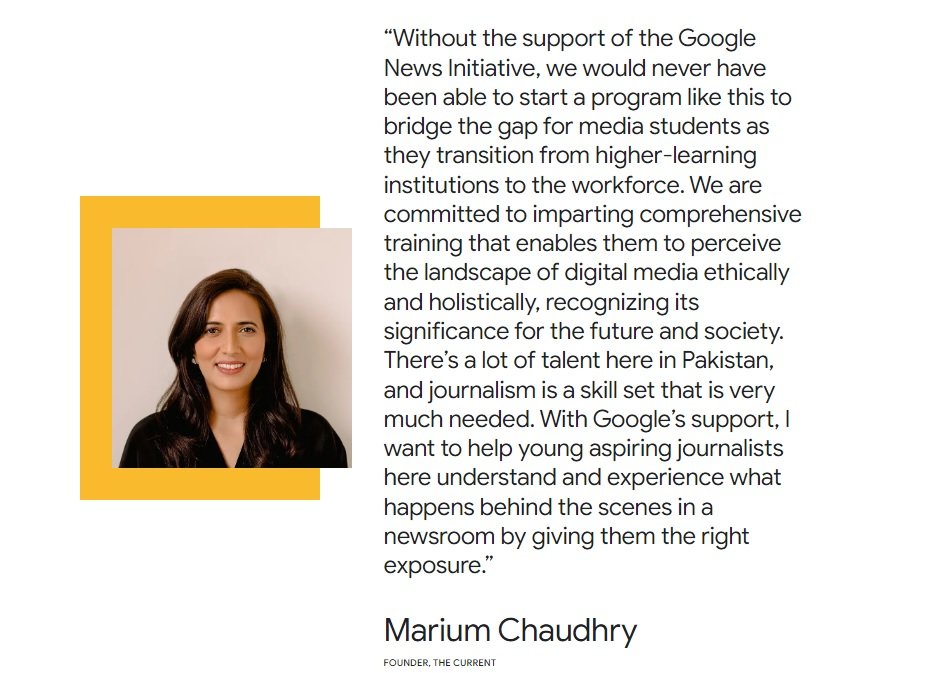
    In 2021, The Current opened the doors of its digital newsroom to the youth of Pakistan by starting a membership program called ‘Aap Ki Awaaz,’ which provides aspiring journalists with a platform to gain practical experience in digital media and prepare them for responsible information communication for tomorrow.

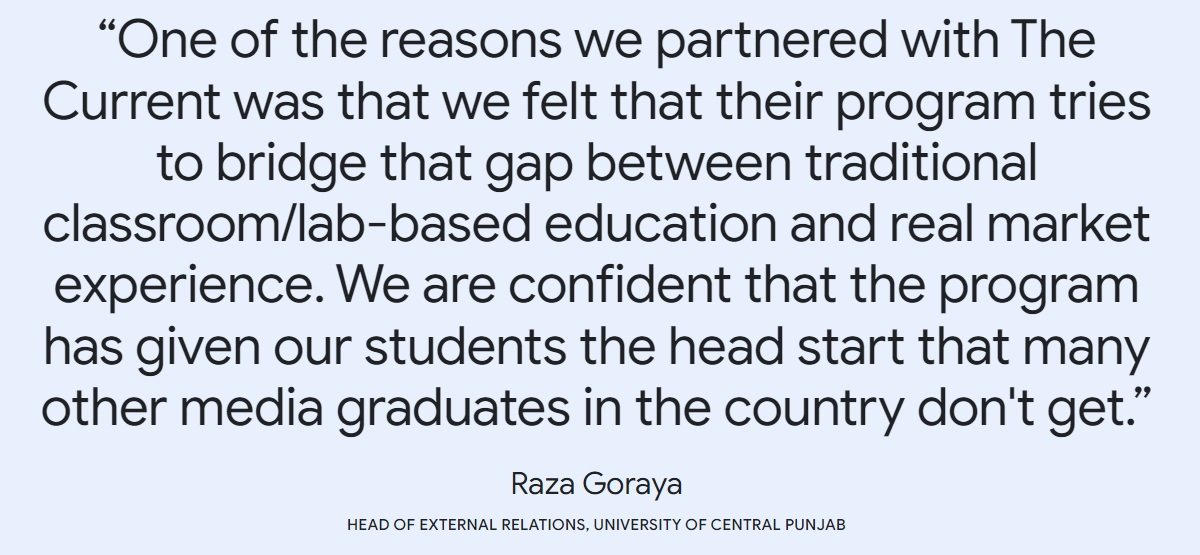
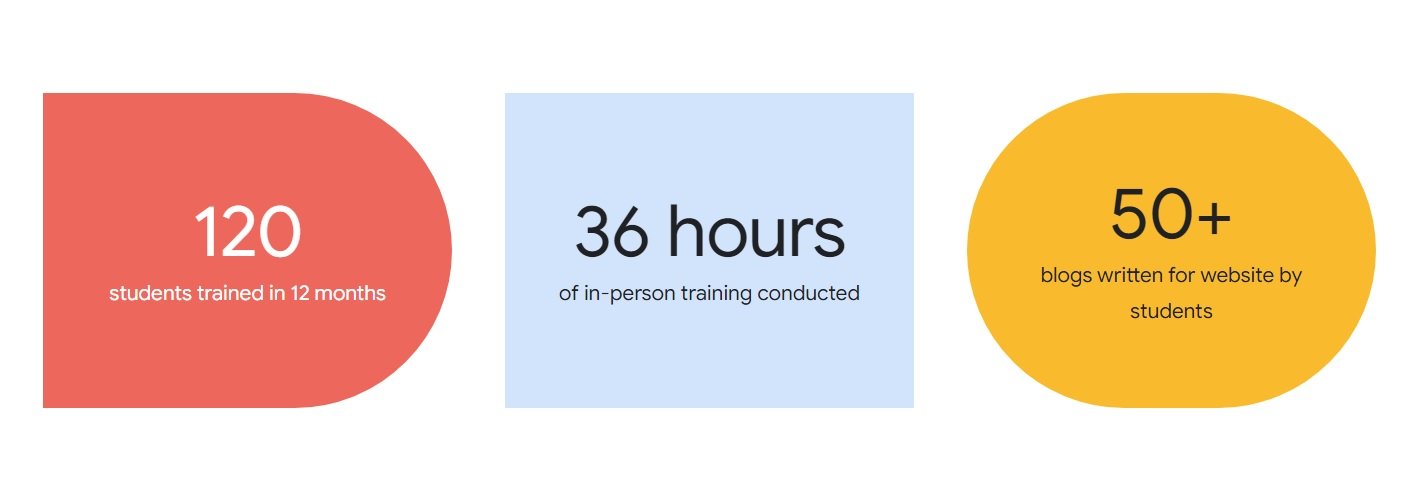
    Having collaborated with the University of Central Punjab and Punjab University, The Current has worked with 120 students, conducting workshops featuring Pakistan’s renowned journalists and digital personalities. Above all, we have provided them with a space to unleash their creativity.

    So far, Aap Ki Awaaz has published more than 50 blogs written by these students.

    In 2024, 12 of our young members joined The Current’s coverage of Pakistan’s general election, tagging along with our reporters, monitoring election results, writing real-time stories, participating in live podcasts, and gaining firsthand experience of this major political event.

    And oh! About a year ago, we launched our newsletter, which now has more than 1,500 subscribers and an open rate of 28 percent (which is growing!).

    The Google News Initiative covered our work and the work we plan to do. Join us, support us by becoming a member or subscribing to our free newsletter so we continue to help our community and our country.

  • British-American journalist deported from Pakistan after attempted interview with Imran Khan

    British-American journalist deported from Pakistan after attempted interview with Imran Khan

    Law enforcement agencies in Pakistan deported a British-American journalist after he tried to interview the incarcerated former Prime Minister Imran Khan.

    Charles Glass, a 73-year-old author, journalist, broadcaster, and publisher known for his work focusing on the Middle East and World War II, has worked with renowned news platforms such as Newsweek, ABC TV, and The Telegraph. Currently, he works as a freelance journalist.

    Glass was reportedly seen outside Adiala jail with Imran Khan’s sister Aleema. Later, police forces arrived at the home of senior journalist Zahid Hussain, where Glass was present.

    On Wednesday afternoon, an assistant superintendent of police (ASP) led a team and informed Glass that his visa had been cancelled. This led to an hour-long contention, after which the ASP instructed Glass to leave the country by 5 pm.

    According to sources quoted by Dawn, the ASP had a clear order to deport the journalist.

    Glass was taken to his hotel to collect his luggage and was escorted to the earliest available flight to Abu Dhabi at 4 pm that afternoon.

  • Town Chairman Mirpur Mathilo suspended in Nasrullah Gadani murder case

    Town Chairman Mirpur Mathilo suspended in Nasrullah Gadani murder case

    Shahbaz Ahmed Khan Lund, accused in the murder of journalist Nasrullah Gadani, and the Municipal Chairman of Mirpur Mathelo, has been suspended.

    The Sindh government suspended him under the Sindh Local Government Ordinance, and the notification has been issued accordingly.

    Journalist Nasrullah Gadani was killed in an attack by armed men on May 25 in Mirpur Mathilo.

    A murder case against unknown persons has been registered at Mirpur Mathelo police station.

    Gadani sustained three gunshot wounds in a deadly attack last month. Initially, he was transferred to Rahim Yar Khan for treatment and later, on the instructions of Sindh Chief Minister Murad Ali Shah, he was moved to a private hospital in Karachi. Gadani, however, passed away during treatment there.

  • Witnesses name PPP MNA, two sons in Nasrullah Gadani murder case

    Witnesses name PPP MNA, two sons in Nasrullah Gadani murder case

    The case of the murder case of journalist Nasrullah Gadani has been taken to court. During the last hearing, witnesses named a local MNA of the Pakistan People’s Party (PPP) and two of his sons for planning the assassination.

    The journalist’s brother and cousin Yaqoob Gadani and Salah Gadani recorded their statements under Section 164 of the Criminal Procedure Code (CrPC) before Second Civil Judge and Judicial Magistrate Mirpur Mathelo Muhammad Idress Jakhrani.

    Gadani was killed in Mirpur Mathelo on May 21. He was shifted to Karachi for treatment after the attack, where he succumbed to his injuries.

    According to the witnesses, on April 11, 2024, three people threatened Nasrullah because he did not stop reporting against them.

    On June 8, 2024, police reportedly arrested Asghar Loond, son of Hoat Loond, one of the three main suspects, and found the weapons, motorcycle, and three mobile phones used in the assassination.

    Police have declared Asghar Loond’s brother Barkat and Abdullah as absconders.

  • ‘YouTubers meri shadi ki fikar na karain’; Fiza Ali hits back at vloggers

    ‘YouTubers meri shadi ki fikar na karain’; Fiza Ali hits back at vloggers

    Pakistani actress Fiza Ali has strongly denounced false rumors about her marital status, blaming social media platforms for spreading misinformation.

    In a recent statement, Ali expressed frustration over misleading reports claiming she had gotten married. She specifically criticized YouTube channels and bloggers for spreading fake news without checking the facts.

    Ali emphasized the negative impact of such false news on both her personal and professional life, stressing the importance of responsible journalism in the digital era.

    “Whenever I travel to places like London or New York for work or leisure, I often become the target of untrue stories,” Ali stated, visibly upset. “It seems whenever I’m away, rumors about my marriage start circulating.”

    In an earlier interview, Fiza Ali said, “I want a husband who will accept me and my daughter, Faral, and won’t stop me from working.”

    The actress urged social media users to be cautious and verify information before sharing, highlighting how spreading false news can emotionally harm individuals and cause distress.

    Ali’s candid remarks shed light on the growing concern about the unchecked spread of misinformation on the internet.

  • ‘Julian Assange is free’, has left Britain: WikiLeaks

    ‘Julian Assange is free’, has left Britain: WikiLeaks

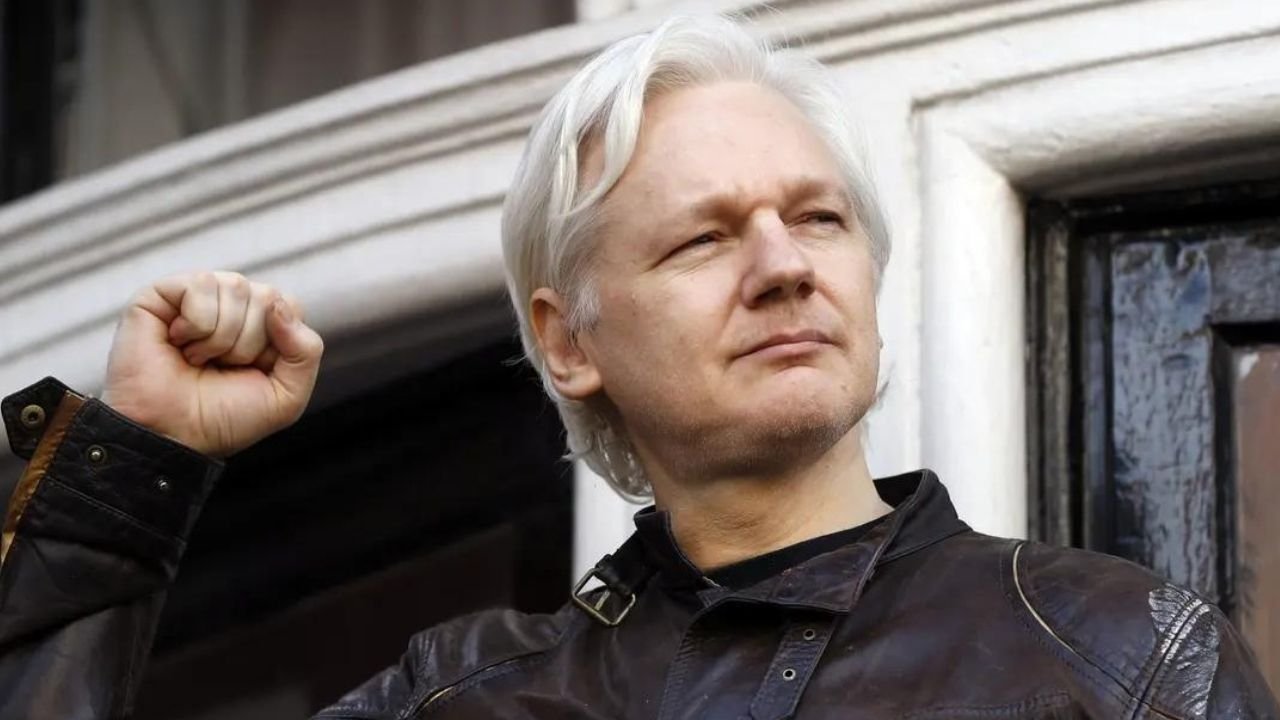
    Julian Assange’s wife Stella on Tuesday thanked campaigners for their support as the WikiLeaks founder was released after five years in British custody.

    “Julian is free!!!!” she wrote on the social media platform X following confirmation that he had left Belmarsh high-security prison in southeast London.

    “Words cannot express our immense gratitude” to everyone who had backed the global push for his release, she added.

    Stella Assange met the Australian publisher while he was holed up in Ecuador’s London embassy to avoid extradition to Sweden on sexual assault charges that were later dropped.

    Assange, accused of divulging US military secrets related to the wars in Afghanistan and Iraq, had been due back in court in London next month after winning an appeal against extradition.

    But WikiLeaks said in a statement: “Julian Assange is free. He left Belmarsh maximum security prison on the morning of June 24, after having spent 1,901 days there.

    “He was granted bail by the High Court in London and was released at Stansted airport during the afternoon, where he boarded a plane and departed the UK.”

    The media freedom group said sustained campaigning, from grassroots supporters to political leaders and the United Nations, “created the space for a long period of negotiations with the US Department of Justice”, leading to a deal.

    The organisation said the deal “has not yet been formally finalised”.

    Assange was initially detained for skipping bail in relation to the Swedish case and held in custody while the US extradition request wound its way through court.

    He will now be reunited with his wife, whom he married at a ceremony in the prison, and their two young children, it added.

    “WikiLeaks published ground-breaking stories of government corruption and human rights abuses, holding the powerful accountable for their actions,” the statement read.

    “As editor-in-chief, Julian paid severely for these principles, and for the people’s right to know.

    “As he returns to Australia, we thank all who stood by us, fought for us, and remained utterly committed in the fight for his freedom. Julian’s freedom is our freedom.”

    spe-phz/rsc

    © Agence France-Presse

  • Suspect arrested in Nasrullah Gadani murder

    Suspect arrested in Nasrullah Gadani murder

    A suspect involved in the murder of Nasrullah Gadani, a journalist working for the daily newspaper Awami Awaz, has been arrested by Yaro Lund police in Sindh.

    Gadani was killed in Mirpur Mathelo last month on May 21. He was shifted to Karachi for treatment after an attack, where he succumbed to his injuries.

    According to the police, the motorcycle used in the journalist’s murder was also recovered from the suspect who has been shifted to an unknown location for investigation.

    Raids are being conducted to arrest the associates of the man.

  • Journalist Nasrullah Gadani dies days after gunshot wounds

    Journalist Nasrullah Gadani dies days after gunshot wounds

    Nasrullah Gadani, a local journalist of Ghotki who was injured in an assassination attempt four days ago, has died in a private hospital in Karachi on Friday.

    After getting shot thrice on Tuesday, he was transferred to Sheikh Zayed Hospital in Rahim Yar Khan.

    Journalists have expressed anger while people blocked the National Highway in front of the SSP office in protest against the assignation attempt on the journalist.

    According to Geo news, demonstrators chanted slogans against the police.

    Sindh Chief Minister (CM) Syed Murad Ali Shah and Chairman of Pakistan People’s Party (PPP) Bilawal Bhutto Zardari have expressed sorrow over the tragic demise of Gadani.