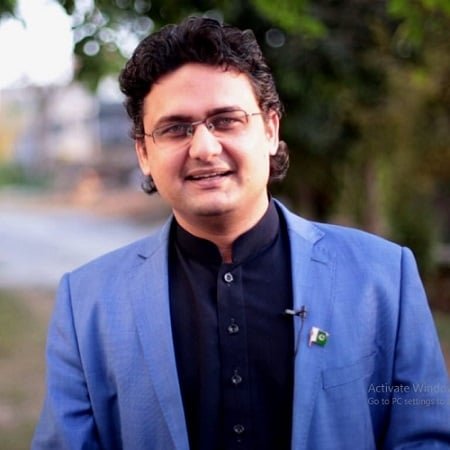
Pakistan Tehreek-e-Insaf (PTI) leader Faisal Javed has been indicted on Wednesday for inappropriate behaviour with a journalist, ARY News has reported.
The charge sheet against him stated that Faisal Javed attacked a TV reporter and threatened him on August 9, 2022, noting that threatening a journalist is a crime. The indictment ordered to move forward with a case against the PTI leader.
The PTI leader has denied the accusations and said that he didn’t threaten the journalist.
Last month, Faisal Javed came out of months-long hiding and secured transit bail from Peshawar High Court (PHC).
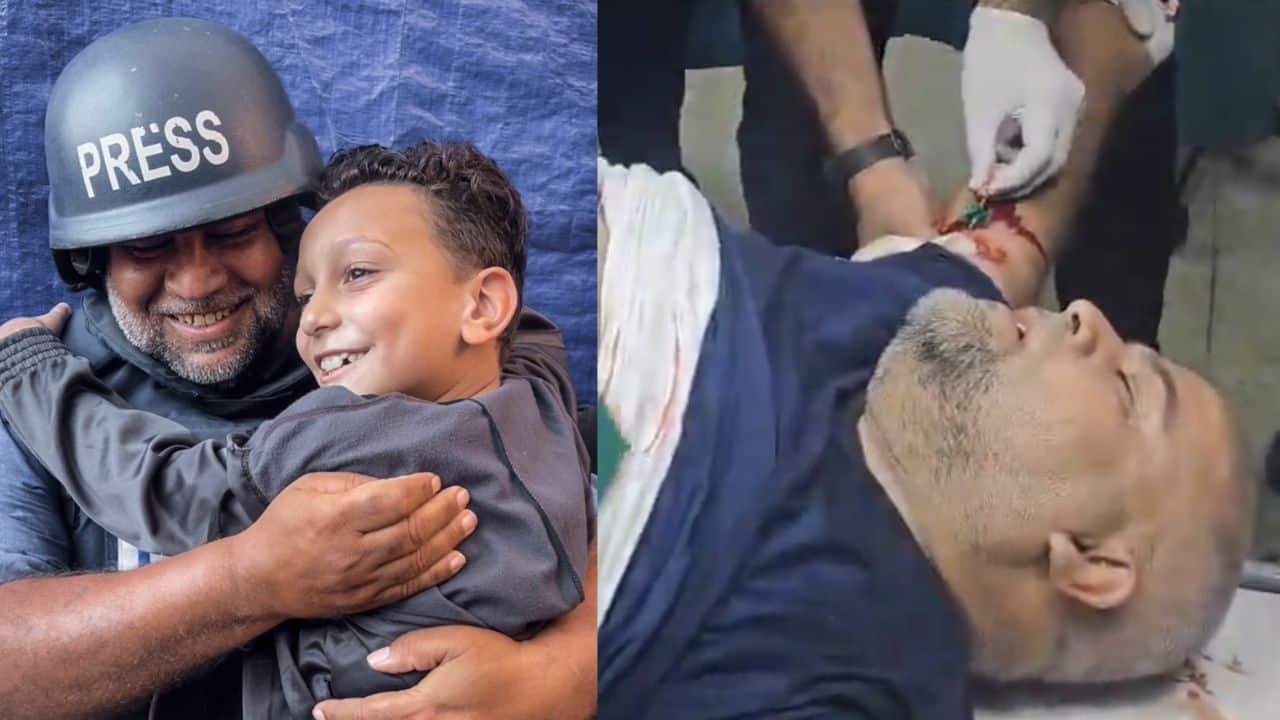
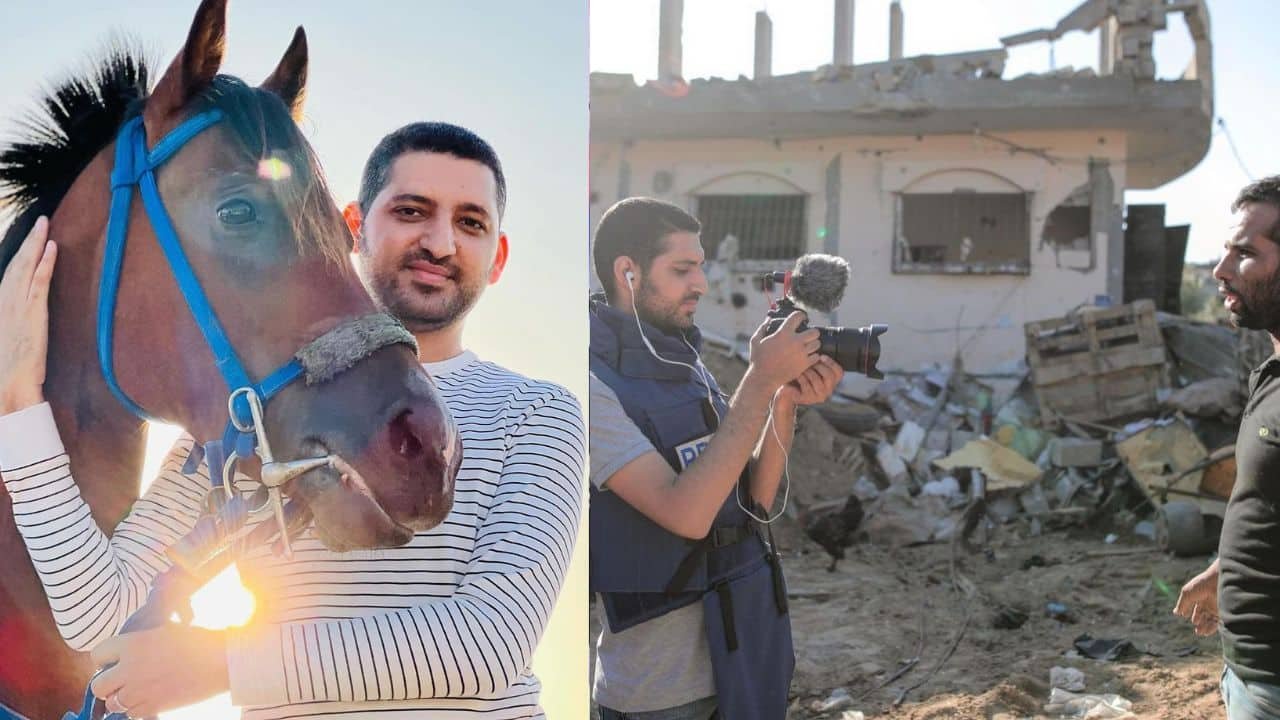
Al Jazeera journalist Wael Dahdouh is currently in critical condition after being targeted by Israel in a reported targeted attack while he was covering news near Haifa school in Khan Younis.
Another journalist was also reportedly severely injured in the attack. On October 25, Wael Aldahdouh, one of the most prolific journalists in Gaza, buried his wife, son, daughter, and grandson, who had been killed in an Israeli air raid that hit the house they were sheltering in.
The Israeli strike that killed one journalist and wounded six others in Lebanon merits a “war crime” investigation, rights groups Amnesty International and Human Rights Watch (HRW) told AFP on Thursday.
Reuters journalist Issam Abdallah, 37, was killed instantly in the strike on October 13 in the south of the country near the Israeli border.
The others present — two more Reuters journalists, two from Al Jazeera, and two from AFP — were all injured.
AFP photographer Christina Assi, 28, was seriously wounded, later had a leg amputated and is still in hospital.
Independent investigations by both rights groups concluded, like an AFP investigation published earlier on Thursday, that the first strike that killed Abdallah and severely wounded Assi was most likely a tank round fired from Israel.
Two Israeli strikes on a group of Lebanese, American, and Iraqi journalists in south Lebanon on October 13, 2023, were apparently deliberate attacks on civilians, which is a war crime. https://t.co/F2UmERhszApic.twitter.com/Z7gjgGW19A
Amnesty said the strikes “were likely a direct attack on civilians that must be investigated as a war crime”.
“Those responsible for Issam Abdallah’s unlawful killing and the injuring of six other journalists must be held accountable,” said Aya Majzoub, Amnesty’s deputy regional director for the Middle East and North Africa.
“No journalist should ever be targeted or killed simply for carrying out their work. Israel must not be allowed to kill and attack journalists with impunity.”
HRW said the two Israeli strikes “were apparently deliberate attacks on civilians, which is a war crime”.
Under international humanitarian law, “it is forbidden in any circumstances to carry out direct attacks against civilians”, it said.
The group’s investigation indicated that the journalists were “well removed from ongoing hostilities, clearly identifiable as members of the media, and had been stationary for at least 75 minutes before they were hit”.
Amnesty said images it verified showed “the seven journalists were wearing body armour labelled ‘press’, and that the blue Reuters crew car was marked ‘TV’ with yellow tape on its hood”.
“The evidence strongly suggests that Israeli forces knew or should have known that the group that they were attacking were journalists,” HRW’s Lebanon researcher Ramzi Kaiss said.
“This is an unlawful and apparently deliberate attack on a very visible group of journalists,” he said.
In collaboration with @afp we investigated the explosions near the Lebanese-Israeli border that killed Reuters journalist Issam Abdallah and injured six other reporters. The evidence points to Israeli responsibility and suggests that it was no misfire 1/ https://t.co/1fvL8cfdXn
Speaking at a press conference in Beirut, Dylan Collins, the other AFP journalist wounded in the attack, said: “I know they (the investigations) won’t bring Issam back to life. I know they won’t help Christina walk again.
“But what I do hope is that they at least will mark the start of some sort of process of justice and accountability,” he said.
He shared a message from Assi that said: “We chose journalism with a mission to deliver the truth, and despite the inevitable costs, our commitment remains unwavering. Nothing can silence us.”
Lebanese Prime Minister Najib Mikati said in a statement his government would “take all measures to include” the conclusions of the investigation “in the complaint filed before the UN Security Council”.
Since Israel’s bombardment of Gaza started after Palestinian fighter group Hamas struck Israel in a surprise attack on October 7, 63 journalists and media workers have been killed — 56 Palestinians, four Israelis and three Lebanese, the Committee to Protect Journalists says.
The New York-based rights group on Thursday called for “an immediate, independent, and transparent investigation that holds the perpetrators to account” for the strike on journalists in Lebanon.
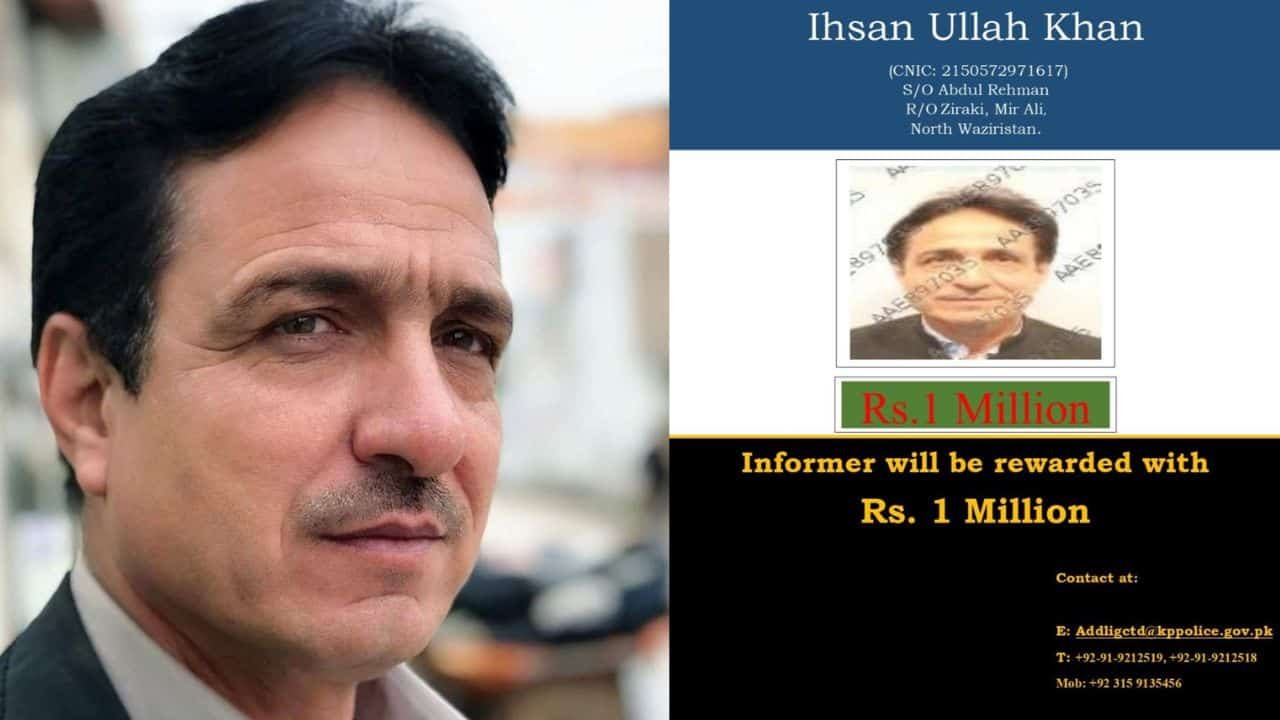
Counter Terrorism Department (CTD) Khyber Pakhtunkhwa has released the latest “most wanted terrorists” list, which shockingly includes the name of a prominent tribal journalist and author, Ihsanur Rehman Dawar.
The counter-terrorism department on Tuesday placed the name of Provincial Disaster Management Authority (PDMA) assistant director Ihsanur Rehman Dawar on the list of most wanted fugitives announcing a bounty of Rs1 million for information leading to his arrest.
Counter Terrorism Department (CTD) Khyber Pakhtunkhwa has released a latest “most wanted terrorists” list. The list includes a name of a prominent tribal journalist and author, Ihsan Dawar. What a …..Joke pic.twitter.com/0Yjvz6canA
Mr Dawar, a former journalist and an author, is part of the list along with over 150 other proclaimed offenders. The profile shared by the CTD has incorrectly named him Ihsanullah Khan.
Dawar expressed shock at the inclusion, stating that he has been residing in Peshawar since 2011 and has no criminal record.
Dawar asserts that his father’s name, home address, and picture are correctly identified as per Dawn.
“This is how our institutions are working. They have ruined my reputation,” Dawar lamented, vehemently denying any connections to militants within his family.
The CTD in Pakhtunkhwa has included the name of a well known senior journalist and spokesman of PDMA for merged districts Ihsan Dawar in the list of its “most wanted terrorists”. This is ridiculous beyond words. This is a prime example of just how dysfunctional their system is. https://t.co/aPqmRKmQTr
The CTD, in a statement, insisted that Ihsanullah Khan was nominated in an FIR for attacking an army picket in North Waziristan in 2019, leading to his proclamation as a wanted offender.
The department justified the Rs1 million bounty, claiming it was recommended by the district police officer and duly notified by the home department.
The Miramshah Press Club criticized the CTD’s move, describing Dawar as an “honorary member” and denouncing the reward for his arrest.
The case in question involves a 2019 firing incident at the Khar Kamar checkpost, which resulted in casualties. Dawar was declared a proclaimed offender, but lawmakers Ali Wazir and Mohsin Dawar were acquitted in 2020.
The CTD’s most-wanted list, however, has raised eyebrows, with several inaccuracies noted.
– The Counter-Terrorism Department of Khyber Pakhtunkhwa has issued a list comprising 152 individuals deemed as the most wanted in the state.
– Umar Mukaram Khorasani, is among those named.
– The collective bounty on the heads of the individuals listed amounts to 23 crore… pic.twitter.com/ANRfhncY2W
The inclusion of surrendered TTP spokesperson Ihsanullah Ihsan, and individuals previously reported dead in Afghanistan, such as Omar Mukarram Khurasani, has underscored concerns about the authenticity and verification of information within the CTD’s records.
Some of the individuals on the wanted list include Jalaluddin, Muhammad Asif Khan, Asif Siddiqui, Muhammad Fayyaz, Inam Qari, Altaf Hussain, Muhammad Rizwan, Shehkar Din Bhatti, Wajid Khan, Niaz Muhammad, Naqab Khan, Kaleem Khan, Zarif Saeed, Yasir Ilyas and Muhammad Kashif.
According to the fresh list, Said Qadar of Mardan carries the highest reward of Rs8 million while Zahid Qadar of the same district carries Rs7 million head money.
In October this year, to combat militancy effectively, the CTD launched an aggressive initiative aimed at apprehending 135 of the most-wanted terrorists, announcing bounties on their heads.
The CTD unveiled a comprehensive list containing the names and photographs of the 135 most-wanted terrorists. This initiative, designed to combat militancy, also included the unprecedented inclusion of a female suspect in the K-P province.
The alleged female terrorist, known as Quratulain, is believed to be the wife of Iqbal, also known as Bali Khiyara, who was a prominent commander of a terrorist group in DI Khan. Iqbal’s life came to an end in a recent encounter with the CTD.
CNN’s Fareed Zakaria has revealed the process journalists have to comply with for coverage while being embedded with the Israeli military in its ground fight with Hamas in Gaza.
A CNN journalist went into Gaza on an IDF embed. The journalists embedded with the IDF Gaza operate under the observation of Israeli commanders in the field and are not permitted to move unaccompanied within the Gaza Strip.
“As a condition to enter Gaza under IDF air support, outlets have to submit all materials and footage to the Israeli military for review prior to publication. CNN has agreed to these terms….”
People slammed the revelation on X (formerly Twitter).
Some considered it to be the norm in war journalism due to security concerns of the army.
this is how military embeds works
they don’t want some journalist leaking coordinates of important military positions and getting soldiers killed. This is the reality of war journalism. That’s not to say that this can’t be abused to impact coverage, but its the global standard. https://t.co/1UHp90cSnA
However, many journalists stated that complete control is avoidable inspite the element of security.
This isn’t unique to the IDF…it’s very common now for governments to demand this of reporters. And it’s really bad for the public every time.
Governments say it’s for operational security but there are steps that can be taken to protect that without turning correspondents into… https://t.co/ZtcbaEzrKK
During the invasion of Iraq, embedded journalists were asked to sign a contract and agree to the “ground rules”— allow their reports to be reviewed by military officials prior to release, to be escorted at all times by military personnel, and to allow the govt to -1/n https://t.co/6eqV6PuRdh
As a journalist I never EVER let my sources review my work before publishing it. This is such an insult to the profession it’s almost laughable. Is there a precedent for this that I just don’t know about? https://t.co/obmLf8dMsM
As the world marks the International Day to End Impunity for Crimes against Journalists, Pakistan’s journalistic community continues to grapple with an alarming surge in violence and impunity.
Several reports have highlighted the deteriorating situation, shedding light on the challenges faced by media professionals in the South Asian nation.
According to the recently released annual report by the Islamabad-based independent media watchdog, Freedom Network, Pakistan has failed to combat the rising impunity of crimes against journalists, painting a grim picture of the state of press freedom in the country.
The report titled ‘One Step Forward, Two Steps Back,’ outlines the harrowing experiences faced by journalists, including incidents of kidnapping, physical assaults, and unjust legal cases.
Pakistan made history in 2021 by passing two special laws to protect journalists.
The Sindh Assembly passed the “Sindh Protection of Journalists and other Media Practitioners Act-2021” while the National Assembly passed “Protection of Journalists and Media Professionals Act-2021” in space of few months.
Azad Jammu and Kashmir, Gilgit-Baltistan, Balochistan, Khyber Pakhtunkhwa, and Punjab have not passed a similar law for their jurisdictions.
According to the Freedom Network’s report at least 37.5 percent of the violations in Pakistan – 93 out of the total 248 cases in the period between August 2021- August 2023 – were recorded in Islamabad alone.
The report further states that during this period there were 11 cases of murders of journalists, plus another 20 unsuccessful assassination attempts.
25 instances of legal cases registered against journalists.
11 cases of abductions, plus another case of an unsuccessful kidnapping attempt.
25 cases of arrests, detentions, or illegal confinements of journalists by the State.
59 cases of physical assaults, 26 of which caused bodily injuries.
05 cases of attacks on the homes of journalists.
30 cases of specific threats of murder or other dire consequences issued to journalists.
59 cases of harassment of journalists.
At least 37.5% of the violations (93 out of a total 248 cases) were recorded in the federal capital Islamabad alone.
Sindh was the second worst with 22.5% of the violations (56 cases) and Khyber Pakhtunkhwa (KP) was a close third at 18.5% (46 cases).
These were followed by Punjab with 17.3% (43 cases), Balochistan with about 2.5% (6 cases), Azad Kashmir (AJK) with 1.2% (3 cases) and Gilgit-Baltistan (GB) with 0.5% (1 case).
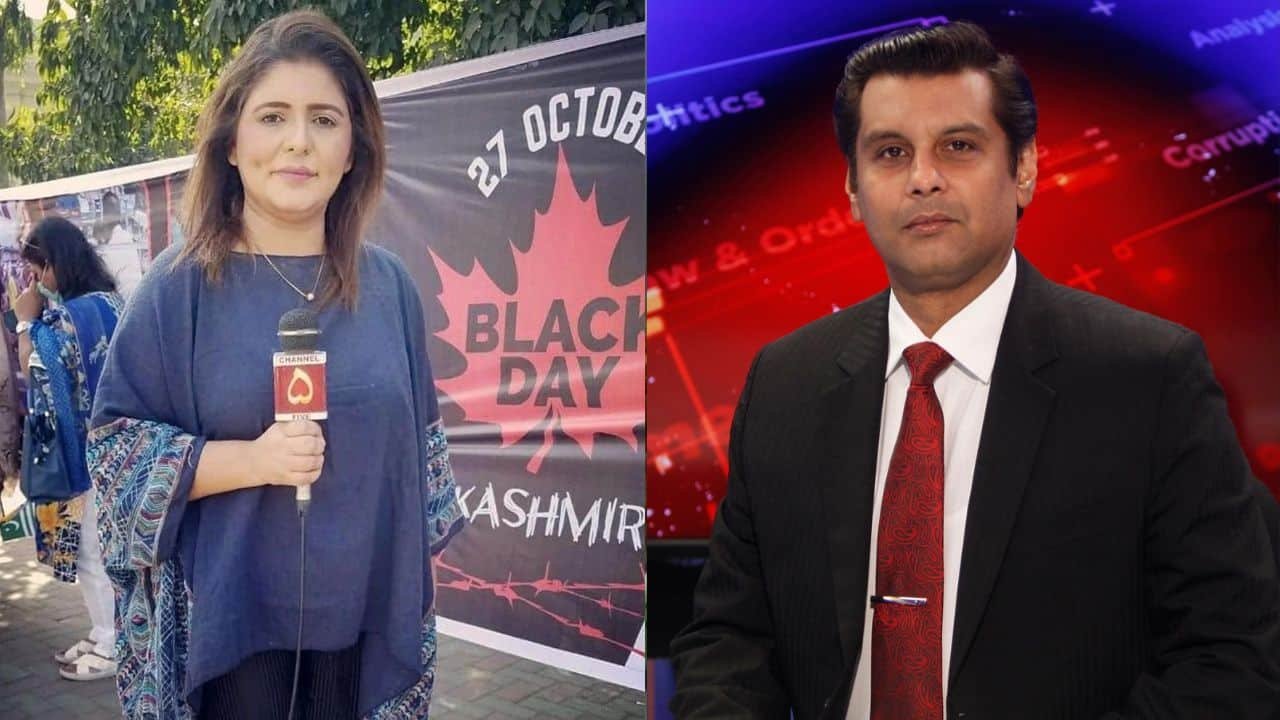
The report also cited specific incidents, such as the tragic death of Channel 5 reporter Sadaf Naeem during the coverage of former Prime Minister Imran Khan’s rally in Punjab in October 2022.
The report notes that another Pakistani journalist Ashad Sharif was killed in Kenya on October 23, 2022, and there is still no clarity on his murder.
Pakistan Press Foundation has also documented at least 157 media-related attacks, including 16 instances of arrests, five instances of detention, and 44 cases of assault this year.
Between January and September 2023, PPF has documented at least 157 attacks on the media in connection with their work, including 16 instances of arrests and five instances of detention, 44 cases of assault, two cases of damage to property, four instances of raids, 18 instances of registration of cases against media professionals and two instances of legal action, 26 instances of censorship, 20 instances of harassment of journalists or media practitioners, 13 cases of threats, seven confirmed cases of kidnappings and three unconfirmed cases.
While the country witnessed an improvement in its ranking in the World Press Freedom Index, climbing from 157 in 2021 to 150 in 2023, this progress is overshadowed by the failure to effectively implement the laws designed to protect journalists.
Palestinian journalist Roshdie Sarraj was martyred on Sunday after Israaeli air strikes bombed his home in Gaza, taking the total number of journalists killed since the beginning of Israel’s war on Gaza to 23.
In his last Twitter post, Sarraj appealed to the international community to urgently call upon their leaders after another hospital in Gaza Al-Quds received a warning from Israel to evacuate before it is bombed. Currently, the hospital is housing more than 12,000 refugees.
Urgent Appeal to the International Community
Palestine Red Crescent Society has just received a threat from the occupying authorities to bombard Al-Quds Hospital, and has demanded the hospitals’s immediate evacuation.
Putlitzer Prize nominated journalist Wissam Nassar confirmed Sarraj’s death on his Instagram account by writing: “My close friend, Rushdi Sarraj, was killed in Israeli bombardment on his home. He was a talented photojournalist and director creatively telling the stories of Gazans under war and siege. May you rest in peace, Roshdi. Please remember me to all journalists in the heaven, whom Israel killed.”
Sarraj had actively used his Instagram account to spread awareness of the on-going genocide in Gaza. A recent picture showed how Israel had laid destruction over civilian homes.
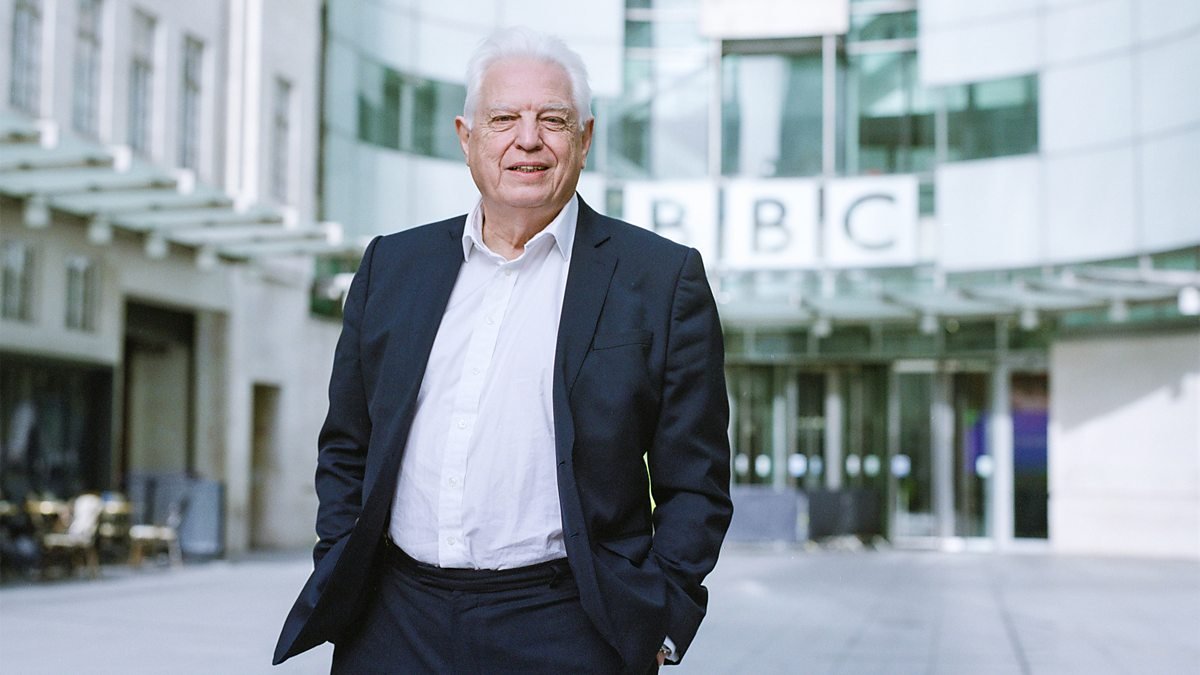
Journalist John Simpson recently responded to criticism on why the BBC did not refer to Hamas’ gunmen (who attacked Israel on October 7) as terrorists.
Referring to government ministers, newspaper columnists, and “ordinary people”, the foreign correspondent and world affairs editor of BBC News pointed out that it is not the job of a news agency to take sides or hand out labels.
“Terrorism is a loaded word, which people use about an outfit they disapprove of morally. It’s simply not the BBC’s job to tell people who to support and who to condemn – who are the good guys and who are the bad guys,” he said.
He reminded the people that the basis of his answer goes right back to the BBC’s founding principles.
“The key point is that we don’t say it in our voice. Our business is to present our audiences with the facts, and let them make up their own minds.”
With 50 years of reporting experience on the Middle East, Simpson has seen the aftermath of of Israeli bombing and artillery attacks on civilian targets in Lebanon and Gaza.
“The horror of things like that stay in your mind forever”, he said. “But this doesn’t mean that we should start saying that the organisation whose supporters have carried them out is a terrorist organisation, because that would mean we were abandoning our duty to stay objective.
And it’s always been like this in the BBC. During World War Two, BBC broadcasters were expressly told not to call the Nazis evil or wicked, even though we could and did call them “the enemy””
He also quotes a BBC document stating, “there must be no room for ranting” and that the “tone had to be calm and collected”.
“We don’t take sides”, he concluded. “We don’t use loaded words like ‘evil’ or ‘cowardly’. We don’t talk about ‘terrorists’. And we’re not the only ones to follow this line. Some of the world’s most respected news organisations have exactly the same policy.”
Prolific writer Arundhati Roy, the only non-expatriate Booker prize winning author of The God of Small Things, is one of the most high-profile critics of Indian Prime Minister Narendra Modi and a voice for the voiceless in her country.
Amidst the dire situation of press freedom in India, the author may face prosecution for a speech she delivered in 2010 about Kashmir, as per media reports. A top-official in New Delhi, VK Saxena, has given approval for the case to proceed before the courts. According to Saxena’s directive, Roy and her co-defendants were allegedly advocating for the secession of Kashmir from India at a public function and that is enough evidence for a legal case.
Under the Modi Government, sedition laws are often used to curb the freedom of expression and journalism, raising a question over the so-called biggest democracy’s principles. Added to that are PSA laws exclusive to Jammu and Kashmir which allow detention of individuals “preventively” for up to two years, without a trial or warrant. In IOK, a number of journalists have been held in detention.
The revocation of Article 370 ensuring the special status of Kashmir on August 6, 2019, has caused voices like Roy to become more loud. “In Kashmir when we wake up and say, ‘Good Morning’ what we really mean is ‘Good Mourning,’” exclaimed one of the characters from her novel, The Ministry of Utmost Happiness. Her house was besieged when the speech became public and the complaint that lodged against her has now proceeded after 13 years.
Roy, now 61, has always been fearless in her expression and is known for her work as a journalist, activist and a novelist. Her work is a scribbled protest whereas her speeches and the articles she reads in conferences is vocal dissent in the face of oppressors. In one of her famous speeches, she voices out the basic facts of Kashmir’s reality that “it is not an integral part of India and even the Indian Government has accepted this years back in the UN.” Her latest book Azadi Freedom, Fascism, Fiction is an honest account of the situation of minorities, Dalits and activists in India.
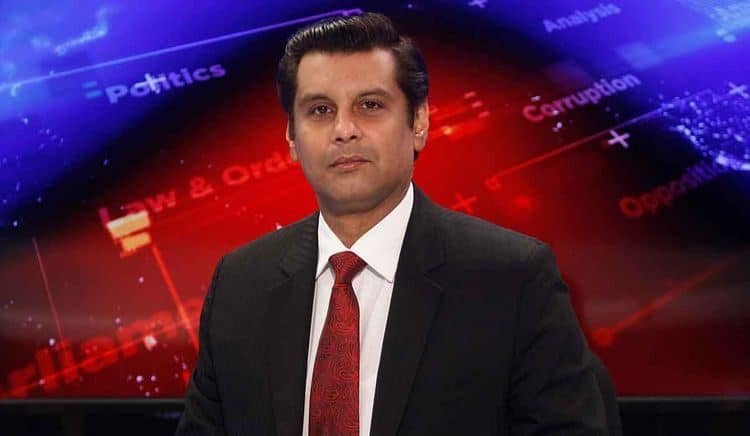
The proceedings of senior journalist Arshad Sharif’s murder trial have been put to halt in District and Sessions Courts Islamabad.
According to the details reported by Samaa news, witnesses have failed to appear and there is a lack of interest on their behalf; and so the case’ file was sent to the record room.
Judicial Magistrate Abbas Shah issued the written decision of the previous hearing.
According to the decision, on March 16, the court received a challan of Penal Code Section 512 in the Arshad Sharif murder case. On April 5, the court summoned witnesses to record their statements. They were summoned several times, but no one appeared.
The court says that they are not interested in recording the statements of the witnesses in the Arshad Sharif murder case; the prosecution was given an opportunity to submit evidence 15 times. And so, at the previous hearing, the prosecution was given notice that perhaps the file should be sent to the record room. According to the prosecutor, private and official witnesses are not coming to the court to record their statements.
In the judgement, it has been said that the prosecution can file an application for a new date considering the appearance of the witnesses, till further orders the Arshad Sharif murder case file is sent to the record room.