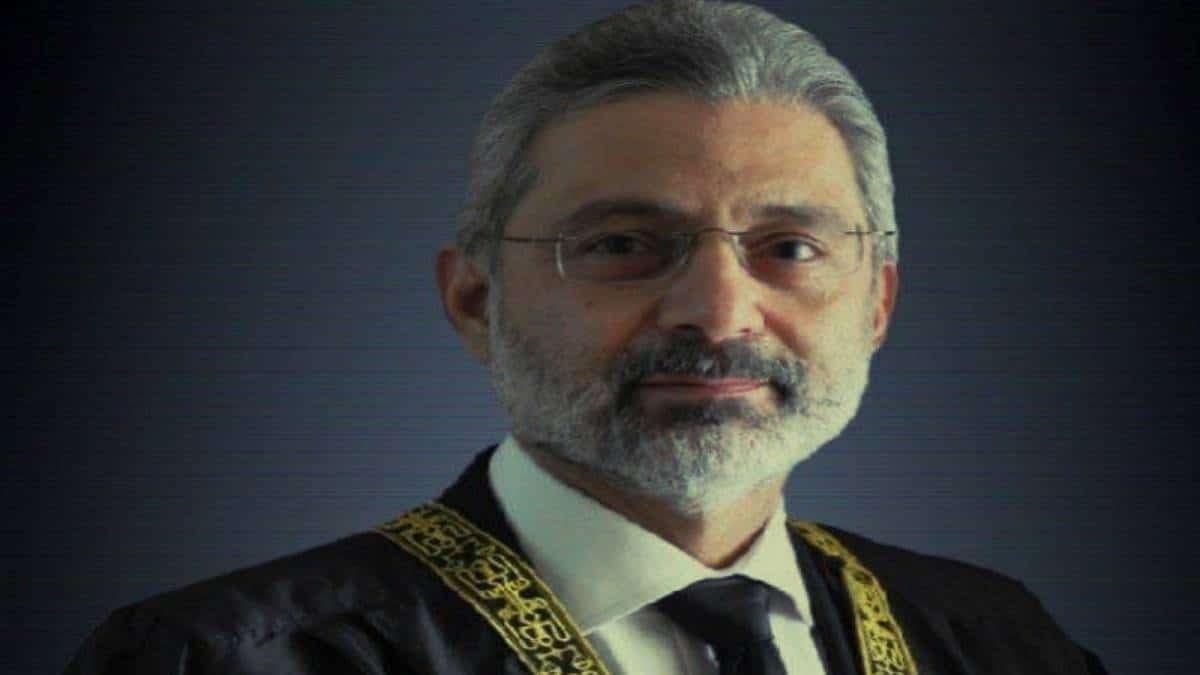
Tag: Judges

  • ‘Judges advising political party to prepare for upcoming elections’

    ‘Judges advising political party to prepare for upcoming elections’

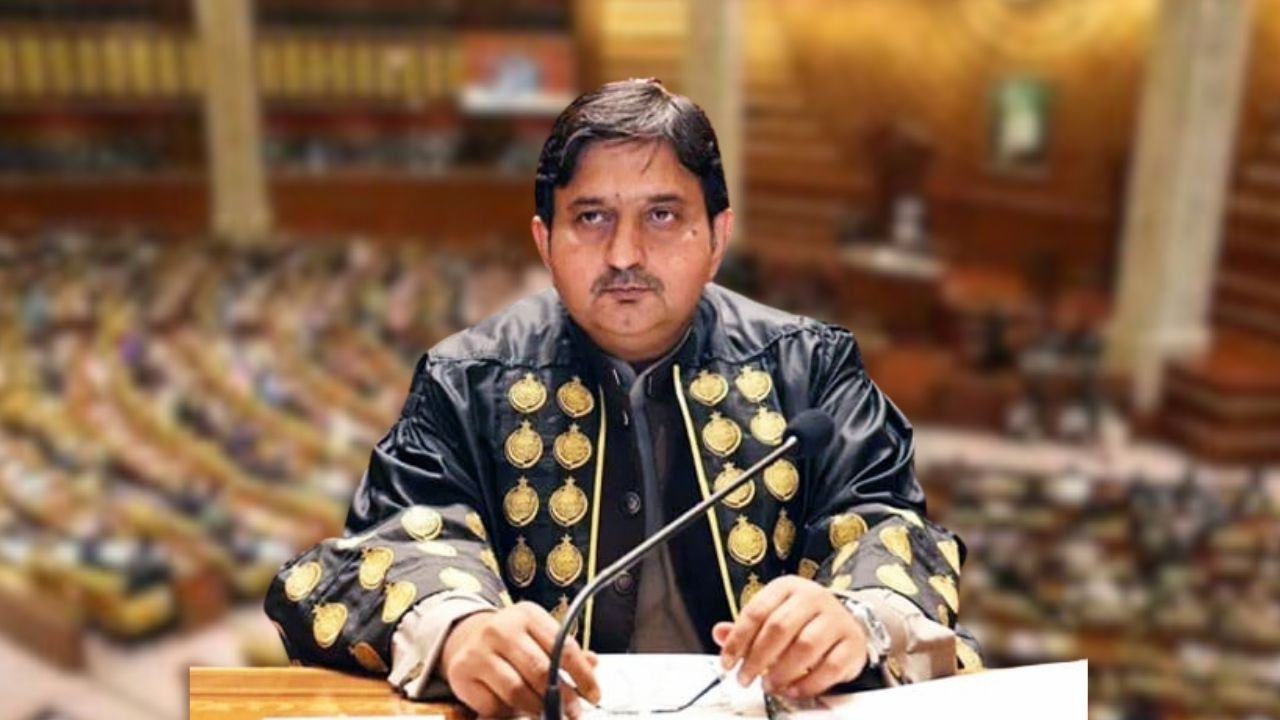
    Speaker of Punjab Assembly Malik Muhammad Ahmad Khan claimed that certain senior judges are advising one political party to prepare for elections.

    Speaking at a press conference at the old assembly building on Monday, the Speaker of the Punjab Assembly said, “There is evidence that certain august members of the judiciary are encouraging a political party to prepare for elections.”

    “I have evidence that why a few articles of the constitution were suspended to benefit a party,” he added.

    Responding to the role of politics in judiciary, he said that politics in judiciary should end now.

    “There was lopsidedness in the court of former Chief Justice Umar Ata Bandial as a specific five-man bench would take up all important cases. There was lopsidedness in the another ex-CJP Saqib Nisar’s court,” Khan added.

    Lambasting the Pakistan Tehreek-e-Insaf (PTI) leadership for holding protests on the same day as the Shanghai Cooperation Organisation (SCO), which is going to be held Today (Tuesday), he alleged that PTI’s protest has a foreign agenda.

  • IHC full court decides to give ‘institutional response’ to interference in judiciary

    IHC full court decides to give ‘institutional response’ to interference in judiciary

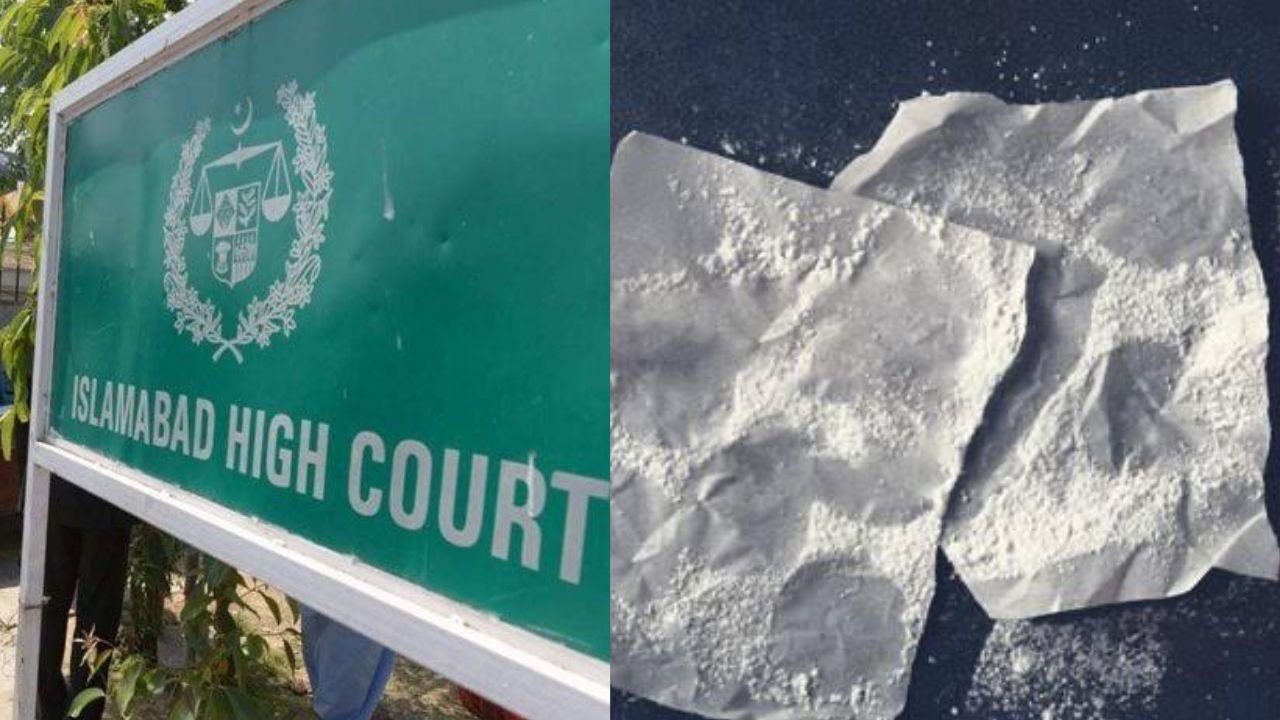
    A full court meeting of the Islamabad High Court (IHC) has ‘unanimously decided’ to give an “institutional response” to any interference in judicial matters, Geo reported.

    The full court meeting was held with Chief Justice IHC Aamer Farooq in the chair to finalise proposals of suitable response before submission to the Supreme Court in connection with the matter of six IHC judges writing a letter to the Supreme Judicial Council (SJC) alleging blatant meddling by spy agencies in judicial matters.

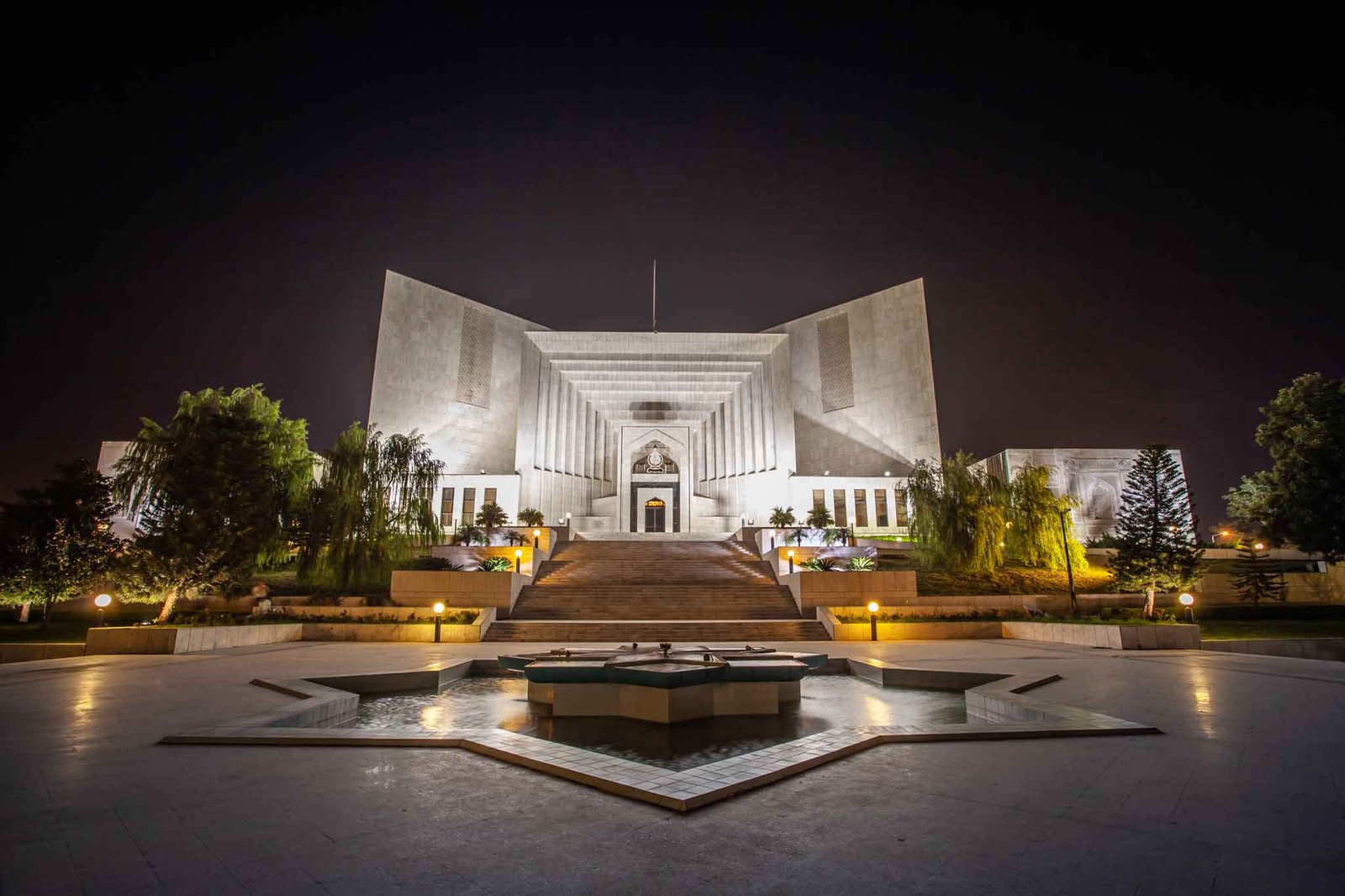
    Later, the Supreme Court (SC) initiated suo motu on the letter and also sought a proposal from the Pakistan Bar Council (PBC), the Supreme Court Bar Association (SCBA), high courts and the federal government in this regard.

    The Supreme Court order on April 3 read, “They should suggest what should be the institutional response and mechanism to address the issues like the ones raised in the letter [of IHC judges] and ensure that such issues do not arise in future and, if they do, to fix liability and proceed against those responsible.”

    In response, a draft comprising the proposals would be prepared and submitted to the Supreme Court on April 24.

  • Arsenic found in suspicious letters sent to judges

    Arsenic found in suspicious letters sent to judges

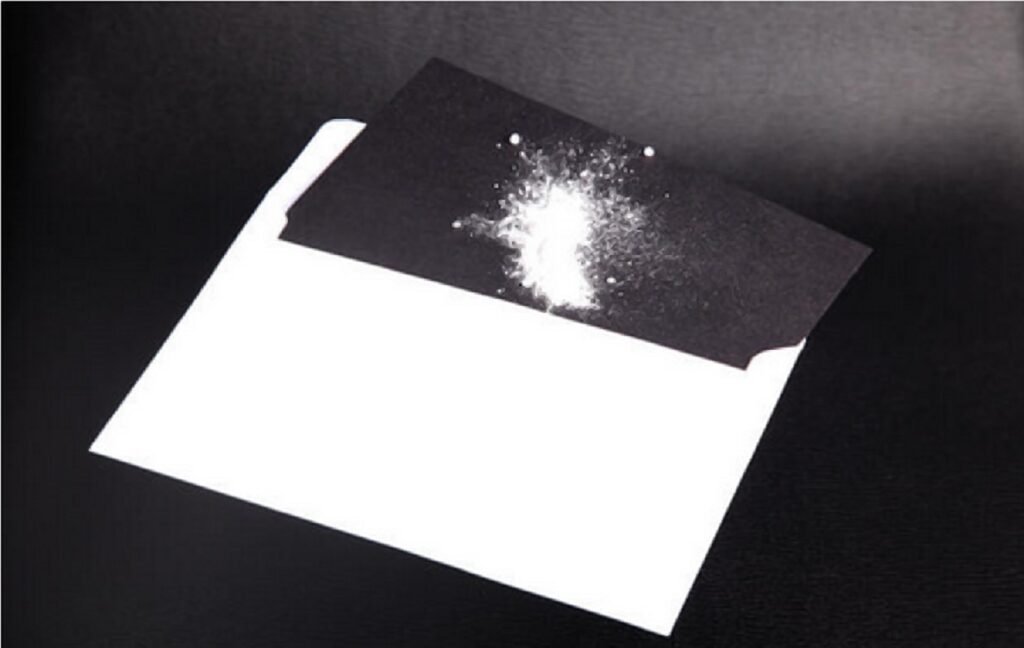
    The Counter Terrorism department (CTD) has obtained a forensic report of the powder found in the suspicious letters sent to judges of the High Court and Supreme Court (SC).

    At least four SC judges and judges of the high court—eight of the Islamabad High Court and six of the Lahore High Court—received the letters, creating fear among the judiciary.

    Justice Ali Baqar Najfi of Lahore High Court (LHC) was the last judge to receive a letter filled with white powder.

    The CTD registered two FIRs against unknown people and initiated an investigation into the matter.

    The report revealed that arsenic was mixed in powder found in the letters. The sources of GEO also uncovered that 10 percent arsenic was mixed in the powder, as a higher amount of arsenic could be “very poisonous” and harmful to the human body.

    The investigators have obtained videos of the CCTV cameras installed near the letterboxes in the sub-divisional post office in Satellite Town, Rawalpindi.

  • Tehreek e Namoos Pakistan sends threatening letters to SC

    Tehreek e Namoos Pakistan sends threatening letters to SC

    After arriving at the doorsteps of Islamabad High Court (IHC) judges, letters containing suspicious powdery substance and threatening messages have been sent to the four Supreme Court (SC) judges – including Justice Qazi Faez Isa and Justice Mansoor Ali Shah.

    Importantly, on the same day four judges of Lahore High Court received the threatening letter as well containing suspicious powdery substance.

    The suspicious powder was suspected to be anthrax.

    The letter sent to the SC jurists read, “You people at the Supreme court of Pakistan are pretending to do justice since the inception of this country. Year after year this country is pluming into chaos, poverty, corruption and disorder. SCP was supposed to be the final and ultimate check for all that is wrong in our holy country instead it became very part of the problem and rescuer of evil.”

    It further said, “Judges, Generals and politicians are the curse and disease of motherland. We Tehreek e Namoos e Pakistan say NO More…”

    Tehreek e Namoos Pakistan (TNP) is a relatively new militant group whose name emerged once before last year. It was when a team of the Wild Life Department discovered explosives and maps related to sensitive installations of the Red Zone at Margalla hills, on Trail 5 of Islamabad, September 17 2023.

  • Judges were sent letters possibly containing anthrax: CJ Islamabad High Court

    Judges were sent letters possibly containing anthrax: CJ Islamabad High Court

    The Chief Justice of Islamabad High Court (IHC), Aamer Farooq has made the startling revelation on Tuesday afternoon that judges have been sent suspicious letters possibly containing anthrax spores, leading to a delay in the divisional bench’s hearing of the cipher case.

    The letters were sent by Resham, wife of Waqar Hussain. However, the envelopes were not marked by an address.

    The threatening letters prompted the judges to call on the Islamabad Inspector General of police. A team of experts is now present in the vicinity of the court.

    Reportedly, when the letter was opened, it contained a powder which caused intense burning in the eyes. The staff immediately disinfected their hands with sterilising liquid. A crossbones symbol was also stamped inside the letter.

    The powder has been handed over to the Anti Terrorism department for further investigation.

    Anthrax is a potentially fatal disease caused by the Bacillus Anthracis bacteria. It is commonly found in soil and infects domestic DND wild animals. Dangerous levels of exposure to the spores can cause sepsis in humans, inflammation of the spinal cord and even death if internal hemorrhaging begins.

  • PTI demands full court, rejects ‘like-minded’ judges bench

    PTI demands full court, rejects ‘like-minded’ judges bench

    In an echo to past objections, former ruling party Pakistan Tehreek-e-Insaf (PTI) has rejected the constitution of a seven-member bench led by the Chief Justice of Pakistan (CJP) to investigate the six judges’ letter documenting alleged interference by intelligence agencies in judicial matters.

    At a press conference, former Chief Minister of Gligit-Baltistan Khalid Khurshid along with the party’s central information secretary Raoof Hasan declared that PTI would not accept the legitimacy of the seven-member bench terming it “like-minded judges” that was made at the behest of the CJP to get a decision of their choice.

    He demanded that a full court be constituted to investigate the serious allegations levelled by the six IHC judges and the proceedings should be telecast live. Raoof also added that judges should be allowed to tell their stories in a judicial conference as well.

    He lauded ex-CJP Tasadduq Hussain Jillani’s decision to recuse himself from the inquiry commission and congratulated the legal fraternity for their principled stance. He also commented that the IHC judges demonstrated great courage by writing the letter.

  • Full Court meeting called after Shehbaz-Isa meeting

    Full Court meeting called after Shehbaz-Isa meeting

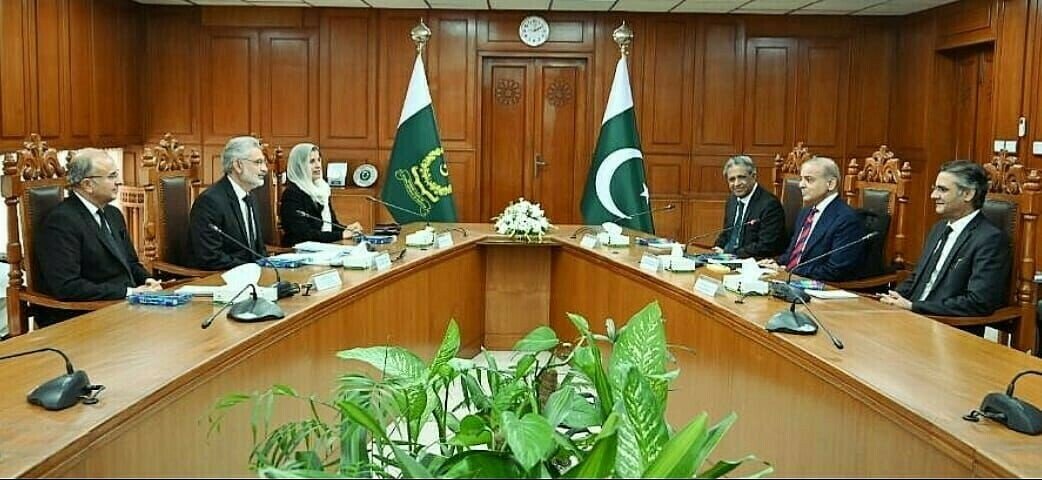
    The Prime Minister of Pakistan Shehbaz Sharif met the Chief Justice of Pakistan Qazi Faez Isa on Thursday against the backdrop of the bombshell letter written by the six judges of Islamabad High Court (IHC). The meeting lasted about an hour and twenty minutes.

    The letter went into details on what it called ‘interference’ of spy agencies in judicial matters. The PM was accompanied the by Attorney General Pakistan Mansoor Usman and Law Minister Nazir Tarar, while in the chamber, Justice Mansoor Ali Shah accompanied the CJP.

    “PM Shehbaz assured CJP Isa that no compromise will be made on the judiciary’s independence,” said Tarar in a press conference today. After the high-level meeting today, the PM decided to constitute a commission to investigate the allegations levelled by the six judges.

    Tarar further stated “The federal government considered the content of the judges’ letter an extremely serious matter as no one should be allowed to meddle in any institutions’ affairs, and it should be probed.”

    The PM will also take up the matter during a cabinet meeting tomorrow.

    Yesterday, the bar associations of the country and senior legal experts called for a thorough investigation into the contents of the letter and the CJP conducted a full court meeting to discuss the matters at hand.

  • ‘They do love marriages, then become a problem for court’: Chief Justice

    ‘They do love marriages, then become a problem for court’: Chief Justice

    Chief Justice Qazi Faiz Isa has remarked that having a beard does not make a person a Muslim, people themselves marry for love and then it becomes an issue for the court as per Aaj news.

    The case of the extradition of two minor girls was heard in the Supreme Court by a three-member bench headed by Chief Justice Qazi Faez Isa.

    The court ordered the two girls to be handed over to their mother, ordering that the father of the girls will be able to visit the girls on Sundays from 10 am to 5 pm, and if the father violated the court order, contempt of court action will be taken against him.

    The lawyer of the father pleaded with the court that the girls should be with the father, as their mother works at night, and does not have time to take care of them.

    Chief Justice Qazi Faiz Isa expressed his anger and asked whether the lawyer has read the principle of extradition in Islam or not, stressing that according to Shariat, children stay with their mothers.

    The Chief Justice remarked that we are Muslims in name only, our work is not that of Muslims, just having a beard does not make a person a Muslim, action must also be taken. Prayer, fasting, and Hajj are not enough, he observed, adding that humanity and morals are also necessary. If the parents are not divorced, their mutual resentment will spoil the future of the children.

    The Chief Justice asked the children’s father whether he had a love marriage or an arranged marriage.
    Taimur, the father of the children, said that it was a love marriage.

    The Chief Justice remarked that people themselves marry for love, and then they become an issue for the court.

    The Supreme Court disposed of the case with the consent of the parents.

  • Free electricity extended to President, judges, and NAB chairman, contrary to PM’s claims

    Free electricity extended to President, judges, and NAB chairman, contrary to PM’s claims

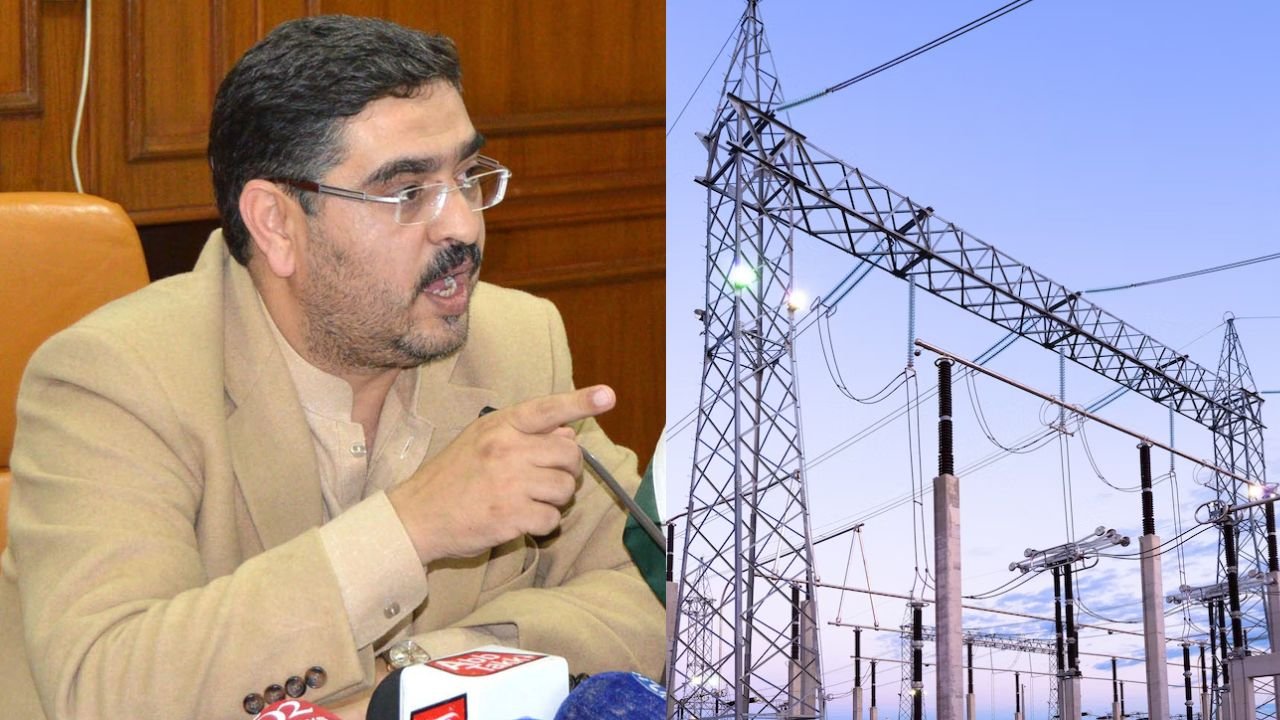
    Prime Minister Anwaar ul Haq Kakar’s recent statement regarding free electricity for judges in Pakistan has sparked controversy, as it appears to be at odds with existing policies and practices.

    In a recent address, the Prime Minister asserted that only Wapda’s employees, including retirees, are entitled to free electricity, and this privilege is not extended to judges or other officials. However, a closer examination of the facts suggests that the Prime Minister may have been misinformed., according to Geo.

    Contrary to the Prime Minister’s statement, serving judges of the Supreme Court and High Courts in Pakistan enjoy the benefit of having their utility bills, including electricity, covered by the government. This includes both current and retired judges.

    For retired Supreme Court judges, the provision of free electricity extends up to 2000 units per month, while retired High Court judges receive 800 units per month without incurring any charges. The President and Prime Minister, whether in office or after retirement, are also entitled to free utilities, including electricity, without any specified limits.

    It’s worth noting that even former President’s receive a monthly allowance of 2000 units of electricity, with the costs borne by taxpayers’ funds.

    Additionally, the National Accountability Bureau (NAB) chairman enjoys similar privileges to those of a Supreme Court judge, which includes the provision of free electricity. However, there is no official confirmation regarding the entitlements of services’ chiefs as claimed by the Prime Minister.

    The President’s Salary, Allowance and Privileges Act of 1975, amended in 2018, specifies in Section 7 that the actual charges for electricity and gas consumption shall be covered each year for the President. Similarly, the President’s Pension Act outlines provisions for electricity, gas, and water supplies.

    The transparency of these policies was underscored in October 2020 when Justice Faez Isa and his wife disclosed their income tax and asset details. These documents clearly indicated that post-retirement benefits for a Supreme Court judge include 2000 units of electricity, 25 HM3 of gas, water, and 300 litres of petrol per month.

    Furthermore, the High Court Judges (Leave, Pension, Privileges) Order of 1997 not only addresses the payment by the government for electricity, gas, and water but also states in Section 28 that retired judges and their spouses are entitled to certain benefits, including 800 units of electricity per month and 25 HM3 of gas per month.
  • Judges mein bol chaal khatam, ghar se iftariyaan waapis kardi, claims journalist

    Senior court reporter Hasnaat Malik has claimed that the differences between the Supreme Court (SC) judges have reached the point of no return.

    Speaking to Journalist Absa Komal on Dawn News programme ‘News Eye’, the journalist said, “Bol chaal khatam ho gai hai, iftariyaan bheji judges ne aik dosry ke ghar woh wapis kardi gai “(They aren’t on talking terms, the judges even returned iftaris which they sent to each other’s homes).

    Malik also revealed that arguments have also taken place in person between the senior judges and that consensus is impossible at the moment.

    Hasnaat Malik said that seven judges are on one side while the other eight are on another, pointing out that the fight is about absolute power given to the Chief Justice of Pakistan (CJP) Umar Ata Bandial as one side wants to regulate his authority.

    He said that as of yet CJP has unquestionable power in the SC and he can do whatever he wants in cases or matters related to benches.

    It is pertinent to mention that questions related to the supreme power given to CJP Bandial were raised when election suo moto was taken by him despite the opposition by many senior judges including the next CJP Justice Qazi Faez Isa. Since then it has been widely speculated that judges aren’t happy with CJP Bandial.